Museums in Bern: What to See and How to Plan Your Days
Plan museum time in Bern with the Kunstmuseum, the Historical Museum and the Kirchenfeld quarter, plus what each holds and how to fit them into a break.
On this page
Bern packs a surprising share of its cultural weight into a compact arc between the Old Town, the Aare and the Kirchenfeld hillside, so museum time here competes with the arcades, the Zytglogge and the Münster platform rather than sitting in a separate part of town. A short break works best when you treat one art collection as the anchor, add one museum across the river and leave the parliament visit to a slot booked in advance. The rest of the things to do in bern fit neatly into the gaps, which is why a museum morning and an Old Town afternoon rarely conflict.
What Bern's Museums Add to an Old Town Walk
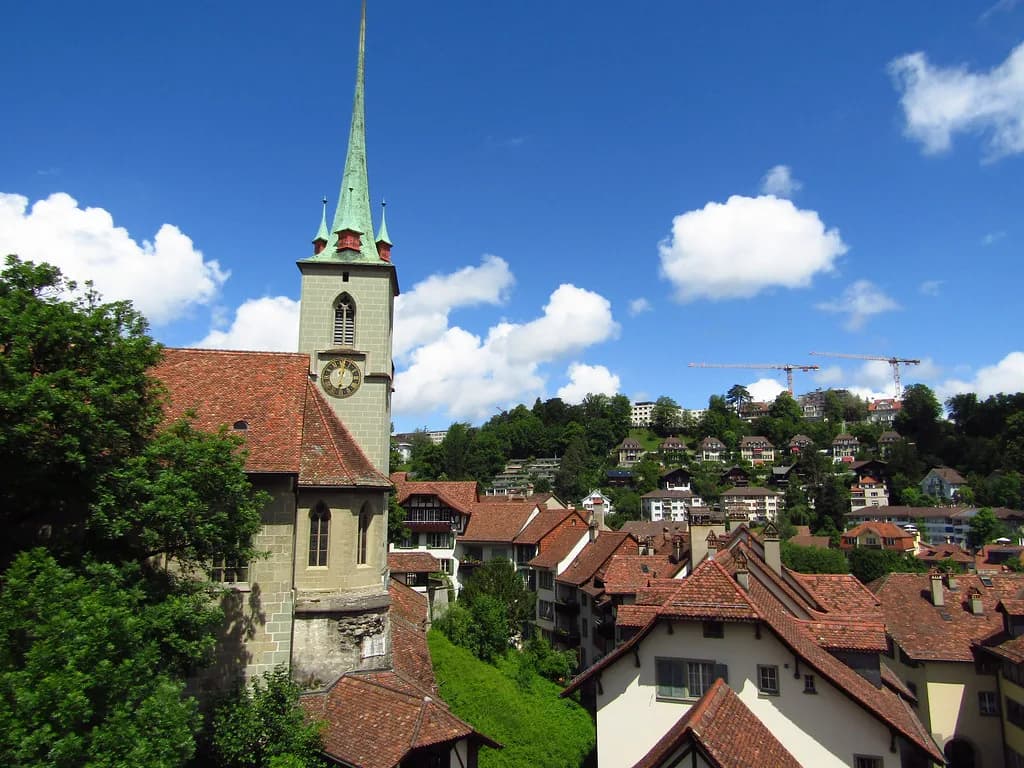
The arcaded streets, the Zytglogge clock and the view from the Münster platform give you the city's outline in an afternoon. What they cannot show you is the depth behind it, and that is where the collections earn their slot: paintings and sculpture on one side of the Aare, the building and objects of the national story on the other. Treating the walk and the museums as two halves of the same day is the most efficient way to see Bern in a short break.
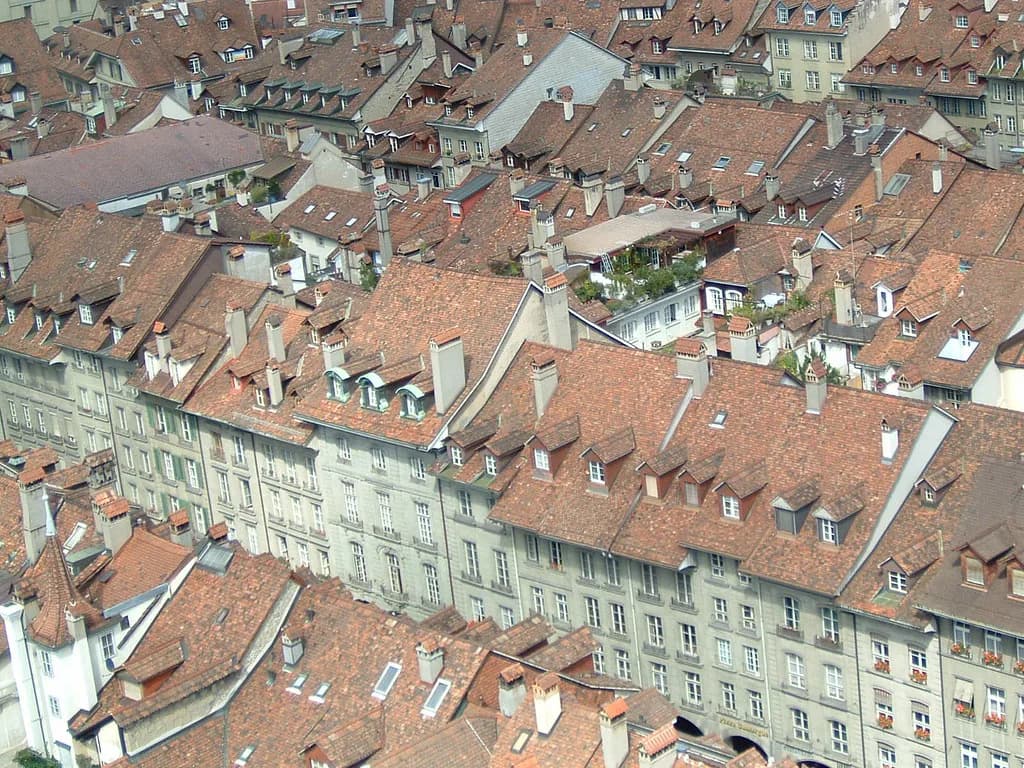
Set against the arcades and the sandstone facades, the museum buildings themselves are part of the appeal, from the museum cluster on the Kirchenfeld side to the historic collection at Helvetiaplatz. Building in a proper indoor block also protects the trip from a wet morning, when the fountains and terraces lose their charm faster than the galleries do. A museum visit also gives a natural rest stop between the sightseeing on foot and whatever else fills the evening.
The Kunstmuseum Bern: Picasso, Hodler and Oppenheim in One Collection
The Kunstmuseum Bern carries a collection of around 4,000 paintings and sculptures together with some 70,000 drawings, prints, videos, installations and photographs. That scale is the argument for giving it real time rather than a quick loop: it ranges across Pablo Picasso, Ferdinand Hodler and Meret Oppenheim alongside contemporary work, so the collection itself spans more than a century.
Decide before you enter whether you want the highlight route or a deeper pass through one area of the collection. On a two-night stay, two hours in the galleries plus an outdoor block works better than a rushed three-museum day, and the museum's own collection pages are the place to check which works are on view and how the displays are organized before you commit. The collection notes on the museum's site give the clearest sense of its size and breadth.
The Bernisches Historisches Museum at Helvetiaplatz
The Bernisches Historisches Museum anchors the museum quarter at Helvetiaplatz, and its building has been extended and rebuilt more than once since it went up over 130 years ago. The museum is shared by the canton, the Burgergemeinde and the city, and both its subject matter and its location make it the natural counterpart to an Old Town walk about Bern's own past.
A full renewal is planned rather than under way: the building credit totals 120 million francs, the city's share is 40.35 million, and voters are expected to decide on the municipal contribution in June 2026. If the plan proceeds, construction is scheduled from mid-2027 to mid-2032, with the old building closed during that period while the large hall in the Kubus keeps running an exhibition on Bern's history and the museum works with partners elsewhere in the canton.
For a trip in the next few years this matters in a practical way: the building at Helvetiaplatz is the one to plan around now, and a visit later in the decade may mean the Kubus hall instead. Check the museum's own site for which displays are running when you travel.
The Kirchenfeld Quarter: Why Bern's Museum District Sits Across the River
Bern's Stadtteil 4, Kirchenfeld–Schosshalde, sits close to the center, is heavily green and holds a large concentration of museums and schools, home to roughly 18 percent of the city's residents. That combination explains why a cluster of collections sits on the hillside across the Aare rather than in the medieval core: the district was laid out with institutions in mind.
Plan the crossing as part of the visit rather than as dead time. Walking over from the Old Town puts you at the museum doors within a short stroll and gives you the river and rooftop views on the way, so grouping two Kirchenfeld museums in one block saves both travel and decision-making. The city's planning pages describe the district's character if you want to understand what you are walking through.
How the Münster, Zytglogge and Bundeshaus Fit Around a Museum Visit
The three signature sights sit within easy walking distance of each other in the Old Town, which makes them the natural outdoor half of a museum day. The Zytglogge and the Münster give you the medieval city, and the Bundeshaus on Bundesplatz adds the modern state a few minutes away. Rather than treating them as a checklist, use them to break up indoor time: a gallery morning, a walk past the Zytglogge and the Münster, then the parliament square in the afternoon.
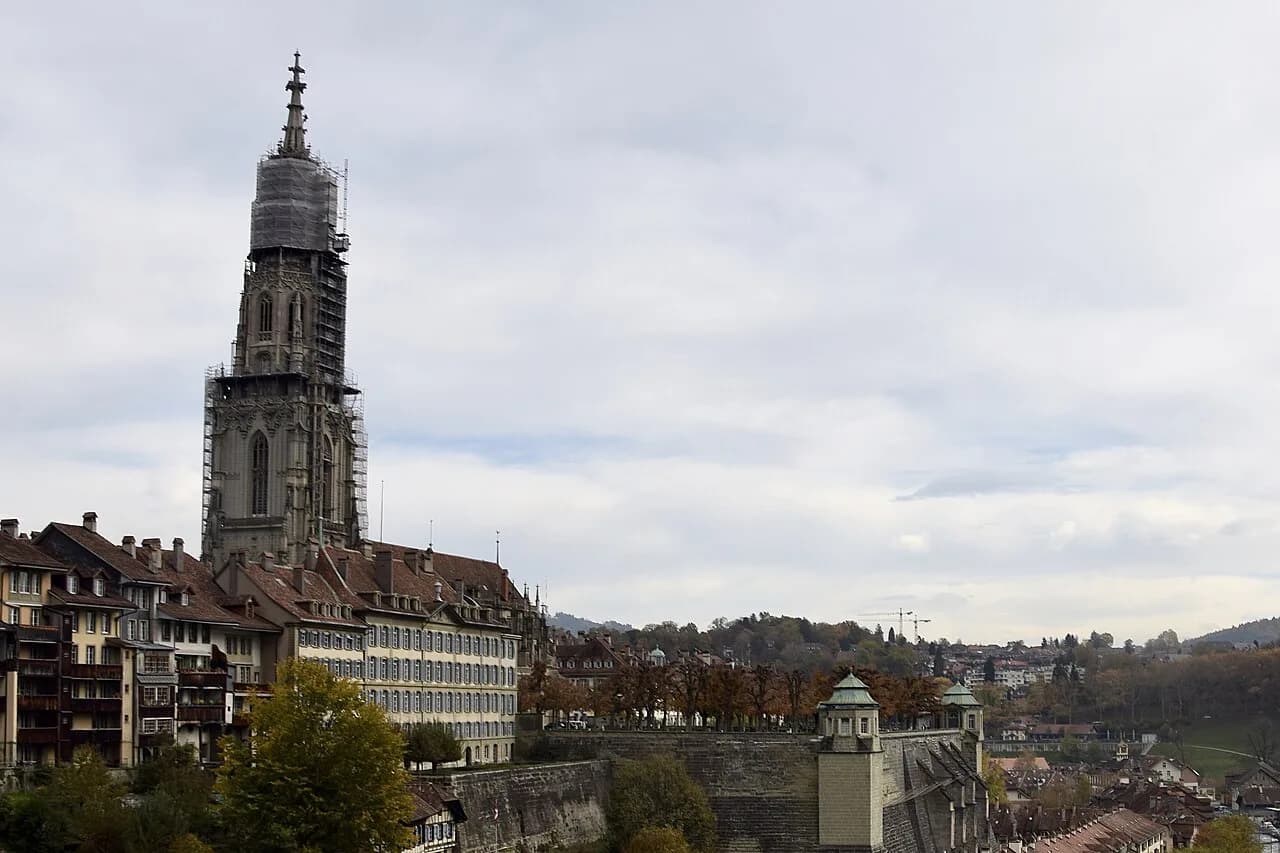
The Münster platform is free to visit and open around the clock, which makes it a good filler between timed entries or a museum that closes earlier than you expected. The cathedral itself is free to enter, while climbing the tower involves a fee and a long staircase, so decide whether the view or the collection deserves the remaining hour.
If you want the outdoor sights organized into a route with timings, a bern self guided walking tour takes care of the sequence and leaves the museums as separate, timed blocks.
A Half-Day Museum Plan Versus a Full-Day Museum Plan
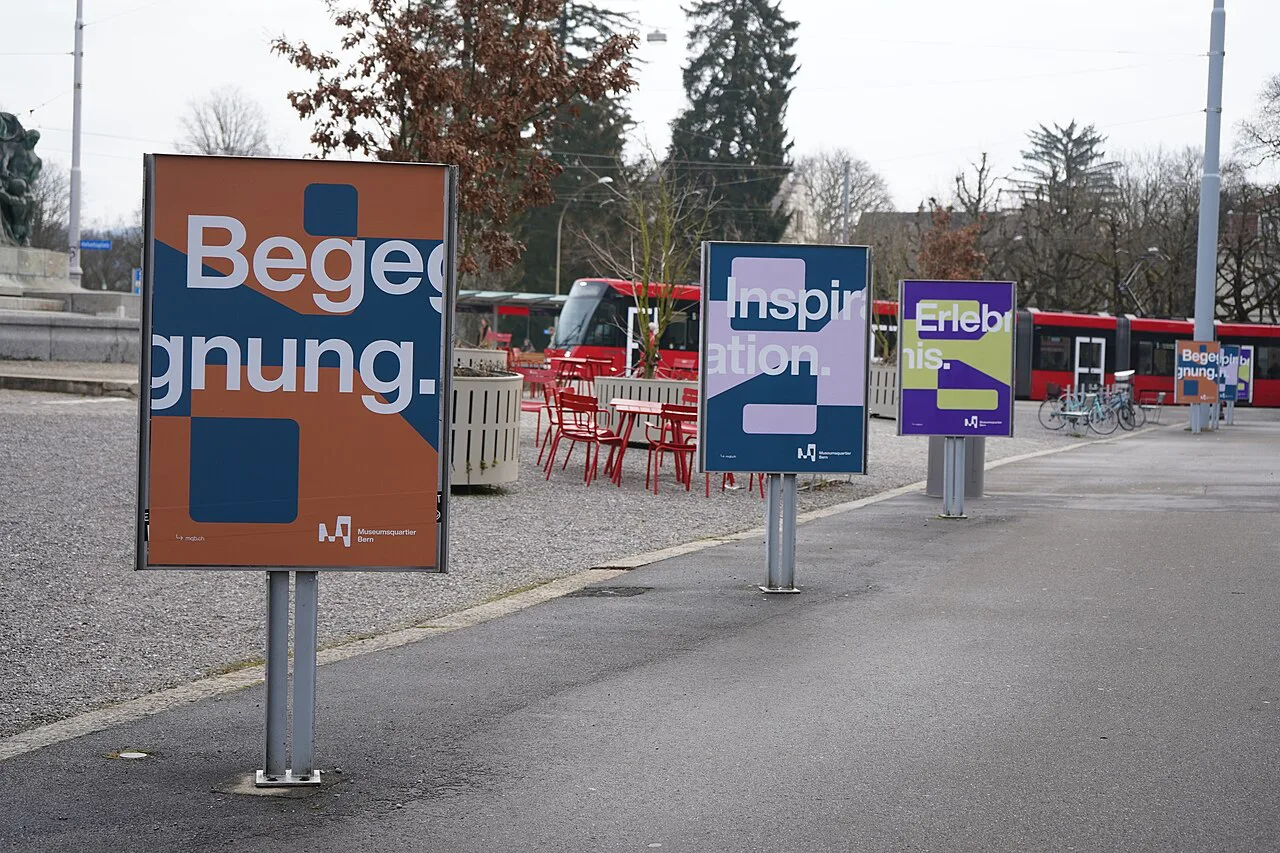
With half a day, pick one anchor and do it properly. The Kunstmuseum suits a two-hour visit, followed by a walk across the Aare into the Kirchenfeld district to see the museum quarter at street level, then back through the Old Town. That pattern keeps the day varied and avoids the fatigue that sets in after a third consecutive gallery.
With a full day, the Kunstmuseum in the morning and the Bernisches Historisches Museum at Helvetiaplatz after lunch makes a coherent pairing, with the Bundeshaus and the Münster platform fitted around them. If you want a third indoor stop, keep it small and single-subject rather than adding another encyclopedic collection. Comparing how other Swiss cities handle this helps calibrate expectations, and museums in zurich show how a larger city spreads its collections across districts.
What a Bundeshaus Guided Tour Adds and How to Book
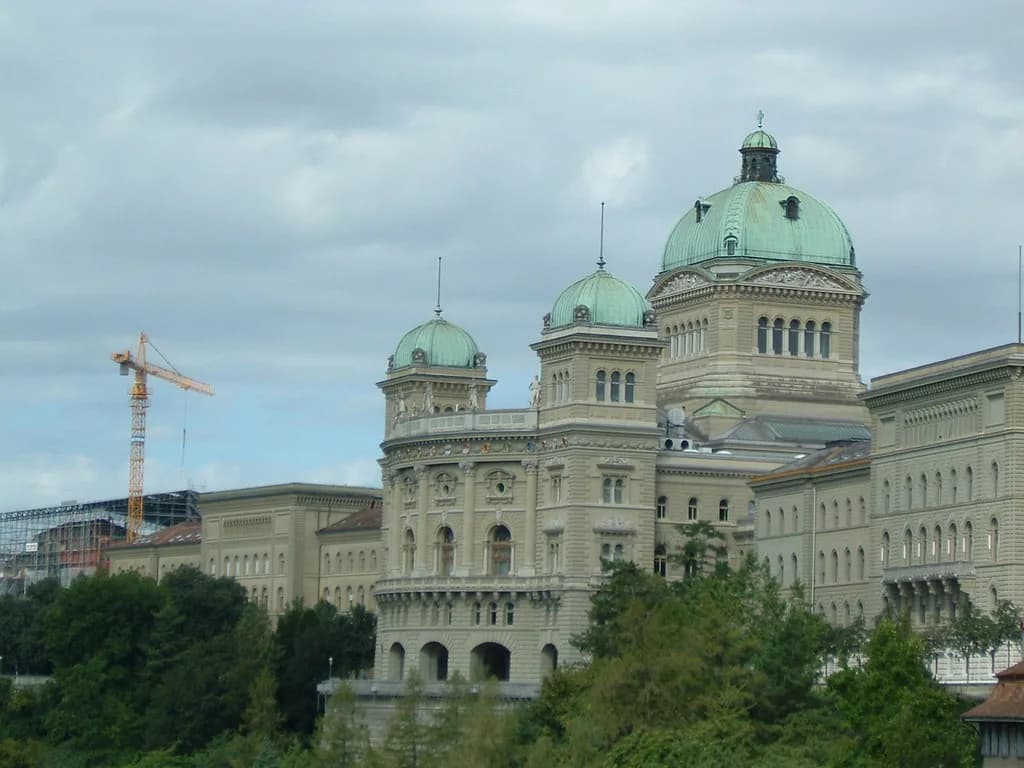
The Bundeshaus tour is a civic visit rather than an art stop, and it takes 45 to 60 minutes. The route runs from the domed hall with the Three Confederates statue group into the National Council and Council of States chambers, with guides covering the building's history, its artworks and everyday political life, and a pause in the Wandelhalle where council members and media talk politics.
Book through the parliament's own website, where guided tours can be reserved three days ahead. Regular tours do not run while councillors are working, so the sitting calendar is the real constraint on your dates. During sessions you can instead sit in the visitors' gallery and watch debates, and registered groups can arrange to speak with a council member.
The building on Bundesplatz was built between 1894 and 1902 in neo-Renaissance style, with a dome of about 60 meters, and 95 percent of its materials come from Switzerland. A small detail worth knowing: a trout is said to be hidden in the National Council chamber's mural, and it is hard to spot from a distance.
Einsteinhaus on Kramgasse: A Small Museum With One Subject
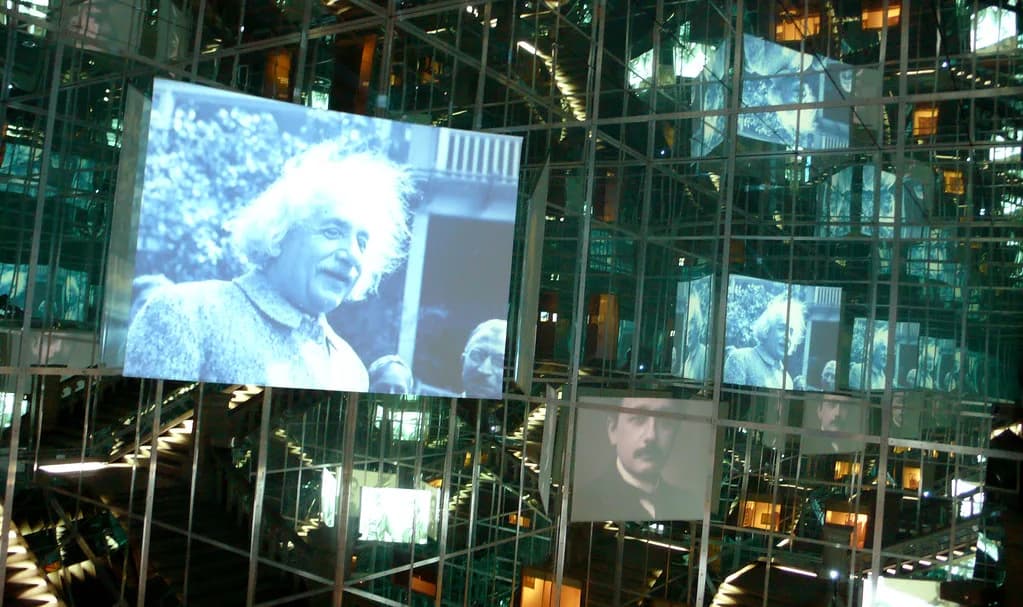
The Einsteinhaus at Kramgasse 49 is the flat where Einstein lived with his wife and son, restored in the style of the period and focused on the years in Bern when he developed his theory of relativity. Treat it as a compact stop of well under an hour rather than a half-day destination, and pair it with the arcades and fountains on the same street. It works best folded into an Old Town walk rather than as the reason for a trip across town.
When Collections Are Closed and How to Sequence a Monday or Sunday
Museum opening days vary by institution, so check the individual museum's site before fixing a day around it. If a gallery turns out to be shut, the Old Town and the river bank absorb a morning without any planning at all: the Münster platform, the arcades and the walk along the Aare are free and always open.
On Sundays, shops in the Old Town close and the streets shift from retail to strolling, which makes it a good day for the outdoor half of the plan. Bern parks and the Rosengarten give you somewhere to sit if a museum slot does not work out.
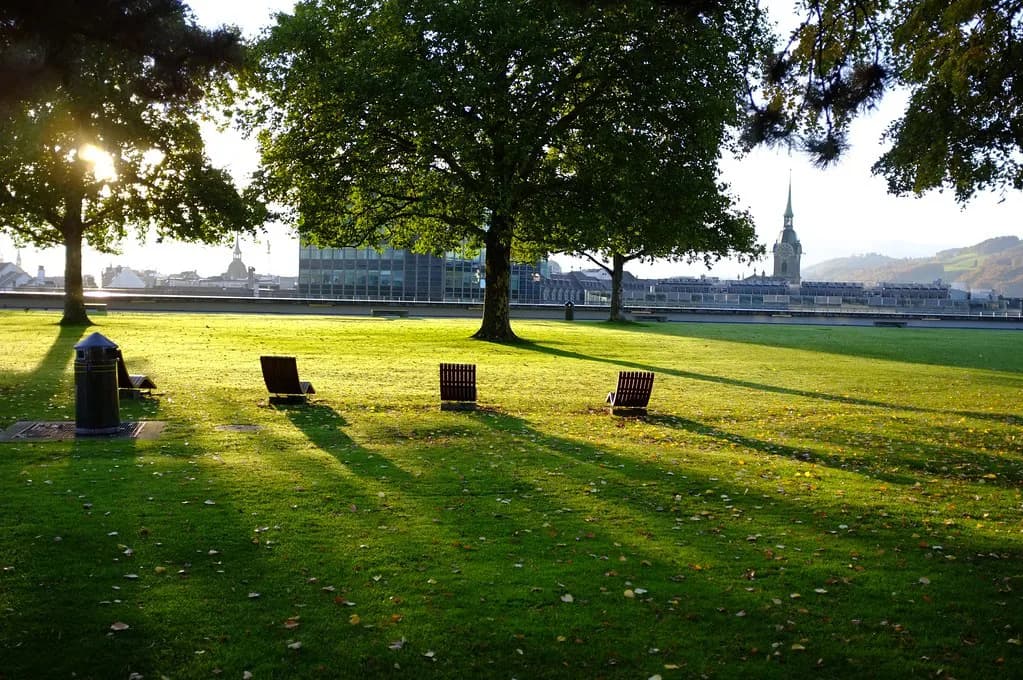
For a Bern viewpoint with a different angle on the city, the Rosengarten and the Münster platform both look back over the rooftops. A museum-heavy morning followed by a late-afternoon climb for the view balances the day if a collection you wanted is shut.
Checking Ticket Prices and Pass Coverage Before You Go
Ticket prices change and coverage varies by museum, so check the Kunstmuseum's own site for the current entry fee and any reductions before you commit to a day. The same applies at the Bernisches Historisches Museum, whose website is the place to confirm admission and what is showing in the Kubus hall.
Do not assume a Swiss Travel Pass, a guest card or a free-entry day applies to any Bern museum; where a reduction or free day exists, the museum itself publishes it. Budget for full price unless you have seen the discount confirmed in writing for the specific museum and date.
Where Museums Sit Relative to the Old Town on Foot
The Old Town, the Münster platform and the Bundeshaus are all within a few minutes of each other on foot, and the Kirchenfeld museums are a short walk across the river from that cluster. That compactness means you never need transport between the main sights: plan a loop from the Zytglogge to the Münster, over the bridge to the museum district, and back through the Bundeshaus and Bundesplatz.
The Rosengarten sits a little further out, about 2.2 km from the main station, and is reachable by bus from the center if you do not want the uphill walk. There is no entrance fee and it takes 5 to 10 minutes on foot from the Bären Park, so it works as a final stop rather than an opening move.
Plan Your Museum Days in Bern
The workable pattern for a short break is one large collection, one museum across the Aare, and a pre-booked Bundeshaus slot, with the Old Town, the Münster platform and the river filling the space between them. That sequencing keeps walking distances short and leaves room for the arcades, the fountains and a slow afternoon.
Confirm the details that change, namely opening days and admission, on each museum's own site before you lock in the order, and book the Bundeshaus tour as soon as your dates are firm.
Explore more Bern guides
Frequently Asked Questions
Which museums in Bern are worth visiting on a short city break?
Start with the Kunstmuseum Bern for its large art collection, then add the Bernisches Historisches Museum at Helvetiaplatz for the national story. The Bundeshaus guided tour is a separate civic visit of 45 to 60 minutes that needs booking three days ahead, and the Einsteinhaus on Kramgasse is a compact single-subject stop best folded into an Old Town walk.
What can you see at the Kunstmuseum Bern?
The collection runs to around 4,000 paintings and sculptures plus some 70,000 drawings, prints, videos, installations and photographs, spanning Pablo Picasso, Ferdinand Hodler, Meret Oppenheim and contemporary work. Allow a proper two-hour block rather than a quick loop, and check the museum's collection pages before you visit to see how the displays are organized.
Is the Bernisches Historisches Museum open during renovation?
The museum is open now; the full renewal is a plan, not a construction site. Voters are expected to decide on the city's share in June 2026, and if the plan proceeds the old building closes from mid-2027 to mid-2032 while the large hall in the Kubus keeps running an exhibition on Bern's history.
Why are so many Bern museums in the Kirchenfeld district?
Kirchenfeld–Schosshalde sits close to the center, is heavily green and was laid out with institutions in mind, so it carries a large concentration of museums and schools and roughly 18 percent of the city's residents. It is a short walk across the Aare from the Old Town, which makes grouping two museums there in one block efficient.
How long does a guided tour of the Bundeshaus take?
The tour runs 45 to 60 minutes and passes from the domed hall into the National Council and Council of States chambers, with a stop in the Wandelhalle. Book through the parliament's website, where tours can be reserved three days ahead, and note that regular tours do not run while councillors are in session.
What can you do in Bern on a Sunday?
Museum opening days vary by institution, so check the individual museum's site before planning around it. Sunday is a good fit for the outdoor half of the city: the Münster platform, the arcades and the Aare walk need no booking, and Bern parks and the Rosengarten give you somewhere to sit if a museum slot does not work out.
Sources
Notes for your Swiss city break
Optional updates to our Swiss city guides.
You might also like
Continue reading
More guides you'll find useful