
Rätisches Museum Chur: What to See and How to Plan a Visit
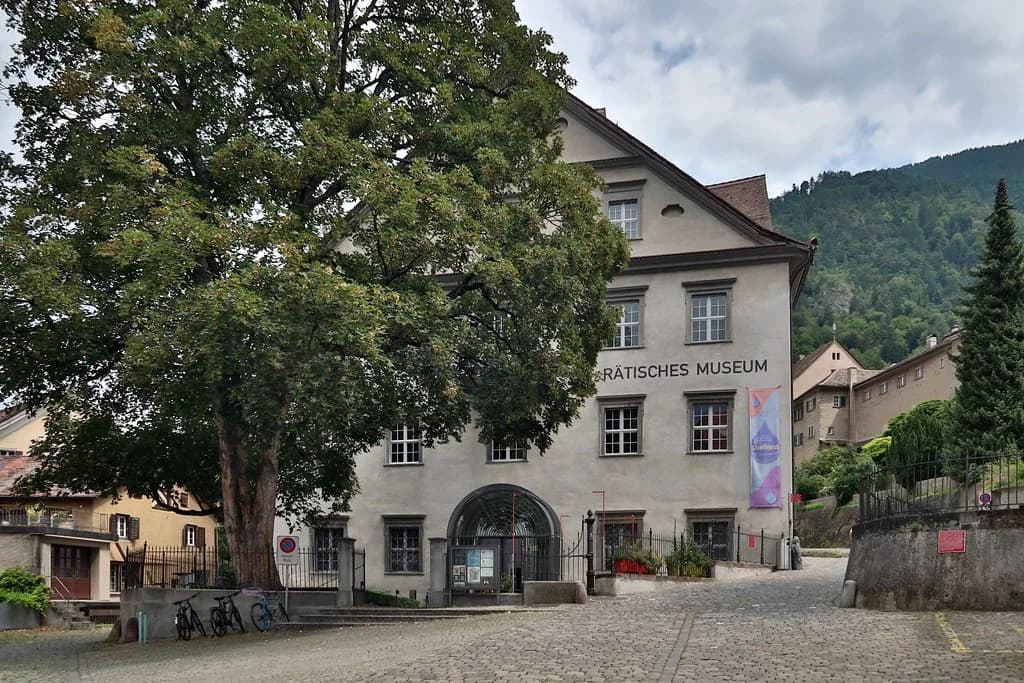
The Rätisches Museum is the historical museum of the canton of Graubünden, and it sits in Chur, the cantonal capital. It is one of three cantonal museums grouped under the canton's Amt für Kultur, so the collection is framed around the history of the whole region rather than the story of a single city. If you have an afternoon in Chur and want context for everything else you see in Graubünden, this is the place to start.
What the Rätisches Museum Actually Is
Think of the Rätisches Museum as Graubünden's memory cabinet: its brief is the history of the canton, not municipal heritage alone. That distinction shapes what you will find inside, with material drawn from across the valleys and passes of a canton that has always been a crossroads between German-, Romansh- and Italian-speaking regions. The museum belongs to a small family of cantonal museums overseen by the Amt für Kultur, which tells you the standard of care and interpretation to expect.
Because it is a cantonal institution, the museum's authority rests on its holdings rather than on blockbuster shows. The collections have grown to roughly 100,000 objects. That number is the single most useful fact for planning: nobody sees 100,000 objects in an afternoon, so treat the displays as a curated slice and give yourself permission to skip.
Where It Sits in Chur's Old Town
The museum is in Chur's old town, the compact historic core that most visitors reach on foot from the city center. Its setting suits a visit woven into a walk that takes in the arcaded lanes and squares that make Chur's center distinctive. Build the museum into that walk instead of treating it as a separate excursion.
For orientation, the old town's landmark streets and gates give you fixed points to steer by. A short detour toward the Ober Gasse area helps you place the museum within the medieval street pattern before you go in.
What to See Inside: The Collection
The collection covers Graubünden's history across centuries, from everyday objects to the kinds of pieces that end up in a cantonal cabinet of curiosities. Expect a mix of archaeological material, folk culture and decorative arts rather than a single narrative thread. That breadth rewards a browsing approach: pick the cases that catch your eye rather than trying to move through in order.
The museum's holdings have accumulated over generations, which means the displays can feel dense. Choose two or three themes that matter to you, whether that is rural life, craft or the canton's political history, and let the rest go. A focused hour beats a fatigued two.

Die Wunderkammer: 150 Jahre Rätisches Museum
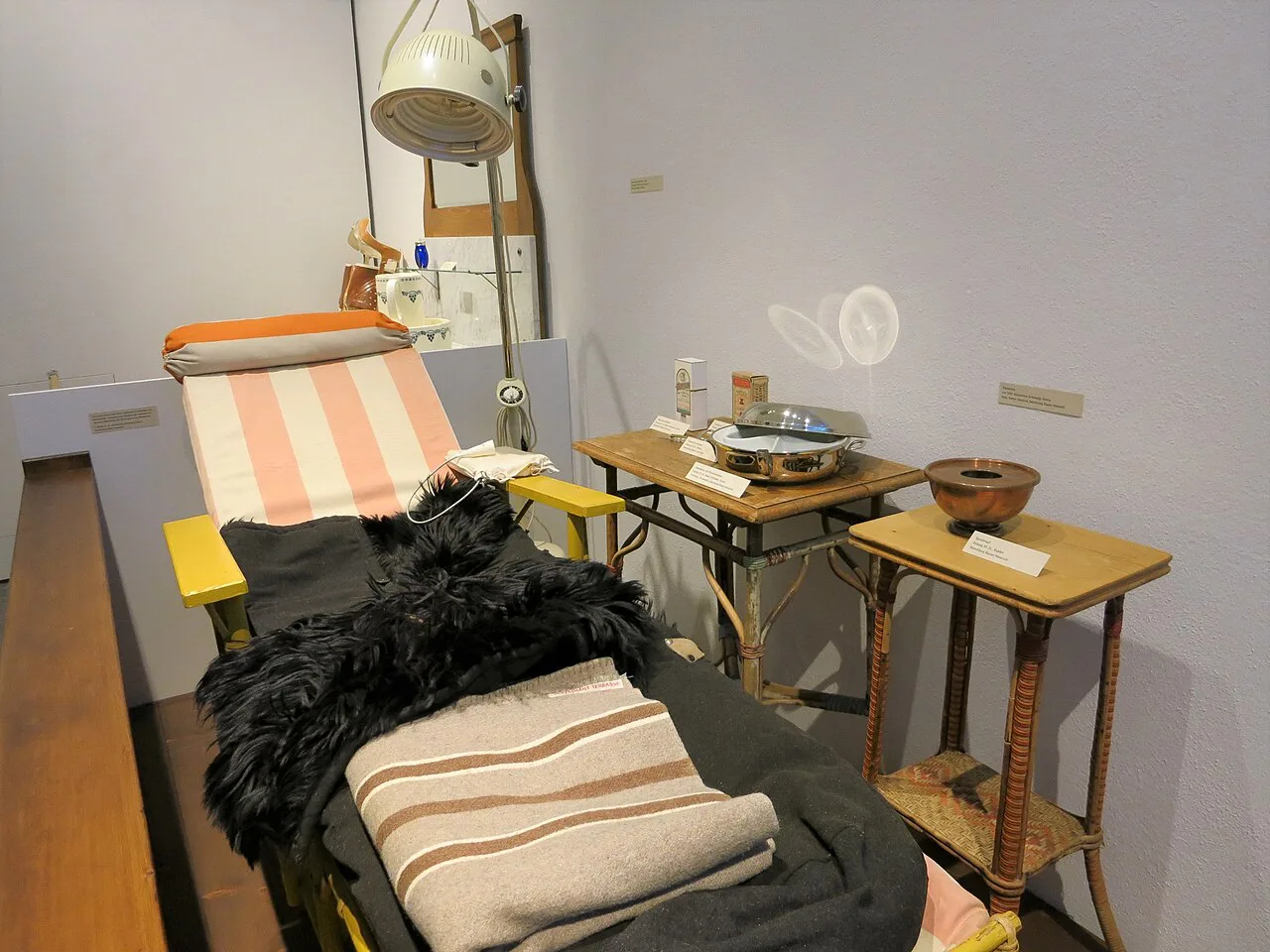
For its anniversary, the museum assembled a Wunderkammer show drawn from 150 selected objects, an anniversary exhibition marking 150 years of the Rätisches Museum. The framing is useful for visitors: 150 objects is a manageable route through a collection of roughly 100,000 pieces, and it shows how the museum thinks about its own treasures. Treat this as a way to structure your visit rather than a fixed date in your diary.
Check the museum's own program for what is on view during your stay, since temporary shows rotate. Confirming on the museum's site is the reliable way to know what is actually running.
How Much Time to Allow
Budget about an hour and a half for a focused visit through the main displays, or two hours if you read the labels closely. Because the collection runs to roughly 100,000 objects, the risk is not running out of things to see but tiring before you reach the highlights. Plan a rest or a coffee break halfway through and return to any wing you skipped.
If you are in Chur for a single day, put the museum first thing in the morning while your attention is fresh, then walk the old town afterward with the historical context you have just absorbed. On a longer break, split the museum across two shorter visits instead of one long one.
Nearby Sights to Pair With the Museum
Chur's old town packs several sights into a short radius. The Cathedral of the Assumption, usually called Chur Cathedral, is the city's most prominent landmark and a natural next stop on the same walk. Its position above the old town also gives you a sense of the city's layout, which makes the museum's maps and models easier to read in hindsight.
For a change of register, the Bündner Kunstmuseum Chur covers art from the region and beyond, a complement to the history displays. Pairing a history museum with an art museum gives you two very different lenses on the same canton. Check the art museum's own program before you go, since exhibitions change.
If you want green space after the galleries, the Fontanapark gives you an open, formal garden to walk through. It is a pleasant way to close a museum-heavy morning before lunch. For a broader plan of what else fills a day in the city, the wider list of things to do in Chur helps you sequence the rest of your time.

Practical Points Before You Go
Opening days, admission prices in Swiss francs and any seasonal closures are set by the museum itself and do not appear in the material available here. Confirm them on the museum's own website before you travel, particularly if you are visiting on a Monday, when many Swiss museums close. The official pages also list any current exhibitions and special openings.
The museum's own site is the most reliable source for programmed activities and any special openings during your stay.
Allow for Swiss prices generally when you budget the day, and keep some flexibility for a ticketed special exhibition on top of general admission. If you hold a rail discount card or a city guest card, ask at the Rätisches Museum desk whether it applies here, and check current prices and dates before you travel.
Is the Rätisches Museum Worth Your Time?
Yes, if you want to understand Graubünden rather than just look at it. The museum's cantonal brief and its deep holdings give context to everything you see in Chur and the surrounding valleys, and an hour and a half is enough to come away with a real sense of the place. Go early in your trip so the rest of your time in the region has a frame.
Explore more Chur guides
Frequently Asked Questions
What is the Rätisches Museum in Chur?
It is the historical museum of the canton of Graubünden, based in Chur. It is one of three cantonal museums under the canton's Amt für Kultur, and its collection covers the history of the whole canton rather than just the city.
How long does a visit to the Rätisches Museum take?
Allow about an hour and a half for a focused visit and up to two hours if you read the displays closely. The collection holds roughly 100,000 objects, so plan to see selected highlights rather than everything.
What can you see in the Rätisches Museum's collection?
The collection spans Graubünden's history across centuries, from archaeological material to folk culture and decorative arts. An anniversary Wunderkammer exhibition drew on 150 selected objects as a route through the holdings.
Is the Rätisches Museum worth visiting in Chur?
It is worth it if you want context for the region. Its cantonal scope explains the history behind Chur's old town and the valleys around it, and a short visit fits easily into a day in the city.
What is nearby the Rätisches Museum in Chur?
Chur Cathedral, the Bündner Kunstmuseum and the Fontanapark are all within the old town area and can be paired with the museum on the same walk. Check each venue's own program before visiting.
Where do I confirm opening hours and admission prices?
The museum sets its own opening days and prices in Swiss francs, so confirm both on its official website before you travel. Ask at the desk whether any rail or guest card discount applies.