Interlaken in Summer: What to Do and How to Plan Your Days
Interlaken in summer means two lakes, the Eiger, Mönch and Jungfrau views, and long daylight hours. Here is how to structure a few days and what to book.
On this page
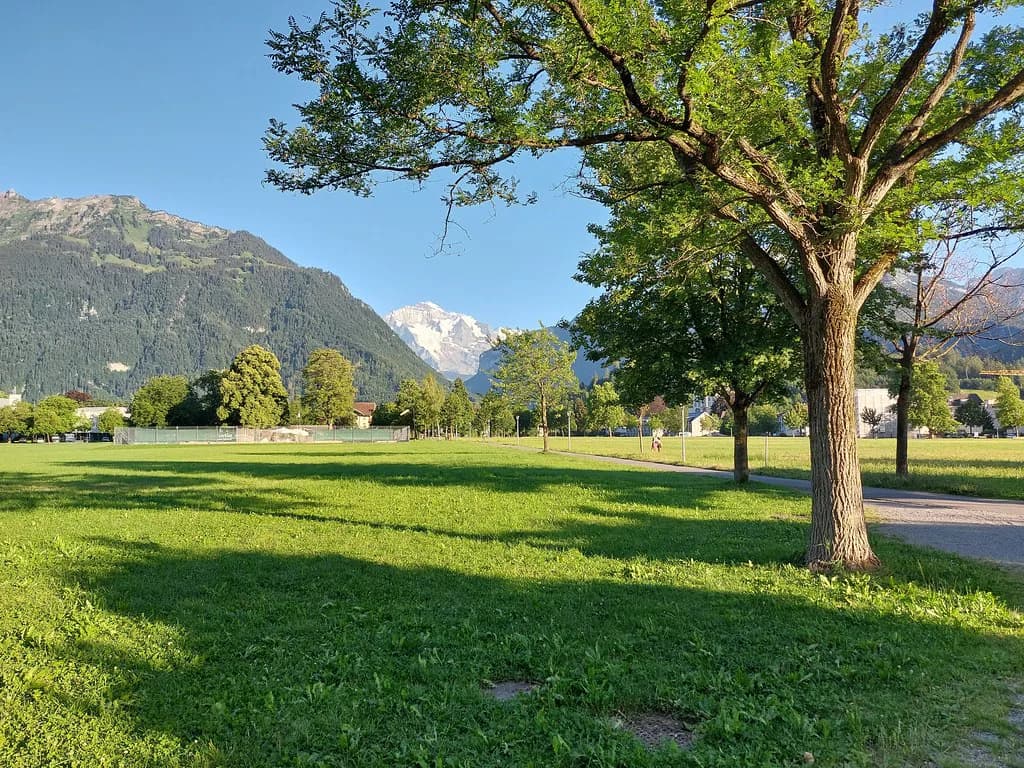
Interlaken in summer gives you long daylight hours, two lakes on either side of town and the Eiger, Mönch and Jungfrau on the skyline, which is why the season works best as a base for excursions rather than a checklist of town sights. The trade-off is peak-season congestion in July and August, so the practical move is to pick two or three mountain or lake outings in advance and leave the rest of each day loose. This guide treats summer as a scheduling question: where the town sits, how many days to give it, which railways and shorelines to choose, and how to fill a wet afternoon.
Interlaken in summer at a glance
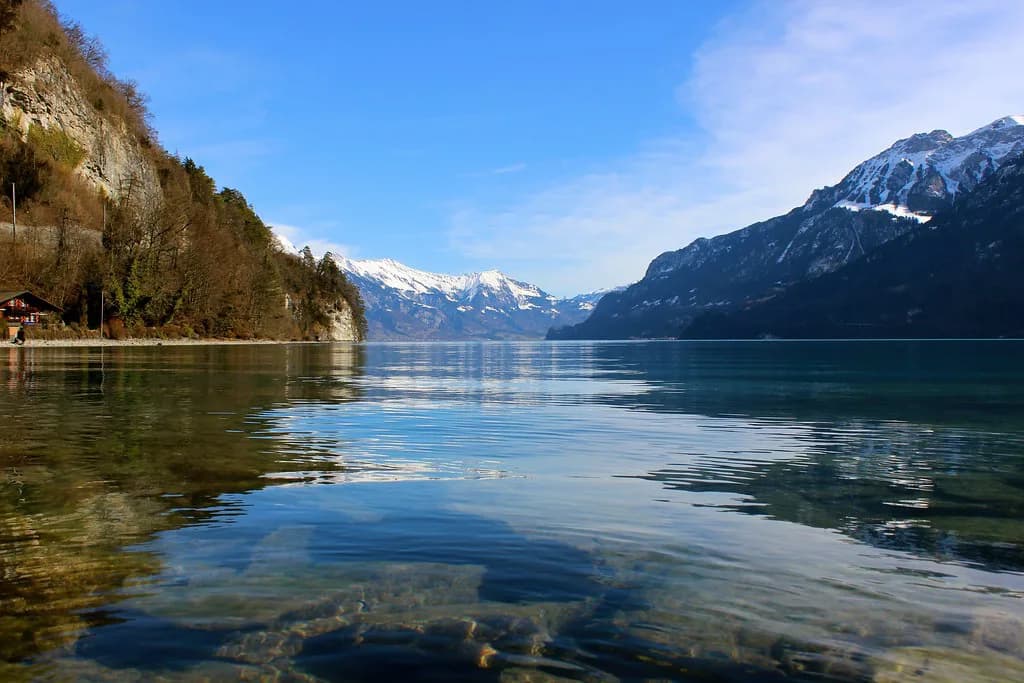
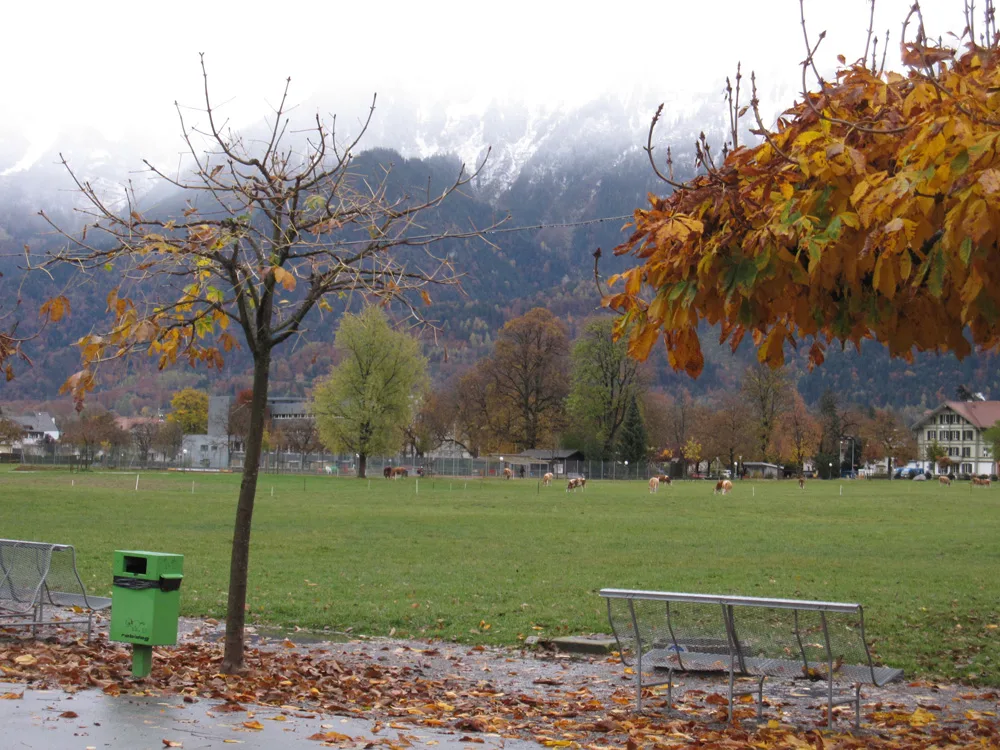
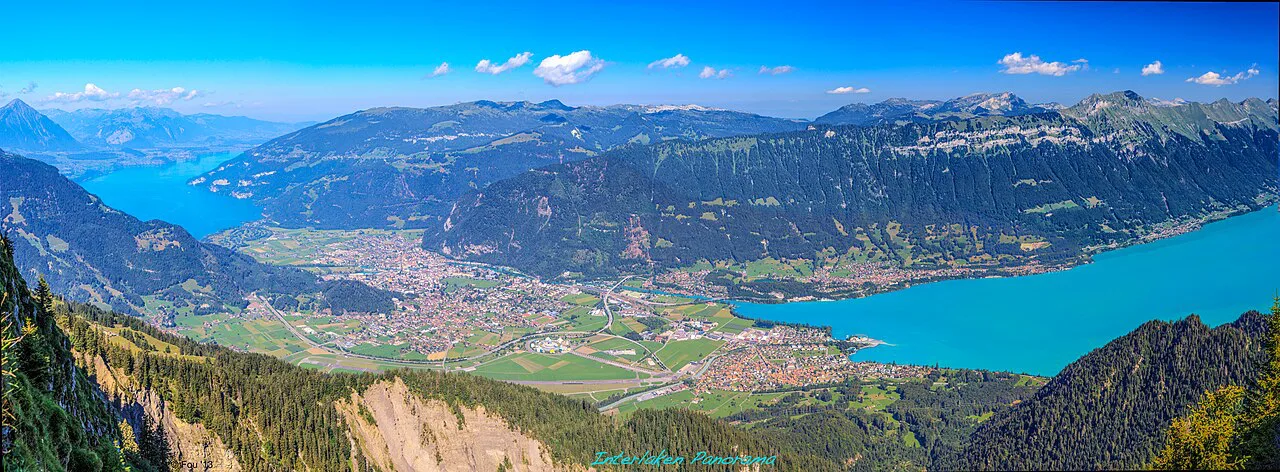
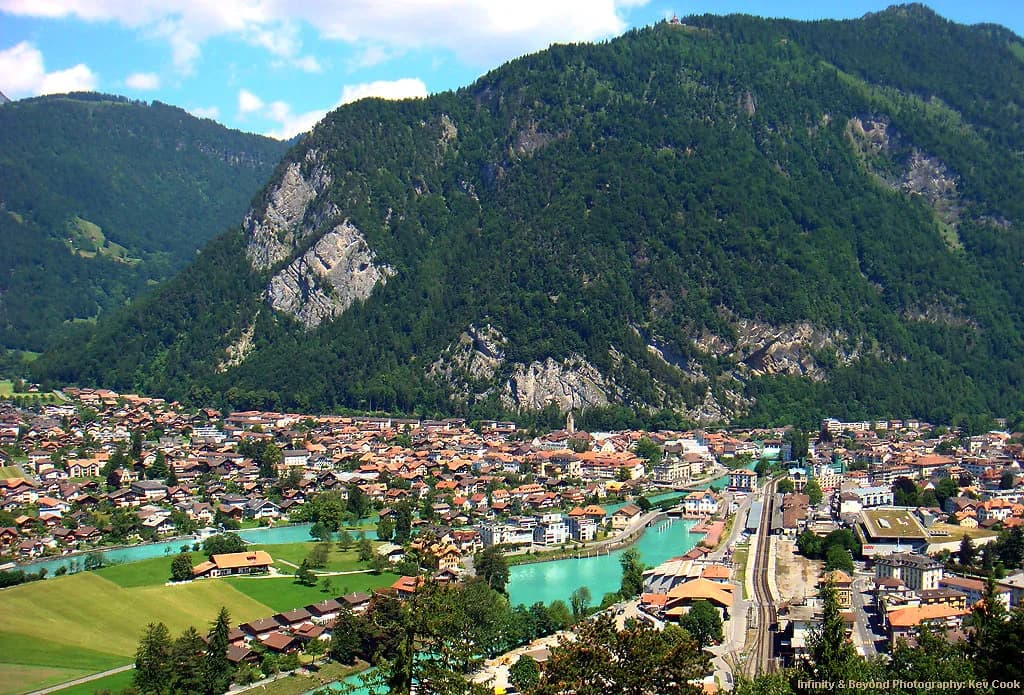
The Holiday Region Interlaken stretches around turquoise Lake Brienz, deep blue Lake Thun and the Diemtigtal Nature Park, with panoramic views of the Eiger, Mönch and Jungfrau framing the whole area. That geography is the reason a summer day here splits naturally into a lake half and a mountain half. Read the season against the shoulder months before you commit, using this guide to the best time to visit interlaken for the wider weather pattern.
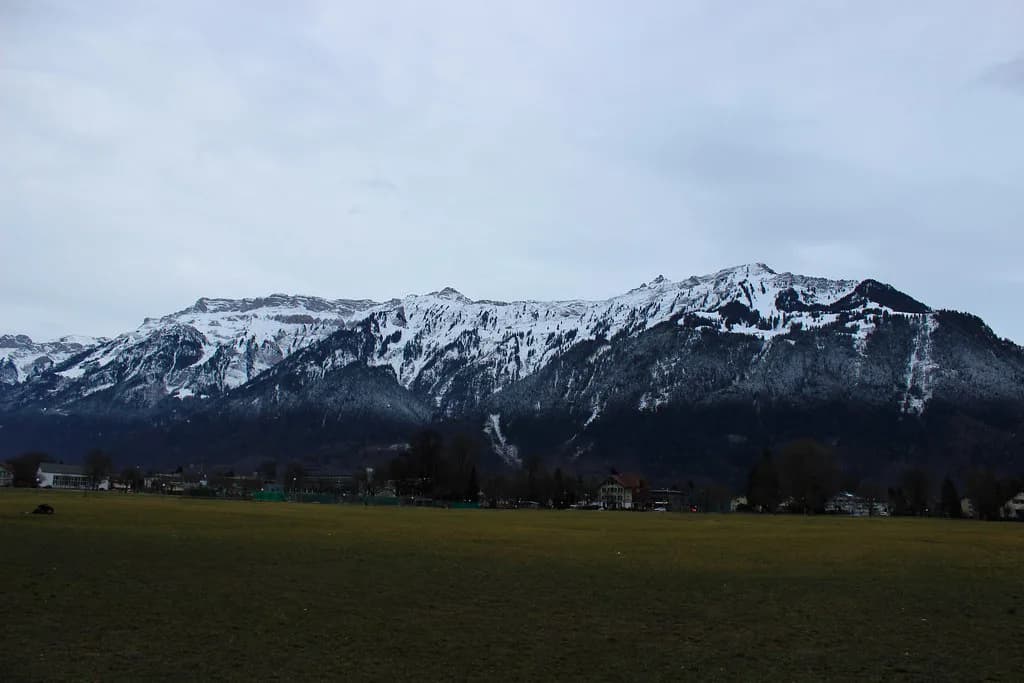
Interlaken is not in the high Alps itself; it sits in the valley between the two lakes, with the big peaks visible but a cable car or railway ride away. That layout makes it an efficient base: you sleep and eat in town, then ride up or out for the day's main event. Budget your time around transport connections rather than distance, because a 20-minute ride can put you at a completely different landscape.
Where Interlaken sits: between Lake Brienz and Lake Thun
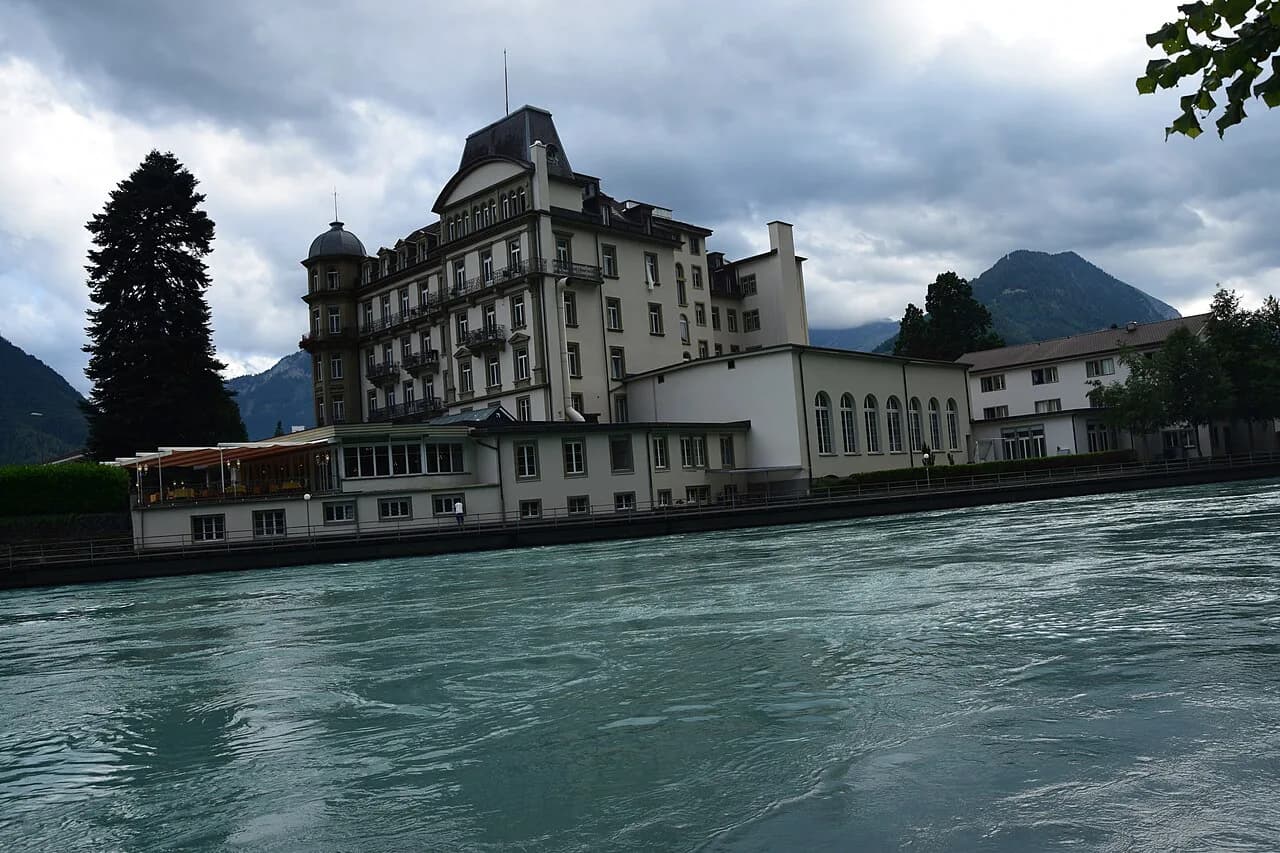
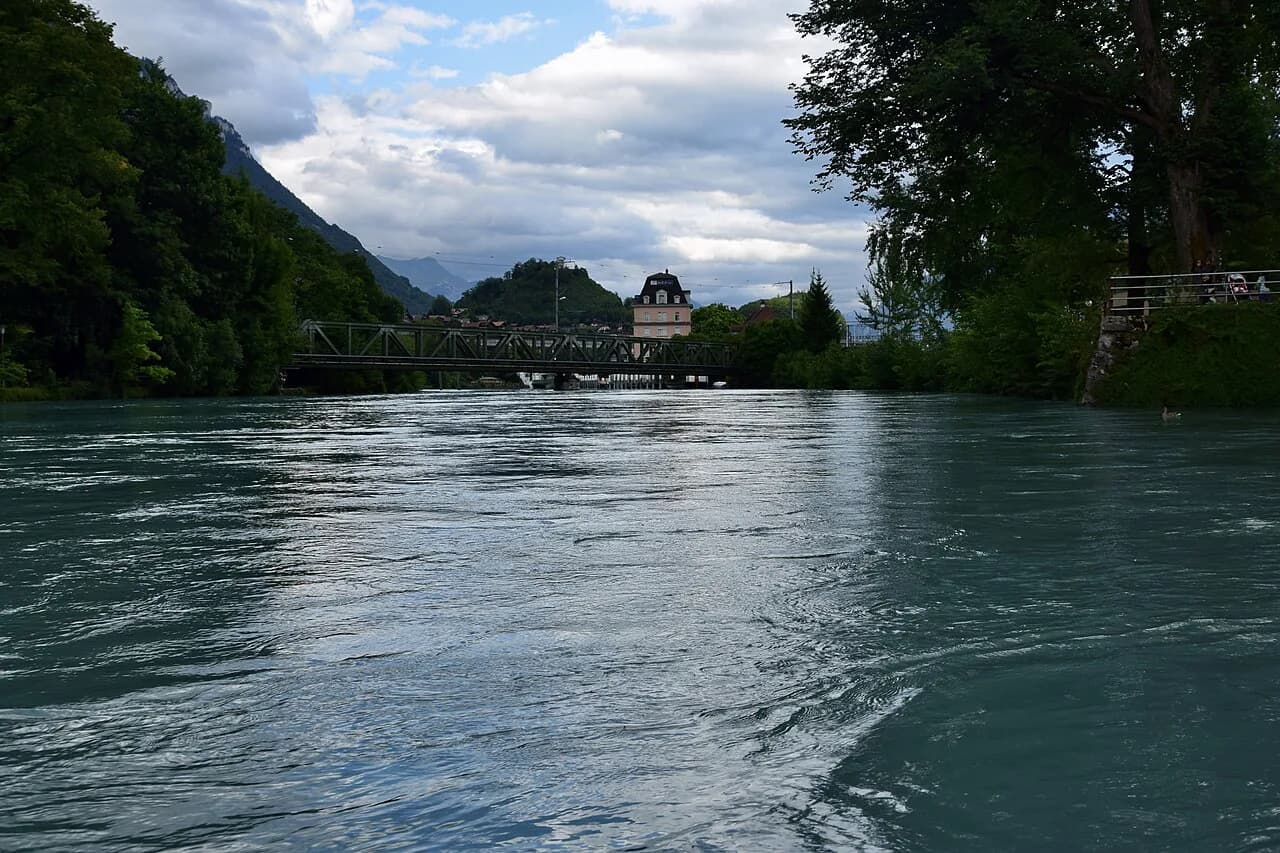
The town occupies a narrow strip of land between Lake Brienz to the east and Lake Thun to the west, with the Aare flowing through the middle. Practically, that means you can walk from one lake's shoreline to the other in under an hour, which is unusual for a mountain resort and makes a car unnecessary for local sightseeing. The region's own tourism board organizes its destinations by lake, so Brienz and its surroundings sit in one group and Thun, Spiez and Oberhofen in another.
If you are deciding whether to come in June or later, note that early summer often brings unsettled weather and late summer the most reliable conditions, a distinction covered in this guide to interlaken in june. For many travelers the sweet spot is late June through early September, when the days are longest and the mountain railways run their fullest schedules.
How many days you need
Two full days cover one lake and one mountain excursion with time left over for the town, and three days let you add a second lake or a rainy-day museum block. Staying in Interlaken, Matten or Unterseen keeps you within walking distance of both train stations and the boat docks, which saves time on connections. The alternative is to base yourself in one of the surrounding villages and accept a daily commute for the quieter evenings.
For a sense of what the wider season offers beyond the town, this overview of interlaken in july shows how the busiest month changes the rhythm of a visit. The point is not to see everything but to choose two strong excursions and let the rest of the day breathe.
The shape of a summer day
Summer daylight lasts well into the evening, so the useful pattern is a mountain or lake outing in the morning and a gentler walk or town afternoon later. Mountain weather tends to build through the day, which favors early starts for anything high or exposed. Keep one indoor option available for each day so a cloudy morning does not strand you.
You do not need to pre-book every leg, but the major mountain railways are worth securing ahead in July and August, when demand peaks. If you are comparing months, this guide to interlaken in august explains how the crowds and conditions shift.
Interlaken, Matten and Unterseen: the town core on foot
The built-up area is actually three municipalities joined together: Interlaken proper, Matten and Unterseen, with the historic old town of Unterseen on the west side and the main station and Marktgasse area at the center. Walking from one end to the other takes about 20 minutes, so a morning can cover the main squares and the riverfront without public transport. The compactness is an argument for staying central rather than relying on buses.
For a fuller picture of individual sights, reviews and opening times, the collection of Interlaken Attractions: 8 Visitor Guides covers each venue in more depth than a summer overview can. Use a town morning to orient yourself, then commit the remaining days to the surrounding region.
Lake Brienz and Lake Thun: boats, shorelines and Iseltwald
Both lakes work as half-day outings, with scheduled boats connecting the shore villages and a lakeside path at Iseltwald that is flat and easy, measured at roughly 5.4 kilometers with about an hour and a half of walking. Timetables for the Lake Brienz and Lake Thun boats vary by season, so check the frequency and last departure on the day you travel. A boat one way and a walk or train back is usually more satisfying than a round trip on the water.
The Lake Brienz shore faces north and stays shaded longer, while the Lake Thun side heats up sooner and suits an afternoon swim-free stroll around its villages. If you are planning a longer trip, this guide to interlaken in may describes the spring conditions leading into summer.
Mountain excursions from the region
The signature summer outings from Interlaken are the Schynige Platte, the steam mountain railway to the Brienzer Rothorn and the Niederhorn above Beatenberg, each reachable as a day trip from town. The Brienzer Rothorn line is a heritage steam operation, so its running days and departure times are worth checking with the railway before you set a date. Booking online in advance usually secures a seat on the more popular trains.
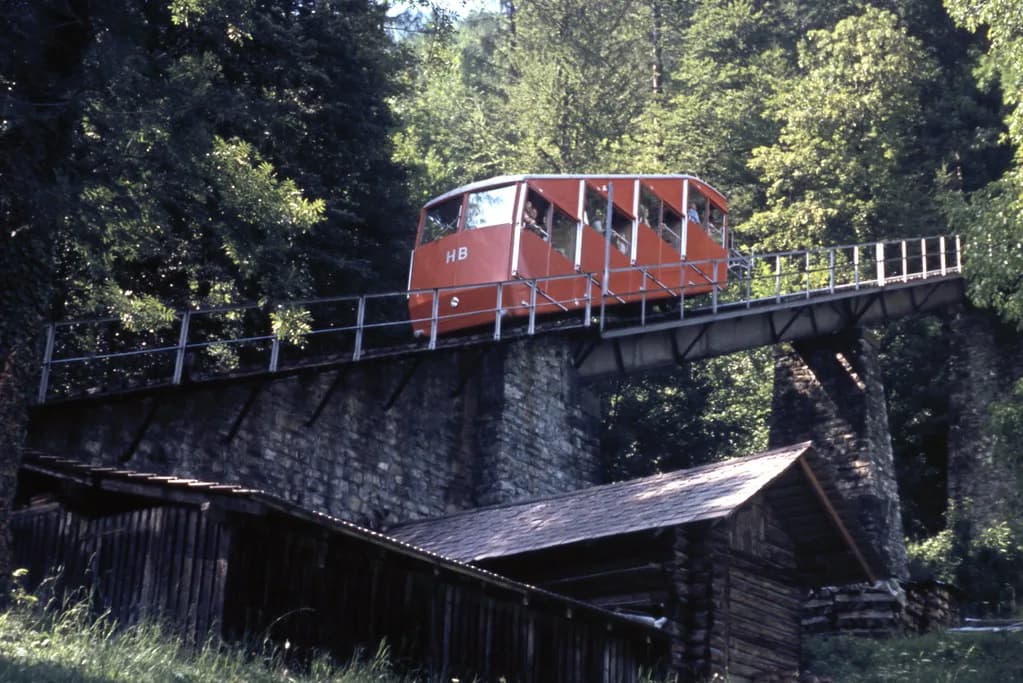
The Niederhorn above Beatenberg is typically reached by cable car from the lakeside and offers an easy mountain day without a long walk, which suits families and anyone wanting views over the lake. Confirm the cable car's operating calendar and last descent at the base station or online before you go. For an even simpler high point, the Harder Railway funicular climbs directly from town to the Harder Kulm viewpoint and is covered in this guide to interlaken in october.
Viewpoints and easy walks for hot days
On hot days, a short shoreline walk beats a long ascent, and the lakeside path near Iseltwald with its modest climb of about 32 meters makes an easy morning. The Spiez vineyard adventure trail on Lake Thun is another gentle option with lake views, measured at around 3.7 kilometers and an hour and a half. These routes are for strolling, not route-finding, so no special gear is needed beyond comfortable shoes.
For a viewpoint that needs no hiking, the Harder Kulm ridge above town gives the classic panorama of both lakes and is a short funicular ride from the valley station. Going up in the late afternoon often means cooler air and better light than midday.
Summer events and exhibitions in and around Interlaken, Thun and Brienz
Summer brings a changing program of exhibitions and events across the region, from the Kunstmuseum Thun in Thun to the four exhibition venues in Brienz, Thun, Spiez and Steffisburg listed in the regional calendar. The Interlaken Tourismus events calendar is the place to confirm live programming, because individual dates, times and venues change from week to week. Contact the listed venue directly for admission and access.
Evening events such as the Thun Water Magic theatre shows and the Dachkammerkonzert at the violin-making school in Brienz illustrate the kind of programming that fills summer nights. Published schedules are a starting point only, and the organizer sets the current date and time.
Museums and culture for a rainy or overcast summer day
Thun has the Kunstmuseum and Schloss Thun, both indoors and easy to reach by train, making them a sensible fallback when the mountains cloud over. Confirm opening days and admission on each venue's own page, since summer can bring closures for renovation or special events.
The Thun-Panorama round painting is another option for a wet afternoon, and the compact town means you can combine two venues in one trip without a long transfer. If you prefer to see the Bernese Oberland region from a different angle, the guide to interlaken in april covers the quieter spring version of the same interiors.
What summer costs and where the money goes
Summer is the most expensive season in Interlaken, with accommodation and mountain railways at the top of the budget and lake boats at the middle. Passes can reduce transport costs, but check the pass's coverage and the current price on the Swiss Travel System site, since the figures change seasonally. A self-catering apartment and a picnic lunch are the simplest ways to bring the daily total down.
One travel blogger reported a three-day Swiss rail pass at around 254 CHF and a car rental near 200 euros for a comparable period, but these figures are dated examples rather than live rates. The Swiss Travel System can supply current pass prices and what they include.
Crowds and timing: the trade-off of July and August
July and August are the busiest months, and the central Marktgasse area and main station draw the biggest crowds around mid-morning and late afternoon. Shift your main outing to early morning and use the middle of the day for a boat or a museum. Reports of congestion in town in peak summer are common, so consider the shoulder weeks of late June or early September.
If you are locked into peak summer, choose fewer, bigger outings rather than a packed schedule, and accept that queues at the main railways are normal. The trade-off is that many shops and services operate their fullest hours during these weeks.
Practical summer packing and heat notes
Pack light layers and a waterproof shell even in sunny July, because mountain weather can change quickly and higher elevations are noticeably cooler than town. Sturdy walking shoes, a refillable bottle and sunscreen cover most of what you need, and a small daypack helps on boat-and-walk days. Bear in mind that the water in the lakes is cold even in summer, so most people treat a swim as an extra rather than part of the plan. It is worth checking current prices and dates before you book any excursions once you arrive.
If the heat becomes oppressive, use the shaded lanes of Unterseen or one of the indoor museums as a break, and plan strenuous walks for the morning or evening. This is one more argument for keeping a flexible afternoon in each day.
Where to go next if you have a third or fourth day
With an extra day, ride the boat to Brienz and wander the old village lanes, or cross to Thun for a castle and a museum afternoon. Both are easy return trips by train or boat and can be done without an overnight stay.
If you are extending your trip beyond the Bernese Oberland, the guides to lucerne in summer and zermatt in summer cover other Swiss city and mountain breaks with their own seasonal character. Keeping one day for an unplanned outing often produces the best memory of the whole trip.
Plan Your Summer Visit to Interlaken
Summer in Interlaken is best planned backwards from the one or two excursions you care most about, then filled in with lake walks, a boat ride and a museum for the cloudy day. Book the mountain railways ahead, stay central in Interlaken, Matten or Unterseen, and check the regional calendar for whatever exhibition or concert coincides with your dates.
Explore more Interlaken guides
Frequently Asked Questions
How many days are recommended for a trip to Interlaken?
Two full days cover one lake and one mountain excursion with time for the town, and three days let you add a second lake or a rainy-day museum block. Staying in the central Interlaken, Matten and Unterseen area keeps you within walking distance of both train stations and the boat docks.
Is Interlaken very expensive in summer?
Summer is the peak season, so accommodation and mountain railways are the biggest costs, while lake boats sit in the middle. Consider a self-catering apartment or a picnic lunch to lower the daily total. Check current pass prices on the Swiss Travel System site, as figures change seasonally.
What is the best month to visit Interlaken?
Late June through early September gives the longest days and the fullest mountain railway schedules. July and August are the busiest, so late June or early September often suit travelers who want the summer experience with fewer crowds.
Is Interlaken in the Alps?
Interlaken sits in the valley between Lake Brienz and Lake Thun, with the Eiger, Mönch and Jungfrau visible on the skyline. The high peaks and mountain railways are a short cable-car or train ride away rather than on the doorstep.
What is there to do in Interlaken in summer?
The core summer activities are the lake boats and shoreline walks, the Schynige Platte, Brienzer Rothorn steam mountain railway and Niederhorn excursions, and the Harder Kulm viewpoint above town. Museums in Thun and exhibitions in Brienz fill a wet or overcast day.
What is the weather like in Interlaken in summer?
Summer days are warm in the valley with long daylight, and mountain elevations are noticeably cooler and changeable. Pack layers and a waterproof shell, and plan anything high or exposed for the morning.
Do you need a car in Interlaken in summer?
A car is not necessary. The three central districts are walkable, and the lakes and mountain railways are connected by train, boat and cable car, which lets you plan an outing without parking or traffic.
Sources
Notes for your Swiss city break
Optional updates to our Swiss city guides.
You might also like
Continue reading
More guides you'll find useful