
Collection de l'Art Brut in Lausanne: What to See and How to Visit
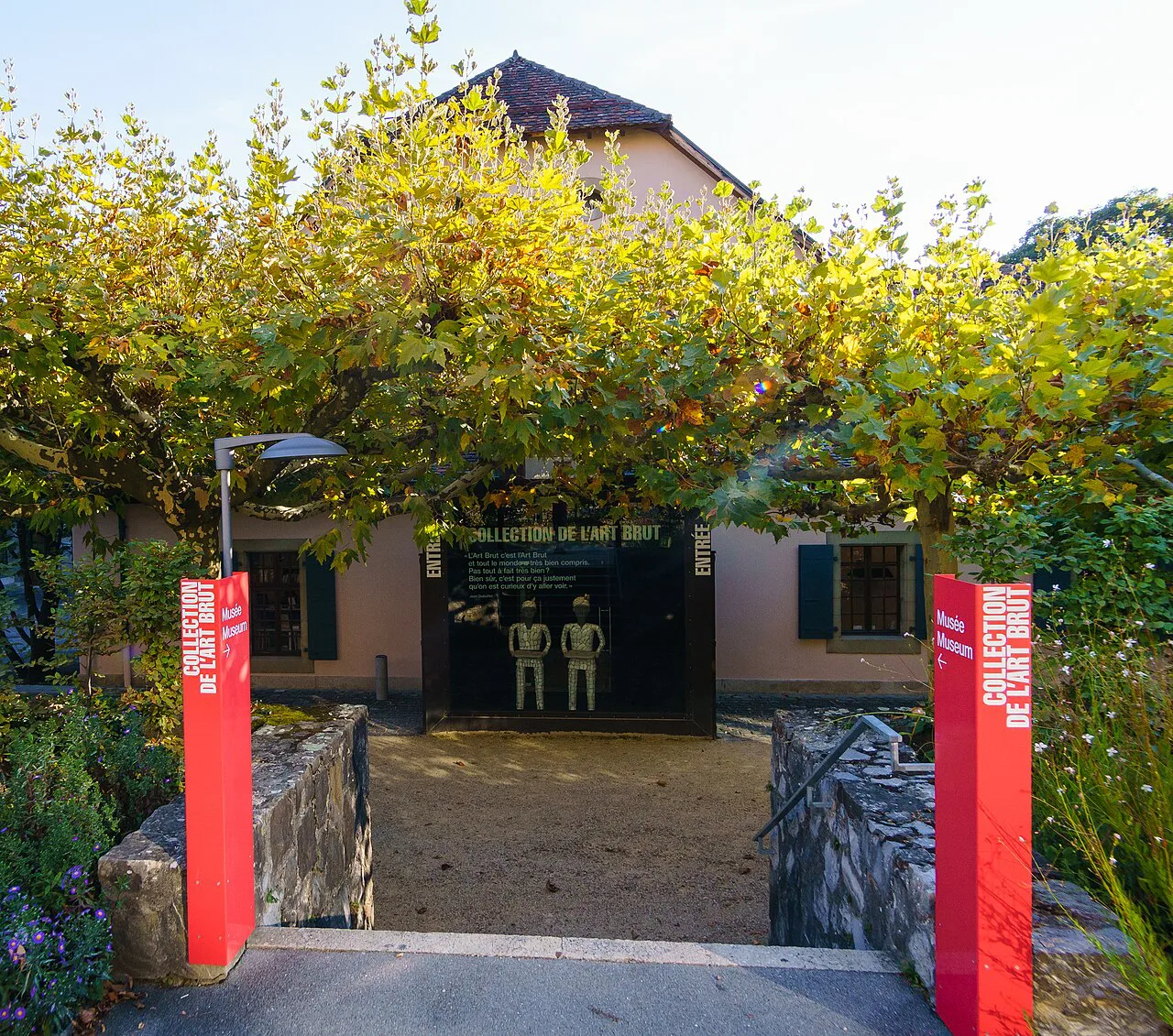
The Collection de l'Art Brut is Lausanne's museum of outsider art, housed in the 18th-century Château de Beaulieu at Avenue des Bergières 11, and it is the reason many travelers add a Beaulieu stop to a Lausanne day. The works were made by self-taught artists working apart from academic training and artistic fashion, and that is precisely what makes the rooms feel unlike a conventional fine-arts museum. An adult ticket costs 12 CHF and doubles as a three-day pass to two other Lausanne museums, so a visit slots into a wider plan rather than eating a whole afternoon.
What Art Brut Is and Why This Museum Stands Apart
Art Brut describes work produced outside the art world's institutions: by people without formal training, often living in isolation, in psychiatric care or on society's margins, and making art without chasing critics or buyers. The term is tied to the French artist Jean Dubuffet, whose collection formed the museum's core when it opened in Lausanne in 1976. Walking through, you are looking at private compulsion rather than career-building, and the wall texts and the building's domestic scale support that reading.
If you have been to Lausanne's bigger museums, expect a different rhythm here: fewer blockbuster labels, more names you have never heard, and works that reward slow looking rather than a checklist. The payoff is a collection you will not find replicated in another Swiss city, and it takes well under half a day.
Where the Museum Is
The museum occupies the Château de Beaulieu, an old manor house on Avenue des Bergières 11 in the 1004 Lausanne postal district, uphill and inland from the lakefront. The address is the reliable reference for maps and taxi drivers; the château itself is the landmark once you reach the Beaulieu area. Allow a short uphill walk from the stop rather than expecting a lake-level doorstep.
Because the museum sits above the old town, it fits best as one node in a walking day rather than a quick hop from the station. It is a natural partner for the historic center, and the wider set of Lausanne Attractions: 7 Visitor Guides covers how the city's sights cluster.
Getting There by Bus
Bus lines 3, 20 and 21 stop at Beaulieu-Jomini, the closest stop to the museum, which makes it reachable without a taxi or a long climb. Check the direction of travel on the stop display, since these lines run in both directions and the uphill approach matters.
If you are covering a lot of ground, note that the same tourism listing advertises a Lausanne City Pass with free entry to the museum and public transport in the central zones included. Compare the pass price against your planned sights before buying, because it only pays off if you visit several participating places.
Opening Days and Hours
The museum opens Tuesday to Sunday from 11:00 to 18:00 and is closed on Mondays, except on public holidays, when Lausanne Tourisme lists the same 11:00 to 18:00 schedule. On 24 and 31 December the doors close early at 17:00, and the museum is closed on 25 December and 1 January. Monday is the practical trap: plan the museum for Tuesday through Sunday and put something else first on a Monday.
The museum's own site repeats the 11:00 to 18:00 hours, except Mondays, for both the permanent collection and its temporary exhibitions, so the two sources line up. Arriving at opening gives you the quietest rooms, while late afternoon leaves barely two hours before closing.
Ticket Prices in Swiss Francs
An adult ticket costs 12 CHF, and it is a three-day pass rather than a single-entry ticket: it also covers the Historical Museum of Lausanne and the Roman Museum of Lausanne-Vidy. The reduced AVS/AI rate is 6 CHF, groups of six or more pay 6 CHF per person, and entry is free for children under 16, students, apprentices, the unemployed and the carer of a disabled visitor.
Holders of the Lausanne Transport Card pay 6 CHF for the same three-day pass, which is the simplest discount for anyone already using the city's transport card. Budget the ticket as 12 CHF and treat any reduction as a bonus rather than the baseline.

Free Entry and Reduced Admission
Admission is free on the first Saturday of the month, which makes that Saturday the single best-value slot in the Lausanne museum calendar if your dates are flexible. Timing your trip around that Saturday is one way to plan, and our guide to the best time to visit Lausanne weighs seasons, festivals and crowds across the year. It is also the busiest, so pair free entry with an early arrival rather than a midday one.
The 6 CHF rate with the Lausanne Transport Card is effectively half price for travelers already riding the network, and the 3-day scope means you can spread the three included museums across separate days. Decide which of the three you actually want before paying, since the pass value sits in using more than one.
What You See Inside
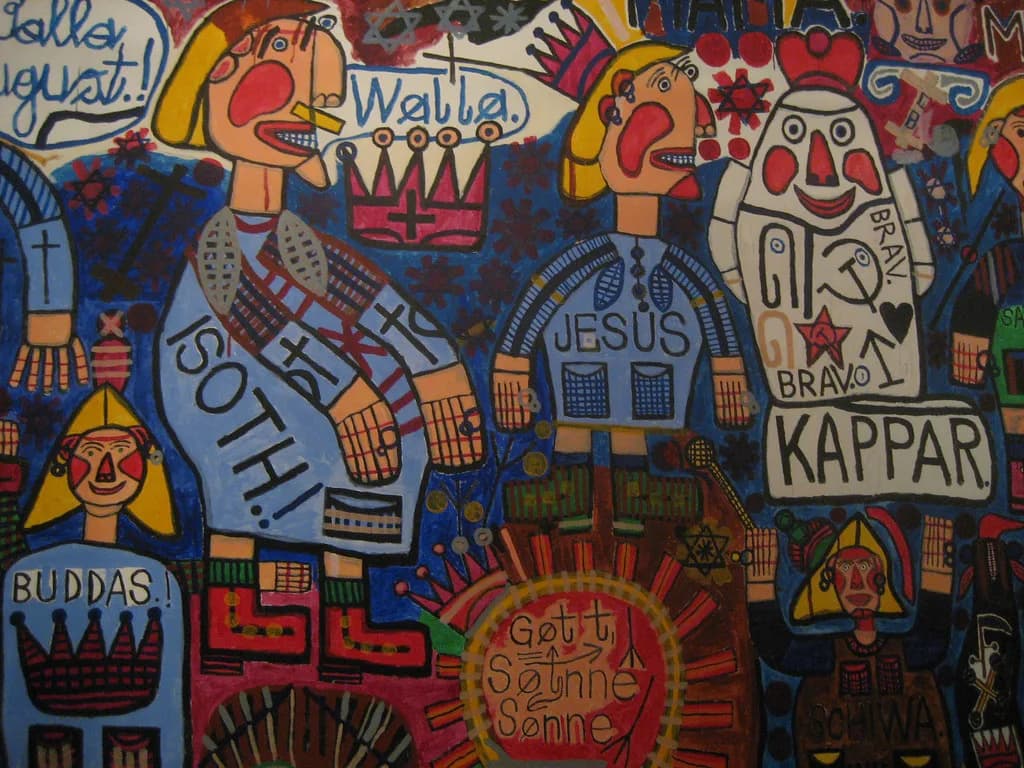
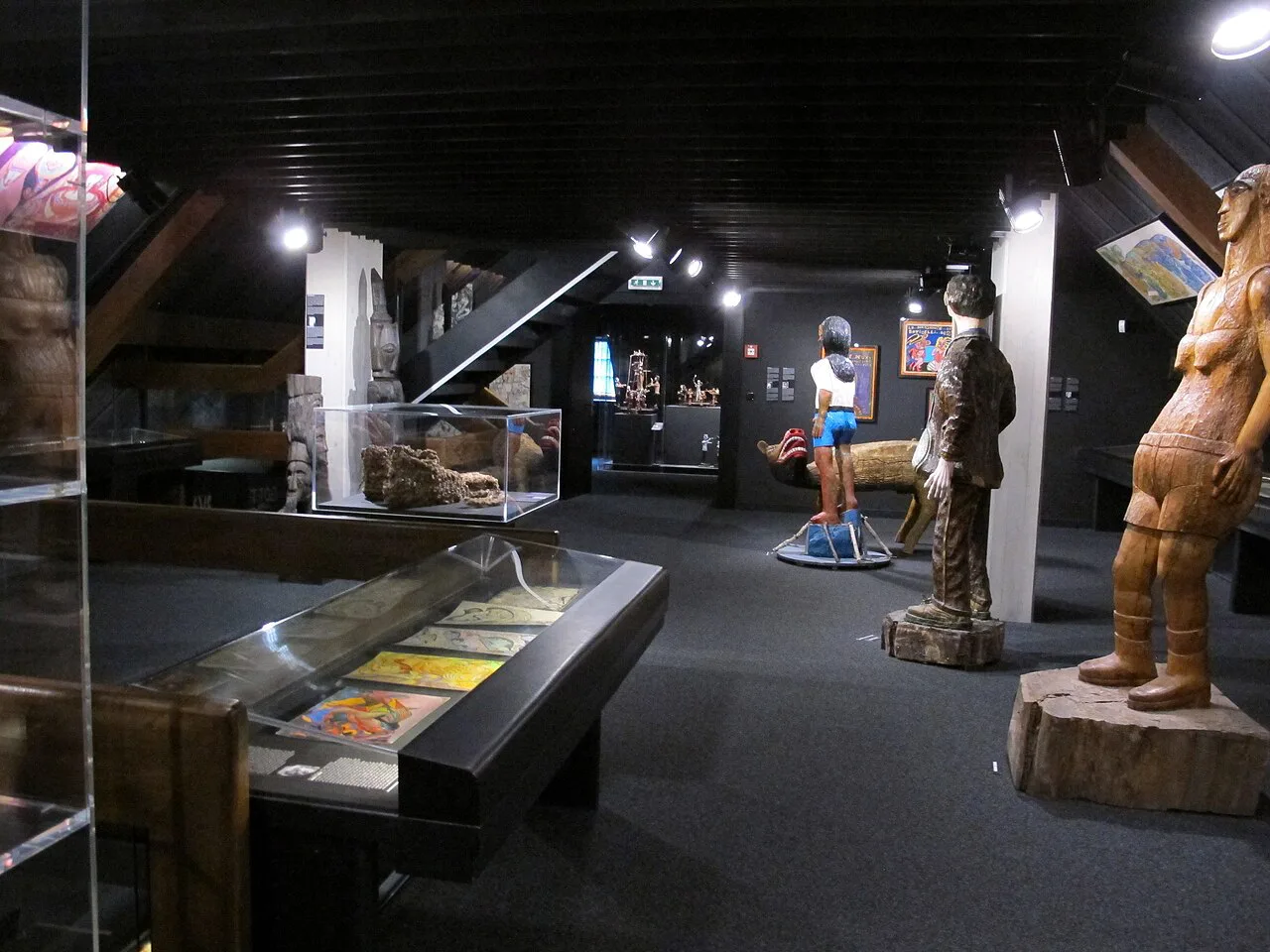
The permanent exhibition runs year-round and rotates part of the collection, with works by major creators such as Aloïse Corbaz, Augustin Lesage, Marguerite Sirvins and Auguste Walla named by the museum. Look for Corbaz's dense, colored compositions and Lesage's meticulous, symmetrical drawings, both of which show how disciplined outsider work can be. The château's rooms are modest in size, so a handful of works gets real attention rather than a blur.
Labels and introductory panels explain who the makers were and how their work sits outside artistic movements, which matters if Art Brut is new to you. Read a few before scanning the walls; the context is the difference between puzzling objects and legible art.
Temporary Exhibitions and the Rotating Display
Temporary shows take over part of the building and displace sections of the permanent collection, so repeat visitors see a different museum each time. A dedicated exhibition on the Swiss artist Armand Schulthess and his transformed plot in Ticino runs from 27 November 2026 to 25 April 2027, including an opening reception on 26 November 2026. If your dates are flexible, our best time to visit Lausanne guide helps you weigh festivals and crowds before locking in a slot.
During installation periods the museum warns that only part of the permanent collection is visible, which is worth knowing if you are traveling specifically for a particular artist. The museum's own program page carries the current exhibition list and the installation notices, so check it against your dates before committing a slot.
How Long to Allow and How to Move Through
Plan on roughly one to one-and-a-half hours for the permanent collection, plus whatever the temporary exhibition adds. The château is compact, so there is no risk of a four-hour marathon, and a focused visit leaves the rest of the day free for the old town.
Start with the permanent rooms on the upper floors, where the named creators hang, then work down through the temporary show so you end at the exit and bookshop. If you visit on a free first Saturday, reverse the order to dodge the first wave.
The Bookshop and Museum Publications
The bookshop sells books and objects about outsider art, including the museum's own 2026 volume Swiss Art Brut, a 346-page English edition edited by Sarah Lombardi, and a bilingual collection of 50 detachable posters. These are the souvenirs that carry the collection home rather than a generic city trinket.
Prices in the shop are set per item and are best confirmed at the counter when you spot something you want. Leave ten minutes at the end rather than rushing the shelves on the way out.

Accessibility and Practical Points
The museum describes itself as partially wheelchair-accessible, with toilets and parking also only partially accessible, so confirm your specific needs with the museum before traveling. The phone number listed for the museum is +41 21 315 25 70.
Large bags are awkward in the château's domestic rooms, and the modest scale means there is no cloakroom crush to hide in. Carry little and move slowly; the building rewards it.
What Is Nearby on the Same Trip
Beaulieu sits above the center, so after the museum you can drop downhill toward the old town and its cathedral, or head to the Olympic Museum on the lakefront for a completely different Lausanne. Both work as afternoon pairings if you have already spent the morning at the Collection de l'Art Brut.
The city's core sights, including the Escaliers du Marché and Place de la Palud, sit within a walkable old town, and the Lausanne Neighborhoods: 4 Area Guides helps you decide which quarter to pair with Beaulieu. No taxi is needed for any of it if you use the bus up and walk down.
Common Mistakes to Avoid
The two mistakes that ruin the visit are arriving on a Monday and expecting a conventional art museum. Mondays are closed, and the collection is deliberately outside the academic tradition, so adjust expectations rather than hunting for familiar names.
A third mistake is skipping it because the ticket mentions three museums; the pass is a feature, not a complication, and the museum alone justifies the 12 CHF. If your dates are tight, the first Saturday of the month gives you free entry and frees budget for elsewhere.
Plan Your Visit
Build the Collection de l'Art Brut into a Tuesday-to-Sunday Lausanne day, take bus 3, 20 or 21 to Beaulieu-Jomini, and give it about ninety minutes. Buy the 12 CHF pass knowing it also opens the Historical Museum and the Roman Museum within three days, and use the first Saturday of the month or the Lausanne Transport Card if either fits your trip.
Explore more Lausanne guides
Frequently Asked Questions
How much does the Collection de l'Art Brut cost?
An adult ticket costs 12 CHF and is a three-day pass that also covers the Historical Museum of Lausanne and the Roman Museum of Lausanne-Vidy. The reduced AVS/AI rate is 6 CHF, groups of six or more pay 6 CHF per person, and entry is free for children under 16, students, apprentices, the unemployed and the carer of a disabled visitor. Holders of the Lausanne Transport Card pay 6 CHF, and admission is free on the first Saturday of the month.
Is the Collection de l'Art Brut open on Mondays?
No. The museum is closed on Mondays, though Lausanne Tourisme notes it opens on public holidays from 11:00 to 18:00. It otherwise opens Tuesday to Sunday from 11:00 to 18:00. On 24 and 31 December it closes at 17:00, and it is closed on 25 December and 1 January.
How do I get to the Collection de l'Art Brut in Lausanne?
Bus lines 3, 20 and 21 stop at Beaulieu-Jomini, the closest stop to the museum at Avenue des Bergières 11. From there it is a short walk to the Château de Beaulieu. The Lausanne City Pass includes public transport in the central zones as well as free museum entry.
When is entry to the Collection de l'Art Brut free?
Admission is free on the first Saturday of the month. Children under 16, students, apprentices, the unemployed and the carer of a disabled visitor also enter free at any time. Everyone else pays 12 CHF for an adult three-day pass or 6 CHF at the reduced rate.
How long does a visit to the Collection de l'Art Brut take?
Allow roughly one to one-and-a-half hours for the permanent collection, plus time for any temporary exhibition. The château is compact and the display rotates, so a focused visit leaves most of the day free for the old town and the lakefront.
What is Art Brut?
Art Brut is work made by self-taught artists outside the traditional art world, often by people living in isolation or psychiatric care who made art without seeking audiences or criticism. The term is associated with Jean Dubuffet, whose collection formed the basis of the Lausanne museum that opened in 1976.
Is the museum wheelchair accessible?
The museum is partially wheelchair-accessible, and its toilets and parking are also only partially accessible. Travelers with specific access needs should call the museum on +41 21 315 25 70 before visiting to confirm what is possible.
Can I visit the Collection de l'Art Brut and the Olympic Museum on the same day?
Yes. The museum takes about ninety minutes, and the Olympic Museum on the lakefront makes a natural second stop for the afternoon. Use the bus up to Beaulieu and walk downhill toward the old town, then continue toward the lake.