
Olympic Museum Lausanne: A Visitor's Guide to the Musée Olympique
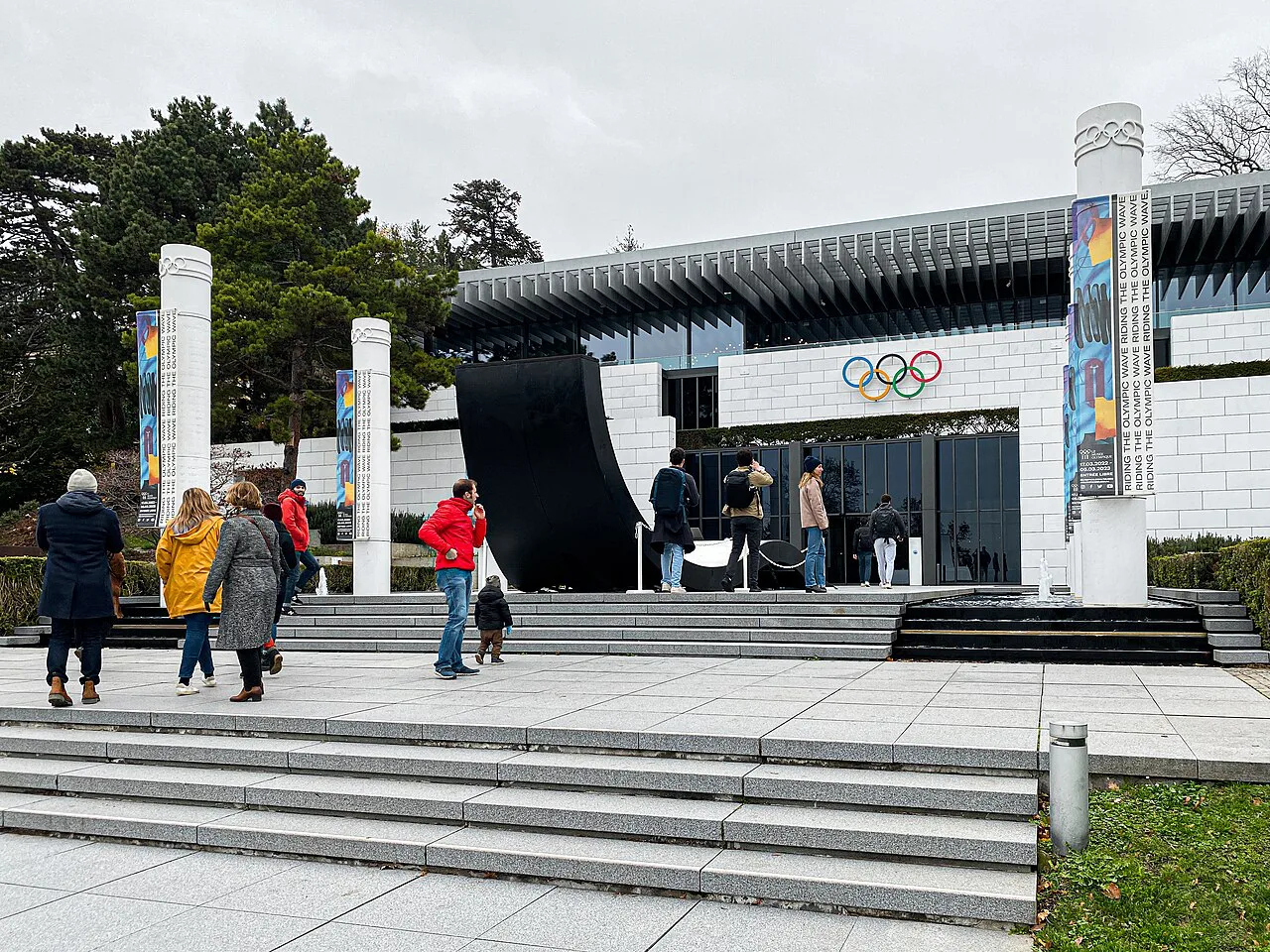
The Olympic Museum in Lausanne is the official museum of the International Olympic Committee, and it occupies a lakeside site at Quai d'Ouchy 1 in the Ouchy district. It combines a permanent exhibition of torches, athlete equipment and host-city design with temporary shows, a sculpture park and a top-floor café looking over Lake Geneva toward the Alps. This guide covers where it is, what it costs, which day it closes and how to pace a visit.
Why the Olympic Museum Is in Lausanne
Lausanne has been the home of the International Olympic Committee for a century, and the committee founded its official museum on the Lake Geneva shore in 1993. The building was completely renovated in 2013 with updated exhibition facilities. That history explains why a city of Lausanne's size holds the world's main Olympic collection rather than a former host city.
Where It Is: Quai d'Ouchy 1
The museum stands at Quai d'Ouchy 1, 1006 Lausanne, on the waterfront in Ouchy, the lakefront quarter at the foot of the city. The address puts it a short lakeside walk from the Ouchy waterfront, with the lake on one side and the museum's own grounds and sculpture park around it. Lausanne spreads across steep hills above the lake, so allow for the climb or the metro ride if you are coming from the center.
Opening Days and Hours
The museum opens Tuesday to Sunday from 09:00 to 18:00 and is closed on Mondays, except on public holidays or special events. It also closes on December 24, 25 and 31 and on January 1. The Monday closure matters most for short trips: if Lausanne is a two-day stop, the museum needs to land on the other day.
These hours apply through 2026 as published by Lausanne Tourisme. Confirm the day you plan to go, especially around public holidays, before building the rest of the day around the museum.
Ticket Prices in CHF
A full-price adult ticket costs 20 CHF for visitors aged 16 and over. Seniors, students and people with disabilities pay 14 CHF, and children up to 15 get in free when accompanied by an adult. An accompanying adult with a disabled visitor also enters free.
Two discounts change the arithmetic, and they work differently. Holders of the Lausanne Transport Card pay 16 CHF at full adult rate, while the Lausanne City Pass includes free entry to the museum. Check which card you actually hold before buying, since the transport card cuts the price and the city pass removes it.
The Permanent Exhibition
The permanent exhibition traces the origins of the Games, the competitions and the athletes themselves through screens, objects and equipment worn by famous competitors. Torches from successive Games form part of the collection, alongside items tied to figures such as Pierre de Coubertin. Host-city design gets its share of space too, from posters to ceremonial dress.
Expect a multimedia-heavy presentation rather than rows of glass cases. Screens carry the story, and the museum's own site describes the experience as more than a museum. If you prefer quiet object displays, budget less time indoors and more for the grounds.
Interactive Stops and the 100-Metre Track
Children and sports fans get the most from the interactive stations, where you can step into an athlete's role rather than simply read about one. Out in the museum park, a 100-metre track uses light beams to recreate the speed of Usain Bolt's sprint, which is the outdoor highlight for many visitors. Reserve some of your time for the park even on a wet-weather visit, since the track sits outside.

Temporary Exhibitions on the Calendar
The museum keeps several temporary shows in rotation, and the calendar shifts as each one opens and closes. Ahead of the Curve, on how technology and culture have reshaped how each generation connects with sport, was listed for 18 September 2025 to 21 February 2027, and Let's Move: Get Active Space for 12 April 2025 to 12 April 2027. Step into the dream was listed for 1 January to 31 December 2026.
Because the shows overlap and change on different dates, the exhibition you see depends on when you come. If a particular show is the reason for your visit, match its published date range to your travel dates before booking. The same date-checking applies when you plan your wider trip, so see our guide to the best time to visit Lausanne for season-by-season context.
The TOM Café and the View
The TOM Café sits on the museum's top floor, serving breakfast, lunch and coffee, with a panoramic view over Lake Geneva and the Alps. At weekends it serves an all-you-can-eat buffet, and booking ahead is advisable. The café works well as a midpoint break between the permanent exhibition and the park.
The Sculpture Grounds and Lakeside Setting
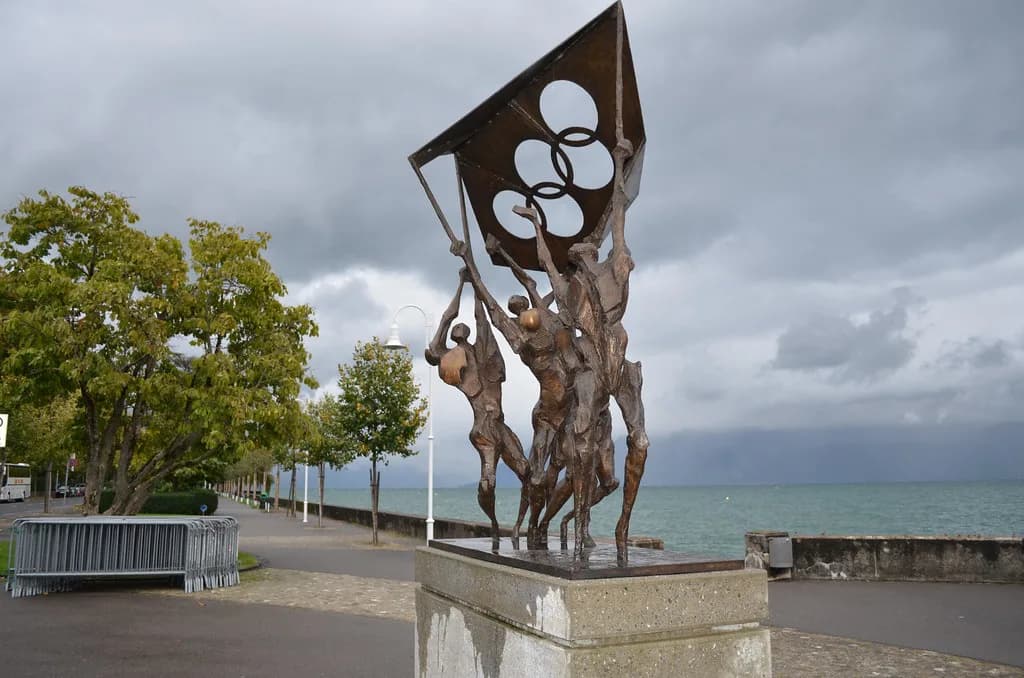
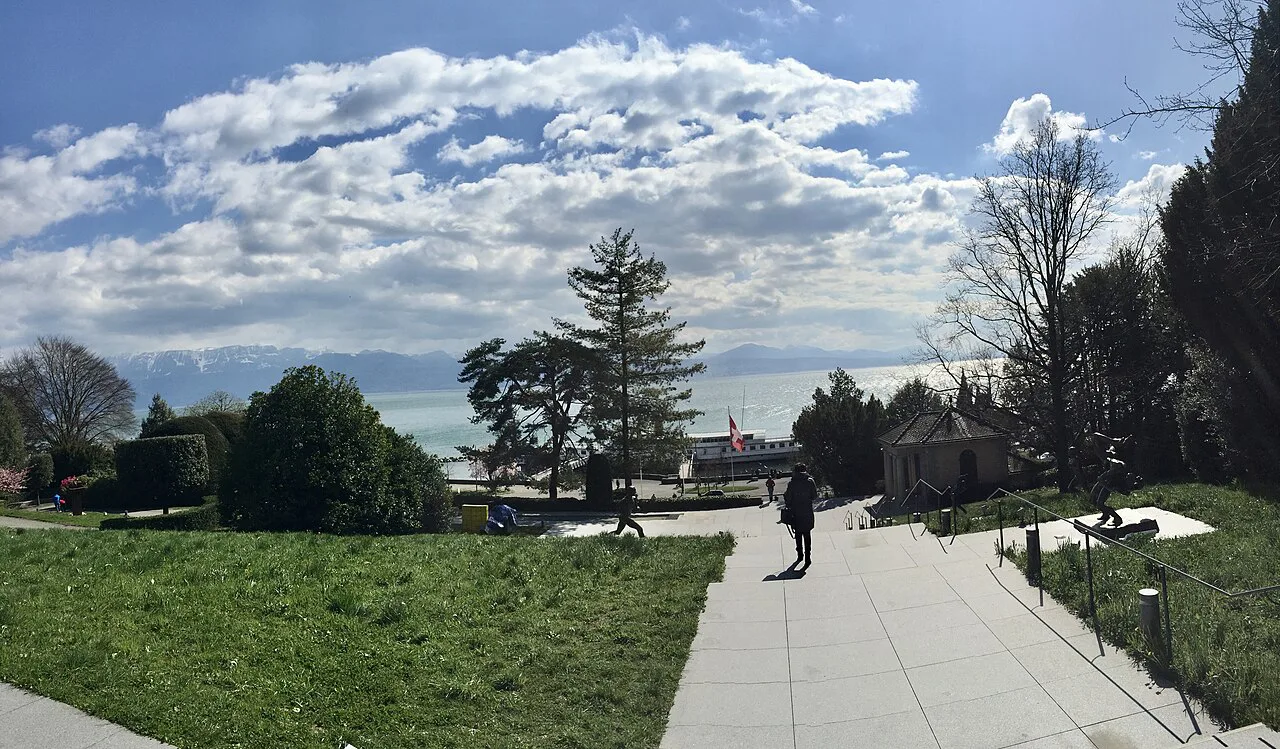
The museum grounds are decorated with works of art and open onto the lakeside, so the visit extends beyond the ticket hall. Walking the park adds a relaxed half hour and gives you the lake-and-Alps panorama without a café table. Pair the outdoor loop with the 100-metre track for a natural break between indoor galleries.
How Much Time to Allow
Two to three hours covers the permanent exhibition at a steady pace plus a walk through the sculpture grounds. Add an hour if a temporary show interests you or if you want the café and the view. Families with children often need longer, because the interactive stations and the outdoor track absorb time quickly.
A short visit of about 90 minutes works if you focus on the torches, athlete equipment and the lake view. Treat the museum as a half-day rather than a quick stop if you plan to see the temporary exhibitions as well.

Getting There from Ouchy and the Center
The museum sits on the Ouchy waterfront, reachable on foot along the lake from the Ouchy metro and boat stops. From central Lausanne, the metro down to Ouchy is the simplest route, and the walk from there follows the shore. The Lausanne Transport Card discount applies at the ticket desk, so bring the card with you rather than leaving it at the hotel.
Who It Suits and Who Should Skip It
Sports fans, families with children and anyone interested in design and host-city graphics get the most from the museum. The interactive displays reward people who want to move and play rather than read labels. Travelers with no interest in sport, or those with only an hour to spare in Lausanne, may prefer to spend the time on the old town; our Lausanne Neighborhoods guide helps you decide which quarter fits that shorter window.
Nearby Options in Ouchy
Ouchy itself is a lakefront promenade district, so a museum visit pairs naturally with a walk along the shore before or after. The Lausanne Botanical Garden (Jardin Botanique) is another green stop if you want to extend a lakeside day. Keep the museum as the anchor and treat these as add-ons rather than a checklist.
Practical Points on Access, Groups and Booking
The museum welcomes school groups, academic visits and corporate events, with dedicated booking routes for each. Accessibility is partial: the museum, toilets and parking are described as partially wheelchair-accessible, and a magnetic loop is available. Groups and visitors with access needs should arrange details in advance through the museum's practical information pages.
Plan Your Visit
The Olympic Museum rewards a half-day: check that your date falls between Tuesday and Sunday, decide whether the Lausanne Transport Card or City Pass applies to you, and match any temporary show to its published run. Build the visit around the permanent exhibition and the outdoor track, then leave time for the lakefront.
Explore more Lausanne guides
Frequently Asked Questions
Is the Olympic Museum in Lausanne worth visiting?
It is the official museum of the International Olympic Committee and the most complete Olympic collection anywhere, with torches, athlete equipment and host-city design alongside interactive stations and a lakeside sculpture park. Sports fans and families with children get the most from it.
Why is the Olympic Museum in Lausanne?
Lausanne has been home to the International Olympic Committee for a century, and the committee founded its official museum on the Lake Geneva shore in 1993. The building was fully renovated in 2013.
How long does it take to visit the Olympic Museum in Lausanne?
Two to three hours covers the permanent exhibition and the sculpture grounds at a steady pace. Add an hour for a temporary show or a café stop, and allow extra time with children for the interactive stations and the outdoor 100-metre track.
Is entry to the Olympic Museum in Lausanne free?
Children up to 15 enter free when accompanied by an adult, and an accompanying adult with a disabled visitor also enters free. The Lausanne City Pass includes free entry, while the Lausanne Transport Card reduces rather than removes the adult price.
What day is the Olympic Museum in Lausanne closed?
The museum is closed on Mondays, except on public holidays or special events, and it also closes on December 24, 25 and 31 and on January 1. It opens Tuesday to Sunday from 09:00 to 18:00.
How much is a ticket to the Olympic Museum in Lausanne?
A full-price adult ticket for visitors aged 16 and over costs 20 CHF, and seniors, students and people with disabilities pay 14 CHF. Holders of the Lausanne Transport Card pay 16 CHF.