
MASI Lugano: What to See at the Museo d'arte della Svizzera Italiana

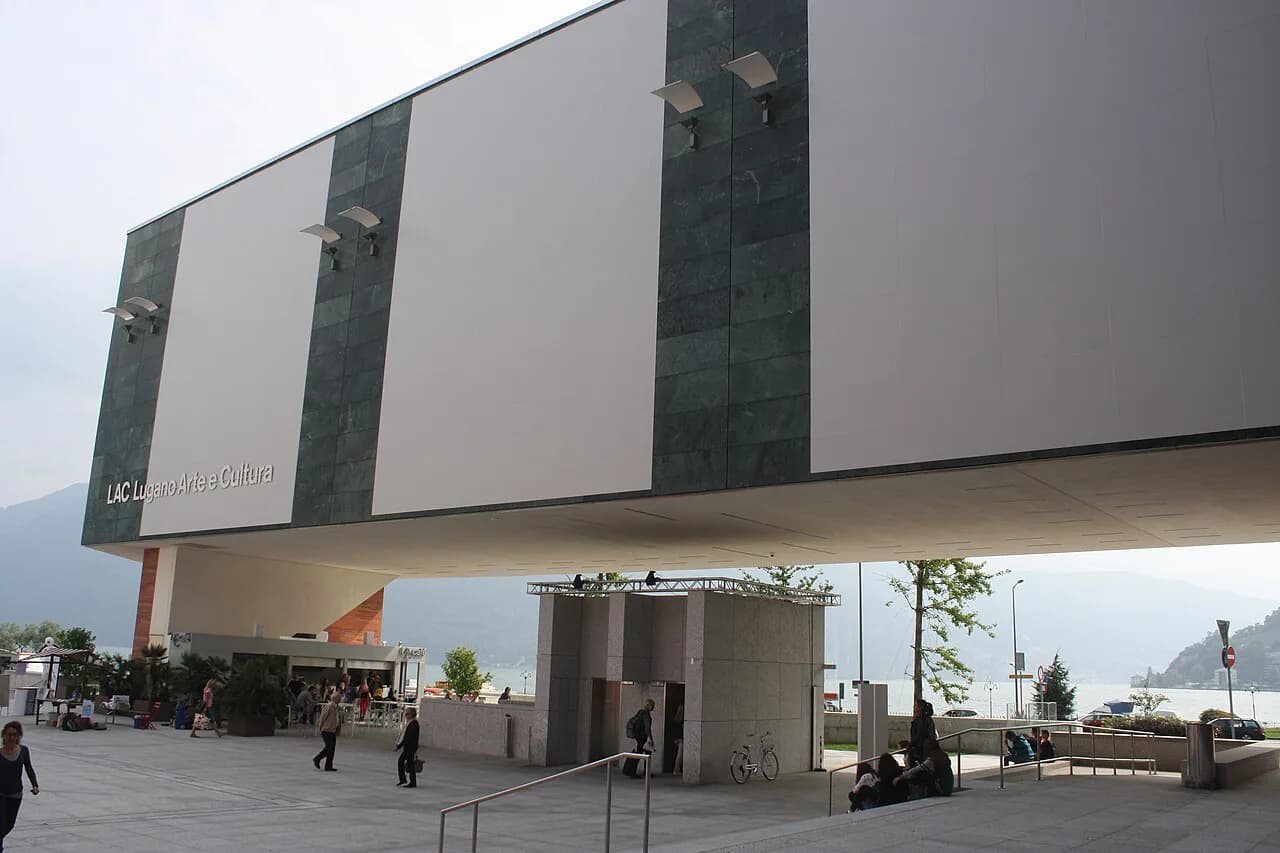
MASI Lugano is the Museo d'arte della Svizzera italiana, the city's main art museum, and it operates across two venues rather than one: the LAC arts center on Piazza Bernardino Luini by the lake, and Palazzo Reali on via Canova in the old town. Knowing that before you arrive saves a wasted walk, because each building holds a different slice of the collection.
Allow roughly two hours for one venue and a half day if you intend to see both. The galleries are compact rather than encyclopedic, so the pleasure is in the Ticino holdings and the temporary shows rather than in covering room after room.
What MASI Lugano Is
MASI stands for Museo d'arte della Svizzera italiana, and the institution was formed by merging the Museo Cantonale d'Arte with the Museo d'Arte Lugano. The combined museum now occupies three floors of gallery space at the LAC, showing the Lugano and Canton Ticino collection alongside temporary exhibitions and site-specific installations.
The result is a museum with a clear regional identity: art made in or connected to Italian-speaking Switzerland, shown in a building designed as a cultural crossroads between northern and southern Europe. If you are choosing one art stop in Lugano, this is it, and the season you pick shapes how much of the lakefront you can add around it, as our guide to the best time to visit Lugano explains.
The Two Venues and Where They Sit
MASI at LAC faces the lake at the southern edge of the center, with its entrance off Piazza Bernardino Luini. Palazzo Reali sits at via Canova 10, inland in the old town, a short walk uphill from the waterfront streets. The two are close enough to combine on foot in a single afternoon rather than treating them as separate outings.
Both venues share one timetable, which makes planning simple: Tuesday, Wednesday and Friday 11:00 to 18:00, Thursday 11:00 to 20:00, and Saturday, Sunday and public holidays 10:00 to 18:00. Monday is the closing day at both, so a Monday city break means moving art to another morning.
Build the day around the geography. Start at Palazzo Reali while the old town is quiet, walk down through the arcaded streets, and finish at the LAC where the lakefront and the piazza give you somewhere to sit afterwards. If you are deciding which part of the center to stay in for this walking route, our Lugano Neighborhoods guide maps the old town and the lakefront.
MASI at LAC: The Lakeside Galleries
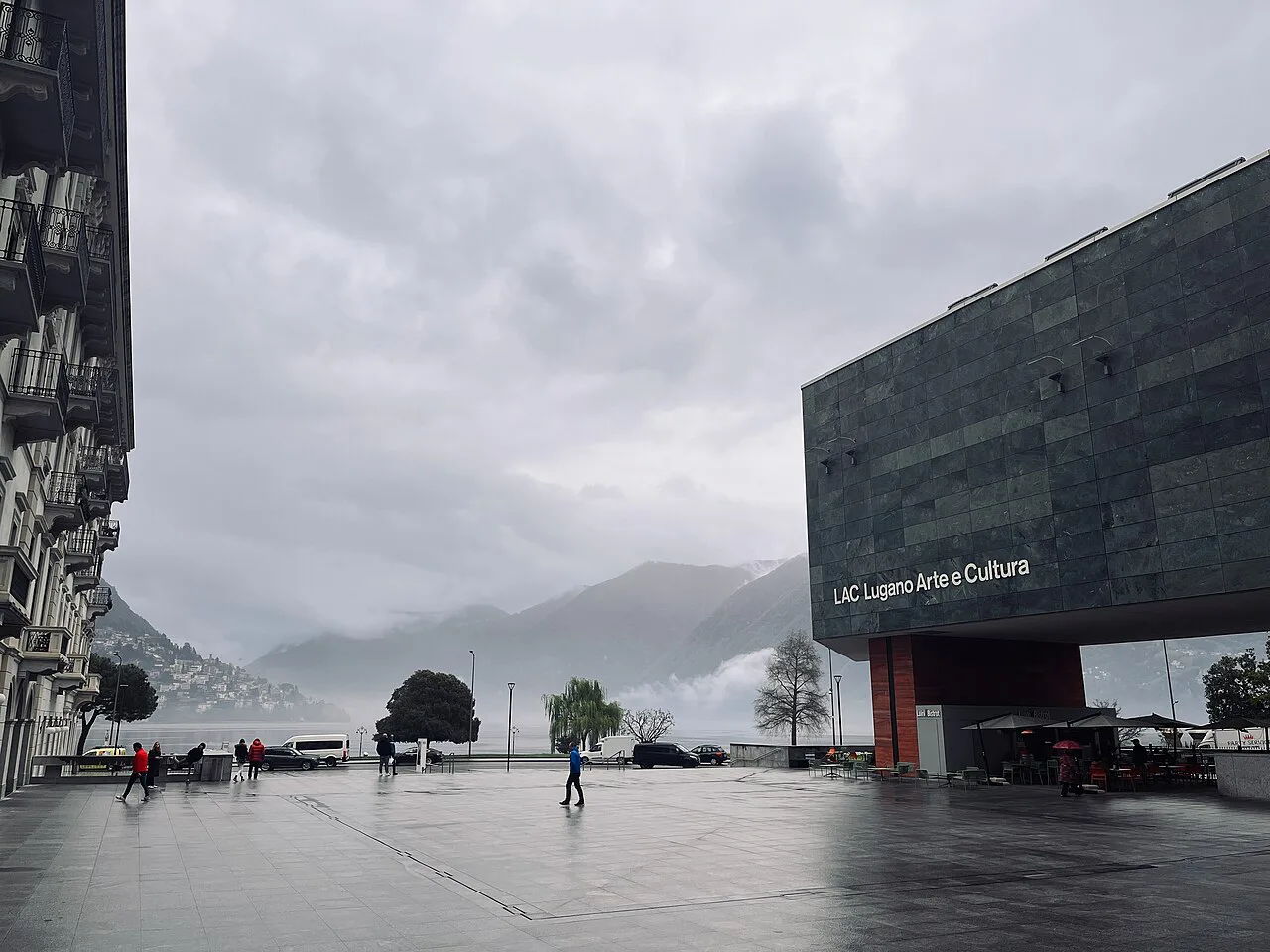
The LAC building is deliberately porous: a large hall acts as a window onto the piazza and the lake, blurring the line between inside and out. The museum occupies the gallery floors of that complex, and the permanent Ticino collection is the anchor of a visit.
Temporary exhibitions rotate through the same building, so the strongest reason to return is usually a show rather than the standing hang. Check what is on before you commit a morning, and treat the permanent collection as the fixed part of the plan.
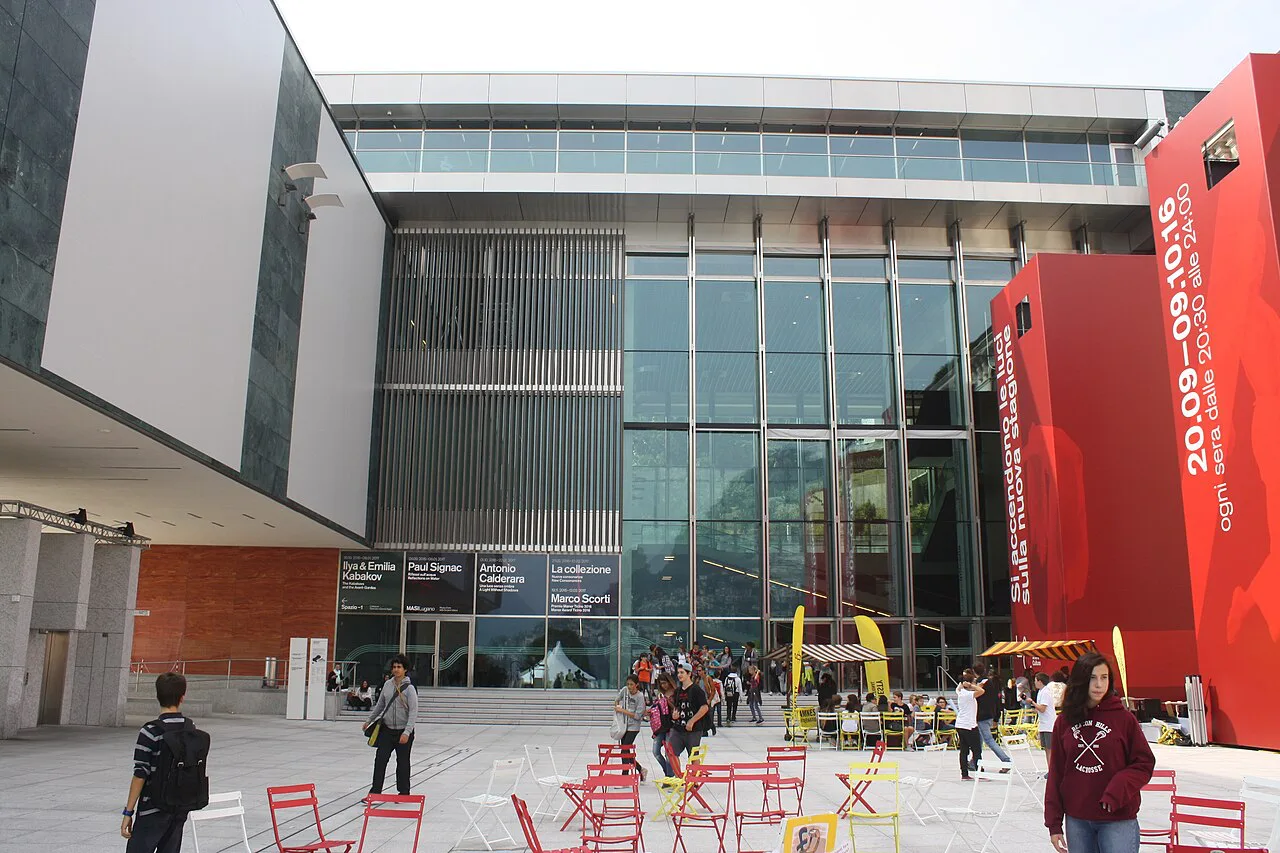
The practical advantage of this venue is its setting. You leave the galleries directly onto Piazza Bernardino Luini, the largest square in the city, with the lake a couple of minutes away.
The LAC Complex Around the Museum
The museum is one tenant of a larger arts center. The LAC also holds a wood-paneled concert and theater hall seating around a thousand, the Teatrostudio, multi-use rooms and the Agorà, and it hosts the LuganoInScena and LuganoMusica seasons as well as the Orchestra della Svizzera italiana and the Compagnia Finzi Pasca.
That matters for scheduling: an evening performance can turn a museum afternoon into a full day out, and the piazza in front is the natural place to wait between the two. The restored spaces of the former Franciscan monastery now form a public park belonging to the LAC, so there is somewhere to sit without buying anything.

MASI at Palazzo Reali: The Old-Town Venue
Palazzo Reali is the second address, at via Canova 10 in the old town, and it shares the museum's opening hours and exhibitions program with the LAC. Its value to a visitor is location as much as content: it puts the museum inside the street grid you are already walking, among the deli shops, craft stores and boutiques of the center.
Treat it as a compact stop of under an hour rather than a destination in itself, and pair it with the old-town stroll. If your time in Lugano is short, choose one venue: the LAC for the full gallery experience, Palazzo Reali for convenience. Where you base yourself for that stroll makes a difference, which is why our Lugano Neighborhoods guide to the old town and the lakefront is worth a read before booking.
Opening Hours and the Thursday Evening
The hours are the same at both venues: Tuesday, Wednesday and Friday 11:00 to 18:00, Thursday 11:00 to 20:00, Saturday, Sunday and public holidays 10:00 to 18:00, closed Monday. The Thursday extension is the one genuinely useful quirk for a short break, letting you slot art into a day otherwise spent on the lake or the mountains.
Weekend mornings open an hour earlier than midweek, which suits anyone trying to see the galleries before the old town fills up. Check the museum's own site shortly before you go, since holiday-period hours can differ from the standard week.
Tickets and What They Cost
Listed admission is CHF 20 at the normal rate and CHF 16 reduced, with free entry for ages 0 to 15. Budget for the full rate unless you already know you qualify for the reduction, and note that no source confirms whether a single ticket covers both venues, so ask at the desk when you buy.
At that level the museum sits comfortably in the affordable half of a Lugano itinerary, where the bigger costs are usually mountain transport and meals. Families with young children get the best value, since under-sixteens enter free.
How Long to Allow
Two hours covers the LAC galleries at a relaxed pace, and ninety minutes is enough for a focused pass. Add Palazzo Reali as a forty-minute stop if you are combining the two, plus walking time between them.
The honest trade-off is that a regional collection split across two buildings is never going to fill a whole day. Pair the museum with something outdoors rather than trying to stretch it: a lakefront walk through Parco Ciani, or an afternoon on the mountain.

Nearby After Your Visit
From the LAC you are steps from the lakefront and Piazza Bernardino Luini, with the old town rising behind. The funiculars up Monte Brè and Monte San Salvatore are the classic add-ons for clear days, and both repay an early start before cloud builds in the afternoon.
In the old town, Santa Maria degli Angeli holds Bernardo Luini's monumental frescoes, a short walk from Palazzo Reali and an easy pairing with the museum. Farther out, the Alprose Chocolate Experience Center in Caslano is a separate attraction with its own admission, useful only if you have a car or a spare half day.
Getting Between the Two Sites
Lugano's center is compact and walkable, so the transfer between the LAC and Palazzo Reali is a stroll through the shopping streets rather than a transport decision. Wear shoes for cobbles and allow extra time in the middle of the day when the arcades are busiest.
If you are arriving by train, the station sits above the center and the descent on foot or by funicular drops you within easy reach of both venues. Travelers planning around weather should weigh spring and autumn, when the lakefront is pleasant and the mountain views are clearest. Our guide to the best time to visit Lugano breaks those seasons down month by month.
Plan Your Visit
MASI Lugano rewards a small, well-planned slot rather than a whole day: one venue, two hours, and the Thursday evening if your schedule is tight. Decide between the LAC and Palazzo Reali first, then build the rest of the day around the lakefront and the old town.
Confirm the current hours and ticket tiers on the museum's site before you travel, and ask at the desk whether your ticket carries across both buildings. Everything else about a Lugano city break is a short walk away.
Explore more Lugano guides
Frequently Asked Questions
What does MASI stand for?
MASI is the Museo d'arte della Svizzera italiana, Lugano's museum of Swiss-Italian art. It was created by merging the Museo Cantonale d'Arte and the Museo d'Arte Lugano, and it now shows the Ticino collection along with temporary exhibitions.
Where is MASI Lugano located?
The museum has two venues. MASI at LAC is in the LAC arts center on Piazza Bernardino Luini, by the lake at the southern edge of the center. MASI at Palazzo Reali is at via Canova 10 in the old town, a short walk uphill from the waterfront.
Is MASI Lugano open on Mondays?
No. Both venues close on Monday. They open Tuesday, Wednesday and Friday from 11:00 to 18:00, Thursday from 11:00 to 20:00, and Saturday, Sunday and public holidays from 10:00 to 18:00.
How much does MASI Lugano cost?
The listed rates are CHF 20 at the normal rate and CHF 16 reduced, with free entry for children aged 0 to 15. Check the current figures with the museum before you go, since the tiers are not published on its own site.
How long does it take to visit MASI Lugano?
Allow about two hours for the galleries at the LAC, or ninety minutes for a focused visit. Palazzo Reali is a compact stop of under an hour, plus walking time between the two buildings in the center.
What is the difference between MASI at LAC and MASI at Palazzo Reali?
The LAC venue holds the main gallery floors, with the Ticino collection, temporary exhibitions and site-specific installations, inside a purpose-built arts complex. Palazzo Reali is the old-town address, sharing the program and hours but offering convenience rather than scale.
Is MASI Lugano included in the LAC complex?
Yes. MASI at LAC occupies three floors of the LAC Lugano Arte e Cultura building, which also contains a concert and theater hall, the Teatrostudio and other cultural spaces, and opens onto Piazza Bernardino Luini.
Does one ticket cover both MASI venues?
That is not stated in the published information, so ask at the ticket desk when you arrive. If you only have time for one venue, the LAC offers the fuller gallery experience while Palazzo Reali fits neatly into an old-town walk.