
Lugano Cathedral (Cattedrale di San Lorenzo): A Visitor's Guide
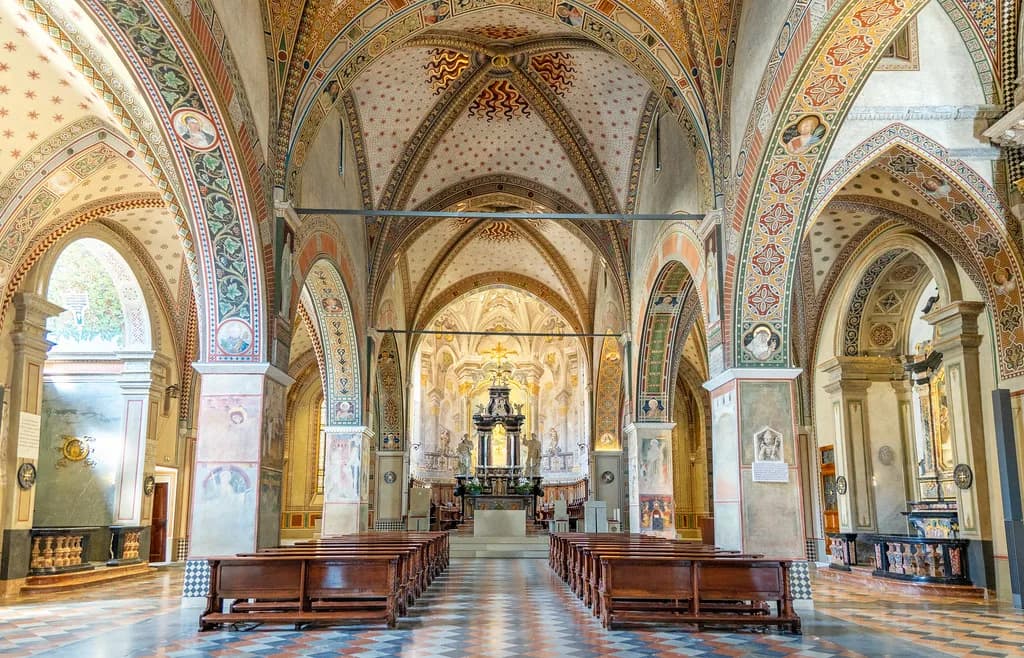
Lugano Cathedral, the Cattedrale di San Lorenzo, is free to enter and stands on Via Cattedrale in Lugano's old town, a few minutes uphill from the lakefront squares. It is the city's cathedral, dedicated to Saint Lawrence, and it packs several building periods into one compact interior: Romanesque walls, Gothic vaulting, a Renaissance facade and Baroque chapels and altars. A visit fits easily into half an hour, which makes it a sensible add-on to a walk through the center rather than a destination on its own.
Where Lugano Cathedral sits in the old town
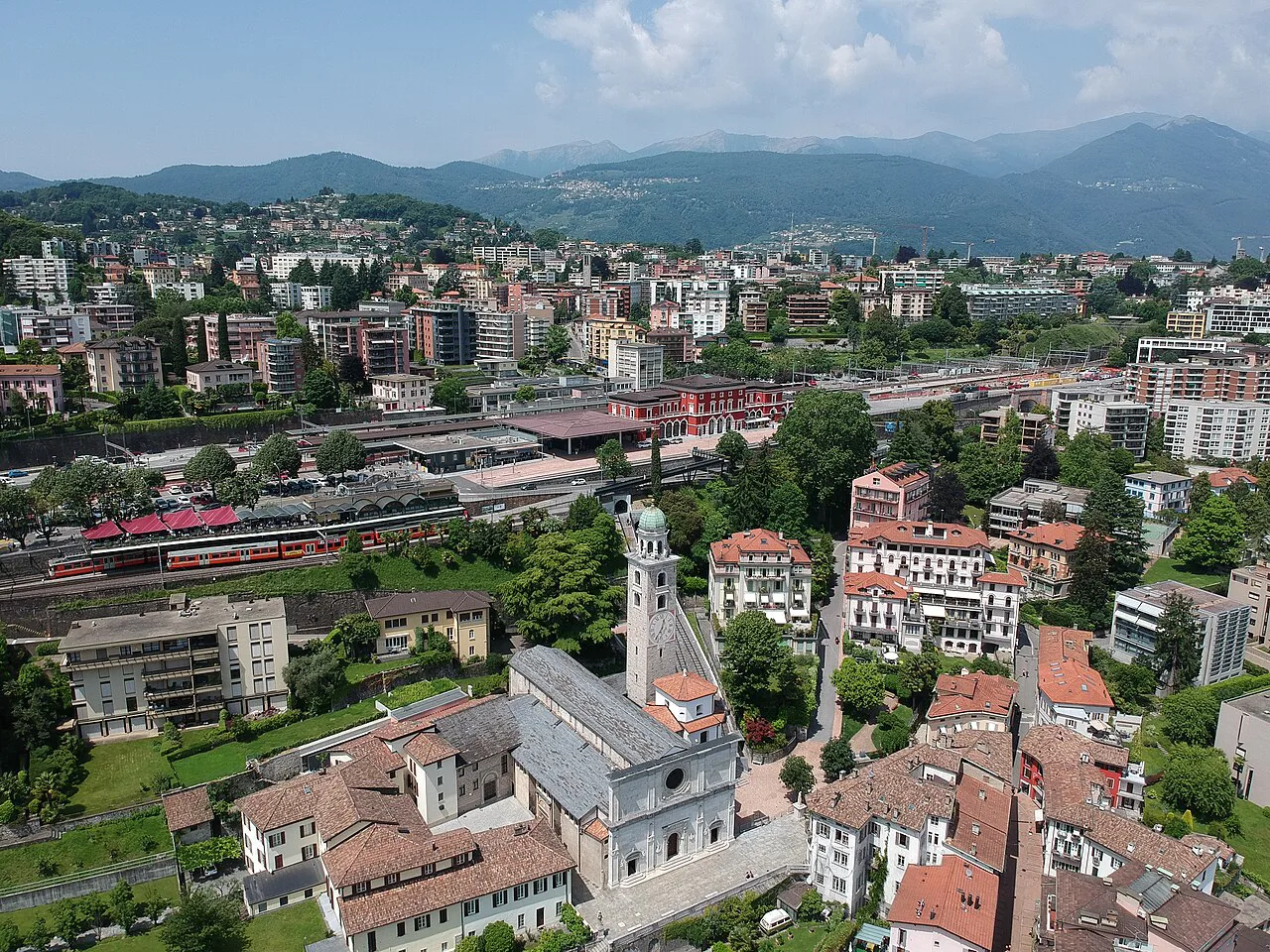
The address is Via Cattedrale, 6900 Lugano, on the rise above the historic center rather than down at the water. That position shapes the visit: you climb through the old-town lanes to reach it, and the churchyard gives you a breather and a look back over the rooftops before you go in. Because it sits inside the pedestrian core, you reach it on foot from the lakefront, and the walk up is part of the experience rather than a commute. For the practical details, see the Lugano guide.
Treat the cathedral as one stop on an old-town loop and you will not oversell it. The building is listed as free entry, so there is no ticket desk decision to make and no reason to skip it if you are passing. Pair it with the streets around Via Cattedrale and the lakefront instead of building a day around the church alone. For a wider look at how the center is arranged, the Lugano Attractions: 8 Visitor Guides overview helps you slot it into a route.
The Renaissance facade, built 1500 to 1517
The facade is the building's signature: a free-standing screen wall erected between 1500 and 1517 and described as one of the masterpieces of the Lombardian Renaissance. Look for how the front is organized — four supporting pillars, a middle cornice with a broken line, and an entablature above — arranged to read as a single harmonious composition. It is worth standing back on the small square in front before you go in, because the proportions only make sense from a distance.
The facade is also the clearest signal that this is not a single-period building. The Renaissance front was added to a much older structure, so the exterior promises a layered interior rather than a uniform Gothic or Baroque space. Keep that in mind as you cross the threshold: the interest here is in comparing periods, not in one showpiece room.
The Romanesque core and Gothic vaulting
The church's foundation is early medieval, with the masonry still mostly Romanesque, and it was recorded as a parish as early as 818, raised to a collegiate church in 1078 and only became a cathedral in 1888. During the 13th and 14th centuries the vaulted ceiling went up and the building was expanded, which is why the nave reads Gothic overhead and Romanesque at the walls. Knowing the sequence helps you look: heavy older stone below, ribbed vaulting above, Renaissance front behind you.
The Chapel of Madonna delle Grazie
The Chapel of Madonna delle Grazie was founded in 1494 and rebuilt in 1774 to plans by the architect Giambattista Casasopra, and it is richly decorated with columns and a marble altar. It is the most ornamented corner of the interior and the one that rewards a slower look, especially the marble work of the altar. Find it early in your walk-through so you can compare its Baroque density with the plainer nave.

14th-century frescoes on the inner facade wall
Turn around once you are inside: the oldest frescoes are on the inner facade wall, above the cross-vaulted ceiling from Gothic times. Look for traces of a Universal Judgement, a painted meander, the head of an Apostle and a small fragment of an infernal abyss, all dated to the 14th century. They are fragmentary rather than a complete cycle, so bring patience and look up — most visitors walk straight past them.
The high altar and the 1430 baptismal font
At the entrance to the choir stands the high altar, a marble structure with a superstructure and a small temple decorated with cherubs, built at the end of the 17th century to a design by Andrea Biffi. In the last section of the south nave, an ancient octagonal baptismal font is inscribed and dated 1430. Those two objects bookend the interior neatly — late Baroque spectacle at the choir, a single medieval survivor in the side aisle.
How long to allow, and how to move through
Plan on roughly 20 to 30 minutes inside. Move from the entrance toward the choir first, then backtrack along the south nave to find the font, and finish at the inner facade wall to pick out the fresco traces. That order saves you from criss-crossing the nave and keeps the periods in sequence as you walk.
Mass times and any service closures are set by the parish rather than posted on the tourist listing, so check the parish or the Lugano Region page before you build a visit around a specific hour. Otherwise, the simple free-entry, short-visit format means you can slot it in whenever you pass.

Nearby after your visit
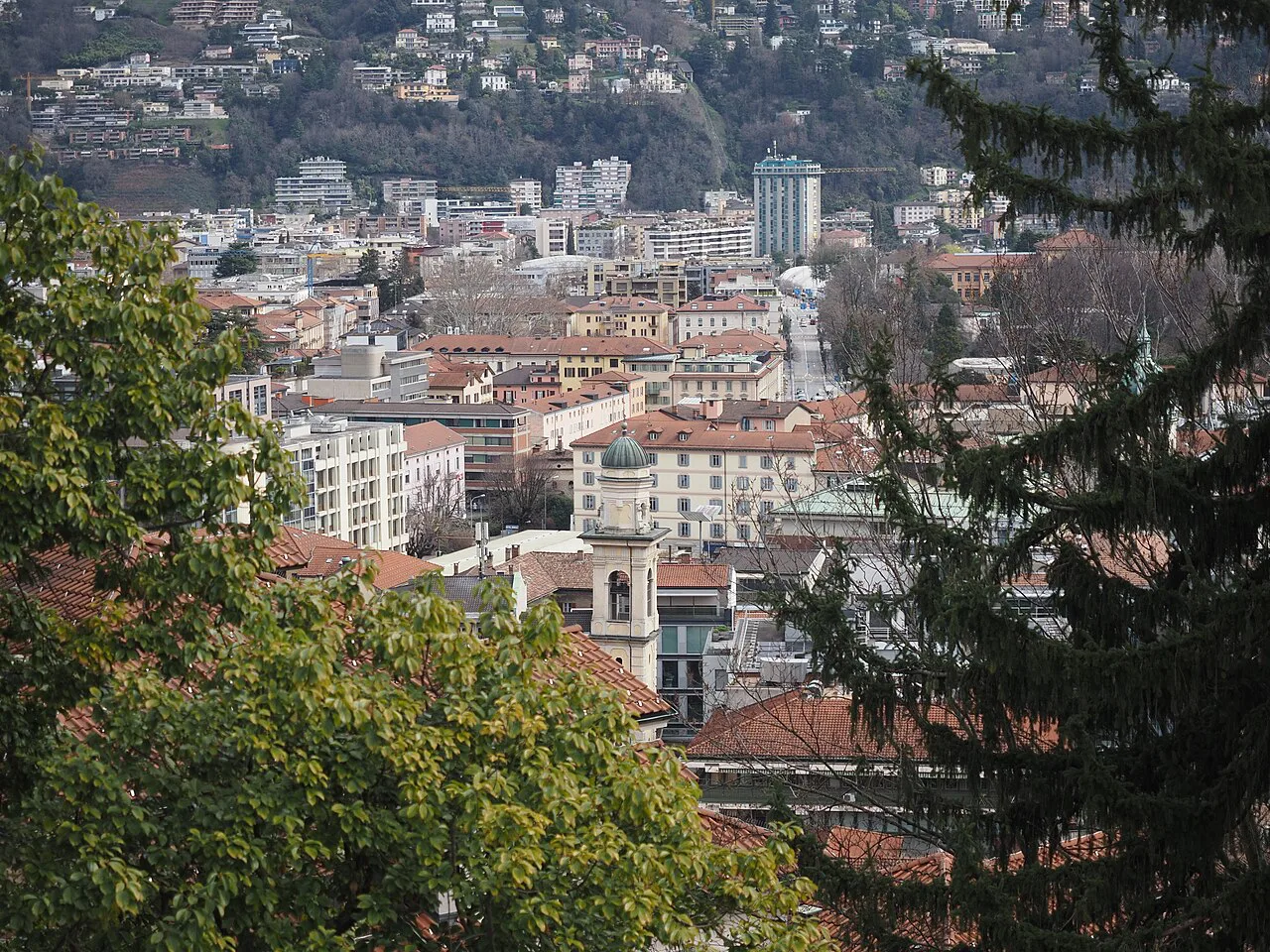
You are already in the old town, so the easiest continuation is a slow walk down through the lanes to the lakefront. Parco Ciani, the city's lakeside park, is a flat stroll away and a good place to sit after the climb up to Via Cattedrale.
If you want a viewpoint to round out the day, the cable car up Monte Brè gives you a panorama over the city and Lake Lugano without a long expedition. Build it in as a separate half-day rather than an afterthought, since the trip up and down takes time.
Accessibility notes
The cathedral took part in a digital accessibility mapping project run by Pro Infirmis with Ticino Turismo, the regional tourist organizations and the canton's education, culture and sport department. Detailed accessibility information for the site is held on that project's own page rather than summarized in the visitor listing. Read it before you travel if step-free access or other adjustments matter for your visit.
Is Lugano Cathedral Worth It?
Yes, if you treat it as a 20-to-30-minute stop inside an old-town walk. Free entry, a facade that holds up to close scrutiny and a handful of specific things to find inside — the 1774 chapel, the 14th-century fresco traces, the Biffi altar and the 1430 font — make it easy to justify. It is not a cathedral that needs a morning of its own, and pretending otherwise would set you up for disappointment. If you enjoy reading a church's layers this way, the guide to Lausanne Cathedral offers a similar approach to a much larger building.
Go in expecting layers rather than spectacle, look up at the inner facade wall, and backtrack to the south nave for the font. That approach gets more out of the building than a quick circuit, and it leaves you time for the lakefront and the rest of the old town.
Explore more Lugano guides
Frequently Asked Questions
Is Lugano Cathedral free to enter?
Yes. Lugano Region lists the Cathedral of S. Lorenzo as free entry, so there is no ticket to buy and no paid section to budget for. You can walk in during visiting hours and leave whenever you are ready.
Where is Lugano Cathedral located?
It stands at Via Cattedrale, 6900 Lugano, in the old town above the lakefront rather than on the water itself. You reach it on foot through the historic center, with a short climb up to the church.
What can you see inside Lugano Cathedral?
Look for the Chapel of Madonna delle Grazie, rebuilt in 1774 to plans by Giambattista Casasopra, with its columns and marble altar. On the inner facade wall above the cross-vaulted ceiling are 14th-century fresco traces including a Universal Judgement and the head of an Apostle. At the choir entrance stands the late 17th-century marble high altar designed by Andrea Biffi, and in the last section of the south nave is an octagonal baptismal font dated 1430.
When was the facade of Lugano Cathedral built?
The facade was erected between 1500 and 1517 and is described as one of the masterpieces of the Lombardian Renaissance. Its four supporting pillars, broken-line middle cornice and entablature are arranged as a single harmonious front.
How long does a visit to Lugano Cathedral take?
Allow about 20 to 30 minutes. Head toward the choir first, backtrack along the south nave for the 1430 font, then finish at the inner facade wall to find the fresco traces — that order avoids criss-crossing the nave.
How old is Lugano Cathedral?
The building has an early medieval foundation and was recorded as a parish as early as 818; it became a collegiate church in 1078 and a cathedral only in 1888. The masonry is still mostly Romanesque, with Gothic vaulting added in the 13th and 14th centuries.
What is near Lugano Cathedral?
The cathedral sits inside the old town, so the lanes below lead straight down toward the lakefront. Parco Ciani, the lakeside park, is a short flat walk away, and the Monte Brè cable car is a separate half-day outing for a panorama over the city.