
Parco Ciani in Lugano: Lakeside Gardens, Villa Ciani and the Cassarate End
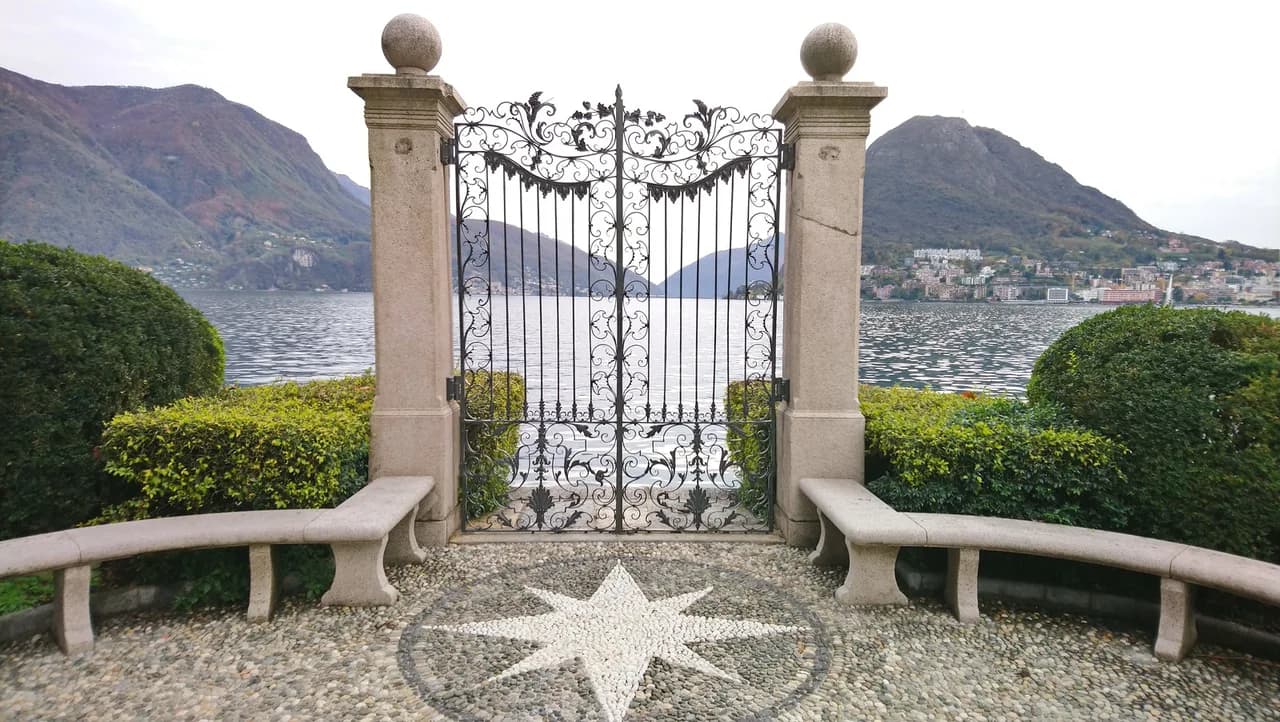
Parco Ciani is the green lung of Lugano: a 63,000-square-meter park on the shore of Lake Lugano, a few steps from the busy city center, with shady paths under century-old trees, flower beds, statues and fountains. Its main entrance sits at the end of the lakeside promenade, so you can walk straight off the waterfront into the gardens.
The park splits into two clearly different halves. One is a formal garden around Villa Ciani with lawns, bedding and exotic trees; the other runs from the boat landing to the Cassarate river and feels wilder, with the trees of a Ticino woodland and the children's playground. Plan for both and the park stops looking like a simple lawn.
Where Parco Ciani is and how to reach it
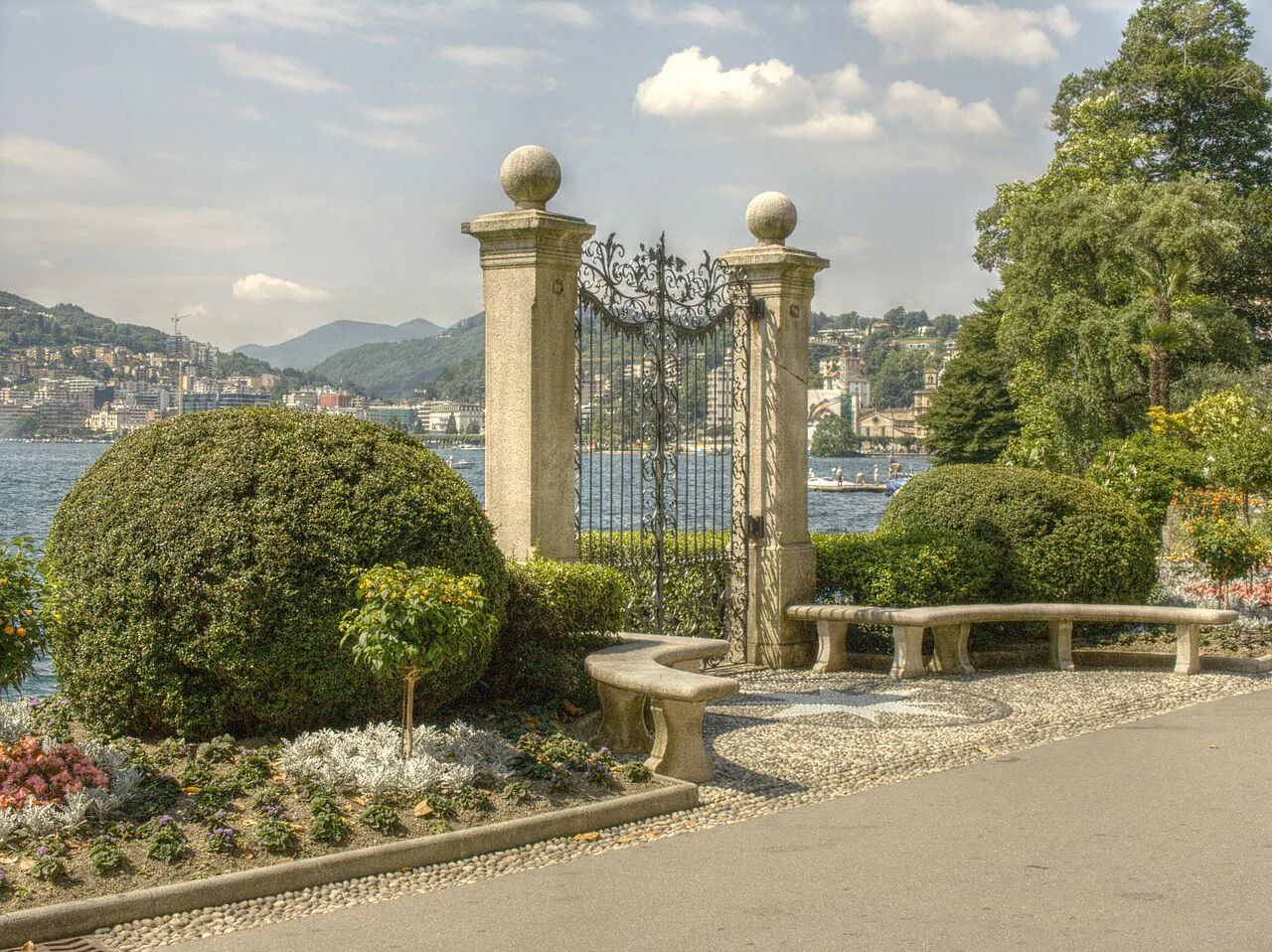
The park runs along Riva Albertolli on the Lungolago, the lakeside road on the edge of the old center. Coming from Piazza Riforma, you reach the entrance on foot within a few minutes, and the main gate opens at the end of the lakeside promenade on the Villa Ciani side; the best time to visit Lugano shapes how much of that promenade walk you will want to do.
Walking is the natural way in, since the park is squeezed between the lakefront and the city blocks behind it and has several access points along its length. If you come from farther out, follow the lakefront path rather than the streets inland and you will arrive at the main entrance without hunting for it.
The two zones of Parco Ciani
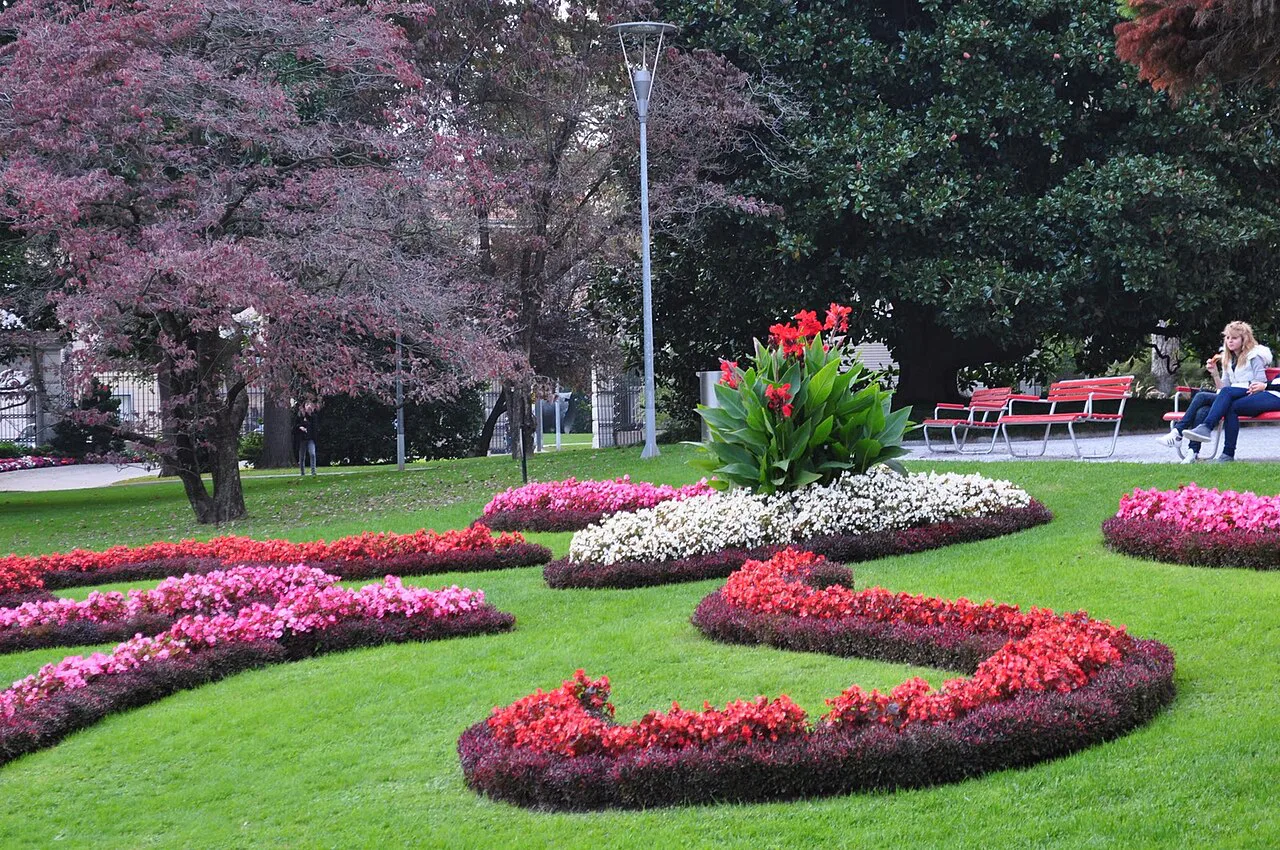
The first zone, next to Villa Ciani, combines features of an Italian garden and an English one: broad flower beds mixed with lawns, plus trees and shrubs from around the world. The second zone stretches from the boat landing to the Cassarate river, keeps a wilder and more natural character and holds oaks, lindens, planes and maples typical of Ticino's forests. The children's playground, with equipment for every age, sits inside this wooded section.
Treat the first zone as the ornamental half and the second as the walking half. The formal beds reward a slow loop, while the far stretch gives you shade, birdsong and a quieter path on hot afternoons. The planting in the beds is rearranged every year, which is why locals keep coming back to look at the patterns.
In the first zone, look for the statues and fountains that line the paths, and the very well-kept English lawn that frames the flower beds. The park's mild lakeside climate supports a rich subtropical vegetation alongside the ornamental planting, so the greenery is denser and more varied than in an ordinary city square.
The second zone keeps the ground closer to its natural state, with the native trees of the Ticino forest rather than imported ornamentals. Children get a playground with plenty of equipment for different ages and abilities, so a walk to this end doubles as a break for families.
Buildings inside the park boundary
Several buildings stand inside the park: Villa Ciani itself, the Palazzo dei Congressi (the congress center), the Darsena boat landing, the cantonal natural history museum and the cantonal library. That list makes the park more than lawns; walking its length takes you past a villa, a working conference venue and a museum in one sweep.
Villa Ciani is the historic centerpiece, described as magnificent and best known today for cultural exhibitions. The cantonal library is an avant-garde work from the 1940s designed by the architects Rino and Carlo Tami, a deliberate contrast with the 19th-century villa. If a museum or an exhibition is the reason for your visit, go to the institution's own page before setting out, because the park's listing gives the buildings but not their opening days.
The Cassarate river mouth and the view back to the city
At the far end of the park, the Cassarate river empties into Lake Lugano. The reworking of the river-mouth zone has upgraded the whole area and opened a new green space for relaxing, and from the mouth you get a particularly fine view back toward the city. That view is the specific reason to walk all the way rather than turning around after the villa.

How long to allow in Parco Ciani
For the park alone, budget about two hours: enough to cover both zones, stop at the flower beds, look at the buildings around Villa Ciani and walk to the Cassarate mouth. A brisk pass from the promenade entrance to the river end and back takes far less, but you will skip the details that make the park worth the detour, and the walk itself is flat and easy.
The better plan is to pair the park with the lakefront rather than treat it as a standalone outing. Enter from the promenade, work through the formal garden, follow the shore path to the Cassarate end, then walk back along the water into the old town for a coffee or a museum. That way the park becomes the green middle of a half-day on foot, and if you are weighing a different lakeside city for a similar day out, our guide to the best time to visit Lugano covers how the seasons change the waterfront. For a sense of how this shore fits the wider city, our Lugano Neighborhoods guide maps the areas around the lakefront.
Entrance, hours and tickets for events
Entering Parco Ciani is free. Events or exhibitions held inside Villa Ciani or in the park may require separate tickets, so check the event listing for the dates you plan to be in Lugano before you build your day around an exhibition.
Plan your walk for daylight hours; the park is a lakeside public garden rather than a ticketed attraction.

What is nearby
Parco Ciani begins where the old town and the lakefront meet, so you can step out of the gardens into the streets around Piazza Riforma and the arcaded lanes of the center. Santa Maria degli Angeli, with its famous fresco, sits just beyond the park's city edge, and the cathedral is a short climb up from the waterfront.
For a wider view over the lake, the two local summits make natural companions to a park morning. Monte San Salvatore rises directly above the city, while Monte Brè sits on the opposite side of the bay, and both are reached by their own funicular or cable car from town.
If you are traveling with children or want a second short outing near the water, Swissminiatur in Melide is a few stops along the lake and pairs well with an afternoon in the park.
A short history of Parco Ciani
The park's story starts around 1845, when the estate was bought by the Ciani brothers, noble merchants from Milan. They renovated and enlarged the existing villa and began laying out the park, but the land suffered periodic flooding from both the Cassarate and the lake.
The Cianis solved the flooding by building a wall and raising the whole plot about a meter and a half above the water level, which is why the park now sits slightly above the lake. In 1912 the city of Lugano bought both the villa and the park, turning a private estate into a public garden.
Plan Your Parco Ciani Visit
Parco Ciani is free, central and easy to fold into a day in Lugano: enter from the end of the lakeside promenade, loop through the formal garden around Villa Ciani, then follow the shore to the Cassarate mouth for the view back at the city. Allow about two hours for the full walk, less if you only want the ornamental half.
Check the Villa Ciani exhibition program before you go if you want to see inside, since events in the villa and the park may need their own tickets. The rest of the plan needs nothing but comfortable shoes and a morning or late afternoon.
Explore more Lugano guides
Frequently Asked Questions
Where is Parco Ciani in Lugano?
Parco Ciani runs along Riva Albertolli on the Lungolago, on the edge of Lugano's old center and directly on the shore of Lake Lugano. The main entrance is at the end of the lakeside promenade, on the Villa Ciani side, a few minutes on foot from Piazza Riforma.
Is Parco Ciani free to enter?
Yes. Entering the park itself is free. Events or exhibitions held in Villa Ciani or inside the park may require separate tickets, so check the listing for whatever is on during your dates before you plan around it.
How long does it take to walk through Parco Ciani?
Allow about two hours to see the whole park: both garden zones, the buildings around Villa Ciani and the walk to the Cassarate river mouth. A shorter loop through the formal garden near the promenade entrance takes much less.
What is there to see inside Parco Ciani?
Expect statues, fountains, large flower beds, lawns and subtropical planting in the zone around Villa Ciani, and native oaks, lindens, planes and maples in the wilder stretch toward the Cassarate, plus a children's playground. The park also contains Villa Ciani, the Palazzo dei Congressi, the Darsena boat landing, the cantonal natural history museum and the cantonal library.
Is there a playground in Parco Ciani?
Yes. A children's playground with equipment for every age sits in the second, wooded zone of the park, between the boat landing and the Cassarate river.
What is the history of Parco Ciani?
The Ciani brothers, merchants from Milan, bought the estate around 1845, enlarged the villa and laid out the park. Because the land flooded from the Cassarate and the lake, they built a wall and raised the plot about a meter and a half above the water. The city of Lugano bought villa and park in 1912.
When is the best time to walk the park?
The park is a pleasant walk in any season, and the flower beds are replanted every year, so the ornamental half looks different on each visit. Mornings and late afternoons are the calmest hours for the lakefront stretch, and the wooded Cassarate end gives shade when the sun is high.