
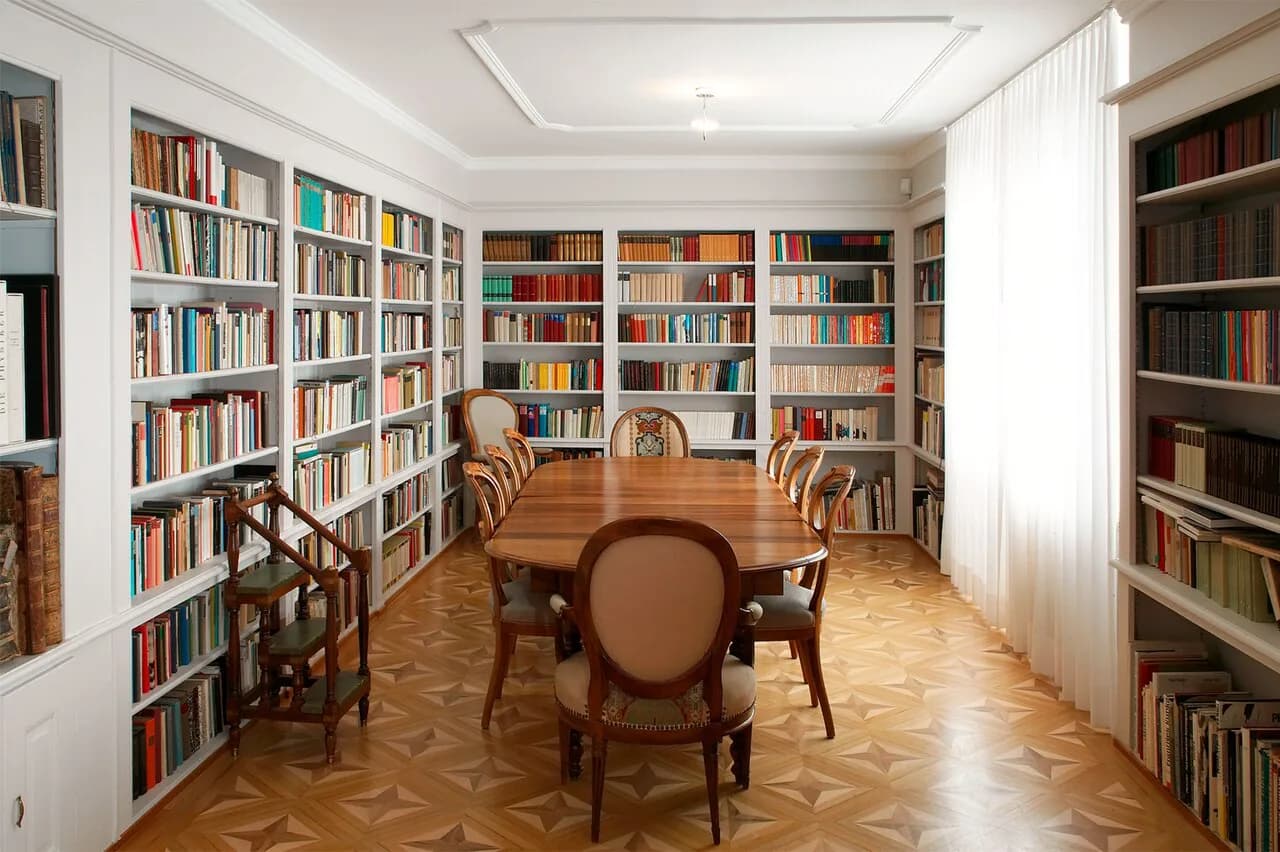
Centre Dürrenmatt Neuchâtel: A Visitor's Guide to the Museum

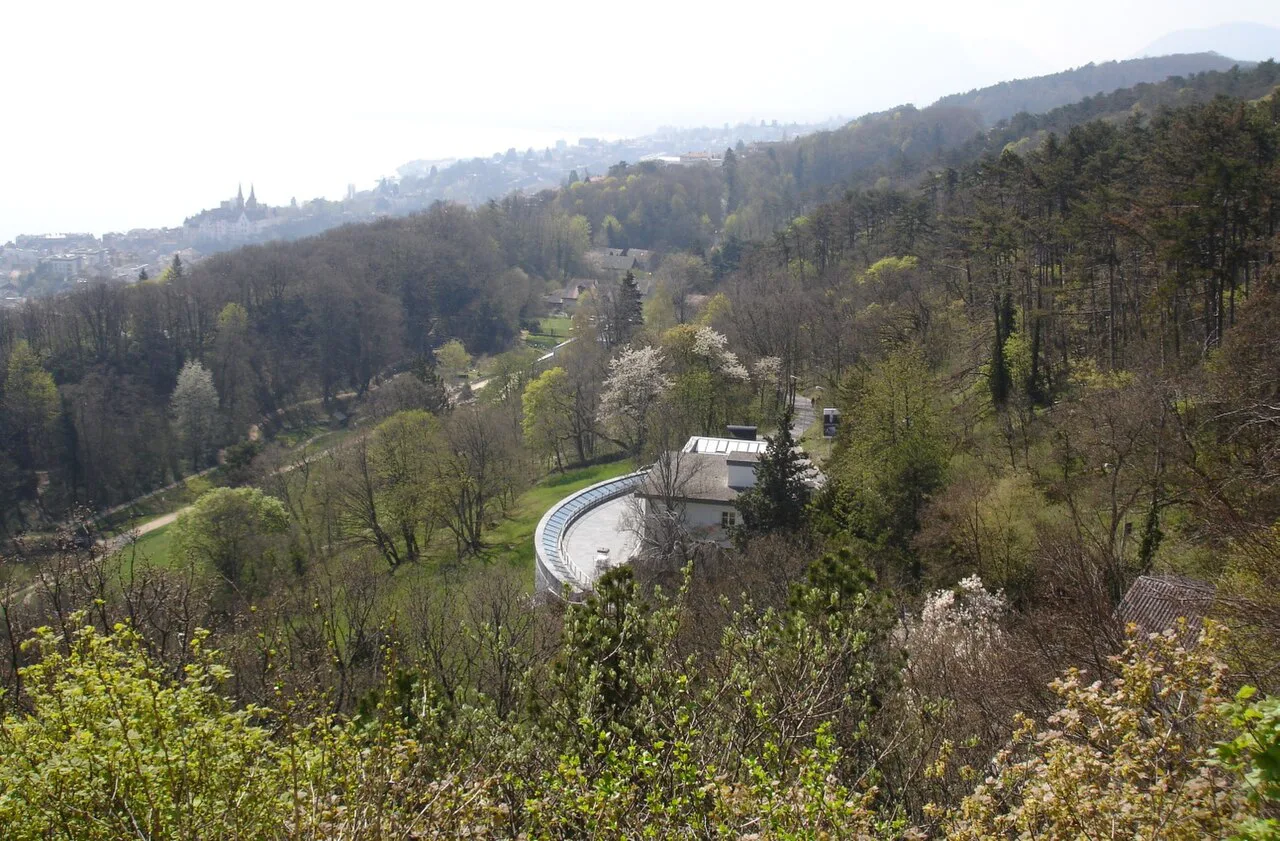
The Centre Dürrenmatt Neuchâtel is the museum devoted to Friedrich Dürrenmatt (1921–1990) as both writer and painter, housed in a Mario Botta building wrapped around the author's former home in the Vallon de l'Ermitage above the city. It is run as an institution of the Swiss National Library and opened in 2000. Plan on a compact, focused visit of roughly one and a half to two hours, plus the climb up and back.
What the Centre Dürrenmatt Is
Dürrenmatt is best known for his plays and novels, but he painted and drew throughout his life, and the museum's permanent exhibition sets that pictorial work in direct dialogue with his literary writing, his biography and his ongoing relevance. The core show was renovated in 2021, so the presentation is recent even though the building dates from 2000.
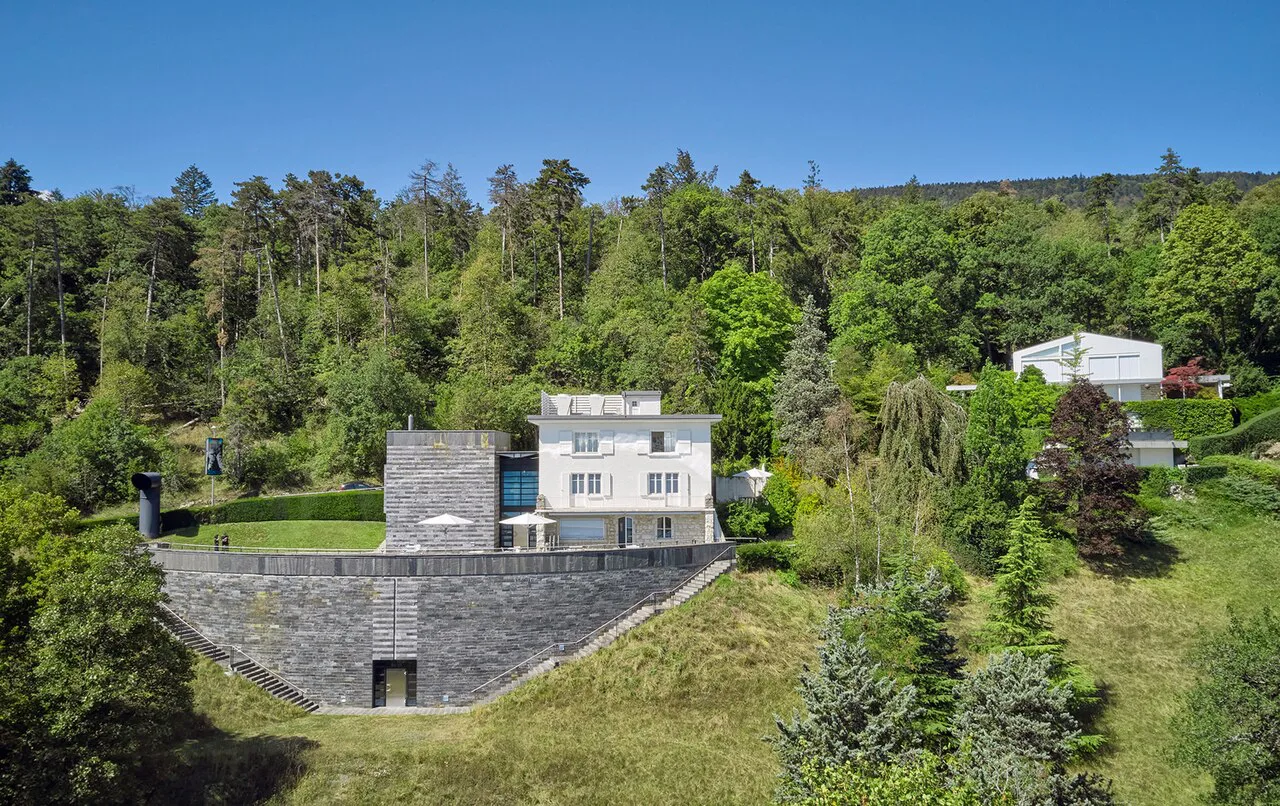
The site is more than a gallery: it also preserves the places where Dürrenmatt lived and worked, including his first house in Neuchâtel, the second villa with its studio, the pool and the gardens. A terrace looks out over the lake and the Alps.
Where It Sits Above the City
The address is Chemin du Pertuis-du-Sault 74, on a slope in the green Vallon de l'Ermitage, uphill on foot from Neuchâtel station. The museum sits in a valley that feels removed from the old town even though it is only a short ride away.
Expect the approach to be part of the visit. Several routes lead up from the station, and the climb is steady rather than long.
How to Get There
Bus 109 toward Trois-Chênes stops at Neuchâtel, Vallon de l'Ermitage, from which the museum is about a ten-minute uphill walk along the chemin du Pertuis-du-Sault. Bus 106 to Fontaine-André leaves a walk of ten to fifteen minutes through the botanical garden, and the less frequent bus 421 also reaches the Vallon de l'Ermitage.
On foot from the station, the quickest signed route takes about twenty minutes, while paths crossing the botanical garden run twenty-five to thirty minutes. The funicular on line 112 to Plan puts you within roughly fifteen minutes' walk. By car, a limited number of spaces are available at the Roche de l'Ermitage above the city center.
Opening Days and Hours
The museum opens Wednesday to Sunday from 11:00 to 17:00 and is closed on Monday and Tuesday. When a public holiday falls between Wednesday and Sunday, the museum stays open. All exhibition levels are reached by lift.
Tickets and What They Cost
Adults pay CHF 8. The reduced rate of CHF 5 covers children up to 16, students, apprentices, AVS and AI recipients, unemployed visitors and holders of a Neuchâtelroule card, and groups of ten or more also pay CHF 5 per person.
Entry is free for members of the ACDN association and for holders of the Swiss Museum Passport, Raiffeisen MemberPlus, the Neuchâtel Tourist Card, the CarteCulture Caritas card and the Swiss Travel System, as well as the museum card; AMS, ICOM and ASHHA members also enter free. Entry is likewise free on the CDN en famille Sundays, at exhibition openings and on public guided tours.
The Mario Botta Building
Botta's design does not replace Dürrenmatt's home; it builds around it, so the old residence, the second villa with its studio, the pool and the gardens remain part of the ensemble. That layout means you move between new gallery space and the writer's own rooms rather than through a single converted house.

The Permanent Exhibition
The permanent show, Friedrich Dürrenmatt – Schriftsteller und Maler, presents his paintings in conversation with his books, his life and his continuing resonance, and was refurbished in 2021. It is the reason to come, and it rewards a slow read rather than a quick pass.
Level -2: Film, Documents and the Schaudepot
On level -2 an introductory film, biographical documents and extracts from Dürrenmatt's radio plays set out his life and work, along with a themed wall. A Schaudepot, or open storage display, invites you to pull out the drawers yourself, which suits visitors who like to handle the material rather than read labels.
Level -3: Gouaches and Drawings
Level -3 holds gouaches, drawings and graphic work built around recurring themes such as the Minotaur, the Tower of Babel and Atlas, which recur across Dürrenmatt's visual output. Temporary exhibitions are shown on the same level, so the mix changes from season to season.
Dürrenmatt's Working Study
Dürrenmatt's working study in the second villa can be visited on Saturdays and Sundays, from 11:00 to 13:30 and from 14:00 to 16:45. Access is included in the ticket with no reservation needed, but the study is not wheelchair accessible.
Terrace and Cafeteria
A cafeteria with a panoramic terrace serves drinks, sweets and small snacks with views over the lake and the Alps. From Wednesday to Friday it is not staffed, and free self-service coffee and tea are available instead, so do not count on a full lunch on a weekday.

How Long to Allow
The museum is small, and an hour and a half to two hours covers the permanent show, the open storage and the terrace without rushing. Add time for the walk up from the bus stop or station, and consider pairing the visit with the botanical garden if you arrive on the bus 106 route. The trade-off is honest: this is a rewarding specialist museum on a hill, not a full-day destination, and it works best combined with something else covered in these Neuchatel Attractions. If you want to fill the rest of the day, our guide to things to do in neuchatel covers the old town, museums and lake views below.
Accessibility
The museum is partly accessible: a lift reaches all exhibition levels, but Dürrenmatt's working study in the second villa cannot currently be reached by visitors with reduced mobility. Plan the rest of the visit around the lift-accessible floors if that applies to you.
Visiting with Children
On CDN en famille Sundays, adults join a guided tour while children from age five take part in a creative workshop, with free entry and no registration required. The museum also runs school workshops and guided visits that can be booked outside normal opening hours.
What Else Is Nearby
The Muséum d'histoire naturelle and the Musée d'Art et d'Histoire de Neuchâtel are each about a kilometer away, and the CAN Centre d'art Neuchâtel, which has free entry, is a similar distance. Further down, the Collégiale de Neuchâtel and the château de Neuchâtel anchor the old town and make a sensible second stop on the same day.
Plan Your Visit
Come on a Wednesday-to-Sunday day, take bus 109 and allow for the uphill walk, and aim to be there by late morning so the study and the terrace both fit in, since the study closes for lunch between 13:30 and 14:00. Check the current temporary exhibition and any holiday opening on the museum's own site before you set out.
Explore more Neuchatel guides
Frequently Asked Questions
Who was Friedrich Dürrenmatt?
Friedrich Dürrenmatt (1921–1990) was a Swiss writer known for his plays and novels, and he also painted and drew throughout his life. The Centre Dürrenmatt Neuchâtel presents both sides of his work together.
What can you see at the Centre Dürrenmatt Neuchâtel?
The permanent exhibition pairs Dürrenmatt's paintings with his literary work, and level -2 adds an introductory film, biographical documents, radio play extracts and open storage drawers. Level -3 shows gouaches, drawings and graphics on themes such as the Minotaur and the Tower of Babel, and the site preserves Dürrenmatt's homes, studio, pool and gardens.
When is the Centre Dürrenmatt open?
It opens Wednesday to Sunday from 11:00 to 17:00 and is closed on Monday and Tuesday, though it stays open when a public holiday falls between Wednesday and Sunday. Dürrenmatt's working study can only be visited at weekends, in two blocks with a lunch break.
How much does the Centre Dürrenmatt cost?
Adults pay the standard admission, and a reduced rate applies to children up to 16, students, apprentices, AVS and AI recipients, unemployed visitors and Neuchâtelroule holders. Groups of ten or more pay a per-person group rate, and several museum passes and cards, including the Neuchâtel Tourist Card and the Swiss Travel System, give free entry.
How do you get to the Centre Dürrenmatt from Neuchâtel station?
The quickest signed walking route from the station takes about twenty minutes, or you can take bus 109 to Vallon de l'Ermitage and walk about ten minutes uphill. Bus 106 to Fontaine-André and the funicular to Plan both leave a longer walk of roughly ten to fifteen minutes.
How long does a visit take?
Allow about one and a half to two hours for the exhibition, the open storage and the terrace, plus the climb up and back. The museum is small enough that it pairs well with the botanical garden or a museum in central Neuchâtel rather than filling a whole day.
Is the museum wheelchair accessible?
The museum is partly accessible, with a lift serving all exhibition levels. Dürrenmatt's working study in the second villa cannot currently be reached by visitors with reduced mobility.
Is the Centre Dürrenmatt good for families?
Yes. On CDN en famille Sundays adults take a guided tour while children from age five do a creative workshop, with free entry and no registration. School workshops and guided visits can also be booked outside normal opening hours.