
Musée d'Art et d'Histoire de Neuchâtel: What to See and How to Visit

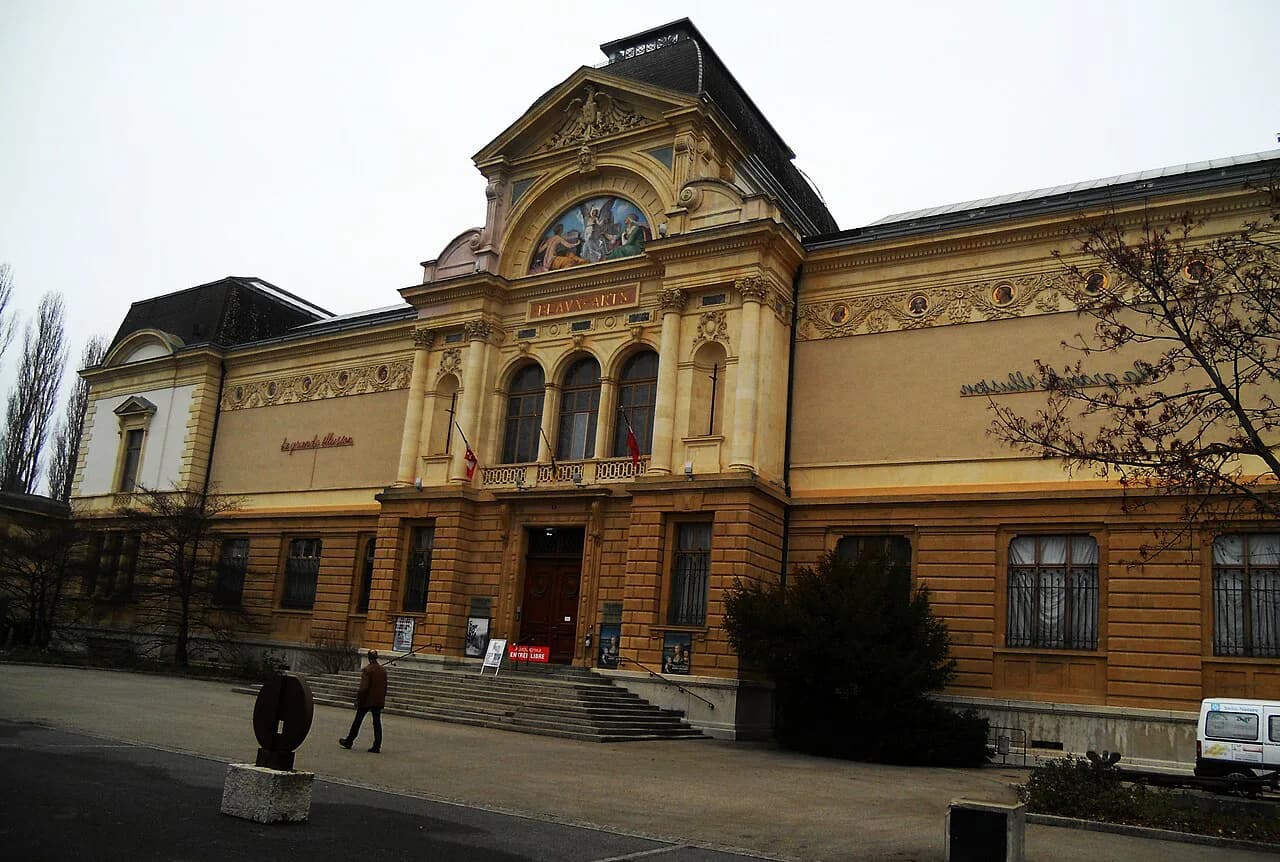
The Musée d'Art et d'histoire de Neuchâtel (MahN) is the city's combined fine-arts and history museum, housed at Esplanade Léopold-Robert 1 in the center of Neuchâtel, a few minutes uphill from the lakefront. It opens Tuesday to Sunday from 11:00 to 18:00, so a Monday is the one weekday to avoid.
This is a manageable museum rather than an all-day one: two collections under one roof, a late-19th-century building, and a location that slots naturally into a walking day between Place Pury, the old town and the castle hill. It works well as a rain-proof or heat-proof pause rather than the centerpiece of a Neuchâtel break.
Where the Museum Is and How to Reach It
The museum stands on Esplanade Léopold-Robert, the open square just above Neuchâtel's lakefront and a short walk from the old town lanes. Put Esplanade Léopold-Robert 1 into a map before setting out, because the entrance faces the square rather than a main shopping street.
On foot, the climb from the lakeside is short but steady, and the reward is a cluster of sights within a couple of minutes of each other: the museum, the Collégiale de Neuchâtel and the castle terrace above. If you are arriving by public transport, aim for the city-center stops around Place Pury and walk up, which keeps the museum on a natural loop with the rest of the center.
Treat the museum as one stop on a broader walk rather than a destination in itself. The Neuchatel Attractions: 8 Visitor Guides page sets out the other sights nearby so you can order the day without backtracking.
Opening Days and Hours
The MahN opens Tuesday to Sunday, 11:00–18:00, and stays closed on Monday. That Monday closure is confirmed for this museum, so it is not guesswork: if Monday is your only free day in Neuchâtel, put the museum aside and walk the old town and castle hill instead.
Arriving at 11:00 gives you a quiet first hour before the middle of the day fills the rooms; arriving after 16:00 leaves too little time to see both the art and history collections properly. The museum's own site is the place to confirm hours before a visit, since they can shift around public holidays.
Tickets and What They Cost
Adult admission is CHF 12, which is the figure listed for the museum in museum listings. That price covers entry to the collections rather than a single temporary show, so it is good value for a two-collection museum in a city where a coffee costs a noticeable share of the same sum.
Reduced rates exist, but the exact conditions are set by the Musée d'Art et d'Histoire de Neuchâtel, so ask at its desk whether a student or senior discount applies to you. If you hold a regional guest card or a culture pass, check the MahN's own pages before paying: pass coverage differs from one Neuchâtel museum to the next, and the MahN is where to confirm its own terms.
For context on what the other city museums charge, the Musée d'Ethnographie de Neuchâtel lists CHF 12 for adults who live outside the city and CHF 4 for students, apprentices and several concession categories, with children up to 16 free. Comparing the two helps you decide how to split a short museum budget across the city.
What Is Inside: Two Collections Under One Roof
The building holds both a fine-arts collection and a history collection, which is what makes the single ticket worthwhile. The art floors carry paintings and objects tied to Neuchâtel and the region, while the history side explains the canton's political and civic past.
Plan the visit as two halves rather than one continuous gallery: take the art first while your attention is fresh, then move to the history rooms, where labels and documents demand more reading. This order also means that if you run short of time, you have already seen the collection most visitors come for.
Beyond the permanent displays, the museum mounts temporary exhibitions, and those are the part of the program that changes from season to season. The museum publishes what is currently on, so read its listings before you go if a specific show is your reason for visiting.

The 1880s Building
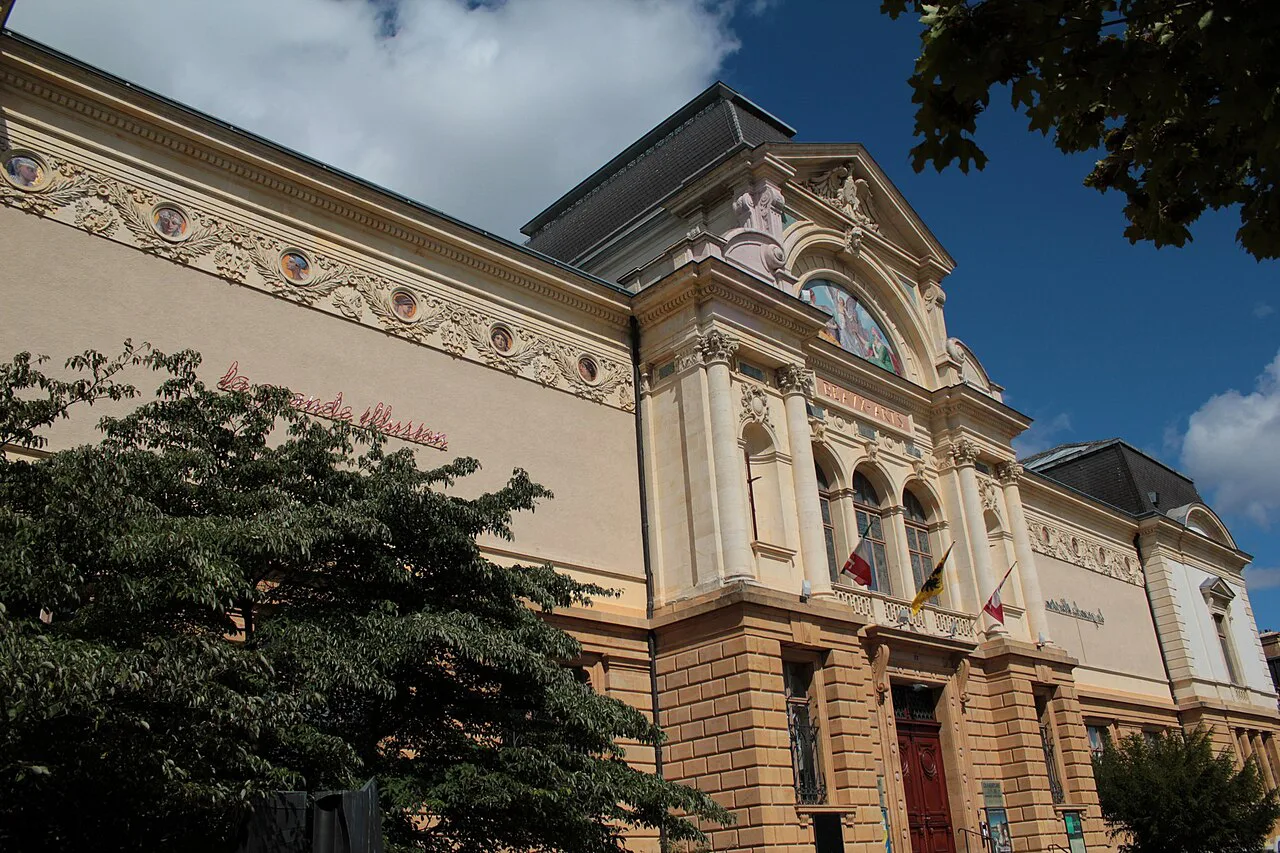
The museum occupies a purpose-built structure from the 1880s, designed by Léo Châtelain and constructed between 1881 and 1887, which is part of why the visit feels like a 19th-century civic institution rather than a modern gallery.
That date matters practically: rooms in buildings of this era vary in size and light, so expect a sequence of smaller galleries rather than one sweeping hall. Give yourself permission to move through slowly instead of trying to cover every wall, and use the building's layout as a natural way to divide the art visit from the history visit.
How Long to Allow
Two hours covers the collections comfortably at a normal pace, and ninety minutes is enough for a focused pass through the highlights. Add thirty minutes if a temporary exhibition is on and you want to read it properly.
The museum rewards a shorter, sharper visit rather than a marathon. On a two- or three-day Neuchâtel break, pair it with the castle and the collegiate church in the same afternoon instead of trying to see every Neuchâtel museum in one day. If your trip continues elsewhere in Switzerland, the same compact approach works for a few days in Bern, where our Bern city guide sets out how to order a short stay.
Nearby Sights Worth Pairing With the Museum
The château de neuchâtel sits on the hill directly above the museum quarter, and its terrace gives the classic view over the rooftops and Lake Neuchâtel. The Collegiate Church of Notre-Dame stands beside it, so the three sights form a single walk of an hour or two without any transport.
The Collégiale de Neuchâtel, formally Notre-Dame de Neuchâtel, is the Gothic church next to the castle and the natural first stop before or after the museum. Its position on the same rise means no extra legwork: you climb once and see all three.
Down by the water, Place Pury is the practical hub of the lower town and a sensible place to start or end the climb to the museum. The Musée d'Ethnographie de Neuchâtel (MEN) sits in a park above the city with its own strong program, so a museum-focused day could reasonably pair it with the MahN instead of the castle.

Other Museums in Neuchâtel
The Centre Dürrenmatt Neuchâtel is a different proposition: a museum built around Friedrich Dürrenmatt's former home, with a Mario Botta design, opening Wednesday to Sunday from 11:00 to 17:00 and charging adults CHF 8, with reduced tickets at CHF 5. It is a strong choice if you want a single-artist museum with a panoramic café rather than a civic collection.
The Centre Dürrenmatt's official pages confirm the Wednesday-to-Sunday pattern and the 11:00–17:00 hours, and note that it sits in the Vallon de l'Ermitage, a green valley near the station. That makes it a separate outing from the MahN rather than a same-morning add-on.
If you are building a museum day, the Jardin Botanique de Neuchâtel in the same Ermitage valley is a free outdoor pause between the two, and the castle and collegiate church fill the old-town half of the day. Book the paid museums for the hours when they actually open and leave the squares and gardens for the gaps between.
Passes and Ways to Keep Costs Down
Neuchâtel's museums apply their own pass rules, and they are not identical. The MEN, for example, gives free entry to holders of the Neuchâtel Tourist Card and the Neuchâtel museums card, among other passes, and charges CHF 4 for students, apprentices and several concession groups.
The Centre Dürrenmatt likewise grants free entry with the Neuchâtel Tourist Card, the Swiss Museums Passport, CarteCulture and several other cards, and is free on its family Sundays. Because each museum publishes its own list, check the specific museum's terms before deciding whether a card pays off across your stay.
Is the MahN Worth a Slot on Your Neuchâtel Break?
Yes, for travelers who want one compact museum that covers both art and regional history without spending a whole day indoors, and who value a CHF 12 ticket that covers two collections. Skip it if your Neuchâtel time is very short and you would rather spend it on the castle terrace, the collegiate church and the lakefront.
Build the day around Tuesday to Sunday, climb from Place Pury through the old town, and let the museum sit between the lower town and the castle hill. For the wider set of options in the city, the Neuchatel Attractions: 8 Visitor Guides page is the place to start planning the rest of the itinerary.
Frequently Asked Questions
What are the opening hours of the Musée d'Art et d'Histoire de Neuchâtel?
The museum opens Tuesday to Sunday from 11:00 to 18:00. It is closed on Monday. Hours can shift around public holidays, so confirm on the museum's own site before a special trip.
How much does the Musée d'Art et d'Histoire de Neuchâtel cost?
Adult admission is CHF 12. Concession rates and pass coverage are set by the museum, so ask at the desk or check its site if you plan to use a guest card or culture pass.
Is the Musée d'Art et d'Histoire de Neuchâtel open on Monday?
No. The museum is closed on Monday, as its published hours confirm. Tuesday to Sunday, 11:00–18:00, are the days to plan around.
How long do you need at the Musée d'Art et d'Histoire de Neuchâtel?
Allow about two hours for the art and history collections at a normal pace, or ninety minutes for a focused highlights visit. Add time if a temporary exhibition is running.
Where is the Musée d'Art et d'Histoire de Neuchâtel?
It is at Esplanade Léopold-Robert 1 in central Neuchâtel, a short climb above the lakefront and within a few minutes' walk of the old town, the castle and the collegiate church.
Which other museums are near the Musée d'Art et d'Histoire de Neuchâtel?
The Musée d'Ethnographie de Neuchâtel is in a park above the city, and the Centre Dürrenmatt Neuchâtel is in the Vallon de l'Ermitage near the station. Each has its own hours, prices and pass rules.