
Musée d'Ethnographie de Neuchâtel (MEN): A Visitor's Guide
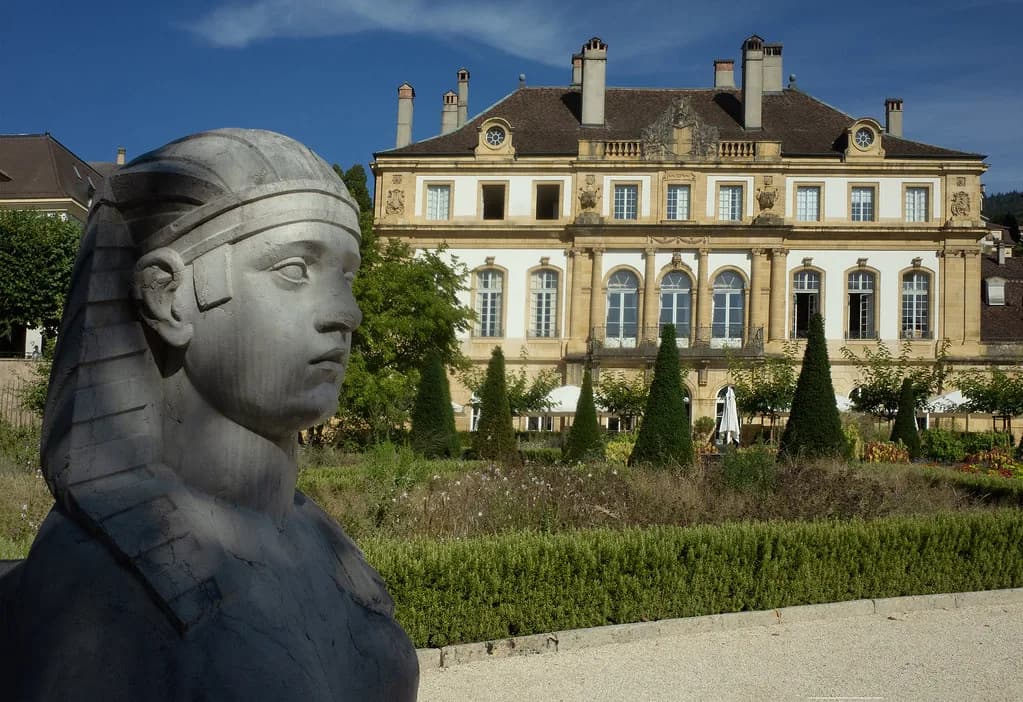
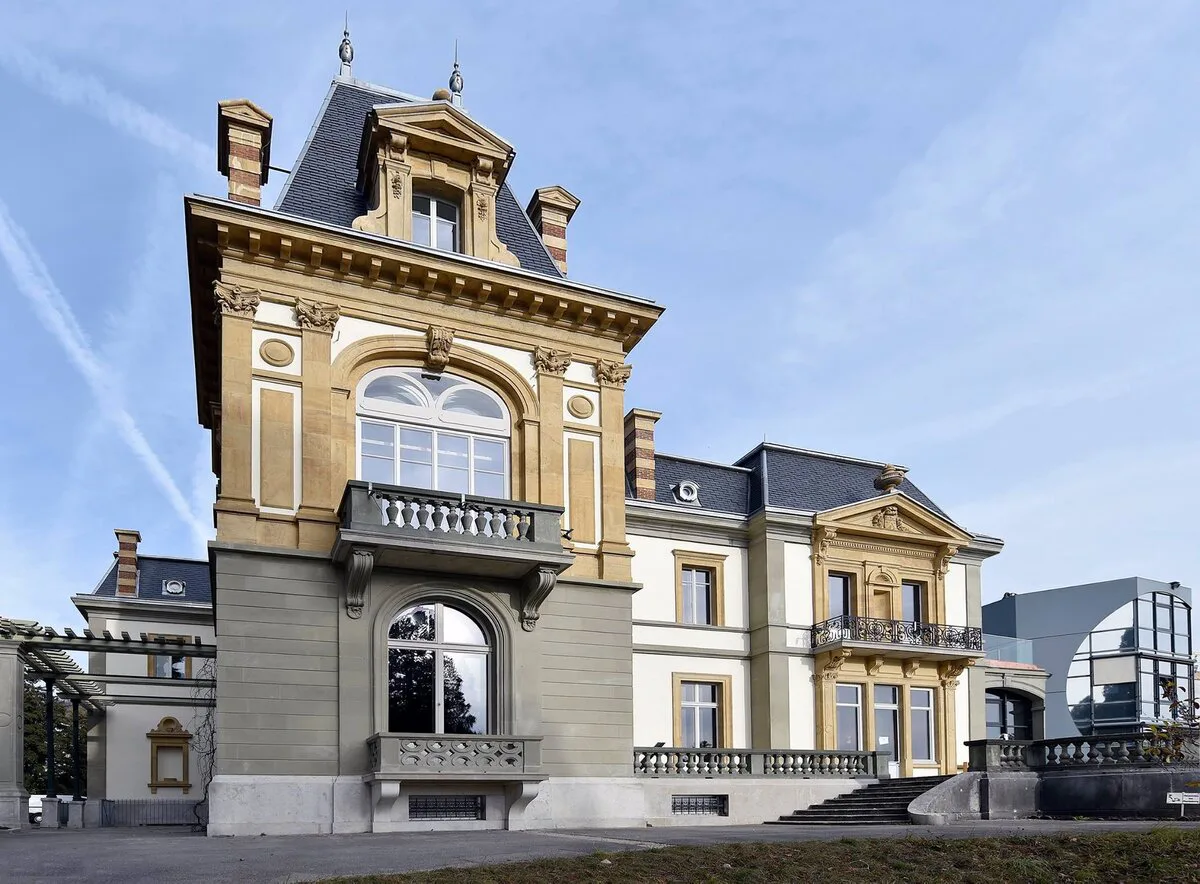
The Musée d'Ethnographie de Neuchâtel (MEN) is the city's ethnographic museum, set in a park above the town in the Villa de Pury. It holds roughly 50,000 objects from around the world with a particular strength in Africa, and its temporary exhibitions carry an international reputation for taking a critical look at human societies rather than simply displaying them. Allow two to three hours if you read the labels; a quick walk-through does the collection a disservice.
What the MEN is and why it's worth your time
This is an ethnography museum, not a folk-art cabinet. Its exhibitions are built around arguments about how societies organize themselves, and the displays are text-heavy by design. If you prefer concise object labels and a fast circuit, the MEN will feel slow; if you want to leave with something to think about, it is one of the more rewarding hours in Neuchâtel.
The collection runs to about 50,000 objects from every region of the globe, with a pronounced emphasis on Africa. That breadth means the permanent displays move between continents rather than staying in one place, so budget your attention across the rooms instead of sprinting to the end.
Where it is: Rue Saint-Nicolas 4, in a park above the city
The museum's address is Rue Saint-Nicolas 4, 2000 Neuchâtel, on the slope above the center rather than in the flat shopping streets. It occupies the Villa de Pury inside a park, and the entrance is marked outside by a monumental fresco by Hans Erni. Because it sits uphill, the approach is a short climb or a bus ride, not a level stroll from the lakefront.
The setting is part of the visit: the park gives you somewhere to sit before or after the galleries, and the elevation means you look down over the town. Treat the walk up as a fifteen-minute leg of the outing rather than an inconvenience.
How to get there on foot from the center
From the center, the walking route runs up the rue du Château, then the rue Jeanne de Hochberg. After the small park, continue on the chemin du Petit Pontarlier; the museum is on the left, signaled by the Hans Erni fresco. The climb is steady but short, and the route passes close to the old town's upper streets.
If you are already visiting the château de neuchâtel or the Collégiale de Neuchâtel on the hill, the MEN fits naturally onto the same walk: you are already at the right elevation, and the remaining climb is minimal. Plan the museum as the second stop so the walk up is done once.
How to get there by public transport
From the railway station, take bus 106, 107, 109 or 421 to Place Pury. From Place Pury, switch to bus 101 toward Corcelles-Cormondrèche and get off at the Saint-Nicolas/MEN stop, which puts you at the museum entrance. The two-leg trip is straightforward, but it does mean a change in the center rather than a single ride from the station.
Place Pury is also where you catch onward buses across the city, so the transfer is easy to fold into a day that includes the lakefront. If you are coming from the port de neuchâtel or Place du Port, walk up to Place Pury first and pick up the 101 there.
Arriving by car
Coming from Lausanne, Bern or Biel, take the tunnel under the city and leave the motorway at the Neuchâtel-Vauseyon exit. Follow signs for Neuchâtel-Vauseyon, take the roundabout almost full circle to come back toward town, keep to the right-hand lane past the cantonal police building (Poudrières) and continue to the junction with Rue Saint-Nicolas. Parking is in the blue zone near the street, so expect to hunt for a space rather than pull into a dedicated museum lot.

Opening days and hours
The museum opens Tuesday to Sunday from 10:00 to 17:00 and is closed on Monday, so a Monday city break needs the MEN moved to another day. The single daily window also means the last entry is mid-afternoon; arriving after 15:30 leaves too little time for a reading-heavy collection.
The museum publishes its exhibitions and events on its own site, which is the place to confirm what is on during your dates before you build a day around it. Special events can affect the atmosphere in the galleries even when regular hours stand.
Tickets in CHF
Adults who do not live in Neuchâtel pay CHF 12, while adults resident in Neuchâtel pay CHF 8 — an unusual split worth knowing if you are traveling with someone local. Students, apprentices, people on AI or AVS, job seekers, recruits and civilists pay CHF 4, and children up to 16 enter free. Bring proof of status for the reduced rate.
At CHF 12 for a non-resident adult, the MEN is one of the cheaper museum tickets in a Swiss city, and a two-hour visit works out to a modest hourly cost. Pay the full rate rather than skipping it on a rainy afternoon; the collection justifies the entry.
What a card gets you
Several cards change what you pay. Holders of CarteCulture (Caritas) and Neuchâtel Roule fall into the CHF 4 category, while Euro 26, ICOM, AMS, the friends of the museum association, the Neuchâtel museums card, Raiffeisen, AG Culturel and the Neuchâtel Tourist Card get free entry. Passeport Musées holders also receive free entry or a reduction here, with details from the museum.
Check which of these you actually carry before buying a ticket — a Raiffeisen card or an ICOM membership can turn the visit into a free stop. If you hold none of them, the standard adult rate applies and there is no need to queue for a discount.
What to see inside
The permanent exhibition L'impermanence des choses is listed as running from 26 November 2017 to 28 February 2030, so it is the backbone of a visit for years to come. Its theme — the impermanence of things — sets the tone for the whole museum: objects are shown as part of changing societies, not as fixed treasures.
Inside, the Espace Plumes and the Espace Au-delà II are distinct display areas rather than a single chronological route. Read the room introductions before entering each one; they explain the argument the objects are serving, and without them the sequence can feel arbitrary.
Text panels are in German, English and French, so English-speaking visitors can follow the full exhibition without a translation app. That trilingual labeling is a genuine reason to give the MEN more time than a picture-only museum.
The building and setting: the Villa de Pury
The museum opened in 1904 and is housed in the Villa de Pury, a villa in its own park on the slope above town. The building is part of the experience: rooms open onto park views, and the walk between sections takes you past windows rather than along blank corridors.
The Hans Erni fresco at the entrance is the landmark to look for if you approach on foot from the chemin du Petit Pontarlier; it confirms you have found the right building before you reach the door.

How much time to allow
Two hours covers the permanent exhibition at a normal reading pace; three hours lets you take in a temporary show as well. The museum is open for seven hours a day, so a late-morning start leaves room for lunch afterward without rushing.
Because the displays are argument-driven, the visit rewards reading in sequence rather than looping back. Pick the rooms that match your interests, finish them properly, and skip the rest instead of skimming everything.
Accessibility and facilities
The museum is fully wheelchair accessible, and it is easily reached by public transport, which matters given the uphill site. There is a museum shop for books and objects related to the collection, and parking is available in the blue zone near Rue Saint-Nicolas.
Group visits can be arranged in German, English or French. If you need a guided introduction rather than self-guided reading, contact the museum in advance through the details on its contact page to check current availability of a guide on the day.
Nearby: fitting the MEN into a half-day
The MEN pairs well with the old town above the center: the collégiale neuchâtel is a short walk down the same hill, and the château de Neuchâtel is close by on the same ridge. Do the museum first while you are fresh, then walk down through the old streets.
If you want a second museum, the musée d'art et d'histoire neuchâtel and the centre dürrenmatt néuchâtel are the other likely stops, but each deserves its own slot rather than being tacked onto the MEN. For a greener pause, the jardin botanique néuchâtel sits in the Vallon de l'Ermitage and works as a separate outing.
For the wider picture of what else the city offers, see the Neuchatel Attractions guide and the list of things to do in neuchatel, which put the museum alongside the lakefront and the old town. The MEN is one piece of a Neuchâtel day, not the whole of it.
Plan Your Visit
Book nothing in advance for a standard visit; the MEN takes walk-in visitors during its Tuesday-to-Sunday hours. The one planning decision that matters is the day: avoid Monday, and start before mid-afternoon so you have time to read.
Bring a card if you hold one, carry CHF 12 in mind for a non-resident adult ticket, and wear shoes for the climb from the center. Then give the exhibitions the two or three hours they ask for.
Frequently Asked Questions
What can you see at the Musée d'Ethnographie de Neuchâtel?
The museum holds roughly 50,000 objects from around the world with a strong Africa focus, displayed through critical, argument-led exhibitions. The permanent exhibition L'impermanence des choses is listed as running from 26 November 2017 to 28 February 2030, and the Espace Plumes and Espace Au-delà II are separate display areas inside. Labels are in German, English and French.
Is the MEN open on Monday?
No. The museum opens Tuesday to Sunday from 10:00 to 17:00 and is closed on Monday, so plan the visit for another day of your trip.
How much does the Musée d'Ethnographie de Neuchâtel cost?
Adults who do not live in Neuchâtel pay CHF 12; adults resident in Neuchâtel pay CHF 8. Students, apprentices, people on AI or AVS, job seekers, recruits and civilists pay CHF 4, and children up to 16 enter free. Holders of CarteCulture or Neuchâtel Roule pay the CHF 4 rate, while Euro 26, ICOM, AMS, the friends of the museum, the Neuchâtel museums card, Raiffeisen, AG Culturel and the Neuchâtel Tourist Card get free entry.
How do you get to the MEN from Neuchâtel city center?
On foot, take the rue du Château and the rue Jeanne de Hochberg, then the chemin du Petit Pontarlier after the small park; the museum is on the left, marked by a Hans Erni fresco. By public transport, take bus 106, 107, 109 or 421 to Place Pury, then bus 101 toward Corcelles-Cormondrèche to the Saint-Nicolas/MEN stop.
How long does a visit to the MEN take?
Allow two hours for the permanent exhibition at a normal reading pace, or three hours if you add a temporary show. The displays are text-heavy and argument-driven, so a quick walk-through undersells the museum.
Is the Musée d'Ethnographie de Neuchâtel wheelchair accessible?
Yes. The museum is fully wheelchair accessible and is easily reached by public transport, which helps given its uphill park setting above the city.