
Jardin Botanique de Neuchâtel: A Visitor's Guide to the Garden Above Town

The Jardin Botanique de Neuchâtel occupies a sloping site high on the hillside above Neuchâtel, close to the Ermitage woods and the green valley of the Vallon de l'Ermitage. The climb is part of the visit: you gain height quickly, and the reward is a quieter, leafier corner of the city within a short walk of the old town.
Aim for a half day rather than a full one. The garden works best as a slow hour or two on the slope, combined with the nearby Centre Dürrenmatt and a wander through the woods above town; if you only have a short city break, treat it as an afternoon rather than a headline sight.
Plan the garden around the rest of your Neuchâtel itinerary. The city's compact center, its lakeside setting and its museums are covered in the fuller set of Neuchatel Attractions: 8 Visitor Guides, which helps you slot the garden in without crisscrossing town.
Where the Garden Sits Above Neuchâtel
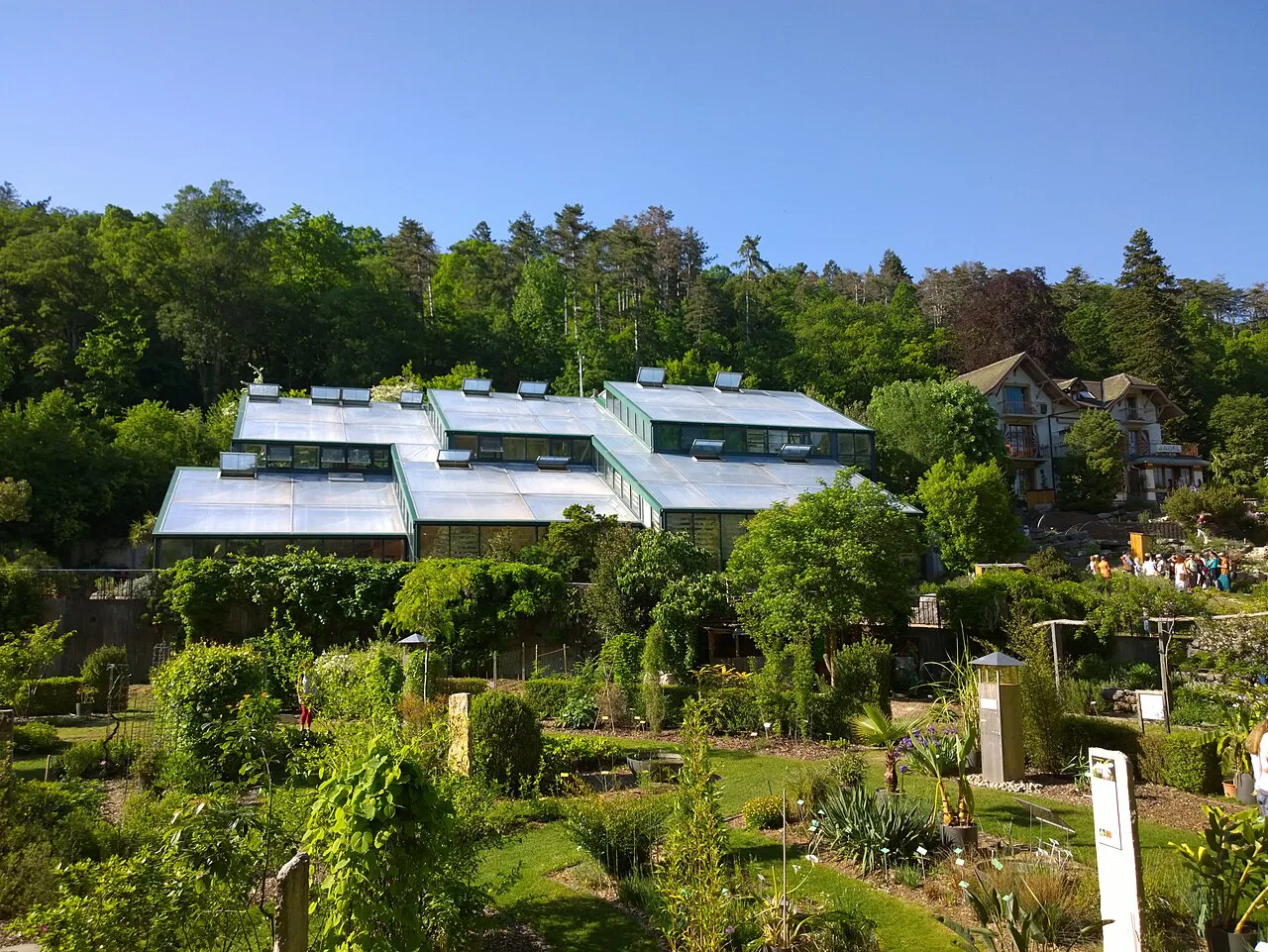
The garden is on the upper edge of Neuchâtel, on the same wooded slope that holds the Ermitage grottoes and the botanical garden's own exhibition and shop near its entrance. Its position means cooler air and longer views than the lakeside streets below, and it explains why the approach always involves a climb of some kind.
The Vallon de l'Ermitage is the green valley that carries the road and footpaths up from town, and the garden sits within reach of it rather than on the lakefront. For orientation, note that the château de neuchâtel and the lakefront sit well below and east of the garden; you are heading uphill and inland, not toward the water.
Because it is a garden rather than a walled museum, the visit is self-paced and mostly outdoors. Wear shoes that handle sloping gravel and packed paths, and carry water in warm weather, since the climb back down is easier than the way up.
How to Get There From the Station and Old Town
From Neuchâtel station, the walk up to the Centre Dürrenmatt takes roughly 20 minutes by its quickest marked path, with walks through the botanical garden taking 25 to 30 minutes.
The bus approach is the one to use if you would rather save your legs. Bus 109 toward Trois-Chênes stops at Neuchâtel, Vallon de l'Ermitage, and from there it is about 10 minutes uphill on foot; bus 421 also serves the same stop but runs less often.
The funicular line 112 to Plan is the third option, offering a short ride up the slope followed by about 15 minutes of walking to the same upper valley. Pick the funicular if you want the ride and the view, and the bus if you want the shortest walk at either end.
From the old town, start at the château terrace and the Collégiale de Neuchâtel, then follow the lanes and footpaths uphill toward the Ermitage. This approach is steeper in short sections but gives you the old town and the lake view before you reach the garden.
Arriving via Vallon de l'Ermitage or the Plan Funicular
The Vallon de l'Ermitage stop puts you at the mouth of the valley, with a marked climb through the chemin du Pertuis-du-Sault to the upper sites. The path is paved but consistently uphill, and the last stretch to the garden is the part that catches people out, so allow the full ten minutes rather than treating it as a two-minute stroll.
From the Plan funicular stop, the walk over to the garden is about 15 minutes, crossing the slope rather than climbing it. This is the more scenic arrival, and it pairs naturally with a stop at the Centre Dürrenmatt, which sits on the same contour above the valley.
A valid public transport ticket covers the bus and the funicular, so you do not need to sort out separate fares if you are already traveling around the city that day. Check the current timetable before you set out, since service frequencies on the smaller lines vary by season and time of day.
What to See in the Garden
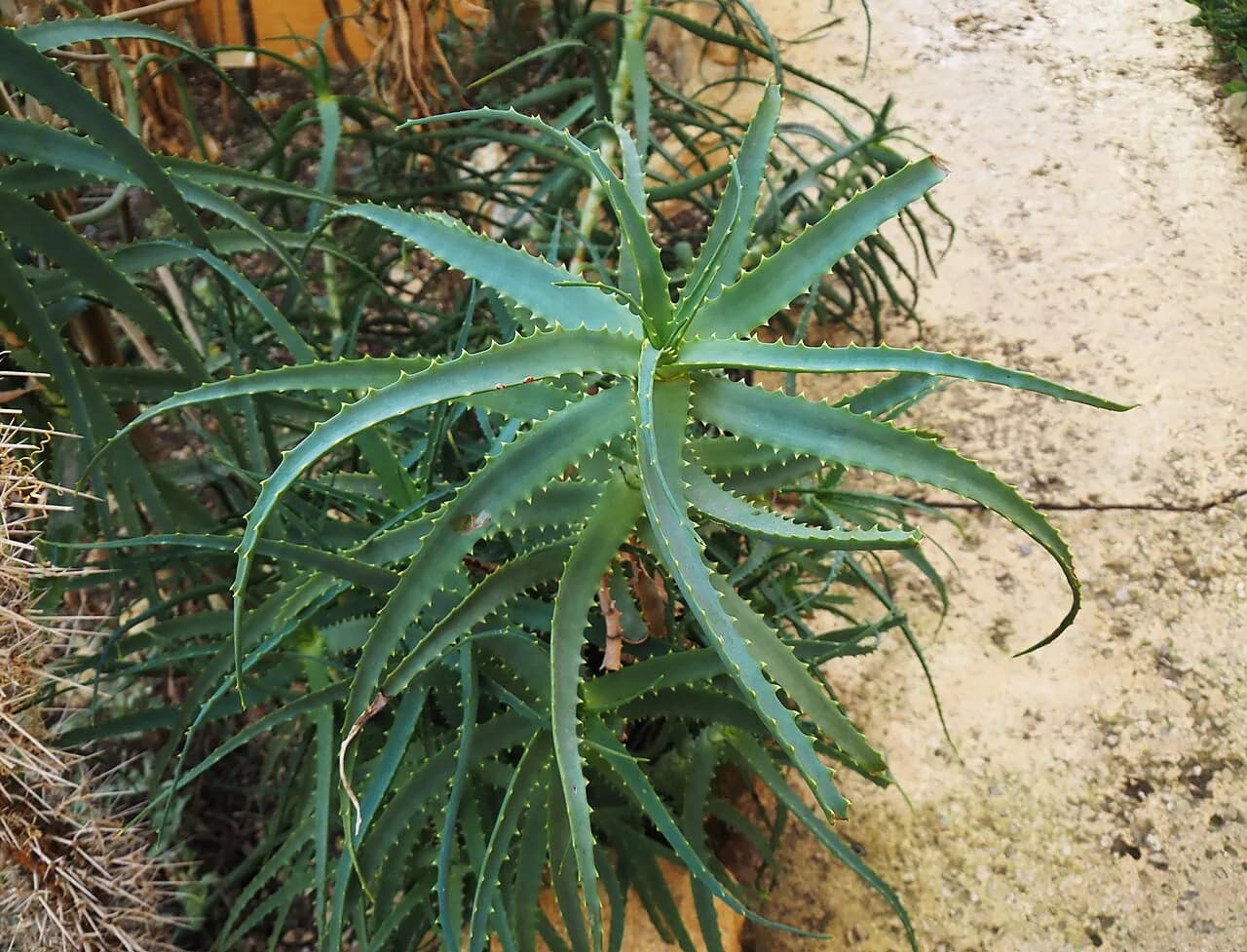
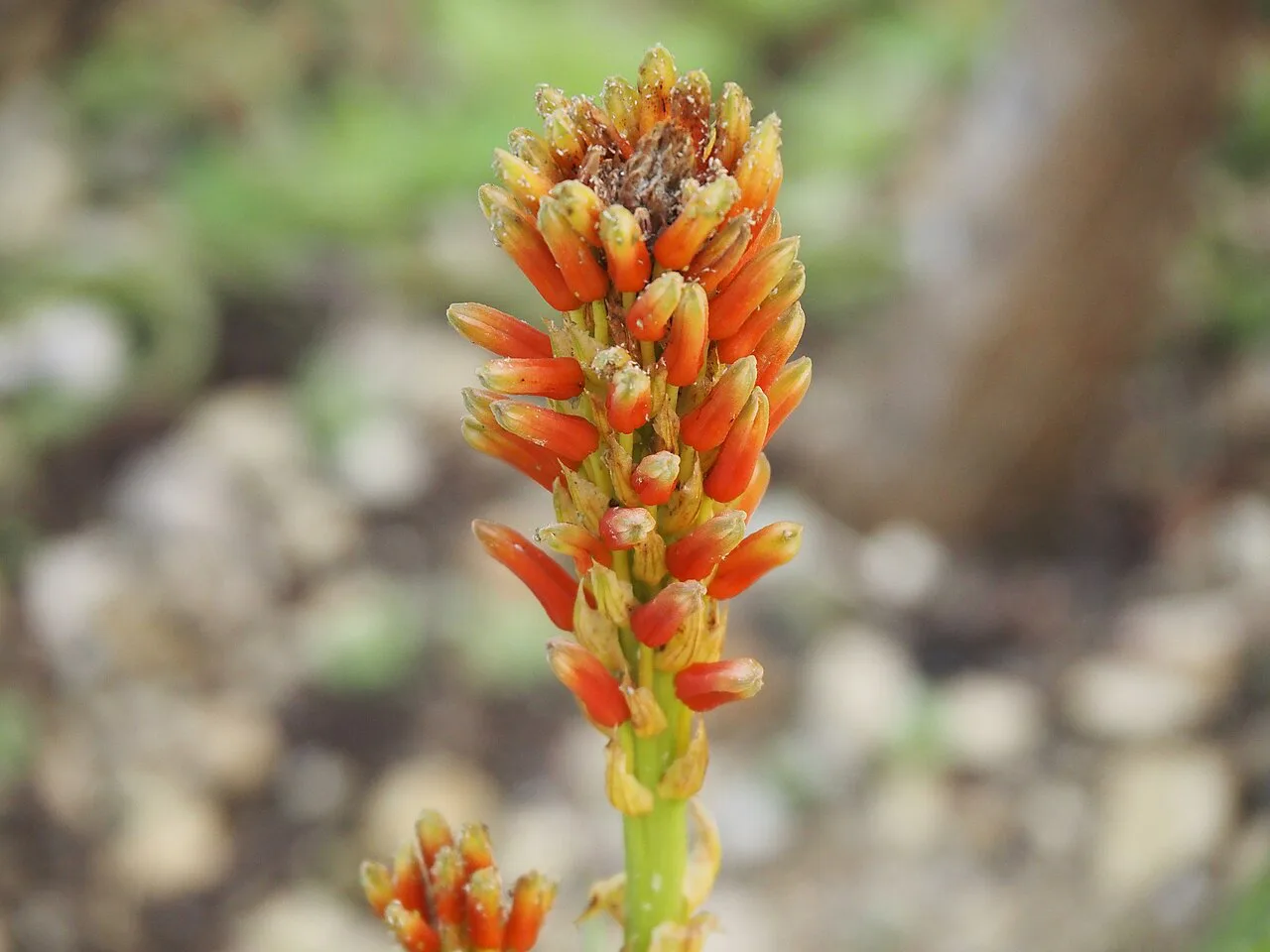
The garden is organized around botanical collections spread across the sloping ground, with the exhibition and shop at the entrance building, where you can pick up printed information before you walk. The layout rewards a slow loop: start at the entrance, work uphill through the collections, and come back down by a different path so you see more of the planting.
Exhibitions at the garden change, and any dates you see on posters or older pages may refer to a past run. Treat the garden's own site as the place to confirm what is showing during your visit rather than relying on a dated listing.
Labels and interpretation are mostly in French, so a translation app helps if you want to read the plant names and the exhibition text properly. The paths are open and unpaved in parts, which makes the garden friendly to casual walkers but less so to strollers and wheelchairs.

The Ermitage Woods and Grottoes Nearby
The Ermitage woods sit immediately above and around the garden, and the paths through them connect naturally with the garden's own exits. This is the part of Neuchâtel where the city gives way to forest, and it is the reason the garden feels more like a country walk than a formal city park.
The Ermitage grottoes are the other reason to extend the walk, and they sit a short distance from the garden along the same wooded slope. Pair a garden visit with a loop through the woods and you get a solid half day without ever leaving the hill.
How Long to Allow and When to Go
Give the garden an hour if you walk briskly, and two if you read the labels and sit on a bench. Add 30 to 45 minutes for the climb up and back, or save the uphill by taking the bus to Vallon de l'Ermitage.
Spring and early summer are the best times to see the collections at their most active, while autumn gives you the woods in color on the surrounding slope. The garden is an outdoor site, so plan around rain rather than expecting indoor cover.
If your Neuchâtel stay is short, put the garden on the same afternoon as the old town rather than on a separate day, since the two sit on the same slope and follow the same direction uphill. A compact plan is château and Collégiale in the morning, a light lunch near the lakefront, then the garden and the Ermitage woods in the afternoon.
Centre Dürrenmatt: A Short Walk in the Same Valley
The centre dürrenmatt neuchâtel sits in the same green valley as the garden, housed in the writer and painter Friedrich Dürrenmatt's former home with a museum building designed by Mario Botta. It opened in 2000, and the site includes the first house, the second villa with studio, the pool and the gardens.
Opening hours are Wednesday to Sunday, 11:00 to 17:00, with the museum closed on Monday and Tuesday. Adult admission is CHF 8, reduced admission is CHF 5, and children up to 16 pay the reduced rate.
The same page confirms that entry is free with the Swiss Museum Pass, the Neuchâtel Tourist Card and the CarteCulture Caritas card, among other passes. Dürrenmatt's working office in the second villa can be visited on Saturdays and Sundays.
The Centre Dürrenmatt is run by the Swiss National Library, and its own site lists the current exhibitions, including the permanent display of Dürrenmatt's painting alongside his writing. Check the official visitor pages before you go for the latest exhibition dates and any holiday openings.
Museums in the Lower Town
Back down near the lakefront and the old town, the Muséum d'histoire naturelle and the musée d'art et d'histoire neuchâtel make an easy indoor pairing for a wet morning. Both are in the lower town, within walking distance of the lakefront and the château, so they fit naturally with the rest of a city day.
The Musée d'Ethnographie de Neuchâtel sits in its own park above the town, at Rue Saint-Nicolas 4, and is open Tuesday to Sunday from 10:00 to 17:00, closed on Mondays. Adult admission is CHF 12 for non-residents, CHF 8 for Neuchâtel residents, CHF 4 for students and holders of certain cards, and free for children up to 16.
It is a natural second stop on the same hillside if you want an indoor counterpart to the garden, but note that the museum's park entrance and the garden's paths are separate sites with separate opening days, so plan each one on a day it is open.

The Old Town and Lakefront Below
The château and the collégiale neuchâtel above the old town are the obvious architectural stops before or after the garden, and the terrace gives you the view over the lake and the rooftops. The Collegiate Church is open year-round and free to enter, while the castle's guided tours of about 45 minutes have run in the afternoons during the open season.
Below the castle, Place Pury is the main square where the city's buses converge, making it a natural starting point for the uphill walk or the connection to the Vallon de l'Ermitage. Use it as your compass point rather than aiming for a specific street.
The lakefront and the port are a short walk down from the old town, and they make a pleasant end to a garden day. The port area is also where you find the waterfront terraces and the boats, and it is the easiest place to reorient yourself after a hillside afternoon.
For a wider menu of what to do with the rest of your time, things to do in neuchatel sets out the city's main draws and how they fit together across a few days.
Practical Points: Opening, Entry and Families
The garden's own site is the place to confirm opening hours and entry conditions, since it publishes its exhibition and visitor information directly. Opening hours and ticket prices are not fixed across the year, so check them on the day you plan to visit rather than relying on a guide printed months earlier.
Families will find the sloping paths manageable but should keep hold of small children near the steeper sections and the wooded edges. The garden's outdoor character makes it a good place to let children run between beds while adults read the labels.
Nearby, the Centre Dürrenmatt has family Sundays with free entry and a guided visit for adults while children from age five join a creative workshop, which makes an easy indoor counterpart on a mixed-weather day.
Plan Your Visit
The Jardin Botanique de Neuchâtel is best treated as a half-day hillside outing: climb through the old town or ride the bus or funicular up to the Vallon de l'Ermitage, walk the collections, then loop through the Ermitage woods. Pair it with the Centre Dürrenmatt next door for a complete afternoon above the city.
Check the garden's official pages for the current opening hours and any exhibition before you set out, and confirm the museum opening days if you plan to combine the garden with the lower-town museums.
Explore more Neuchatel guides
Frequently Asked Questions
Where is the Jardin Botanique de Neuchâtel?
It is on the hillside above Neuchâtel, in the green valley of the Vallon de l'Ermitage close to the Ermitage woods and the Centre Dürrenmatt. It sits above the old town rather than at the lakefront, so every approach involves a climb or a bus or funicular ride.
How do you get to the Jardin Botanique de Neuchâtel from the station?
From Neuchâtel station, walk up through the old town toward the Ermitage, which takes roughly 20 to 30 minutes depending on the route. Alternatively, take bus 109 toward Trois-Chênes to the Neuchâtel, Vallon de l'Ermitage stop and walk uphill about ten minutes, or use funicular line 112 to Plan and walk about 15 minutes.
Is the Jardin Botanique de Neuchâtel free?
Entry conditions and any charges are published by the garden itself, so check its official pages before you go. Do not assume free entry based on other Swiss gardens.
What else is near the Jardin Botanique de Neuchâtel?
The Centre Dürrenmatt Neuchâtel is in the same valley, a short walk away and open Wednesday to Sunday. The Ermitage woods and grottoes are on the same slope, and the château, Collégiale de Neuchâtel and lakefront are a downhill walk into the old town.
How much time do you need at the Jardin Botanique de Neuchâtel?
Allow an hour for a brisk circuit and up to two hours if you read the labels and sit on a bench. Add 30 to 45 minutes for the round-trip climb, and more if you continue into the Ermitage woods.
What days are the nearby museums open?
The Centre Dürrenmatt is open Wednesday to Sunday from 11:00 to 17:00 and closed on Monday and Tuesday. The Musée d'Ethnographie de Neuchâtel is open Tuesday to Sunday from 10:00 to 17:00, closed on Mondays.