Things to Do in Neuchâtel: Old Town, Museums and Lake Views
Plan a Neuchâtel city break with the castle and Collegiate Church, the old town, lakeside viewpoints and museums, plus how many days the city needs.
On this page
Neuchâtel rewards a slow half-day more than a checklist sprint. It is a French-speaking university city on the northern shore of Lake Neuchâtel, capital of the canton of the same name, with the Jura Mountains rising behind it and a well-preserved medieval core that dates to the 12th century.
The city's sights stack vertically: the castle and Collegiate Church sit on the hill above the old town, which in turn steps down to the lakefront and the Esplanade du Mont Blanc. Plan around that slope and you avoid zigzagging; the compact center means most of the walking is between clusters of sights rather than long transits.
How Neuchâtel Is Laid Out
Think of the city in four bands. Neuchâtel Castle and the Collegiate Church occupy the high ground, the old town fills the slope beneath them, the Esplanade du Mont Blanc and the lakeshore form the lower edge, and the outlying Laténium museum sits a short drive from the center.
Because the historical core is compact, a sensible order is hill, then old town, then waterfront, with museums fitted in when rain or tired legs call for an indoor hour. The castle's elevated position gives uninterrupted views across the city and lake, so it doubles as your orientation point before you commit to a route.
If you only have an afternoon and want to judge whether the city suits you, the honest answer is that its appeal is the combination of lake, Jura backdrop and historic center rather than any single blockbuster sight.
Start on the Hill: Neuchâtel Castle and the Collegiate Church
Begin at Neuchâtel Castle, the city's most recognizable landmark and the best viewpoint for understanding how the town wraps around its hill. Next door stands the Collegiate Church, a striking example of Gothic architecture that travelers consistently single out, and the two are visited together rather than as separate outings.
Give the hill the first hour of your day, when the light is behind you looking out over the lake and the climb is fresh. The reward is a clean overview of the old town's roofline and the water beyond, which makes the rest of the walk below easier to navigate.
Walk the Old Town
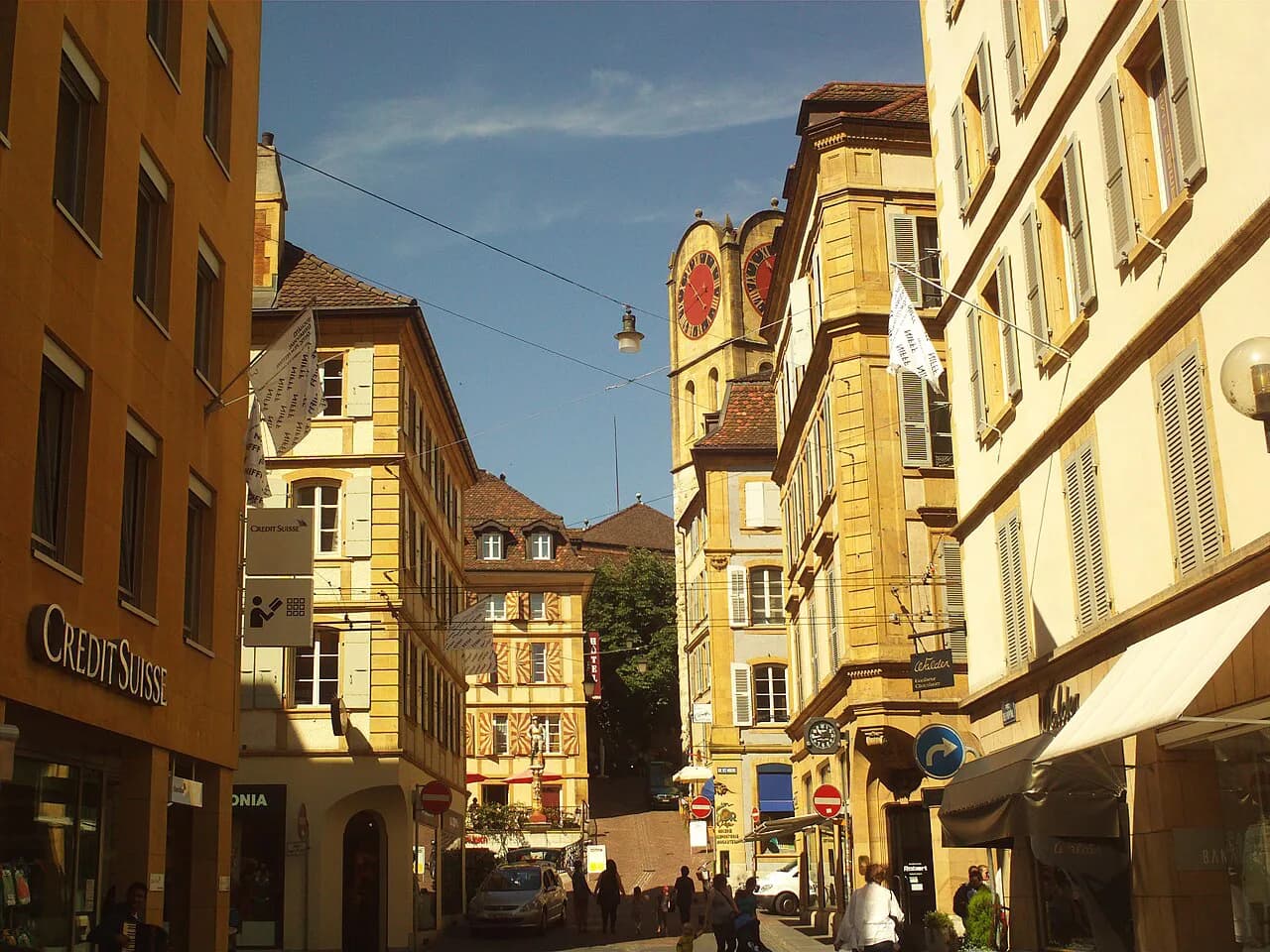
The old town below the castle preserves its historic architecture, and the pleasure is in the streets themselves rather than in ticking off facades. Two specific details worth seeking out are the Fontaine du Bannere and the Passerelle de l'Utopie, both flagged as photo stops for good reason.
For a deeper street-by-street route through the quarter, including its squares and shopping lanes, use the dedicated guide to the neuchatel old town so you know which alleys to prioritize. Expect cobbles and gradients, so wear shoes that handle both rather than treating this as flat promenade walking.
Museum Picks in the Center
Neuchâtel keeps two strong central museums within easy reach of the old town. The Natural History Museum, known as MHNN, and the Musée d'Art et d'Histoire both sit in the city center, which makes them practical rainy-hour or late-afternoon options without a separate journey.
Pick one rather than both if your stay is short: the art and history collection suits travelers who want the canton's cultural background, while the natural history museum is the easier sell for mixed groups and families. Check each museum's own site for current opening days and admission in Swiss francs before you build a day around it.
Laténium: The Out-of-Center Museum
The Laténium Park and Museum of Archaeology covers Switzerland's prehistory and is the one major sight that sits outside the center, roughly a 10-minute drive from town. Treat it as its own slot in the itinerary rather than squeezing it between old town stops.
That separation is the main trade-off of a Neuchâtel visit: the archaeology museum is the most distinctive single attraction, but it costs you travel time and a bigger block of the day. On a one-day trip, cutting it is the reasonable choice; on two days, it becomes the natural second-day anchor.
Lakefront Time and the Esplanade du Mont Blanc
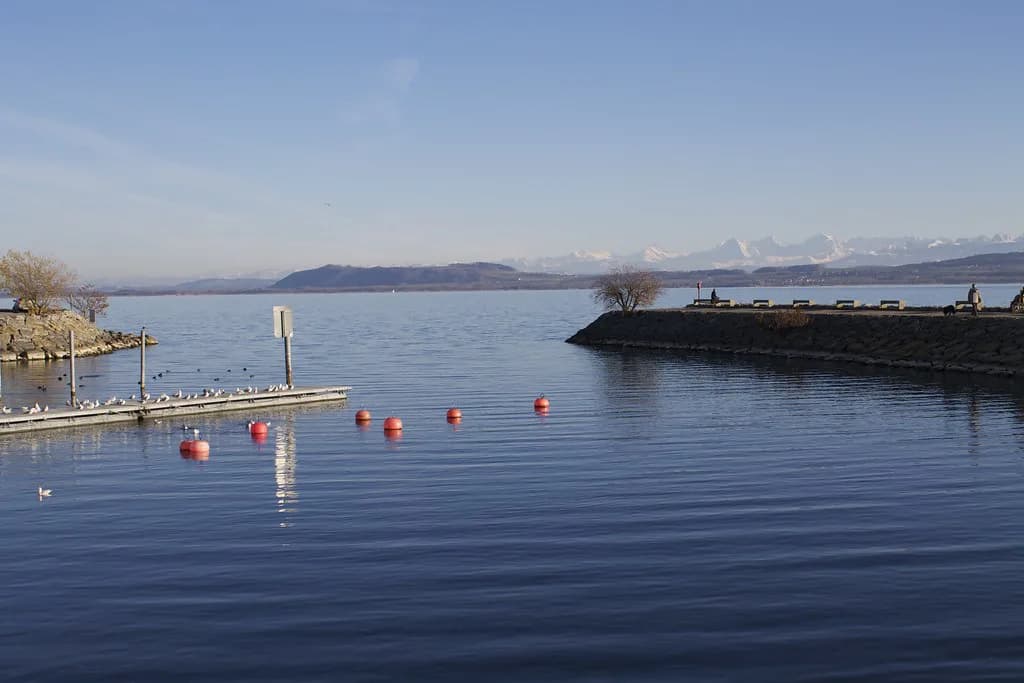
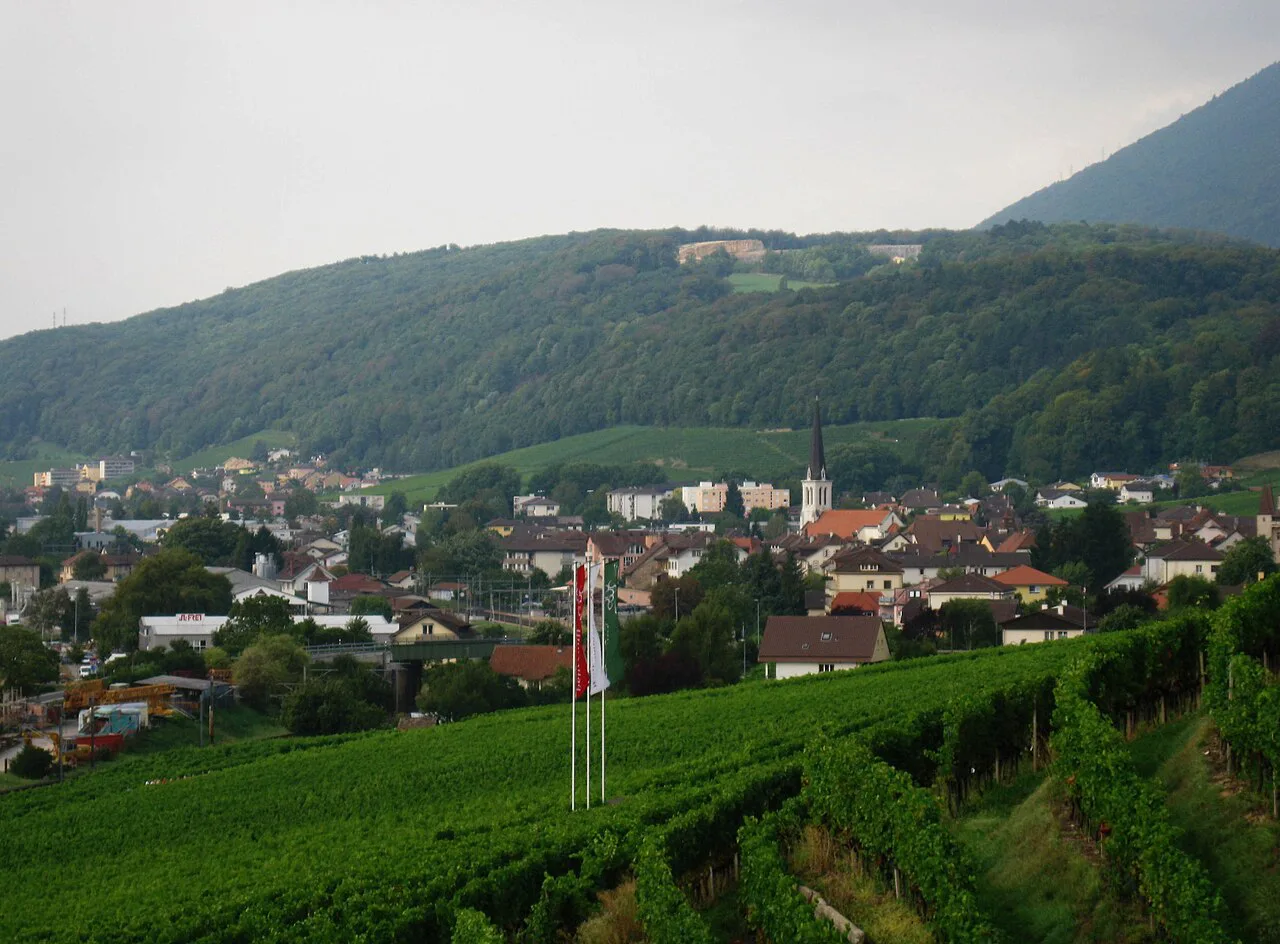
The waterfront is where the city's setting pays off. A stroll through the Esplanade du Mont Blanc puts the lake in front of you and the city at your back, and it is the best place to see Neuchâtel from the water's edge without committing to a long walk.
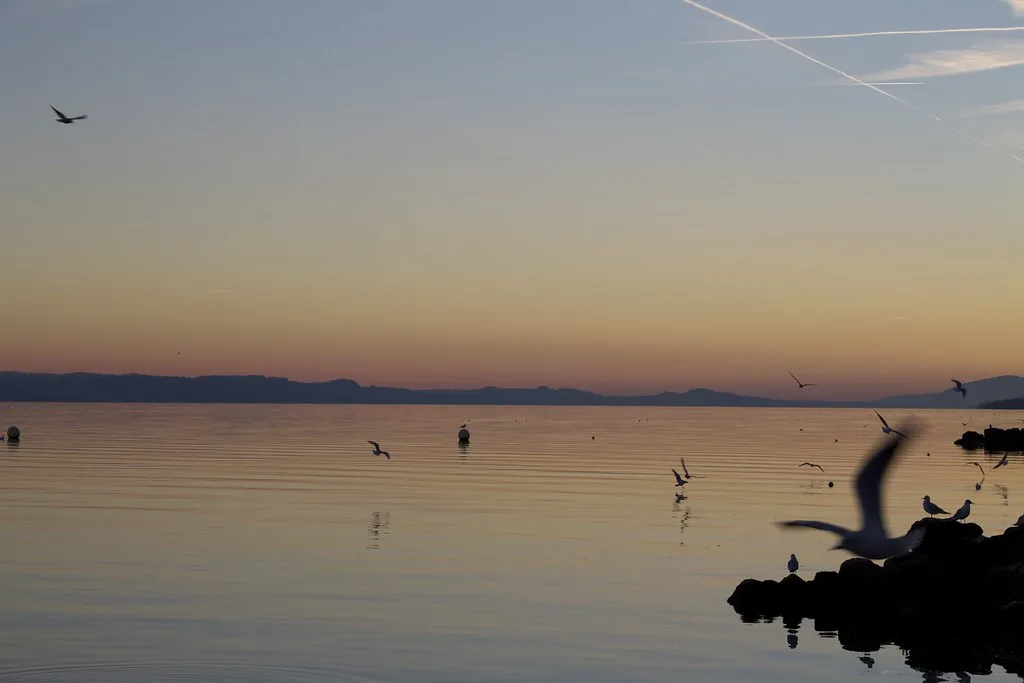
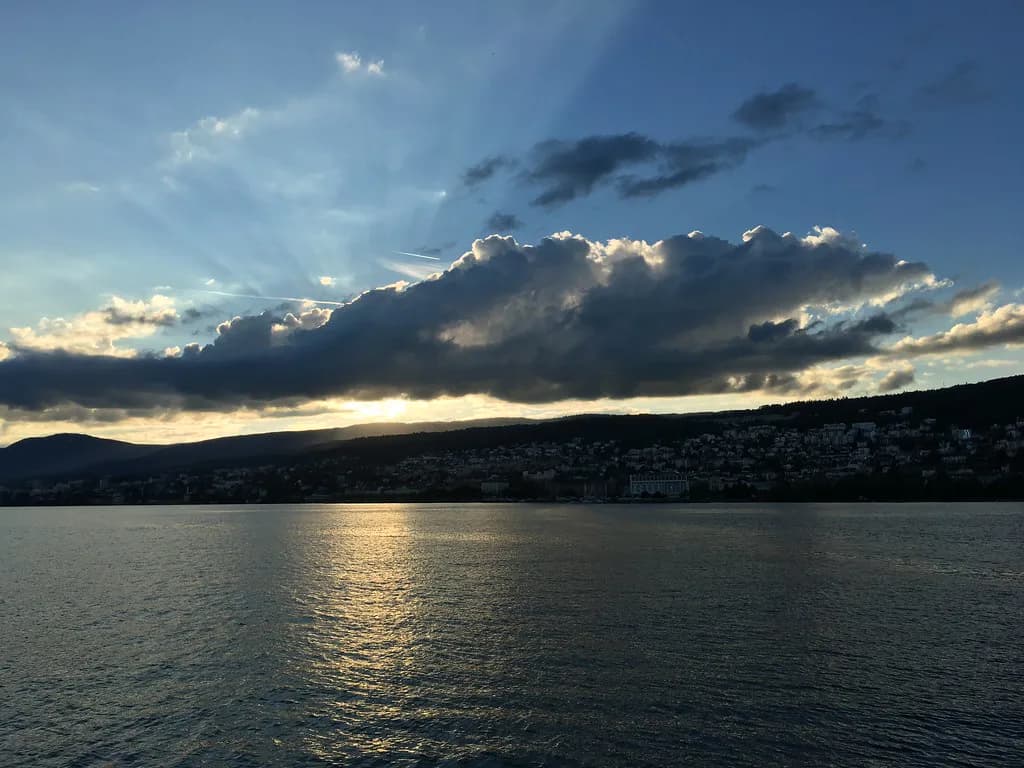
Lake Neuchâtel itself is large enough to read almost as a sea, so the shoreline sets the city's mood more than any monument. Pair the promenade with the old town descent so you finish the day downhill rather than climbing back up to the castle.
Views Toward the Jura and the Chasseral
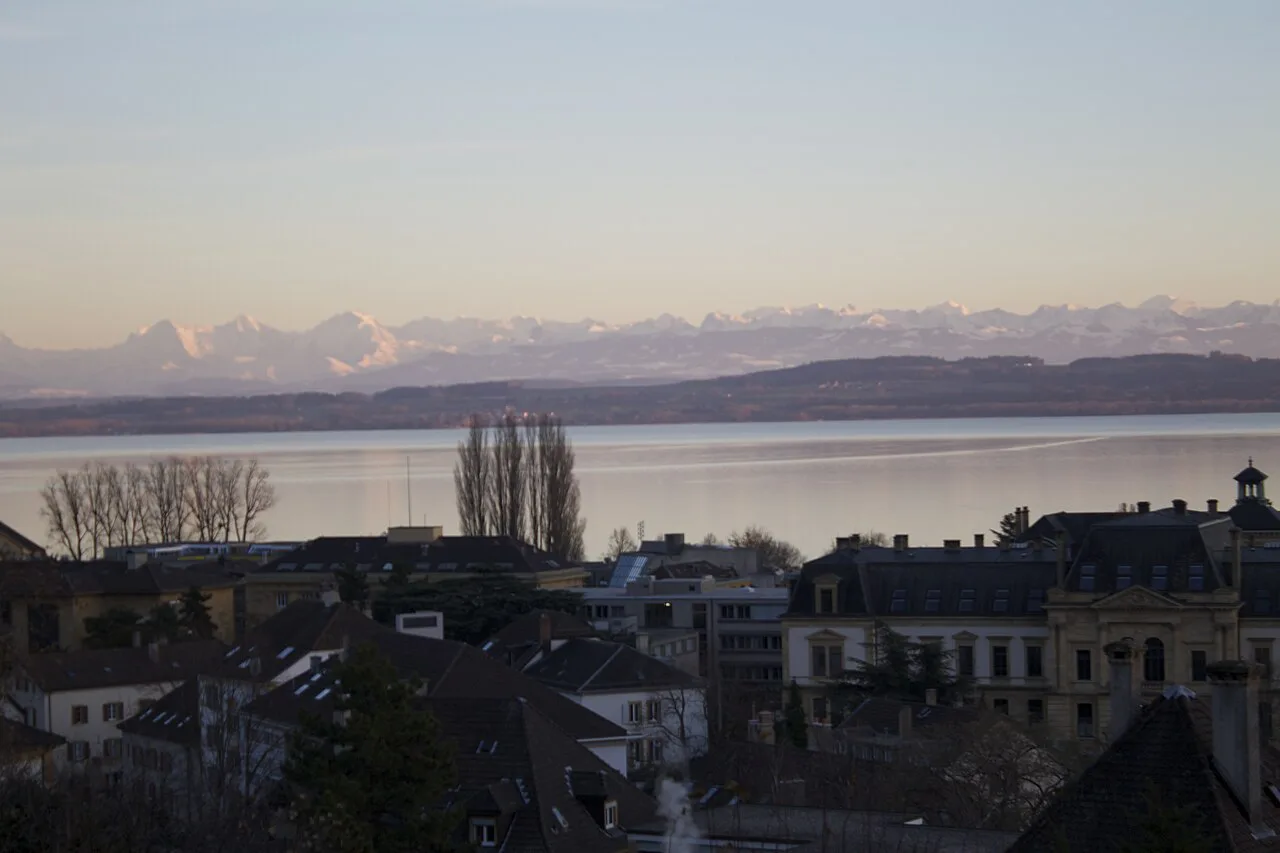
The Chasseral, the ridge overlooking Lake Neuchâtel with the Alps as a backdrop, defines the skyline above the city and is frequently named among the area's top attractions. On a short city break the ridge is a reference point for orientation rather than an ascent, since reaching it takes time away from the town.
For a genuine elevation change without leaving the city, look into the local funicular lines and let the neuchatel funicular options shape a half-day rather than tacking a ride onto an already full schedule.
How Many Days Neuchâtel Needs
One day covers the core: castle and Collegiate Church in the morning, old town and a central museum in the afternoon, and the Esplanade du Mont Blanc as the finish. The city is compact enough that this pace feels unhurried rather than rushed.
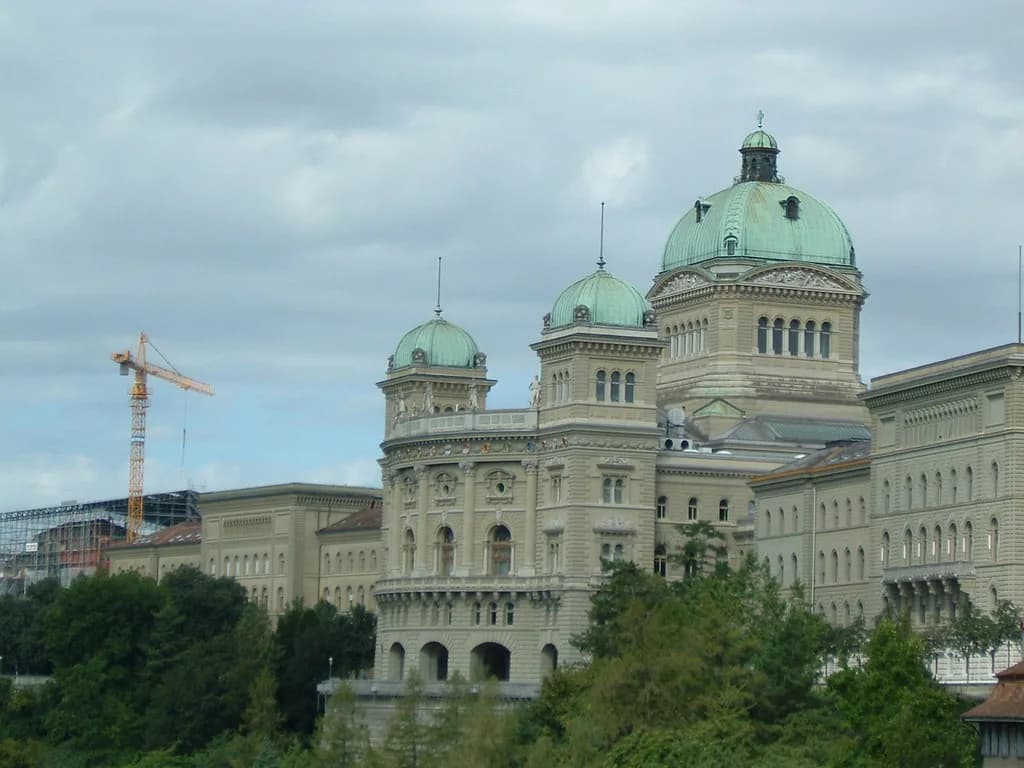
Two days add Laténium and leave room for the waterfront and a slower old-town wander, which suits the city better than a sprint. If you are stacking Swiss cities, Neuchâtel pairs naturally with a stop in Bern on the same trip; things to do in bern are a different scale of city entirely.
When to Go and How to Pace the Day
Museum opening days, not weather, are what most often reshape a Neuchâtel plan, so check the specific institutions you want before fixing the order of your days. Build the old town and lakefront around whatever indoor hours you secure, and keep the hill walk flexible, since it needs no ticket and no schedule.
A guided audio tour of the city is sold as a smartphone download, which is one low-commitment way to add context while walking; confirm the current format and language options before relying on it.
Money and Time Trade-offs
The castle hill, the Collegiate Church exterior, the old town streets and the lakefront are the free backbone of a Neuchâtel day, so your budget decisions really come down to which museums you enter and whether you add the out-of-town archaeology museum. Choose one central museum plus Laténium if you have two days, and one central museum only on a single-day visit.
Confirm admission in Swiss francs on each museum's own site rather than budgeting from tour-package figures, which bundle far more than a ticket. If shopping is part of the plan, read up on shopping in neuchatel for where the retail streets actually run.
Practical Notes for a Short Stay
Neuchâtel's center is walkable, but the slope between lakefront and castle means you will climb at some point; plan the descent last. Comfortable shoes matter more here than in a flat city, and the compact geography lets you return to the same area twice without wasting time.
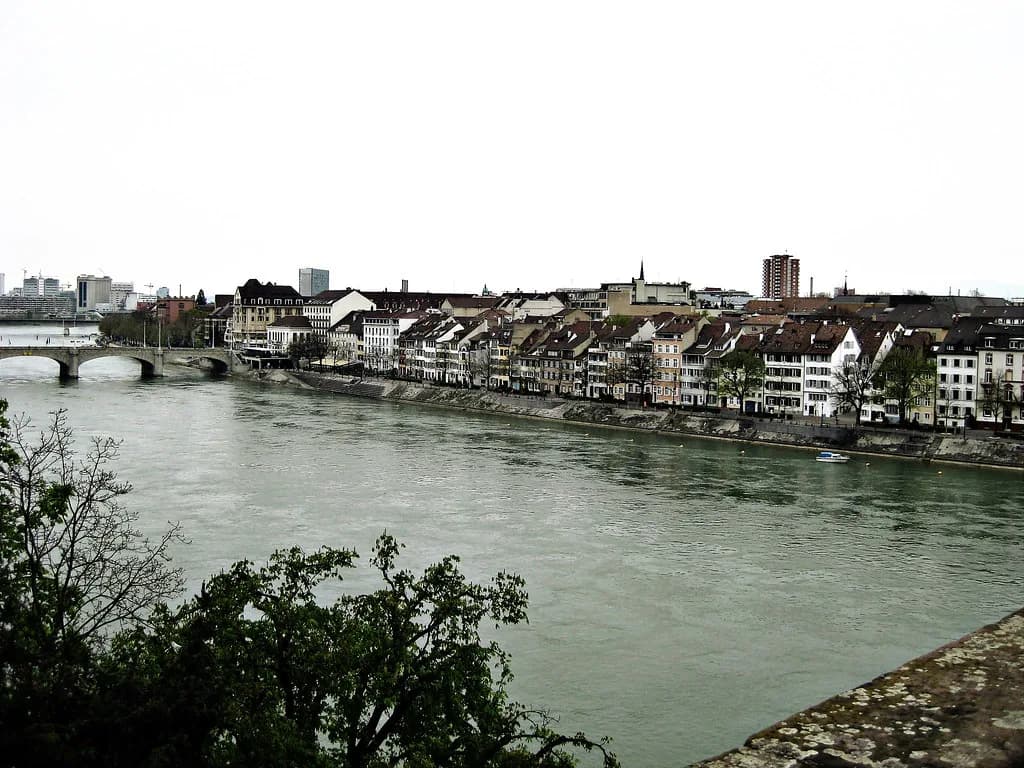
If your Swiss itinerary includes another city break, the same approach works elsewhere: things to do in basel follow a river rather than a lake, and the contrast makes a useful comparison when deciding where to spend extra days.
Exploring Neuchâtel Without Booking a Full Tour
If you would rather move at your own pace than join a guided group, the range of organized options in Neuchâtel is narrow. Among the activities listed for the city is a single experience: a downloadable audio tour on your smartphone, priced from $11 per adult. It runs 8 hours 20 minutes and is offered in English, Italian, French and one additional language. It comes with instant confirmation, and a tour-with-audioguide ticket option is listed alongside it. For travellers who like to keep their schedule loose, that is the practical starting point for anything pre-booked in the city itself.
Beyond the city, several places are grouped as nearby destinations for day trips: Bern, Fribourg, Biel-Bienne, Yverdon-les-bains and Gruyères. A second list of destinations to explore near Neuchâtel adds Lausanne, Vevey, Thun, Montreux, Interlaken, Basel, Nyon, Grindelwald, Lucerne and Geneva. Because these are names rather than itineraries, they work best as a menu from which to choose one or two excursions, leaving the rest of your time for the city's own sights and the lakefront.
For orientation at ground level, the recognized sights in and around Neuchâtel fall into a few clear categories: Lake Neuchâtel, whose size can make it look like the sea; the Chasseral, a cliff area overlooking the lake with the Swiss Alps as its backdrop; the town itself; a harvest festival; the Collegiale church; a bridge viewpoint; and a prison tower listed among the historical monuments. These headings give a sense of what a self-directed circuit can cover without any fixed tour schedule, and they sit comfortably within the pacing a short stay allows.
Plan Your Neuchâtel Visit
Build the day around geography: castle and church first, old town second, waterfront last, and slot museums in where they fit the hours you have confirmed. One day handles the core comfortably; two days let Laténium and the lakeside promenade breathe.
Check museum opening days and admission on each institution's site before you finalize the order, and keep the free hill walk as your flexible anchor when plans shift.
Explore more Neuchâtel guides
Frequently Asked Questions
Is Neuchâtel worth visiting?
Yes, if you want a compact historic city with a real setting rather than a checklist of blockbuster sights. The combination of the castle hill, the Gothic Collegiate Church, a preserved medieval old town and a large lake at the foot of the Jura Mountains gives a short break plenty of substance, and the center is small enough to cover on foot.
What can you do in Neuchâtel in one day?
Start at Neuchâtel Castle and the Collegiate Church for the views and the Gothic architecture, walk down through the old town to see the Fontaine du Bannere and the Passerelle de l'Utopie, visit one central museum such as the Musée d'Art et d'Histoire or the Natural History Museum, and finish on the Esplanade du Mont Blanc by the water.
How many days do you need in Neuchâtel?
One day covers the castle, old town, one museum and the lakefront without rushing. Two days add the Laténium Park and Museum of Archaeology, which sits roughly a 10-minute drive from the center and deserves its own time slot rather than a squeezed-in stop.
What museums are in Neuchâtel?
In the center you have the Natural History Museum, known as MHNN, and the Musée d'Art et d'Histoire, both within easy reach of the old town. Outside the center, the Laténium Park and Museum of Archaeology covers Switzerland's prehistory and requires its own trip. Check each museum's own site for opening days and admission prices in Swiss francs.
What is Neuchâtel known for?
It is a French-speaking university city on the north shore of Lake Neuchâtel and the capital of the canton of the same name. Its landmarks are the hilltop castle and the Gothic Collegiate Church, its old town preserves architecture dating back to the 12th century, and the Jura Mountains, including the Chasseral ridge, form the backdrop above the lake.
Sources
Notes for your Swiss city break
Optional updates to our Swiss city guides.
You might also like
Continue reading
More guides you'll find useful