

Collégiale de Neuchâtel: A Visitor's Guide to the Hilltop Church

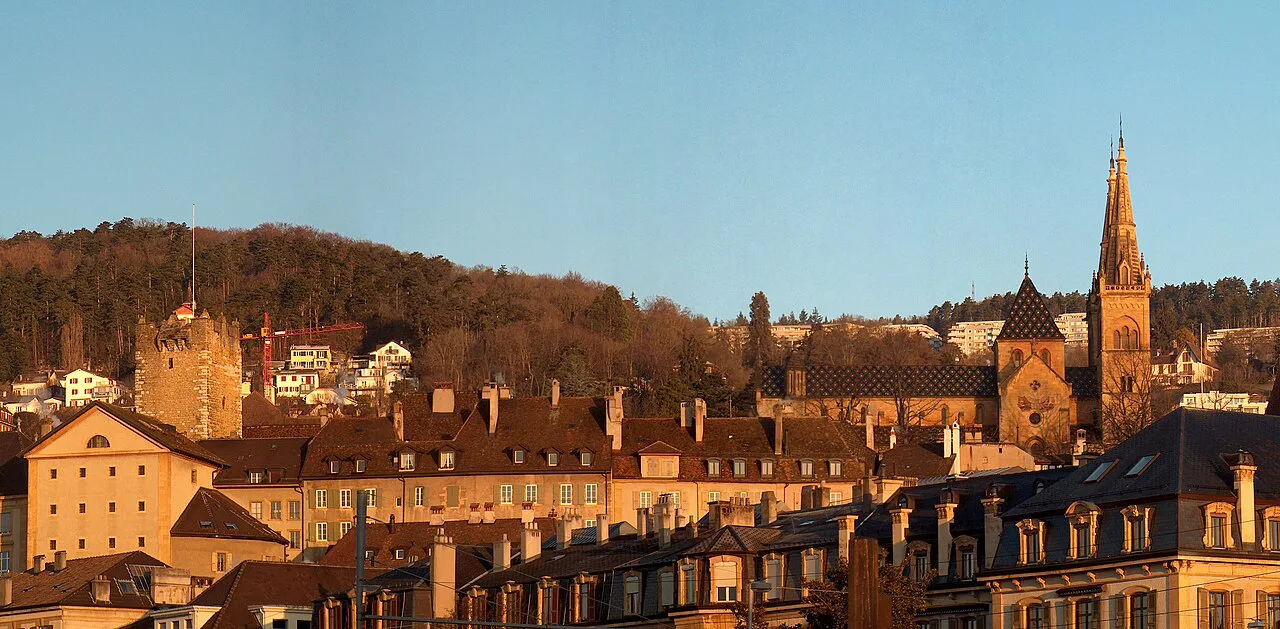
The Collégiale de Neuchâtel is a Protestant church with 12th-century origins that stands on the castle hill above the old town, and the climb up to it is the part worth planning. The building is also known as Notre-Dame de Neuchâtel, and it shares its ridge with the castle rather than sitting down among the shopping streets.
Treat it as a half-hour stop with a short, steep approach, not a museum you disappear into for an afternoon. It fits best as the upper half of a loop that takes in the château de Neuchâtel next door, since both sit on the same elevated ground behind the historic center.
What the Collégiale de Neuchâtel Actually Is
This is an active Reformed church, not a heritage shell kept for tourists. The parish site lists the building's church community alongside the Société des concerts and the association that looks after the Collégiale, so expect a working place of worship that also hosts cultural programming.
The structure's history runs back to the 12th century, when it was built as Notre-Dame de Neuchâtel and served the town from its position on the hill. That dating is background rather than a description of what you see today: the building has passed through reform and restoration over the centuries.
Set your expectations accordingly. You come for Romanesque origins, a religious interior in regular use and a site that has anchored the town's upper level for centuries, not for a curated exhibition with labels and a ticket desk.
Where It Is on the Castle Hill
The church stands on the colline du château, the ridge that rises directly behind Neuchâtel's historic center. That puts it above the lower town rather than on the lakeside, so it belongs to the same excursion as the castle.
In practice you navigate by the hill, not by a street number: aim for the castle ridge above the old center and the church appears as you gain height. The Café de la Collégiale sits at the foot of the climb on Rue de la Collégiale, which makes it a useful marker for the start of the ascent.
The Climb from the Lower Town
The approach is on foot and it is short but uphill, up stairways and lanes from the old center to the castle terrace. Anyone with limited mobility or heavy bags should treat the climb as the day's exercise rather than a quick detour, and should decide before setting out whether the upper town gets a dedicated slot.
Build in a buffer on the way up. The lanes rise in stages, so a slow pace with a pause at the top works better than pushing straight through, and the reward at the summit is the church, the castle grounds and the rooftops of the lower town below.
What to See Inside and Around the Building
The architecture is the main draw: a Romanesque foundation with later layers, read from the outside and from the nave. Look at the massing of the walls and the way the building sits against the castle before you go in, because that exterior context explains why the site mattered.
Inside, this is a Reformed church in current use, so the register is quiet and plain rather than heavily decorated. Visitors should behave as they would in any active parish, keeping voices low and stepping aside when services or rehearsals are under way.
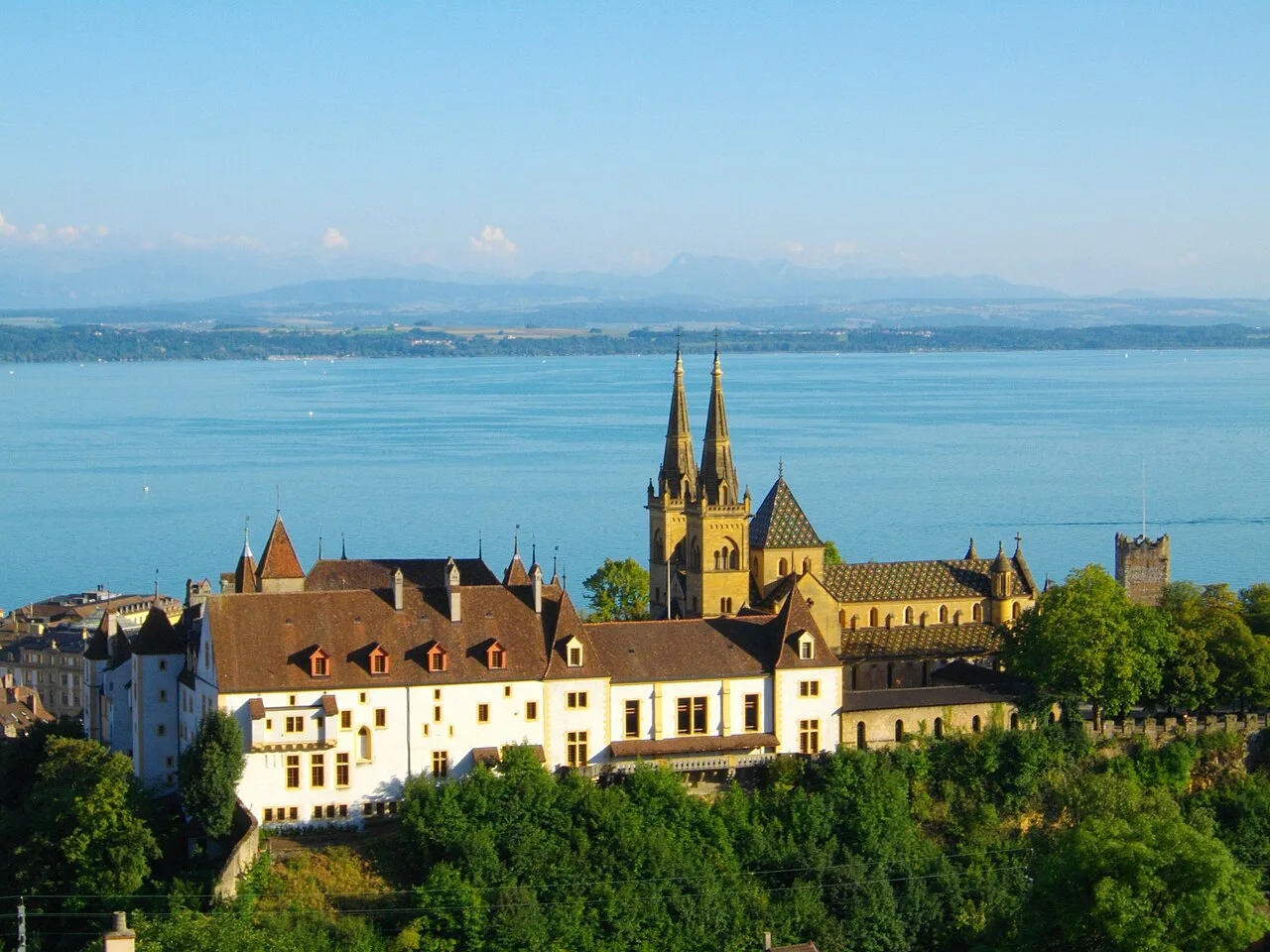
The churchyard and adjacent castle terrace are part of the visit. Allow time to circle the building and look down over the old town, which is the payoff for the climb and gives you a mental map of Neuchâtel before you descend. From up here the sweep of Lake Neuchâtel and the Jura Mountains frames the whole town, which is the view the wider guide to things to do in neuchatel builds its lakeside walks around.

The Church as a Concert Venue
Music is part of the Collégiale's identity: the Société des concerts is named on the parish site as one of the bodies active in the building, and concerts are staged there. If a performance coincides with your dates, the church becomes an evening rather than a stop.
Program details change from season to season, so the parish site is where to confirm what is scheduled and whether the building is open to casual visitors on your day. Plan the rest of your Neuchâtel itinerary around the confirmed date rather than assuming a concert will be running.
How Much Time to Allow
Budget roughly half an hour for the church and its immediate surroundings, plus ten to fifteen minutes each way for the climb at an unhurried pace. That makes it a natural first or last stop of a day in the old town, when legs are freshest.
If you are combining the church with a museum lower down, put the hill first and descend for the indoor visit. The Musée d'Art et d'Histoire de Neuchâtel is the obvious second half of that pairing, and its own opening days decide how the sequence works, so check them before locking in the order.

Nearby: The Castle and the Foot of the Hill
The château de Neuchâtel occupies the same ridge and is the natural companion sight, visible from the church and reachable without descending. Together the two give the hill its character, and the castle's own page covers what is open to visitors there.
The Café de la Collégiale sits at the foot of the climb and is the natural stop before or after the walk. It publishes its own hours and is closed on Sunday and Monday, so plan a Tuesday-to-Saturday visit if you want a table.
Back down in town, the Musée d'Art et d'Histoire de Neuchâtel and the Musée d'Ethnographie de Neuchâtel (MEN) fill a wet or cold afternoon indoors, and the Centre Dürrenmatt Neuchâtel adds a Mario Botta building to the mix for architecture-minded travelers.
Practical Notes Before You Go
The parish site is the place to confirm service times, concert dates and whether the building is open when you plan to arrive, since these change through the year. Do that check the week you travel rather than months ahead.
Wear shoes that handle stairs and cobbles, since the route up is stepped and uneven in places, and carry water in summer. The hill is exposed, so a hat and a layer for the wind make the terrace time more comfortable.
Making the Collégiale Part of Your Day
Plan the Collégiale as the anchor of a castle-hill walk: climb once, see the church and the château together, and descend into the old town for a museum or a lakeside stroll. That sequence respects the hill's shape and saves you a second ascent.
For the wider set of sights around the city, the Neuchatel Attractions: 8 Visitor Guides collection sets this church alongside the castle, the museums and the lakefront in one place.
Explore more Neuchatel guides
Frequently Asked Questions
What is the Collégiale de Neuchâtel?
It is a Reformed church in Neuchâtel with 12th-century origins, historically known as Notre-Dame de Neuchâtel. It stands on the castle hill above the old town and remains an active parish that also hosts concerts.
Where is the Collégiale de Neuchâtel located?
On the colline du château, the ridge directly above Neuchâtel's historic center, with its address on Rue de la Collégiale. It shares the hill with the château de Neuchâtel rather than sitting in the lower town or by the lake.
How old is the Collégiale de Neuchâtel?
The building dates to the 12th century as a religious foundation, and it has been altered and restored across the centuries since. The medieval dating is historical background rather than a description of the current fabric.
Can you visit the Collégiale de Neuchâtel?
It is an active parish church rather than a ticketed monument, so access depends on what is happening in the building on the day. Check the parish site for service times and opening arrangements before you make the climb.
Are there concerts at the Collégiale de Neuchâtel?
Yes. The Société des concerts is one of the groups active in the building, and performances are staged there. The parish site carries the current program, so confirm dates there before planning an evening around one.
What is there to see near the Collégiale de Neuchâtel?
The château de Neuchâtel sits on the same ridge, the Tour du Fantastique marks the approach, and the Café de la Collégiale is at the foot of the climb on Rue de la Collégiale. Down in town, the art and history museum and the ethnography museum continue the day.