Basel in September: Weather, Crowds and What to Do
Basel in September brings mild days, thinner crowds after the summer holidays and easy Old Town wandering. Here is what to expect and how to plan.
On this page
September in Basel is mild, walkable and noticeably calmer than the summer peak, once the school holidays across Europe have wound down. Typical September conditions run to highs near 21°C with lows around 11°C and roughly eight days of rain across the month, according to the monthly averages published for Basel. Use those figures as a climate guide rather than a forecast and build a plan that survives a wet afternoon.
The payoff is a city that fits comfortably into two or three unhurried days: the Old Town on the Grossbasel side of the Rhine, the river itself, and a museum cluster close enough that you rarely need transport. Late September evenings cool quickly, so pack a layer for the terrace and riverside benches. For how September compares with the rest of the year, the best time to visit Basel overview sets out each month side by side.
What September in Basel Is Like
September sits between the busy summer stretch and the autumn fair season, which makes it one of the easier months for a short break. Days are still long enough for an evening walk along the Rhine, but the heat that can build in July and August has usually eased. If you want warmth without the crowds, aim for the first half of the month; the last week or so starts to feel autumnal.
Rain arrives on roughly eight days in a typical September, so a single washed-out afternoon is realistic rather than unlucky. Plan museum time as your flexible block and keep the Old Town walk for a dry window, since cobblestones and showers are not a great pairing. Morning tends to be the better bet for the Münsterplatz and the Pfalz terrace before any cloud builds.
September is also when the city's event calendar thins out, so this is a month for seeing Basel itself rather than chasing a festival. If a specific concert, fair or exhibition is the reason for your trip, check its listed date with the organiser before you book travel, because the annual listings shift from year to year.
Typical September Weather and What to Pack
Expect typical highs near 21°C and lows near 11°C, with around eight rain days across the month, based on the monthly averages recorded for Basel. That spread of roughly ten degrees between afternoon and evening is the detail that catches people out: a warm midday walk can turn into a chilly riverside drink after dark. Pack a light waterproof shell and a mid-layer rather than a heavy coat.
Comfortable shoes matter more than anything else, because the Old Town is cobbled and the best way to see it is on foot. A compact umbrella earns its place in the bag on a month with eight rain days, and a scarf or light jacket makes the Pfalz terrace bearable when the wind comes off the Rhine.
Why September Suits Museum Days and the Old Town
With the summer crowds gone, the compact Altstadt Grossbasel becomes genuinely pleasant to wander without queuing for viewpoints. The trade-off is that Basel is a working city rather than a resort, so a few sights and venues keep reduced shoulder-season hours. That makes a short list of priorities more useful than a long one.
Museums fill the gaps well. The Kunstmuseum, the Natural History Museum and the Tinguely Museum are the standouts for a September afternoon, and the Tinguely fountain sits outdoors near the city centre as a free stop between appointments. Keep one indoor option per day as a fallback so rain does not derail the plan.
If you are weighing Basel against a bigger Swiss city, September's quieter streets are part of the argument for it. A neighbouring month's guide, Basel in August, shows how the same sights feel while the summer holidays are still running, which is a useful contrast when you are picking dates.
The Old Town on Foot: Marktplatz, Rathaus and Münsterplatz
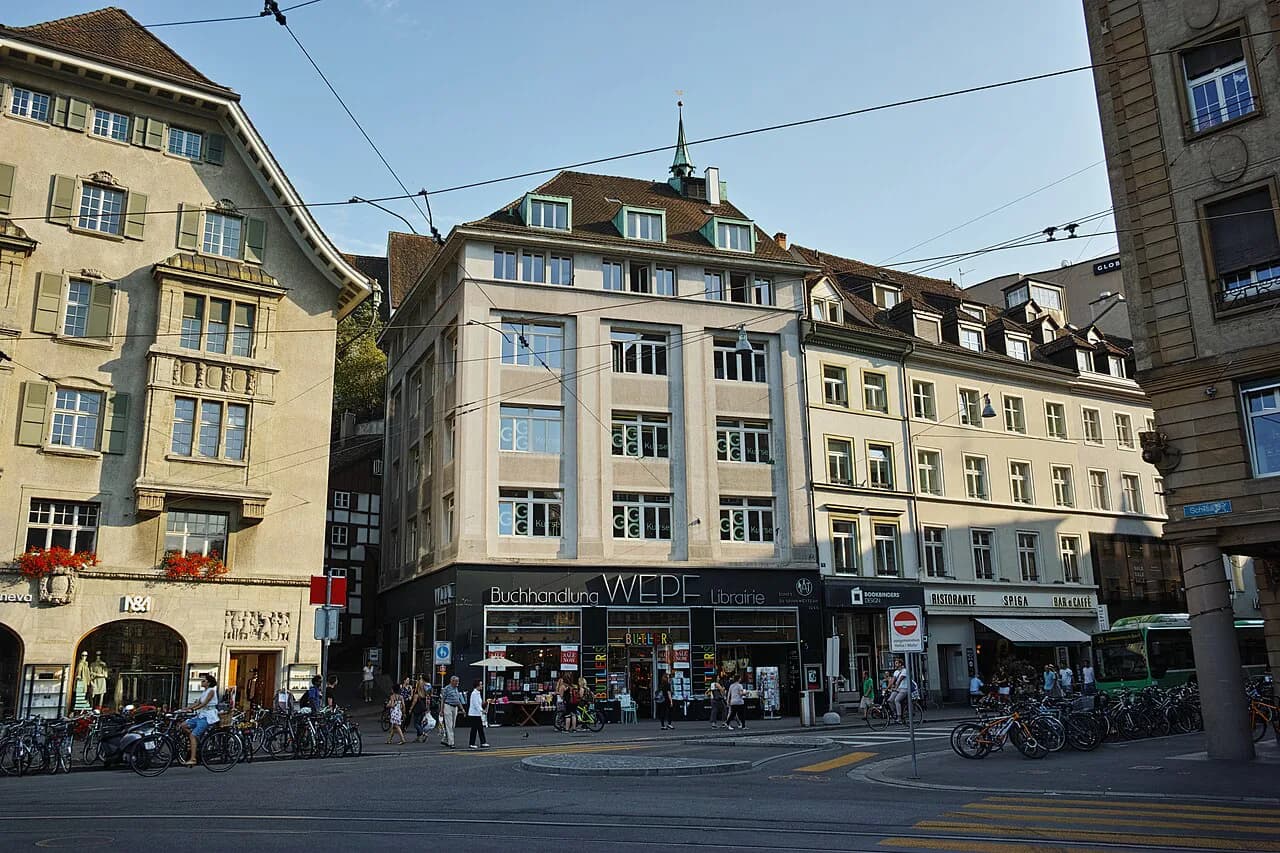
Start at Marktplatz, where the red sandstone Rathaus anchors the square and the surrounding lanes fan out toward the river. From there it is a short walk to Münsterplatz and the Basel Minster, the city's landmark cathedral, and the surrounding cobbled streets reward slow wandering rather than a checklist. Allow a half day for this core rather than trying to compress it.
The official Basel tourism listings rank the cathedral, the Spalenberg quarter and the Spalentor among the city's must-see places of interest, which is a good sanity check on how you order the walk. Treat the sequence as flexible: Marktplatz, then the lanes up to Münsterplatz, then the river.
If your dates slip earlier in the year, the April guide covers how the same squares look when the gardens are waking up, which is a different walk entirely.
Rhine Views and the Pfalz Terrace Behind the Münster
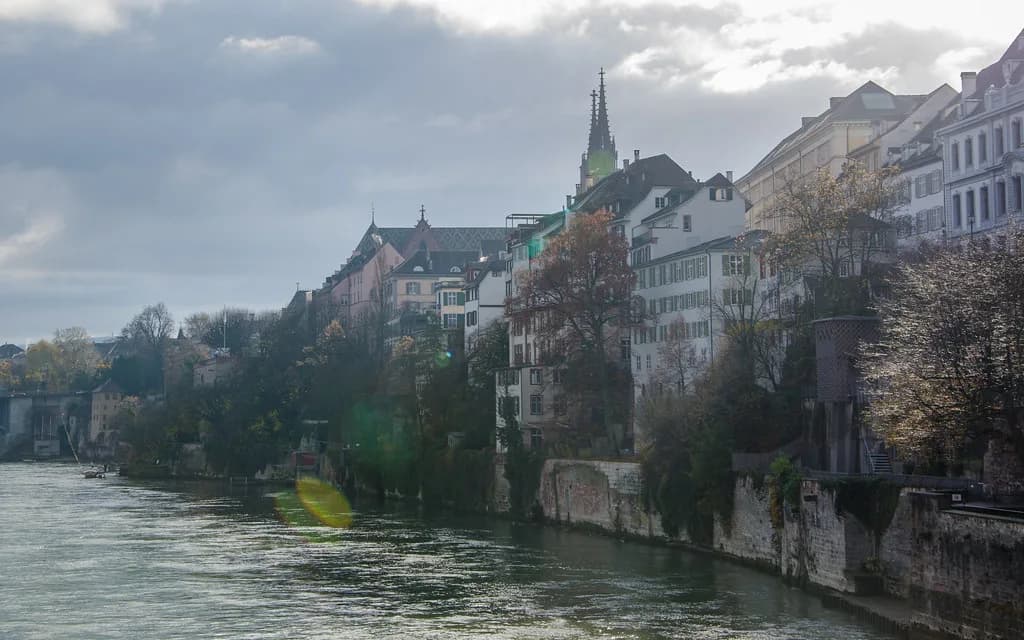
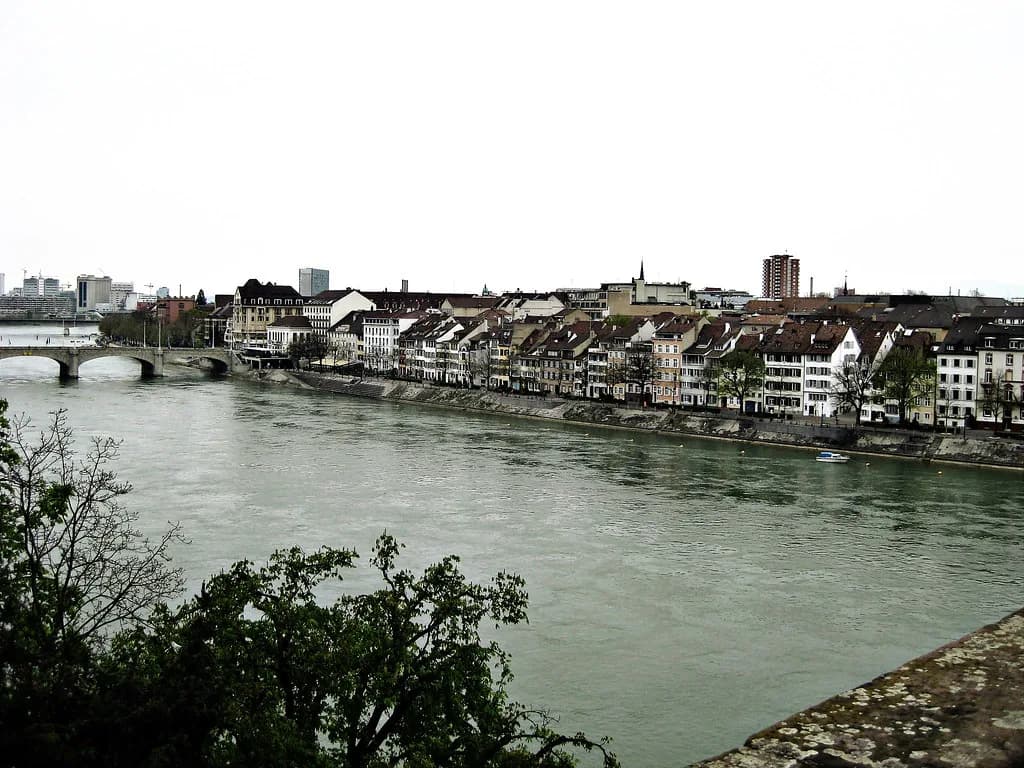
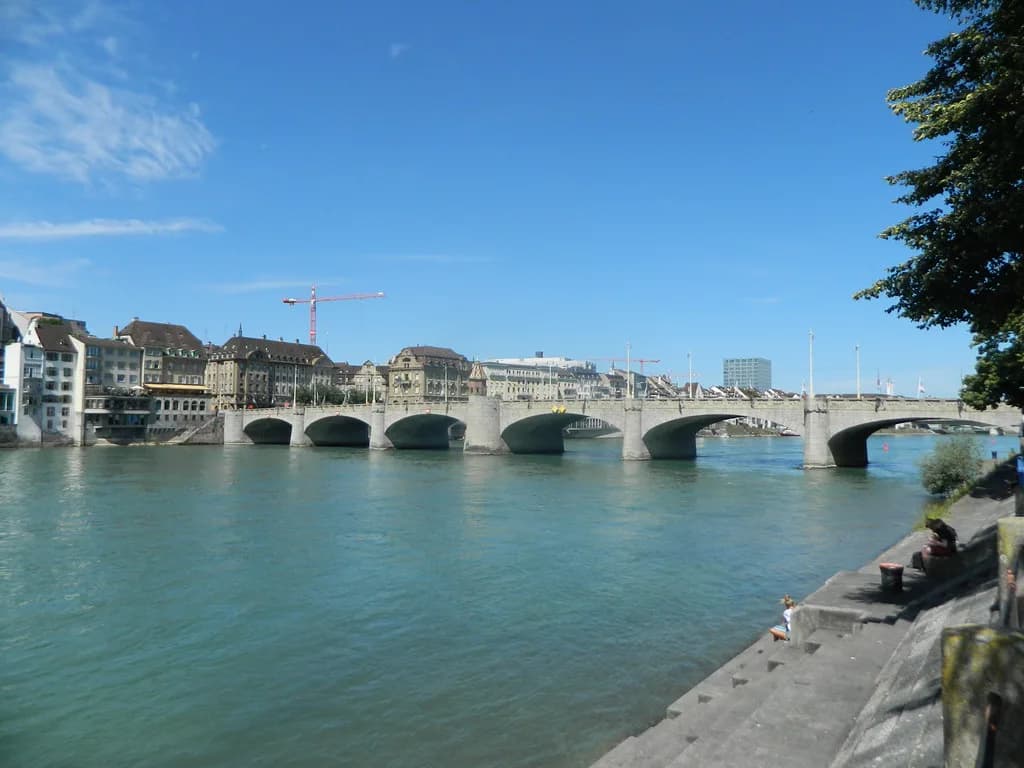
Behind the Münster, the Pfalz terrace looks straight down the Rhine and across to Kleinbasel, and it is the single best free viewpoint in the city centre. On a clear September afternoon the light is soft and the terrace is far less crowded than in midsummer. Bring something to sit on if you plan to stay a while, since the stone edge is the only seating.
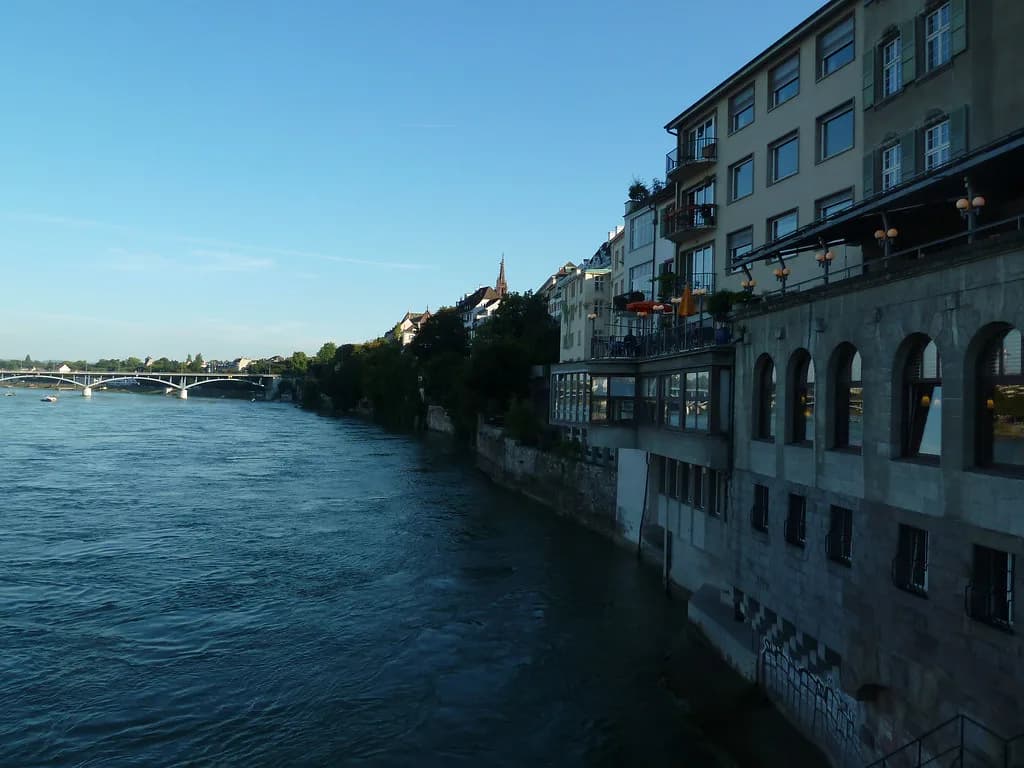
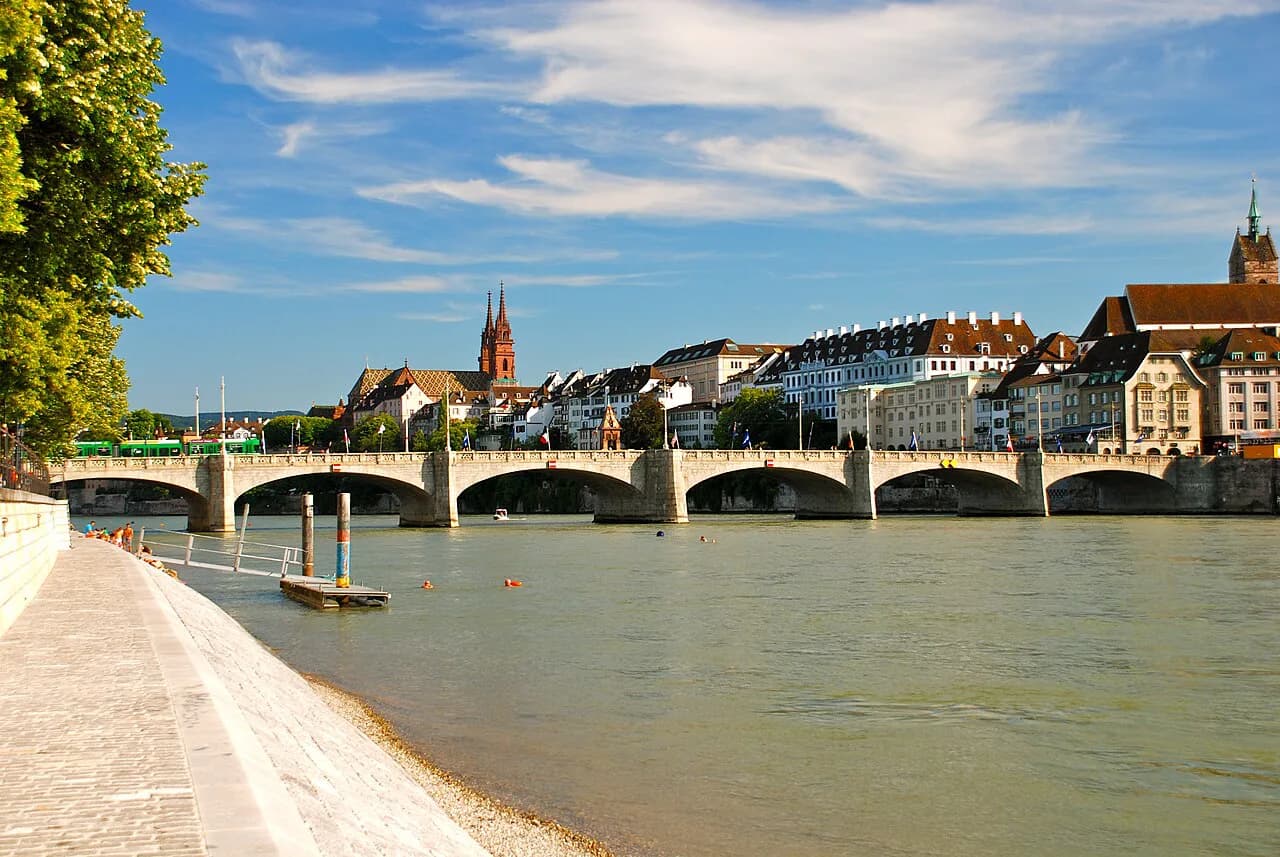
Below the terrace, the riverside paths along both banks make an easy loop, and the bridges connect Grossbasel to Kleinbasel in minutes. A crossed bridge is also the simplest way to change neighborhood without touching public transport, which keeps a short break cheap.
For a warmer-weather version of the same river day, Basel in July shows how the banks fill up once temperatures climb into the high twenties. September gives you the view without the squeeze.
Spalenberg and Spalentor: The Old City Gate
Spalenberg is the lane that climbs from the centre toward the Spalentor, the medieval city gate that still marks the old boundary of Basel. It is one of the most photogenic stretches in the city and it appears on the official list of places of interest, so it is worth building into the walk rather than treating as a detour. Go early if you want the lane without other people in the frame.
The climb is gentle but steady, and it works best as the final leg of an Old Town morning before you drop back down for lunch. Shops along the lane keep their own hours, so browse what is open rather than planning around a particular store.
Museums Worth a September Afternoon
The Kunstmuseum is the headline art stop, and a rainy September afternoon is exactly the right time for it. Pair it with the Tinguely fountain outdoors and, if you have a third day, the Natural History Museum or the Tinguely Museum. Museum opening days vary, so confirm the day you plan to visit before setting out, and keep a walking backup in case a gallery is closed.
Basel's Old Town sightseeing is largely free at street level, which balances the cost of indoor attractions. A practical pattern is one ticketed museum per day plus outdoor sights, rather than stacking several paid entries into a single afternoon.
Traveler guides to Basel point to the cathedral, the town hall and the Kunstmuseum as the most-photographed stops, which is a fair shortlist if you only have one indoor day. The rating figures on those platforms reflect other visitors' opinions rather than an official ranking, so treat them as a popularity signal.
Riverside Pauses and Parks When the Weather Holds
When September delivers a dry, mild afternoon, the Rhine banks are where the city relaxes. The Kleinbasel side has the longer promenade and the better angle back toward the Münster and the Pfalz. A short ferry crossing or a walk over a bridge is enough to make an afternoon of it.
Parks and gardens around the city give you a second outdoor option if the riverside is busy. Basel in May covers the greener, warmer version of the same idea if you are deciding between late spring and early autumn.
How Many Days Basel Needs
Two days covers the essentials without rushing: one day for Marktplatz, the Rathaus, Münsterplatz and the Münster with the Pfalz terrace, and a second for the Spalenberg walk plus one museum. That pace leaves room for a riverside hour and a proper lunch, which is the point of a September visit.
Three days lets you add a second museum, cross into Kleinbasel properly, and absorb a wet afternoon without cutting anything. The trade-off is cost: an extra night in Basel is an extra night of Swiss prices, so decide whether the third day buys you something specific before booking it.
A single day is possible if you stick to the Old Town and skip the museums, but you will be moving quickly and skipping the pauses that make the city pleasant. For a first visit, two days is the honest minimum.
Cost Expectations in Swiss Francs
Basel is expensive by any standard, and September is not a discount month in the way that deep winter can be. The realistic savings come from structure rather than from bargains: fewer paid museum entries, more outdoor sightseeing, and city transport covered where your accommodation provides it.
Many Basel hotels and hostels offer guests a card that covers or discounts public transport in the city during the stay, so ask your accommodation directly what is included before buying any city transport ticket. The benefit depends on the property rather than being automatic, and it does not extend to museum entry.
For anything with a published price, check the venue's own page in Swiss francs rather than relying on a converted figure, since exchange rates and ticket tiers move. A Swiss Travel Pass or Half Fare Card can change the maths on travel to and from Basel, but the value depends entirely on how much you move around.
Practical Timing and Sunday Shopping
Museum closing days are the main scheduling trap in Basel, and they vary by institution, so check each venue's own calendar for the day you plan to visit rather than assuming a citywide pattern. Sunday is the other one to plan around: shop hours are restricted, so buy what you need on Saturday.
Build the day around daylight. In September sunset comes earlier than in midsummer, so the Pfalz terrace and the riverside walk belong in the afternoon slot, with museums saved for the last hours of the day. That ordering also hedges against morning rain.
Honest Trade-Offs
September gives you a calmer Basel, and in exchange you give up the big summer energy and some of the long, warm evenings. If you want the Rhine banks at their liveliest, an August visit is a better fit; if you want room to walk and think, September wins. The same shoulder-season trade-off plays out in the mountains, as this guide to Zermatt in September shows.
The city is small, and that cuts both ways. You can see the core in two days, but travelers used to larger capitals may find the evenings quiet once the museums close. Set expectations around a slow, walkable break rather than a packed city itinerary.
Septembers in Basel reward preparation more than improvisation: a rain plan, a museum day confirmed, and a clear sense of what you are paying for. Do that, and the month delivers the version of the city that locals get to enjoy.
Plan Your Visit
Book two or three days, put the Old Town and the Münster on day one, and hold one museum afternoon in reserve for rain. Check opening days for the specific museums you want and confirm any event date with the organiser before you commit.
Compare September with the rest of the year in the best time to visit Basel guide, and sort out the practical details of your trip with the Basel Attractions hub before you finalize dates.
Frequently Asked Questions
What is the weather like in Basel in September?
Typical September conditions in Basel run to highs near 21°C and lows around 11°C, with roughly eight rain days across the month. Treat these as climate averages rather than a forecast, and pack a light waterproof layer plus something warmer for the evening.
Is September a good time to visit Basel?
Yes, if you want a calmer city. The summer holidays have ended, the Old Town is easier to walk, and the weather is still mild enough for the Rhine banks and the Pfalz terrace. You trade some festival energy for breathing room.
How many days do you need in Basel?
Two days covers Marktplatz, the Rathaus, Münsterplatz, the Münster, the Pfalz terrace and one museum at a reasonable pace. Three days lets you add a second museum and cross into Kleinbasel without cutting anything.
What is there to do in Basel in September?
Walk the Old Town from Marktplatz to Münsterplatz, take in the view from the Pfalz terrace, climb Spalenberg to the Spalentor, and spend a wet afternoon at the Kunstmuseum or the Tinguely Museum. The Tinguely fountain is an easy outdoor stop in between.
Is Basel expensive for a short break?
Basel is an expensive city, and September does not lower prices much. Savings come from doing more free outdoor sightseeing, limiting paid museum entries, and asking your accommodation whether a guest card covers city transport during your stay.
Are Basel museums closed on Mondays?
Opening days differ by museum, so check the individual venue's own page for the date you plan to visit; there is no citywide rule. Keep a walking route as a backup in case your first choice is closed.
Sources
Notes for your Swiss city break
Optional updates to our Swiss city guides.
You might also like
Continue reading
More guides you'll find useful