Zermatt in September: Weather, Crowds and What to Do
September in Zermatt brings quieter trails, running lifts and cooler alpine air. Here is the weather at each altitude and how to plan your days.
On this page
September is a strong month for a Zermatt city break if you want full summer access without the August crowds. The lifts and mountain restaurants still operate, the trail network around Sunnegga, Gornergrat and Schwarzsee remains in season, and the village feels noticeably calmer than in July and August. It is also an honest shoulder-season month: mornings cool down, the weather turns more changeable late in the month, and autumn color is not a guarantee. If you are weighing a city stop on the same trip, Zürich in September covers the same shoulder-season trade-offs in the city.
Why September Works
September keeps almost everything that makes summer in Zermatt work, just with fewer people in the way. You can still ride up to Sunnegga for lunch on a terrace, take the cogwheel train up to Gornergrat, and use the summer trail network from Blauherd, Rothorn and Schwarzsee. The main trade-off is atmosphere: if you want the busiest village life and the warmest days, July and August deliver more of both.
Temperatures also make long days outside more comfortable than in high summer. Discover Zermatt reports that September is one of the best months for hiking, with milder days for climbs and long walks. That same report notes accommodation prices can run a little lower than in peak summer, though Zermatt is expensive in any season. If you are deciding between months, the best time to visit zermatt overview separates the trade-offs by season.
September Weather at Each Altitude
The temperature gap between the village and the high mountains is the single most important thing to plan around in September. In the village at about 1,600 m, typical September highs and lows average around 17°C and 7°C (62°F and 44°F), mild enough for a terrace lunch but cooler than August. At Sunnegga, around 2,288 m, averages drop to roughly 12°C and 3°C (53°F and 38°F), so a fleece belongs in the daypack. If you want to compare with a warmer month, zermatt in august shows how much higher the summer numbers run.
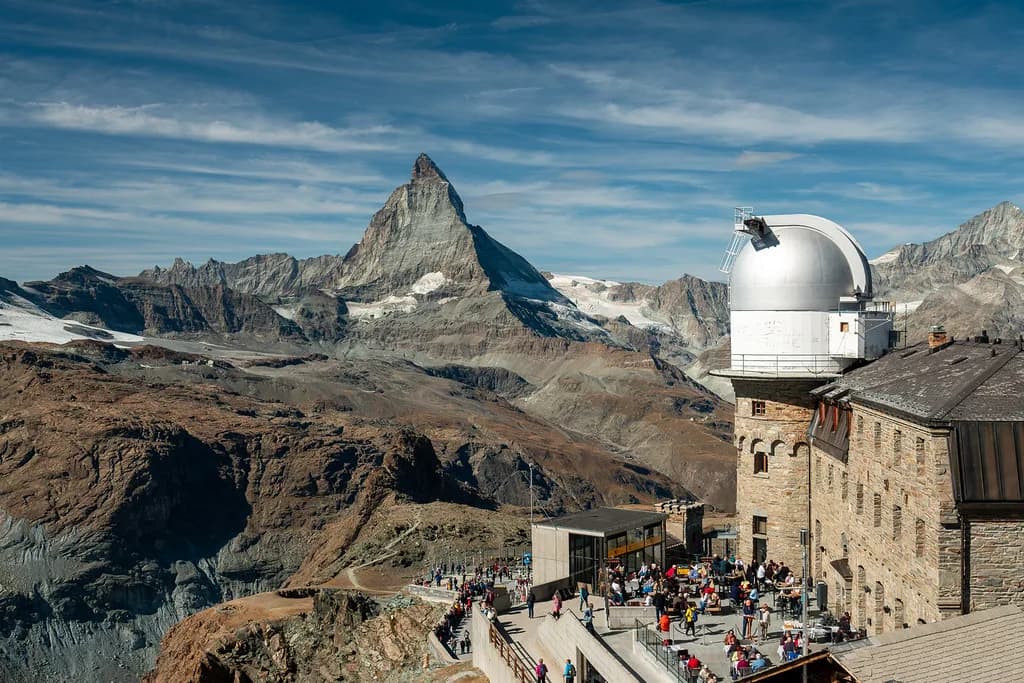
Above 3,000 m, September is already alpine rather than summery. Gornergrat at about 3,100 m averages roughly 6°C and 0°C (42°F and 32°F), and wind can make standing around feel sharply cold even under a clear sky. At Glacier Paradise, above 3,800 m, averages sit near 2°C and minus 6°C (35°F and 21°F), so bring warm outerwear and sunglasses regardless of how mild the village felt at breakfast.
Rain and Daylight
September is less stormy than peak summer but not reliably dry. Discover Zermatt puts average September precipitation at about 140 mm spread across roughly 12 days, which means a waterproof layer and a flexible plan are worth more than a fixed itinerary. Daylight also fades through the month, from about 13 hours 18 minutes at the start to about 11 hours 46 minutes at the end. Because Zermatt sits in a deep valley, the sun drops behind the surrounding peaks earlier than official sunset.
The practical result is that early starts pay off twice: quieter trails and better light before the peaks block the sun. Plan the big mountain day for the morning and keep an indoor or village option for the afternoon. If you want more daylight and warmer conditions, zermatt in summer lays out the peak-season picture.
Early September Versus Late September
Early September still feels like summer in the village, just without the peak-season crush. Trails, lifts and mountain restaurants are all in good shape, scenery is mostly green, and the classic Sunnegga, Gornergrat and Rothorn days work easily. Late September shifts the mood: mornings and evenings turn crisper, the first golden leaves may appear, and conditions high up become more changeable.
The honest trade-off is autumn color. Late September can be lovely, but the full show arrives in October, so if golden larches are the goal, zermatt in october is the better pick. If you want one more month of summer-style hiking, choose the first half of September. For anything before that, zermatt in june covered the early-summer version of the same trip.
Matterhorn Glacier Paradise at 3,883 m
Matterhorn Glacier Paradise is Zermatt's big high-altitude day and the one that most rewards packing properly. The gondola climbs to a summit station at 3,883 m with panoramic views over glaciers and surrounding peaks, a striking contrast to a mild village afternoon. September works well for first-time visitors and non-hikers who still want a big mountain experience. It is as much a viewpoint and glacier experience as a hike, so treat it as a half day and keep the rest of the day light.
Lift ticket prices and operating schedules are set by the lift company, which publishes current fares and running dates on its own site, so check there before you build a day around it. For a high-mountain visit with a different crowd pattern, zermatt in may offers a quieter shoulder-season comparison.
Gornergrat Railway and the Riffelsee Walk
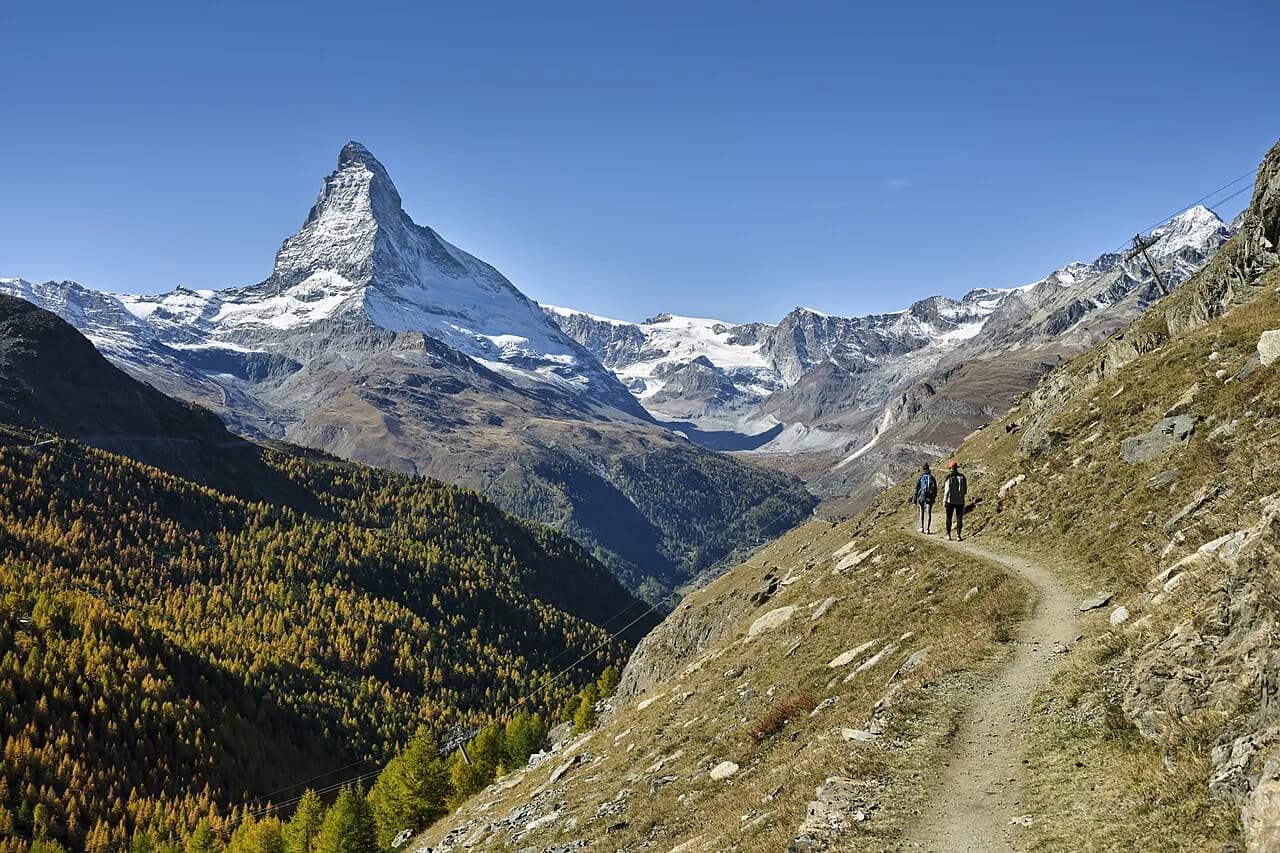
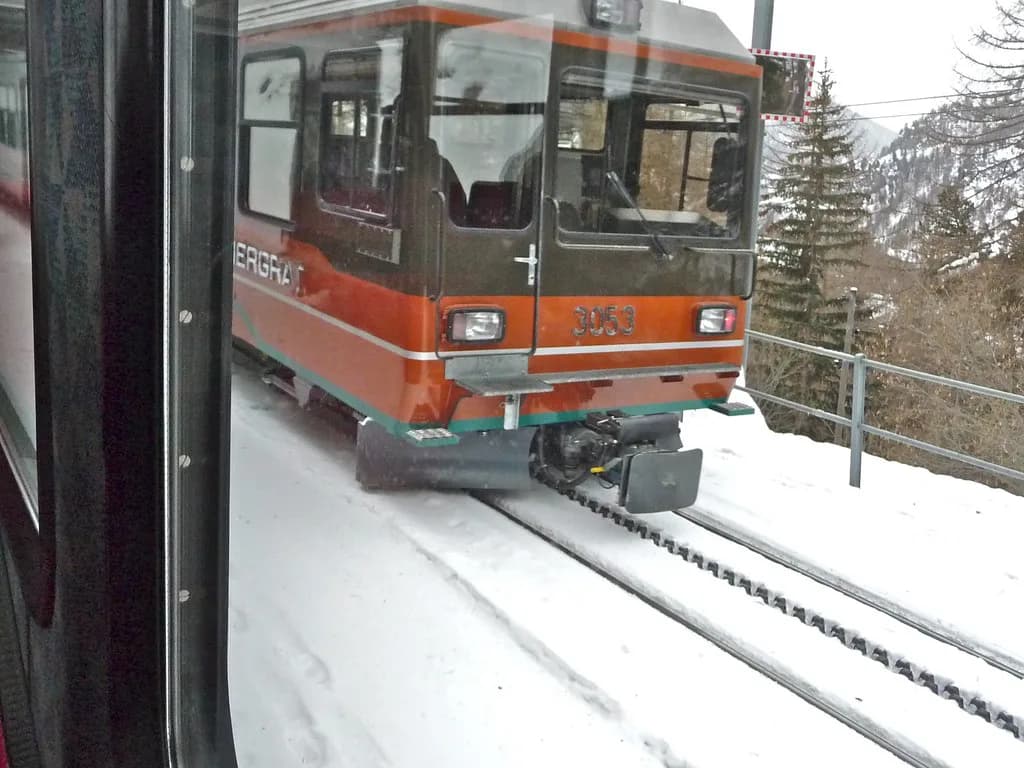
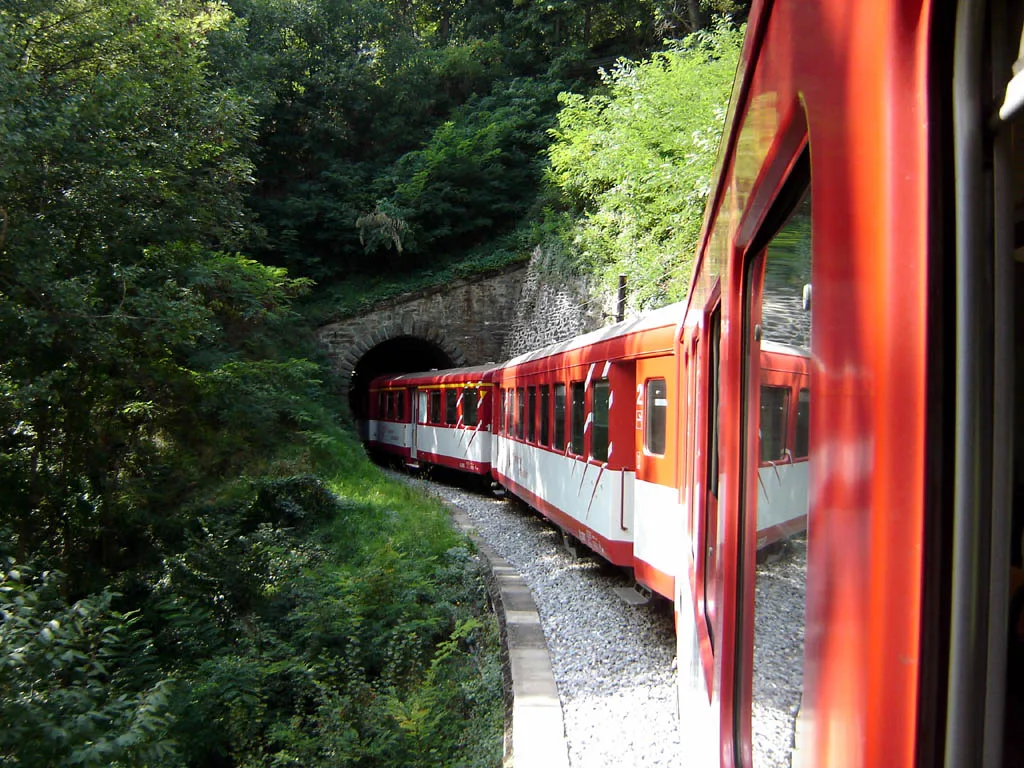
The Gornergrat Railway is one of the classic Zermatt experiences and a sensible September choice: the ride itself delivers views, and you can step off to add a walk. The Riffelsee reflection of the Matterhorn is the signature photo stop, reached from Rotenboden station, one stop below the Gornergrat summit, in around ten minutes on foot. The walk down to Riffelsee has stairs and a few steep sections, but it is manageable for most confident walkers. Go early for clearer light and fewer people at the lake edge.
If you want the railway as part of a quieter, greener valley stay, zermatt in april shows how the same line looks outside summer. Departure times and fares come from the railway operator, so confirm them before your day out.
Sunnegga for an Easy Mountain Day
Sunnegga is the low-effort mountain outing that still feels like a full day. Ride up, take in the views, order a long lunch on the terrace, add a gentle walk toward Leisee, and you have a satisfying plan without a big climb. September's cooler temperatures make the terrace more pleasant than in high summer, and the area feels calmer than in August. A quick look at the village and Sunnegga averages above tells you which layer to carry up.
Village Days: Museum and Hinterdorfstrasse
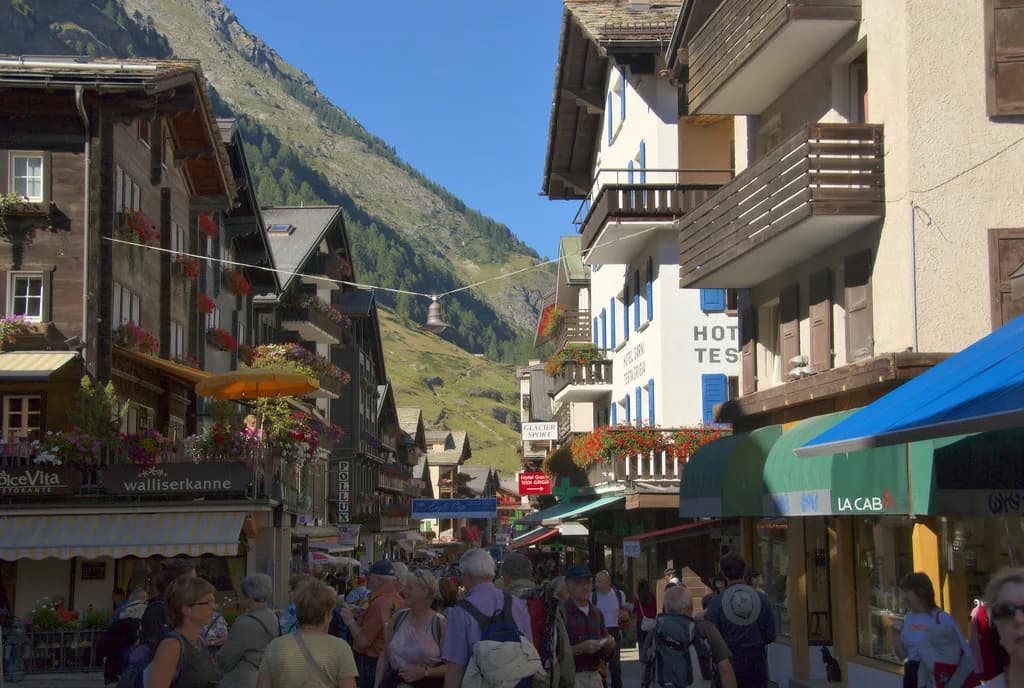
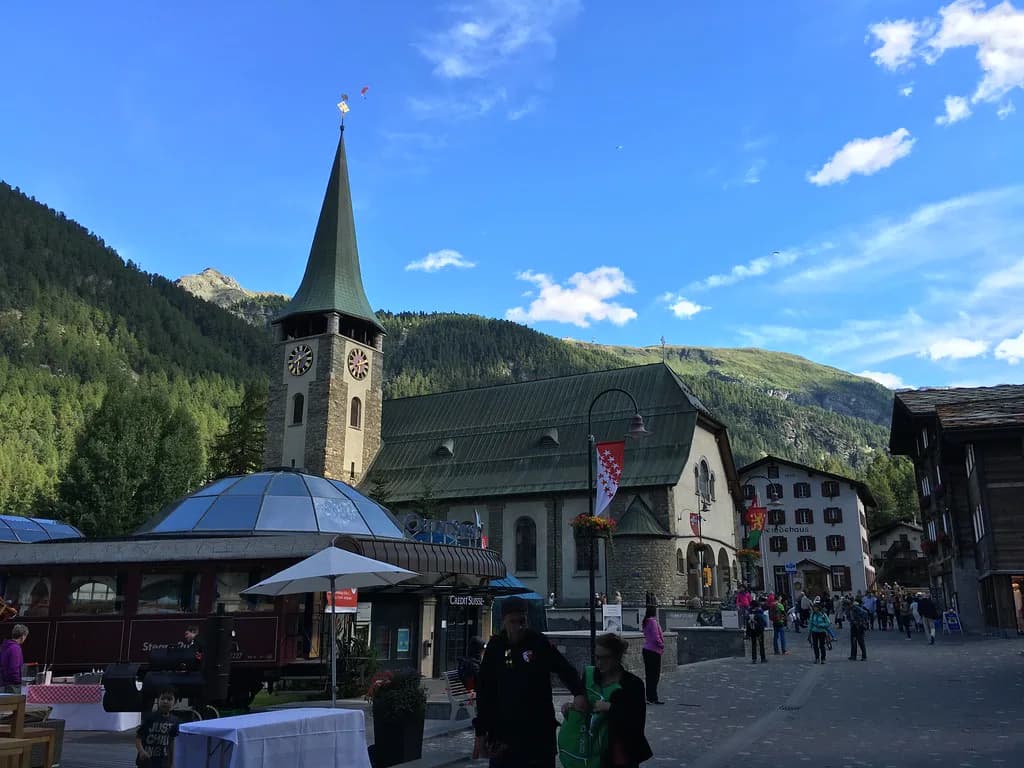
A September trip needs at least one village day for a changeable day. The Matterhorn Museum – Zermatlantis tells the story of the mountain's pioneering climbers and the life of the community, and the old wooden storehouses of Hinterdorfstrasse are a short, photogenic walk from the center. Pfarrkirche St. Mauritius and the surrounding lanes are an easy add-on. Plan these as your wet-weather buffer, and check current opening hours and prices with the museum before setting aside the day.
The museum sets its own seasonal opening hours and entry fees and posts both on its website, so check them the week you travel. If you want a warmer, busier village for a similar day, zermatt in august is the comparison point.
Free BBQ Spots for a Low-Cost Lunch
Switzerland is expensive, and Zermatt's free barbecue spots are one of the most practical ways to keep a September day affordable. Discover Zermatt names Leisee, Gletschergarten and Schalisee as spots where you can grill burgers or toast marshmallows on a clear day. That turns a mountain outing into a relaxed picnic rather than a full restaurant lunch. It is also a good fit for early September, when outdoor days still feel summery and sitting outside is pleasant.
Charles Kuonen Suspension Bridge for Walkers
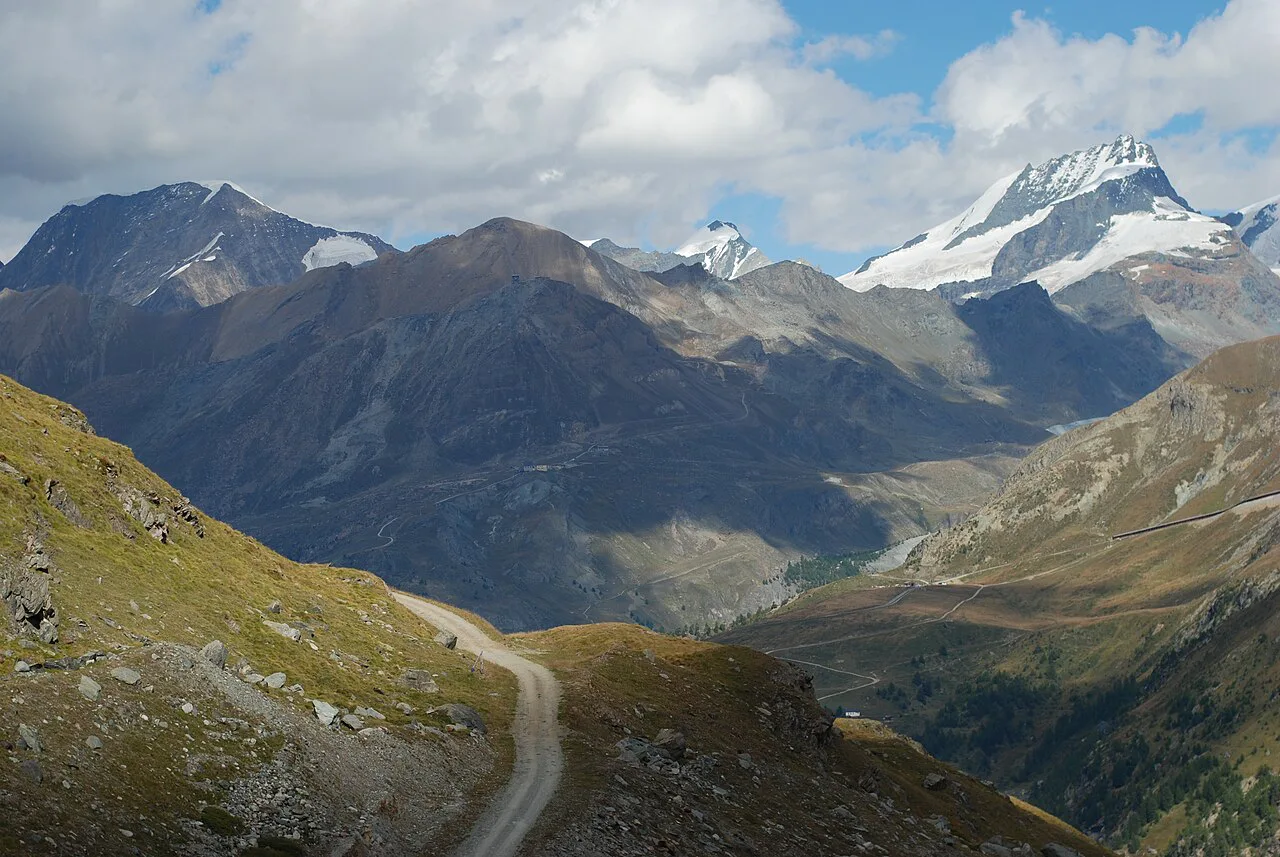
The Charles Kuonen Suspension Bridge is the bigger option for confident walkers who want something more dramatic than a lake loop. It mixes scenery and novelty and makes a memorable day out without turning into a full alpine undertaking. September's milder temperatures make the approach more comfortable than in high summer. If you prefer an easier valley walk, the Zmutt valley route is the gentler alternative.
What to Pack for Village Versus 3,000 m Days
Pack for two different climates in the same week. A village day in September can be mild enough for a light layer, but a Gornergrat or Glacier Paradise day needs a proper outer layer, warm gloves and sunglasses even under blue sky. The bigger the altitude change in your plan, the more layers you carry. A waterproof shell and a small daypack cover the roughly 12 rainy days typical for the month, and the altitude temperatures above show why the summit layer matters.
Who Should Pick July, August or October Instead
September is not for everyone. If you want the busiest summer atmosphere, the warmest days and the fullest buzz, July and August are the better choice, and zermatt in july shows what peak summer hiking looks like. If you are chasing full autumn color, October beats late September because the golden larch show is barely beginning in the first half of the month. Families tied to school holidays often find late September quieter but less predictable. If you are deciding between September and the next month, zermatt in october makes the stronger case for autumn leaves.
Plan Your September Trip
September rewards travelers who want summer mountain access without summer crowds. Build one high day for Glacier Paradise or Gornergrat, one easy Sunnegga day with a long lunch, and keep a village day in reserve for rain. Pack layers, start early, and use the free BBQ spots to keep costs down on clear days. If you want the full seasonal comparison before booking, the best time to visit zermatt guide sets September against the other months.
Frequently Asked Questions
Is September a good time to visit Zermatt?
Yes, for travelers who want mountain access without peak-season crowds. The lifts and trails around Sunnegga, Gornergrat and Schwarzsee are still running, the village is noticeably calmer than in July and August, and temperatures are more comfortable for long days outside. The trade-off is more changeable weather later in the month and no guarantee of autumn color.
Can you see the Matterhorn in September?
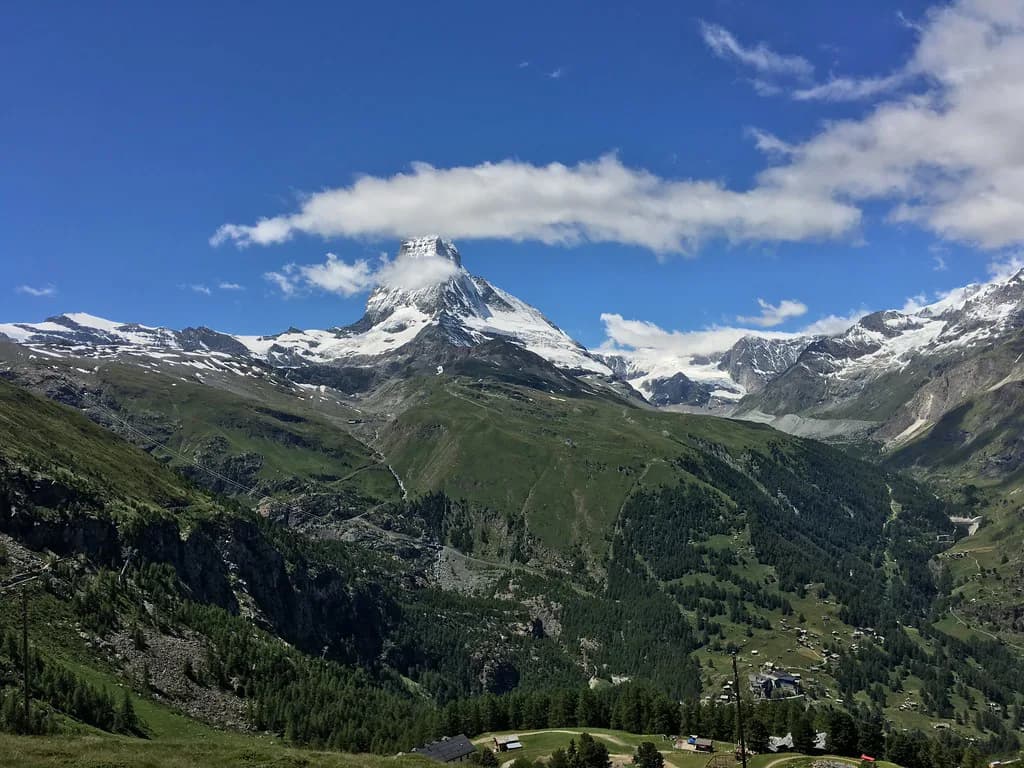
The Matterhorn is visible from Zermatt and from viewpoints such as Gornergrat and the Riffelsee area, but cloud cover can hide it on any given day. September offers quieter viewpoints and good chances of clear mornings. Check the local weather forecast the day before and plan your high-altitude day for the clearest window.
Does Zermatt have snow in September?
The village at about 1,600 m is typically mild in September, with average highs around 17°C. Snow is more likely higher up: Glacier Paradise above 3,800 m averages close to freezing and is a glacier environment all year. Pack for both, and expect only the highest elevations to feel wintry.
How cold is Gornergrat in September?
At about 3,100 m, Gornergrat averages roughly 6°C by day and 0°C at night in September. Wind can make standing outside feel much colder, even on a sunny day. Bring a proper outer layer, gloves and sunglasses if you plan to spend time at the summit or walk down toward Riffelsee.
Is early or late September better for Zermatt?
Early September is better for a classic summer-style trip with milder temperatures and full access to trails and mountain restaurants. Late September suits travelers who prefer fewer people, cooler air and the first hints of autumn, but the weather can be more changeable and autumn color is not guaranteed. Choose based on whether you want summer or the edge of autumn.
What should I pack for Zermatt in September?
Pack layers for two climates: a light layer for the village, where average highs are around 17°C, and a warm outer layer, gloves and sunglasses for days above 3,000 m. Add a waterproof shell because September averages about 140 mm of rain over roughly 12 days, and comfortable shoes for the Riffelsee walk and village lanes.
Sources
Notes for your Swiss city break
Optional updates to our Swiss city guides.
You might also like
Continue reading
More guides you'll find useful