Best Chocolate in Bern: Chocolatiers and What to Buy
Bern has confiseries rather than a chocolate quarter. Here is how to fit a chocolate stop into an old-town walk and get your purchases home intact.
On this page
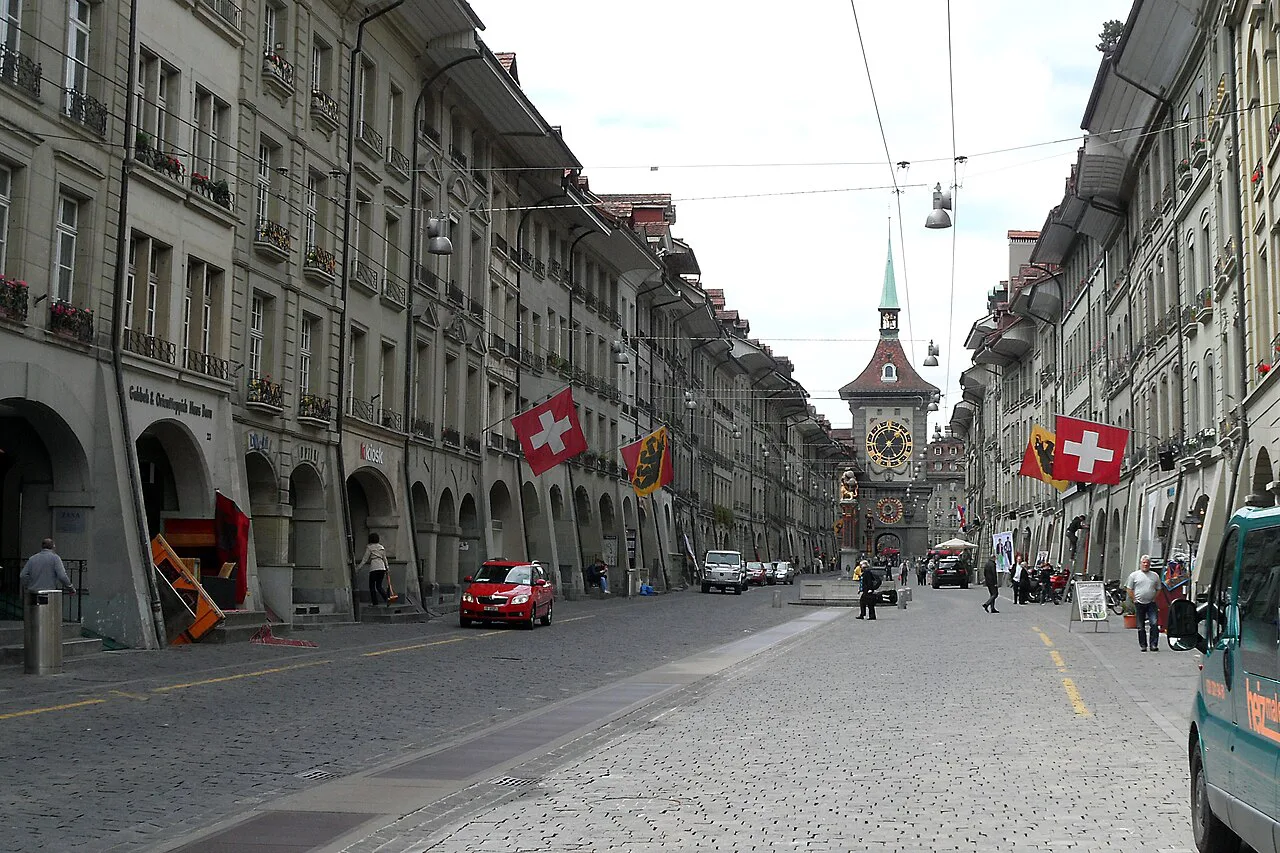
Bern is a confiserie city, not a chocolate capital. A handful of shops sell pralines and bars, and the sensible plan is to slot one stop into a morning in the old town rather than build a day around chocolate. That leaves the arcades of the Old Town of Bern, the Zytglogge and the Münster for the rest of your time.
Pair the stop with a walk: the Kramgasse arcades, the Zytglogge clock and the Münster terrace sit within a few minutes of each other, so a shop visit costs you half an hour, not an afternoon. If you would rather have the route mapped out, a self-guided walk through the old town keeps you from doubling back.
Where Bern Sits in Swiss Chocolate
The names most travelers associate with Swiss chocolate are based elsewhere. When people ask which chocolate is best, the answers usually point to brands and confectioneries spread across the country rather than to a single Bern maker.
So treat Bern as a place to buy from a local counter, not a place to tour a factory. The Bern confectionery that turns up in visitor listings is Confiserie Tschirren, which is enough reason to walk past and look in the window.
If a factory visit is the point of the trip, that belongs to a different city; the Lindt Home of Chocolate is in the Zürich area, not Bern. Build Bern around its arcades, museums and river views and leave the production line for a Zürich chocolate tour.
What to Look For in a Bern Shop
Small Swiss confiseries typically sell pralines loose, picked into a box and priced by weight, alongside molded bars and seasonal pieces. Buying a mixed box lets you try several fillings without committing to a full bar of each; buying wrapped bars is the better move for gifts that need to travel.
Ask what is made in-house and what is bought in. A counter that makes its own pralines will tell you which pieces are freshest and which should be eaten within days rather than weeks, and that answer should decide what goes into your suitcase.
Nut and honey specialties keep better than ganache in warm weather, so if you are traveling in summer, lean toward whole-nut and plain chocolate over soft centres. This is a packing decision as much as a taste one.
Fitting Chocolate Into a Bern Day
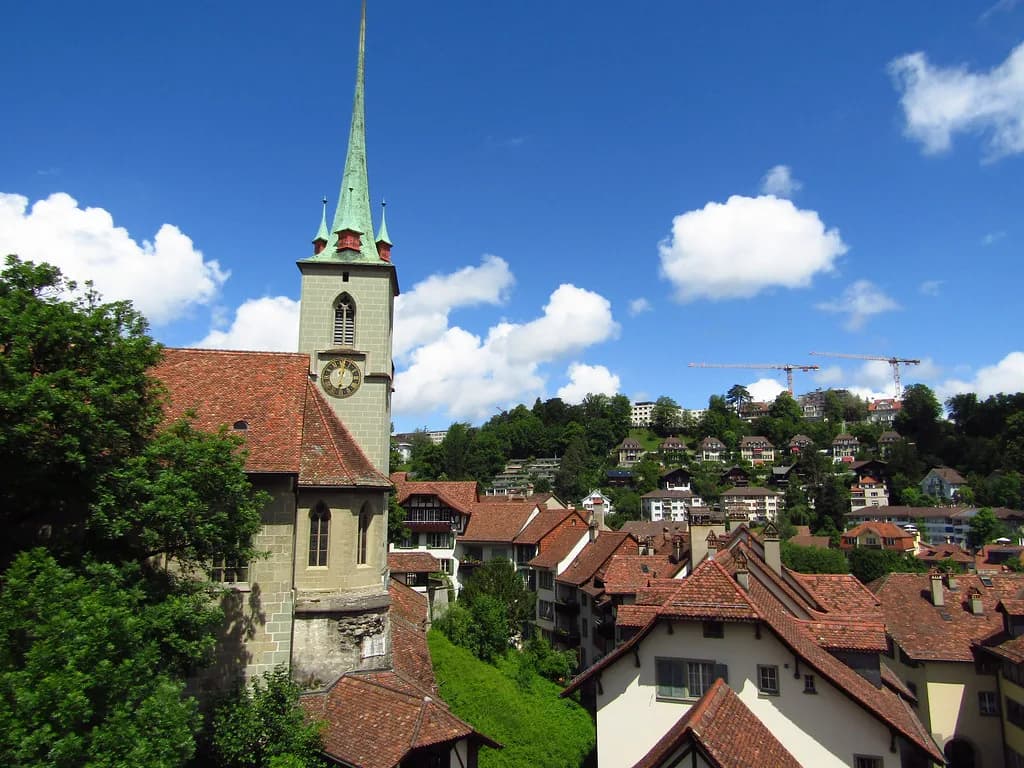
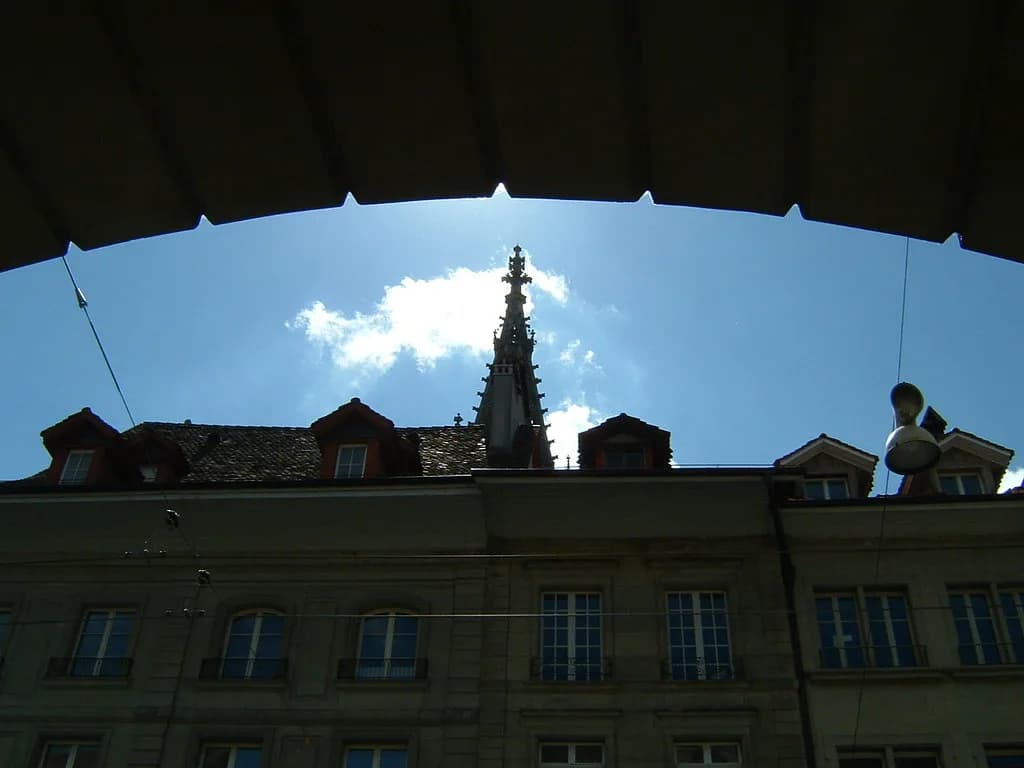
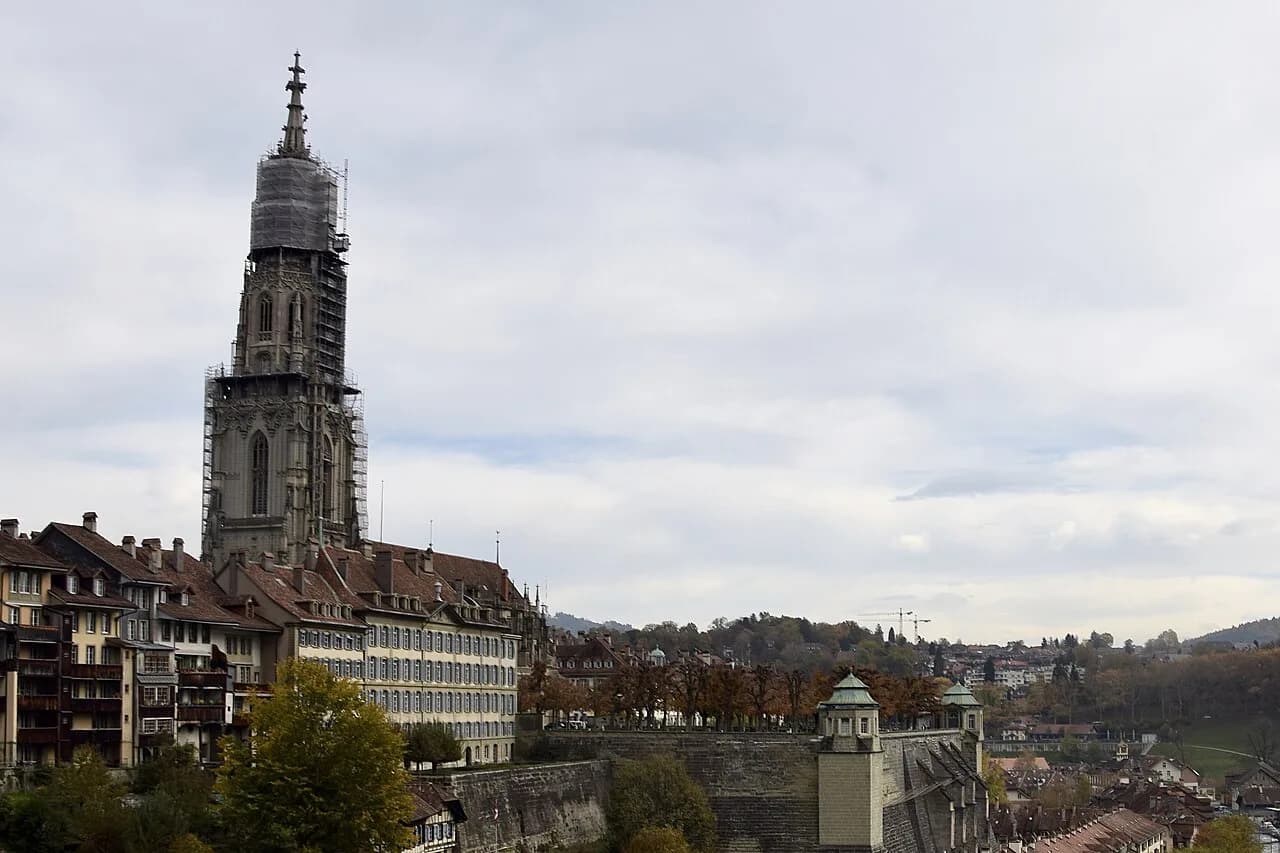
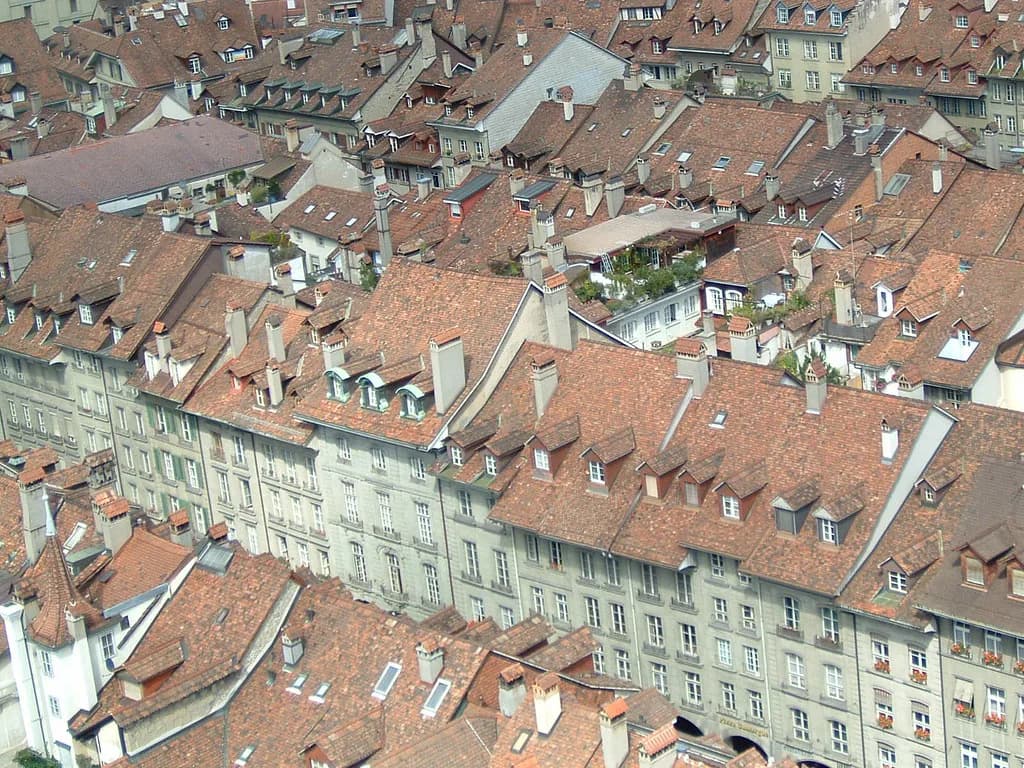
The old town is compact, and the arcaded streets keep you dry while you shop. Walk the Kramgasse and the parallel streets, pause at the Zytglogge when the hour approaches, then climb or stroll to the Münster terrace for the roofscape before doubling back to a confiserie.
A second option puts the shopping on the other side of the Aare. The Kirchenfeld quarter, across the river, holds a cluster of museums and counts as one of Bern's most popular residential districts, which makes it a natural afternoon on a museum day.
The Bernisches Historisches Museum on Helvetiaplatz is the anchor of that museum cluster, and it is due a full renovation: the old building is scheduled to close from mid-2027 to mid-2032, with the large hall in the cube kept open with a new exhibition on Bern's history. Plan a visit before then if the historic building is the draw, since the museum experience will change during the works.
If chocolate is one stop among several, the wider list of things to do in Bern helps you sequence the day so the shop sits near your last sight rather than at the far end of town.
Opening Days and Closures
Swiss shops commonly close on Sunday, so a Sunday arrival is a bad day to plan a confiserie crawl; check the shop's own posted days before you build the morning around it. Museums often close on Monday, which means a Sunday-plus-Monday break can lose both shopping and sightseeing if you do not split them.
One sight you can count on is the Bundeshaus, where regular guided tours run for 45 to 60 minutes through the domed hall and both council chambers, but not while councillors are sitting. Tours can be booked three days ahead on the Parliament's website, and session dates are published there too, so check before you set a day.
A sensible order for a short break is museums and the Parliament on the days they operate, and old-town shopping on the days shops are open. Crossing the Aare on foot takes only minutes, so mixing the two halves of the city costs you little time.
Prices in Swiss Francs
Loose pralines are usually sold by weight, so the box costs what the scale says rather than a fixed shelf price. That is why a small-looking selection can cost more than a wrapped bar: you are paying for handwork and fresh fillings, and the final figure depends on how many pieces you pick.
Ask for the per-100-gram price before you fill a box, and ask for the total to be weighed in front of you. Swiss prices include VAT, so the figure at the till is the figure you pay, which makes budgeting for gifts simpler than in countries where tax is added at checkout.
There is no bargain tier to hunt for here: the cheap chocolate on Bern shelves is supermarket own-brand, which is fine to eat but is not the same product as a confiserie praline. Decide whether you want a gift or a snack, and spend accordingly.
Getting Chocolate Home Intact
Chocolate softens around body temperature, so buy late in the trip and keep the box out of a hot suitcase and off a sunny car seat. Bars travel best stacked flat in the middle of a bag, wrapped in clothing; pralines need a rigid box so the shells do not crack.
For flights, put chocolate in your carry-on if you want it cool and uncrushed, and remember that security rules on liquids do not apply to solid chocolate. If you are checking a bag, pack the box in the center, away from the sides where handling does the most damage.
Customs rules for bringing food into the US, the UK and Canada differ and change, so check your own country's rules for personal food imports before you buy a large amount. Keep receipts in the bag in case an officer asks what the chocolate is worth.
When to Go and What to Skip
Cooler months are kinder to chocolate, and the weeks before Christmas are when Swiss confiseries are at their busiest with seasonal shapes and gift boxes. If you want a calm counter and time to ask questions, aim for a weekday morning in spring or autumn instead.
Skip the assumption that a big brand name on a Bern shelf means a Bern product, and skip over-buying in July. A single well-chosen box plus a couple of bars is easier to carry and more likely to arrive unmarked than a suitcase full of soft centres.
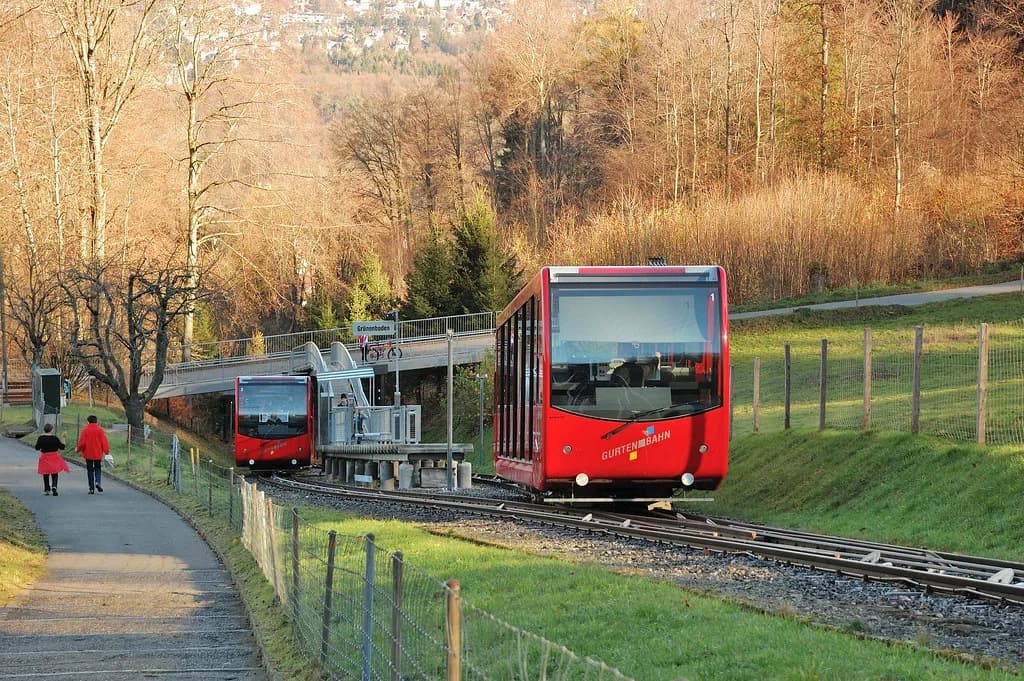
If your trip stretches beyond the center, the funicular up the Gurten is a good half-day filler that leaves the old town free for shopping later. The same logic applies to any viewpoint: do it in the morning and keep the afternoon for the shops.
A Half-Day Bern Route That Ends at the Counter
Start at the Zytglogge, walk the Kramgasse arcades toward the Münster, take the terrace view, then cross the Nydegg bridge for the river and the Kirchenfeld museums. Finish back in the old town at a confiserie so your purchases sit with you, not in a locker, for the rest of the day.
Before you go, confirm the shop's opening days, ask what is made on site, and check your home country's food-import rules. Those three checks take ten minutes and decide whether the box you buy arrives as a gift or as a mess.
Explore more Bern guides
Frequently Asked Questions
Which chocolatiers are worth visiting in Bern?
Bern has small confiseries rather than a chocolate district. Confiserie Tschirren is the Bern confectionery that appears in visitor listings, so it is a reasonable starting point, but treat any single shop as one stop on an old-town walk rather than a destination in itself.
Can I take a chocolate factory tour in Bern?
No factory tour belongs to Bern. The well-known production experiences, such as the Lindt Home of Chocolate, are in the Zürich area, so plan a factory visit as a separate trip and keep Bern for its arcades, museums and river views.
Is chocolate sold in Bern on Sundays?
Swiss shops commonly close on Sunday, so do not assume a Sunday confiserie stop will work. Check the shop's own posted opening days before you plan the day, and put old-town shopping on a weekday if your break is short.
How much does chocolate cost in Bern?
Loose pralines are sold by weight, so the price depends on how many pieces you choose and the per-100-gram rate at that counter. Ask for the rate and have the box weighed in front of you before you commit.
Can I bring Swiss chocolate home to the US, UK or Canada?
Food import rules differ by country and are updated periodically, so check your own country's customs guidance for personal food imports before buying in bulk. Keep receipts with the chocolate in case an officer asks about its value.
How do I keep chocolate from melting on the way home?
Buy late in the trip, keep the box out of a hot suitcase, and carry bars flat and wrapped in clothing. Pralines need a rigid box, and carry-on luggage is usually the safer place for chocolate you care about.
Should I buy chocolate at the airport instead?
Airport shops are convenient but limit you to what is on the shelf at that terminal. Buying in Bern lets you choose loose pralines and ask what is made in-house, which is the reason to shop in town at all.
When is the best time to shop for chocolate in Bern?
Cooler months protect your purchases, and the pre-Christmas weeks are the busiest for confiseries with seasonal shapes and gift boxes. A weekday morning in spring or autumn gives you a calmer counter and time to ask questions.
Sources
Notes for your Swiss city break
Optional updates to our Swiss city guides.
You might also like

Continue reading
More guides you'll find useful