Bern in Autumn: When to Go, What to Do, and What to Wear
Plan a fall city break in Bern with seasonal timing, cool-weather packing advice, rainy-day museum plans, and crowd trade-offs for September and October.
On this page
Bern in autumn is a compact city break for cool air, low golden light and far thinner crowds than summer. Plan around the weather rather than against it: one dry day on the Aare loop and the Old Town rooftops, one wet day inside a museum, and you will use the short daylight well. Late September and October trade warmth for atmosphere, so pack for damp cobblestones and dark afternoons.
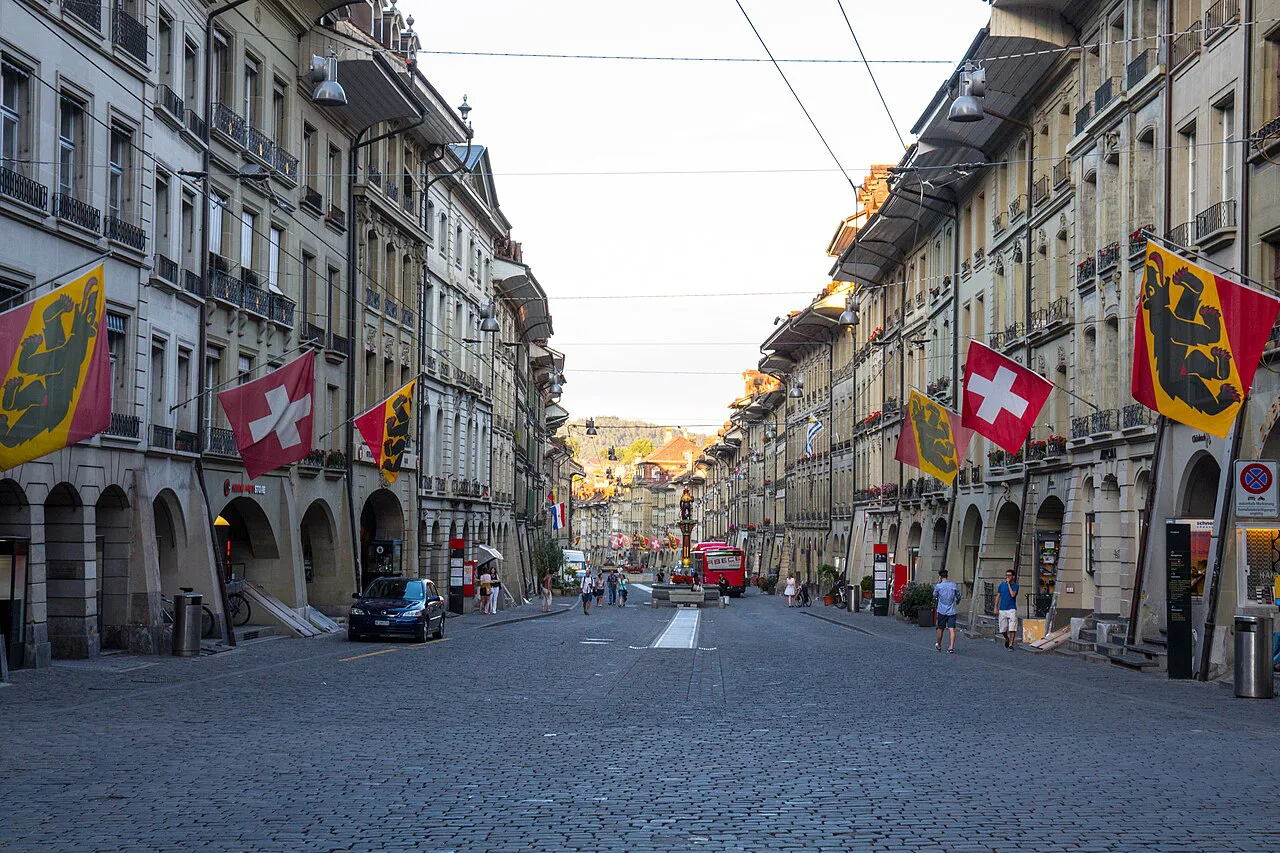
Autumn here is a walking city under arcades that shelter you in light rain, with the Zytglogge clock, the Münster and the river bend all within a short stroll. The season asks for sensible shoes and a flexible daily order, not a long tick-list. Decide each morning whether the sky favors the river or the museum. The best time to visit depends on whether you want mild early-autumn air or quiet late-October streets.
What Bern in Autumn Feels Like
The city sits in a river bend, and autumn turns the trees along the water and the slopes above the rooftops into the main spectacle. Cool mornings, warm midday layers and early dusk are the pattern, so you get the best of the light in the late morning and early afternoon. This is a season for slow wandering through the covered arcades of the Old Town, not for racing between sights.
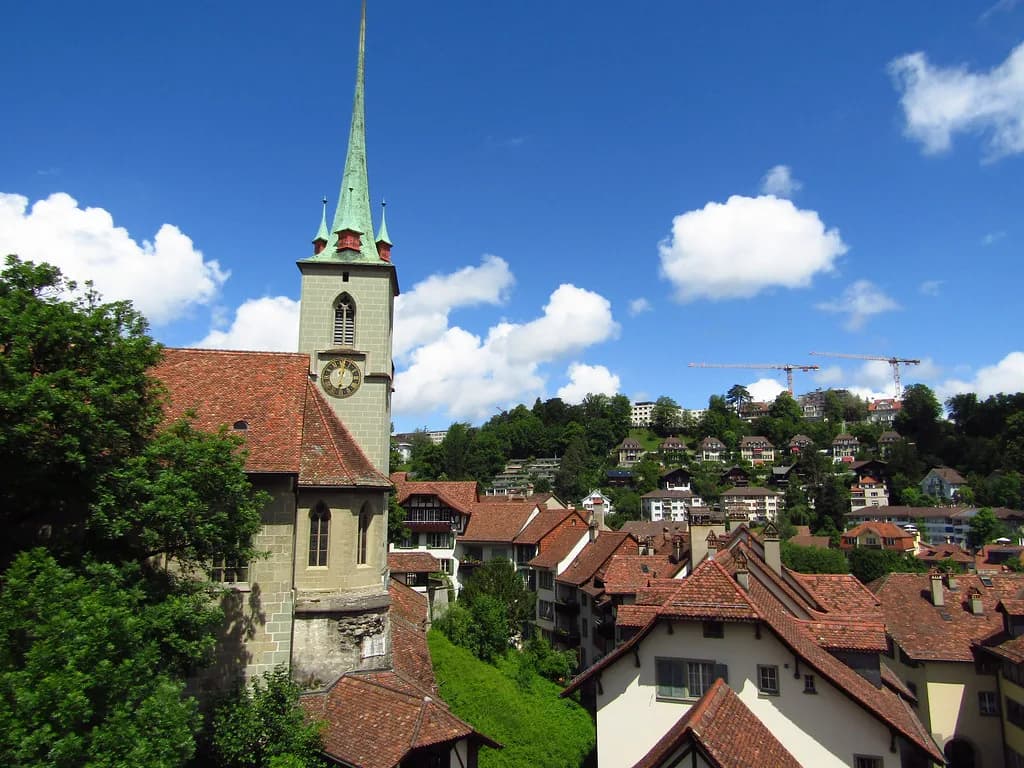
Because the historic center is small, you can cross from the Zytglogge to the Münster terrace in a few minutes and still have time for the river path before lunch. Autumn reduces the crush on these streets, which makes the arcaded shopping lanes genuinely pleasant to explore. The trade-off is shorter usable daylight, so start earlier than you would in summer.
When Autumn Runs and Which Weeks to Aim For
Autumn in Switzerland broadly covers September through November, with the mildest air and longest days at the start and the coolest, dimmest conditions by late October. If you want to walk without heavy layers and still see the leaves turning, aim for late September into mid-October. The last week of October and early November suit travelers who prefer quiet streets and accept grey skies and early sunsets. If you are weighing a second city break on the same seasonal logic, Basel in autumn is the closest comparison.
The surrounding Bern region keeps publishing autumn activities as the season approaches, including seasonal hikes and market-style events. The Swiss tourism board lists autumn hikes in the Bern region, with options such as the Trift Bridge footbridge in Gadmen, a hike of about three hours over six kilometers.
For seasonal markets and fairs, the events calendar for the Bern region is the reliable source, and it is worth checking the listing before you fix your dates. Do not build a trip around a specific cattle show or crafts market until you have confirmed its dates on that calendar. If a fair matters to you, pick your week around it rather than the other way round.
Typical Temperatures and Rain
Treat any temperature figure for Bern as a seasonal average, not a forecast, and check a current climate source for the month you are considering. The practical pattern is mild days in September, noticeably cooler days in October and chillier, damper conditions by November, with rain possible in any week. Build a rain layer into every day rather than hoping for a dry spell.
Rain in Bern is often light and steady rather than dramatic, which is exactly what the arcades are good for. A compact umbrella and a water-resistant outer layer let you keep walking the Old Town instead of retreating. Keep one indoor option open for each afternoon in case the drizzle settles in.
What to Pack for Wet Cobblestones and Cool Evenings
Pack for two temperatures in one day: a base layer, a warm mid-layer and a rain shell that fits over both. Shoes with grip matter more than style here, because the polished cobblestones of the Old Town get slippery in the damp. Add a small umbrella, a scarf for the evening and a bag that keeps a camera dry.
Evenings cool quickly once the sun drops behind the rooftops, so a light insulated jacket earns its space in October. If you plan to walk the river path, add a second pair of shoes so one pair can dry overnight. Layering beats a single heavy coat when the middle of the day still warms up.
Autumn Light on the Aare Loop and the Old Town Rooftops
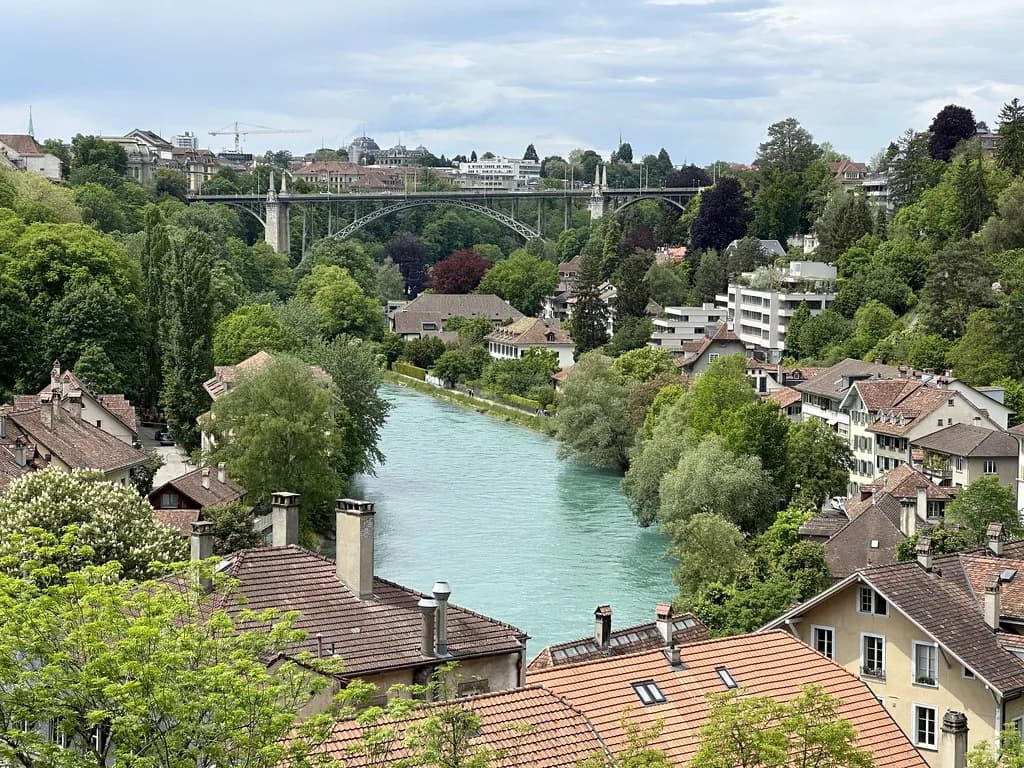
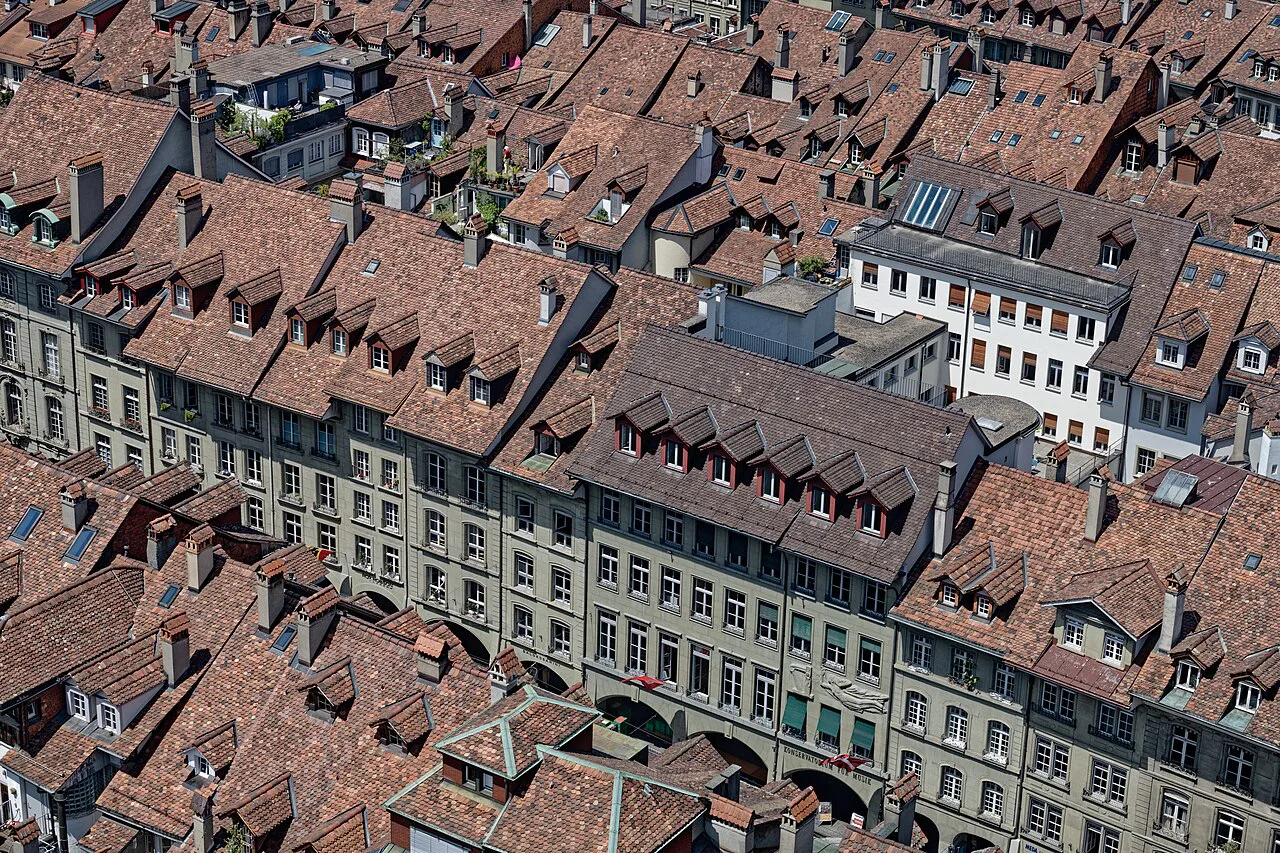
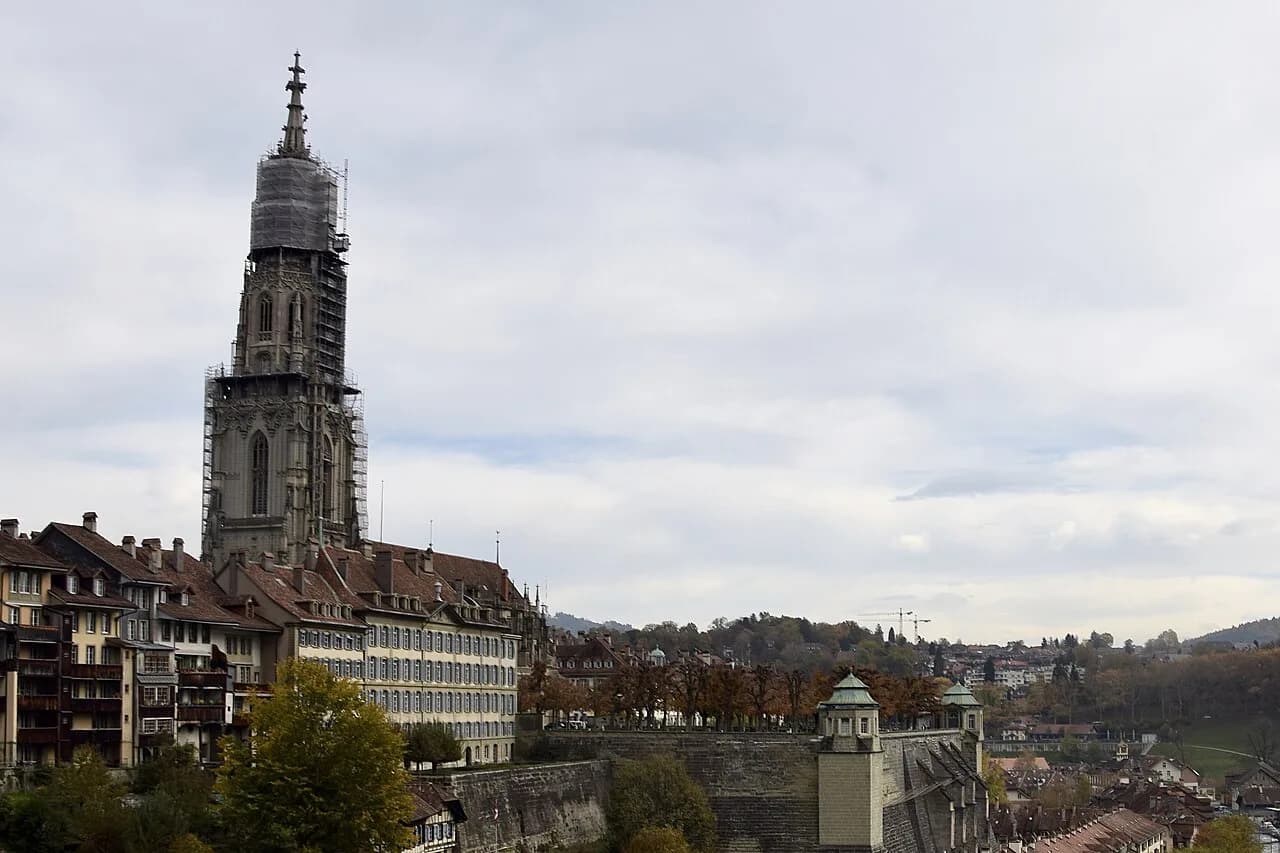
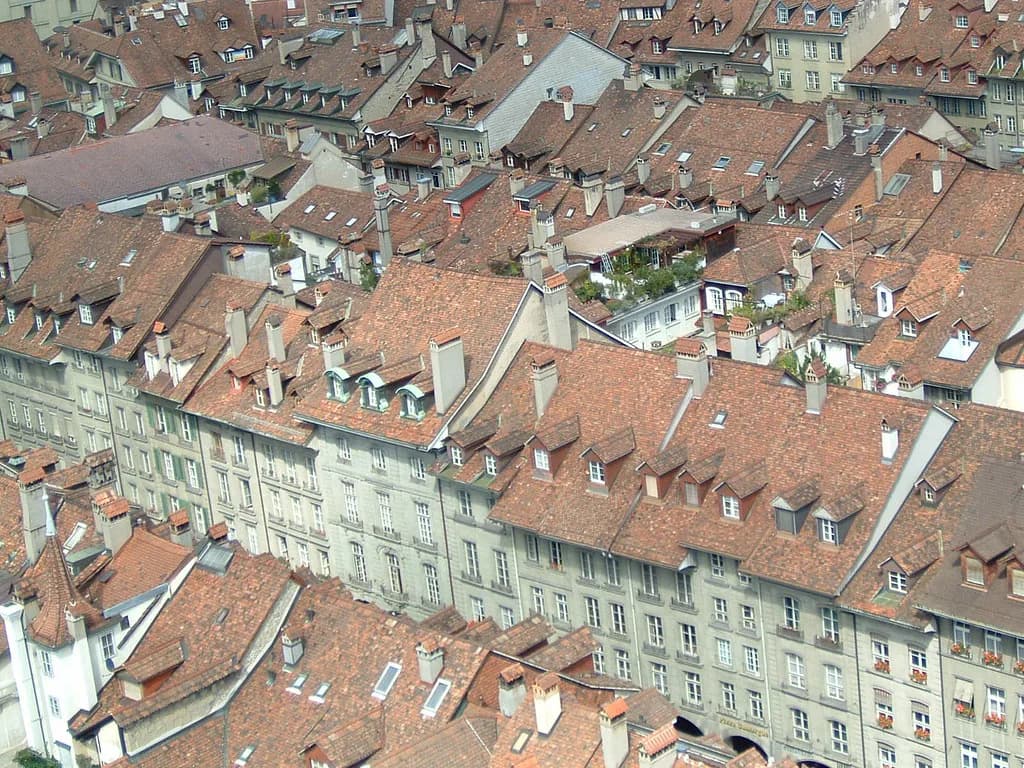
The Aare loop is Bern's defining walk, and autumn light makes it the best free sight in the city. Follow the path along the water below the Old Town, then climb to the terrace by the Münster for the view back over the rooftops and the river bend. Late morning and early afternoon give the warmest side light on the sandstone facades.
From the high bank near the rose garden the whole river bend spreads out below you, and the turning trees frame the scene in gold and rust. This is the view to save for a clear window between showers, since a flat grey sky flattens it. Allow an unhurried hour to walk the loop and stop for photos.
Museum Days for Wet Afternoons
Keep one indoor anchor per rainy day rather than a list, and confirm which museums open on which days before you go. Swiss museums often close on Monday, but opening days vary by institution, so check each one you plan to visit. A wet afternoon is the moment for a single long museum visit rather than three rushed ones.
The city's central sights, the Zytglogge clock tower and the Münster, anchor a compact Old Town circuit you can split around the weather. Do the outdoor stretch when the sky clears and save the interiors for the worst of the rain. This way a wet morning does not wipe out the day.
Open Days: Museums and Sunday Shops
Weekday structure matters more in autumn, when daylight is short and you want to use it outdoors. A common pattern in Swiss cities is Monday closures at museums and Sunday closures at many shops, so check the opening days on the website of the specific museum or store you care about. If a museum is your wet-day backup, look up its timetable first.
Sunday in Bern is best treated as a day for the river, the arcades and the views rather than for shopping. Plan your purchases and any museum visit for the days when those places are open. This single scheduling choice removes most of the frustration from a short autumn trip.
Crowds and Price Trade-Offs: September Against Late October
September brings milder air and longer days but also the tail of the summer crowd, especially on bright weekends. Late October brings low light, early dusk and quieter streets, which suits travelers who value calm over sunshine. Neither month is a bargain season in Bern, because Switzerland stays expensive year-round, so choose your dates for atmosphere rather than savings.
Set a daily budget in Swiss francs before you book and treat the season as a comfort trade-off rather than a discount. Museum admission, meals and transport add up quickly whatever the month. Money-saving passes and city guest cards are worth checking against the eligibility rules in force for your travel dates; Bern Tourism lists the current offers for the Bern region.
What Changes for the Season and How to Plan Around It
Autumn narrows the outdoor window, so front-load the walking and viewpoint time and keep afternoons flexible. Seasonal activities in the wider region, from themed hikes to markets, appear on official listings as they approach, which is the place to confirm what is actually running during your week. Anything you cannot confirm, leave out of the plan rather than gamble on it.
Where a source confirms a route, such as the Trift Bridge hike in the Bern region, you can slot it in as a half day away from the city. Where a listing gives a duration and distance, use those figures to judge whether it fits your daylight.
Two-Day Autumn Plan: One Dry Day, One Wet Day
On a dry day, start at the Zytglogge, walk the arcades to the Münster, climb to the terrace for the rooftop view, then follow the Aare loop before lunch. Spend the afternoon on the high bank near the rose garden and finish with an early dinner as the light goes. This order uses the best light and leaves the evening free.
On a wet day, head indoors for a single museum in the morning, then use the arcades to cross the Old Town for coffee and a look at the clock tower between showers. Save the river for the next clear window rather than walking it in the rain. The result is two satisfying days without exhausting yourself.
Three-Day Autumn Plan With a Half Day Out of the City
Add a third day by pairing the two-day pattern with a half day in the surrounding Bern region. Confirm the opening days of any museum you rely on, then give the remaining time to the Old Town, the Münster terrace and the river. A three-day autumn stay lets you absorb a rainy half day without losing a whole sight.
For the extra day, choose one regional outing confirmed on the official listings rather than stacking several. The autumn hike search for the Bern region lists options with stated duration and distance, which makes planning realistic.
Realistic Daily Costs in Swiss Francs
Switzerland is one of Europe's most expensive destinations, and Bern is no exception in autumn. Budget in Swiss francs across three lines, museum admissions, meals and transport, and check each venue's current admission on its own site because prices change. Keeping one paid museum per day and a simple lunch keeps the total predictable.
Money-saving options exist but should be verified for your dates and eligibility, including rail passes and any city guest card offered with accommodation. Confirm what each pass actually covers before you buy, since validation rules differ. Treat any quoted figure you find online as worth rechecking against the official source.
Common Mistakes on a First Autumn Trip to Bern
The most common error is planning Bern as a checklist and running out of daylight in October. Another is assuming every museum is open every day, which leads to a wasted wet afternoon. A third is under-packing for cold evenings and damp stones and spending the trip uncomfortably.
Fix these by building each day around one outdoor anchor and one indoor backup, confirming opening days in advance, and packing layers plus grippy shoes. Book your dates for the atmosphere you want, mild and busier in early autumn or quiet and dim in late October. That structure turns a short autumn break into an easy one.
Plan Your Fall City Break
Bern rewards travelers who accept autumn's cool, damp character and plan two versions of each day. Use the dry windows for the Aare loop and the rooftop views, and hold a museum for the rain. Pick early autumn for warmth and light or late October for calm and low sun.
For the wider timing picture across the year, compare the seasonal trade-offs before locking in your dates. Then book the week that matches how you want the city to feel.
Explore more Bern guides
Frequently Asked Questions
What is Bern like in autumn?
Bern in autumn is cool and often damp, with low golden light on the Old Town arcades, the Aare loop and the river bend. Crowds thin out compared with summer, which makes the compact historic center easy to walk. Plan outdoor time and an indoor backup for each day.
Which month is autumn in Switzerland?
Autumn in Switzerland broadly runs from September through November, with the mildest weather early and the coolest, dimmest conditions by late October and November. Late September into mid-October usually gives the best balance of light, color and comfort for a city break.
What temperatures should I expect in Bern in autumn?
Expect mild days in September that cool noticeably through October and turn chilly and damp in November. Treat any figures as seasonal averages from a current climate source rather than a forecast, and pack layers and a rain shell for changeable conditions.
How many days do I need in Bern in autumn?
Two days cover the Old Town, the Zytglogge, the Münster terrace and the Aare loop with a wet-day museum. Three days let you add a half day in the surrounding Bern region without losing a sight to bad weather. Autumn daylight is short, so start early.
Is autumn a good time for a city break in Bern?
Yes, if you value quieter streets and atmospheric light over warm sunshine. The trade-offs are early dusk, frequent rain and cool evenings, so choose late September for mild air or late October for calm. Neither season is cheap, so pick dates for atmosphere rather than savings.
What should I pack for Bern in the fall?
Pack a base layer, a warm mid-layer and a rain shell, plus shoes with grip for damp cobblestones and a scarf for cool evenings. A small umbrella and a second pair of shoes help with steady drizzle. Layering works better than one heavy coat when midday warms up.
Sources
Notes for your Swiss city break
Optional updates to our Swiss city guides.
You might also like
Continue reading
More guides you'll find useful