How Many Days in Zürich? What 1, 2 and 3 Days Cover
Two full days cover Zürich's Old Town, Lindenhof and the lakefront. Here is what one, two and three days cover, and how to decide how long to stay.
On this page
Two full days cover Zürich's compact center: the Old Town on both banks of the Limmat, the Lindenhof terrace above it, and a walk along the lakefront. The city is small enough to cross on foot, so a single day already works if it is all the time you have. The real question is whether you want a third day for a mountain or a lake steamer, or a fourth for a slower pace.
Zürich works best as a walking city, not a checklist. Two days let you split the center into a left-bank day for the Lindenhof and the shopping streets and a right-bank day for the Niederdorf lanes and the lakefront. One day compresses both halves into a long loop.
How Zürich Is Laid Out
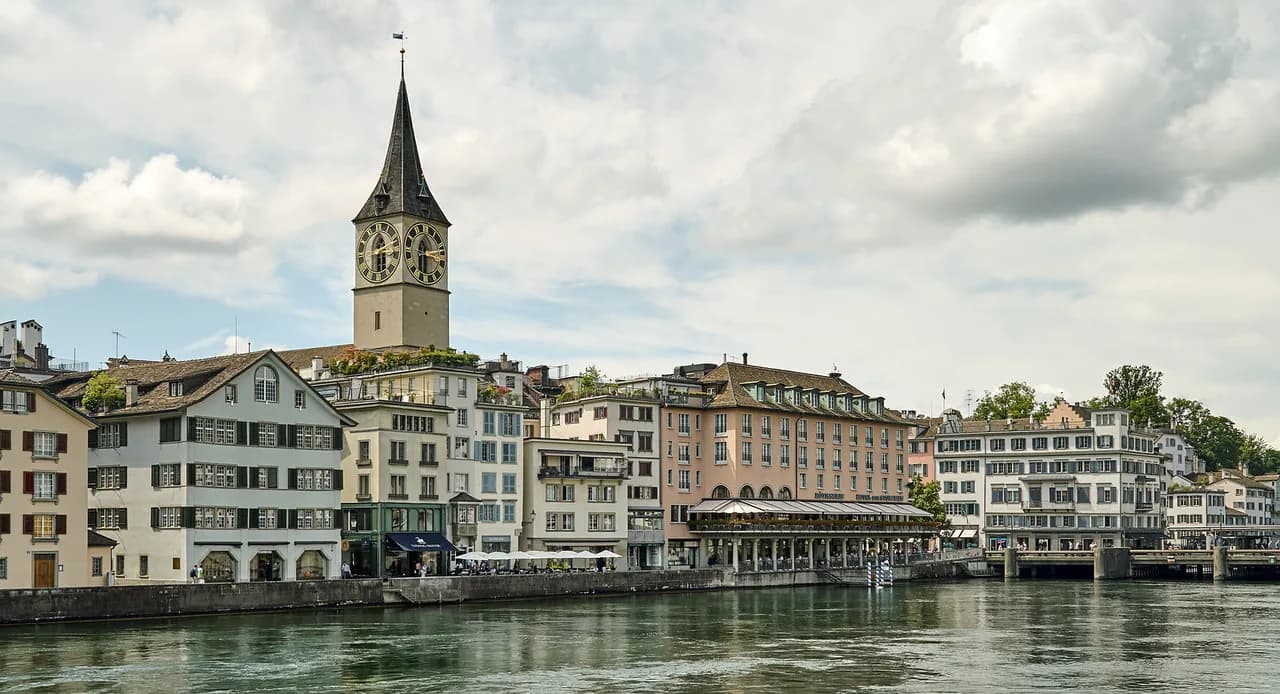
The Limmat splits the Old Town in two. The left bank holds Bahnhofstrasse, the Lindenhof terrace and the lanes around Rennweg; the right bank holds the Niederdorf quarter, the Grossmünster and the riverside promenade at Limmatquai. The Mühlesteg footbridge connects the two banks and is covered in love locks.
From the Hauptbahnhof you can reach the Lindenhof on foot in well under fifteen minutes, and the lakefront at Bürkliplatz shortly after. That geography is why two days feel generous: no metro map is needed, and you never lose time doubling back. Zurich Airport sits a short train ride from the main station, so arrival day still leaves daylight for a first walk.
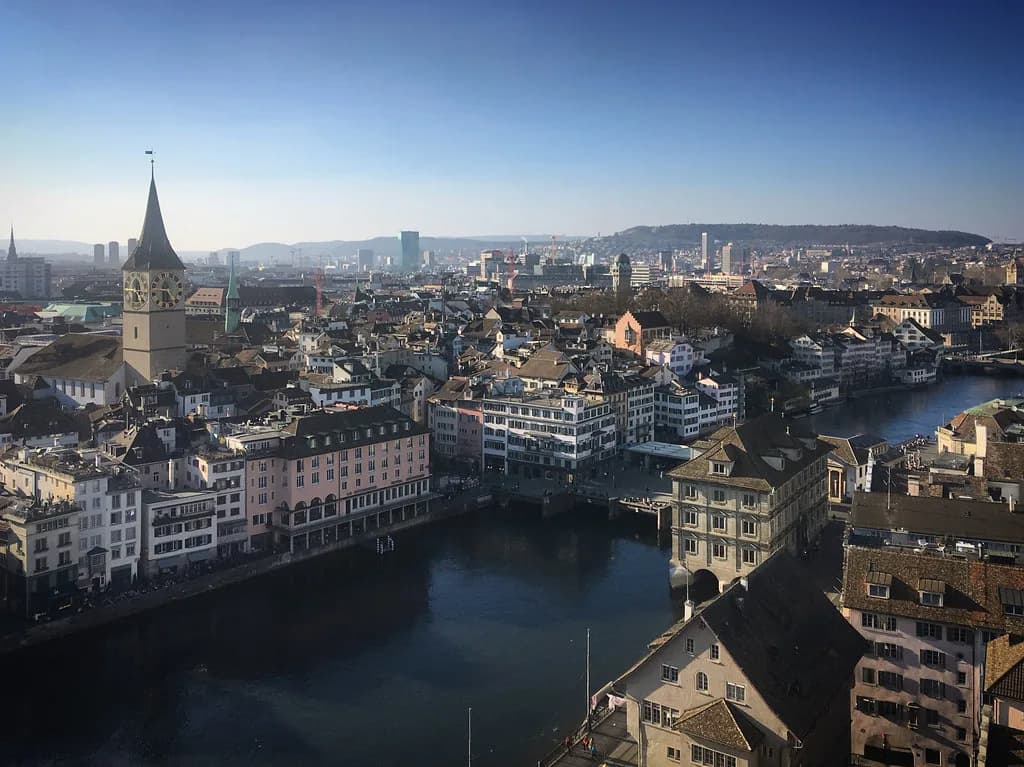
Use the Lindenhof as your anchor. It is a raised green terrace with a giant outdoor chess set and a view down over the Old Town roofs, and it sits within a few minutes of both the river and Bahnhofstrasse. Plan each day around it rather than around transport stops.
One Day in Zürich: The Minimum That Still Works
One day means one loop: start at the Hauptbahnhof, walk down Bahnhofstrasse, climb to the Lindenhof, cross the Mühlesteg into the Niederdorf, then follow Limmatquai to the Grossmünster and out to the lake. That covers the signature views without any backtracking.
What one day costs you is depth. You get the facades, the river and the lakefront, but a museum or a steamer round trip on Lake Zürich would push the day past comfortable. Choose one: a single museum in the morning, or a short boat trip in the afternoon.
A one-day stopover between trains is a real option here because the center is walkable and the station sits at its edge. Treat it as a highlights walk, and accept that the Kunsthaus and the lake boats belong to a longer stay.
Two Days in Zürich: The Sweet Spot
Two days let you split the center without rushing. Give the first morning to the Lindenhof, Bahnhofstrasse and the left-bank lanes, then cross the river for lunch in the Niederdorf and a stretch of Limmatquai. The second day pairs the lakefront at Bürkliplatz with a slower afternoon: a museum, the Grossmünster, or a paddle-steamer hour on Lake Zürich.
Two days is a good amount of time for the city, and it leaves room for the things that slow a visit down rather than just fill it. Zürich is a relatively small city, so two full days allow for enough time to see the center properly. That is the honest trade-off: the extra day is not needed for more sights, it is needed for fewer compromises.
Keep the two days geographically separate. Reserve the left bank plus the Lindenhof for one half-day and the right bank plus the lake for the other, so you cross the Limmat once in each direction rather than four times.
Three Days in Zürich: What the Extra Day Buys You
Three days are enough to get to know everything the city itself offers, with time left over for excursions in the surrounding area. The third day does two things. It adds an excursion, such as a Lucerne day trip, or it slows the second day so you can look properly at the Grossmünster, walk the full lakefront promenade at Bürkliplatz, and still sit down for lunch, a pattern the 3 days in zurich outline follows at a similar pace.
The excursion option is the bigger trade-off. A day out to Lucerne, Mt. Titlis, Mt. Pilatus or the Jungfraujoch region eats most of a day, so a three-day trip with one excursion leaves you only two days in Zürich itself. If Lucerne is the excursion, plan that leg separately too, since how many days in Lucerne depends on whether you add a mountain or a lake steamer. Base your trip in Zürich and day-trip out if you prefer one hotel to three.
If you have the time, three days is where Zürich stops feeling like a stopover and starts feeling like a city break. That said, if your must-sees are all in the Alps, three days in Zürich is more than the city needs.
What a Fourth Day Adds, and When Zürich Stops Being the Right Base
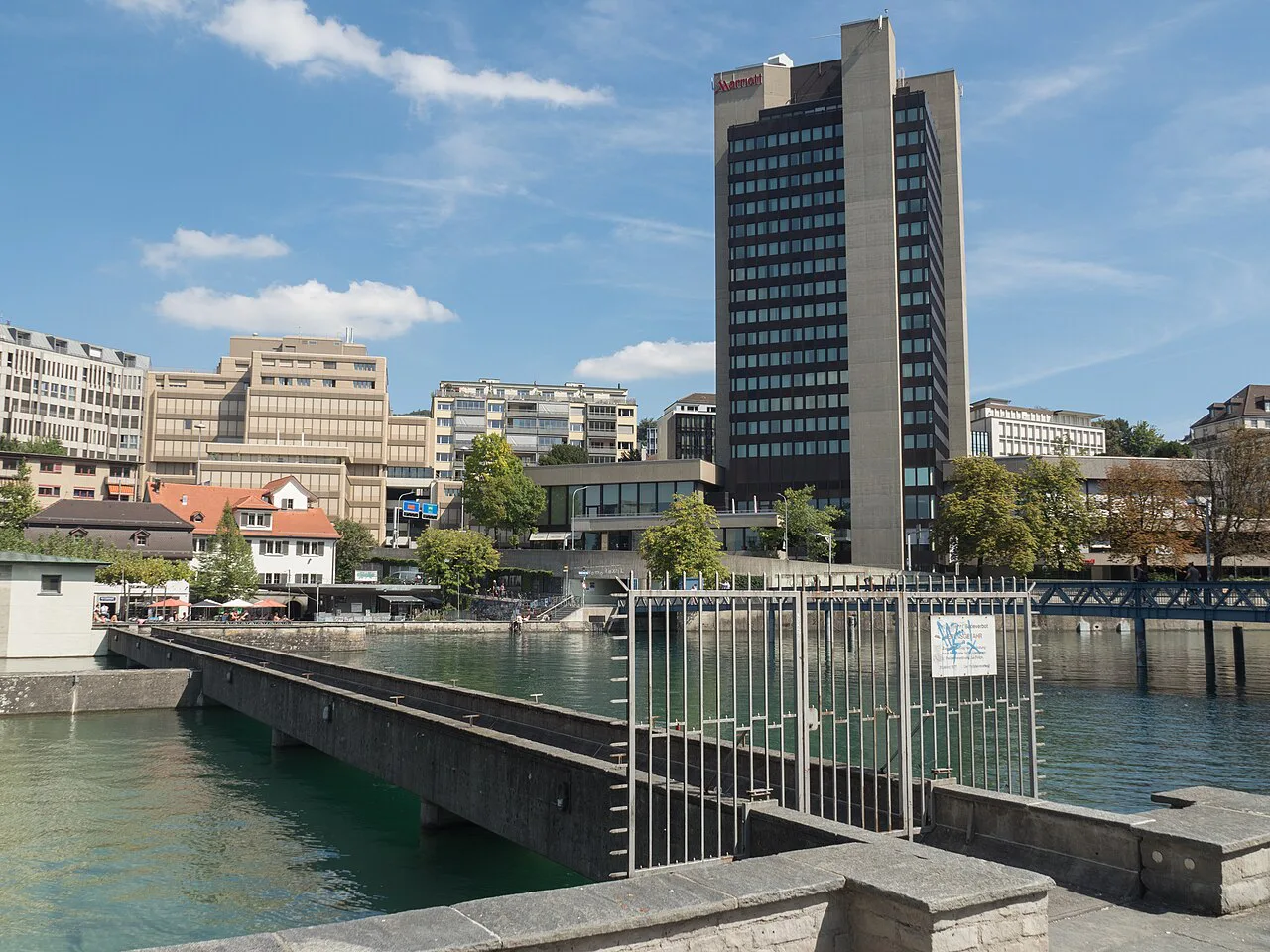
A fourth day is where you can leave the center. Zürich's Old Town and Lindenhof reward a second pass, and a longer trip can spend two nights in Zürich at the start of a route that continues to Lucerne, Interlaken, Montreux and Zermatt.
Zürich stops being the right base once your plans turn to the mountains. If Zermatt or the Jungfrau region is the priority, staying four nights in Zürich means long day trips or wasted hours; moving your base is faster than extending your Zürich stay.
The clue is in your list. Count how many items are inside the city and how many sit more than an hour away: when most of them sit outside, add hotel nights elsewhere rather than days in Zürich, and compare that plan with our 2 days in zurich split before you commit.
When to Choose a Shorter Stay
Choose one day if Zürich is a transport-hub stopover, or if rain has canceled the outdoor plans you came for. On a wet day the covered walk under the arcades of the Old Town and a museum fill the hours, and the lake steamer, the Lindenhof and the riverside walks wait for another trip.
Choose two days if this is your only Swiss city and you want to see it properly without an excursion. Choose three if you want one day out and still want the city itself to feel unhurried.
Money and Timing Decisions That Change the Length of Stay
Zürich is an expensive city, so a longer stay costs more per day than you might expect, even before museum tickets and lake cruises. Set a lodging-and-cash budget for each extra night and decide whether that night buys you something you actually want to do.
Start with the free material: the Lindenhof, the river quays, the lakefront at Bürkliplatz and the Old Town lanes cost nothing and take half a day. Save paid entries for the one museum or boat trip you care about most, and keep the rest of the budget for food and transport.
Pair the day of the week with your indoor plans. Museums keep individual closed days, so confirm the opening days on the specific museum's own site before you lock it into the schedule. That is the one check that can cost you a day.
Where the Days Go: Named Sights and Viewpoints
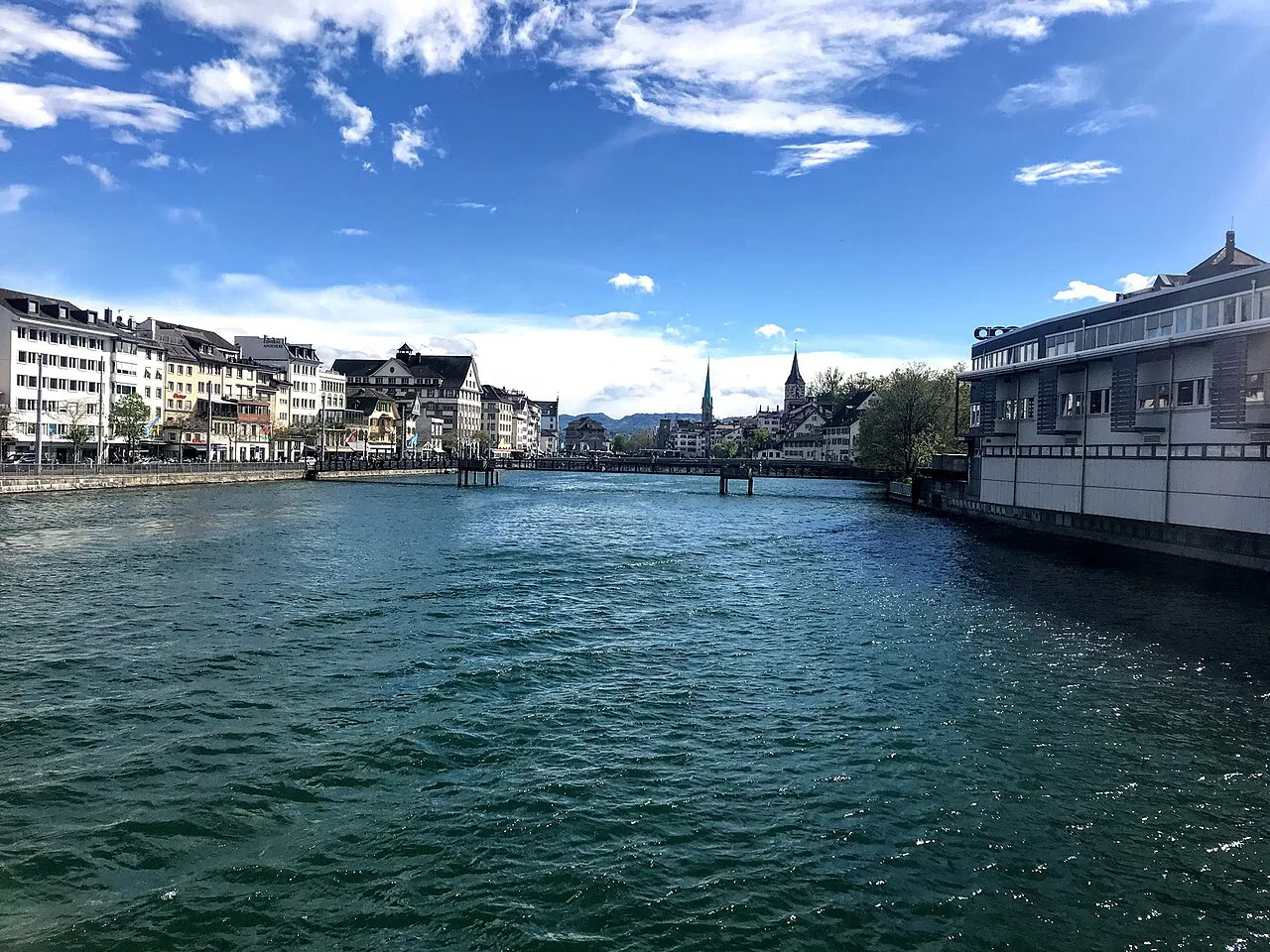
Day one: the Hauptbahnhof, Bahnhofstrasse, the Lindenhof for the view, the Mühlesteg, then the Niederdorf lanes and Limmatquai. Day two: the Grossmünster, the lakefront at Bürkliplatz, a boat trip on Lake Zürich, and an afternoon near the Opera House on the lake's eastern shore.
A Zürich itinerary built around street art adds the murals of Harald Naegeli, whose figures survive on walls across the city. They give a second day a theme and force you into streets you would otherwise skip.
Add a viewpoint and a boat, and the day count writes itself. If your list is Lindenhof, Limmatquai, the Mühlesteg footbridge and a lake steamer, two days is comfortable; add the Grossmünster interior and a museum and you want three.
Common Planning Mistakes
The first mistake is overloading day one. Arrival time rarely matches the plan, and a sprawling loop from the station down Bahnhofstrasse to the lake and back across the river leaves no energy for the evening. Pick the left bank or the right bank, not both.
The second is assuming everything is open every day. Museums keep individual closed days, so a Monday or Tuesday plan built entirely around one collection can collapse. Spread the fixed-entry items across two days and keep one walking half-day as a spare.
The third is treating Zürich as a base for the whole country. The center is a half-day walk, and long day trips out of it cost the very hours you would rather spend on the Lindenhof.
Pick Two or Three Days by What You Want to See
Choose one day if you are changing trains, two if Zürich is your destination, and three if you want one excursion without giving up a relaxed city day. Those answers come from your own must-see list rather than from a generic checklist.
Keep the city center on foot, put the Lindenhof at the middle of each day, and decide your excursion before you book nights. Sort the indoor stops by their own opening days, and the rest follows.
Explore more Zürich guides
Frequently Asked Questions
How many days do you need in Zürich?
Two full days suit most visitors. That covers the Old Town on both banks of the Limmat, the Lindenhof terrace, Bahnhofstrasse and a lakefront walk, all on foot and without rushing. One day works as a stopover, and a third day is best spent on an excursion out of the city or on a slower second pass through the center.
Is two days enough for Zürich?
Yes, for the city itself. The center is compact: the Hauptbahnhof, Lindenhof, the Mühlesteg footbridge and the lakefront at Bürkliplatz sit within a short walk of each other. Two days leave room for one museum and a boat trip on Lake Zürich. What they do not cover is a mountain excursion, which needs its own day.
What can you see in Zürich in one day?
A single loop covers the highlights: Bahnhofstrasse, the Lindenhof for the view over the Old Town roofs, the Mühlesteg footbridge into the Niederdorf, Limmatquai, the Grossmünster and the lakefront at Bürkliplatz. Choose either one museum in the morning or a short lake boat in the afternoon; trying to fit both makes the day rushed.
Is Zürich Old Town worth seeing?
It is the reason to come. The Altstadt sits on both banks of the Limmat, with the Niederdorf lanes and Limmatquai on the right bank and Bahnhofstrasse and the Lindenhof on the left, linked by the Mühlesteg footbridge. Half a day of walking covers the core, and it costs nothing beyond what you spend in cafés.
Should I stay three days in Zürich or move on?
Stay three days only if you want an excursion without giving up a relaxed city day, for example a day trip to Lucerne. If your priorities are Zermatt or the Jungfrau region, move your base instead of extending Zürich: long day trips from the city eat the hours you would otherwise spend sightseeing.
Is Zürich a good base for a short Switzerland trip?
It works well for the city plus one excursion, because the center is walkable and the airport sits a short train ride from the Hauptbahnhof. It stops working once the mountains are the main event. A common pattern is two nights in Zürich, then Lucerne, Interlaken and Zermatt, which keeps travel legs short.
Sources
Notes for your Swiss city break
Optional updates to our Swiss city guides.
You might also like

Continue reading
More guides you'll find useful