Is Zürich Expensive? What a City Break Really Costs in CHF
Yes, Zürich is one of Europe's priciest cities. Here are typical costs in Swiss francs for meals, transport and the Zürich Card, plus ways to spend less.
On this page
Yes, Zürich is expensive, and a budget traveler should plan on roughly CHF 150 to 200 a day while a mid-range visitor spends closer to CHF 300 to 400. Those ranges come from a 2025 cost breakdown that lists budget lodging, supermarket meals and selective paid attractions as the staples of the cheaper figure. The good news is that the city center is compact and walkable, so a lot of what makes Zürich memorable costs nothing beyond your own two feet.
The numbers below are typical ranges rather than quotes, and they are in Swiss francs. Treat them as a planning baseline, then check current prices on the Zürich Card and transit pages before you book.
Why Prices Are High: Strong Franc, High Wages, Limited Space
Zürich sits near the top of global cost-of-living tables, and in 2025 it was ranked the world's most expensive city on the Numbeo Cost of Living Index with a score of 112.5 against a New York baseline of 100. That measure excludes rent, and once housing is counted Zürich slips to second behind New York. Six Swiss cities appear in the global top ten, which says as much about Switzerland's price level as about Zürich itself.
Three forces push everyday prices up. Average monthly salaries in the city run around CHF 7,048, which lets businesses charge premium prices; the Swiss franc is strong, so visitors from the US, UK and Canada feel every purchase more sharply; and limited buildable land plus a small domestic market keeps goods and services costly. The payoff shows up in clean streets, safe evenings and public transport that runs like clockwork, and that quality is what your francs buy alongside the scenery.
What a Day Costs: Budget and Mid-Range Totals in CHF
A budget day in Zürich runs about CHF 150 to 200 and a mid-range day about CHF 300 to 400. The cheaper figure assumes a hostel dormitory or budget hotel, grocery-store meals, public transport and mostly free activities with a few paid sights. The mid-range figure adds a private room, regular restaurant meals and several paid attractions.
Published averages are useful for calibration: visitors are often reported at CHF 250 to 350 a day, with a budget hotel night at CHF 150 to 250 and a mid-range hotel night at CHF 250 to 400. Prices rise by roughly 20 to 30 percent in June through August, so a May or September trip stretches the same budget further.
Meals and Coffee: What You Pay and Where It Drops
Food is where Zürich bites hardest. Coffee typically costs CHF 4.50 to 7, a fast-food combo CHF 15 to 20 and an inexpensive restaurant meal CHF 25 to 35, while a three-course dinner for two at a mid-range restaurant lands between CHF 100 and 150. Street food and takeaway sandwiches sit at CHF 10 to 15, which makes a quick lunch the single easiest saving of the day.
Lunch specials, known as Tagesmenu, typically cost CHF 20 to 25 and are markedly cheaper than the same kitchen's dinner menu. University cafeterias open to the public serve meals for CHF 12 to 18, and self-catering from Migros, Coop, Aldi, Lidl or Denner cuts food costs further, with discount chains running 10 to 30 percent below the big two. A strategy of supermarket breakfast, lunch special and one proper dinner keeps a couple well inside the mid-range band.
Getting Around: Single Tickets, Day Passes and the Zürich Card
A single public transport ticket costs about CHF 4.40, and a monthly pass runs CHF 85 to 100, so a handful of rides a day adds up quickly. The Zürich Card bundles unlimited public transport with museum discounts: CHF 27 for 24 hours and CHF 53 for 72 hours. The card pays off on a museum-heavy day or when you plan to ride trams between neighborhoods rather than walk.
Most of the classic center fits on foot, which makes the card a genuine trade-off rather than an automatic buy. If your plan is a one day in zurich loop of the Old Town, the lakefront and Lindenhof Hill, individual tickets may cost less than a card. If you intend to add museums and a couple of tram hops, the 24-hour card usually wins.
Sights and Museums: Typical Entry Prices and the Free Center
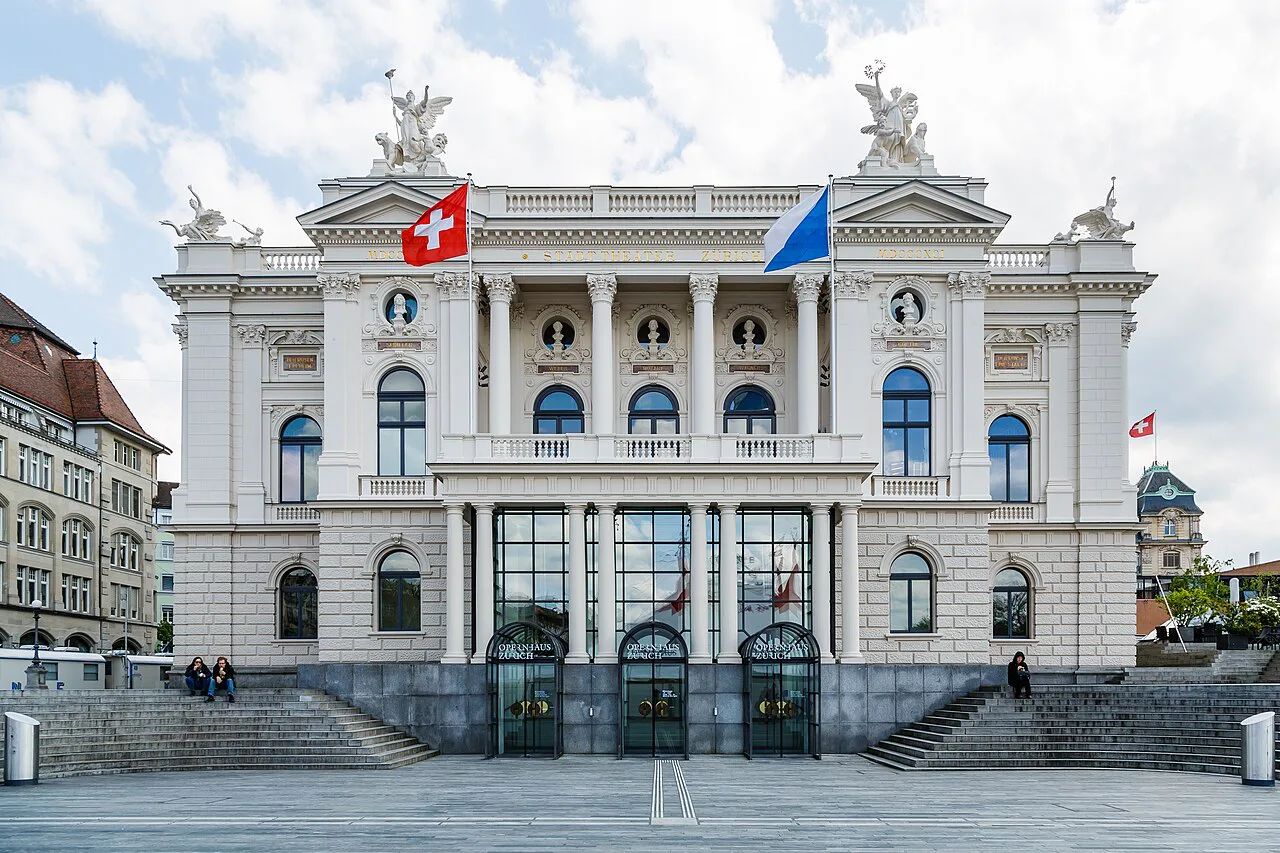
Museum entry averages CHF 15 to 25, which is modest next to meals and lodging but adds up over several days. The free sightseeing is the real bargain: the lakefront promenade, the medieval lanes of the Old Town, the view from Lindenhof Hill and the churches around the center cost nothing to walk past. Budget a couple of paid museums rather than a long list, and use the Zürich Card discount where it applies.
Spreading the free sights across a loose route is the practical move. A walkable plan that strings together the lakefront, the Old Town and a viewpoint leaves room in the budget for one or two indoor stops.
A Sample Budget Day in Zürich in CHF
Here is a realistic budget day using the published ranges: CHF 4.50 to 7 for coffee, CHF 10 to 15 for a takeaway lunch, CHF 20 to 25 for a lunch special if you sit down, CHF 4.40 for a single tram ticket or CHF 27 for a 24-hour Zürich Card, and CHF 15 to 25 for one museum. Add a supermarket dinner at roughly CHF 12 to 18 and the day lands well inside the CHF 150 to 200 budget band once a hostel bed is factored in at CHF 40 to 60.
Mid-range travelers can swap the hostel for a mid-range hotel night at CHF 250 to 400 and the takeaway for a CHF 25 to 35 restaurant meal, which pushes the day toward CHF 300 to 400. The jump comes almost entirely from lodging and dinner, so those are the two lines to control first.
Money-Saving Choices That Actually Work
The savings that move the needle are boring and repeatable. Book well ahead, travel in low season, eat your main meal at lunch, self-cater breakfast from a supermarket and carry a refillable bottle. Sticking to the center on foot removes transit costs entirely, and the compact layout means most first-time sights are within a comfortable walk of each other.
Taxis are the fastest way to blow the budget, with a starting fare of CHF 6 to 8 and CHF 3 to 4 per kilometer, so reserve them for late nights or heavy luggage. If your trip is a short weekend, front-load the free sights and save the paid museums for a rainy afternoon. A two days in zurich plan built this way keeps costs predictable without turning the trip into a picnic-only holiday.
Is Zürich More Expensive Than London or New York?
Against London, Zürich is generally 7 to 32 percent more expensive overall, and food shows the widest gap: an inexpensive restaurant meal is 30 to 60 percent pricier and coffee runs CHF 4.50 to 7 against roughly £3 to 4.50. Public transport is a mixed picture, with higher single tickets but a comparatively affordable monthly pass.
Against New York, the Numbeo index puts Zürich at 112.5 on a New York baseline of 100 for everyday goods and services, and only when rent is included does Zürich fall behind New York. In practice a US visitor from a major coastal city will find Zürich familiar rather than shocking on food and transport, and harder on lodging and everyday groceries. Readers weighing other Swiss cities can compare notes in Zürich vs Geneva, and anyone wondering whether is switzerland expensive overall can check the national figures against these city costs.
Is Zürich Worth the Cost?
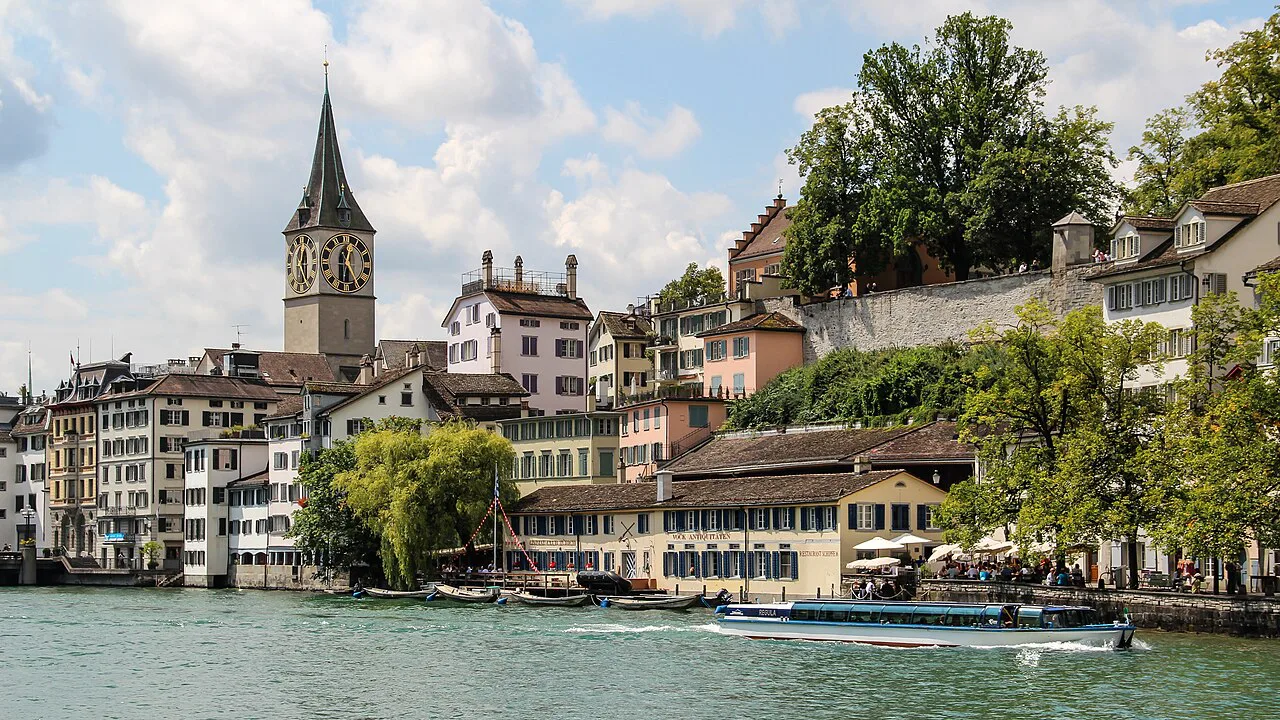
The honest case is that Zürich's prices buy efficiency, safety and cleanliness as much as scenery. Trams run on time, streets are spotless, the lakefront is free and open, and the compact center means you spend less time and money moving between sights than in most European cities. Whether that justifies the premium depends on what you value, and readers weighing it can read is zurich worth visiting before committing.
Travelers who plan a couple of days and accept a high daily baseline tend to enjoy it most. Those on a tight budget can still have a good trip by leaning on supermarkets, lunch specials and the free center, but the baseline is high enough that Zürich is rarely a cheap stop on a European tour. You can sketch the shape of the trip before booking with how many days in zurich.
How This Fits a Zürich City Break
Cost planning and itinerary planning are the same exercise in Zürich, because the free sights and the paid ones sit close together. A sensible shape is one day on the lakefront and Old Town, one day for museums and a viewpoint and a third for a slower wander, which gives you room to swap a museum for a walk when the weather turns. The 3 days in zurich plan maps that out in detail.
If food and transit are the two biggest variable costs, then the trips that feel most expensive are the ones with the least structure. Build the day around walking, one paid museum and a lunch special, and the rest of the budget takes care of itself. Zurich Attractions covers the individual sights if you want to pick them one by one.
Verdict: Who Feels the Pinch and How to Plan Around It
Zürich is expensive, and the people who feel it most are travelers who book late, eat dinner out every night and take a taxi across the center. Booking months ahead, eating the main meal at midday, using supermarkets for breakfast and walking the compact center flips the same trip into a manageable budget. The daily ranges of CHF 150 to 200 for budget travel and CHF 300 to 400 for mid-range give you a realistic starting point.
Go in with clear numbers and the city rewards you with a walkable, safe and remarkably clean base for a few days. If you want to see how far each franc stretches, read zurich on a budget for a tighter version of the same plan.
Frequently Asked Questions
How much does a meal cost in Zürich?
An inexpensive restaurant meal typically costs about CHF 25 to 35, a fast-food combo about CHF 15 to 20, and a three-course dinner for two at a mid-range restaurant about CHF 100 to 150. Lunch specials are a cheaper way to eat well, and street food or takeaway runs about CHF 10 to 15.
Is Zürich expensive as a tourist?
Yes. Budget travelers should plan on roughly CHF 150 to 200 a day and mid-range travelers CHF 300 to 400, with lodging and dinner the biggest lines. Free sights like the lakefront and the Old Town let you spend a day in the center without paying entry fees.
Is Zürich or New York City more expensive?
On everyday goods and services Zürich outranks New York on the Numbeo Cost of Living Index, scoring 112.5 against a New York baseline of 100 in 2025. Once housing is included, Zürich falls to second behind New York.
Is Zürich more expensive than London?
Generally yes. Zürich is roughly 7 to 32 percent more expensive than London overall, with food showing the widest gap: an inexpensive restaurant meal is 30 to 60 percent pricier. Public transport is mixed, with higher single tickets but a comparatively affordable monthly pass.
Why is Zürich so expensive?
High average wages, a strong Swiss franc, limited buildable land and a small domestic market all push prices up. The quality that comes with those prices, from clean streets to efficient public transport, is part of what visitors pay for.
How much should I budget per day in Zürich?
Plan on about CHF 150 to 200 a day for budget travel and CHF 300 to 400 for mid-range, with figures rising by 20 to 30 percent in June through August. Those ranges cover lodging, meals, transport and a few paid attractions.
Is the Zürich Card worth it?
It depends on your plan. The 24-hour card costs CHF 27 and the 72-hour card CHF 53, both with unlimited public transport and museum discounts. It pays off on museum-heavy days or when you plan to ride trams often; if you mostly walk the center, single tickets can cost less.
Sources
Notes for your Swiss city break
Optional updates to our Swiss city guides.
You might also like
Continue reading
More guides you'll find useful