Zürich vs Geneva: Which Swiss City Break Fits Your Trip
Zürich vs Geneva comes down to language, size, mood and setting. Compare what each city does best so you can pick the right one for a short Swiss break.
On this page
Pick Zürich if you want the bigger, busier Swiss city with a lake and river scene and a German-speaking street culture. Pick Geneva if you want a smaller, French-speaking city that is quicker to cross on foot and carries a distinctly international, institutional character. The choice is less about which city is better and more about which one matches the trip you are actually taking.
Language and Everyday Culture
The most obvious difference is the language: Geneva runs in French, while Zürich speaks German, or more precisely Swiss German, and most people in both cities are multilingual enough that English carries a visitor through either. The language pulls each city toward a different cultural orbit, Germany for Zürich and France for Geneva. On a short break that shows up in small things like signage, café habits and how quickly conversations start.
Geneva has a reputation for a more relaxed pace, from longer meals to unhurried small talk, while Zürich tends to feel more time-efficient and businesslike. Those are broad strokes rather than rules, and younger residents of both cities have more in common than the stereotypes suggest. Treat the difference as a mood to plan around rather than a reason to rule a city out.
Size and Layout
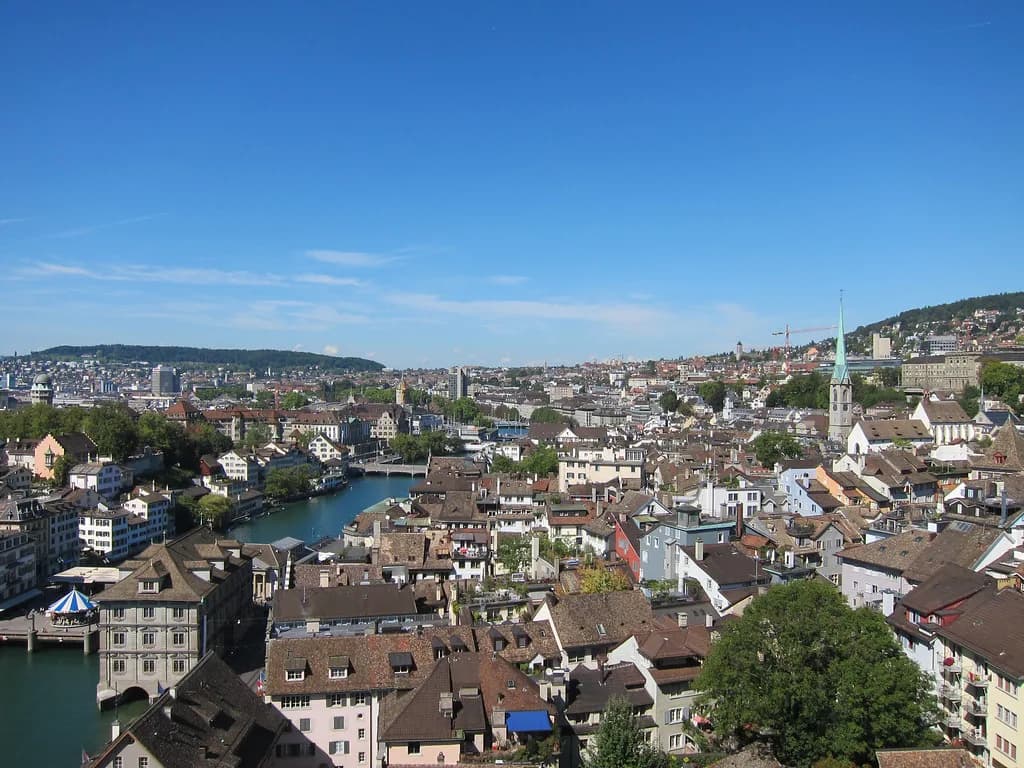
Zürich is the larger of the two by a wide margin, with a metropolitan population above 1.3 million, roughly 15 percent of Switzerland's total, against around 500,000 in Geneva. Zürich is also considerably denser, with a population density about two thirds higher than Geneva's.
That density cuts both ways: Zürich packs more into a walkable core but feels busier, while Geneva's smaller, less crowded footprint makes it easier to get around and quicker to cover. If your priority is seeing a lot without long transfers, Geneva rewards a short stay. If you want a city with more layers to peel over two or three days, Zürich has more to work with, and our guide to how many days zurich needs breaks down what one, two and three days actually cover.
Two Different City Identities
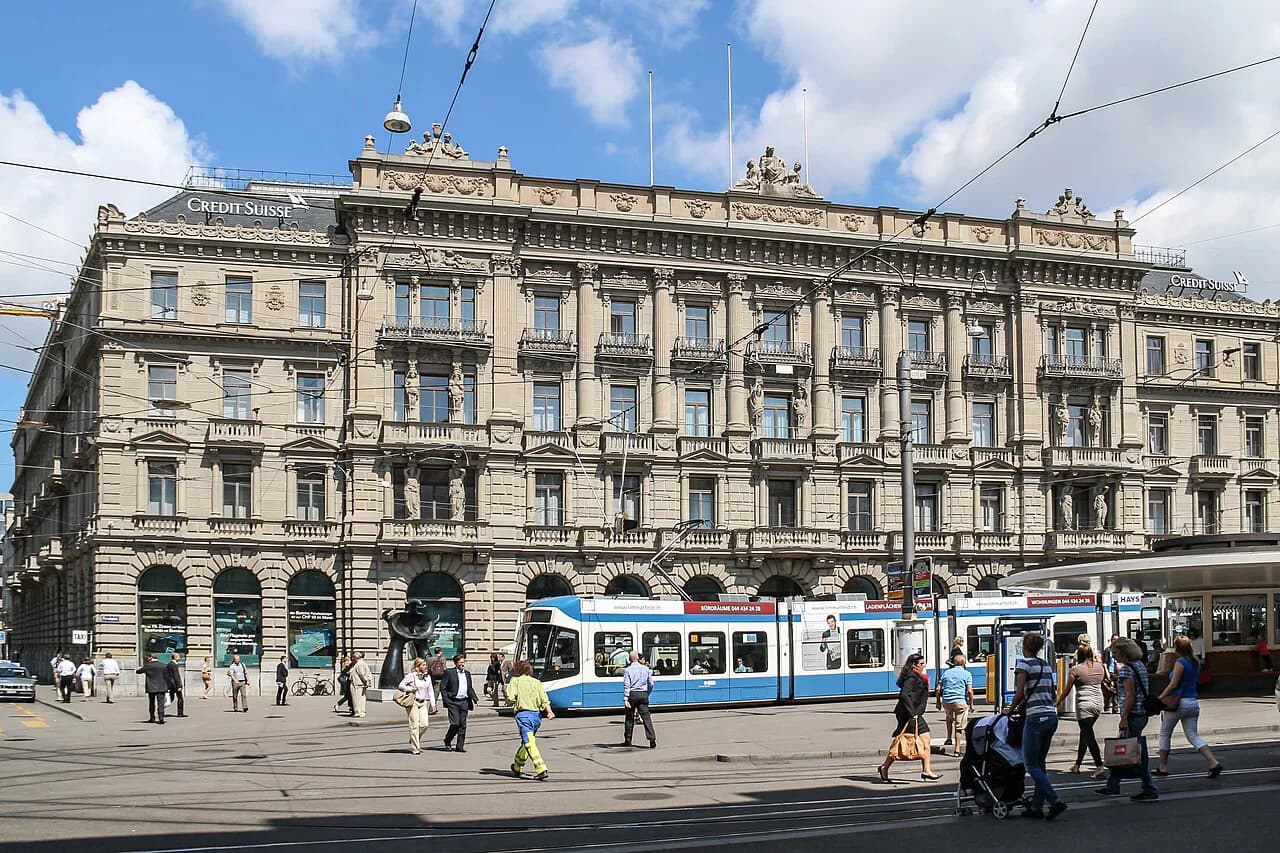
Zürich reads as a Swiss corporate town, home to major Swiss companies, and keeps a traditional face with Swiss architecture and classic local food on offer, so you know which country you are in when you walk through it. Geneva hosts the World Trade Organization, the World Health Organization and the International Committee of the Red Cross, which gives the city a global, multilingual feel that shows up in its streets and its food scene.
Neither identity is a better holiday: Zürich offers the more conventionally Swiss experience, Geneva the more cosmopolitan one. Travelers who want postcard Swissness lean Zürich; those who want an international city with a French accent lean Geneva. If you are still weighing whether Zürich earns a place on your route at all, our honest answer on is zurich worth visiting sets out the case for and against.
Weather Through the Year
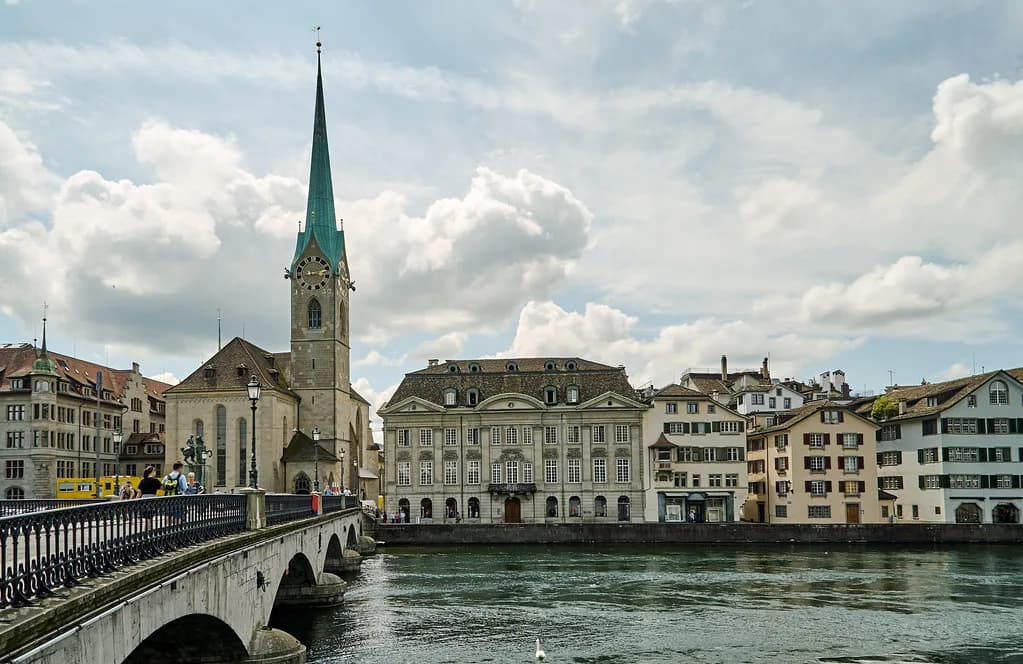
Geneva runs on average 1 to 2 degrees warmer than Zürich across the year, though both cities have warm summers and cold winters. Zürich's river and lake culture comes alive in summer, while Geneva's setting on Lake Geneva (Lac Léman) gives it its own waterfront season. These are typical averages, not a forecast, so use them to choose a season rather than a specific week.
In practice the temperature gap is small and rarely the deciding factor. Pick your dates around what you want to do outdoors, and check our guide to the best time to visit zurich for how the seasons shape a Zürich trip.
What That Means for a Two- or Three-Day Plan
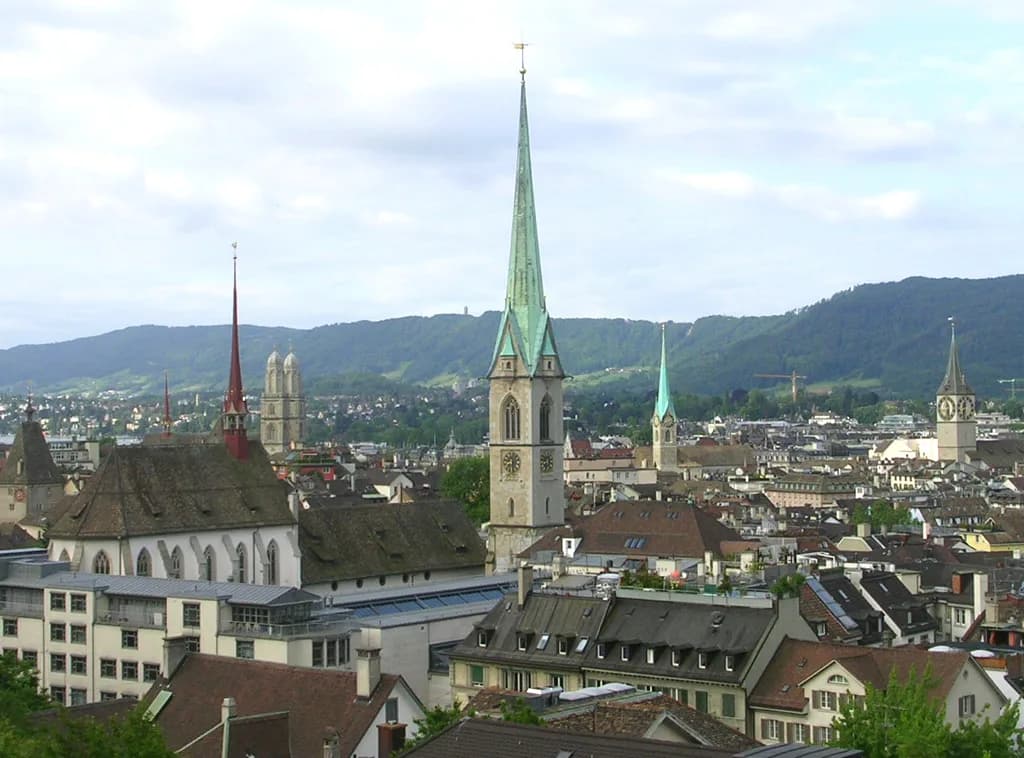
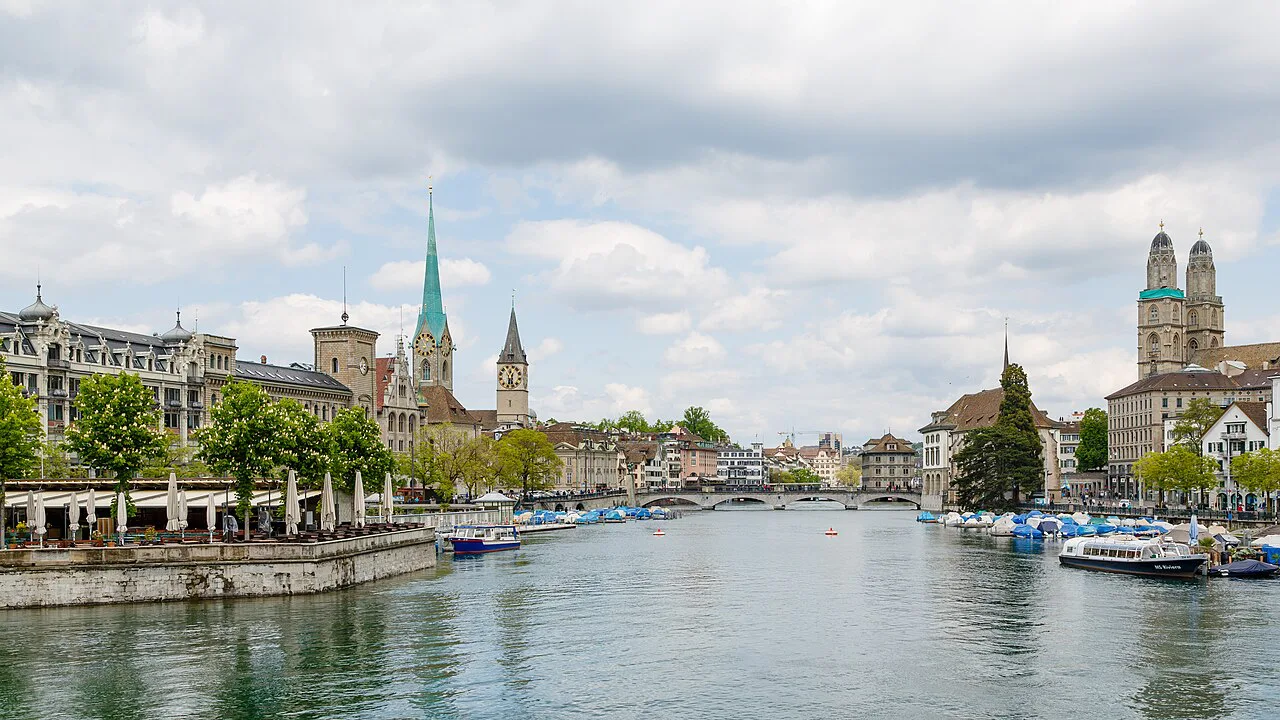
In Zürich, three days lets you spread out: a day for the old core and its churches, a day along the lake and river, and a day for a museum or a neighborhood further out. Our 3 days in zurich itinerary builds that structure with named stops and realistic walking times. With only a weekend, the 2 days in zurich plan trims it to the essentials.
Geneva's compact footprint means two days covers the core comfortably, with time left for the lakefront and the international quarter. Because the city is easier to cross, you spend less of a short break in transit and more of it on foot. If your whole Swiss stop is a single day in either city, keep ambitions modest and concentrate on one district.
Cost Expectations in Swiss Francs
Both cities sit in the expensive tier of European city breaks, and neither is a budget destination. Expect everyday costs, from coffee to museum tickets, to add up fast in Swiss francs, and plan a daily buffer rather than counting on cheap extras. Our breakdown of is zurich expensive works through what a city break really costs in CHF so you can size a realistic budget.
Ways to keep spending down include building a walkable itinerary around free viewpoints and streets rather than paid attractions for every slot. Our zurich on a budget guide collects the lower-cost ways to fill a day, and Lindenhof Hill is the kind of free stop that earns a place on a short plan.
When Zürich Is the Better Pick
Choose Zürich if you want the fuller city experience: more districts to explore, a livelier street scene, and a lake and river setting that gives summer days a natural rhythm. It suits travelers with two or three days who would rather go deeper into one city than tick off two. It also suits anyone who wants the classic Swiss urban picture, with traditional architecture and local food in the frame.
When Geneva Is the Better Pick
Choose Geneva if you want a French-speaking city with a global, institutional character and a layout that is easy to cross on foot. Its smaller size makes it the better fit for a tight schedule, a first Swiss stop, or a trip where the city is one part of a longer route. Travelers who value a more laid-back daily pace and a waterfront setting will also feel more at home there.
A Quick Side-by-Side and How to Decide
Line the two up: Zürich is larger and denser, German-speaking, corporate and traditional, and needs more time to do justice. Geneva is smaller and easier to cross, French-speaking, international and institutional, and covers well in two days. Geneva is marginally warmer on average, but the gap is small enough to ignore when choosing dates.
Decide by your constraints first: days available, whether you want Swiss or international flavor, and how much walking between sights you want to do. Then confirm the practical details, from museum opening days to ticket prices in CHF, on each venue's own site before you lock the plan.
Plan Your Visit
Zürich wins on depth and variety; Geneva wins on ease and international character. Match the city to the number of days you have and the mood you want, and the decision becomes straightforward. From there, build the day-by-day plan and confirm opening days and prices directly with each sight before you travel.
Explore more Zürich guides
Frequently Asked Questions
Should I go to Zürich or Geneva for a short Swiss city break?
Go to Zürich if you want the larger, denser city with a German-speaking street culture, corporate identity and a lake and river scene that rewards two or three days. Go to Geneva if you want the smaller, French-speaking city, quicker to cross on foot and shaped by international organizations, which covers comfortably in about two days. Neither is objectively better; the number of days you have and the flavor you want decide it.
Is Geneva or Zürich easier to get around?
Geneva is the easier of the two to cross. It has roughly 500,000 residents against Zürich's metropolitan population above 1.3 million, and Zürich's population density is about two thirds higher, so Geneva's footprint is smaller and less crowded. That makes Geneva a good fit for a tight schedule, while Zürich rewards more time on the ground.
Is Geneva warmer than Zürich?
Geneva runs on average 1 to 2 degrees warmer than Zürich across the year, although both cities have warm summers and cold winters. These are typical averages rather than a forecast, and the gap is small enough that it rarely decides which city to visit. Choose your dates around what you want to do outdoors instead.
What is the main difference between Zürich and Geneva?
Language and character. Zürich is German-speaking, with Swiss German on the street, and reads as a corporate Swiss town with traditional architecture and local food. Geneva is French-speaking and hosts the World Trade Organization, the World Health Organization and the International Committee of the Red Cross, giving it a global, multilingual feel. Zürich is also the larger and denser of the two.
How many days do I need in each city?
Zürich works best with two or three days, enough for the old core, the lake and river, and a museum or outer neighborhood. Geneva's compact layout means two days covers the core comfortably, with time for the lakefront and the international quarter. A single day in either city means concentrating on one district rather than trying to see everything.
Sources
Notes for your Swiss city break
Optional updates to our Swiss city guides.
You might also like

Continue reading
More guides you'll find useful