Zürich on a Budget: Free Sights, Passes and What Things Cost
Plan Zürich on a budget with free sights like Lindenhof Hill, St. Peter and Fraumünster, plus CHF prices for the Zurich Card and National Museum entry.
On this page
A budget day in Zürich is built on free sights, not on skipping the city. Lindenhof Hill, St. Peter Church and Fraumünster charge nothing to enter, and the compact Old Town lets you walk between them instead of buying a transport ticket. The money decisions that actually matter are the airport transfer, one paid museum, and whether a city pass earns its price.
Switzerland is expensive, and Zürich is the sharp end of it. Hotel rates, flights and taxi fares climb in peak summer, while the winter off-season brings cheaper rooms and fewer crowds, according to a Zürich travel guide that tracks seasonal pricing. Plan around those swings and the same trip costs noticeably less.
Why Zürich Strains a Budget, and Where the Savings Are
The biggest budget leak in Zürich is transport bought piecemeal and on impulse. A taxi from Zürich Airport to the city center runs roughly CHF 50 to CHF 70, on top of a CHF 6 basic fare plus CHF 3.80 per kilometer. The train into town costs CHF 6.80 for an adult, which makes the taxi decision a clear one for anyone counting francs.
The second leak is paying for what Zürich gives away. Lindenhof Hill has no entrance fee, St. Peter Church has no entrance fee, and Fraumünster has no entrance fee, so a morning of genuine sightseeing can cost nothing. Put your paid budget into one museum and one good meal rather than scattering it across admissions.
Accommodation eats the largest share of any Zürich trip, and the season moves that number more than any single choice you make on the ground. A travel guide to the city notes that summer is peak season with high hotel and flight prices, while the winter off-peak months bring cheaper room rates. If your dates are flexible, that is the lever worth pulling first.
Free Sights That Cost Nothing: Lindenhof Hill, St. Peter Church and Fraumünster
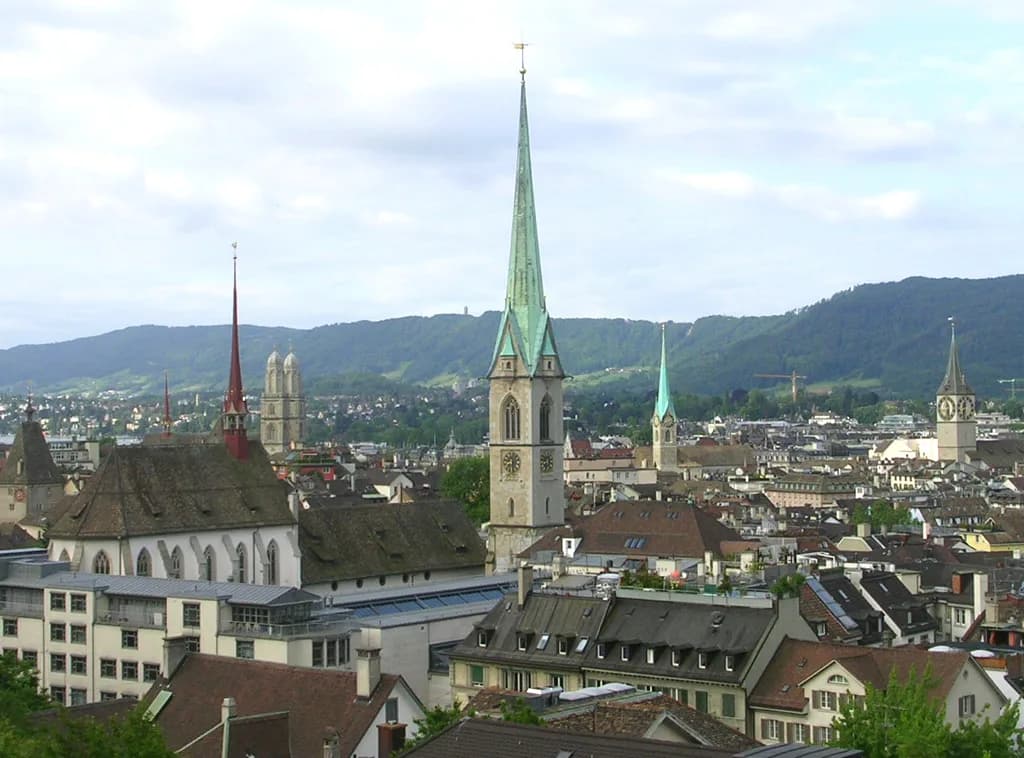
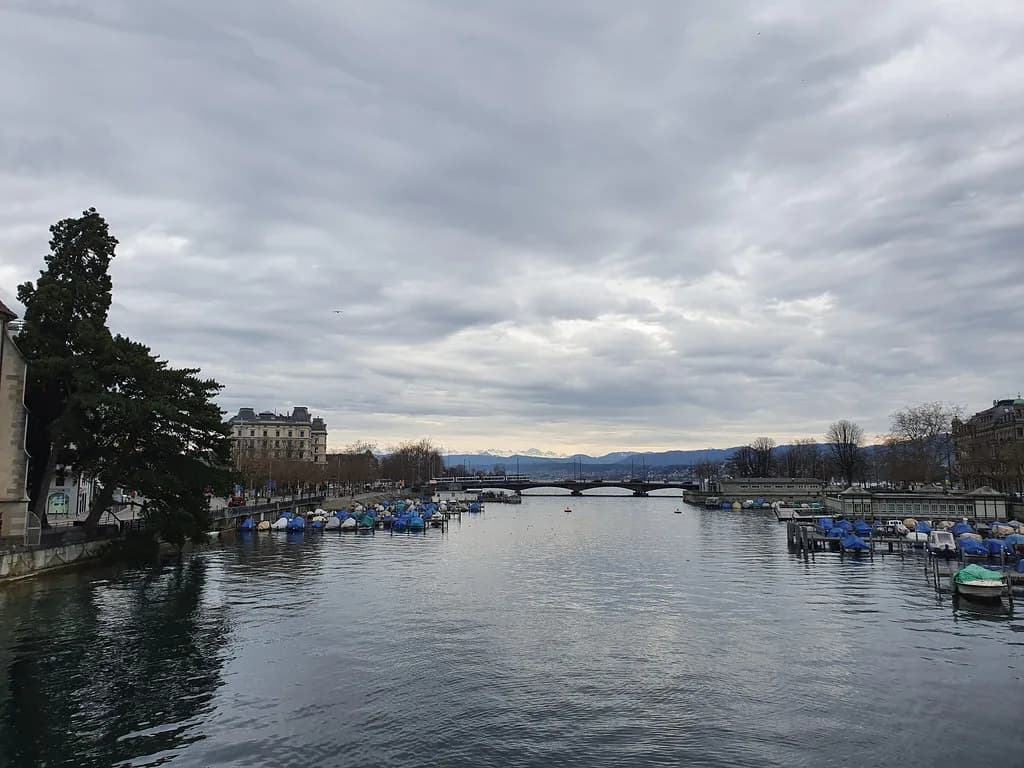
Lindenhof Hill is the free viewpoint to start with. It looks over the Limmat River, the old town, the Niederdorf quarter, the Rathaus and Grossmünster, and it is listed in the Swiss inventory of cultural property of national and regional significance. Come up for the view, stay for the sightlines across the river, and pay nothing.
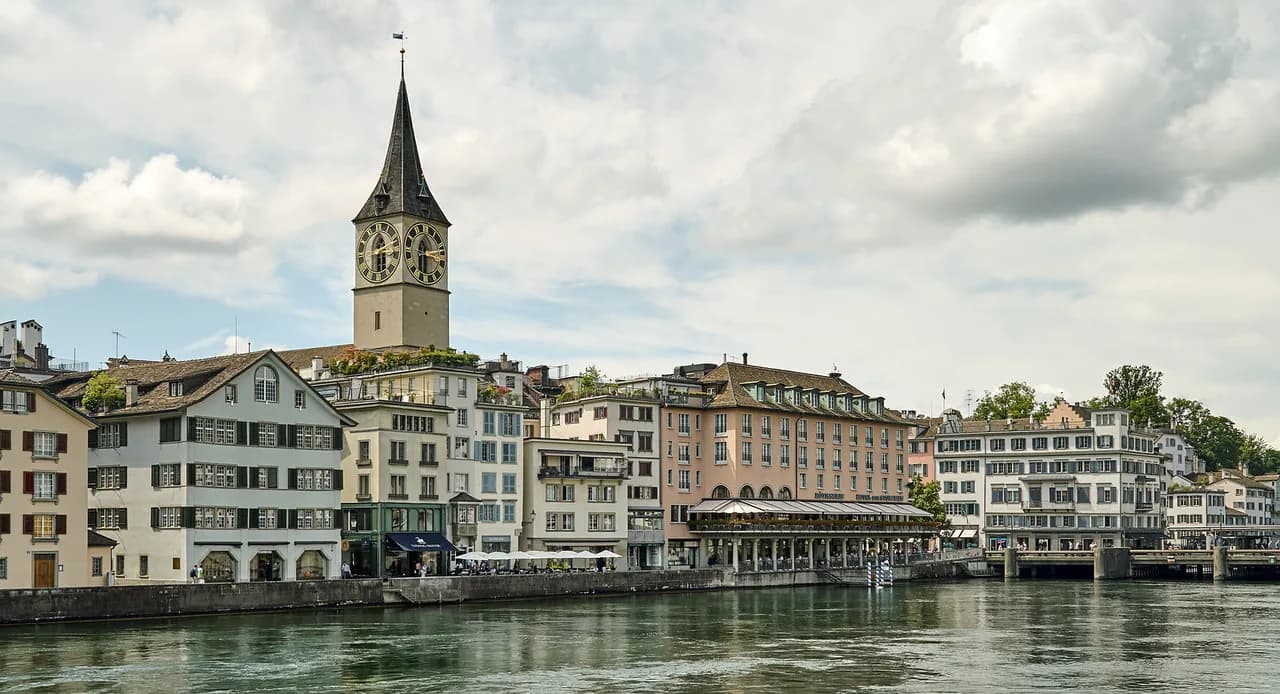
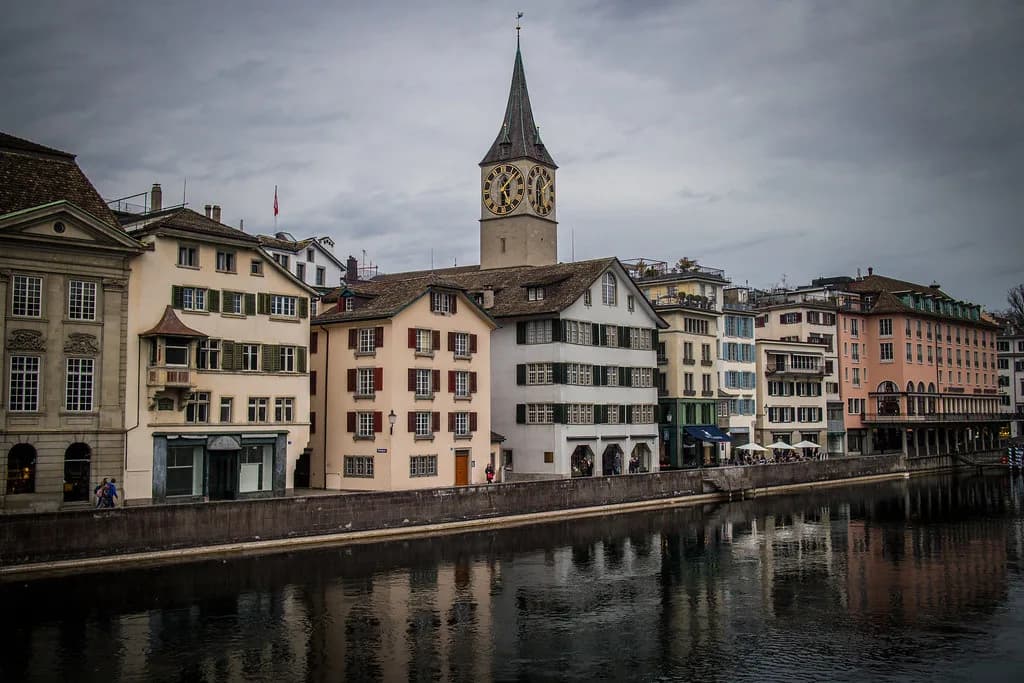
St. Peter Church is one of Zürich's four main historic churches and the oldest of them, with the largest tower clock face in Europe at roughly 8.6 meters across. Entry is free, and the spire is easy to spot above the Limmat. It sits a short walk from Lindenhof Hill, which makes the two a natural pair.
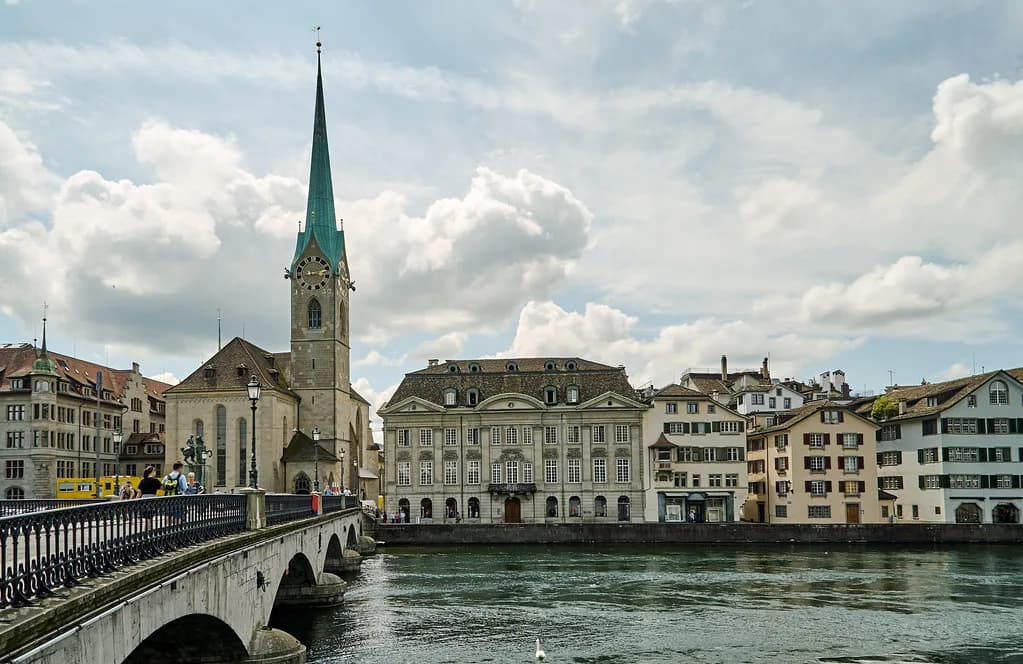
Fraumünster sits on the bank of the Limmat and charges no entrance fee. It opens daily from 10:00 to 17:00 between November and February and from 10:00 to 18:00 between March and October, so a shoulder-season visit gives you an extra hour in the afternoon. The church began as a Benedictine monastery founded in the ninth century.
Zürich's Historic Churches and Old Town on a Free Walking Loop
Altstadt, the old town, covers District 1 and its quarters of Rathaus, Hochschulen, Lindenhof and City, the area that made up the historical city before 1893. Because the sights sit close together, a loop on foot beats any ticket. Start at Lindenhof Hill, drop to St. Peter Church, cross to Fraumünster on the Limmat, and finish at Grossmünster.
Grossmünster is the fourth of the old churches and the one you can climb. Treat the tower as your optional paid extra rather than a default stop, and check the current tower admission at the church before you commit. The walk between these churches is short enough that you never need a tram to connect them.
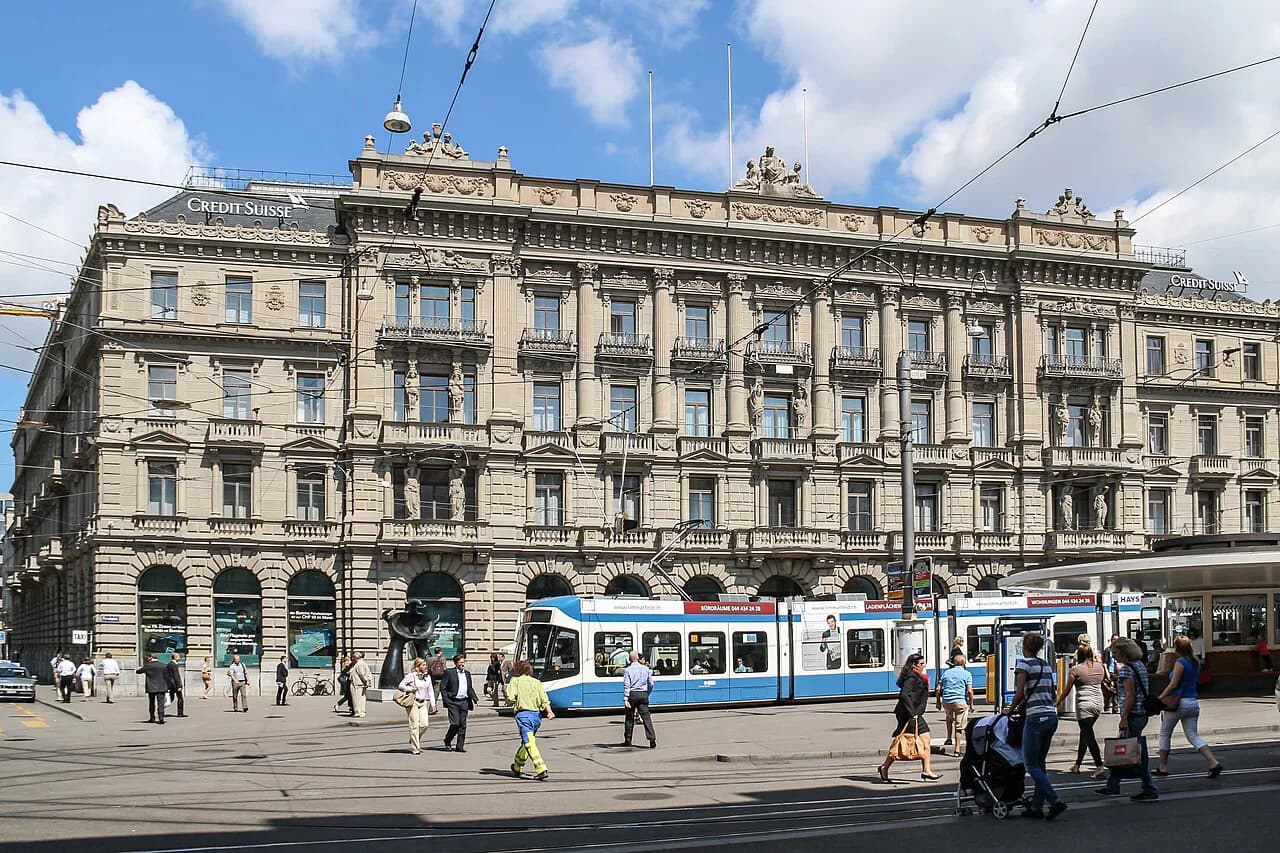
Bahnhofstrasse runs from Zürich Main Station to Lake Zürich and is built for browsing rather than buying on a budget. It passes Bahnhofplatz, Rennweg, Paradeplatz, Börsenstrasse and Bürkliplatz, with the big-name stores concentrated along the way. Walking the full length costs nothing and shows you the shape of the city center.
Paid Sights Worth the Money: National Museum Entry and What CHF 10 Buys
The National Museum (Landesmuseum Zürich) is the paid sight that earns its ticket. Adult entry is CHF 10, the reduced rate is CHF 8, and children up to 16 go free. It holds roughly 860,000 objects across 14 sections, from ceramics and timepieces to arms, uniforms and paintings.
Opening hours are Tuesday to Sunday from 10:00 to 17:00, with a Thursday extension to 19:00, and the museum is closed on Mondays. Plan the visit on a weekday morning to avoid the densest crowds, and put Monday aside for the free churches and hillside instead. The building fronts Zürich Main Station, so it slots into a walking day without extra transport.
Entry is also free with the Zurich Card, the Swiss Museum Pass and the Zurich Museum Pass, which changes the math if you already hold one of them. If you are paying cash, CHF 10 for a collection this size is the best-value indoor stop in the city. Build one rainy afternoon around it.
The Zurich Card: CHF 27 for 24 Hours and CHF 53 for 72 Hours
The Zurich Card comes in two versions. Twenty-four hours costs CHF 27 for an adult and CHF 19 for a child, and 72 hours costs CHF 53 for an adult and CHF 37 for a child. It includes public transport in the city and free airport transfers, plus free or reduced admission to about 40 museums and the river cruise.
Whether it pays off depends on how many paid museums you plan to enter. A solo traveler doing one museum and walking everywhere is better off buying a single ticket and paying the airport train fare. Add two or three museum entries and the 24-hour card starts to make sense, because the airport transfer alone replaces a CHF 6.80 train ride.
The ZVV day pass is the narrower alternative. It covers unlimited train, tram and bus travel within its zones for 24 hours but gives no museum discounts, so it only suits a day when you are moving around rather than going inside. A six-day multiple pass exists for longer stays and must be stamped in a machine before you travel.
Cheaper Ways to Reach the City From Zürich Airport: S-Bahn Fare Versus Tram Line 10
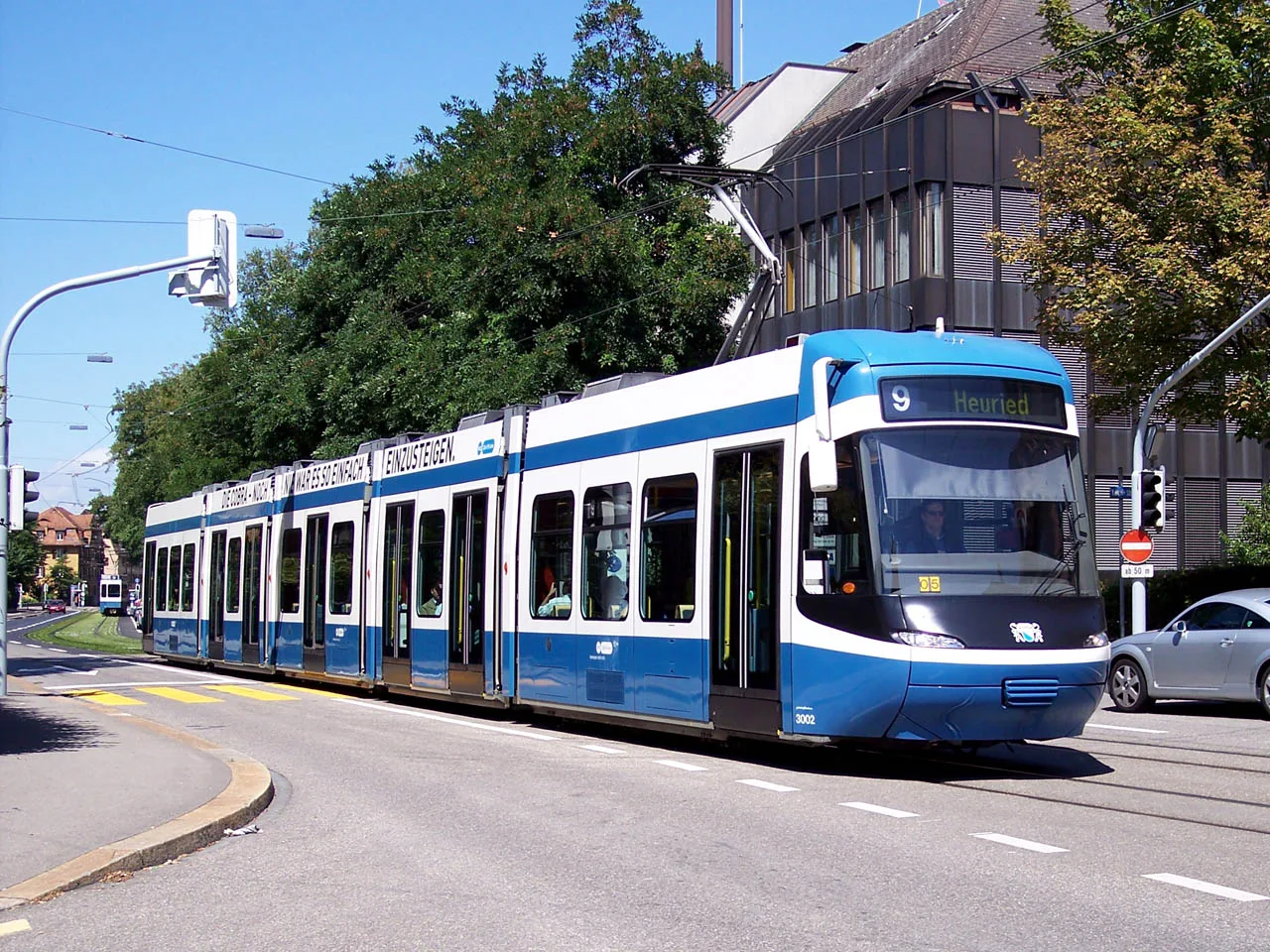
The train from Zürich Airport to the city center is the fast, cheap option. The fare is CHF 6.80 for an adult and CHF 3.40 for a child aged 6 to 16, and the ride passes through three fare zones. A three-zone day pass costs CHF 13.60 for an adult and CHF 6.80 for a child.
Tram Line 10 from the airport to Zürich Main Station takes about 35 minutes and costs less in time-pressure terms than any taxi. It is the deliberate trade: slower than the train, but it removes the temptation of a CHF 50 to CHF 70 cab ride. If you hold a Zurich Card, the tram ride is covered.
A shared shuttle is another middle option. The 7×7 shuttle bus runs hourly between the airport and the city center, at CHF 25 for an adult and CHF 12 for a child under 12. It costs more than the train, so it only makes sense if you are carrying heavy luggage or arriving late.
Getting Around on Foot in District 1 and When a Transport Pass Is Not Needed
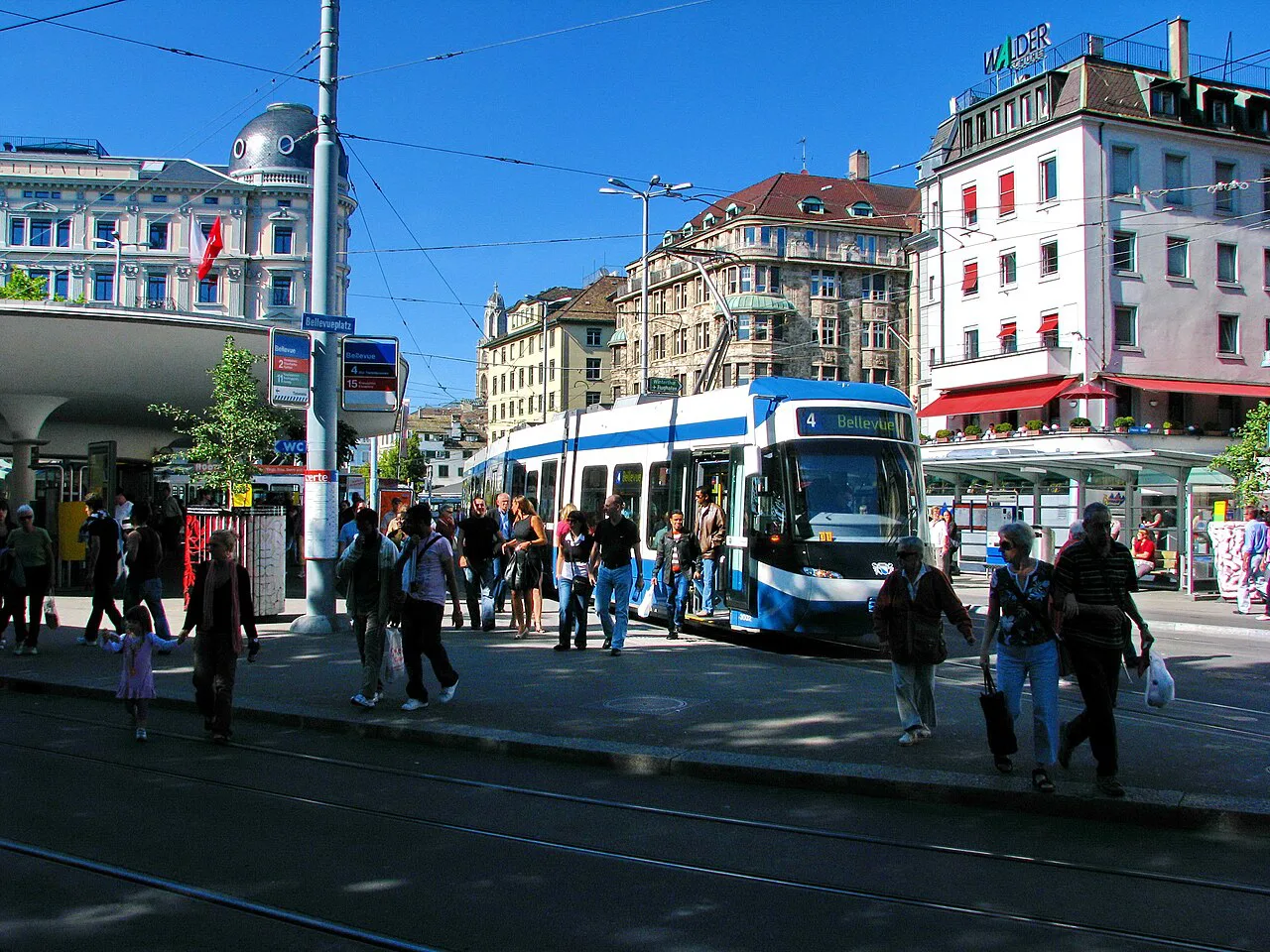
Most of the sights sit in District 1, which makes walking the default way to get around. A hotel near a tram stop gives you a fallback for tired evenings and bad weather without committing to a multi-day pass. For a compact trip covering the old town, the lakefront and the National Museum, a transport pass adds little.
Trams are the sensible upgrade when your feet give out. Buy a single ride when you need one rather than a day pass you will not use, and keep in mind that taxis in Zürich are expensive enough to avoid on a budget. The savings from walking District 1 add up to a decent lunch.
A short break with a fixed itinerary is where the walking strategy shows its value. The route in this 2 days in zurich plan keeps the free churches, the hillside and the National Museum within an easy walk of each other, so you buy transport only for the days you actually move around.
Timing the Trip: Peak Summer Versus Cheaper, Quieter Shoulder Seasons
Summer from June to August is peak season, with pleasant weather, high hotel and flight prices, and dense crowds. Autumn from September to November brings fewer visitors and cheaper rooms, while spring from March to May stays cool and uncrowded before the peak arrives. The shoulder months are where a budget trip gets comfortable.
Winter from December to February is off-peak, with the lowest hotel rates and the emptiest streets, but also real cold and some tours suspended for the season. Weigh the cheaper room against the shorter days and the extra layers you will need. For a sightseeing-focused trip, autumn usually balances both best.
Season also shapes what you can do for free. Warm months make the hillside viewpoint and the riverside walk pleasant for longer, while cold months push you indoors toward museums and churches. Line up your free sights for the weather you are likely to get. A spring or autumn date gives you the widest range of both.
A Sample Two-Day Plan Built Around Free Sights and One Paid Museum
Day one is the free loop. Climb Lindenhof Hill in the morning, walk to St. Peter Church, cross to Fraumünster on the Limmat, then follow Bahnhofstrasse down to Lake Zürich. You pay nothing until lunch, and you see the old town's four anchor sights on foot.
Day two is the paid day. Spend the morning at the National Museum for CHF 10, then use the afternoon for anything you skipped on the free loop. Keep Monday out of the plan, since the museum is closed, and use that day for the churches and the hillside instead.
If you have more time, extend the same logic to a third day rather than adding expensive extras. The fuller route in our 3 days in zurich itinerary shows how the free stops and the CHF 10 museum stack up across a longer stay, with walking distances kept short on each day. Two days covers the core; a third adds breathing room.
Money Mistakes to Avoid in Zürich
The first mistake is taking a taxi from the airport when the train costs a fraction of the fare. The second is buying a multi-day transport pass for a trip you will mostly spend walking District 1. The third is paying full admission at the National Museum when the Zurich Card or a museum pass you already hold would cover it.
A fourth mistake is misjudging the calendar. Arriving on a Monday closes the National Museum, and arriving in peak summer inflates your room rate for no sightseeing benefit. Swiss francs are the currency, and cards are widely accepted, but telling your bank you are traveling avoids a blocked transaction abroad.
It also helps to know how Zürich compares with other Swiss cities before you commit your budget. Basel makes a useful second data point, since its free sights and BaselCard work on the same logic as Zürich's; read our guide to Basel on a budget alongside this one. A city that suits your priorities will save more than any single discount, and budgeting in Swiss francs keeps the comparison honest. Weigh the cost picture against your own list of must-sees.
Where to Put Your Cash: Swiss Francs, Cards and ATMs
Zürich uses the Swiss franc, and both cash and credit cards are accepted in most places. International ATMs are scattered around the city, and the bank rate is generally the best exchange rate you will get. Withdraw francs as you need them rather than carrying a large amount.
Some establishments accept euros, so leftover notes from a previous stop can be spent rather than exchanged. Power runs at 220 volts and 50 hertz, so bring an adapter from home if your plugs differ. Small practical savings like these keep the trip's cash flow steady.
Budgeting is easier when you can see the whole cost picture in one place. Compare the total of transport, museum admissions and meals against what a pass would cover before you buy. That comparison, not a slogan, is what keeps a Zürich trip affordable.
Plan Your Budget Zürich Trip
Zürich on a budget means free churches, a free hilltop view, a walkable old town, and one CHF 10 museum ticket. Skip the taxi, take the train or the slower tram from the airport, and buy the Zurich Card only when its transport and museum coverage beats paying per ride and per entry.
Choose autumn or spring for cheaper rooms and thinner crowds, keep Monday clear of the National Museum, and treat the hillside and riverside as your free anchors. Check current prices and opening hours before you book, since they change.
Explore more Zürich guides
Frequently Asked Questions
What can you see for free in Zürich?
Lindenhof Hill, St. Peter Church and Fraumünster all have no entrance fee. Lindenhof Hill looks over the Limmat River and the old town, St. Peter Church has the largest tower clock face in Europe, and Fraumünster opens daily with seasonal closing times. Walking Bahnhofstrasse from the main station to Lake Zürich costs nothing either.
Is the Zurich Card worth it for a short trip?
It depends on how many paid museums you enter. The 24-hour card covers city transport, airport transfers, and free or reduced admission to about 40 museums, so it earns its price when you plan several museum visits plus the airport train. A walker who sees one museum and skips the train is usually better off paying individually.
How much does the National Museum in Zürich cost?
Adult entry is CHF 10, the reduced rate is CHF 8, and children up to 16 enter free. Entry is also free with the Zurich Card, the Swiss Museum Pass and the Zurich Museum Pass. The museum opens Tuesday to Sunday, extends to 19:00 on Thursdays, and closes on Mondays.
What is the cheapest way into Zürich from the airport?
The train is the fast, cheap option, with a three-zone fare for adults and a lower child rate. Tram Line 10 takes about 35 minutes to Zürich Main Station and is covered by the Zurich Card. A shared shuttle and a taxi cost more, so choose them only for heavy luggage or late arrivals.
When is the cheapest time to visit Zürich?
Winter from December to February is the off-peak season, with the lowest hotel rates and the fewest crowds, though it is cold and some tours pause. Autumn and spring are the shoulder seasons, with cheaper rooms than summer and better weather than winter. Summer is the most expensive and crowded window.
How do you keep food and transport costs down in Zürich?
Build days around the free churches and the hillside, walk District 1 instead of buying a transport pass, and buy single rides only when you need them. Skip taxis entirely and use the airport train or tram. Compare a city pass against your planned museum entries before buying it.
Sources
Notes for your Swiss city break
Optional updates to our Swiss city guides.
You might also like
Continue reading
More guides you'll find useful