How Many Days in Lucerne? 1, 2 or 3 Days Compared
One day covers the Chapel Bridge and Old Town, two days add Mount Rigi or the lake, and three days slow the pace. Here is what each length covers.
On this page
One day in Lucerne is enough for the Chapel Bridge, the Old Town, the Lion Monument and a walk along the lakefront. Two days add either a mountain or a boat trip, and three days split the city from the outdoors so neither feels rushed. The honest answer depends on whether you want a postcard stop or a base for Lake Lucerne and the peaks above it.
Lucerne is compact and walkable, so the city itself never demands much time. The hours disappear on the water and the mountains: the boat to Vitznau runs roughly an hour, and the cogwheel from there to Rigi Kulm takes about half an hour on top of that. Planning the days around those journeys matters more than counting sights.
What one day in Lucerne covers
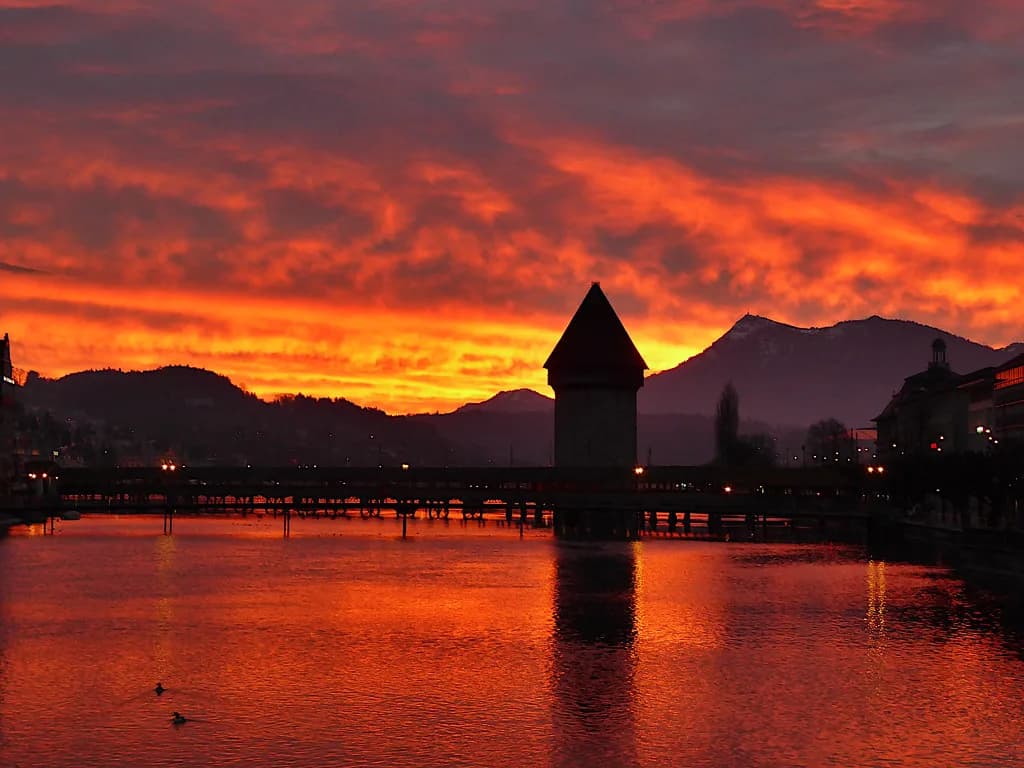
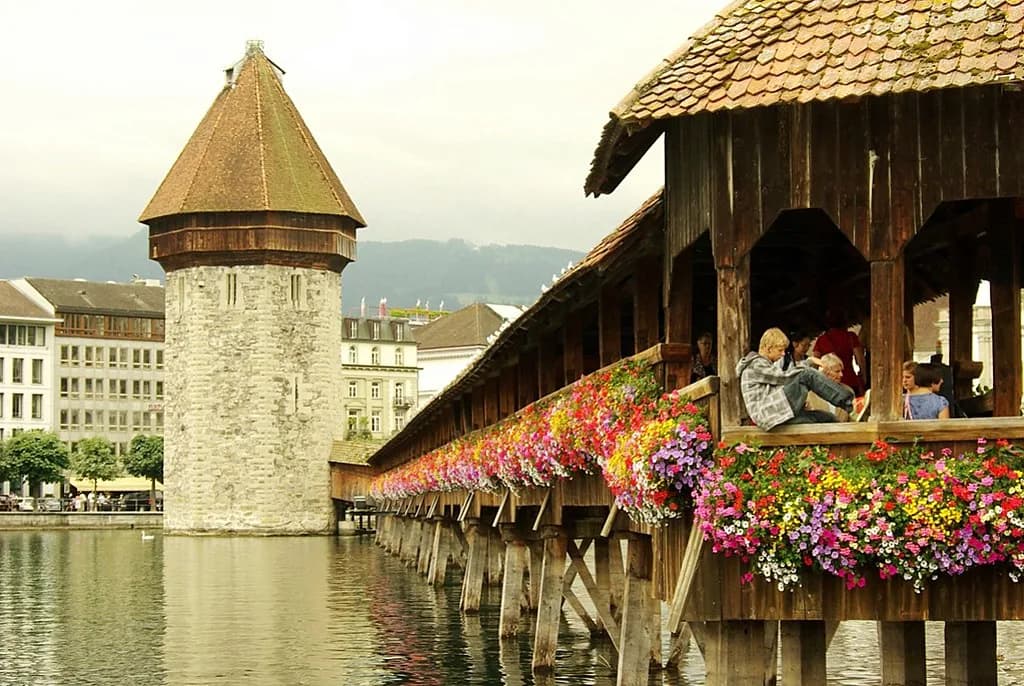
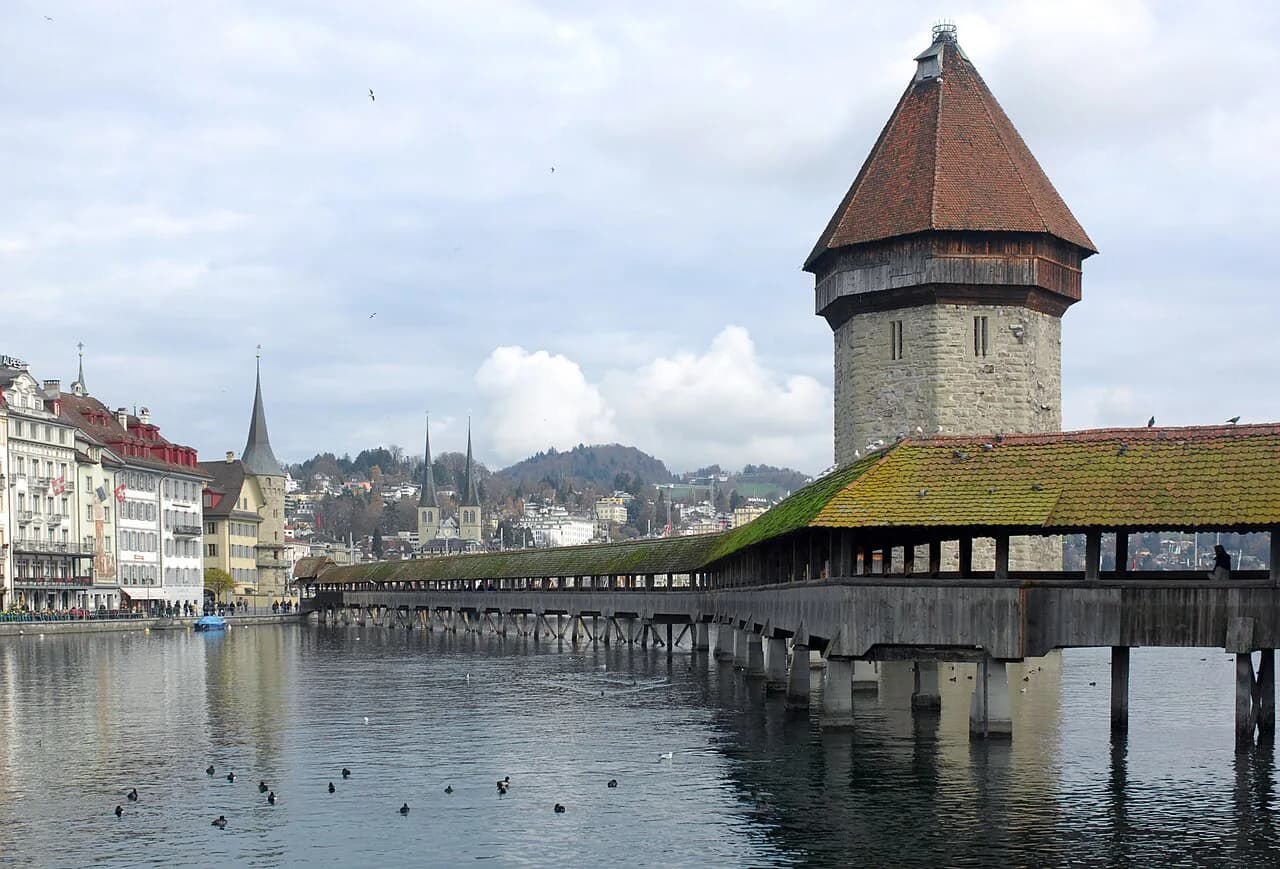
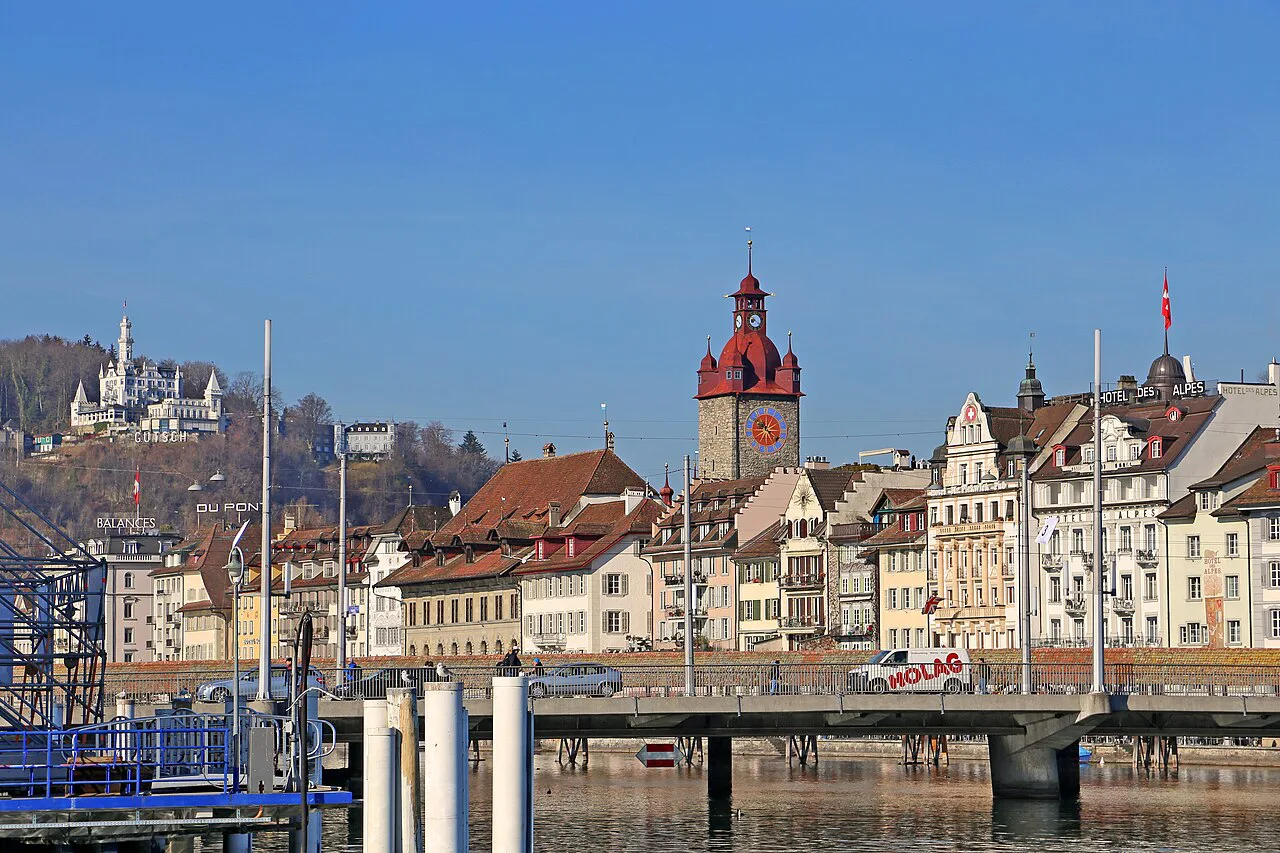
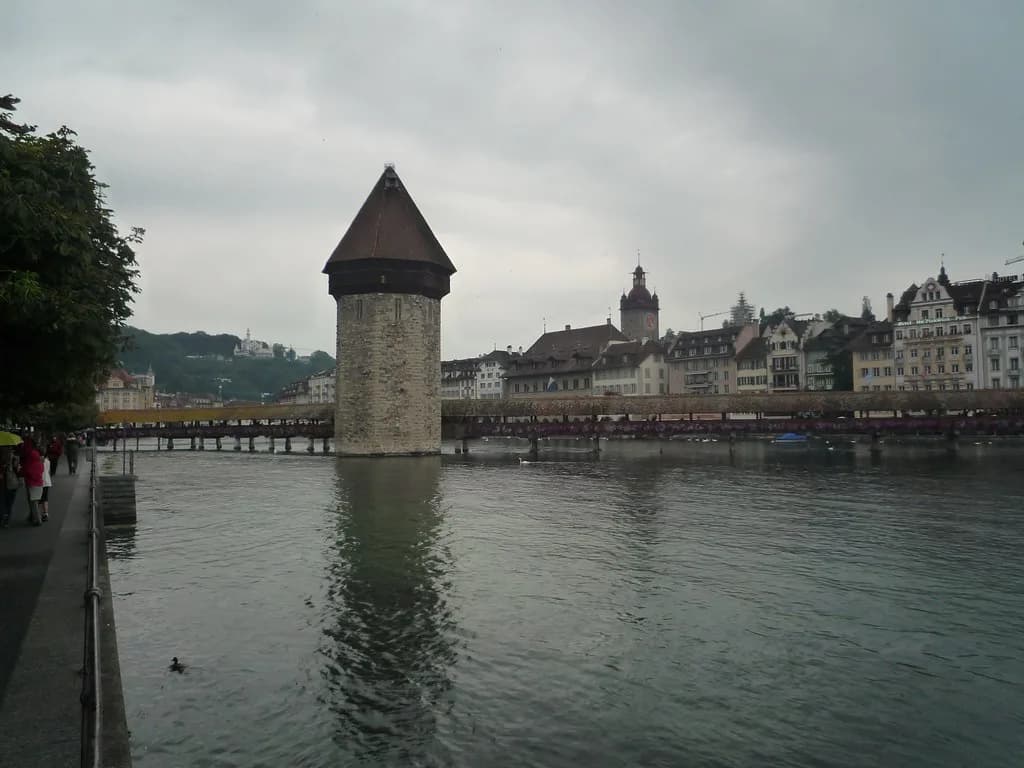
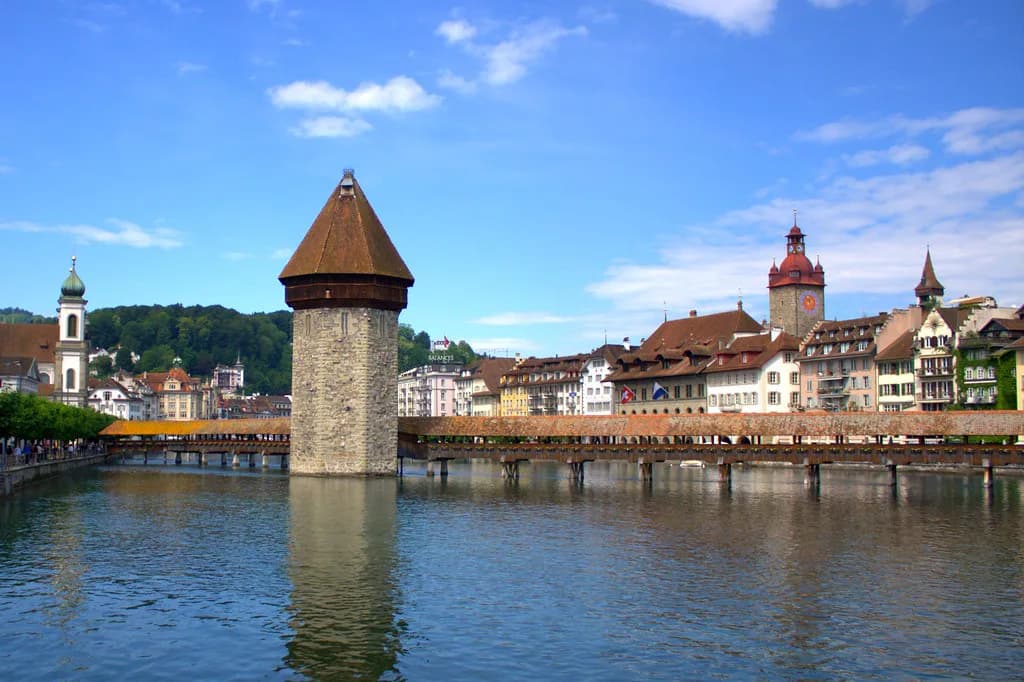
A single day fits the Kapellbrücke, the covered fourteenth-century bridge with its Water Tower, and the painted panels inside it. It sits a short walk from the main station, which makes it the natural first stop, and there is no entrance fee, so it costs nothing but time. Crossing it takes minutes; most people spend closer to an hour with the views up the Reuss and out to the Alps.
The Jesuit Church stands beside the bridge, a seventeenth-century Catholic church whose plain exterior hides a bright interior. It is free to enter and takes well under an hour, so it slots in without eating the morning.
From there, walk into the Old Town toward the Lion Monument, the rock relief commemorating Swiss soldiers who died during the French Revolution. It is open around the clock and free, and the surrounding lanes hold the Town Hall, painted facades and fountains whose water is drinkable. Budget two to four hours for the Old Town and bridge area before moving on.
The Glacier Garden sits right next to the Lion Monument and covers the area's Ice Age geology with a museum and a mirror maze. Admission was 22 CHF for adults, and it was free with a Swiss Travel Pass in the year that price was reported, which makes the pass the deciding factor for many visitors. If you skip it, you have more afternoon left for the lakefront promenade, which is free and lively.
What two days add
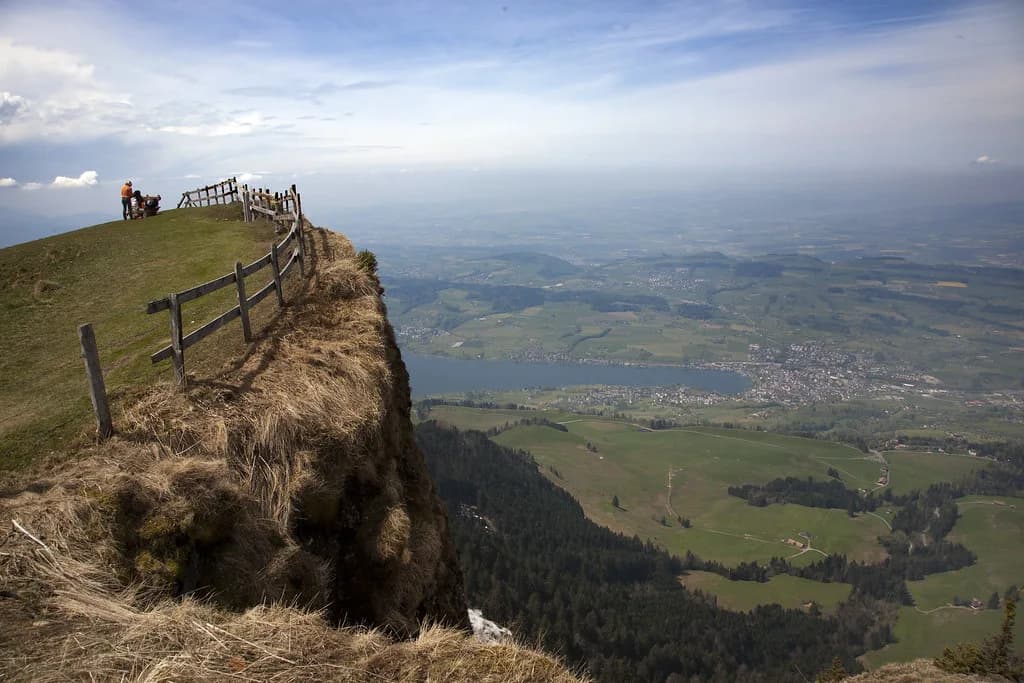
The second day is where Lucerne earns its reputation. The classic version is a boat from the city piers to Vitznau, roughly an hour on the water, then the cogwheel train up Mount Rigi to Rigi Kulm for the panorama over Lake Lucerne, Lake Zug and the surrounding peaks. On a clear day this is the best half-day in the region; in cloud, it is an expensive way to stare at white.
Boats and cogwheel departures are coordinated to keep connections short, and the ride up takes about half an hour. Rigi runs year-round with the cogwheel operating daily apart from a handful of maintenance days. The boat cruises and the cogwheel were included in the Swiss Travel Pass in recent years, so a pass holder pays nothing extra on the day, while everyone else pays at the ticket window.
The alternative second day is the Swiss Museum of Transport, the country's most visited museum, with trains, cars, ships, aircraft and communications under one roof. It sits about 2.5 km along the lake promenade from the Chapel Bridge, reachable on foot, by bus, or by boat to its own pier, and it is open every day of the year. This is the wet-weather card, and it is a strong one, especially with children.
How much the mountain day eats
Count the hours before committing. The boat to Vitznau takes about an hour, the cogwheel about thirty minutes, and the same journeys run again on the way back, so transport alone claims three hours. Add time at the top, where restaurants and a hotel sit beside the viewpoints, and the afternoon is gone.
That is why the mountain works best as its own day rather than an add-on to the Old Town. Attempting the bridge, the Lion Monument and Rigi in one day means rushing the first and arriving at the second without daylight to spare. If you only have one day and want a summit, pick the mountain and treat the city as a brief morning.
Three days in Lucerne
Three days let you separate the city from the excursion. Day one takes the Kapellbrücke, Jesuit Church, Old Town and Lion Monument at an unhurried pace, with the lakefront at sunset. Day two goes to Rigi or the Transport Museum. Day three returns to whatever the weather or your legs cut short, whether the Glacier Garden, the city walls, or a slower circuit of the lakefront.
The third day also absorbs the practical friction of travel: an arrival morning, a departure afternoon, or a wet day that cancels the mountain. Lucerne rewards a buffer more than most cities because so much of its appeal sits outdoors and above the cloud line.
Cost trade-offs: free sights versus paid ones
Lucerne's headline sights are free. The Chapel Bridge, the Lion Monument, the Jesuit Church and the lakefront promenade cost nothing beyond your time. Paid attractions cluster around the mountain day: the Glacier Garden adult ticket and the Rigi transport, plus any boat fares the pass does not cover, are where the budget actually moves.
The Swiss Travel Pass changes the arithmetic. It covered the Rigi cogwheel and regular Lake Lucerne cruises, and museum entry at the Glacier Garden, and it carried discounts on Pilatus and Titlis cable cars. Those inclusions shift from year to year, so compare the pass price against the tickets you will actually buy before committing.
A Visitor Card, issued to guests staying in official Lucerne accommodation, covers public transport in the town center without extra charge, though it does not reach the Rigi station. For a short city break it can replace point-to-point bus tickets; for a mountain day it is no substitute for a pass.
Rigi versus the Swiss Museum of Transport
The choice comes down to weather and temperament. Rigi delivers the panorama that defines Lucerne's setting, but it needs clear skies and a full afternoon. The Transport Museum delivers regardless of the forecast and suits families and anyone who has already seen enough Alpine views.
Check the webcams from Rigi Kulm before buying a ticket; a cloudy summit is cold, windy and viewless. If the forecast is doubtful, run the museum first and hold the mountain for the clearer day. Three-day visitors rarely have to make the choice at all.
When one day is enough and when to add a day
One day covers Lucerne if you are passing through between Zürich and the mountains, or if you mainly want the bridge, the Lion Monument and a lakefront stroll. The city is small enough that a focused day feels complete rather than truncated. Add a day if you want a summit, a lake cruise, or the Transport Museum without sprinting.
Think about your feet as well. The Old Town is cobbled and the lakefront walk to the Transport Museum runs 2.5 km each way, so a packed day means a lot of walking. Comfortable shoes matter more here than any itinerary tweak, and a sweater belongs in the bag even in summer because the summits run cold.
How the days fit together
For a single day, start at the Chapel Bridge before the crowds, cross to the Jesuit Church, walk through the Old Town to the Lion Monument and the Glacier Garden, then spend the afternoon on the lakefront or on a short cruise. Keep the paid attractions to one so the day stays relaxed.
For two days, put the city circuit first and hold the second day for Rigi or the Transport Museum depending on the forecast. For three days, keep the city on day one, the mountain on the clearest day, and use the leftover day for the museum, the Glacier Garden or a return to the lakefront, which is what most people remember.
If you are weighing Lucerne against another Swiss city for a short break, it pairs naturally with a Zürich stop, and the two feel quite different in scale. Wondering how many days in zurich a comparable trip needs shows how the same city-or-mountains decision plays out elsewhere. Deciding how long to give each is easier once you know what Lucerne's days actually hold.
Plan Your Visit
Two days is the sweet spot for most first-time visitors: it covers the city comfortably and leaves room for one mountain or museum day. One day works for a stopover, and three days suit anyone who would rather not gamble the summit on a single morning's weather.
Bring a refillable bottle for the public fountains, wear shoes that handle cobblestones, and pack a layer for the summits. Confirm current prices, boat times and pass inclusions with the transport company or at the station before you build a day around them.
Explore more Lucerne guides
Frequently Asked Questions
How many days in Lucerne is enough?
Two days covers the city sights and one excursion, which is what most first-time visitors want. One day is fine for the Chapel Bridge, Old Town, Lion Monument and lakefront if you are passing through. Three days let you add the Swiss Museum of Transport or a second mountain attempt without rushing.
Is one day in Lucerne enough?
Yes, if you stay focused on the compact center. The Chapel Bridge, Jesuit Church, Old Town, Lion Monument and lakefront fit comfortably into one day because the headline sights are free and close together. What one day cannot fit is a full mountain excursion, which takes most of an afternoon in transport alone.
What can you see in two days in Lucerne?
Day one takes the Chapel Bridge, the Jesuit Church, the Old Town, the Lion Monument and the lakefront. Day two adds either the boat to Vitznau with the cogwheel up Mount Rigi or the Swiss Museum of Transport, which is the better option in poor weather and is open every day of the year.
Is Mount Rigi worth a day of a Lucerne trip?
On a clear day, yes. The panorama takes in Lake Lucerne, Lake Zug and the surrounding peaks, and the cogwheel ride is part of the experience. On a cloudy day the summit is cold and viewless, so check the webcams before buying a ticket and keep the museum as your fallback.
How long does the boat from Lucerne to Vitznau take?
About an hour. From Vitznau the cogwheel train continues to Rigi Kulm in roughly thirty minutes, and boat and train departures are coordinated to keep the connection short. Count the return journeys too, because transport alone can claim three hours of the day.
Is the Glacier Garden worth the 22 CHF ticket?
It depends on your interest in geology and how the pass math works out. The site combines Ice Age geology, a museum and a mirror maze next to the Lion Monument, and the adult ticket was reported at 22 CHF with free entry under a Swiss Travel Pass in that year. A budget traveler with one day can skip it without regret.
Should you choose Mount Rigi or the Swiss Museum of Transport?
Choose Rigi for a clear-weather panorama and the Transport Museum for rain, families or anyone tired of mountain views. The museum collects trains, cars, ships and aircraft under one roof and stays open every day of the year, while Rigi depends entirely on visibility.
How much walking does a Lucerne city break involve?
More than the map suggests. The Old Town is cobbled, and the lakefront walk to the Swiss Museum of Transport runs about 2.5 km each way, so comfortable shoes make a real difference. The public fountains are drinkable, so a refillable bottle saves buying water along the way.
Sources
Notes for your Swiss city break
Optional updates to our Swiss city guides.
You might also like
Continue reading
More guides you'll find useful