A Weekend in Lugano: A Two-Day Plan
Plan a weekend in Lugano with two mountains, the lakefront, Morcote or Gandria, and a day-by-day order that flexes with the weather and your energy.
On this page
A weekend in Lugano covers the essentials comfortably: one mountain, one day around the old town and lakefront, and a half-day toward Morcote or Gandria. The city is compact, so most of your time goes to the two peaks, the boats and the waterfront rather than to covering distance. Plan the mountain day first and let the other day follow the weather.
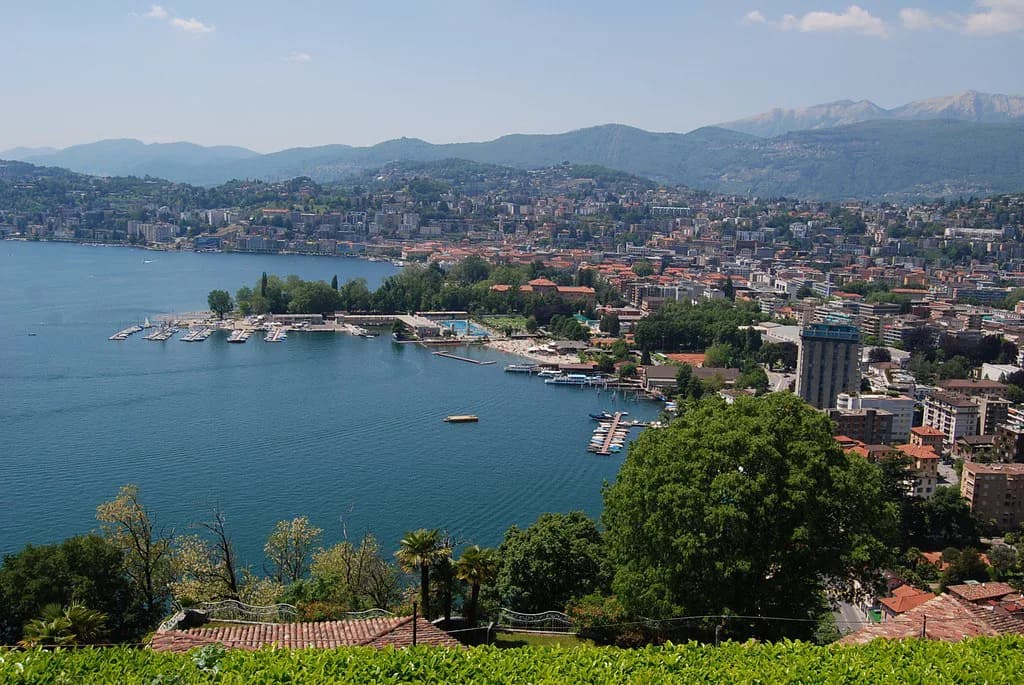
Lugano sits in Ticino, Switzerland's Italian-speaking canton, on Lake Lugano at roughly 273 meters, with the lake a few meters below the city. The result is an Italianate streetscape of Lombardy-style buildings with Swiss prices. Treat the two funiculars as the anchor bookings and everything else as flexible.
How Lugano Is Laid Out
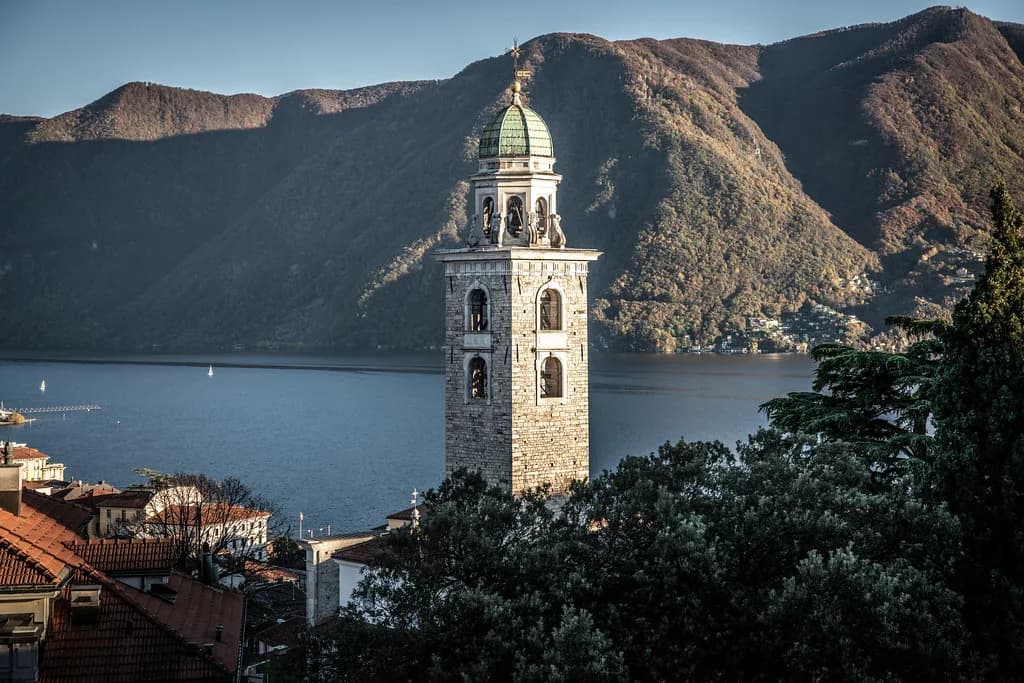
The geography does most of the planning for you. The train station sits high, at about 335 meters, while Lake Lugano lies at roughly 280 meters, so every walk toward the water is downhill and every return is uphill. Chiesa di Santa Maria Immacolata stands just below the station, and the view from up there takes in the lake and the city before you have spent a franc.
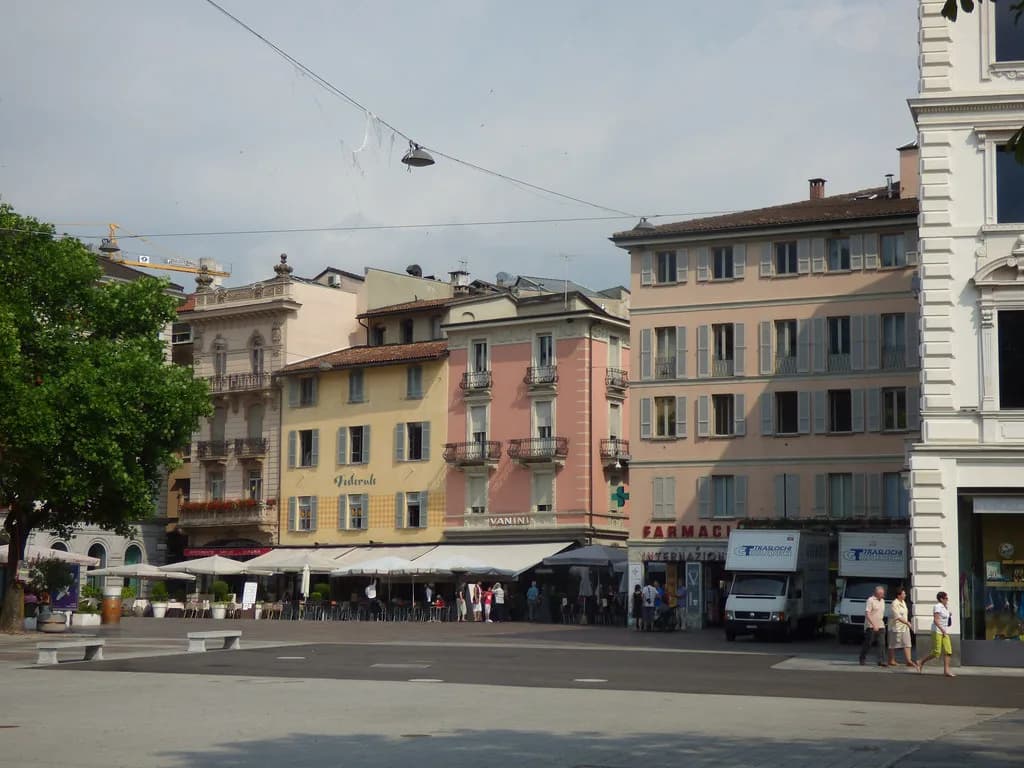
Below the church, the old town is small and the descent is easy. It leads quickly to the two adjoining squares, Piazza della Riforma and Piazza Manzoni, and then to the boat station and the promenade. That short stack of levels means you can walk from station to lakefront in a single downhill sweep, which makes the city work as a weekend base without any transport planning.
If you want the full street-by-street version, read the Lugano itinerary before you go. On this page, treat the plan as an order of operations rather than a schedule, and check current prices and opening times for the funicular, boats and museums once your dates are fixed.
Day 1 Morning: Funicular to Monte San Salvatore
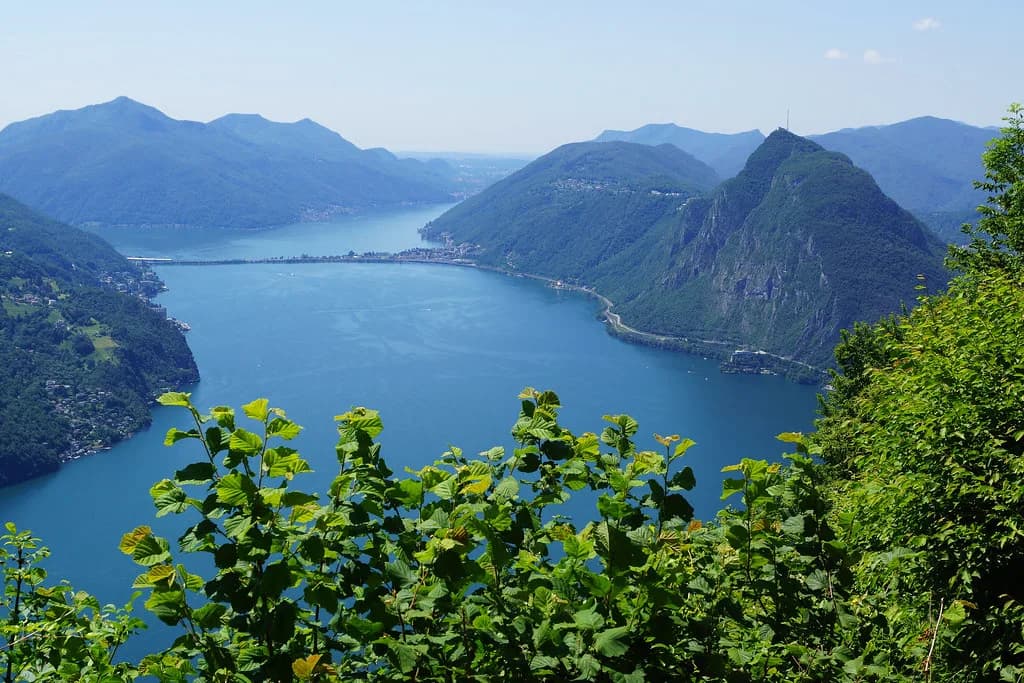
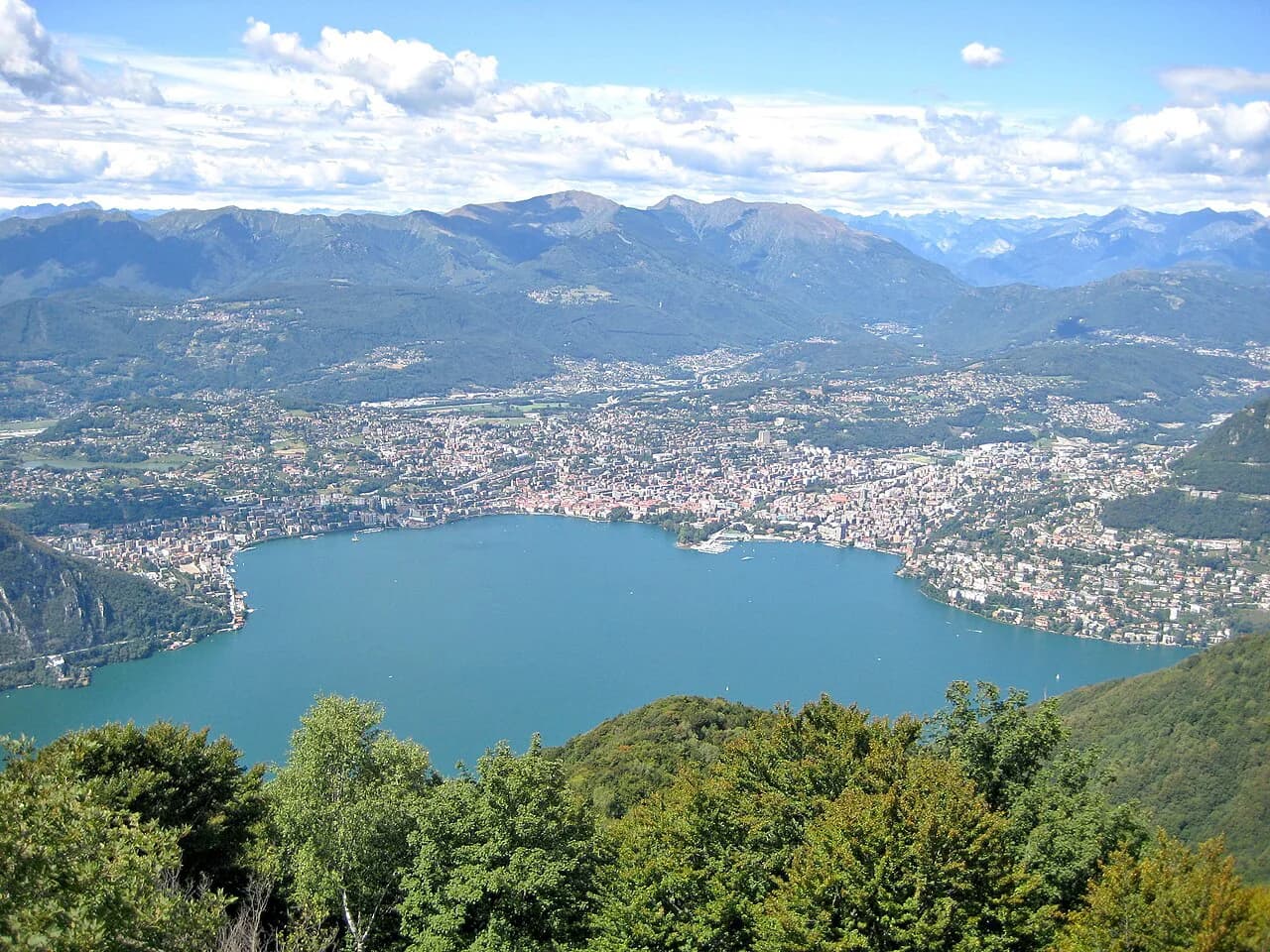
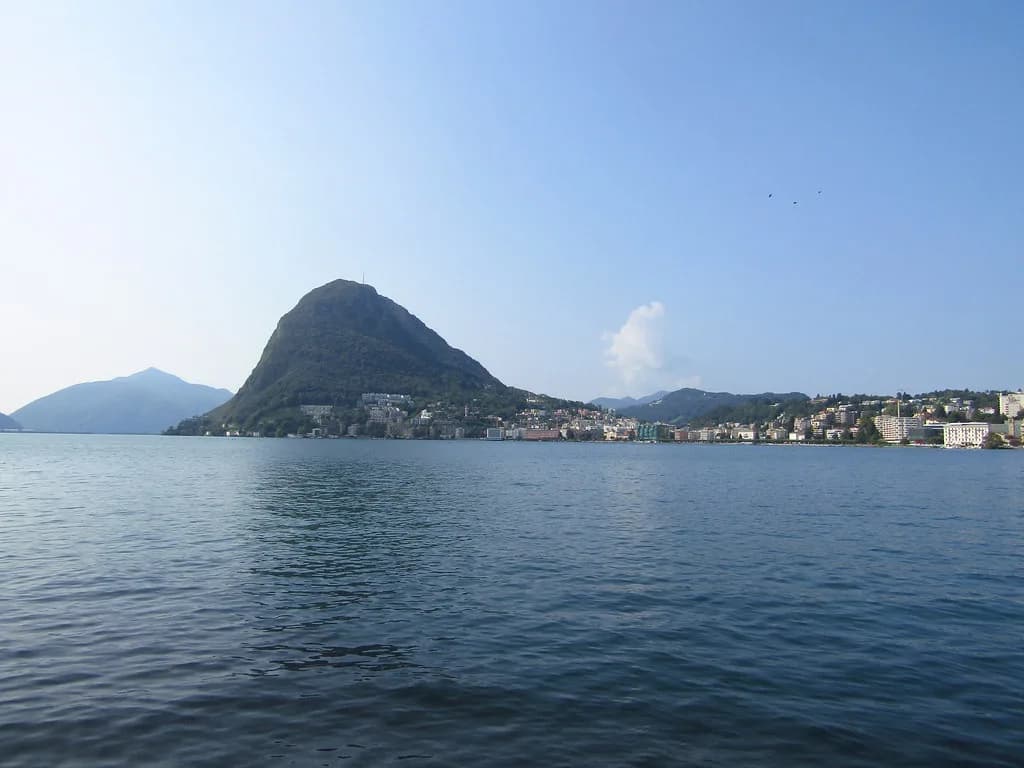
Start with Monte San Salvatore, the peak locals call Pan di Zucchero for its Sugarloaf shape. At 912 meters it delivers the widest panorama of Lake Lugano and the Alps, and the funicular from the Paradiso base station does the climbing. Reach Paradiso by bus or boat from the center, then ride up and sit toward the front of the capsule for the view as it opens.
At the summit there is a small church, a restaurant and a small museum, plus short trails to the various viewpoints. Walk around to the church and climb its outside stairs for the best angle over the lake. Budget a relaxed hour or more at the top before deciding how to come down.
Day 1 Early Afternoon: Walk Down to Melide, or Ride Back
Two descents compete for the afternoon. The gentler one goes down to Melide and takes about 2-3 hours at a low intensity, mostly downhill and often shaded, with small villages along the way. Take the path behind the restaurant at the top, carry water and sun protection, and wear shoes with grip.
The other descent runs to Morcote and is much steeper and longer; it punishes knees and is a bad idea in rain or without proper footwear. If either descent sounds like more than you want, ride the funicular back down and use the time on the lakefront instead. A ride down with a 50% Swiss Travel Pass discount on most mountain rides is the low-effort option.
Day 1 Late Afternoon: Swissminiatur and the Boat Back
Melide is where the descent pays off, because Swissminiatur sits between Lugano and Morcote as Switzerland's largest open-air museum. The park packs 128 models of houses, castles and monuments onto 14,000 square meters, with 18 model trains running over about 3.5 kilometers of track plus working rack railways, cable cars and ships.
Admission runs around CHF 19 for adults, and the Swiss Travel Pass takes 50% off. The boat stop called Melide Swissminiatur is a minute from the park, and the return crossing to Lugano-Centrale is scenic, with indoor and outdoor seating so weather does not spoil it. Check the boat schedule at the park's information desk and pay on board.
Day 1 Evening: Piazza della Riforma and the Promenade
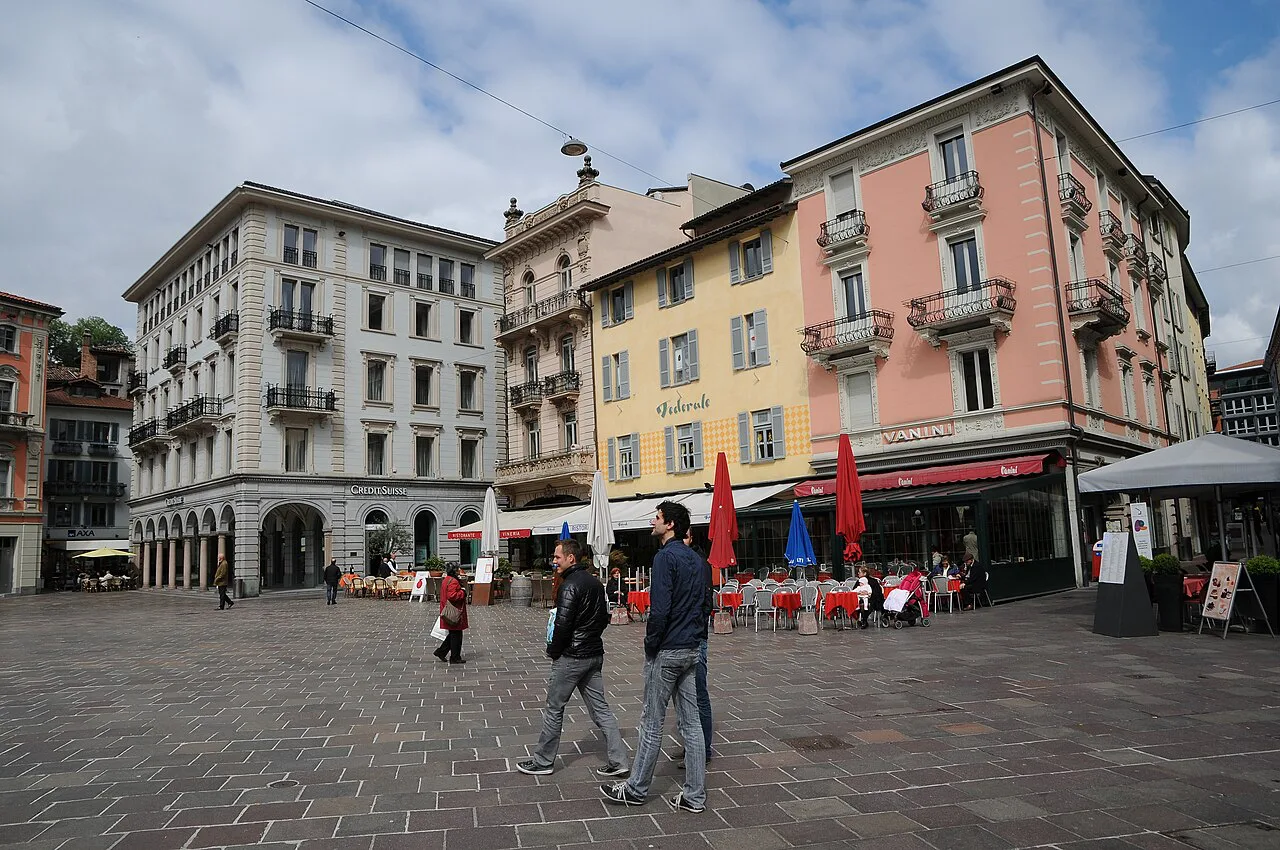
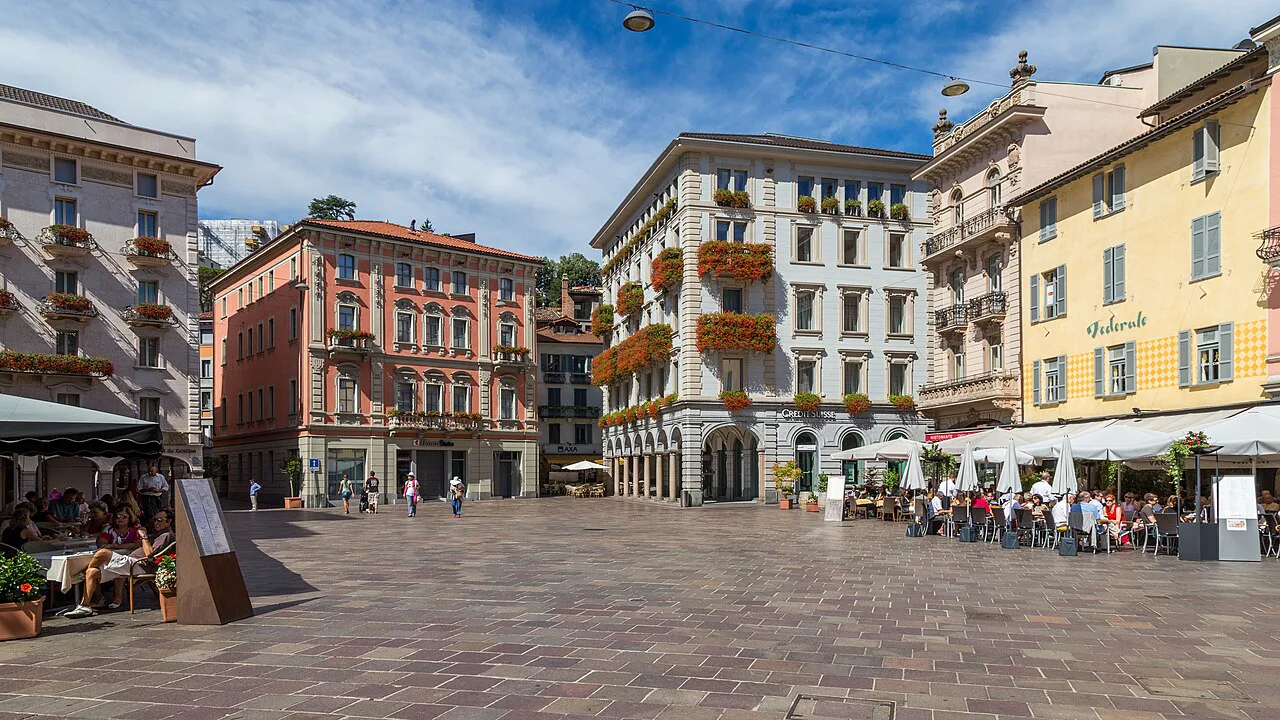
End the day at Piazza della Riforma, the main square, where the 19th-century Palazzo Civico faces fountains you can refill from. On Saturdays a market for antiques and handicrafts runs from 8 am to 5 pm in the Canova and Maghetti areas, which is a good reason to line up your weekend dates. Otherwise, the square is simply the natural place to sit before dinner.
Then walk the promenade, which stretches far enough that you will not cover it all. Near the boat station you will find the I love Lugano sign with the lake behind it, and the waterfront becomes more attractive as you head away from the center. Lights on the hillside reflect in the water after dark.
Day 2 Morning: Church, Old Town and the Squares
Begin at Chiesa di Santa Maria Immacolata, which is free to enter and looks as good inside as out. It sits on the way down from the station, so the visit costs you no detour. From there, the narrow streets of the old town carry you past colorful buildings and small shops toward the squares.
The old town is honest about its scale: it is small, and it will not take long. Walk it for the historic buildings and the atmosphere rather than for a checklist of sights, then settle into Piazza della Riforma or Piazza Manzoni for a coffee. Plan this as a slow morning, not a sightseeing block.
Day 2 Midday: Monte Brè by Funicular or Bus
Monte Brè tops out at 933 meters and rewards the trip with views over the Alps, the lake and the city. The funicular up costs around CHF 26 return, with a Swiss Travel Pass discount. If you only ride one funicular all weekend, San Salvatore is the stronger pick for the panorama; Brè is the better pick if you want a village at the top.
A cheaper route runs on the bus to Brè, the small village a few meters below the summit, followed by a 15-20 minute climb. That trade saves money and adds a pleasant walk through a place with art history, including the Wilhelm Schmid Museum. Whichever way you go, keep the summit time short if the afternoon plan is still ahead of you.
Day 2 Afternoon Option A: Morcote, Carona and Vico Morcote
Morcote, about 10 km south of Lugano, is the classic half-day. It was named Switzerland's most beautiful village in 2016, and the church on the water, the promenade and the old town justify the trip. The Scherrer Garden is here too, if you have time beyond the waterfront.
Reach Morcote by boat, or walk down from San Salvatore and pass through Carona and Vico Morcote on the way. Carona adds Parco San Grato with its camellias and rhododendrons, though the detour to the swing adds about 20 minutes of uphill walking. Pick one approach: hiking down from the summit and then squeezing in a separate Morcote visit makes for a very long day.
Day 2 Afternoon Option B: Gandria and the Olive Grove Trail
Gandria is a former fishing village tucked at the foot of Monte Brè, reachable by boat instead of the 2-3 hour downhill walk. There are few sights; the pleasure is the narrow lanes and a drink on a grotto terrace. This makes it a natural partner for a Brè morning rather than a separate expedition.
From Gandria, the Olive Grove Trail runs about 3 kilometers to Castagnola on an easy, mostly flat path with lake views most of the way. Ancient olive trees and information panels explain local olive production, and parts of the route are shaded, though not all of it, so bring sunscreen. The trail is free and open around the clock, and you can continue on foot to Lugano or take a bus from Castagnola.
Day 2 Close: Parco Ciani and the Lakefront
Finish the weekend at Parco Ciani, a short stroll from the center and the city's most photogenic green space. Century-old trees, flower beds, statues and fountains fill the English-style lawns, and Villa Ciani and the Palazzo dei Congressi sit inside the grounds, along with the Cantonal Natural History Museum and a library. Entry is free and the park stays open around the clock.
This is the right place to spend your last hour rather than adding another stop. If a first day is all you have, the one day in Lugano plan covers the mountain and waterfront in a single loop. With two days, you can afford to sit still here.
Sunday and Monday: Plan Around the Limits
Treat Sunday and Monday as constraints on the shape of the day rather than a list of closures. Parco Ciani and the Olive Grove Trail are free and open around the clock, the promenade and the squares never need a ticket, and church visits at Santa Maria Immacolata cost nothing. Mountains, boats and outdoor sights are safe bets on days when indoor options thin out.
Check the funicular, boat and Swissminiatur schedules against your exact dates before locking the plan, since these are the bookings that shape each day. Keep the flexible outdoor pieces as your fallback and move the paid indoor pieces around them.
What to Skip With a Weekend
The Lido di Lugano, the water sports and the region's roughly 400 kilometers of mountain-bike trails all want more time than two days give. The lido charges an entrance fee and needs swimwear and a towel, which is a lot of packing for a short visit. Save these for a longer stay and keep the weekend for mountains and villages.
Squeezing two peaks, Morcote, Gandria and Swissminiatur into one weekend is the main planning mistake. Choose one mountain day and one lake day, and let Morcote or Gandria be the flex item. For a sense of what a third day would add, see How Many Days in Lugano Do You Need?.
Costs in CHF: What to Budget For
The Monte Brè funicular runs around CHF 26 return, and Swissminiatur admission is around CHF 19 for adults, with online purchase taking a little off and the Swiss Travel Pass taking 50% off. The Swiss Travel Pass covers most trains and buses plus boat cruises on the Swiss side of the lake, and gives 50% off most mountain rides, so it earns its cost if you plan to move around and ride both funiculars.
For the bigger picture on daily spending, Is Lugano Expensive? What a Few Days in Lugano Actually Costs breaks down where the money goes. The pattern is simple: views, parks, squares and churches are free, while funiculars, boats and model parks are the paid items.
When to Go
Lugano's southern position gives it milder fall, winter and spring than the rest of Switzerland, so the city works outside high summer. July and August bring heat and the biggest crowds, while May, June, September and October tend to be warm without being hot. Winter clears the promenade crowds but can make long hours outside uncomfortable and puts snow on the mountains.
Weather can shift in any season, so build the weekend around one outdoor day and one flexible day rather than a fixed script. A wet forecast should push you toward the town and the boats, not cancel the trip.
Practical Packing for Two Days
Bring shoes you can walk downhill in, because both the descent to Melide and the old-town slopes reward grip. Add a hat, sunscreen, sunglasses, a daypack with water and snacks, and a lightweight towel and spare clothes if summer swimming is on the table. A refillable bottle works well given the public fountains around the squares.
Keep the bag light enough to carry up and down the funiculars and along the boat piers. Two days in a compact city rewards a small pack more than a full suitcase routine.
Book the Mountain Day First
Reserve the Monte San Salvatore day first and build the rest of the weekend around it, since the funicular and the descent take the most time and depend most on clear weather. Then choose Morcote or Gandria, not both, as your lake half-day. The old town, squares and Parco Ciani fill any remaining hours without a booking. If you would rather trade the lake for a mountain village base, our plan for 2 days in Grindelwald shows how that same mountain-first rhythm works there.
Not sure the city suits you? Is Lugano Worth Visiting? What the City Does Well and Who It Suits lays out the trade-offs, and Lugano Attractions: 8 Visitor Guides goes deeper on the individual sights named here.
Explore more Lugano guides
Frequently Asked Questions
How many days do you need for Lugano?
Two days cover one mountain, the old town and lakefront, and one half-day toward Morcote or Gandria. A single day is enough for the funicular and the waterfront if you move efficiently, while a third day lets you add the second peak or Swissminiatur without rushing.
What should you do on a weekend in Lugano?
Spend day one on Monte San Salvatore, then descend to Melide for Swissminiatur or ride the funicular back down, and finish at Piazza della Riforma and the promenade. Use day two for the old town and squares, one of the two peaks, and either Morcote or the Olive Grove Trail from Gandria.
Is Monte San Salvatore or Monte Brè better for a short trip?
Monte San Salvatore is the stronger choice if you ride only one funicular, because its 912-meter summit gives the widest sweep of the lake and it connects to the Melide or Morcote descents. Monte Brè, at 933 meters, suits a morning paired with Gandria or a cheaper bus ride up to the village.
Is Morcote worth a half-day from Lugano?
Yes. Morcote is about 10 km south of Lugano, easy to reach by boat, and its church on the water, promenade and old town make a satisfying half-day. It was named Switzerland's most beautiful village in 2016, and the Scherrer Garden adds another reason to linger.
What can you do in Lugano for free?
Chiesa di Santa Maria Immacolata is free to enter, Parco Ciani and the Olive Grove Trail are free and open around the clock, and the promenade, Piazza della Riforma and the old town cost nothing to walk. The Saturday antiques and handicrafts market in the Canova and Maghetti areas is free to browse.
How much does the Monte San Salvatore funicular cost?
Fares change, so check the published tariff for your dates. The Swiss Travel Pass takes 50% off most mountain rides, the simplest way to cut the cost if you are also using trains, buses and boats during your stay.
Is Lugano worth visiting for a weekend?
Yes, if you want a compact city with mountains, a lake and Italian-speaking culture in one place. Two days is enough to ride a funicular, walk the old town and reach a lakeside village, which makes it a workable weekend rather than a trip that needs a week.
Sources
Notes for your Swiss city break
Optional updates to our Swiss city guides.
You might also like
Continue reading
More guides you'll find useful