Lucerne Itinerary: A Realistic 2- to 3-Day Plan by Area
A realistic Lucerne itinerary for two or three days, grouped by area so you walk less, with the Old Town, Chapel Bridge, Museggmauer walls and a Pilatus morning.
On this page
Two days is the right length for Lucerne if you want the Old Town, the lakefront and the medieval walls without rushing; add a third morning for Mt. Pilatus if clear weather is on your side. The city center is compact, with just a few key places to visit, so the plan works by grouping sights on the same bank of the Reuss rather than zigzagging across it.
This itinerary runs day by day and by area. It respects the one real constraint on a Lucerne city break, the early shop closing that reshapes the afternoon, and it treats the mountain as an optional add-on rather than the main event.
How Lucerne Is Laid Out
The Reuss river splits the medieval Old Town from the newer bank, the lakefront runs along the edge of Lake Lucerne, and the Museggmauer walls sit on the hill above the center. That means one bank plus one hill is a sensible half-day, and crossing the river repeatedly is what wears people out. Kornmarkt, the town hall with its tower, Kapellbrücke and the Wasserturm all sit in or beside the Old Town on the same side, so the first day never needs to leave it.
Group the Lion Monument with the Old Town lanes rather than the lakefront, since it is only about a 15-minute walk from the medieval quarter. Save the walls for the end of the day, when the uphill walk to the base is easier to justify and the view back over the rooftops pays it off.
Day 1 Morning: The Old Town on Foot
Start at Kornmarkt, the heart of the medieval quarter, where you can see the town hall and its tower. If churches are your thing, the Jesuit Church and the Church of St. Leodegar are the two to put on the list. The streets themselves are the attraction: medieval buildings sit shoulder to shoulder with modern shops, and wandering is the point.
Keep the morning loose. Lucerne rewards a slow first pass through the Old Town, and you will pass the same corners again on later days, so there is no need to see everything before lunch.
Day 1 Midday: Kapellbrücke and the Wasserturm
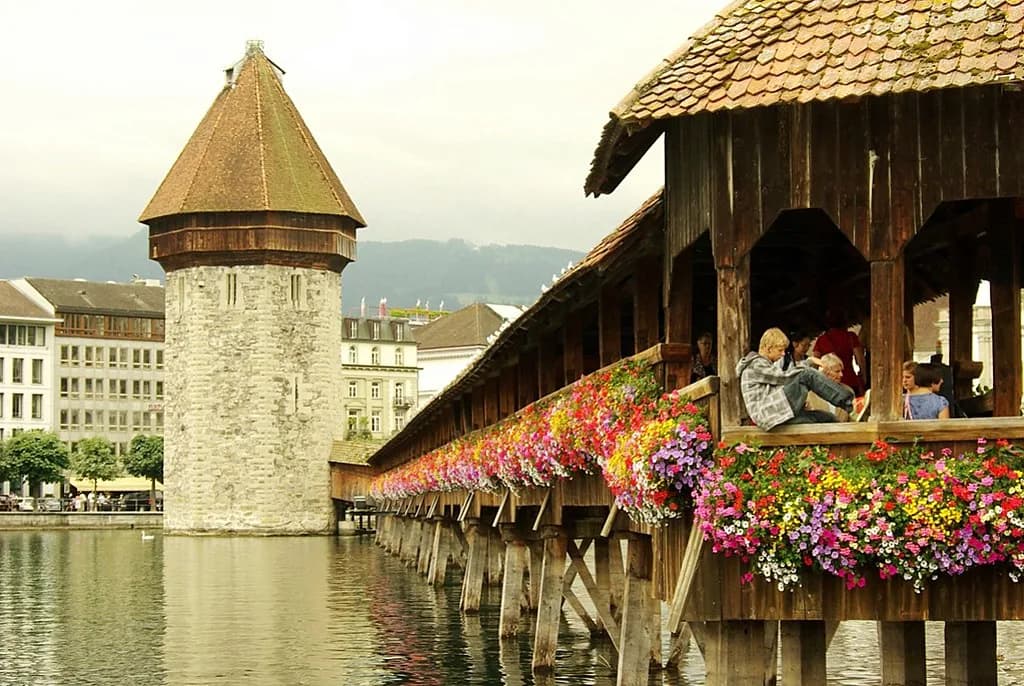
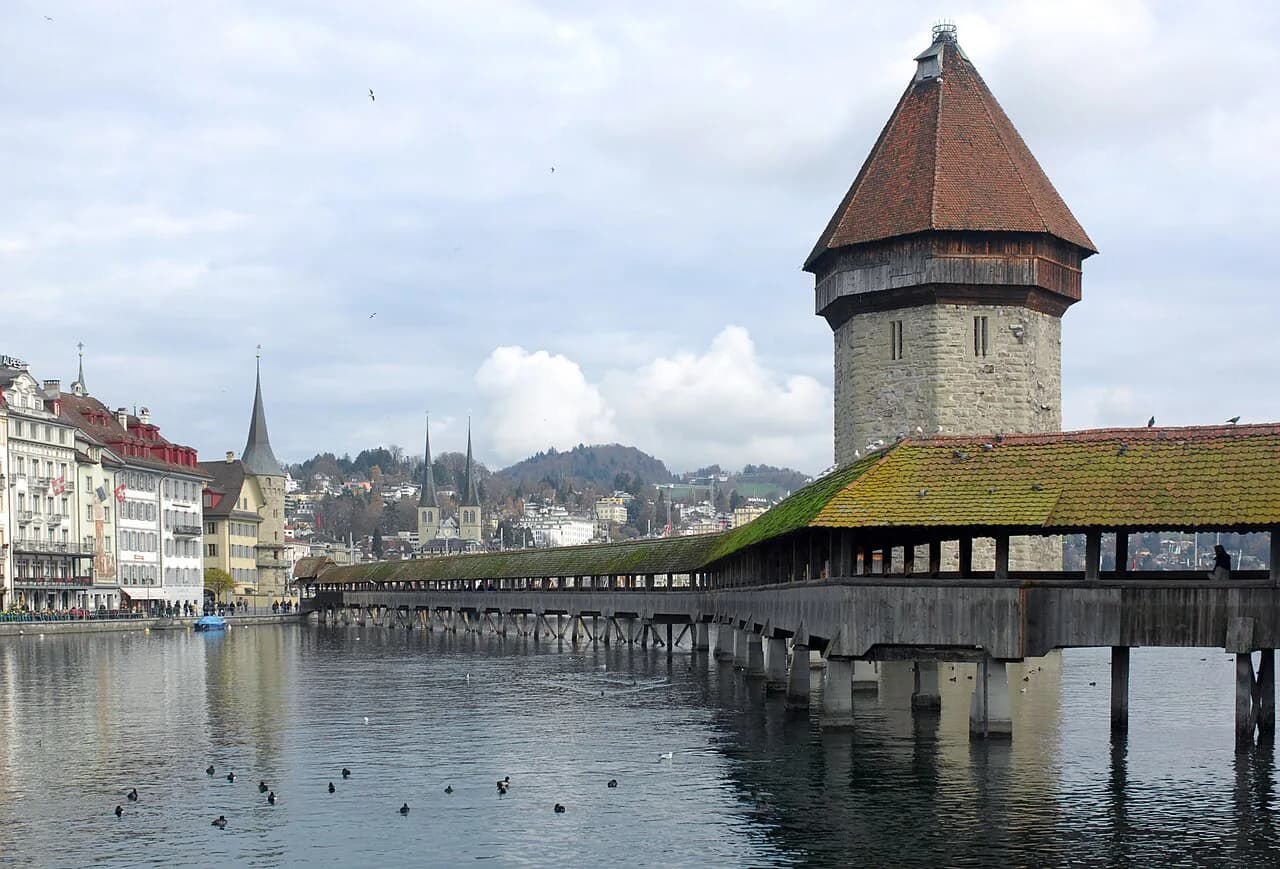
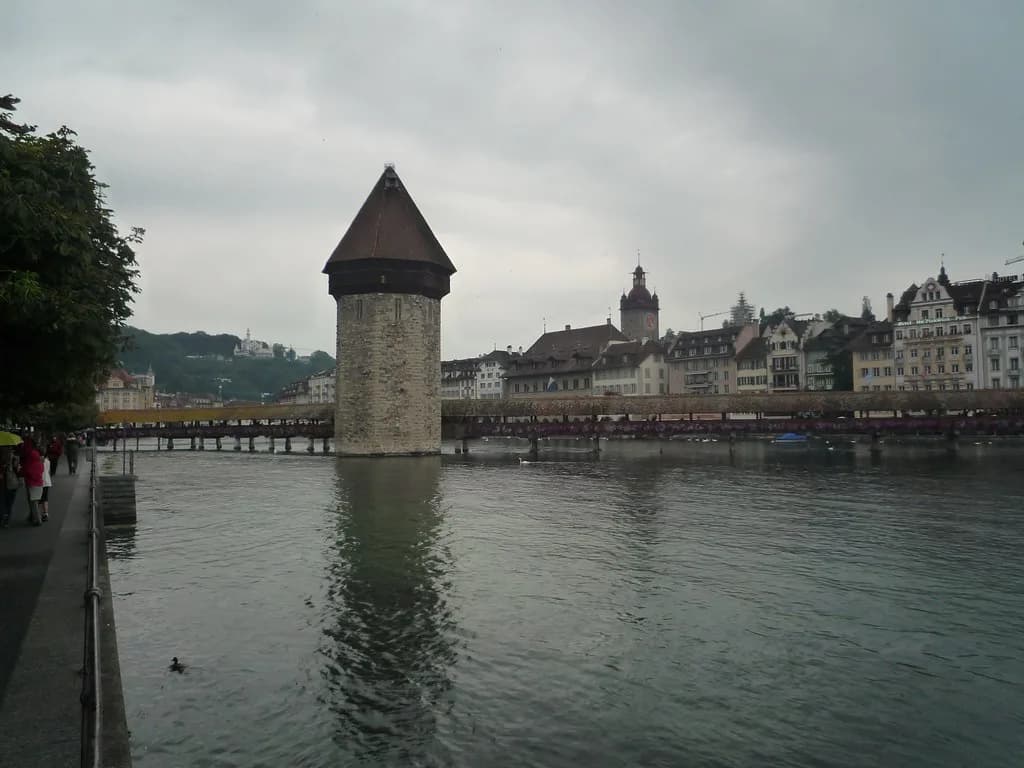
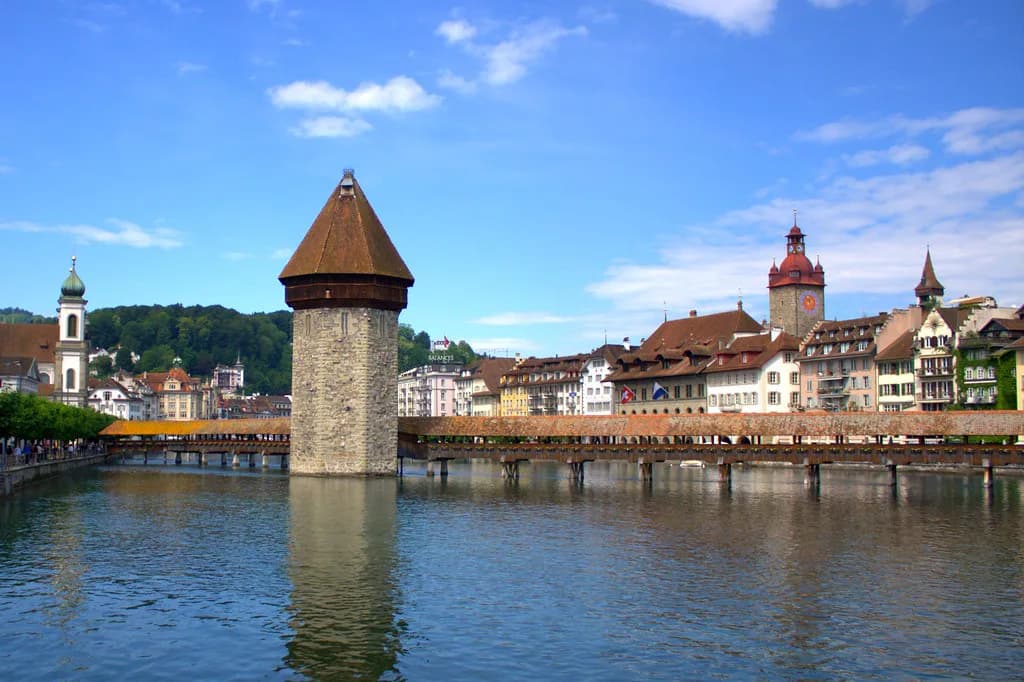
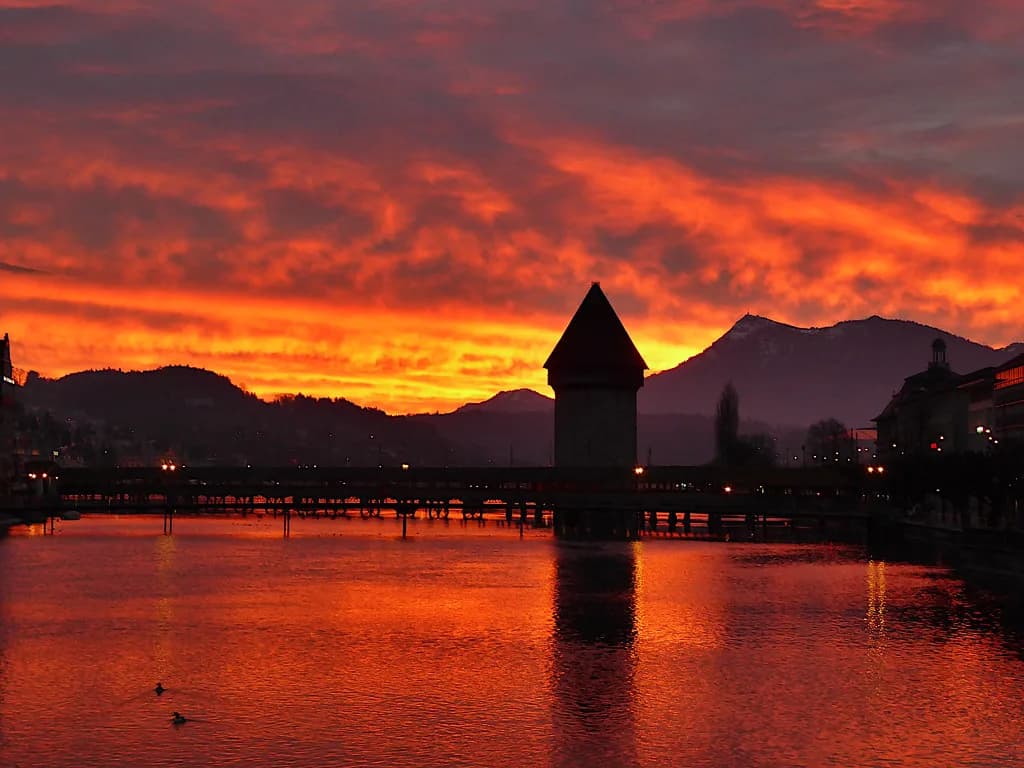
Walk across Kapellbrücke, the largest wooden covered bridge in Europe, and look for the interior paintings that depict Lucerne's history. A 1993 fire destroyed about two-thirds of those paintings, so what you see today is the surviving set rather than the original scheme. The adjoining Wasserturm, once used as a prison and torture chamber, is not open to the public, so plan to see it from the bridge rather than inside.
Crossing takes minutes, but the bridge is also the best free orientation point in the city. From the middle you can read the river, the lake mouth and the hillside walls in one look, which makes the rest of the day easier to plan.
Day 1 Afternoon: The Lakefront and the Museggmauer
Spend the afternoon along Lake Lucerne, then take the short uphill walk to the Museggmauer, the medieval walls and towers above the center. The walls are free to visit, and from the top you get a view back over the city. If you want a no-ticket viewpoint to anchor the day, this is it.
You can climb some of the towers for higher views, but many tower windows are blocked with mesh or glass, which makes photography tricky. Treat the walls as a place to look out rather than a photo session, and the visit stays short and worthwhile.
Day 1 Evening: Shops Shut Early, So Shop First
Lucerne's shops close surprisingly early, and on a Saturday many shut between 4 and 5 pm; many are closed on Sunday, and weekday closing can come as early as 6:30 pm. Plan any shopping for late morning or early afternoon and keep the evening for the river. If your trip runs over a Sunday, front-load the browsing.
Stay in the Old Town and along the Reuss for the evening. The lakefront view toward the Alps is the free finale, and it works best once the day-trippers have thinned out.
Day 2 Morning: The Lion Monument and a Loop Back
Walk to the Lion Monument, a lion carved into a sandstone quarry near the Old Town and the farthest sight on this list from the center at roughly 15 minutes on foot. Then loop back through the Old Town streets rather than retracing the same road.
The loop is the point: it takes you past squares and lanes you skipped on day one without adding a single new destination to the schedule.
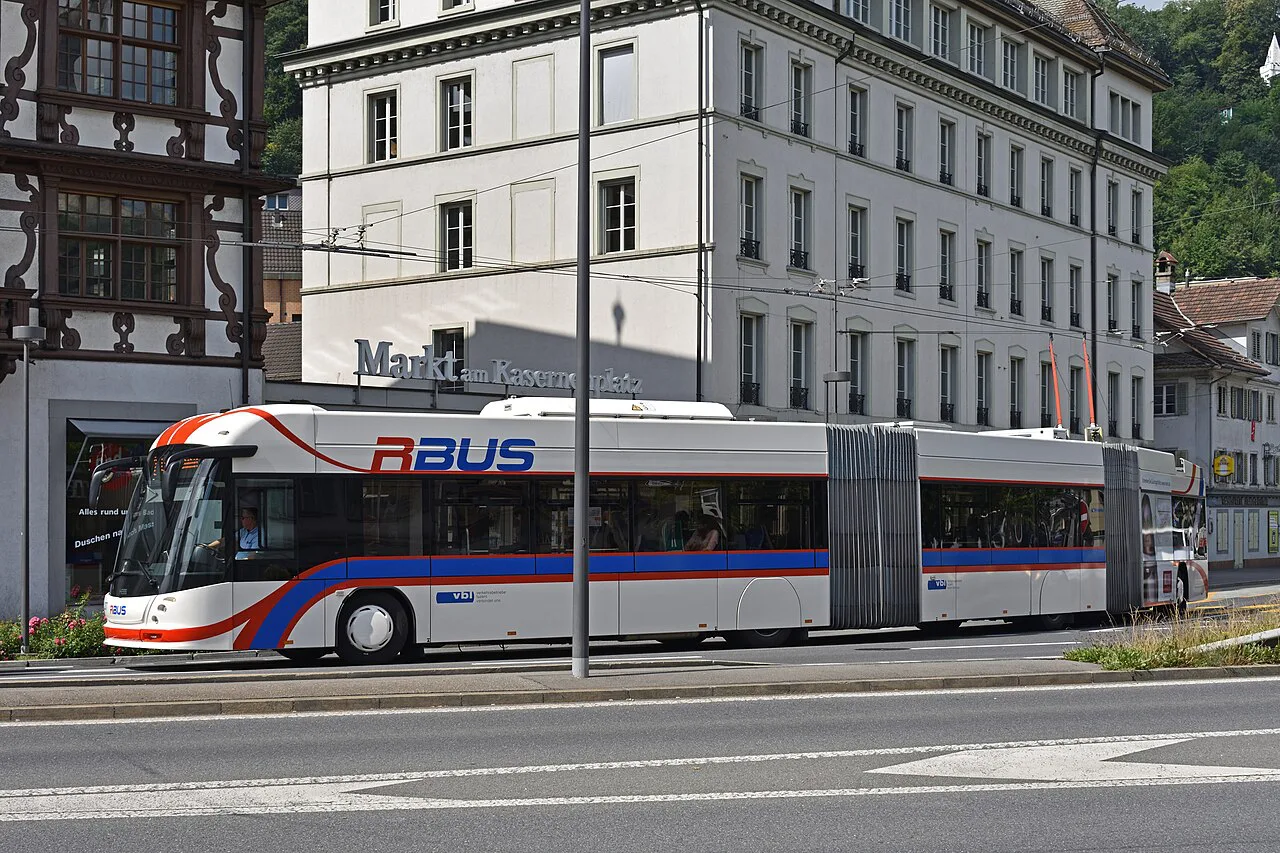
Day 2 Midday: A Museum or Church Stop
Break up the walking with an indoor stop in the middle of the day. A church or a small museum gives your feet a rest and fills the hour when the light is flat. This is also the slot to check the city's own listings for what is open that day, since Lucerne's smaller collections keep their own hours.
Day 2 Afternoon and Evening: A Slower Block
Leave the afternoon open for the lakefront, and rent one of the paddle boats if the weather is good. Then revisit Kapellbrücke and the water in softer light, when the crowds drop and the bridge paintings are easier to study.
Keep dinner close to where you are staying, because this is the evening you do not want to spend in transit. Two days in Lucerne should end with a short walk home, not another crossing of the river.
Day 3 Option A: A Mt. Pilatus Morning
From Kriens, a series of two panoramic gondolas and a cableway climbs to Pilatus Kulm, passing through the mountain stations at Krienseregg and Fräkmüntegg. Go up in the morning and aim to be back in the city by early afternoon so Lucerne still gets its share of the day. The official Pilatus site publishes the fares and operating times for the gondolas and the cogwheel railway, so check those before you commit to the mountain.
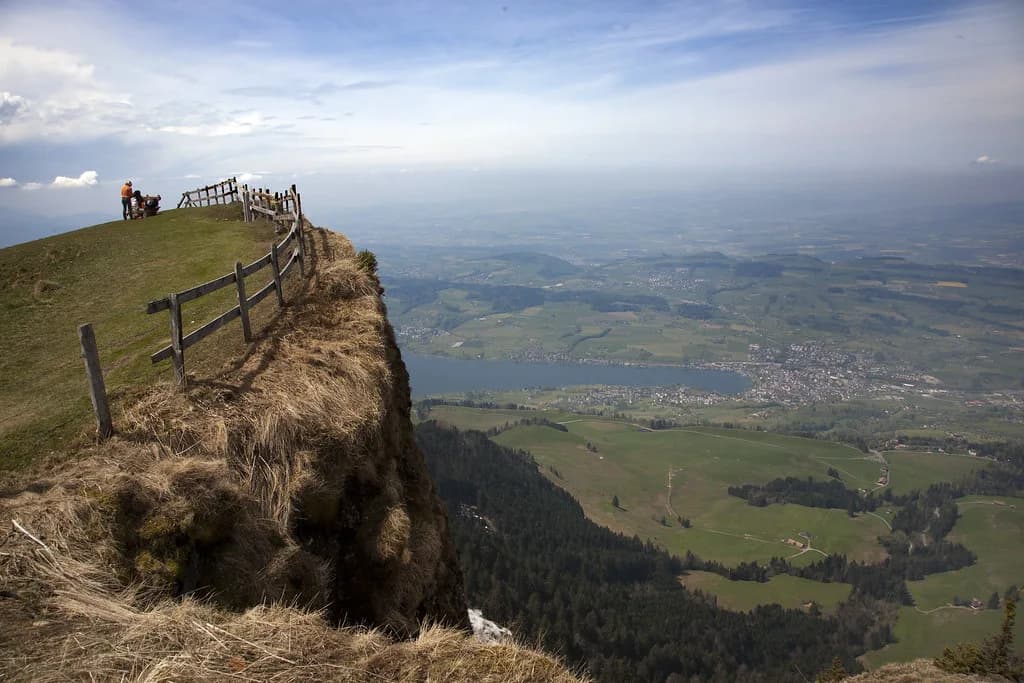
At the top, short uphill climbs around the station reach several viewpoints, and about an hour covers them without much effort. Esel, the rocky prominence behind the Bellevue Hotel, looks down on Lucerne and out across the Alps.
Day 3 Option B: Cogwheel Railway and the Round Trips
The Pilatus cogwheel railway climbs at an average gradient of 48° in about 30 minutes, and it holds the title of steepest cogwheel railway in the world. Pair it with the cableway instead of repeating a route: the Silver Round Trip runs from the Lucerne railway station by cogwheel train to the peak, down by cableway and gondolas to Kriens, then by bus back to the station. Transport to and from Lucerne is included in that ticket.
The Golden Round Trip swaps the return leg for a boat from Lucerne to Alpnachstad, where you board the cogwheel railway, then comes back by cable car to Kriens and a short bus ride into the city. Both are ways to avoid retracing the same track, not upgrades to chase.
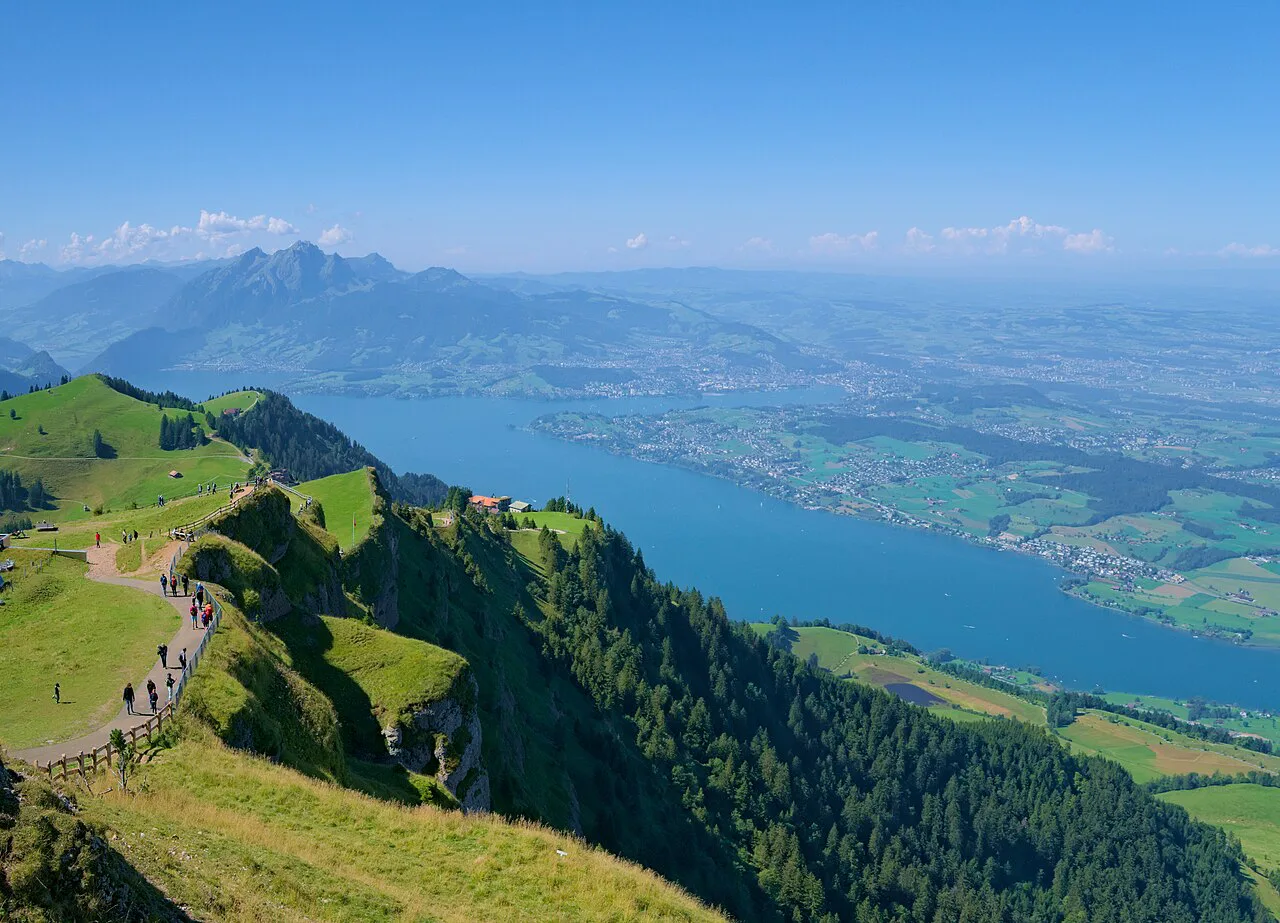
Mt. Pilatus Trade-Offs
Fräkigaudi at Fräkmüntegg is Switzerland's longest toboggan run at 1,350 meters, and it is popular: waits of around half an hour are normal in the early afternoon. Children 8 and younger must ride with an adult, and photography is not permitted on the run. If the toboggan matters, ride it before lunch rather than after.
Hiking up from the valley to Pilatus is strenuous and eats the afternoon you wanted for the city. The Tomlishorn walk from the top is the better compromise: mostly paved asphalt with a rough, rocky finish, a few short climbs and steps, and about 40 minutes of walking.
How Many Days You Actually Need
Two days is the sweet spot for a city break, three if you want a mountain morning on Pilatus, and a single day only if you pick the Old Town or the mountain rather than both. If you are weighing a one-day version, keep the Old Town, the bridge and the walls and drop Pilatus entirely.
Three days also gives you the slack to absorb a wet morning without losing a sight. If you are still deciding, work out which of the three versions fits your dates before booking anything.
Money and Timing Notes
The mountain transport is the biggest single cost of a Lucerne trip, and no general city pass covers it automatically. Budget for it separately and confirm the current fare on the official Pilatus site before you go. The Museggmauer walls are the free viewpoint that balances the day, and the Old Town lanes cost nothing to walk.
Go up Pilatus on a clear morning, since cloud can sit on the summit and hide the Alps even when the city is sunny. If the forecast is doubtful, swap the mountain day with the city day rather than losing both.
Where This Itinerary Leaves Gaps
Shorter and longer versions live in separate guides: the one-day route for a flying visit and the three-day plan for anyone adding a mountain. Day trips beyond Lucerne are a different plan entirely, and this one keeps you in the city and on one nearby peak.
If you are still deciding whether Lucerne deserves the slot at all, compare it against Zürich before you lock in dates. A 3 days in zurich plan shows how a bigger, more sprawling city demands a different kind of schedule. The city does compact and walkable better than most Swiss destinations, and two days proves it.
Plan Your Visit
Book two nights in Lucerne for the city plan and a third only if Pilatus is on your list. Group each day by bank and hill, shop before late afternoon, and keep the walls for the end of day one.
That structure lets you see the Old Town, the bridge, the lakefront and the walls without ever feeling rushed, and it leaves room for the mountain when the sky is clear.
Explore more Lucerne guides
Frequently Asked Questions
How many days do you need in Lucerne?
Two days cover the Old Town, the lakefront and the Museggmauer walls at an easy pace. Add a third morning if you want to ride up Mt. Pilatus and still have an afternoon in the city, and drop to one day only if you choose between the Old Town and the mountain.
Is one day in Lucerne enough?
One day works if you concentrate on the Old Town, Kapellbrücke and the lakefront, and skip the mountain. Trying to fit Mt. Pilatus and the city into a single day leaves both halves thin, because the cableway circuit and the short summit viewpoints take most of a morning.
What should you do on a two-day Lucerne itinerary?
Day one covers Kornmarkt, the town hall, Kapellbrücke with its surviving interior paintings, the lakefront and the free Museggmauer walls. Day two starts at the Lion Monument, loops back through the Old Town, adds an indoor stop at midday and keeps the afternoon open for the water.
Is Mt. Pilatus worth adding to a Lucerne itinerary?
Yes, if you have a third morning and a clear forecast. The cableway from Kriens and the short viewpoints around Pilatus Kulm deliver the alpine view without a long hike, but cloud on the summit can cancel the payoff, so keep the mountain flexible.
How do you get to the top of Mt. Pilatus from Lucerne?
Ride the panoramic gondolas and cableway from Kriens through Krienseregg and Fräkmüntegg to Pilatus Kulm, or take the cogwheel railway, which climbs at an average gradient of 48° in about 30 minutes. The Silver and Golden round trips combine rail, cableway, bus or boat so you do not repeat the same route.
Are the Museggmauer walls free to visit?
Yes, the medieval walls and towers above the center are free to visit, reached by a short uphill walk from the Old Town. Some towers can be climbed for higher views, though mesh and glass in many windows make photography difficult.
When do shops close in Lucerne?
Shops close early by US standards, and many shut between 4 and 5 pm on a Saturday, with Sunday closures common and weekday closing sometimes as early as 6:30 pm. Do your shopping in the late morning or early afternoon and leave the evening for the river.
Sources
Notes for your Swiss city break
Optional updates to our Swiss city guides.
You might also like
Continue reading
More guides you'll find useful