Is Lugano Worth Visiting? A Guide to Deciding Your Trip
Lugano is worth visiting for a compact, Italian-flavored Swiss lake city with funicular mountains and walkable squares. Here is who it suits and who it doesn't.
On this page
Yes, Lugano is worth visiting, on one condition: you come for a small, Italian-flavored lake city rather than a museum-heavy capital. The center is compact and car-free, and the mountains rise straight from the water, so a short break here is mostly about walking, looking and riding a funicular. If you want galleries and grand collections, Zürich or Basel will give you more for the same days.
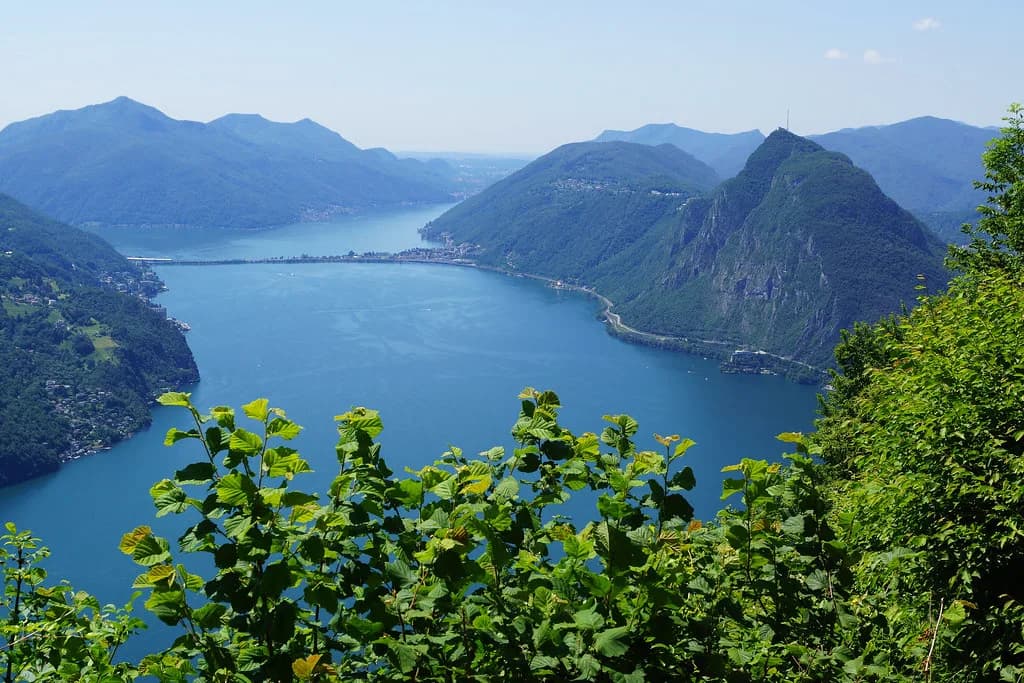
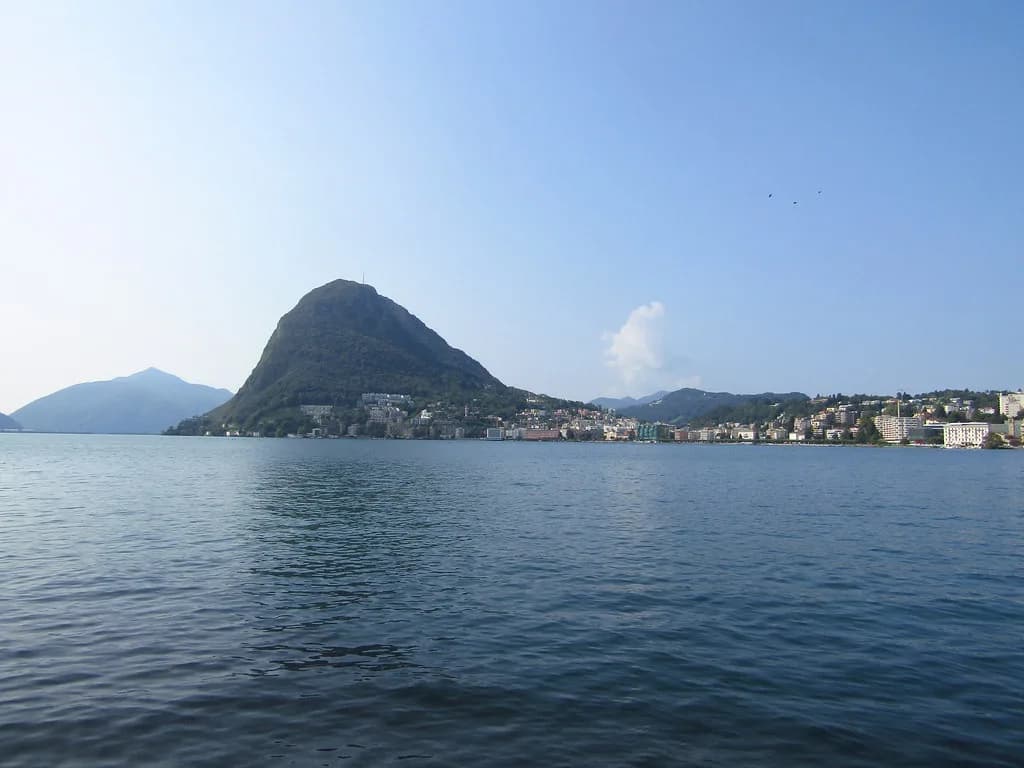
There is a real trade-off to weigh. Lugano is a working banking city that behaves like a resort town, which is pleasant but not deep. Around the lake, the palm-lined waterfront, the mild Ticino climate and the funicular mountains carry the days, a combination that travelers weighing the city against Lake Como repeatedly single out as the reason to come. Plan around that, and use our lugano itinerary to sequence the sights once you decide to visit.
The short answer: yes, if you want a small Italianate lake city
Lugano is the only part of Switzerland where Italian is the everyday language of the canton, and you feel it in the food, the language and the way the city arranges itself around the water. It sits in Ticino at the southern edge of the country, close enough to Italy that a lake day in Lombardy is a genuine alternative rather than a fantasy. The city is a sensible base for that specific mood, not for a comprehensive Swiss city break.
What it does not do is carry a big-city cultural program. If your short break has to include major art museums or several full days of indoor collections, Lugano will run thin and you will be filling time rather than choosing between good options. The honest framing is that this is a city of views, walks and short rides, with one modern cultural center and a handful of churches.
How Lugano is laid out
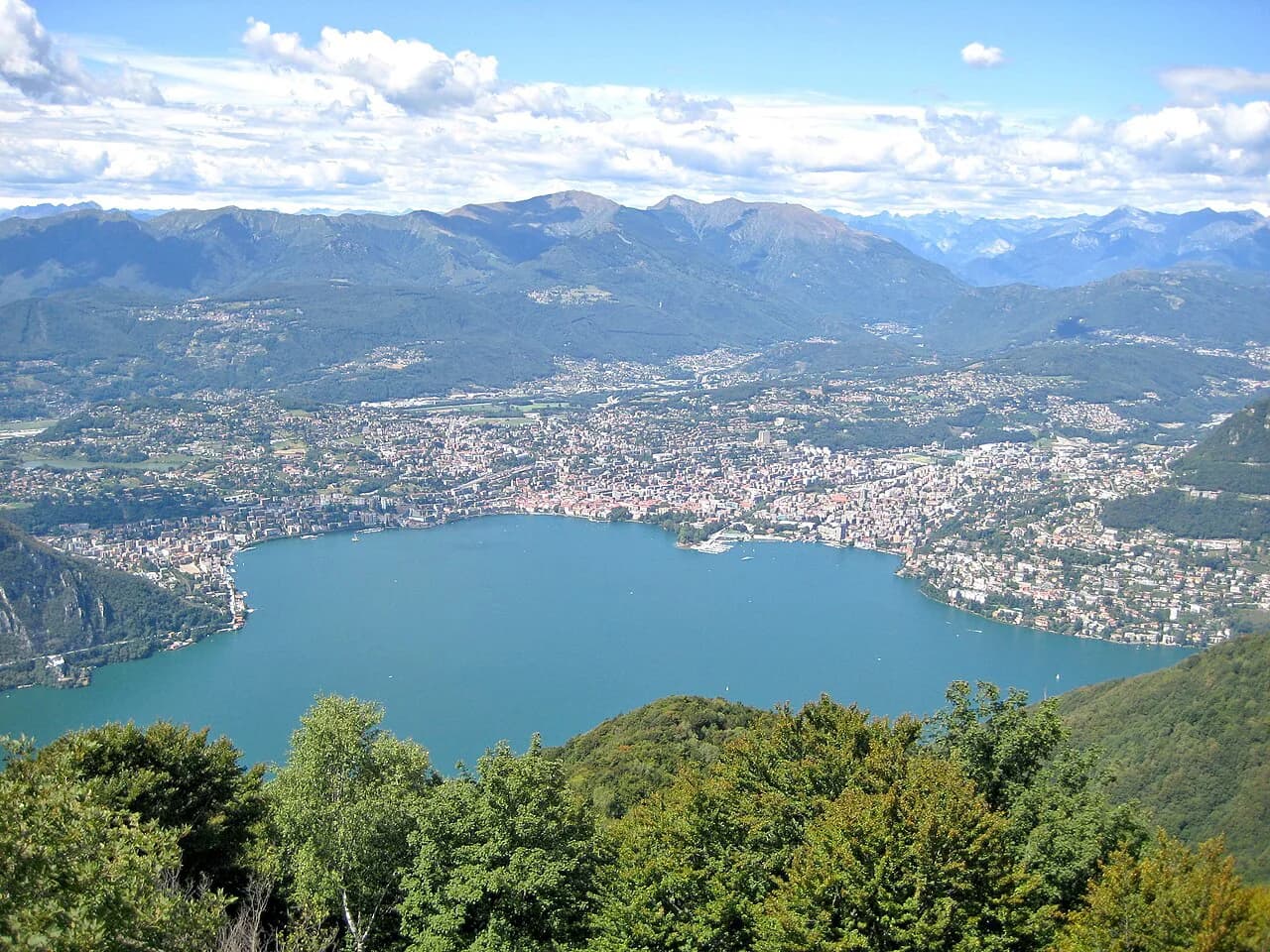
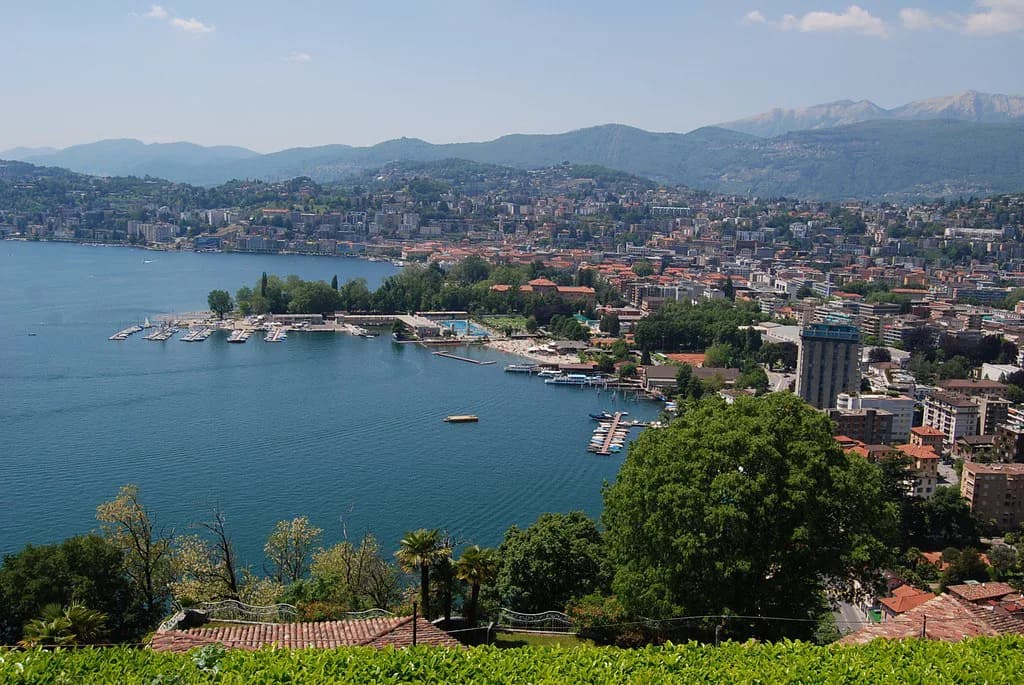
The city wraps around Lake Lugano, and the historic center fans off the waterfront in a grid of squares and narrow streets. It is easy to walk, and cars are kept out of the core, which means the normal pattern is a long, unhurried circuit between the lake, the squares and the churches. The main train station sits just a few hundred yards from the center, so you can arrive and be walking in the old town within minutes of stepping off the platform.
That compactness is the strongest practical argument in Lugano's favor. You do not need a bus pass or a taxi habit to see the center, and you can change plans mid-afternoon without losing half the day to transit. The bus system is useful if you are staying farther out or want to link the station to the lakefront, but for a short stay on foot the center holds together on its own.
The main square is the natural anchor for a wander: Piazza della Riforma is the city's living room, close to the water and the arcaded streets.
What you actually do here
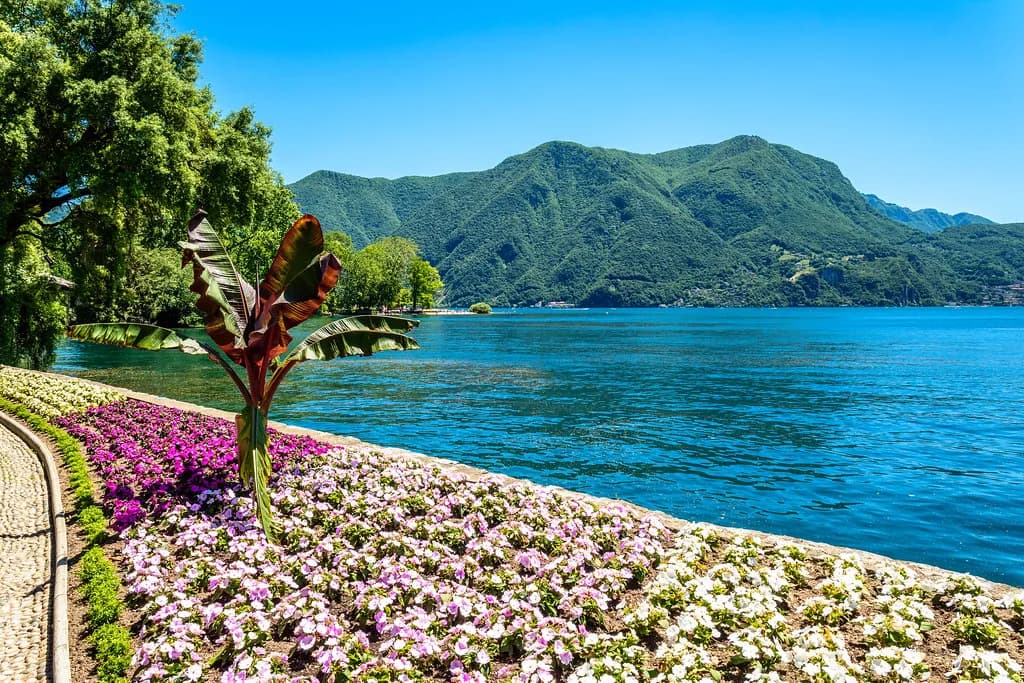
Start with the Centro Storico, where the streets themselves are the attraction: historic buildings, small shops, cafes and views opening up between them. Then work down to Parco Ciani, the lakeside park on the shore of Lake Lugano, which pairs lush greenery and palm trees with open water and is free to enter. It is the easiest good hour in the city.
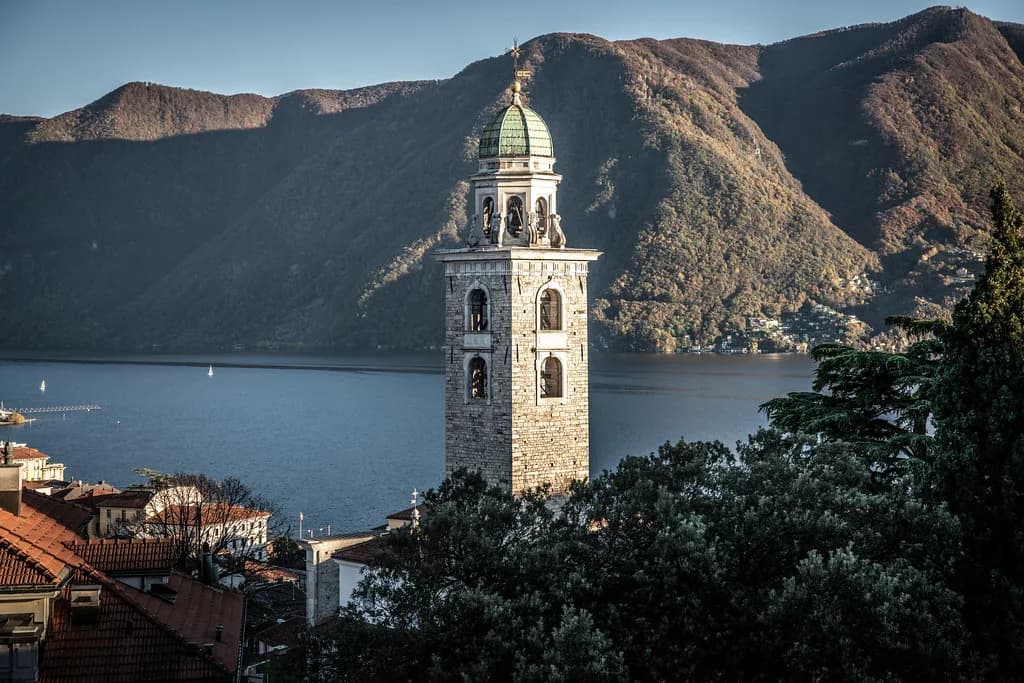
Pick one or two churches rather than all of them. The Cathedral of San Lorenzo is the city's main church, and Santa Maria degli Angioli is known for its frescoes, both within walking distance of the center. Parco San Grato, up in Carona above town, is the garden stop if you have a car or are prepared for the bus ride; it is a botanical park rather than a quick stroll, so give it a half-day if you go.
Ride up: Monte Brè and Monte San Salvatore
Two mountains with funiculars are the signature rides here, and they are different enough to justify choosing one deliberately. The funicular station is a short walk from the city center, so either is easy to slot into a morning or the late afternoon. The payoff is panoramic: the city, the lake and the ring of mountains around it.
Monte San Salvatore rises directly above the city and is the more convenient of the two, which makes it the sensible first choice on a short visit. Monte Brè has the reputation for the broader panorama over the lake and the surrounding peaks. Check funicular operating times and ticket prices before you build a day around one of them, since mountain services are seasonal and weather-dependent.
LAC and a rain plan
The Lugano Arte e Cultura center, known as LAC, is the city's modern cultural building and the obvious move when the weather turns. It hosts cultural events and performances alongside exhibition space, so it fills a wet afternoon that would otherwise be a hotel-room wait. This is the one place in Lugano where planning ahead pays: look at the program before you arrive and book around a performance or exhibition you actually want.
If the weather never turns, do not force it. Lugano's best days are outside, and a city of this size does not reward box-ticking.
The feel of the place
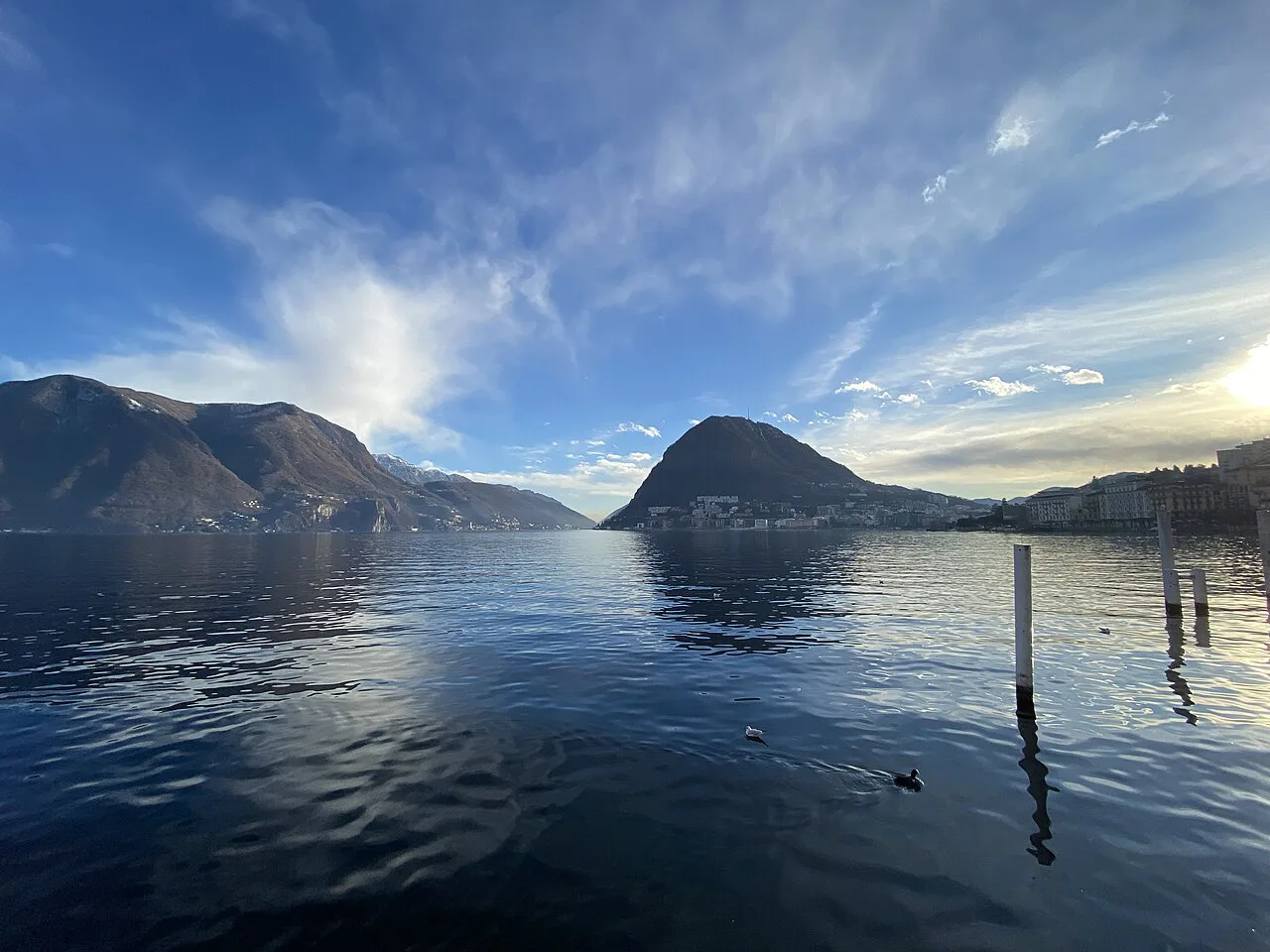
Lugano is a banking center, and a large one at a national scale, yet the street-level experience is closer to a small resort town. Parks, palm trees and a car-free core keep the tempo slow, and the city stays easily walkable with small squares leading off the lake. It genuinely feels like a resort with a financial district attached, rather than the other way around.
The climate is what surprises visitors most. The mountains around the lake, including Monte Brè, Monte Generoso and Monte San Salvatore, help keep Ticino milder than the rest of Switzerland, and Ticino is one of the sunniest corners of the country across a typical year. Treat sunshine figures as climate averages when you pack, not as a forecast for your dates.
The Italian presence is constant: language, food and the way the landscape looks. Anyone expecting a Swiss version of Zürich will be surprised, and that surprise is the reason to come. Come expecting a lakeside Italian town with Swiss infrastructure and you will get exactly what you paid for.
Lake Lugano by boat
A boat ride on Lake Lugano is a proper half-day rather than a footnote, and it is the cheapest way to see how the lake folds between its mountains. The town wraps around the water, so views are constant whether you stay on deck or look back from shore. Build it into your second day rather than squeezing it between the churches and the funicular.
Keep the scope modest. A short cruise and a walk back through Parco Ciani is a better use of an afternoon than a full circuit of the lake, which eats the day you wanted for the mountain.
How many days Lugano needs
Give Lugano one full day for the city itself: the Centro Storico, Parco Ciani and a church or two. Add a second day for one funicular mountain, and a third only if you want to slow down and take a boat out on the lake. Two days is the sweet spot; three days rewards a slower traveler, not a more ambitious one. For a fuller breakdown of what each day covers, see How Many Days in Lugano Do You Need?.
If your whole stay is a single day, cut the mountain and keep the center and the waterfront, which is how most people see Lugano on a stopover. Work through one day in Lugano with the two anchors clear: Parco Ciani in the morning and a wander through the historic center before the light goes.
A weekend in Lugano covers the same ground with less hurry: city on Saturday, mountain on Sunday, boat only if the weather cooperates. To plan that shape in detail, use our A Weekend in Lugano.
Lugano vs Lake Como
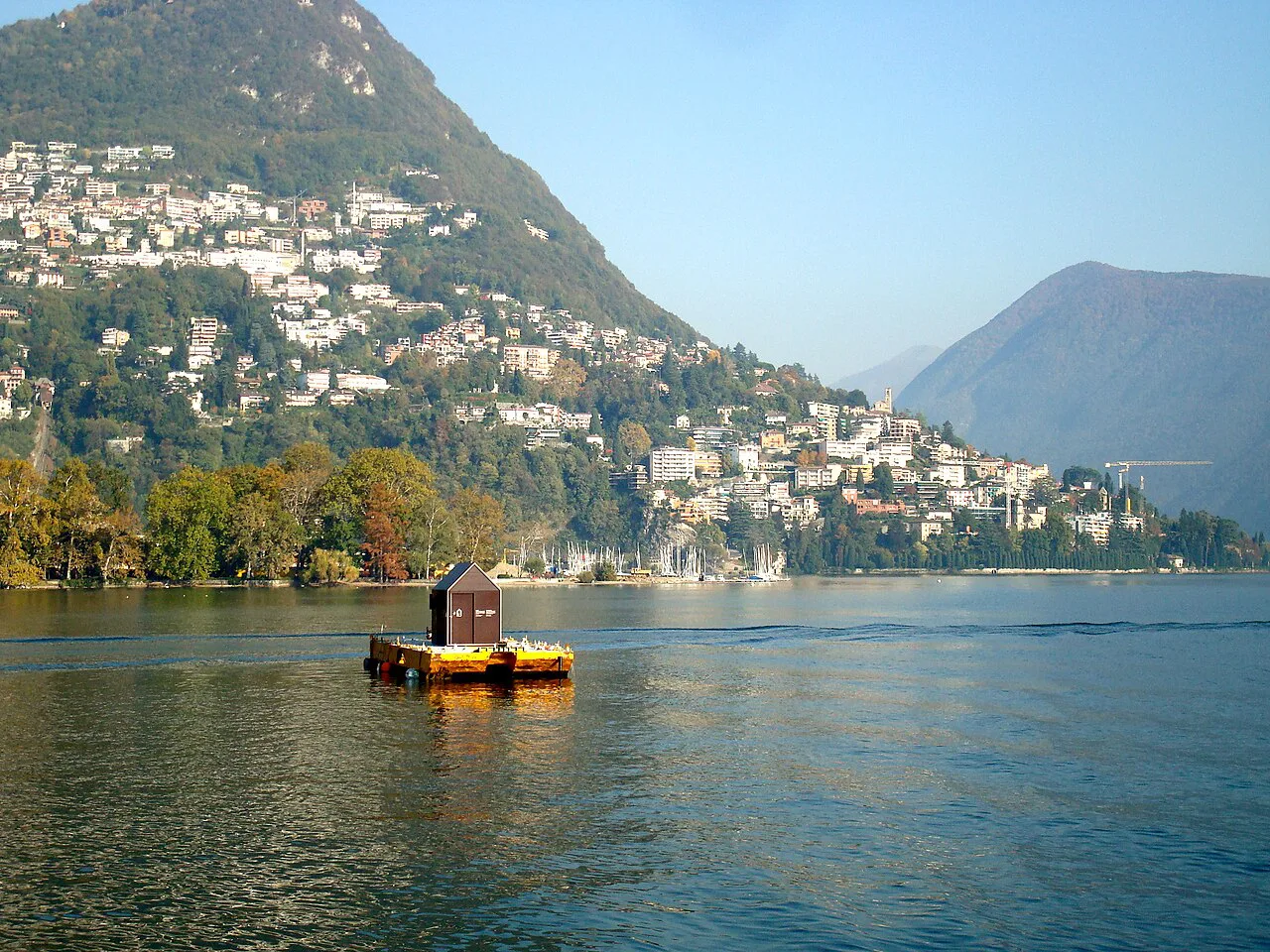
Lugano and Lake Como sit on opposite sides of the same border, and the two lake landscapes have a lot in common: mountains dropping straight into water and a mild climate shared across the region. Como is the larger, more heavily used lake and the Italian towns around it are established stops on their own. Lugano has the advantage of being the compact version you can cross entirely on foot.
For a single lake day on a Swiss trip, Lugano is the easier call: you arrive, walk, ride up a mountain and eat dinner without renting anything. If the draw is the Italian lake scene in its grander, busier form, cross the border instead. Which one is better depends on whether you want a compact city you can cover on foot or a bigger lake with more towns to hop between.
Is Lugano expensive?
Lugano prices are Swiss prices, even this close to Italy. A Swiss Travel Pass is the useful tool for getting around, and it is worth working out whether your route justifies one before you buy. Lodging, food and mountain rides are where a day's spending concentrates, while walking the center and Parco Ciani costs nothing beyond your lunch.
To compare a Ticino budget against the rest of the country, see Is Lugano Expensive? What a Few Days in Lugano Actually Costs. The short version: treat it as a full-price Swiss city and you will plan realistically.
Who will love it and who should skip it
Lugano suits the traveler who wants a small, warm-feeling Swiss city with water, mountains and a good dinner, and who is happy to be outside for most of the day. It is a strong short-break choice for couples and for anyone mixing a city stop into a longer Swiss trip to the south. Walkers who like a compact center and a single spectacular ride will get exactly what they came for.
Skip it if you need major museums, a big-city restaurant scene or a fast pace. Come for a walking-oriented, Italian-flavored stop with the lake and a mountain at either end of the day. If your Swiss trip is a city comparison, the same honest question applied elsewhere is a useful cross-check: is Bern worth visiting and is Basel worth visiting both weigh museum depth and compactness against each other.
Where Lugano fits in a longer Swiss trip
Lugano sits almost directly south of Zürich, makes an easy connection from Milan, and is close to Bellinzona and its UNESCO-listed castles. It works well as the southern leg of a Swiss loop, paired with Bellinzona rather than used as a detour from the north. If the whole-city picture is what you need before deciding, start with our Lugano Attractions: 8 Visitor Guides and build outward from there.
Plan Your Visit
Lugano is worth visiting as a small, Italian-flavored Swiss lake city on foot, with the funicular mountains providing the headline day. It is not worth it if you want museum-heavy city days and big collections. Decide which trip you are on, then plan around the lake, Parco Ciani and one mountain.
Frequently Asked Questions
Is Lugano worth visiting?
Yes, if you want a compact, Italian-speaking Swiss city on a lake where you can walk the center in a morning and ride a funicular mountain in the afternoon. No, if your ideal city break is built around major museums and galleries, which Lugano does not offer at that scale.
How many days should I spend in Lugano?
One full day covers the Centro Storico, Parco Ciani and a church or two. A second day is best spent on Monte Brè or Monte San Salvatore. A third day makes sense only if you want a slower pace with a boat trip on Lake Lugano.
Which is better, Lugano or Lake Como?
They share the same lake-and-mountain landscape on either side of the border. Lugano is the compact version you can cross entirely on foot, while Como is larger and busier with more Italian towns to visit. For a single lake day on a Swiss trip, Lugano is easier.
Is it worth going to Lugano from Lake Como?
Only if you want to see a Swiss lake city, not just more of the same lake scenery. The two are close enough that the crossing is straightforward, but the reason to go is Lugano's car-free center and its funicular mountains, so plan the day around those.
What is so special about Lugano?
It blends an unmistakably Italian feel in language and landscape with Swiss order, set around a lake and ringed by mountains. The car-free center, the lakeside Parco Ciani and the funiculars to Monte Brè and Monte San Salvatore give it a resort feel unusual for a banking city.
Is Lugano expensive to visit?
It is a Swiss city, so plan for Swiss prices rather than Italian ones, even this close to the border. Walking the historic center and Parco Ciani costs nothing, and a Swiss Travel Pass can help with getting around. Lodging, food and mountain rides are where the money goes.
Sources
Notes for your Swiss city break
Optional updates to our Swiss city guides.
You might also like
Continue reading
More guides you'll find useful