Switzerland on a Budget: What It Costs and Where to Save
Plan Switzerland on a budget with real daily cost tiers, cheaper food and rail tactics, and free city sights that keep a short break affordable.
On this page
Switzerland on a budget is workable at the lean end of published cost tiers, and the gap to a comfortable mid-range trip is rarely set by sightseeing. It is set by lodging, rail and restaurant meals, three categories where a few deliberate choices move the total more than any single ticket price.
This guide separates fixed costs you can price in advance, such as museum entry and mountain railways, from flexible ones you control day by day. It also flags where a pass pays off and where paying as you go is cheaper.
What a Budget Switzerland Trip Actually Costs
Published spending tiers give a useful shape. The lean tier sits near US$110 per person per day without flights for simple two-star hotels or hostels, public transport and local snacks, while the mid-range tier lands near US$270 for four-star rooms and restaurant meals.
Can you visit Switzerland on a budget of $100 a day? Yes, close to it. Travelers who stay in simple two- to three-star places or hostels, use public transport, buy groceries for some meals and focus on free sights can land near the lean tier of published daily cost ranges without flights.
Is Switzerland expensive to travel around? Transport is where costs stack up. Short city rides are modest, but intercity train tickets are far from trivial, and several long hops can rival a rail pass.
What is the cheapest way to stay in Switzerland? Simple two- to three-star hotels, hostels and rooms in smaller towns on major rail lines are the least expensive reliable options, and shoulder-season stays cost less than peak. Some properties also include a free local transit pass.
A second planning source puts a comfortable Swiss vacation at CHF 200 to 250 per person per day, a useful sanity check when you tally your own itinerary.
Treat these as spending tiers rather than official averages. They describe what a given budget buys, so pick your tier first and then price the specific days you plan to fill.
The Three Costs That Decide Your Budget
Accommodation is the largest single line. Four-star Swiss hotels start around US$240 per night, simpler two- to three-star places start near US$110, and off-season rates in November or early spring typically run up to 20 percent lower. Rail and local transport are the second lever. A short Zurich tram ride is about US$4.50 and intercity tickets run roughly US$45 to US$95, so frequent long hops add up fast. If the city is your base, our Zürich city guide shows how far a single local pass stretches across the tram network. Eating out is the third and most elastic cost. Mains in a mid-range restaurant land around US$25 to US$55, but a weekday lunch menu, the tagesmenü or mittagsteller, often costs about US$20 to US$35 for two courses.
Eating Well for Less: Supermarkets, Lunch Menus and Tap Water
Groceries are the most reliable way to cut the food bill. Switzerland's main chains are Migros and Coop, Aldi, Denner and Lidl generally cost less for budget staples, and Coop sells reduced-price imperfect produce.
Buy bread, cheese and fruit for one meal a day and you protect the budget for a proper dinner. The same stores sell chocolate and other edible souvenirs well below tourist-shop prices.
Restaurant water is a known trap: bottled water is pricey and some places charge a small fee even for tap water. Swiss tap water is clean and public fountains are everywhere, so carry a refillable bottle and top up between stops.
If you want to spend your food budget on something memorable, put it toward a chocolate tasting in Zurich, or compare the options in this guide to the best swiss chocolate and decide which one earns the splurge.
Getting Around Cheaply: When a Travel Pass Pays Off
A pass is a math problem, not a default purchase. The Swiss Travel Pass bundles train, bus and boat travel with entry to a large set of museums, which only pays off if you move often and visit paid sights; the Swiss Half Fare Card simply halves ticket prices for a month and suits slower trips.
Supersaver tickets bought online for specific less-busy departures are the cheapest single-journey option, but they lock you to a train. Work out roughly how many long rides your trip contains before choosing.
If your route is still taking shape, the switzerland itinerary options break down which multi-city sequences make a pass worthwhile versus paying as you go.
Free and Low-Cost Things to Do in Swiss Cities and Towns
The cheapest day in Switzerland is often a city day. Wander the UNESCO-listed Old Town of Bern, walk the scenic lakeside promenades of Lugano or Montreux, and browse weekly markets, all at no entry cost. For a full list of no-ticket sights, see Free Things to Do in Bern: 10 No-Ticket Sights and Walks.
Geneva and Zurich both have free museum options: Geneva's natural history and art and history museums, and in Zurich the zoological museum and botanical gardens, with the Museum of Modern Art free on Wednesdays.
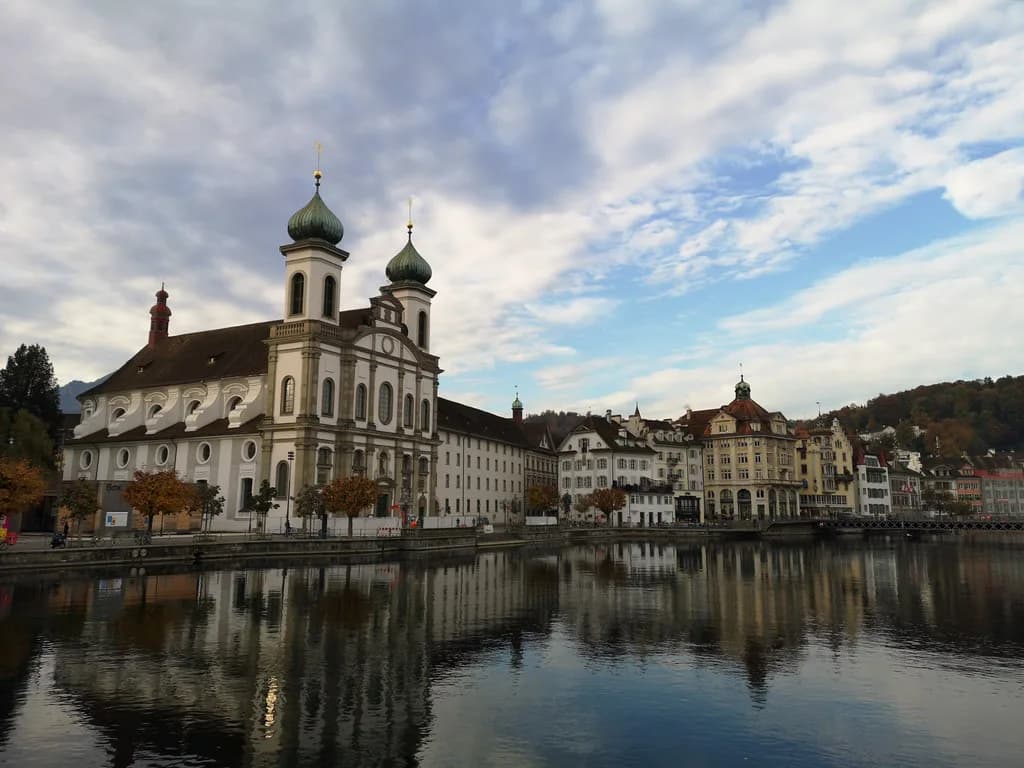
Smaller places reward the same approach. Lucerne's old-town lanes and Musegg Wall cost nothing to explore, which is why this lucerne on a budget plan leans on strolling rather than tickets.
Basel stacks up the same way, with riverside walks and free viewpoints balancing the paid museums, as the basel on a budget guide sets out.
Sample Costs for Sights and Excursions
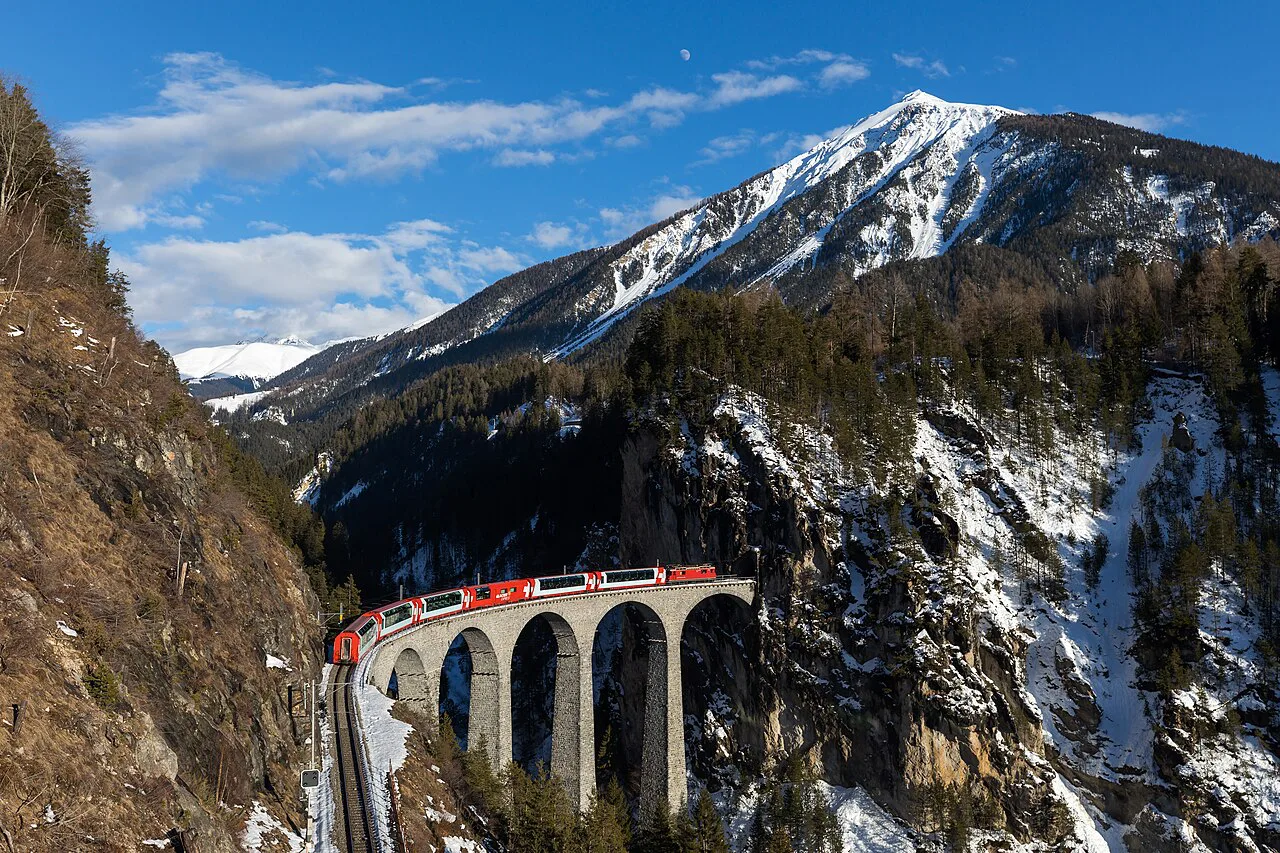
Fixed costs are easy to budget once you have a list. Olympic Museum entry in Lausanne is about US$22, Chillon Castle on Lake Geneva about US$15, and a return ticket on the Gornergrat railway above Zermatt about US$110. The Jungfraujoch excursion starts around US$210, and private boat charters on Lake Zurich start around US$450, which shows how quickly alpine extras can outrun a daily budget. Pick one big-ticket mountain or museum experience and let the rest of the trip run on free streets and viewpoints. Guided city walks and tastings sit in the US$40 to US$120 range if you want structure.
Free Public Transport With Hotel Stays: Guest Cards
Some hotels and hostels hand guests a free local transit pass on arrival, which can erase several days of tram and bus fares.
Because coverage depends on the property, ask at the booking stage whether a guest card is included and what area it covers. A card limited to one town is worth less than one that reaches the surrounding region.
Factor any confirmed card into your pass decision. If your hotel covers local transport, a nationwide pass is only needed for longer intercity legs and mountain railways.
Where to Base Yourself to Spend Less Each Night
Big-city hotels carry a premium. A smaller town on a major rail line usually costs less per night and still puts museums and mountains within reach.
Staying longer in one place also tends to lower the nightly rate, so a single base with day trips often beats a string of one-night stops on cost alone.
For a short break, a three-night base is enough; compare the shape of the best cities in switzerland before committing to one hub and paying for extra train rides.
If the itinerary runs longer, the 7 day switzerland itinerary shows how a single base can anchor a week without daily hotel changes.
When to Go: Shoulder-Season Savings
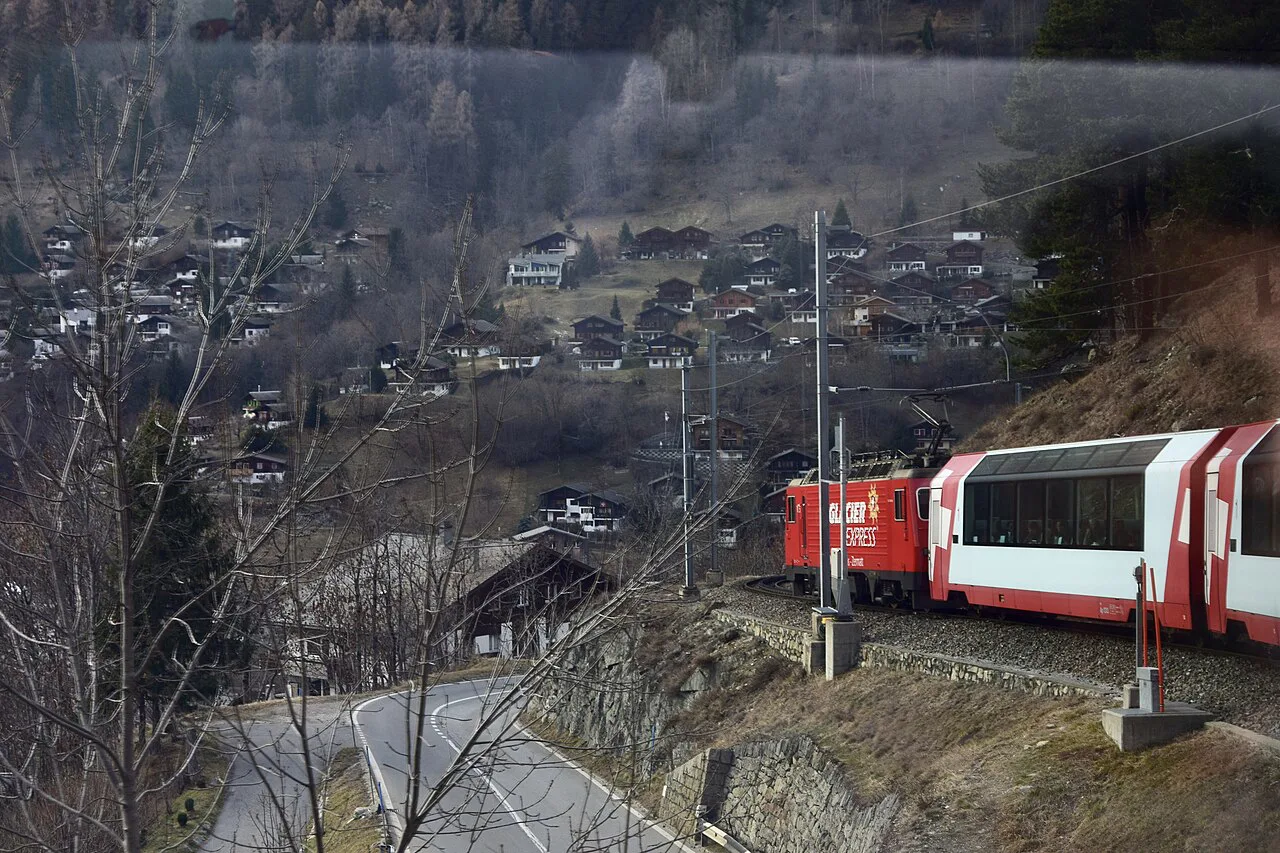
Spring and fall bring cheaper rooms and thinner crowds than summer or the winter ski season, and off-season rates in November or early spring can drop up to 20 percent.
Flights follow the same pattern: fares to Zurich or Geneva peak in July and August, February and the December holidays, with shoulder-season departures typically cheaper.
The trade-off is weather. Shoulder months are cooler and less predictable on the mountains, so check whether seasonal mountain transport is running before you build a day around it.
A Sample Three-Day Budget for a Swiss City Break
On the lean tier described above, three days means a simple room, groceries and one lunch menu, free museums and streets, and local transport only, which keeps the trip at roughly three times that daily figure before any mountain ticket. The mid-range tier, with a four-star room, two restaurant meals and a guided walk or museum entry each day, scales the same way. Add one big excursion, such as the Gornergrat or the Jungfraujoch fares listed in the sights section, and the total climbs quickly. Whether that is worth it depends on how much of the trip you want spent above the treeline.
Mistakes That Quietly Blow a Swiss Budget
Paying full price for every train ride is the most common leak. Without a pass or supersaver ticket, several intercity journeys can cost more than the pass itself, so sketch your route before you buy anything.
Buying souvenirs at tourist shops instead of supermarkets is another. Chocolate and packaged foods cost substantially less in a grocery store than at a station kiosk or gift shop.
Finally, skipping the tagesmenü and ordering à la carte at dinner doubles food costs. Plan the main meal at lunch and keep the evening simple, and the daily total stays inside the tier you chose.
Plan a Switzerland Budget That Holds Up
Decide your tier first, then choose lodging, transport and meals to fit it. One paid mountain experience, supermarket breakfasts and a lunch menu will keep most trips in range.
If you only have three days, the 5 day switzerland itinerary shows where to spend them; if you have more time, a longer outline lets you add one region without repeating fares.
Explore more Switzerland guides
Frequently Asked Questions
Can you visit Switzerland on a budget of $100 a day?
Yes, close to it. Travelers who stay in simple two- to three-star places or hostels, use public transport, buy groceries for some meals and focus on free sights can land near the lean tier of published daily cost ranges without flights. Getting below that means shorter stays in big cities and fewer paid excursions.
Is Switzerland expensive to travel around?
Transport is where costs stack up. Short city rides are modest, but intercity train tickets are far from trivial, and several long hops can rival a rail pass. Supersaver tickets and a Half Fare Card help on slower itineraries.
What is the cheapest way to stay in Switzerland?
Simple two- to three-star hotels, hostels and rooms in smaller towns on major rail lines are the least expensive reliable options, and shoulder-season stays cost less than peak. Some properties also include a free local transit pass.
Are there free museums in Swiss cities?
Some are free. Geneva has free entry at its natural history and art and history museums, and Zurich's zoological museum and botanical gardens cost nothing, while the Museum of Modern Art is free on Wednesdays. Check each museum's current schedule before you rely on it.
Do Swiss hotels give guests free public transport?
Some hotels and hostels do hand guests a free local transit pass. Coverage varies by property, so ask whether a guest card is included and what area it covers before you decide against buying a rail pass.
When is the cheapest time to visit Switzerland?
Spring and fall are generally cheaper than the summer peak and the winter ski season, for both flights and rooms. The trade-off is cooler, less predictable mountain weather, so confirm seasonal transport is running before planning a high-altitude day.
Sources
Notes for your Swiss city break
Optional updates to our Swiss city guides.
You might also like
Continue reading
More guides you'll find useful