
Gornergrat: Riding the Cogwheel Train Above Zermatt
Gornergrat is the ridge above Zermatt that travelers reach by cogwheel train, and the ride is as much the point as the summit platform. The train climbs from a station across from Zermatt's main rail station to a ridge with a panorama running from the Matterhorn across a chain of high peaks and the Gorner Glacier. Plan it as a half-day outing, pick your stop for the views you want, and expect the ticket price to move with the season rather than stay fixed.
This guide covers where the ridge sits, how the railway works, what you actually see from the top, how long to give it and how to think about the fare. It stays on Gornergrat itself, with a short comparison of the other mountain options above Zermatt at the end.
What Gornergrat Is and Where It Sits Above Zermatt
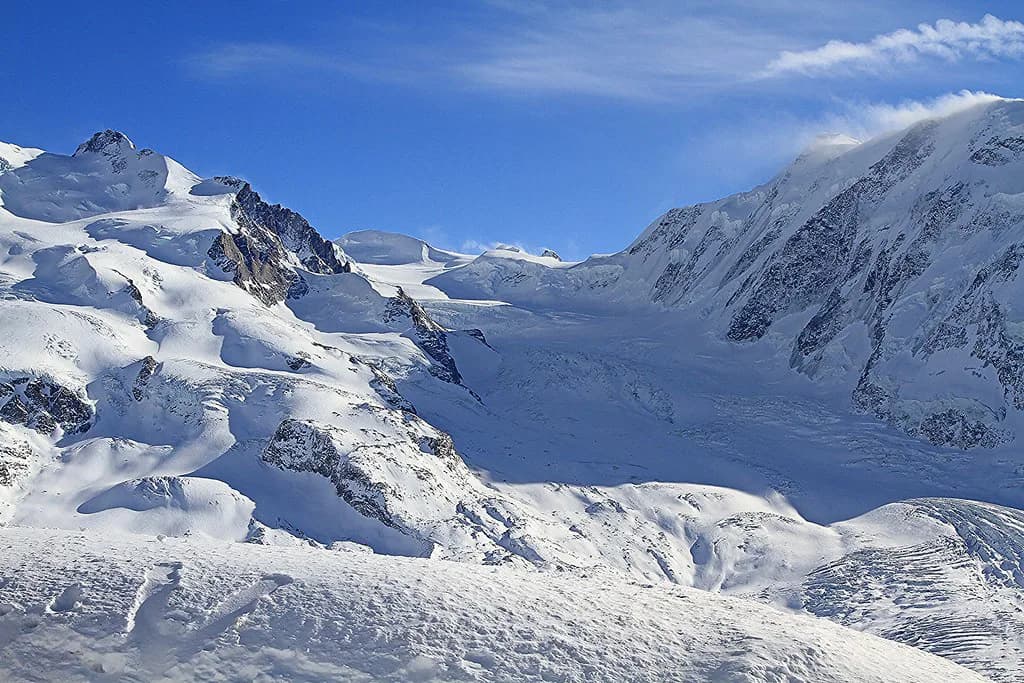
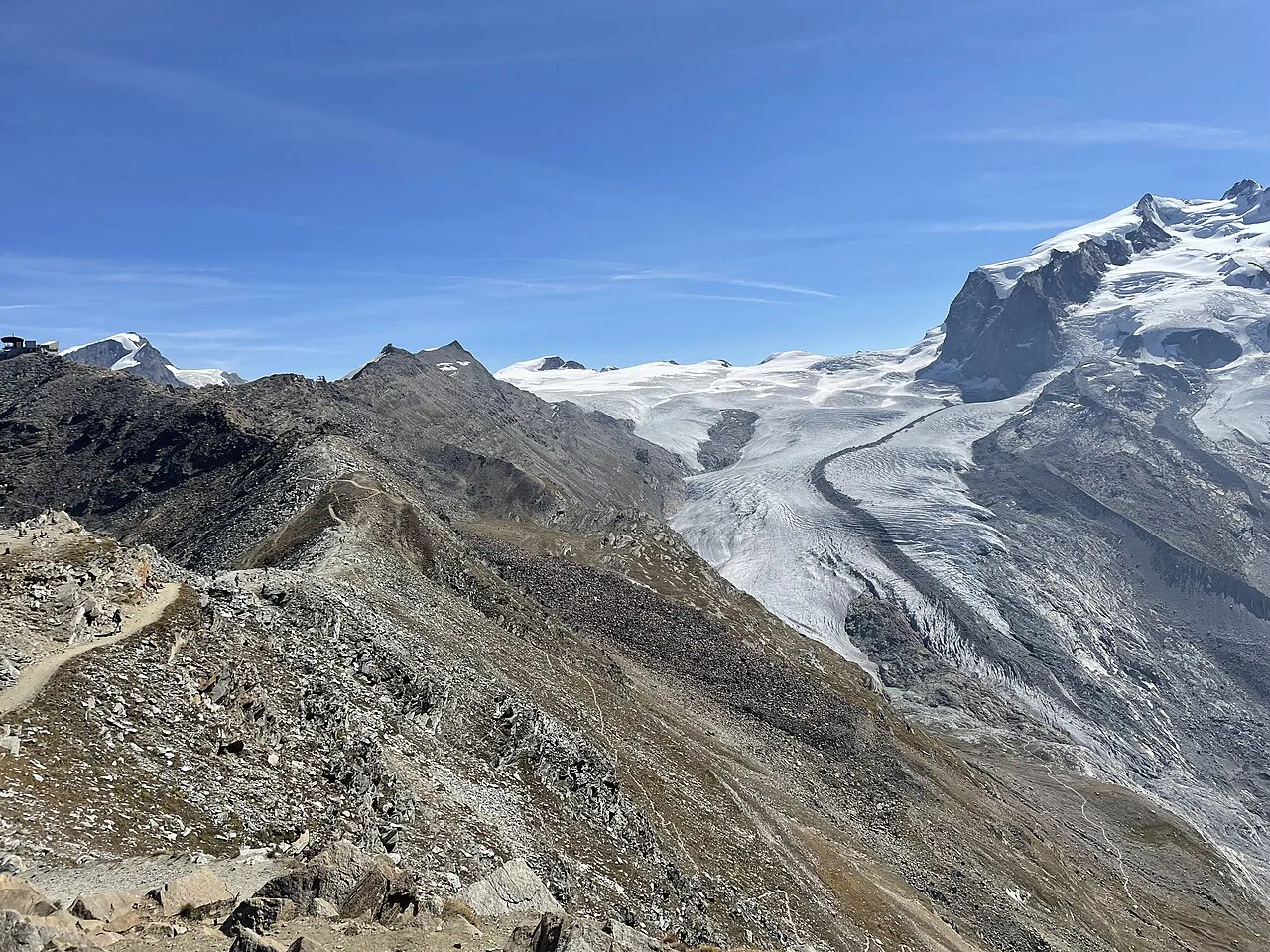
Gornergrat is a mountain ridge near Zermatt in the Canton of Valais, in the Pennine Alps of southern Switzerland. From the viewing platform the panorama takes in snow-covered peaks of more than 4,000 meters, running from the Rosa massif to the Matterhorn, with the long Gorner Glacier spread out below. The summit is a ridge rather than a single pointed peak, which is why the platform gives such a wide, continuous view instead of a narrow one.
The ridge sits high above the village, so the altitude is the first planning fact to absorb: you are going up to thin air, not to a village square. That shapes everything else — how you pace the day, what you wear and how long you linger on the platform before heading down. Zermatt itself sits in the valley below, and the whole excursion is about the climb, the view and the return, not about a long walk at the top.
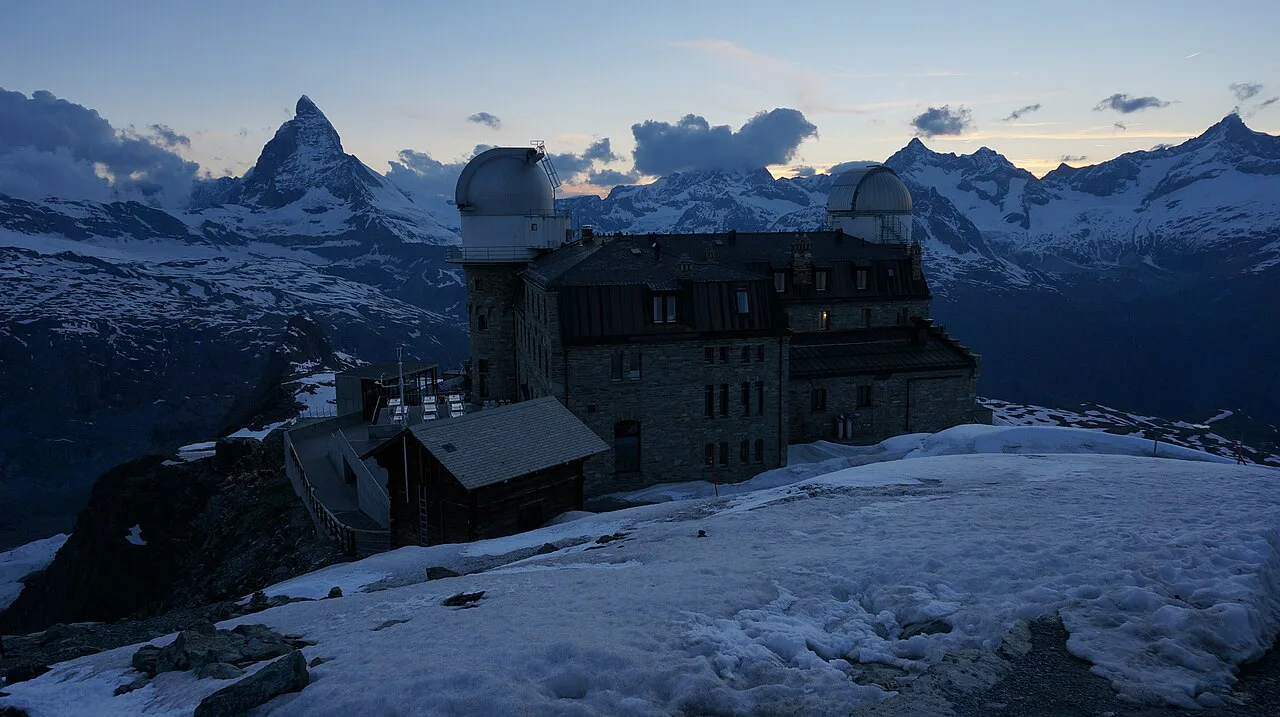
Because the ridge looks straight at the Matterhorn, it is one of the most reliable places above Zermatt to see the mountain clearly on a good day. The height helps: the higher vantage point makes the Matterhorn easier to pick out than from the valley floor. That is also why clouds matter more than almost anything else in deciding whether the day is worth it.
The Cogwheel Train from Zermatt: Starting Point and Route
The Gornergrat railway leaves from a station directly opposite Zermatt's main train station, so you can step off a train from Visp or Brig and walk across the square to the mountain line. The line is a cogwheel railway, built to grip a toothed rail up steep gradients, and it is billed as Europe's highest cogwheel train. That makes the ride itself a sight: the carriages climb through forest, past meadows and up onto open rocky ground.
Travelers report five stops between Zermatt and Gornergrat, with Gornergrat as the final stop at the top. That structure matters for planning: you do not have to ride all the way up in one go, and you can break the journey on the way up or down at whichever stop matches the view you want. Decide before boarding whether you are going straight to the ridge or stopping on the way.
The railway operates year-round, so the ride is not limited to a summer window, though conditions at the top change with the season and with the weather on the day. Timetables and departure frequencies are not fixed in a way you should rely on from memory; check the Gornergrat Railway's own site before you travel. On busy days, buying ahead saves time at the ticket window.
What You See from the Top: Matterhorn, High Peaks and the Gorner Glacier
From the Gornergrat viewing platform the headline is the Matterhorn, seen across the valley at close range. Around it sits a sweep of snow-covered mountains of more than 4,000 meters, from the Rosa massif to the Matterhorn, and below them the long Gorner Glacier runs down the valley. The combination of glacier and peak wall is what separates this view from a single-mountain lookout.
Give yourself time on the platform itself, because the panorama unfolds as you move along the ridge rather than from one fixed spot. The Matterhorn reads well from height, but light and cloud shift through the day, so the view can change within an hour. If the top is clear when you arrive, go straight to the platform before doing anything else.
If you want the full picture of the mountain rather than just this viewpoint, the Matterhorn has its own history, names and approaches worth reading up on before or after the ride. Knowing which face you are looking at makes the platform more than a photo stop.
How Much Time to Allow on the Ridge
Plan on three to five hours for the Gornergrat excursion as a whole, counting the ride up, time at the top and the ride back down. The upper end suits travelers who break the journey at a middle stop, take photos from several points along the ridge and eat something at the top. The lower end suits a quick clear-day visit with a direct ride each way.
The altitude is what sets the pace. At over 3,000 meters, walking feels slower than it does in the valley, and a short stroll along the ridge can take noticeably longer than the distance suggests. Build in rest rather than scheduling a tight turnaround, especially on your first day in Zermatt.
If your time in Zermatt is short, Gornergrat works as a single half-day block, leaving the rest of the day for the village. Travelers with more days can pair it with a second mountain on a different day rather than trying to fit two into one. Where you base yourself for those extra days matters, so it is worth weighing the options in these Zermatt Neighborhoods before you book.

Which Stop to Use for the Riffelsee Reflection
Rotenboden is the stop to use for the Riffelsee, the small lake known for reflecting the Matterhorn on still days. The reflection depends heavily on weather: travelers report waiting around two hours for the right conditions before the water settled enough to mirror the peak. Treat the reflection as a bonus rather than a guarantee, and have the ridge view as your fallback.
The practical sequence is to ride up to Gornergrat first, then break the return journey at Rotenboden to walk down to the lake. That way you see the full panorama while you are fresh and use the lower stop on the way back. Because the stop sits below the summit, the light and the crowds are often different from the top platform.
If the lake is flat and clear, this is the image most travelers come away with; if it is windy or clouded, the platform at the top is the better use of your time. Decide on the day rather than locking the plan in advance.
Tickets and Discounts for the Gornergrat Railway
Ticket prices vary by season, so treat any single figure you see online as indicative rather than final. One traveler reported paying 57 Swiss francs after a 50 percent Swiss Travel Pass discount, and noted that fares fluctuate between off-season and peak periods. That gives you a sense of scale, not a quoted price for your dates.
The Swiss Travel Pass discount is the money-saving route most visitors ask about, since it cut the fare in half in that reported case. If you hold a pass or a Half Fare card, check the current terms with the railway before buying, because the discount applies to the mountain line and not every ticket type.
Buy your ticket at the valley station or through the Gornergrat Railway, and check the current fare for your date rather than relying on a figure from a previous season. Fares for children and families are usually structured differently from adult returns; the operator's fare table is the place to look.
When to Go: Weather, Clouds and Visibility on the Ridge
Cloud is the deciding factor on Gornergrat. A clear morning gives you the peak wall and the glacier at their best, while a bank of cloud can close the view entirely even when the valley below is sunny. Build flexibility into your Zermatt days so you can move the Gornergrat ride to whichever day looks clearest.
The height that makes the Matterhorn easier to see also puts the ridge above some of the valley cloud, which is why the summit can be clear when the village is not. That works in your favor on marginal days, but it is not a guarantee. Check the mountain webcams and the day's forecast before committing.
Season changes the experience: winter brings snow on the ridge and a sharper chill, while summer gives longer daylight and easier conditions for lingering on the platform. Neither is wrong; they are simply different days out. For a fuller month-by-month picture of snow, crowds and daylight, see this best time to visit zermatt guide.

Altitude, Clothing and Pacing Above 3,000 Meters
The ridge sits above 3,000 meters, and the altitude is the thing most visitors underestimate. Even a short walk along the platform feels harder than the same distance in the village, and headaches or breathlessness are common on a first high day. Take the ridge slowly and sit down when you need to.
Dress for a mountain, not a village. Layering, a windproof outer shell, sunglasses and sun protection matter even on a warm day in Zermatt, because the exposed platform catches wind and strong high-altitude sun. Sturdy shoes help on the uneven ground around the stops and along the ridge.
Pace the day so the altitude does not spoil the rest of your trip: ride up, spend time at the top, and descend before fatigue sets in. Travelers who have just arrived in Zermatt often do better saving the high ridge for their second day.
Nearby Options on the Same Mountain: Matterhorn Glacier Paradise and Trockener Steg
Gornergrat is one of several high viewpoints above Zermatt, and the others are worth knowing about when you plan your days. Matterhorn Glacier Paradise, reached from the Klein Matterhorn side, is the other major summit excursion and sits on a different lift system. Choose between them based on the view you want rather than trying to do both on one day, and check the best time to visit zermatt when weighing a high summit against a valley day. For the same choose-your-summit decision with more detail on each option, see these Zermatt Neighborhoods area guides.
Trockener Steg is another stop in the same mountain area, and Sunnegga on the opposite side of the valley offers a lower, easier day out with its own views back toward the Matterhorn. Rothorn, Zermatt's other ridge, gives a different angle on the same peaks. These are alternatives to Gornergrat, not add-ons to the same morning.
It also helps to know the village you come back down to, since the ride leaves you a short walk from the center. The Matterhorn Museum and the old Hinterdorf quarter are both easy to fold into an afternoon after a morning on the ridge.
Plan Your Gornergrat Visit
Gornergrat works best as a flexible half-day: ride up from the station opposite Zermatt's main rail station, go straight to the platform if the sky is clear, then break the return at Rotenboden for the Riffelsee if conditions allow. Give it three to five hours, dress for altitude, and let the weather decide which day you go.
Before you buy, confirm the current seasonal fare and whether your pass qualifies for a discount; the 57-franc figure after a Swiss Travel Pass discount shows how much the pass can change the cost. Everything else — the ride, the ridge and the view — is the reason to go.
Explore more Zermatt guides
Frequently Asked Questions
How long does the Gornergrat railway take from Zermatt?
The excursion as a whole — ride up, time on the ridge and ride back down — is typically planned as three to five hours. Departure frequencies and exact journey times are set by the Gornergrat railway; check its own site for the current timetable.
How many stops are there between Zermatt and Gornergrat?
Travelers report five stops on the cogwheel train from Zermatt to Gornergrat, with Gornergrat itself as the final stop at the top. You can break the journey at any of the intermediate stops on the way up or down, which is how most visitors fit in the Riffelsee at Rotenboden.
Which stop is best for the Riffelsee reflection?
Use Rotenboden for the Riffelsee, the small lake that can mirror the Matterhorn on still days. The reflection depends on weather and can take a long wait to appear, so treat it as a bonus and use the top platform as your reliable view. Ride up to Gornergrat first, then stop at Rotenboden on the return.
Do you need a reservation for the Gornergrat train?
Reservations are not required for the train itself in the way they are for some cable cars, though booking ahead on busy days saves time. The railway runs year-round, and conditions at the top change with the season; check the railway's site for the current timetable and ticket options.