
Rothorn, Zermatt: A Visitor's Guide to the 3,103 m Viewpoint
Rothorn is the 3,103 m summit viewpoint above Zermatt where the Matterhorn stands freestanding in a panorama of surrounding four-thousand-metre peaks, reached by mountain railway from the village. The trip is about the view, not a village or museum cluster, so plan it as a half-day outing and let the weather decide which day you go.
What the Rothorn is and why it is worth the trip
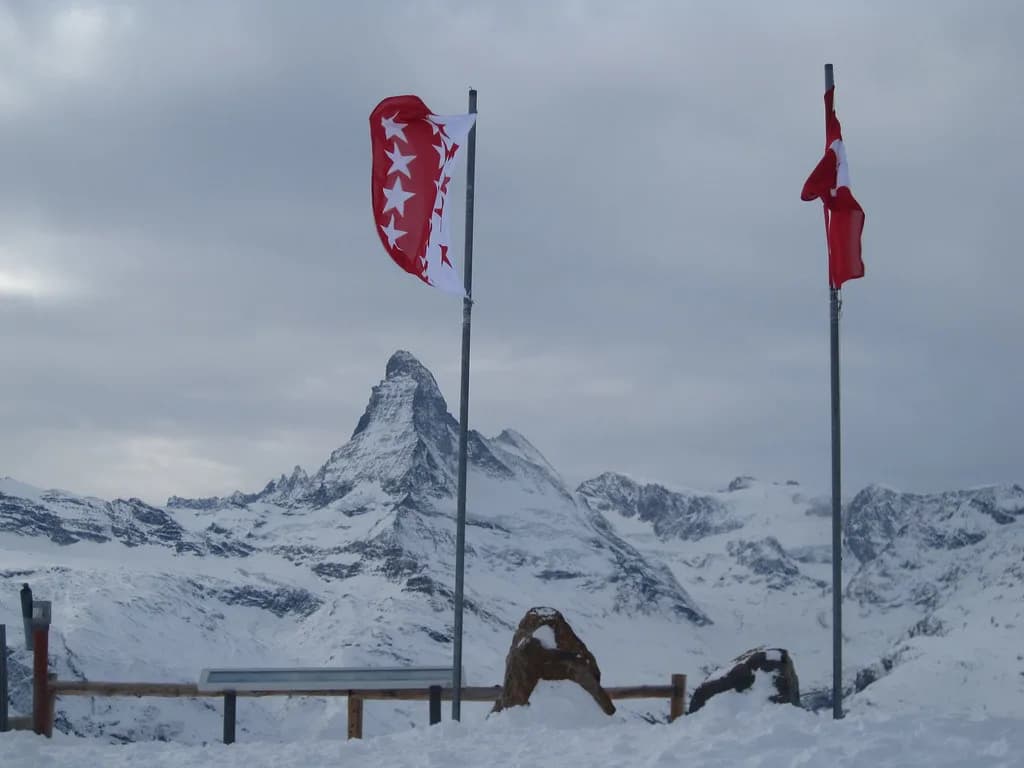
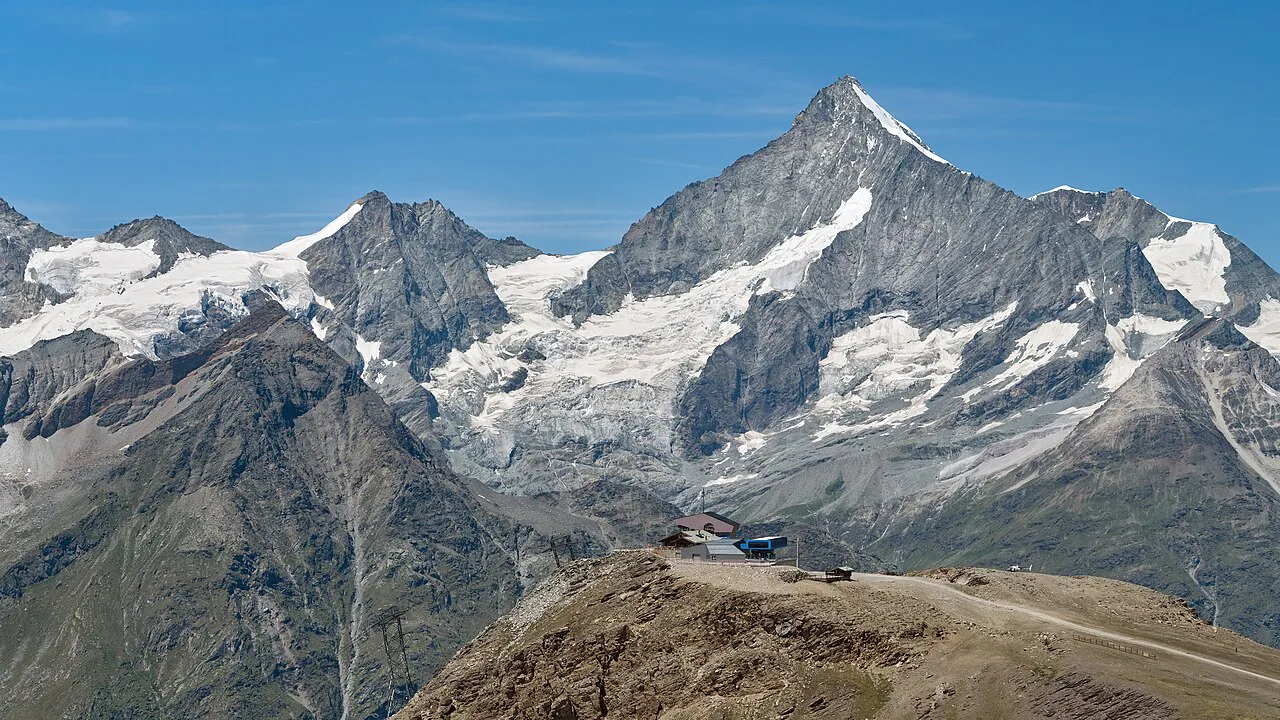
At 3,103 metres above sea level, the Rothorn is the perfect vantage point from which to discover the freestanding Matterhorn and the numerous surrounding four-thousand-metre peaks, as Zermatt tourism puts it. Locals say the Matterhorn is at its best from here, and the panorama also takes in the Weisshorn and the wider mountain world around the valley.
This is a viewpoint rather than a sight you work through room by room: the reward is the panorama, the open summit area and a small sculpture exhibition, not a cluster of museums. Readers who want the full set of named Zermatt sights and how they fit together can plan around the Zermatt Attractions: 8 Visitor Guides.
Where the Rothorn sits above Zermatt and how high it is
The Rothorn stands at 3,103 metres above sea level on the eastern side of the Zermatt valley, above the Sunnegga and Blauherd stations of the mountain railway. Zermatt Bergbahnen AG runs the lifts, with its registered office at Schluhmattstrasse 123, 3920 Zermatt.
The summit sits directly on a ski piste in winter and serves as a starting point for hikes and bike tours in summer, so the approach and the ground underfoot change with the season. That seasonal split is the main reason to decide what you want from the trip before you buy a ticket, much as you would if you were checking the best time to visit Zermatt.
Getting there: Zermatt to Rothorn by mountain railway
The ascent is not a single lift. From Zermatt you ride the mountain railway toward Sunnegga and Blauherd, then continue on the scenic railway from Blauherd to the Rothorn summit, which is the starting point for hikes or bike tours of all kinds.
Tickets for a single or return trip from Zermatt to Rothorn can be booked through Zermatt Bergbahnen, and the booking page describes the journey as taking around 35 minutes. That is the ride time, not the whole outing: add the walk from your accommodation, waiting time at the stations and the time you spend on the summit.
How long the journey takes and how much time to allow on top
Allow roughly 35 minutes for the ride from Zermatt to the Rothorn, then budget at least an hour on the summit if you want the panorama, the sculpture exhibition and a slow circuit of the viewing area. Photographers chasing the Matterhorn and Weisshorn framing should plan longer, because the light and cloud change quickly at this altitude.
A comfortable half-day covers the ride up, time at the top and the descent, with the option to break the journey at Blauherd or Sunnegga on the way down. If you want to walk part of the way, treat the railway as one leg and check the route before you commit.
Tickets and prices: what a return trip costs
Zermatt Bergbahnen sells single and return tickets from Zermatt to Rothorn online, with the booking page showing a price from CHF 44.00. Treat that figure as a starting price rather than a fixed return fare, since it depends on the ticket type and the trip you choose.
The Zermatt tourism listing for the Rothorn shows admission as free, which refers to the summit area rather than the railway ride, so do not read it as a free lift ticket. Check the booking page for the current fare for your dates and for any reductions that apply to your ticket.
Opening hours and when the railway runs
The Zermatt tourism page lists Rothorn hours of operation as 10:00 to 17:00 every day of the week. Those times are the published window for the attraction listing; mountain railways commonly adjust their timetable with the season and the snow, so confirm the running times for your dates before you build a day around them.
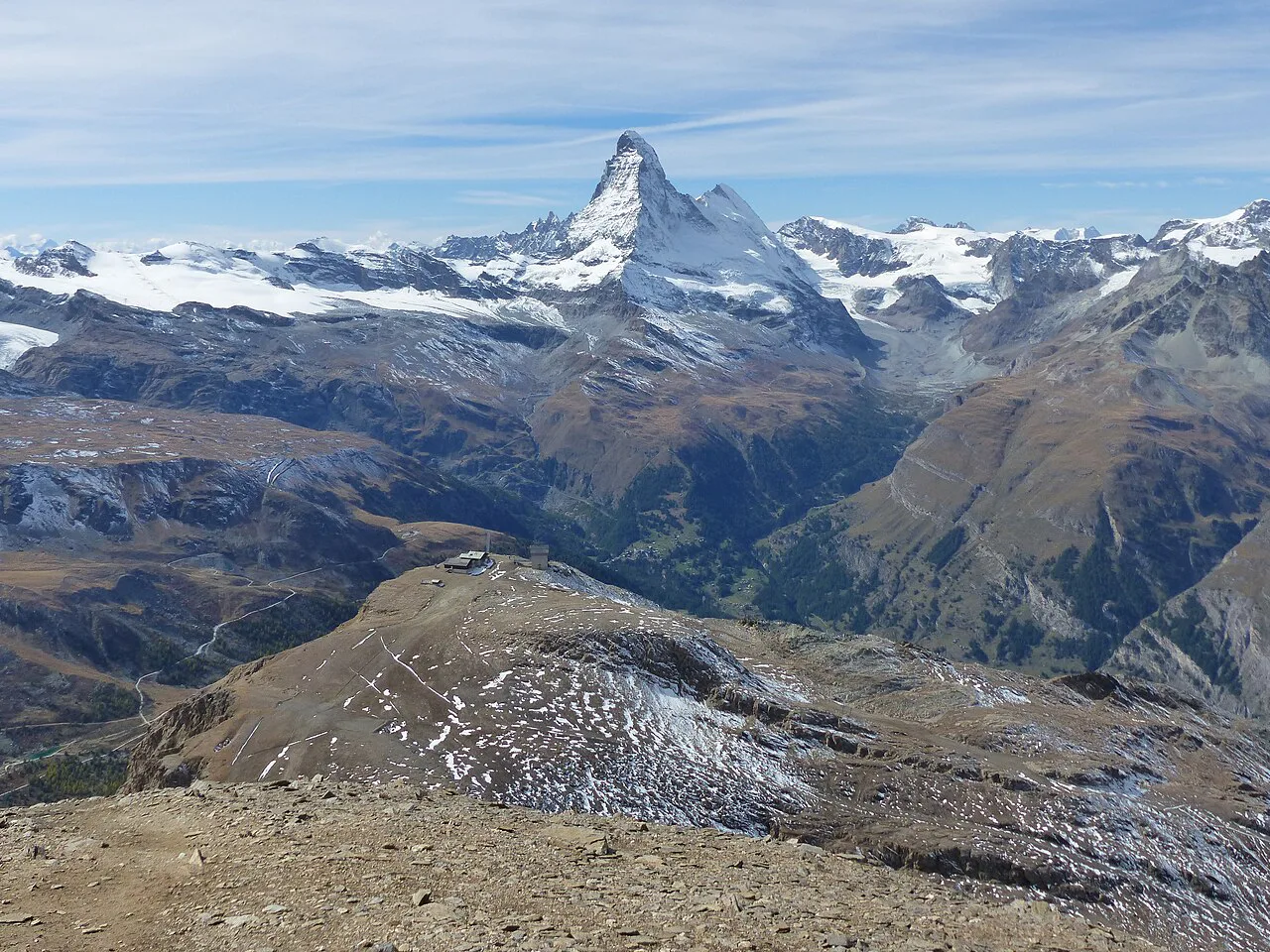

The view from the summit: Matterhorn and the surrounding four-thousand-metre peaks
The draw is the freestanding Matterhorn, which from the Rothorn shows its full profile without the foreground ridges that block it from lower down the valley. Around it the panorama takes in numerous four-thousand-metre peaks, including the Weisshorn, and the summit is a recognized photo subject for a mountain panorama.
Visibility is weather-dependent, so the view is worth planning around a clear forecast rather than a fixed date. If the summit is in cloud, the same railway gives access to lower stations where you can wait or change plans, and neighboring viewpoints such as the gornergrat offer a different angle on the same massif.
The Peak Collection sculpture exhibition
The Peak Collection is a sculpture exhibition at the summit that presents the Zermatt mountain world and its most famous peaks in more detail, with information about altitudes, rock types, first climbers and the thoughts of mountain guides. It gives the visit a second focus beyond the panorama, especially when cloud drifts across the view.
Because the exhibition is on the summit, it is naturally combined with the viewpoint rather than visited as a separate stop. Allow extra time if you want to read the panels and photograph the sculptures against the peaks.
Using the Rothorn as a starting point for walks and bike tours
The Rothorn is a starting point for hikes or bike tours of all kinds, reached by scenic railway from Blauherd. That makes it useful as a trailhead rather than only a viewpoint: ride up, pick a route suited to your fitness and the conditions, and descend on foot or by rail.
The area around the summit is also used by paragliders in both summer and winter, so expect to share the airspace and the launch areas with them. If you plan to walk down, check the trail conditions and your timing before leaving the summit station.
Paragliding from the Rothorn
The Rothorn summit area is listed as an area for paragliders in both summer and winter, alongside its use as a viewpoint and trailhead. That makes it one of the valley's launch points for tandem and solo flights, with the Matterhorn in view as you take off.
Flights are weather-dependent and arranged with operators rather than run by the railway, so book through a provider and confirm the meeting point and conditions directly. If you are only spectating, the summit is still a good place to watch launches and the panorama at the same time.

Visiting in winter versus summer
In winter the Rothorn sits directly on the ski piste, so the summit is part of the ski area rather than a standalone sightseeing trip. Skiers can ride up, ski down and use the summit as a meeting point, while non-skiers should weigh whether a return ticket for the view alone is worth the cost in cold and changeable conditions.
In summer the same summit works for hiking, biking, paragliding and photography, with the railway from Blauherd providing the scenic approach. The best time to visit for a clear panorama is a settled, sunny day rather than a specific month, so build flexibility into your Zermatt plans.
What to bring and how to handle the altitude
At 3,103 metres the air is thin and the weather can change fast, so bring a warm layer, windproof jacket, sunglasses and sun protection even if the valley below is warm. Take the ascent slowly, drink water and give yourself time to adjust before walking far from the station.
Sturdy shoes matter because the summit and trailhead surfaces are rocky and can be slippery, and a camera or phone battery drains faster in the cold. If anyone in your group is unsure about altitude, plan a shorter stay on top and use the lower stations for a longer break.
Nearby: Sunnegga and Blauherd
The Rothorn sits above Sunnegga and Blauherd on the same mountain railway, so both are natural stops on the way up or down. Sunnegga is the lower station with its own lake and views back toward the Matterhorn, and it makes an easy add-on if the summit cloud is thick. If you are weighing where to base yourself for this side of the valley, our Zermatt Neighborhoods: 4 Area Guides covers the areas and how they connect to the lifts.
Blauherd is where the scenic railway to the Rothorn begins, so it is the transfer point rather than a destination in itself. If you are building a day around the eastern side of the valley, the Matterhorn Museum in the village is a useful indoor counterpart for a cloudy afternoon.
Practical trade-offs: cost, weather and crowds
The main trade-off is cost against certainty: a return ticket from CHF 44.00 is a real outlay, and the summit is only worth it when the cloud lifts. Check the webcams and forecast before buying, and keep a flexible day in your plan so you can move the trip to the clearest morning.
Crowds build on clear weekends and around midday, so an early ascent gives you a quieter summit and better light on the Matterhorn. Other high viewpoints such as Matterhorn Glacier Paradise and the Gornergrat offer different perspectives, but the Rothorn's freestanding view of the Matterhorn is its own reason to go — as is timing your trip around the best time to visit Zermatt, since a settled, clear day matters more than the month.
Plan Your Visit
Rothorn rewards a clear day: ride from Zermatt via Sunnegga and Blauherd, allow around 35 minutes for the ascent, and give yourself an hour or more on the summit for the panorama and the Peak Collection. Book the ticket online, watch the weather, and keep the trip flexible enough to move if the cloud comes in.
Explore more Zermatt guides
Frequently Asked Questions
How do you get to the Rothorn from Zermatt?
Ride the mountain railway from Zermatt toward Sunnegga and Blauherd, then continue on the scenic railway from Blauherd to the Rothorn summit. The Zermatt Bergbahnen booking page describes the journey as taking around 35 minutes.
How much does a Rothorn ticket cost?
Zermatt Bergbahnen sells single and return tickets from Zermatt to Rothorn, with the booking page showing a price from CHF 44.00. That is a starting price rather than a fixed return fare, so check the booking page for the current fare for your dates and ticket type.
What can you see from the Rothorn?
The freestanding Matterhorn is the centerpiece, surrounded by numerous four-thousand-metre peaks including the Weisshorn. The summit also has the Peak Collection sculpture exhibition, which presents the Zermatt mountain world and its most famous peaks.
Is the Rothorn open in winter?
The summit sits directly on the ski piste in winter and is used as an area for paragliders, so it functions as part of the winter mountain rather than a standalone summer viewpoint. Check the Zermatt Bergbahnen booking page for the current timetable and ticket options for your dates.
Can you hike or paraglide from the Rothorn?
Yes. The summit is a starting point for hikes and bike tours of all kinds, and the area is used by paragliders in both summer and winter. Weather conditions decide whether either is practical on a given day.
How does the Rothorn compare with Gornergrat or Matterhorn Glacier Paradise?
All three are high viewpoints above Zermatt, but the Rothorn is known for a freestanding view of the Matterhorn and its Peak Collection exhibition, while Gornergrat and Matterhorn Glacier Paradise offer different angles on the surrounding peaks. Choose based on which panorama and which railway journey appeal most.