Bern in May: Spring Weather, City Days, and What to Expect
Plan a May city break in Bern with typical spring climate averages, long daylight hours, old-town sights, and honest trade-offs on cost and crowds.
On this page
May is a good month to visit Bern if you want long days and comfortable walking weather in a compact UNESCO-listed Old Town. Climate records for the city put April through September in the best window for a visit, with late spring singled out for long days and generally good conditions, which makes May a sensible choice for a short break. The city rewards that timing: much of what makes Bern memorable is outdoors and free to look at, from the arcaded streets to the clock tower and the riverbank paths.
What May feels like in Bern
Treat May as a mild spring month rather than a guarantee. Bern's climate records show roughly 1,700 hours of sunshine across the whole year, a useful reminder that Swiss spring light arrives in stretches rather than every day. The historical charts for the city track month-by-month highs, lows, and precipitation, and they are worth reading before you pack.
Rain is part of the picture, and the wetter pattern in the records falls in June through August rather than May. Even so, plan for changeable skies and a shower at any point in the day. A light waterproof layer and shoes that handle cobblestones will do more for your trip than a heavy coat.
Daylight is the quiet advantage of a May trip. With late spring favored for long days, you can spread sightseeing across the morning and late afternoon and still have light for an evening walk along the river. If you are weighing months more broadly, the guide to the best time to visit Bern sets May against the rest of the year.
Why May works for a walking city break
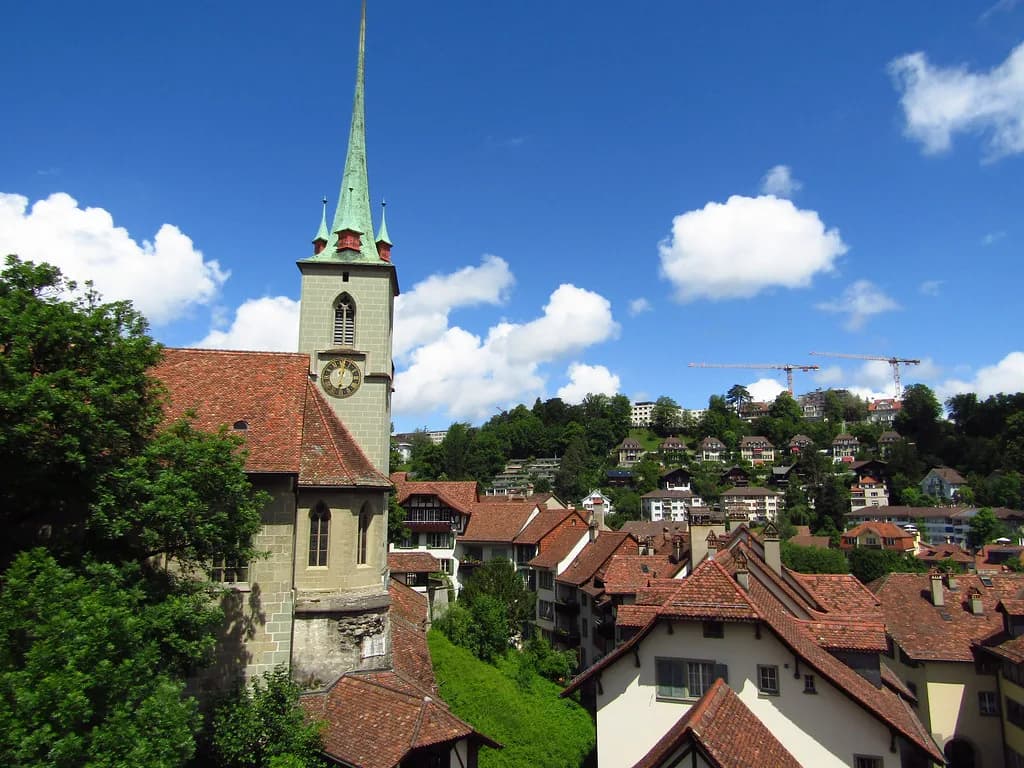
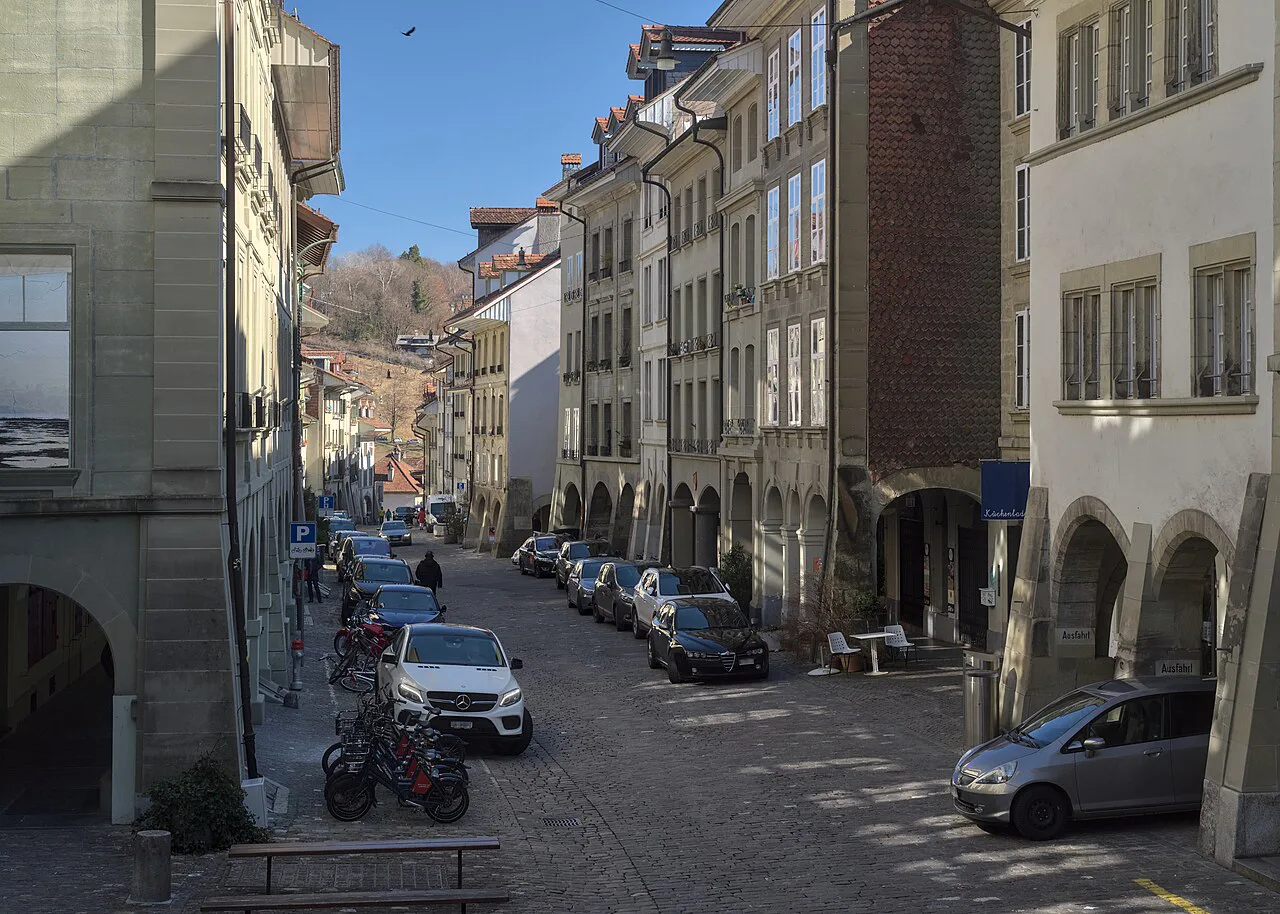
Bern's center is small enough that May turns sightseeing into a series of short walks rather than a transport exercise. The Old Town is a UNESCO World Heritage site, and its covered arcades run for long stretches, which means a sudden shower slows you down rather than stopping you. Mild temperatures also make the climb to the Rosengarten and the riverside paths pleasant rather than a workout.
The trade-off is that May sits just before the busy summer stretch. The climate source notes that July through mid-August is vacation season, when some restaurants may close for periods, so a May visit keeps you ahead of that squeeze. You get spring conditions without the peak-season pressure described for midsummer.
Laying out the Old Town on foot
Start with the arcades and fountains of the UNESCO core, which you can cover in a half day at an easy pace. The Zytglogge, Bern's astronomical clock tower, is the obvious anchor, and its mechanical figures perform on the hour. Time your walk so you arrive a few minutes early and watch from the square rather than underneath the tower.
The old streets reward wandering more than routing. Arcades, cellar shops, and centuries-old fountains appear around most corners, and the compact layout means you can loop back through the center without a map. Keep the walking light on your first day and let the city's scale do the work.
Views from the Rosengarten
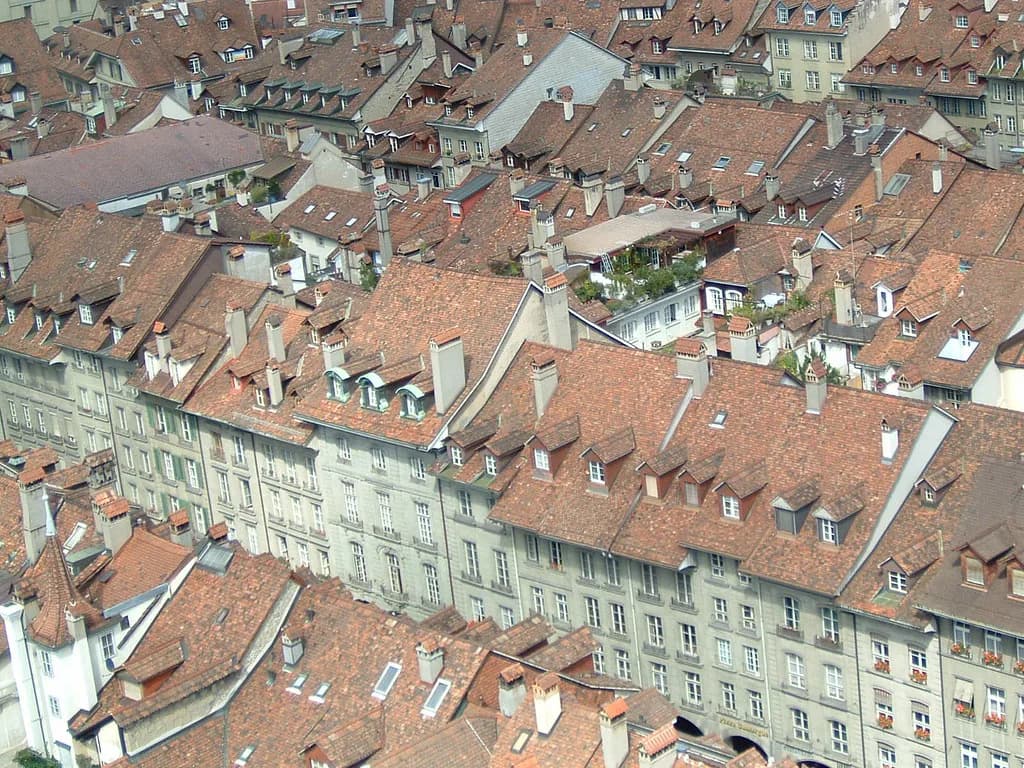
The Rosengarten is Bern's classic rooftop viewpoint, and May is a strong month for it. The garden holds more than 200 rose varieties, so a late-spring visit catches the collection as it comes into its own. The panorama over the Old Town's red roofs and the river bend is the reason to make the climb.
Go in the morning for clearer light or in the late afternoon for softer color, and give yourself time to sit rather than snap and leave. It is one of the few big-view stops in Bern that costs nothing but the walk up. If you are traveling with someone who prefers a shorter ascent, plan the walk as the day's main outing rather than tagging it onto a full schedule.
Green breaks: the Botanical Garden
The Botanical Garden gives you a different kind of spring stop, with more than 5,000 plant species spread across alpine and tropical collections. It sits along the Aare, which makes it easy to pair with a riverside walk. A May visit catches the outdoor plantings at their freshest, and the indoor collections hold up whatever the sky is doing.
Treat the garden as a flexible stop: worth a couple of hours, easy to reach on foot, and a good counterweight to the stone-and-arcade circuit. Check its current opening details directly before you build a morning around it.
River, forest, and the Gurten
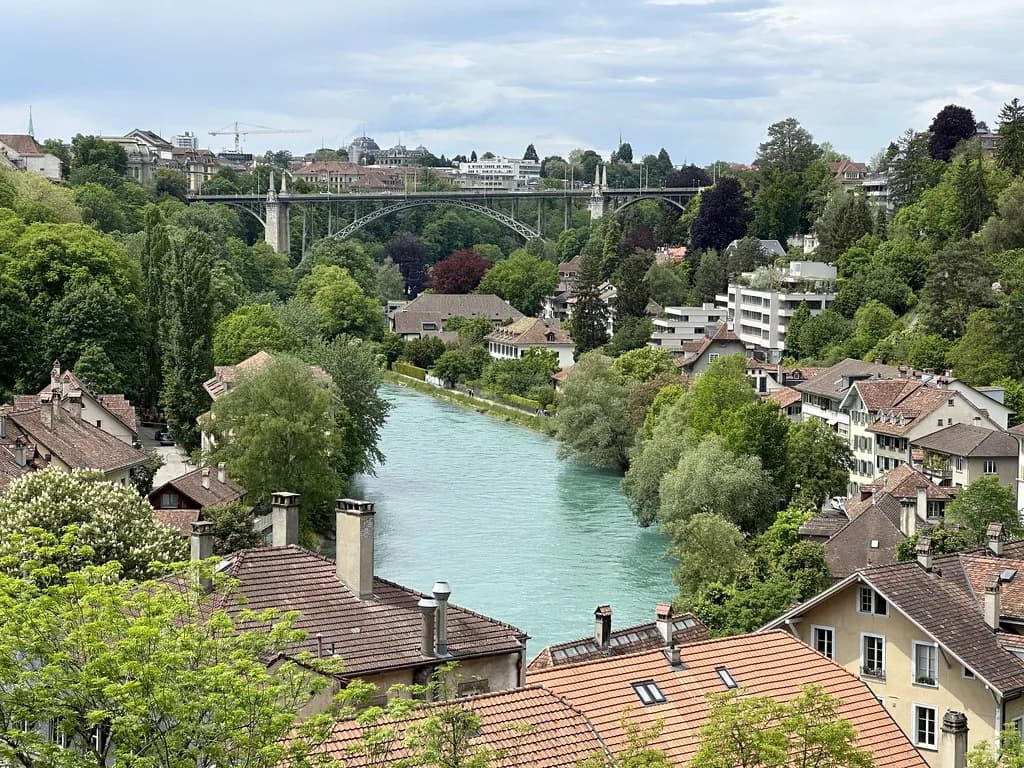
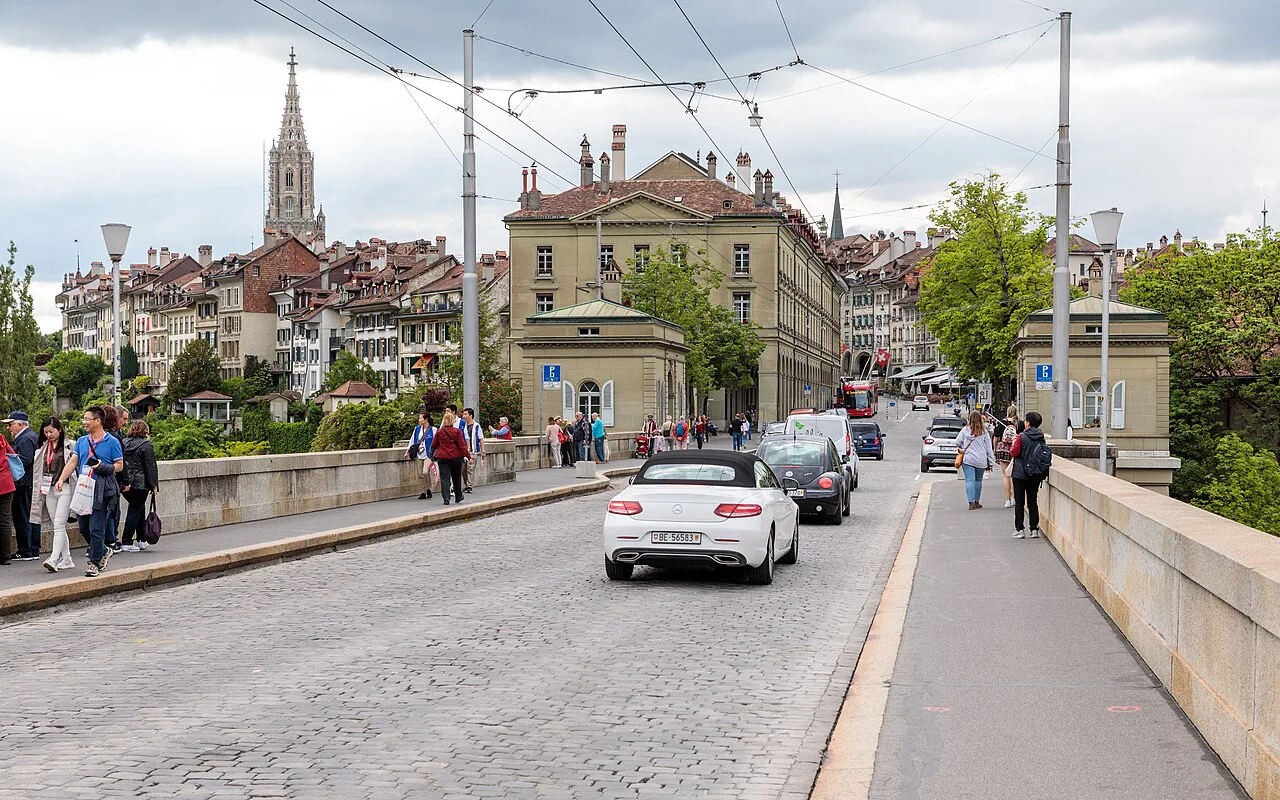
The Aare River runs along the edge of the old center, and in May its banks are a pleasant place to walk rather than a destination in themselves. The river also frames the city's green side: the Dählhölzli Forest and Zoo sits in a natural riverside setting where families and walkers share the paths. Check the Dählhölzli Forest and Zoo's current opening details before a visit, since animal parks adjust schedules through the year.
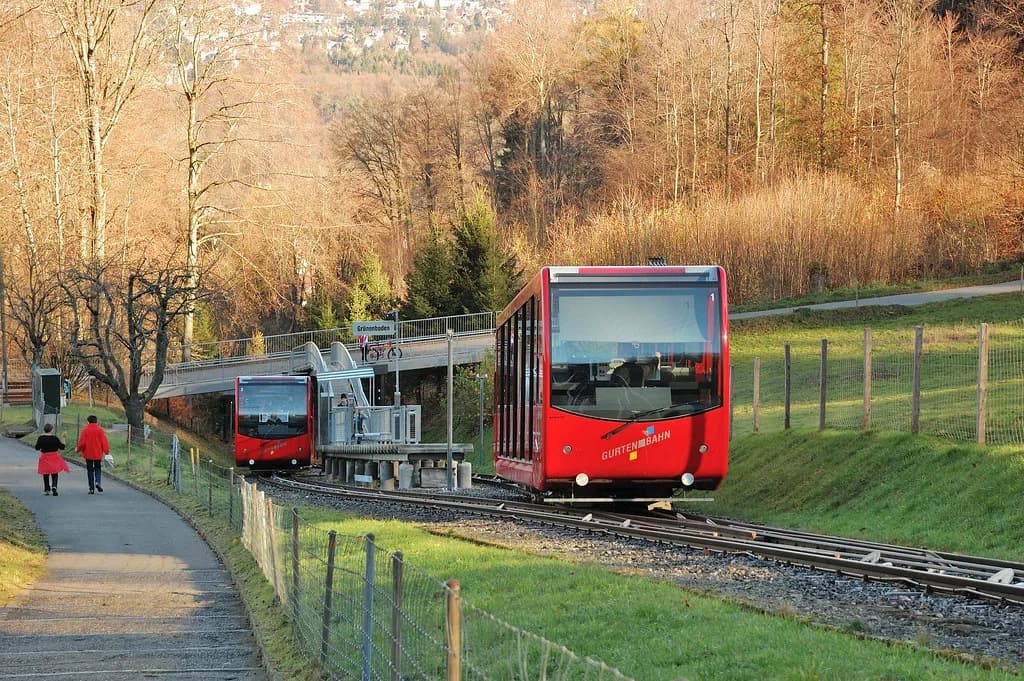
For a wider view, head up the Gurten, the local hill that appears among the Bern region's excursion mountains. It is the kind of half-day outing that fits a May afternoon without eating the whole day. If you are mapping the city's sights in more depth, the Bern Attractions: 8 Visitor Guides collection covers the individual stops.
A rainy-afternoon backup plan
May showers are best handled with a plan that does not depend on the sky. The arcades let you shop-window and wander while staying dry, and the clock tower square gives you shelter nearby when the figures come out. Keep one indoor museum slot loose in your itinerary and fill it when the weather turns rather than booking the whole day around it.
Because Bern's sights cluster tightly, a wet afternoon costs you less than it would in a spread-out city. You can duck between the covered streets, the tower, and a café without a long transit hop. Build in one flexible block per day and the rain becomes a change of pace rather than a lost day.
What May costs in Swiss francs
Bern is an expensive city, and May does not change that. Budget in Swiss francs for meals, transport, and any paid entries, and expect the free sights to carry a lot of the value: the arcades, fountains, clock tower exterior, and Rosengarten viewpoint cost nothing to see. Paid attractions publish their own tariffs, so check each venue's current price rather than relying on an old figure.
Keep a running conversion in your head so small purchases do not add up unnoticed. Set a daily target in francs, spend it first on the experiences you came for, and let the free walking do the rest.
How many days Bern needs in May
Two full days cover Bern's core comfortably: one for the Old Town, the clock tower, and the arcades, and one for the Rosengarten, the Botanical Garden, and the river. A third day lets you add the Gurten or a slower museum afternoon without rushing. If you are weighing a wider spring trip with lakes and waterfalls rather than a single city, switzerland in may shows how the same late-spring timing plays out elsewhere. Three days is a generous pace for a city of this size, and most visitors will find two days enough to feel oriented.
May's long daylight means you can stretch each day later than you might in spring's earlier weeks. Use the extra light for the viewpoint or the riverbank rather than adding more stops. The result is a trip that feels full without a tight schedule.
Practical trade-offs in May
The main trade-off is weather variability. You are trading a guarantee of sunshine for mild temperatures, long days, and fewer peak-season pressures, which is a good deal for a walking city. Pack for change and keep your plans flexible enough to swap an outdoor block for an indoor one.
On closures, the reliable rule is to confirm directly with the venue you plan to visit rather than assuming a pattern. Museum and shop schedules vary, and a quick check on the day saves a wasted trip. That one habit covers most of the practical uncertainty a May visit throws at you.
May against April and summer
April is the earlier, cooler option and sits in the same recommended spring window, while May adds daylight and a better chance of settled walking weather. If your dates are flexible, May is the stronger pick for a city break built around streets and viewpoints. The April guide covers the earlier month in detail if you are choosing between the two.
Summer brings the warmest conditions but also vacation season from July into mid-August, when the climate source notes some restaurants may close temporarily. May gives you most of the outdoor appeal without that midsummer friction.
Plan Your May Visit
May suits Bern well: mild spring walking weather, long days, and a compact Old Town that rewards time on foot. Build your trip around the arcades, the Zytglogge, the Rosengarten, and the Botanical Garden, and keep one indoor slot open for a shower. Two days covers the essentials, and a third adds breathing room.
Set a daily budget in Swiss francs, lean on the free sights, and confirm any paid venue's current details directly before you go. That combination keeps a May city break practical, affordable within Swiss terms, and focused on what makes Bern worth the trip.
Explore more Bern guides
Frequently Asked Questions
Is May a good time to visit Bern?
Yes, for a walking-focused city break. Bern's climate records put April through September in the best window for a visit, with late spring noted for long days and generally good conditions. May gives you mild temperatures and plenty of daylight for the arcaded Old Town, the Zytglogge, and the Rosengarten, and it comes before the July to mid-August vacation stretch.
What is the typical weather in Bern in May?
Expect mild, changeable spring conditions rather than a fixed forecast. Bern records roughly 1,700 hours of sunshine across the year, and the wetter pattern in the climate records falls in June through August rather than May. Read the month-by-month charts before you pack, and bring a light waterproof layer plus shoes suited to cobblestones.
How many days do you need in Bern?
Two full days cover the essentials: one for the Old Town, the arcades, and the Zytglogge, and one for the Rosengarten, the Botanical Garden, and the riverbank. A third day adds the Gurten or a slower museum afternoon without rushing. May's long daylight lets you stretch each day later into the evening.
What can you do in Bern on a rainy May day?
Use the covered arcades to keep walking through the Old Town while staying dry, and time a stop at the clock tower square so you catch the figures on the hour. Keep one indoor museum slot unscheduled in each day and fill it when the sky turns. Bern's sights sit close together, so a wet afternoon costs you little transit time.
Is Bern expensive for a short break?
Bern is an expensive city, so budget in Swiss francs for meals, transport, and any paid entries. The free sights carry much of the value: the arcades, fountains, the clock tower exterior, and the Rosengarten viewpoint cost nothing to see. Paid attractions publish their own tariffs, so check current prices with each venue.
Should you visit Bern in May or in summer?
May suits a city break built around streets and viewpoints, with mild temperatures, long days, and fewer peak-season pressures. Summer brings the warmest conditions but also vacation season from July into mid-August, when restaurants may close for periods. If your dates are flexible, May is the stronger pick for wandering the Old Town on foot.
Sources
Notes for your Swiss city break
Optional updates to our Swiss city guides.
You might also like
Continue reading
More guides you'll find useful