Lausanne in May: Weather, What's Open and How to Plan Days
Lausanne in May brings mild spring weather and long days. Plan the Old Town, Ouchy, museums and a Lavaux walk, with honest advice on hills and timing.
On this page
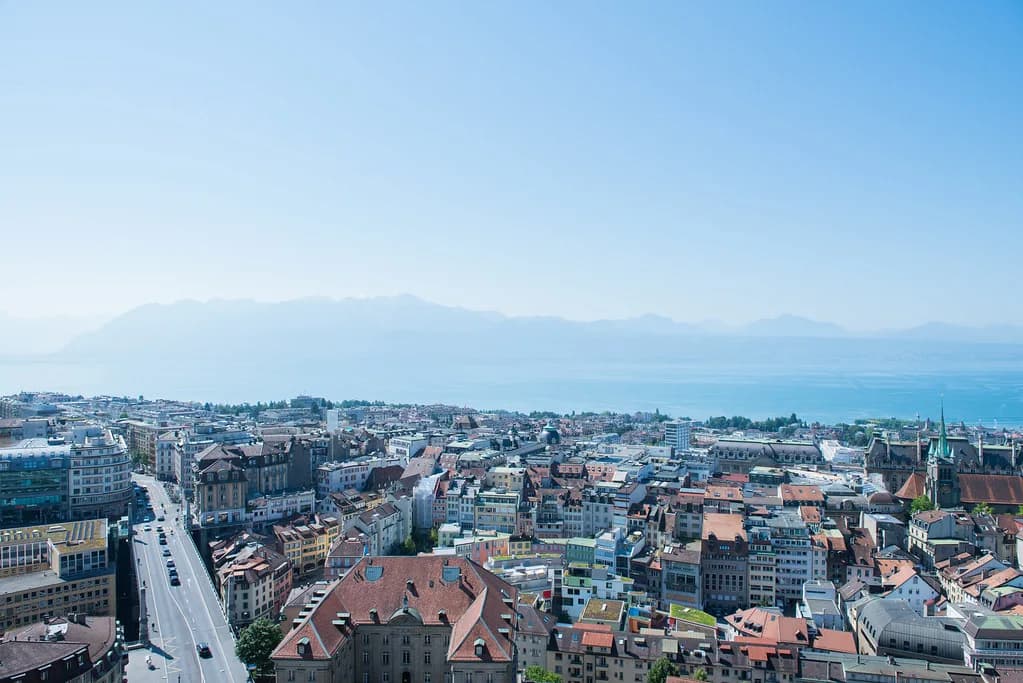
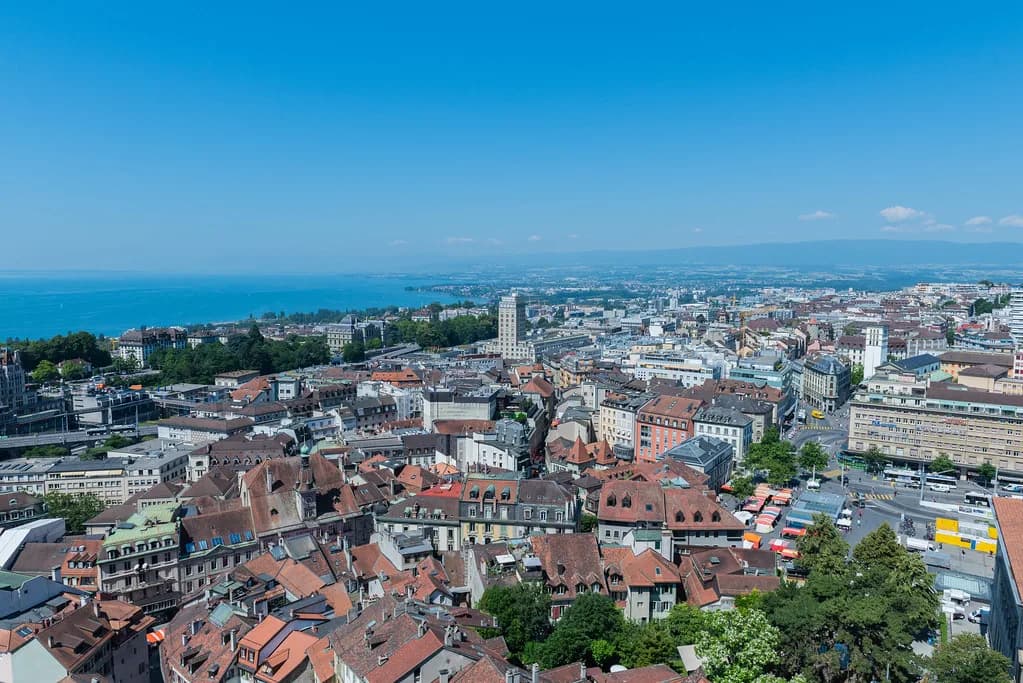
May works well in Lausanne because spring spreads the city over two levels: the hilltop Old Town with Lausanne Cathedral and the Escaliers du Marché, and Ouchy on the Lake Geneva (Lac Léman) shore. Mild temperatures and long daylight mean you can walk the Old Town in the morning and still have lakeside time in the afternoon, which is harder in colder months.
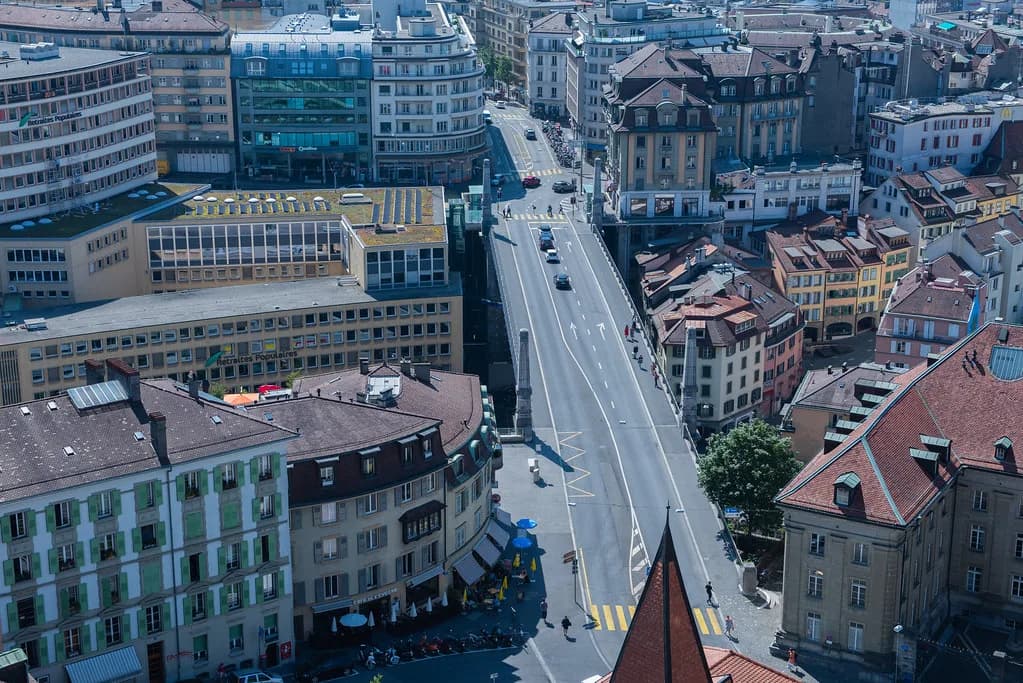
Plan around the climbs rather than against them. The city is built on multiple levels, and sets of stairs are how locals and visitors move between them, so a May day that pairs a hilltop circuit with a waterfront stroll needs a realistic sense of how much uphill walking you are adding. For a wider look at seasons across the year, the best time to visit lausanne guide sets May against the rest.
How Lausanne Is Laid Out
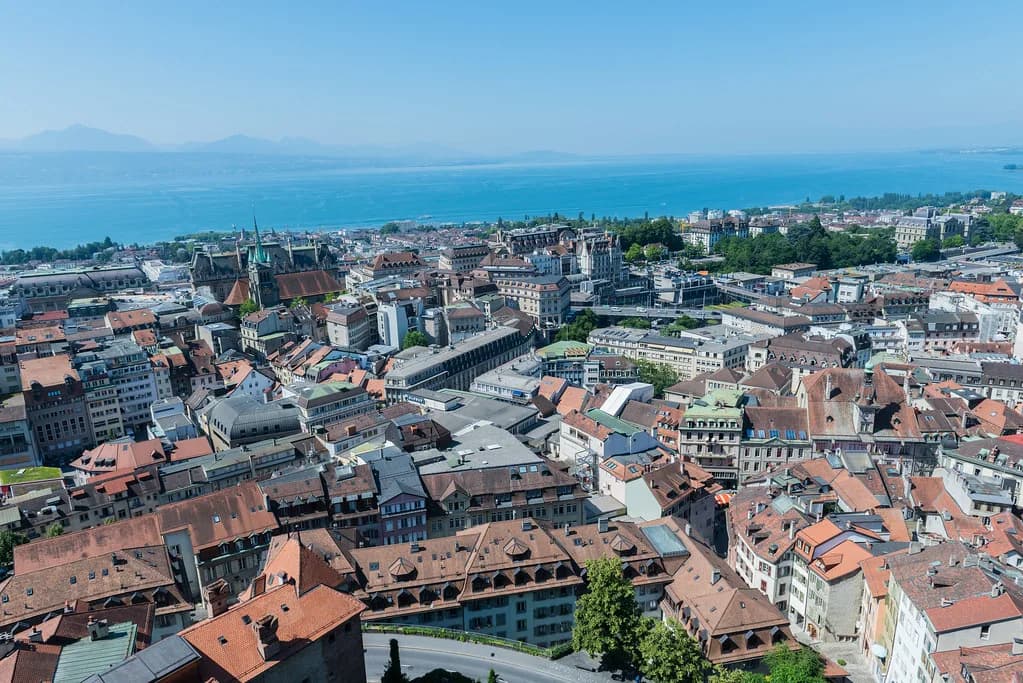
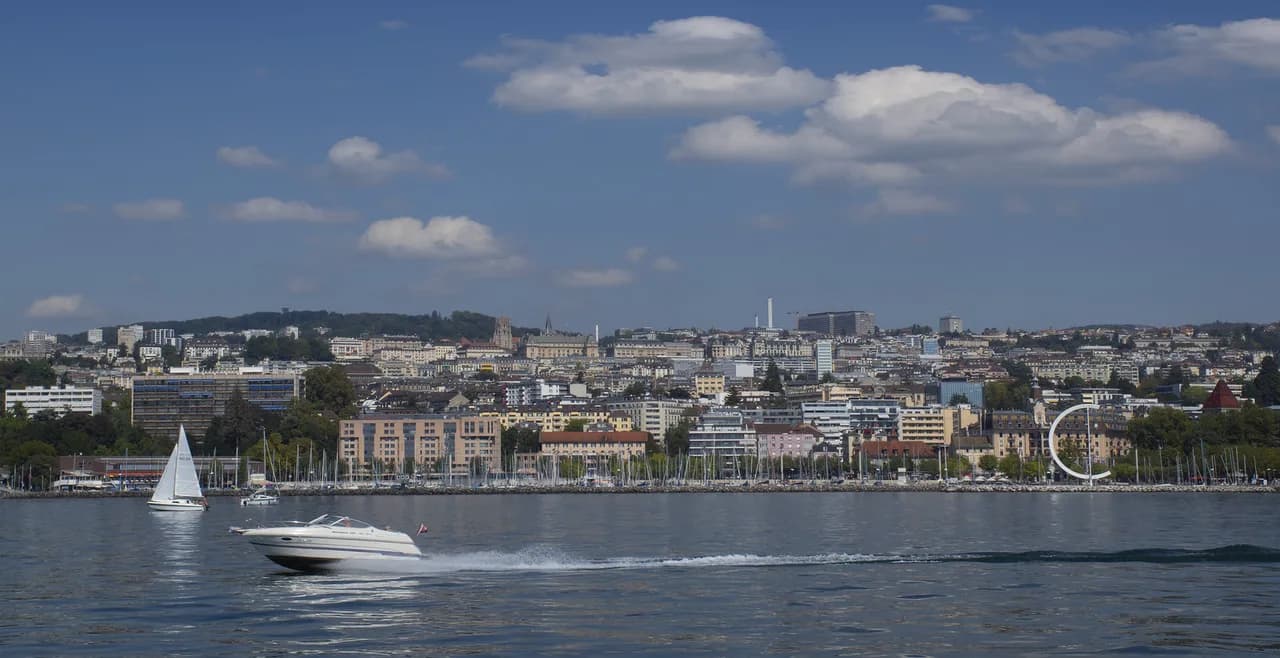
Lausanne rises from the Lake Geneva (Lac Léman) shore at Ouchy up to a plateau holding the Old Town. The Escaliers du Marché climb from Rue Mercerie near Place de la Palud toward Lausanne Cathedral, and they are one of several stair routes that stitch the levels together. Plan each day as either a hilltop block or a waterfront block, with the transitions built in.
Ouchy is the opposite end of the city's geography: a lakeside promenade with cafés, waterside gardens, the port and the Château d'Ouchy, which now houses a hotel and restaurant. The promenade is largely level, so it suits an easy afternoon after a morning of climbing. If you want the full picture of what sits at each level, the Lausanne Attractions: 7 Visitor Guides hub covers the individual sights in more depth.
May Weather in Lausanne
Treat May temperatures and rainfall as typical climate averages, not a forecast, and pack for variability. Layers and a light waterproof shell do more for a May trip than summer clothing, because a mild afternoon can still follow a cool, wet morning. The city's hills mean you will warm up quickly on the stairs and cool down again on the exposed lakeside.
Check the Swiss climate averages for Lausanne before you commit to outdoor-only days. Our in-house best time to visit page weighs May against April's changeable weather and the busier summer months, which helps if your dates are still flexible.
Why May Works in Lausanne
May gives you the Old Town without the full summer crush, and daylight that lasts long enough for both a museum and a walk. The Lake Geneva (Lac Léman) shoreline and the Lavaux terraces are at their greenest, which makes the vineyard slopes a realistic walking day rather than a scenic afterthought.
The trade-off is unpredictability. A wet spell can wipe out a planned Lavaux walk, so keep one indoor option ready for each outdoor day. For a comparison with another Swiss city in the same month, zurich in may shows how May behaves elsewhere in the country.
How Many Days You Need
One day covers Lausanne Cathedral and the Old Town, plus a stroll at Ouchy. Two days add the Olympic Museum and one more museum, or a slower lakeside afternoon. Three days let you add a Lavaux vineyard walk between Grandvaux and Lutry, which is the strongest reason to give Lausanne more than a night.
Build the plan around your energy rather than an attraction count. The belfry climb, the stairs and the walk from the station all add up, so a two-day visit with one hilltop morning, one museum afternoon and one Lavaux day is more satisfying than three rushed days.
Old Town Circuit: Escaliers du Marché, Place de la Palud and the Cathedral
Start at Place de la Palud and take the Escaliers du Marché up toward the Cathedral. The stairs date from the 13th century, though their present form goes back to the 1700s, and the name comes from the market once held on the square beside them. The climb is short but steep, and it delivers you into the tight streets around the Cathedral.
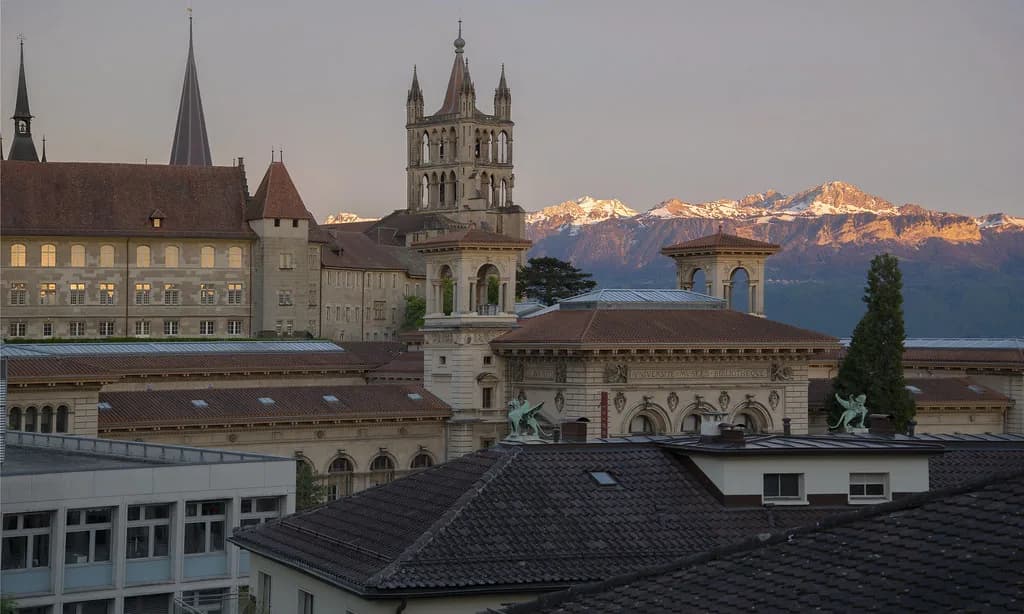
Lausanne Cathedral was consecrated in 1275 and is considered one of Switzerland's finest Gothic buildings. The rose window, the painted portal, the 13th-century choir stalls and the mix of old and modern stained glass reward a slow visit, and open tours of the Cathedral run in summer. Save the belfry for a clear morning so the panorama is worth the effort.
Lausanne Cathedral Belfry and the 224-Step Climb
The belfry charges an entrance fee and sits at the top of 224 stairs, so it is a proper climb rather than a lift ride. Go early, bring water and leave the museum-heavy part of the day for afterward. For a sense of what the same building offers in a cooler month, our Lausanne Cathedral notes in the april guide give useful context on the interior.
The Cathedral has carried a night watchman who calls the hours between 10 PM and 2 AM, a tradition that continues today. That history makes the tower more than a viewpoint, but the climb is the reason most visitors go up. Wear shoes you can handle on worn stone steps.
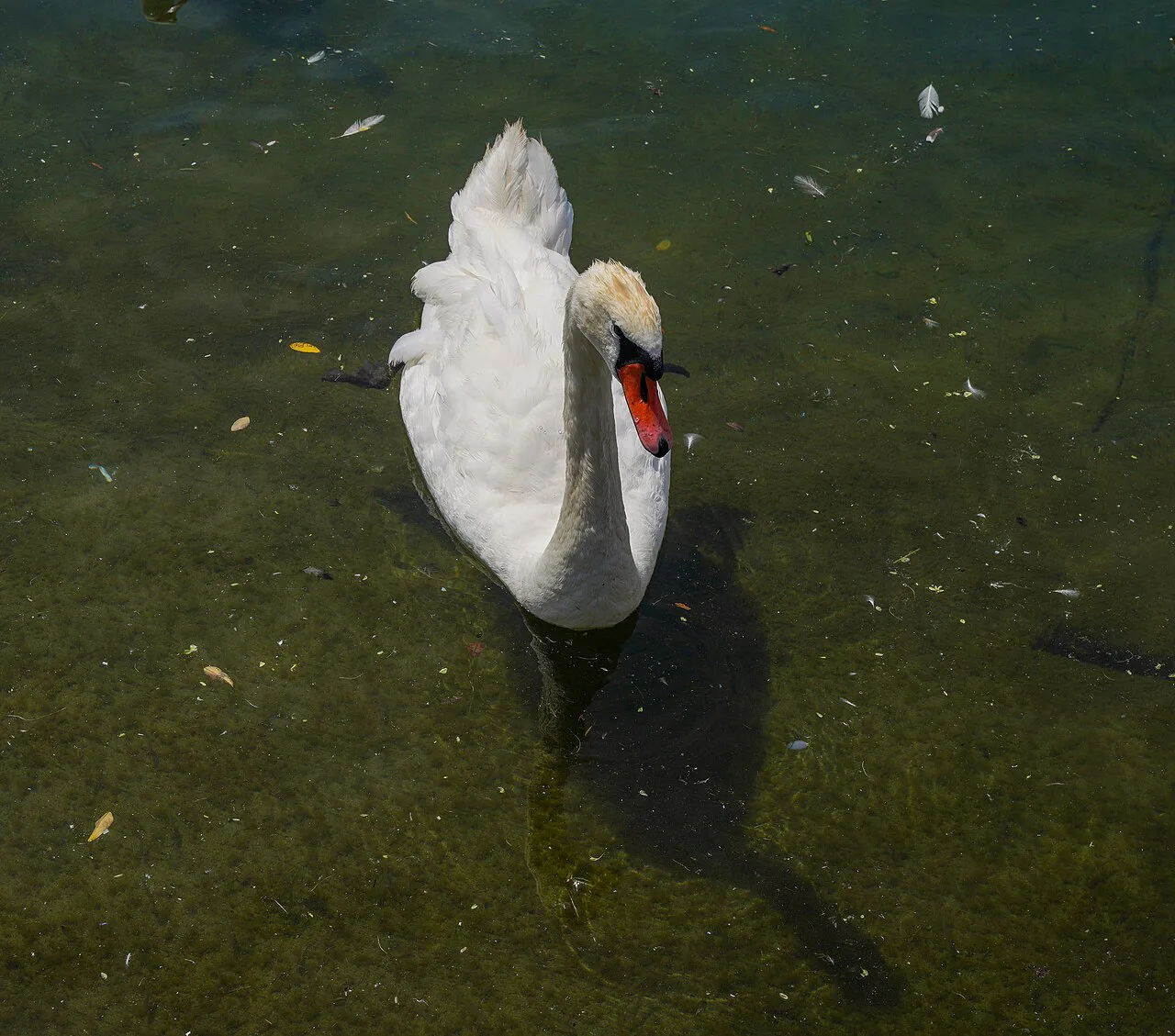
Lake Geneva at Ouchy
A footpath runs along the Lake Geneva (Lac Léman) shore almost without interruption from St-Sulpice to Lutry, hugging the coastline past the Ouchy quays. The promenade gives you cafés, waterside gardens, the port and the Château d'Ouchy in one continuous stroll, and it is the easiest place in the city to spend an unstructured afternoon.
The rose garden at Place du Général Guisan and the parkland around the Olympic Museum both sit along this waterfront stretch. On a sunny May Sunday the quays fill with locals, so treat it as a place to linger rather than rush through. If you are comparing lakeside months, Lake Geneva in the zurich in may guide shows how the same shoreline reads under different conditions.
Olympic Museum and Its Park
The Olympic Museum is Lausanne's headline cultural attraction, with three floors covering different aspects of the modern Olympic movement and heavy use of interactive displays. Its collection is the largest of its kind in the world, with over 1,500 objects and around 150 screens across the floors, so allow half a day rather than an hour.
The surrounding park holds a sculpture collection, a running track and landscaped terraces that lead down toward the lake and a monumental fountain. That makes the site a good May combination: a museum visit followed by an outdoor hour. The terraces and the fountain on the shore are part of the same lakeside grounds.
Art Days: MCBA, Art Brut, Hermitage and Espace Arlaud
MCBA, one of Switzerland's oldest museums devoted to art, moved in 2019 into Plateforme 10, a short walk from the train station, where around 10,000 works of its collection are on display in a building noted for its architecture; there is also a restaurant, bookshop, auditorium and library. The Collection de l'Art Brut holds outsider art assembled by French artist Jean Dubuffet, and it is compact enough to see without rushing.
The Fondation de l'Hermitage sits in a 19th-century mansion above the city, with gardens that give views over Lausanne and the lake, and it stages a few exhibitions a year alongside a Chinese porcelain collection. Espace Arlaud, a contemporary gallery in an old townhouse, changes its exhibitions regularly, so check what is showing. Between these four you have an art plan for a rainy May day without repeating a single style.
Views and Forest: Sauvabelin Tower
Sauvabelin Tower is a wooden structure completed in 2003, built with a spiral form so you wind around the outside as you climb. From the observation deck you get a 360-degree view over Lausanne, Lake Geneva (Lac Léman) and the Alps on a clear day. It sits in forest, so the approach is a walk in its own right rather than a doorstep attraction.
In May the surrounding woodland is at its freshest, which makes the tower a good half-day rather than a quick photo stop. Pair it with a slower afternoon rather than stacking it on top of the Cathedral climb. Wear shoes with grip for the spiral stairs.
Architecture and Campus: Rolex Learning Center
The Rolex Learning Center, designed by SANAA on the university campus, is a gently undulating building that serves as a place of learning and exchange, and it houses a library of more than 500,000 volumes. The campus includes the Swiss Federal Institute of Technology and the University of Lausanne, and its architecture is admired well beyond Switzerland.
Visit as an architecture stop rather than a conventional sight, and treat the reading rooms with the quiet they are designed for. It sits away from the Old Town, so group it with another stop on that side of the city. A weekday gives you a better sense of the building in use.
Lavaux Vineyards: A May Walking Day
The Lavaux vineyard terraces, listed as a UNESCO World Heritage site, run between Lausanne and Montreux, and a path from Grandvaux to Lutry carries you through them. Spring turns the terraces green, and the walk mixes lake and mountain views with winegrowing villages, including a statue of Hugo Pratt's Corto Maltese in one of them. Allow most of a day.
This is the day to protect if the weather holds, and to swap for the museum cluster if it does not. Chexbres and Rivaz sit within the Lavaux area if you want to extend the route, and the terraces are steep enough that you should not stack a second big walk on the same day. If you prefer the city over the vines, our Lausanne in October piece shows the same terraces in their autumn colors.
Rainy-Day Alternatives
Aquatis brings a freshwater world indoors with 46 aquariums, vivaria and terrariums, an easy option when May rain settles in and a good fit for families. The cluster around the train station, led by MCBA at Plateforme 10, gives you a second indoor anchor within walking distance of each other.
Build one indoor block into every May day rather than saving museums for a washout. That way a sudden shower costs you an hour instead of a plan. The Olympic Museum, the Cathedral interior and the Plateforme 10 galleries all absorb a wet morning comfortably.
Money Notes: Free Sightings and Paid Entries
Several Lausanne sights cost nothing to enter. Lausanne Cathedral is free to visit and guided tours run in summer, the Olympic Museum park with its sculptures and terraces is open to wander, and the Ouchy promenade and its waterside gardens are public space. The Cathedral belfry is the exception there, since it carries an entrance fee.
Set a budget for the paid stops and decide which ones matter most to you. Keep a note of the Swiss franc cost of each ticket as you plan, because the total adds up faster than expected across a two-day visit. Our best time to visit guide gives the wider view of when those costs line up with quieter weeks.
A Two-Day May Plan
Day one: climb the Escaliers du Marché from Place de la Palud, tour Lausanne Cathedral, then take the belfry stairs if the morning is clear. Descend to Ouchy for the promenade, the waterside gardens and the Château d'Ouchy, and finish with a lakeside walk.
Day two: start with the Olympic Museum and its park, then pick one art museum for the afternoon, with MCBA at Plateforme 10 the most convenient if you are ending near the station. If the forecast looks settled, swap day two's afternoon for a Lavaux walk from Grandvaux to Lutry and keep the museum as your backup.
Mistakes to Avoid in May
Do not pack for summer. May in Lausanne calls for layers, a waterproof and comfortable shoes for stairs and cobblestones. Do not underestimate the hills either: the Old Town sits above Ouchy, and every transition between them is a climb.
Do not leave Lavaux for your last afternoon. The vineyard walk needs daylight and decent weather, and May showers can close in quickly. Give it a full day, or drop it deliberately in favor of the museums rather than squeezing it in after the Cathedral.
Plan Your Visit
May gives Lausanne mild spring weather, long daylight and green vineyard terraces, which is why it suits a two- or three-day stay better than a rushed one. Build each day around one hilltop block and one waterfront block, and keep an indoor option ready for the showers that May brings.
Book the Cathedral belfry and the paid museums into the days that fit them, and leave the Lavaux walk for the clearest forecast of your trip.
Explore more Lausanne guides
Frequently Asked Questions
Is May a good time to visit Lausanne?
Yes. May brings mild spring temperatures, long daylight and green vineyard terraces, and the city is less crowded than in high summer. The trade-off is changeable weather, so plan one indoor block for each day and keep the Lavaux terrace walk flexible.
What is the weather like in Lausanne in May?
Expect mild spring conditions rather than summer heat, with a real chance of rain. Treat any temperature figures as typical climate averages rather than a forecast, and pack layers plus a waterproof shell. The hills mean you warm up on the stairs and cool down on the exposed lakeside.
How many days do you need in Lausanne?
One day covers the Old Town and Lausanne Cathedral plus an Ouchy stroll. Two days add the Olympic Museum and another museum. Three days let you add the Lavaux vineyard walk from Grandvaux to Lutry, which is the strongest reason to stay longer.
What is there to do in Lausanne in May?
Climb the Escaliers du Marché to Lausanne Cathedral and its belfry, walk the Ouchy promenade with its gardens and the Château d'Ouchy, and visit the Olympic Museum and its park. Add MCBA at Plateforme 10, the Collection de l'Art Brut or the Fondation de l'Hermitage, and give the Lavaux terraces a full day.
Is the Olympic Museum worth visiting in Lausanne?
It is the city's main cultural attraction, with three floors of interactive displays and the largest collection of Olympic memorabilia in the world. Allow around half a day, and add time for the free sculpture park and its terraces down to the lake.
How long does it take to climb Lausanne Cathedral's belfry?
The belfry sits at the top of 224 stairs and charges an entrance fee, so plan a steady climb and go early in the day. Build it into a hilltop morning rather than adding it after a long walk. Check the fee and access at the Cathedral when you arrive.
Can you walk the Lavaux vineyards from Lausanne?
Yes. The terraces between Grandvaux and Lutry form a UNESCO-listed path through the vineyards, and May is a good month for it because the slopes are green and the days are long. Allow most of a day and keep a museum plan as a backup if the weather turns.
Sources
Notes for your Swiss city break
Optional updates to our Swiss city guides.
You might also like
Continue reading
More guides you'll find useful