Things to Do in Bern in Summer: Old Town, Views and the Aare
Plan a summer day in Bern with the old town, Zytglogge, Rosengarten and the Gurten cable car, plus how many days you need and where to cool off.
On this page
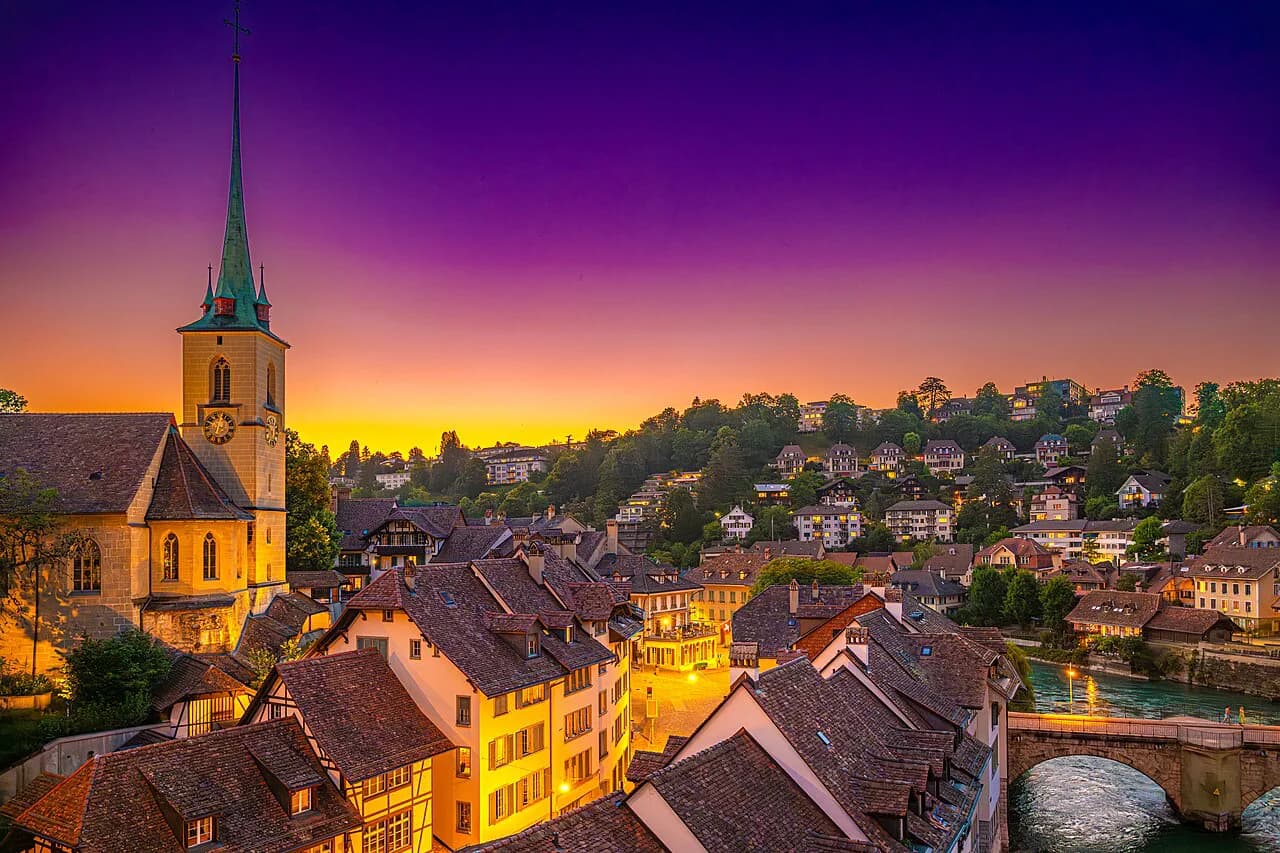
Summer is when Bern is easiest to like: the old town is compact and walkable, the riverside gives you somewhere to slow down, and the hills above the city put the whole place in view. Two full days let you see the center on foot, ride up to the Rosengarten and the Gurten, and keep an indoor option for a hot or stormy afternoon. This guide sequences the city by layer, from the arcaded streets to the heights, so you spend less time crossing town and more time looking at it.
Why Bern Works Well in Summer
Bern is small enough to cross on foot, which matters most in warm weather: you can wander the old town, drop to the river and climb to a viewpoint without a single tram ride. Trams and buses run all over the city and pass regularly if your legs give out mid-afternoon, so the compact layout is a convenience rather than a constraint. Plan the walking in the morning and early evening, and keep the middle of the day flexible.
The city sits in the German-speaking part of Switzerland, and daily life runs on Swiss francs, so budget in CHF rather than converting on the fly. Compared with the big Swiss cities, Bern's sights are clustered tightly, which keeps your days short and leaves room for a long lunch or a park bench. For a wider look at how the seasons change the city, see the best time to visit.
How Many Days Bern Needs in Summer
Two days are enough to see Bern properly: one for the old town, the Zytglogge and the federal square, and one for the heights plus the river. A single day works if you pick either the old town or the hilltop views, but not both without rushing.
Split a two-day visit like this. Day one stays low: arcades, fountains, the clock tower and the Bundeshaus, finishing along the Aare in the late afternoon. Day two goes high and green: the Rosengarten in the morning, the Gurten cable car around midday, and a museum or the riverside for whatever the weather does after that.
The Old Town on Foot: Arcades, Fountains and the Zytglogge
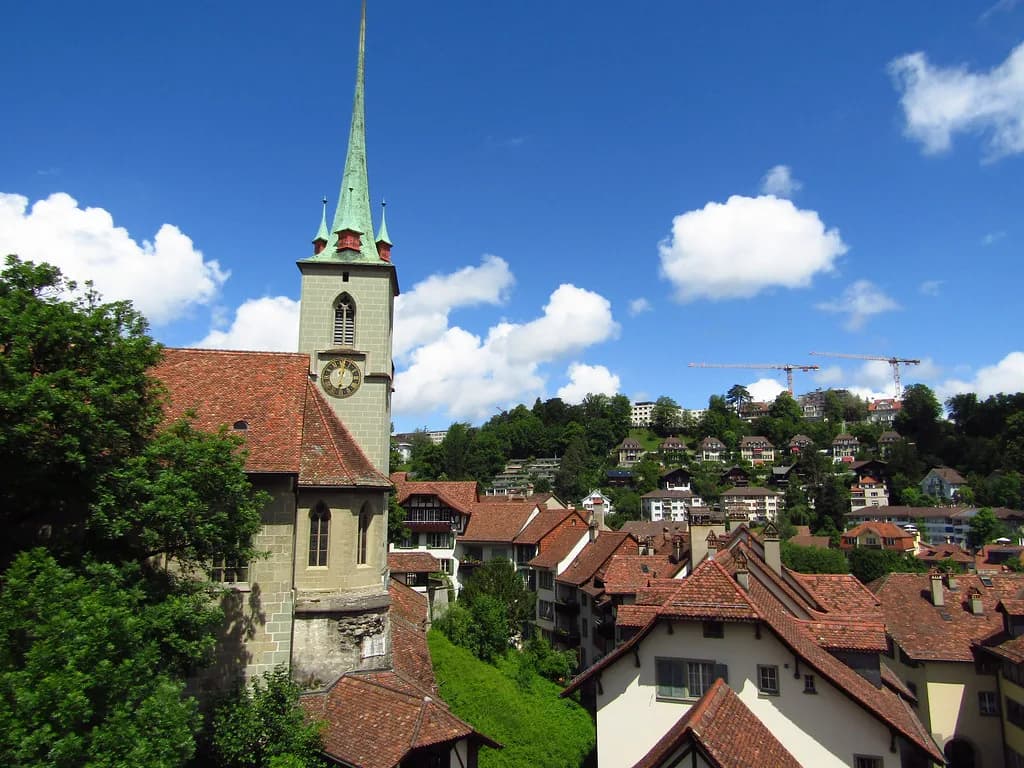
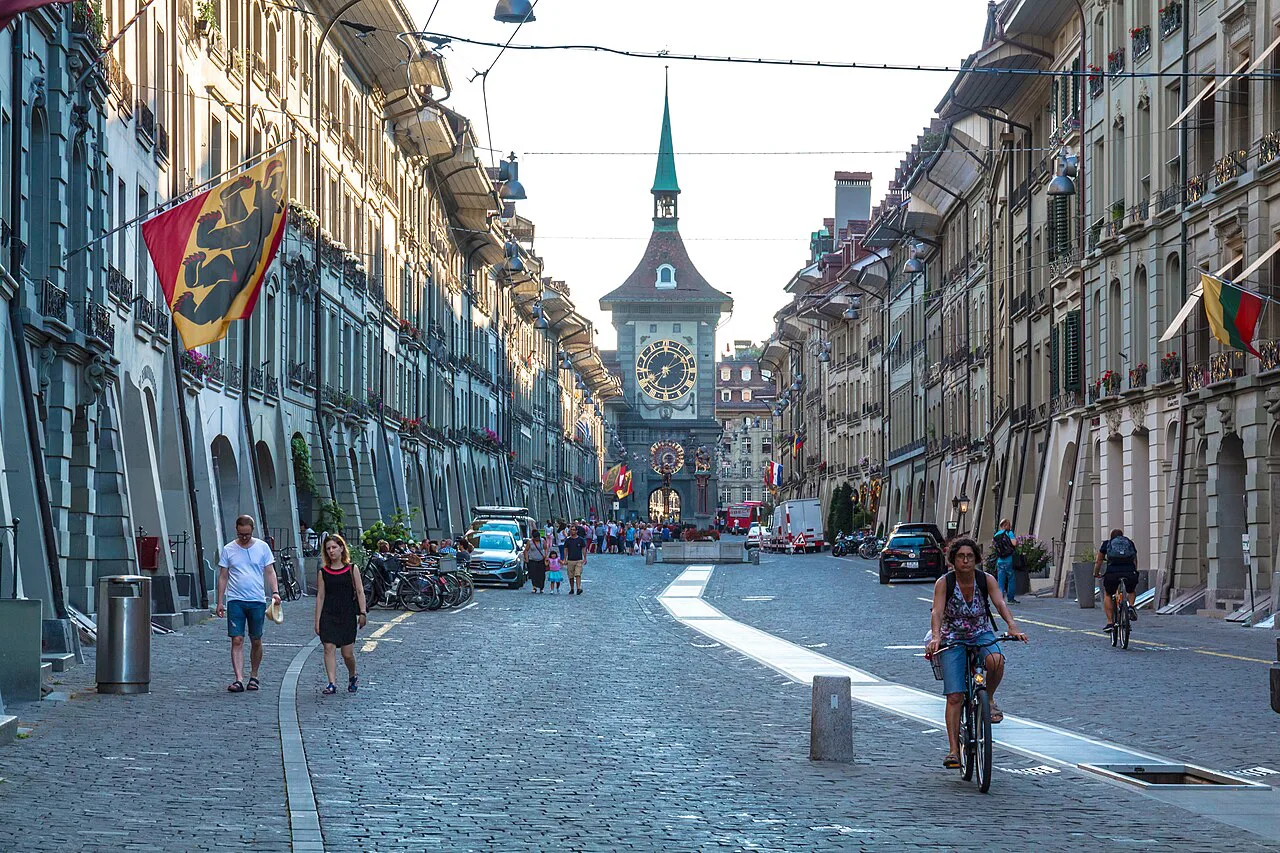
The old town is the first thing to do, and it costs nothing to walk. Start at the Zytglogge, the tall medieval clock tower, which you can also enter if you want to see it from inside rather than from the street. The surrounding lanes are pedestrianized and easy to follow without a map, so give yourself an hour to drift.
Bern's arcades matter in summer: they shade the shopfronts and let you walk long stretches out of direct sun, which is the best argument for exploring the center at midday. Fountains punctuate the streets throughout, and the pedestrian light sequence, with an orange phase before the green, is a small local quirk you will notice within an hour.
Bundeshaus and Federal Square
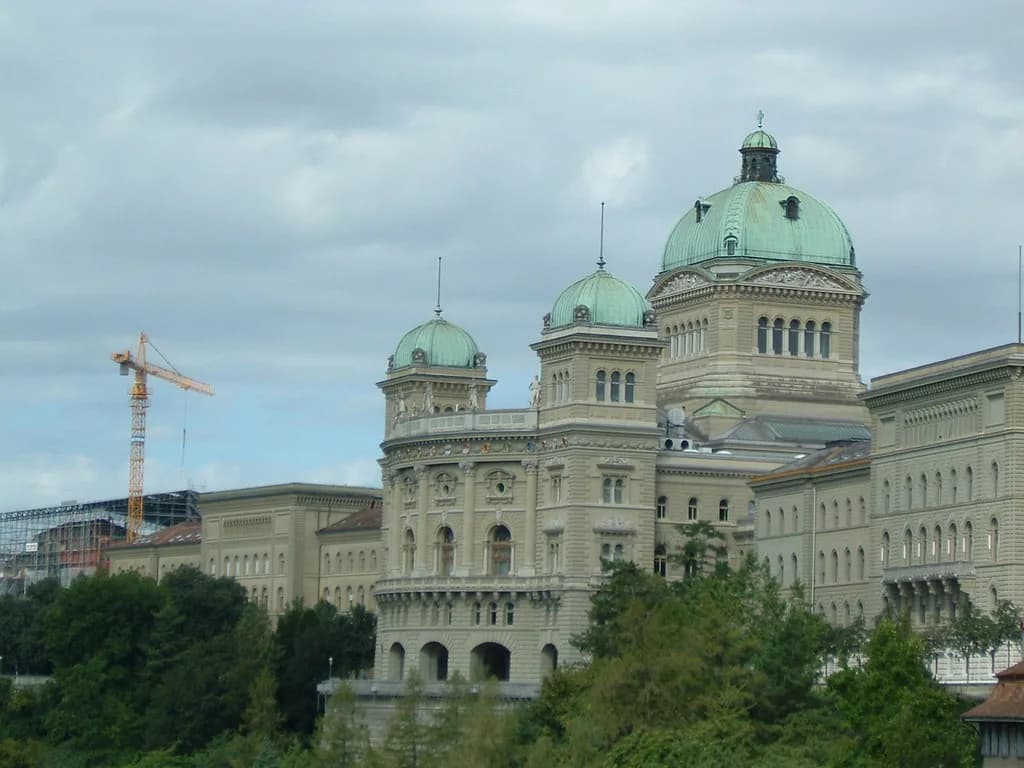
Bern is Switzerland's capital, and the Bundeshaus, the federal palace built in the 19th century, houses the federal assembly and the federal council. You can visit the interior, but you need to book in advance, so treat it as a fixed slot in your day rather than something to decide on the spot.
Outside, the federal square opens up in front of the building, with fountains that stand for the country's cantons. If you book a palace visit, build the rest of that morning around it: the old town and the clock tower are a short walk away, so you can slot the fixed time in without backtracking.
Rosengarten: The View Back Over the Old Town
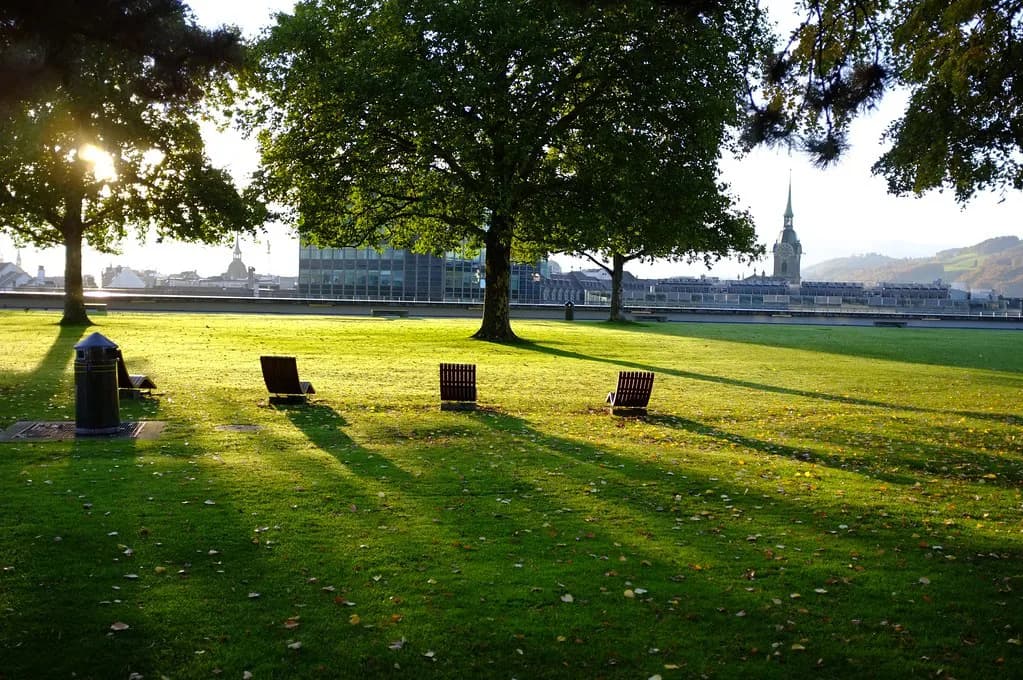
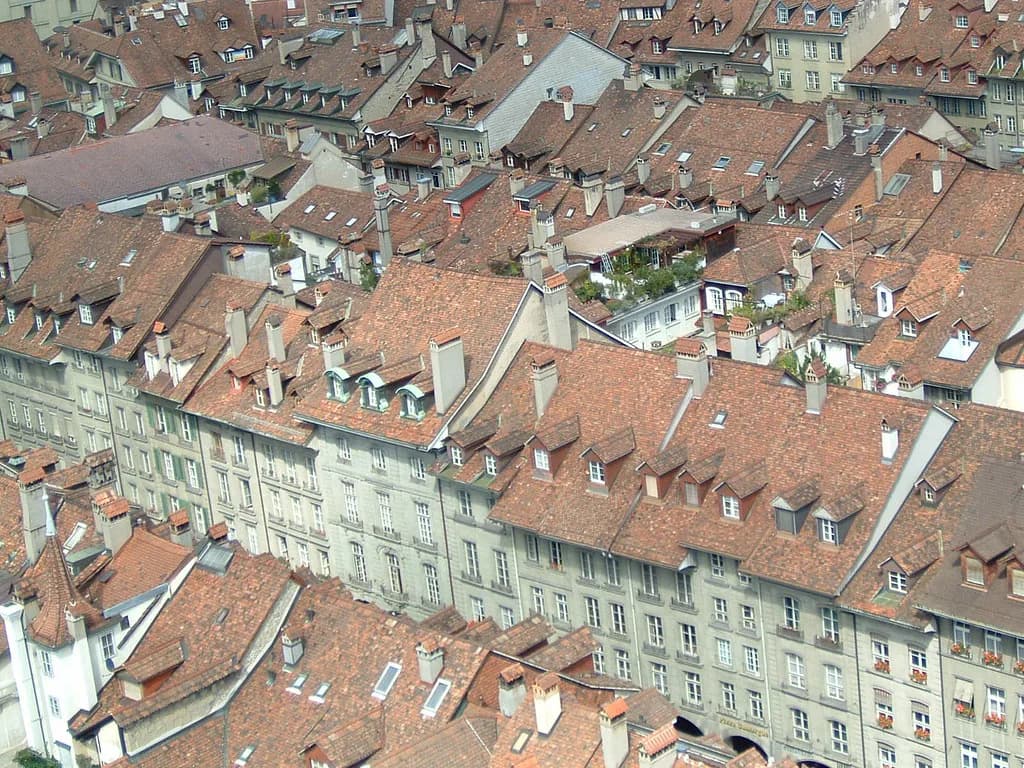
The Rosengarten sits on the heights above the city and gives you the classic look back across the rooftops. It began as a cemetery and became a park roughly a century ago, and it now holds 223 rose, 200 iris and 23 rhododendron species. Go in the morning for softer light and thinner crowds.
The park has a restaurant and a small play area, so it works as a pause rather than a quick photo stop. From here you can walk back down into the old town in one direction and continue to the river in another, which is why the morning slot makes sense.
Gurten: The Cable Car to 858 Metres
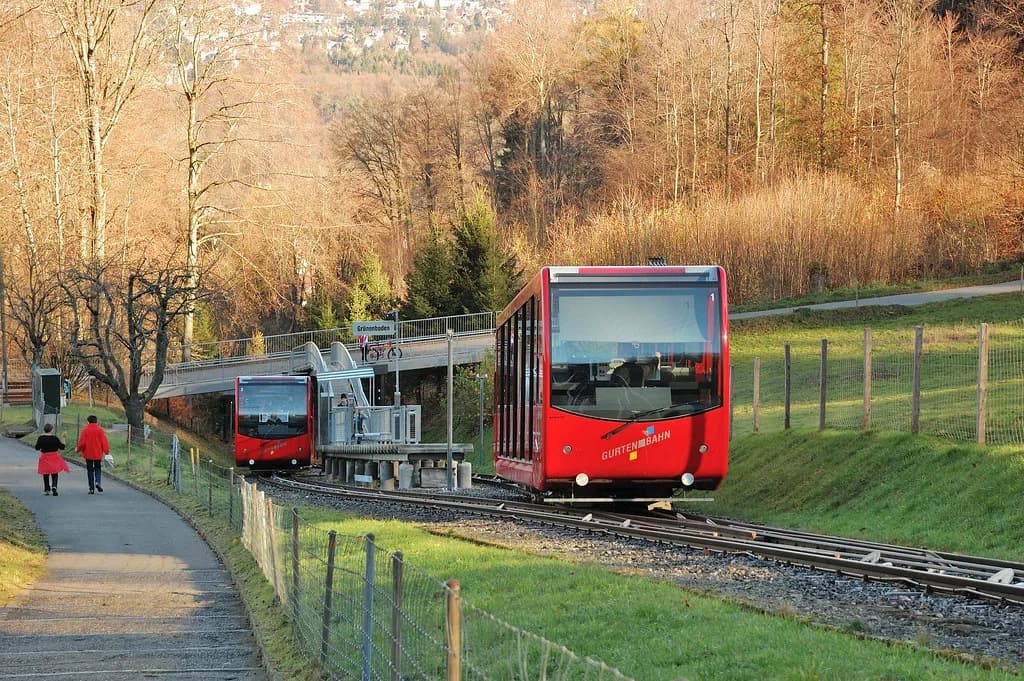
The Gurten is Bern's local hill, reached by a cable car that has run since 1899, and the top sits at 858 metres with views over the city and, on a clear day, the Alps. It is a green space with room to sit, popular with couples and families, and the Gurtenfestival takes place there in mid-July.
Fares and operating times change season to season, so check the published Gurten timetable before you set out rather than assuming a summer-evening service. Build the Gurten into the middle of the day and keep the late afternoon free, since the hill is a half-day rather than a quick detour.
Bärengraben: The City's Bear Pit
The bear has been Bern's emblem since the 12th century, and bear statues appear all over the city. The Bärengraben is where the living animals are kept, which makes an unusual stop on a summer walk. The bears hibernate in winter, so summer is the season when you can actually expect to see them.
It fits naturally into a route that crosses to the river side of the old town, so pair it with a downhill walk rather than a dedicated trip.
Bernisches Historisches Museum and the Einstein Museum
The Bernisches Historisches Museum is one of the largest Swiss museums devoted to the history, archaeology and ethnography of the region, with objects reaching back to the Stone Age. The Einstein Museum sits in the same building, a smaller display devoted to the physicist who spent several years in Bern. Keep both as your hot-afternoon or wet-weather card.
Admission is charged separately for each museum, so budget for both stops rather than one ticket. The historical museum displays objects reaching back to the Stone Age, and the much smaller Einstein Museum covers the physicist who lived in Bern for several years.
Marzili and the Aare: Where the City Cools Down
The Marzili is Bern's riverside green space and outdoor pool, a summer fixture where locals go when the city heats up, with a few places to eat and drink nearby. It is an afternoon rather than a sight: you go for the shade, the water and the slow pace. The Aare runs green and fast past the city, and the riverside is the natural end point for a warm day.
Summer in Bern centers on the river, with riverside terraces and green escapes from the streets, and the city promotes the Bern Ticket alongside them. Check what the ticket currently includes before you rely on it for transport or entry.
Costs in CHF and Low-Cost Summer Options
Switzerland is expensive, and Bern is no exception: a small salad and a bottle of water cost 20 Swiss francs, which sets expectations for casual meals. Walking the old town, crossing the fountains and sitting in the Rosengarten cost nothing, so the free sights carry a lot of the day.
The Bern Ticket appears in the city's own summer material, so look at what it covers before you buy any transport pass. Museum admission, cable car fares and any discount scheme are all published by the museum, the cable car company and Bern Tourism, and those figures are the ones to trust for your dates.
Summer Weather and What It Means for Packing
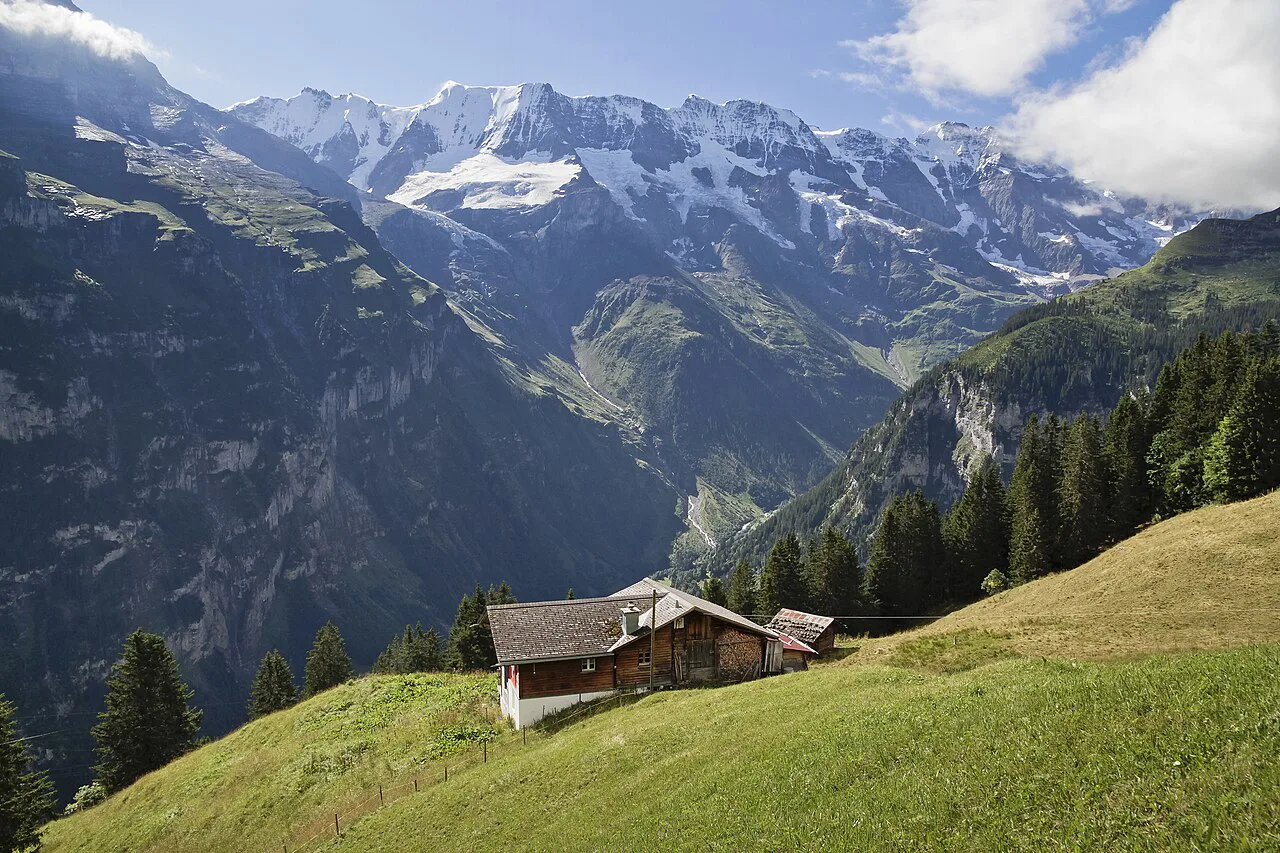
Treat summer weather as a planning constraint rather than a guarantee: warm days and occasional storms are the pattern, so build each day with an indoor fallback. That is why the museum belongs in the afternoon slot and the heights belong in the morning, when the air is cooler and the views are cleaner. Pack a light layer for the hilltops and a rain shell you can carry in a day bag.
Common Mistakes and How the Seasons Compare
The most common mistake is overpacking the days: Bern rewards a slow circuit of the old town, the heights and the river rather than a checklist. The second is skipping the heights entirely, which leaves out the two views that explain the city's shape. The third is ignoring the calendar: book the Bundeshaus in advance, since a palace visit needs a reservation, and check museum opening days directly on the Bern Historical Museum's site before you plan an afternoon around one.
If your dates sit either side of high summer, the shoulder months change the mood. Bern in May and Bern in September are gentler, and the city shifts again by the time of Bern in October. May brings the season's first warm spells, September keeps the light long, and autumn colors arrive later.
Where Bern Fits in a Longer Swiss Trip
Bern works as a two-day stop inside a wider Swiss itinerary rather than a week-long base, and it pairs naturally with other cities. If you are comparing summer city breaks, Lucerne in summer offers a lake-and-mountain setting, while Zürich in summer leans urban. Both make sensible add-ons before or after Bern.
Plan Your Summer Days in Bern
Build Bern around three layers: the arcaded old town with the Zytglogge in the morning, the Rosengarten and Gurten heights around midday, and the Aare riverside or a museum in the afternoon. Book the Bundeshaus ahead if you want to go inside, and confirm museum prices and opening days with each venue before you set out.
Explore more Bern guides
Frequently Asked Questions
How many days do you need in Bern in summer?
Two full days cover the essentials: one day for the old town, the Zytglogge and the federal square, and one for the Rosengarten, the Gurten cable car and the riverside. If you only have a single day, choose either the old town or the hilltop views rather than trying to fit both in.
What should you not miss in Bern?
The old town walk with the Zytglogge clock tower, the view back over the rooftops from the Rosengarten, and the ride up the Gurten to 858 metres for the city and Alps panorama. Add the Bärengraben on a summer walk, since the bears hibernate in winter, and keep the Bernisches Historisches Museum in reserve for a hot or wet afternoon.
What are free things to do in Bern in summer?
Walking the pedestrianized old town under the arcades costs nothing, and so does sitting in the Rosengarten for the view back over the city. The riverside and the Aare are free to walk along, and the bear pit is an outdoor stop on a summer route rather than a ticketed attraction.
Is Bern worth visiting in summer?
Yes, if you want a compact city you can cross on foot with hilltop views and a river running below it. Summer also brings the bears out of hibernation and puts the Gurten and the riverside terraces at their best, and two days leaves room for a museum when the weather turns.
Do you need to book the Bundeshaus in advance?
Yes. The federal palace can be visited inside, but a visit needs advance booking, so fix that slot before you build the rest of the day. The old town and the Zytglogge are a short walk away, so the rest of the morning fits around a reserved time.
Sources
Notes for your Swiss city break
Optional updates to our Swiss city guides.
You might also like
Continue reading
More guides you'll find useful