Switzerland in May: Weather, What's Open and Where to Go
Plan a Swiss city break in May: typical temperatures, long daylight, seasonal openings, and which cities and small towns work best that month.
On this page
May is the month when a Swiss city break stops being a gamble on the cold and becomes a bet on the clouds. Days are long, the valleys are green, and walking a compact old town or riding a lake steamer is comfortable rather than brisk; the trade-off is that rain and low cloud can erase a mountain view with little warning.
Spring flowers and noticeably longer evenings are the reasons seasoned Switzerland travelers often pick May over September, and those extra daylight hours are what make a two- or three-day city stop feel unhurried.
May in short: the trip it suits and the trip it does not
May suits a city-first trip with mountains as a bonus: you can fill days with old towns, museums, lakefront promenades and one high viewpoint, and you are never far from a covered arcade or a tram if the sky turns. It does not suit a plan built entirely around summit panoramas, because cloud can sit on the peaks for a whole morning and leave you with a white wall where the Alps should be.
How hot does it get in Switzerland in May? Zürich typically averages around 10–19°C in May, which is mild rather than hot. Treat any figure as a climate average and not a forecast, and pack layers for cool evenings and showers.
Is May a good time to visit Switzerland? May suits a city-first trip: days are long, valleys are green, and compact old towns and lakefronts are pleasant on foot. The trade-off is unsettled weather, with showers and cloud that can hide summit views.
What should I wear in Switzerland in May? Pack layers rather than one warm coat: a base layer, a light fleece or sweater, a waterproof shell with a hood, and shoes that grip wet cobblestones. Add sunglasses and sunscreen for long evenings and high viewpoints, plus a warm hat and gloves if a summit is on your plan.
Travelers weighing May against high summer should note that people planning the Interlaken and Lauterbrunnen area in late May often worry about chilly air and wet days rather than heat. If that decision is on your shortlist, Interlaken in May: Weather, Openings and How to Plan Days walks through the same month for that base.
The practical rule for May is one indoor anchor per day and one outdoor plan that can slide to another day. If you want the wider seasonal comparison across spring, summer and autumn, the best time to visit Switzerland for a city break lays out how May compares with June and September.
Typical May temperatures and daylight in the main cities
Treat any May figure as a climate average, not a forecast. For Zürich, published May guidance puts temperatures at roughly 10–19°C, which is mild enough for a coat and a long walk but rarely warm enough for shirt sleeves in the evening.
Ignore the same page's countrywide figure of 25–30°C, which contradicts its own Zürich range and does not describe a Swiss May. Build the trip around the cooler, more consistent city numbers and pack a warm mid-layer.
Daylight is May's real gift: sunsets come late enough that an evening stroll along a lakefront or through an old town fits after a full day of sights, and daylight lasts long enough to absorb a delayed train without losing the afternoon. Keep expectations for summit temperatures separate from city figures, since altitude changes conditions far more than the month does.
Rain and cloud: why each base needs an indoor backup
May rain in Switzerland tends to arrive as showers and fronts rather than all-day drizzle, so the smart approach is to keep one museum, gallery or covered passage in reserve for each city and swap it in when the radar looks poor. This is where the compact Swiss city layout helps: most of the big-four old towns are small enough to cross on foot in twenty minutes, so abandoning a plan costs little.
Choose the backup by city rather than by generic list: a transport or art museum in Lucerne, a history or art museum in Bern behind the arcades, a lakefront gallery in Zürich, and the Olympic Museum in Lausanne if Lake Geneva is your base. None of these depend on visibility, which is exactly the point in a month when the mountains may not show.
What opens in May and what still depends on snow
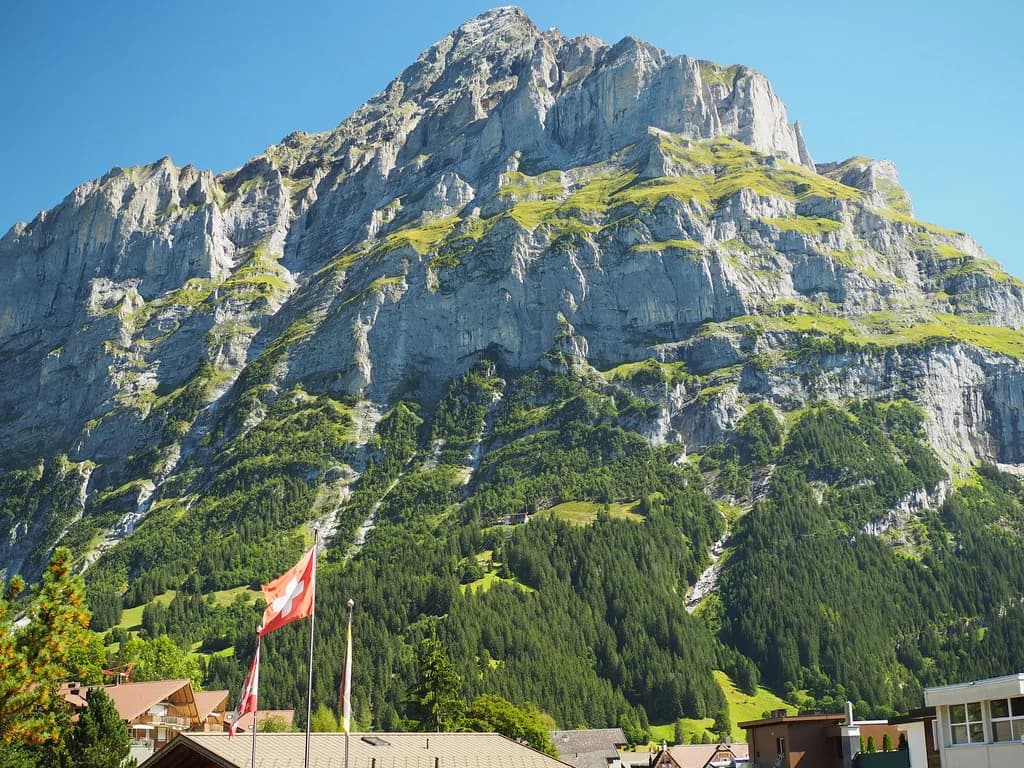
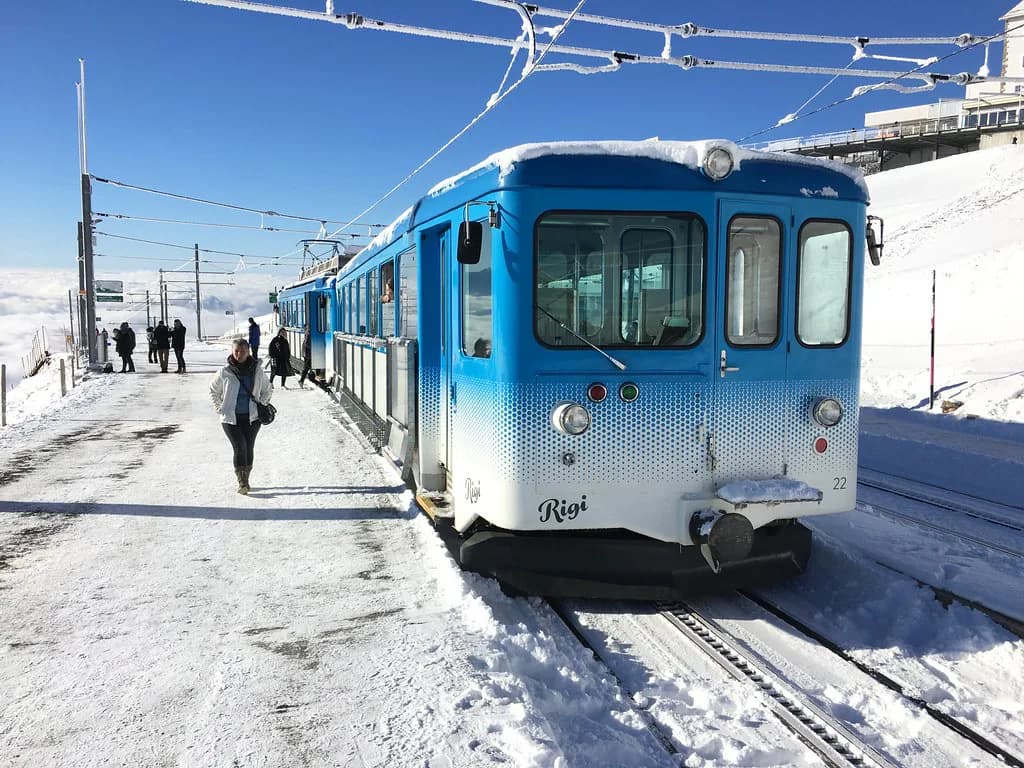
May is a shoulder month for mountain transport: some high routes and cable cars come back into service for the season while others wait for the snowline to retreat, so a summit day should be checked against each lift company's or railway's own timetable for your dates rather than assumed. Below the high peaks, valley walks, lake boats and town sightseeing are the dependable layer of a May trip.
If a specific mountain is the reason for your trip, check the operating calendar and the webcam on the day, and hold a city day in reserve to swap in. The April guide shows how the same shoulder-season logic works one month earlier, when snow cover limits even more of the high ground.
Zürich in May: Bahnhofstrasse, the old town and the lakefront
Zürich is the easiest May base because so much of it is walking: Bahnhofstrasse runs from the main station down to the lake, the old town climbs toward the Lindenhof viewpoint, and the lakefront promenades give you long, flat walks that suit mild spring weather. Bahnhofstrasse itself is a shopping boulevard of fashion, jewelry and watch boutiques rather than a sight with a ticket, so treat it as a route between the station, the lake and the old town.
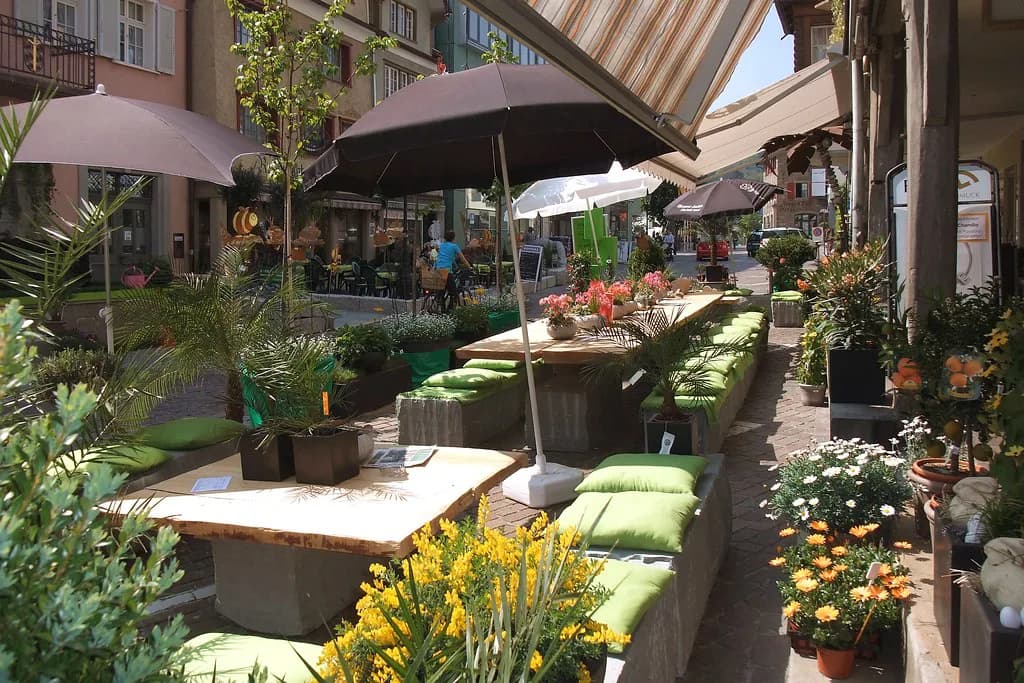
May is a good month for the city's outdoor texture, with café terraces reopening along the river and lake, and the compact center means a shower costs you a detour into a shop arcade or a tram ride rather than a lost afternoon. Zürich in May goes deeper on how to sequence the old town, the lake and the museums across two or three days.
Lucerne in May: Kapellbrücke, the old town and the lake
Lucerne packs its set pieces tightly: the Kapellbrücke crosses the Reuss in the middle of the old town, the painted facade and wooden interior give you a covered walk that works in drizzle, and the lakefront and Musegg walls are minutes away on foot. In May the lake boats and promenades come into their own, with the Pilatus and Rigi massifs framing the water when the cloud lifts. If you are weighing a second base, Lucerne in May: Weather, Crowds and What's Open covers the same decision for that city.
For a wet morning, the Swiss Museum of Transport is the reliable indoor anchor, with a chocolate-themed ride among its exhibits; published guidance lists a 30-minute chocolate ride with adult and child charges in a non-Swiss currency, so confirm the current price in Swiss francs with the museum before you budget.
If your dates slip into early summer, Switzerland in June covers the shift toward warmer lake days and fuller mountain access.
Bern in May: the Zytglogge and the old town arcades
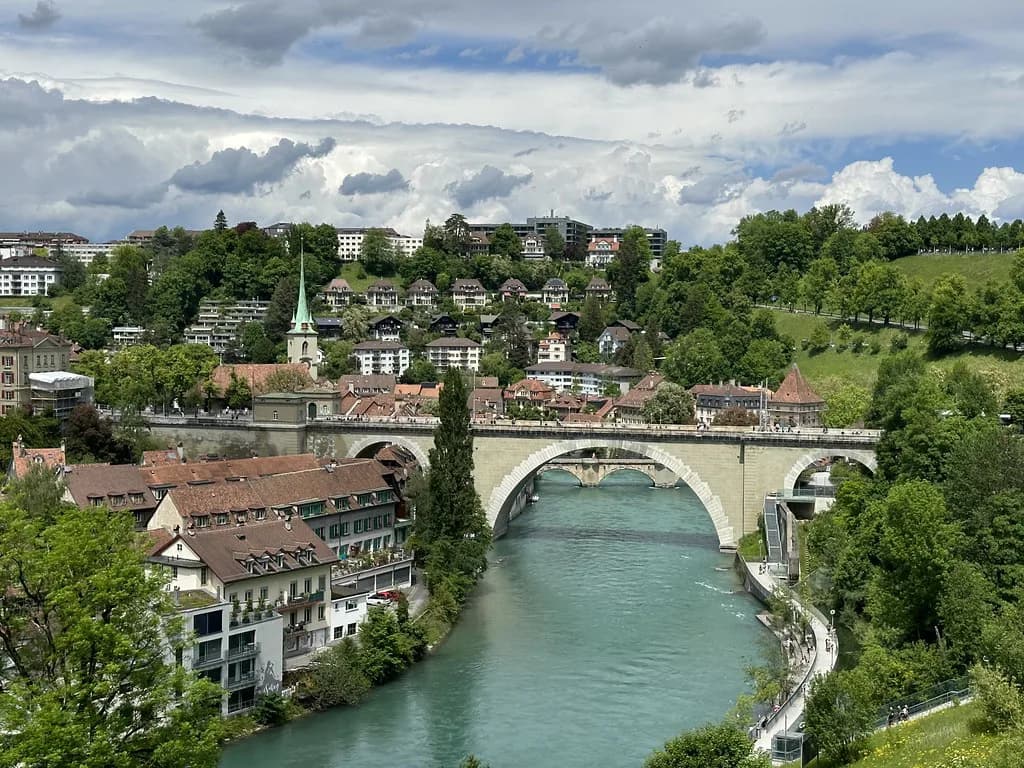
Bern is the best rainy-day city in Switzerland, not because of a single museum but because the old town's arcades run for kilometers along the main streets, letting you walk the whole UNESCO-listed center under cover. The Zytglogge clock tower is the landmark to orient yourself by, and the elevated terraces and the river bend give you viewpoints without a cable car.
May suits Bern's slower rhythm: the arcades, the market stalls and the riverside paths are pleasant in mild weather, and the compact center means you can cover the old town thoroughly in a day and still have time for a museum. It pairs naturally with a Lucerne or Zürich arrival by train.
Lake Geneva in May: Montreux, Vevey and the Lavaux vineyards
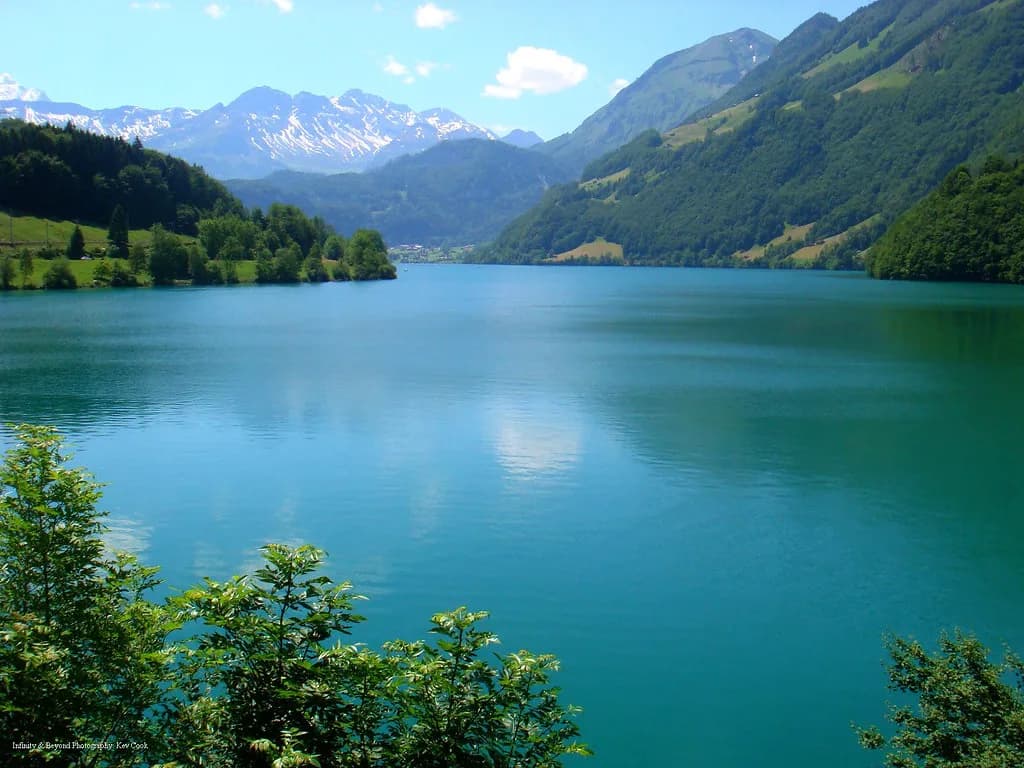
The Lake Geneva arc from Lausanne through Vevey to Montreux and Chillon is the classic May lakeside itinerary: a string of small towns linked by train and boat, with the Lavaux vineyard terraces climbing above the water. The terraces are a UNESCO World Heritage cultural landscape, and in May the slopes are green and walkable, with lake views that reward the climb.
Vevey and Montreux are compact enough to explore on foot between train stops, and Montreux's lakeside promenade is a good late-afternoon walk when the light lasts. For a wet day, the Olympic Museum in Lausanne is the named indoor option on this shore.
The wider Lake Geneva region shifts again later in the season; Switzerland in July shows how the lakefront and the vineyard terraces read in high summer.
Basel in May: three countries, one city
Basel sits where Switzerland, France and Germany meet, and the city makes that geography part of its identity, with the old town on the Rhine, a strong art-museum cluster and a riverfront that is pleasant to walk in mild weather. In May the Rhine promenades and the old-town lanes are comfortable, and the museums give you a serious indoor option when it rains.
Because Basel is compact and well connected by train, it works as a one- or two-night stop on a multi-city May trip rather than a full base. Its position at the corner of three countries makes it easy to combine with a Rhine-side excursion.
Short-stay options: Chur and the Rhine Falls at Schaffhausen
Chur, in Graubünden, is often described as Switzerland's oldest town, and its car-free old town is a manageable half-day or overnight stop with regular trains from Zürich taking roughly an hour and a half.
The Rhine Falls near Schaffhausen, on the border of Schaffhausen and Zürich, are described as the largest waterfall in Europe; boat trips to the rock in the middle of the falls run seasonally from roughly April to October, while entry through both banks is open year-round. Published guidance prices the southern bank and lists the northern bank as free, in a non-Swiss currency, so check current charges in Swiss francs on site.
Both stops work as a May add-on because they are low-altitude, town-based and reachable by train, so weather matters far less than it does on a summit.
How many days each base needs in May
Two full days covers Zürich's old town, Bahnhofstrasse and lakefront at an easy pace, with a third day if you add a museum or a trip to the Rhine Falls. Lucerne needs two days for the Kapellbrücke, the old town and a lake boat, and Bern is a solid one to two days because the arcaded center is compact.
Lake Geneva deserves two to three days if you want Montreux, Vevey and the Lavaux terraces without rushing, and Basel fits into one or two nights as a stop between cities. Add a buffer day to any May itinerary that includes a summit, since cloud is the variable you cannot schedule around.
Money: prices in CHF and why May sits in the value window
Switzerland is expensive, and May does not change that, but it sits between the ski season and the peak summer crowds, which helps with availability more than with list prices. Budget in Swiss francs and check each sight's current CHF price directly at its ticket office or official website, since published figures in other currencies are not a reliable guide to what you will pay at the ticket window.
Skip any claims about pass discounts you cannot back up for a specific sight; instead, compare a Half Fare Card or Swiss Travel Pass against your actual itinerary once you have fixed the list of trains, boats and cable cars you intend to use.
What to pack for a May city break
Pack layers rather than a single warm coat: a base layer, a light fleece or sweater, a waterproof shell with a hood, and comfortable walking shoes that handle wet cobblestones. Add sunglasses and sunscreen for the long evenings and for any high viewpoint, where the light is stronger than in the city.
Bring one small daypack for museum days and a compact umbrella, since May showers pass quickly and you will often be walking between sights within twenty minutes of each other. If a summit is on the plan, add a warm hat and gloves even when the city feels mild.
One-day add-ons worth the detour in May
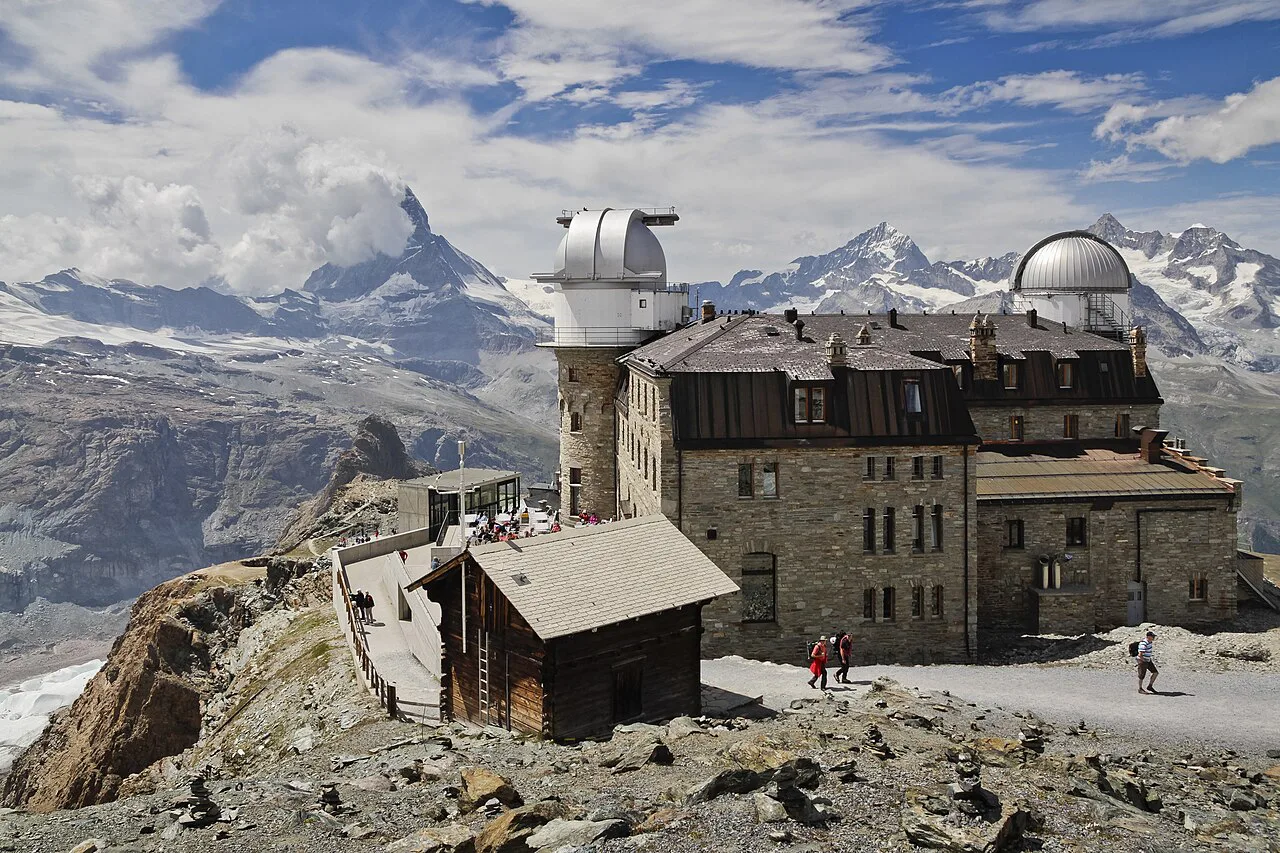
The strongest May add-ons are low and lake-based: a boat on Lake Lucerne, the Lavaux terraces above Lake Geneva, and the Rhine Falls from Schaffhausen, all reachable by train and all less dependent on clear summits than the high mountains. A high summit such as Jungfraujoch or Mount Titlis is worth adding only if the webcam shows a clear top on the day.
For a spring mountain option, Zermatt in May explains how the Matterhorn village and its cable cars behave in the shoulder season, including the indoor Matterhorn Museum – Zermatlantis as a bad-weather fallback.
Plan Your May Trip
May rewards a city-first Swiss trip: long days, green valleys and compact old towns that handle showers well. Pick two or three bases from Zürich, Lucerne, Bern, Lake Geneva and Basel, give each one an indoor anchor, and keep one flexible day for a summit or a lake boat when the sky clears.
Confirm the current Swiss-franc price and the operating calendar for any museum, cable car or boat you plan to use, then build the rest of the day around what is actually open on your dates.
Frequently Asked Questions
How hot does it get in Switzerland in May?
Zürich typically averages around 10–19°C in May, which is mild rather than hot. Treat any figure as a climate average and not a forecast, and pack layers for cool evenings and showers. Mountain summits are considerably colder than the cities.
Is May a good time to visit Switzerland?
May suits a city-first trip: days are long, valleys are green, and compact old towns and lakefronts are pleasant on foot. The trade-off is unsettled weather, with showers and cloud that can hide summit views. Keep one indoor backup per city and one flexible outdoor day.
What should I wear in Switzerland in May?
Pack layers rather than one warm coat: a base layer, a light fleece or sweater, a waterproof shell with a hood, and shoes that grip wet cobblestones. Add sunglasses and sunscreen for long evenings and high viewpoints, plus a warm hat and gloves if a summit is on your plan.
Is there still snow in Switzerland in May?
Some high routes and cable cars wait for the snowline to retreat, so check the operator's own information for your summit day and dates. Below the high peaks, valley walks, lake boats and town sightseeing are the dependable layer of a May trip.
How many days do you need in Switzerland in May?
Two full days covers Zürich's old town, Bahnhofstrasse and lakefront, with a third for a museum or the Rhine Falls. Lucerne needs two days, Bern one to two, Lake Geneva two to three if you want Montreux, Vevey and the Lavaux terraces, and Basel one or two nights. Add a buffer day if a summit is included.
Sources
Notes for your Swiss city break
Optional updates to our Swiss city guides.
You might also like
Continue reading
More guides you'll find useful