Zürich or Lucerne: Which Swiss City Fits Your Trip?
Zürich or Lucerne? Compare what each city offers on foot, how many days each needs, and when to pick old-town sights over lake-and-mountain views.
On this page
Lucerne is the stronger pick for a short break built around scenery and a walkable old town. Its landmark sights cluster tightly around the Reuss and the lakefront, and the most famous of them cost nothing to see. Zürich suits travelers who want a larger city with more museums, more shopping and more evening options, and who treat the mountains as a day out rather than a backdrop.
The practical difference is not which city is prettier. It is how far your feet carry you, how many days you have, and whether you want the lake-and-mountain setting to be the point of the trip or a bonus. Lucerne is compact enough that a single day covers the headline sights, while a longer stay draws on the region around it.
Zürich or Lucerne: the short answer
Choose Lucerne for a two- or three-night break where you want water, mountains, a medieval old town and a short list of unmissable sights. A wooden bridge, a stone lion and a city wall can all be seen in a morning on foot, and the lake sits at the end of the streets.
Choose Zürich if you want a full-size city: more museums, more shops, more neighborhoods to wander and a wider choice of things to do when the weather turns. If your trip is a city break first and a mountain view second, Zürich gives you more city to fill. Lucerne repays you with scenery and ease instead of volume.
What kind of city each one is
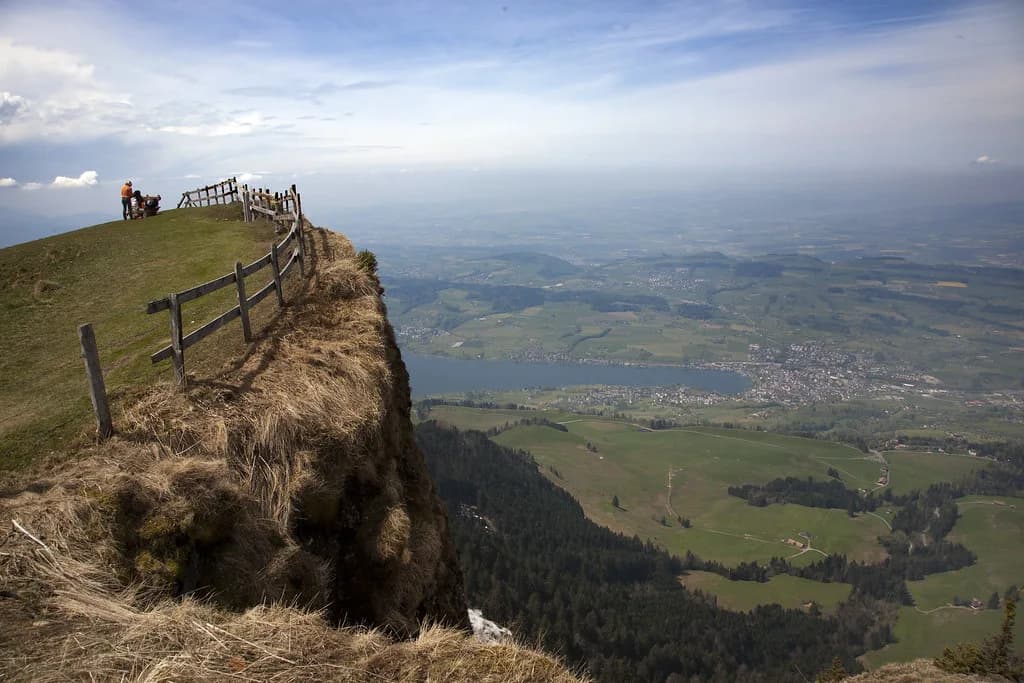
Lucerne is a mid-size Swiss city where the historic core, the river and the lakefront sit within a few minutes of each other. Its identity is tied to Lake Lucerne and to the mountains that frame the view, so the city and its setting work as one experience. The tourism board describes Lucerne as best discovered on foot, with the Chapel Bridge, Water Tower, Musegg Wall, Jesuit Church, Spreuer Bridge, Lion Monument and KKL culture and convention centre all shaping the cityscape. Because that setting changes so much through the year, it is worth checking the best time to visit lucerne before you book.
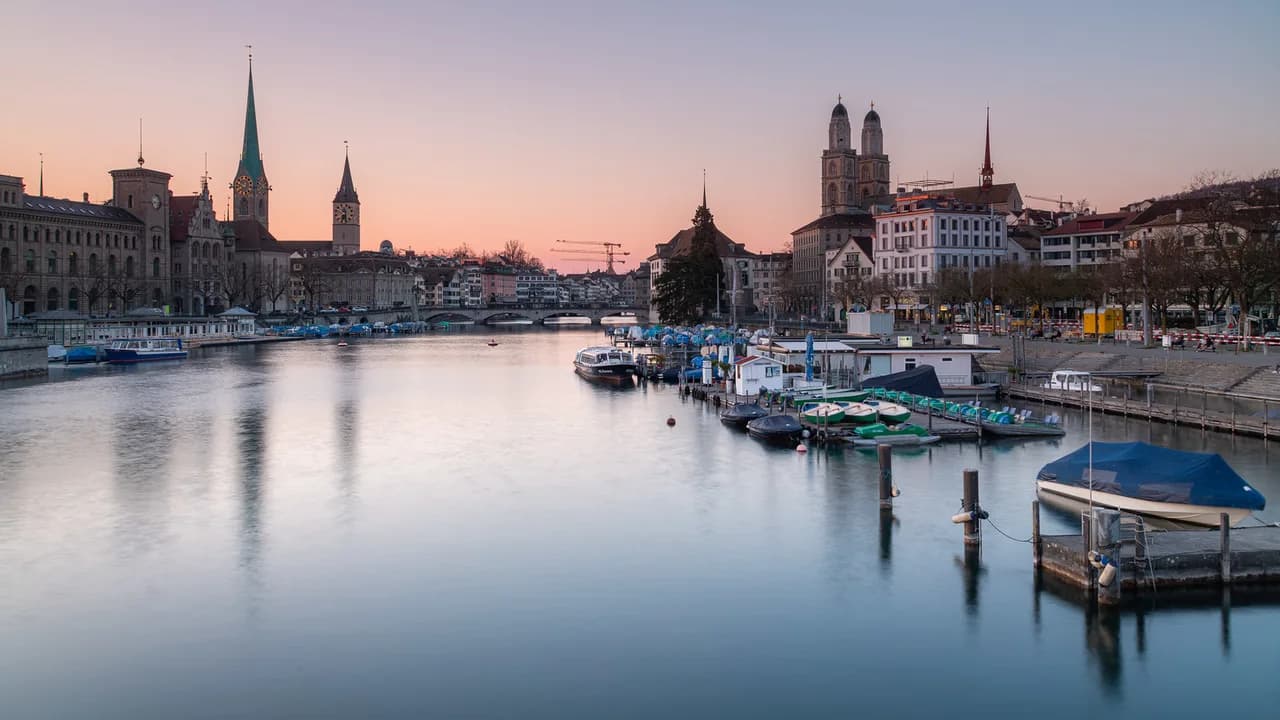
Zürich is Switzerland's largest city and behaves like one, with a business core, distinct quarters and a museum scene on a different scale from Lucerne's. The contrast matters more than any single sight: Lucerne gives you a dense, photogenic old town in a landscape, while Zürich gives you a metropolis you could spend several days exploring without leaving the city.
That difference shapes your daily rhythm. In Lucerne you walk out of your accommodation and are among the sights within minutes; in Zürich you plan around a bigger map, with more distance between the station, the lake, the old town and the museum quarter. If you dislike planning logistics, Lucerne's compactness is a real advantage.
Lucerne's compact old town and lakefront on foot
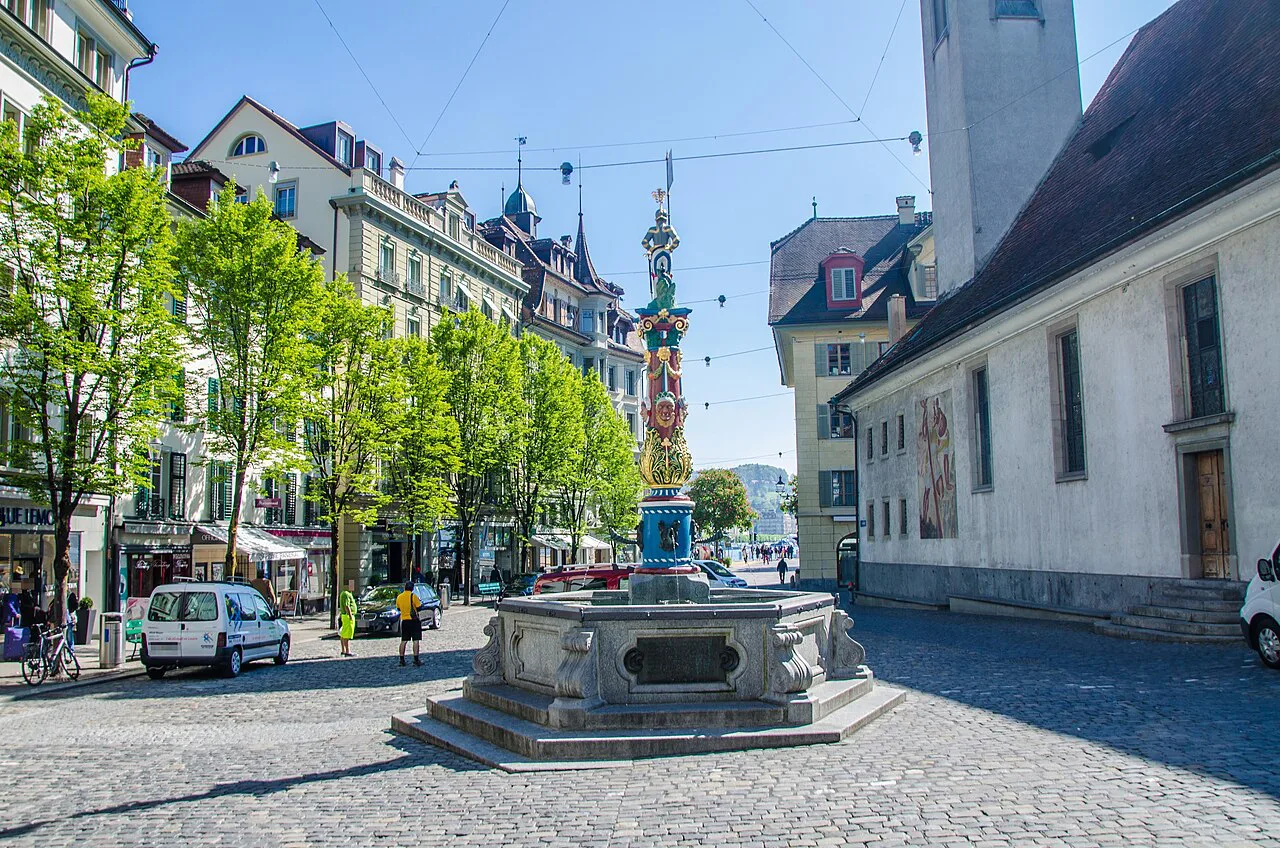
Lucerne's main attractions sit close together and are easy to explore on foot, with the Old Town, Chapel Bridge, Lion Monument, Musegg Wall and lakeside promenade all within easy walking distance of each other. That concentration is what makes a single day in Lucerne feel unhurried rather than rushed.
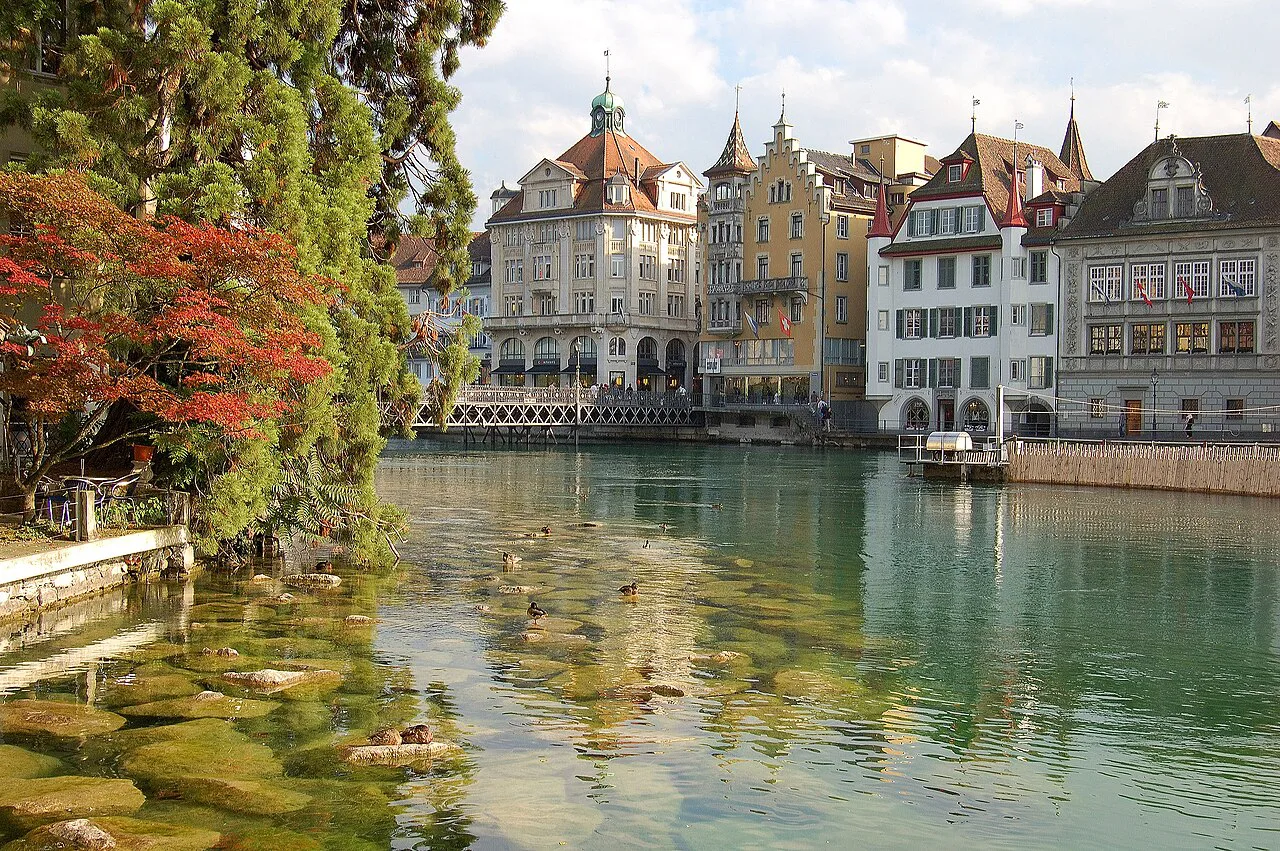
Build your walk around the Reuss rather than a checklist. Start at the Chapel Bridge, cross to the old town for the squares around Rathausquai and Weinmarkt, then climb toward the Musegg Wall for the view back over the roofs. The lakefront promenade closes the loop, and the whole circuit fits comfortably into a morning plus lunch.
If you want a structured shape for that day, a one day in Lucerne plan keeps the walking order sensible instead of zig-zagging between banks of the river. The geography rewards a loop, not a back-and-forth.
Chapel Bridge, Water Tower and the Musegg Wall
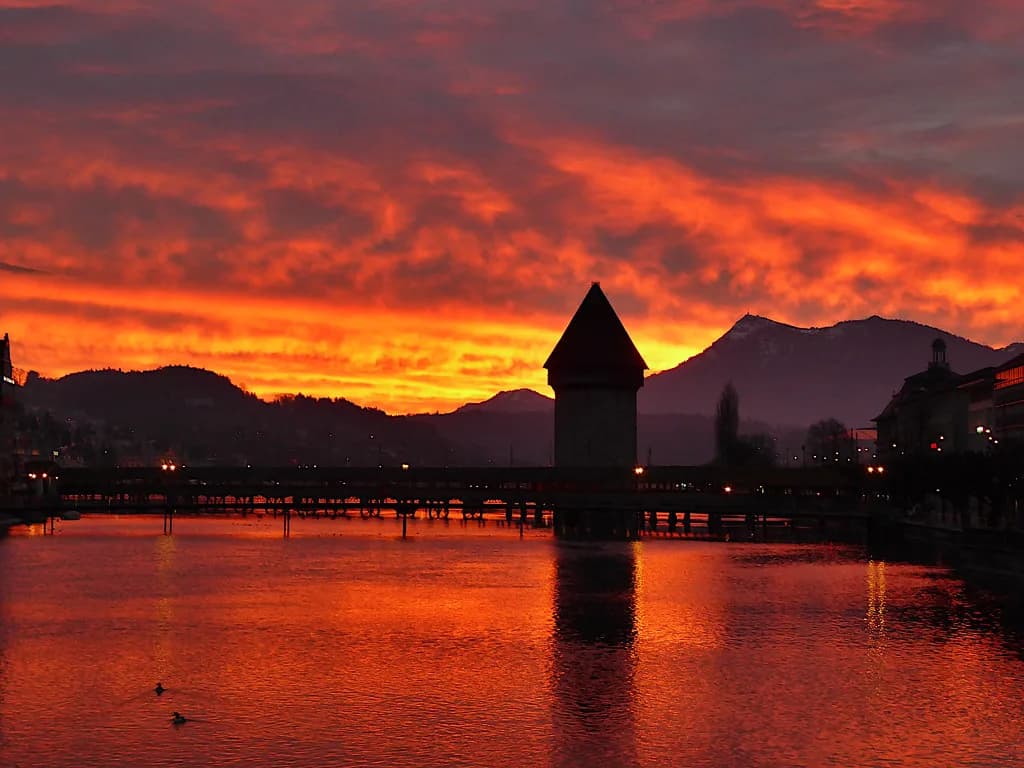
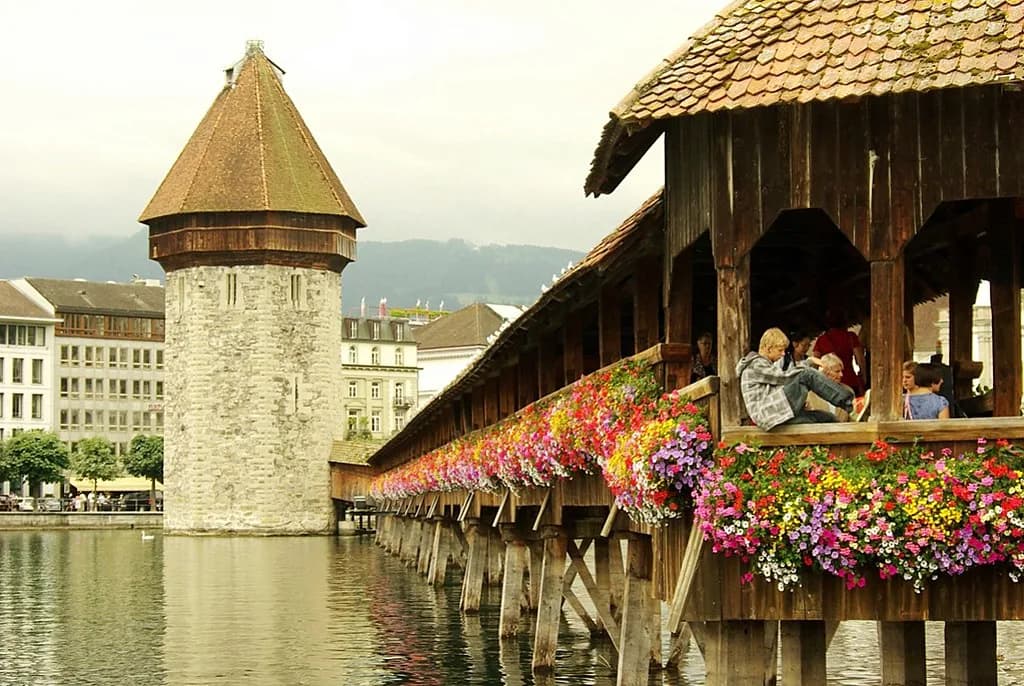
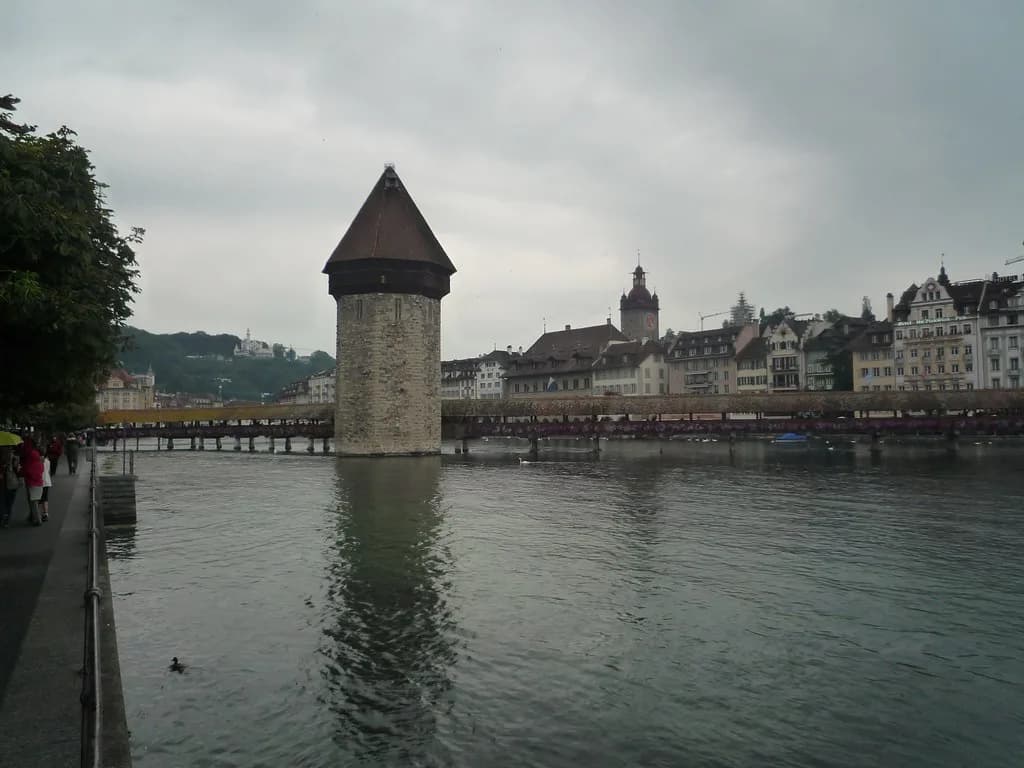
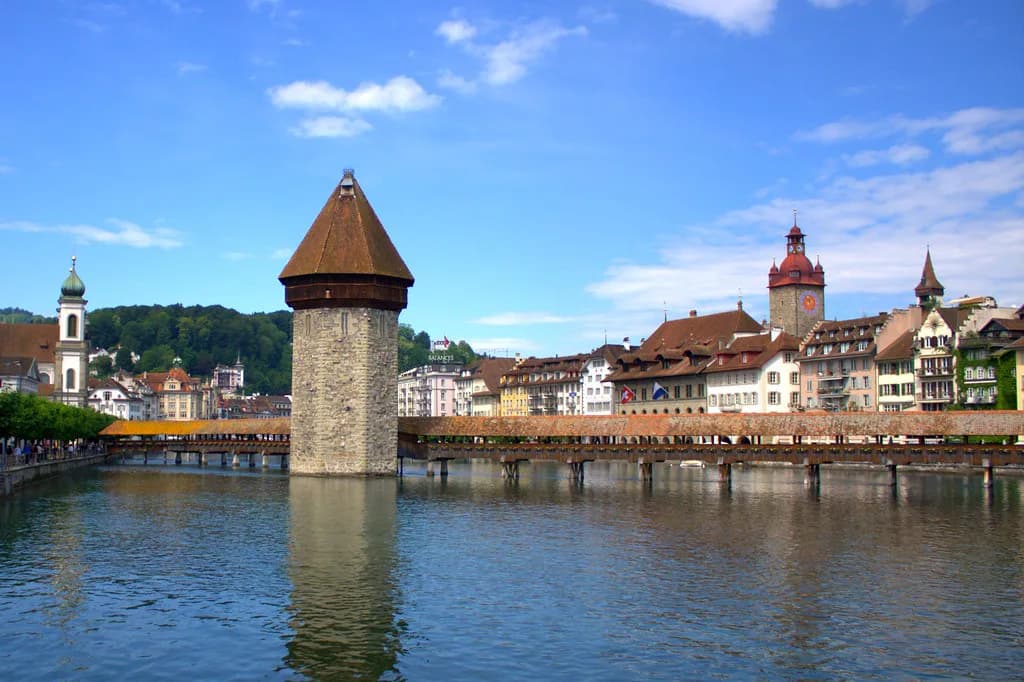
The Chapel Bridge is Lucerne's most photographed subject, running from the Lucerne Theatre past the Water Tower to St. Peterskapelle on the Rathausquai. The bridge is roughly 650 years old and was part of the city's medieval fortifications before it became a pedestrian crossing. Much of it burned in a fire in the night of 18 August 1993, and the missing section was rebuilt and reopened on 14 April 1994.
The Water Tower beside it is older than the bridge, built around 1290 to 1300, and has served as a watchtower, archive and prison over seven centuries. It is an octagonal tower about 34.5 meters tall. Walk the bridge slowly enough to look up at the painted panels; the surviving cycle is the reason the crossing is more than a shortcut.
The Musegg Wall and its nine towers are part of the historic city fortifications and are free to visit. This is the best free viewpoint in the city: you get the classic photograph of Lucerne with the lake and mountains behind, and you earn it with a short climb instead of a ticket.
The Lion Monument, Glacier Garden and the museums
The Lion Monument is a memorial carved into rock and, like the Chapel Bridge and the Musegg Wall, free to visit. It sits near the Glacier Garden, so pair the two in one outing if you want a paid attraction alongside a free one. The Glacier Garden is the only Lucerne sight with a published ticket figure here, at CHF 24.00 per person booked online.
Lucerne's paid museums are where the city's range shows. The Swiss Museum of Transport is the biggest draw, and nearby are the Bourbaki Panorama, the Museum Rosengart Collection, the Hans Erni Museum, the Museum of Art Lucerne and the Gübelin Gem Museum. Each has its own admission arrangements, set by the museum itself, and there is no single city-wide ticket covering all of them.
For a sense of what a museum day does to your budget, the is lucerne expensive breakdown covers what things actually cost in Swiss francs. That frame helps you decide whether to spend on two museums or one museum and a long lunch by the river.
When Lucerne is the stronger pick
Lucerne is the better base if your trip is short and you want the Swiss landscape to be part of every day rather than a destination you travel to. The city is small enough to learn in an afternoon, which frees time for the lake and the mountains around it.
It also suits travelers who prefer walking to riding transit and who value free sights. A morning on the Chapel Bridge, at the Lion Monument and on the Musegg Wall costs nothing beyond breakfast and gives you the city's signature images. If you are deciding whether the city justifies the stop at all, the question of whether Lucerne is worth visiting is settled mostly by how much you value that compact, scenic setting.
Budget matters here. On a lucerne on a budget approach, the free sights and a self-guided wall walk carry a day, and paid museums become optional add-ons rather than obligatory stops. That balance is easier to strike in Lucerne than in a larger city with more paid attractions competing for your time.
When Zürich is the stronger pick
Zürich is the better choice when the city itself is the destination: a longer city break, a business trip with free evenings, or a traveler who wants shops, galleries and a wide choice of dining within a dense urban grid. Its scale means more to do indoors when the weather is poor.
It also suits anyone flying into Zürich Airport and wanting to minimize transfers. If you only have a night or two before flying home, staying in Zürich removes a move and gives you a full evening in a major city. Lucerne rewards a slightly longer stay more than a single rushed night.
The honest trade-off is scenery. Zürich has its lake and its own hills, but the postcard landscape of water, wooden bridge and mountains is Lucerne's territory. If that image is why you are coming to Switzerland, base yourself where you can see it from the breakfast table.
Days needed in each city
Lucerne's headline sights fit into a single full day on foot, and two days let you add the Glacier Garden, one major museum and an unhurried evening on the lakefront. Three days is where Lucerne starts to work as a base for the region around it rather than a city to tick off.
If you are weighing a short stop against a fuller stay, how many days in lucerne sets out the difference between one, two and three days so you can match the city to your schedule. The mistake most visitors make is treating Lucerne as a half-day between trains, which leaves the museums and the wall out.
Zürich absorbs more time without effort, because a larger city simply has more to fill. A weekend covers its core comfortably; a longer stay rewards travelers who want to explore quarter by quarter. If your itinerary is built around Lucerne, the lucerne itinerary lays out a full plan with days in the right order.
Time and cost of moving between them
Zürich and Lucerne sit in the same part of central Switzerland and are connected by direct trains, which makes a combination trip practical rather than ambitious. You can stay in one city and visit the other as a day out without rebuilding your plans.
Confirm the current journey time and fare on the Swiss federal railways timetable before you commit, since both vary by service and ticket type. That check also tells you whether a rail pass suits your route, which matters more for a multi-city trip than for a single-city stay.
A sensible split is to arrive in Zürich, spend your city time there, then move to Lucerne for the scenic half of the trip. That order ends on the landscape rather than starting with it, which many travelers prefer for the final impression.
Rainy-day options in Lucerne
Bad weather does not empty Lucerne's itinerary. The Swiss Museum of Transport is the anchor for a wet day, with the Swiss Chocolate Adventure and a planetarium on the same site, so one stop can fill an afternoon. The Bourbaki Panorama, the Museum Rosengart Collection and the Museum of Art Lucerne are the other reliable indoor picks in the city.
The region adds factory and workshop visits if you want something beyond museums, including the Glasi Hergiswil glassworks on the lake side of the city. These are organized visits rather than drop-in sights, so plan them around your day instead of chancing it.
Markets, squares and free sights
Lucerne's weekly market runs every Tuesday and Saturday from 6 a.m. to 12 p.m. on the Rathausquai, under der Egg and on Bahnhofstrasse, with an additional Saturday market at Helvetigärtli. The fish market takes place at unter der Egg every Tuesday, Friday and Saturday from 6 a.m. to 12 p.m. Arrive before mid-morning for the fullest stalls.
The craft market at Weinmarkt in the Old Town runs on the first Saturday of each month from April to December, from 7 a.m. to 5 p.m., and is the place to buy directly from makers. The Markthalle at the railway station offers market-fresh Swiss food every day of the week, which covers a Sunday when other options thin out.
Free sights do most of the work in Lucerne. The Chapel Bridge, the Lion Monument and the Musegg Wall cost nothing, while the Glacier Garden and the big museums require a ticket. Build a day around the free set first and add one paid attraction.
Practical trade-offs: crowds, cost and Sundays
The Chapel Bridge and Lion Monument sit on every tour route, so they are busiest in the middle of the day and during peak season. Early mornings on the bridge are calmer and give you the photographs without a crowd of shoulders in the frame.
Switzerland is expensive, and Lucerne's compact core means you are never far from a place to spend money. Mix free sights with a single paid museum, use the market for lunch supplies, and keep the paid experiences deliberate rather than incidental.
Sunday is the day to plan ahead. The weekly and fish markets do not run on Sunday, but the Markthalle at the station trades every day, so a Sunday visit still has a reliable food stop. Museum opening days vary from one institution to the next, so check individual museum pages before you set out.
How to Decide in Three Questions
Ask yourself three things: how many days you have, whether the scenery or the city itself is the draw, and whether you would rather walk everywhere or ride across a larger map. Two days and a wish for water and mountains points to Lucerne; a longer urban break points to Zürich.
If Lucerne wins, decide your length of stay before booking anything else, because one day and three days produce very different trips. Use the Lake Lucerne setting as the reason you came, and let the free sights and one good museum fill the rest.
Frequently Asked Questions
Is Lucerne or Zürich better for a short trip?
Lucerne suits a short trip better because its main sights sit within easy walking distance of each other and several are free, including the Chapel Bridge, the Lion Monument and the Musegg Wall. Zürich needs more time to cover across its larger map. If you only have one full day and want scenery plus old-town sights, Lucerne gives you more per hour.
Can you visit Zürich and Lucerne on the same trip?
Yes. Direct trains connect the two cities, so you can base yourself in one and visit the other, or split your stay between them. Check the current journey time and fare on the Swiss federal railways timetable before booking, since both vary by service and ticket type.
Which sights in Lucerne are free?
The Chapel Bridge, the Lion Monument and the Musegg Wall are free to visit. The Glacier Garden and museums such as the Swiss Museum of Transport require a ticket. Building a day around the free sights first and adding one paid attraction keeps costs predictable.
What can you do in Lucerne on a rainy day?
The Swiss Museum of Transport is the main indoor anchor, with the Swiss Chocolate Adventure and a planetarium on the same site. The Bourbaki Panorama, the Museum Rosengart Collection and the Museum of Art Lucerne are the other reliable indoor picks, and the region adds organized factory visits such as the Glasi Hergiswil glassworks.
How many days do you need in Lucerne?
One full day covers the headline sights on foot. Two days let you add the Glacier Garden, one major museum and an unhurried evening by the lake, and three days let you use Lucerne as a base for the surrounding region. Match the length to whether the city or the landscape is your priority.
When do the markets in Lucerne take place?
The weekly market runs Tuesdays and Saturdays from 6 a.m. to 12 p.m. at Rathausquai, unter der Egg and Bahnhofstrasse, with a Saturday market at Helvetigärtli. The fish market at unter der Egg runs Tuesdays, Fridays and Saturdays from 6 a.m. to 12 p.m. The Markthalle at the railway station trades every day.
Sources
Notes for your Swiss city break
Optional updates to our Swiss city guides.
You might also like
Continue reading
More guides you'll find useful