Interlaken in August: Plan Weather, Crowds and Days
August is peak season in Interlaken, with warm summer days, the year's heaviest crowds and long daylight for the Jungfrau region. Here is how to plan around it.
On this page
Interlaken in August means peak summer in the Bernese Oberland: the warmest stretch of the year, the longest daylight, and the heaviest visitor numbers on the lifts, boats and viewpoints of the Jungfrau region. If you want empty trails and quiet squares, this is not your month; if you want reliable walking weather and everything running, it is. Treat the crowds, more than the climate, as the constraint that shapes your day plan.
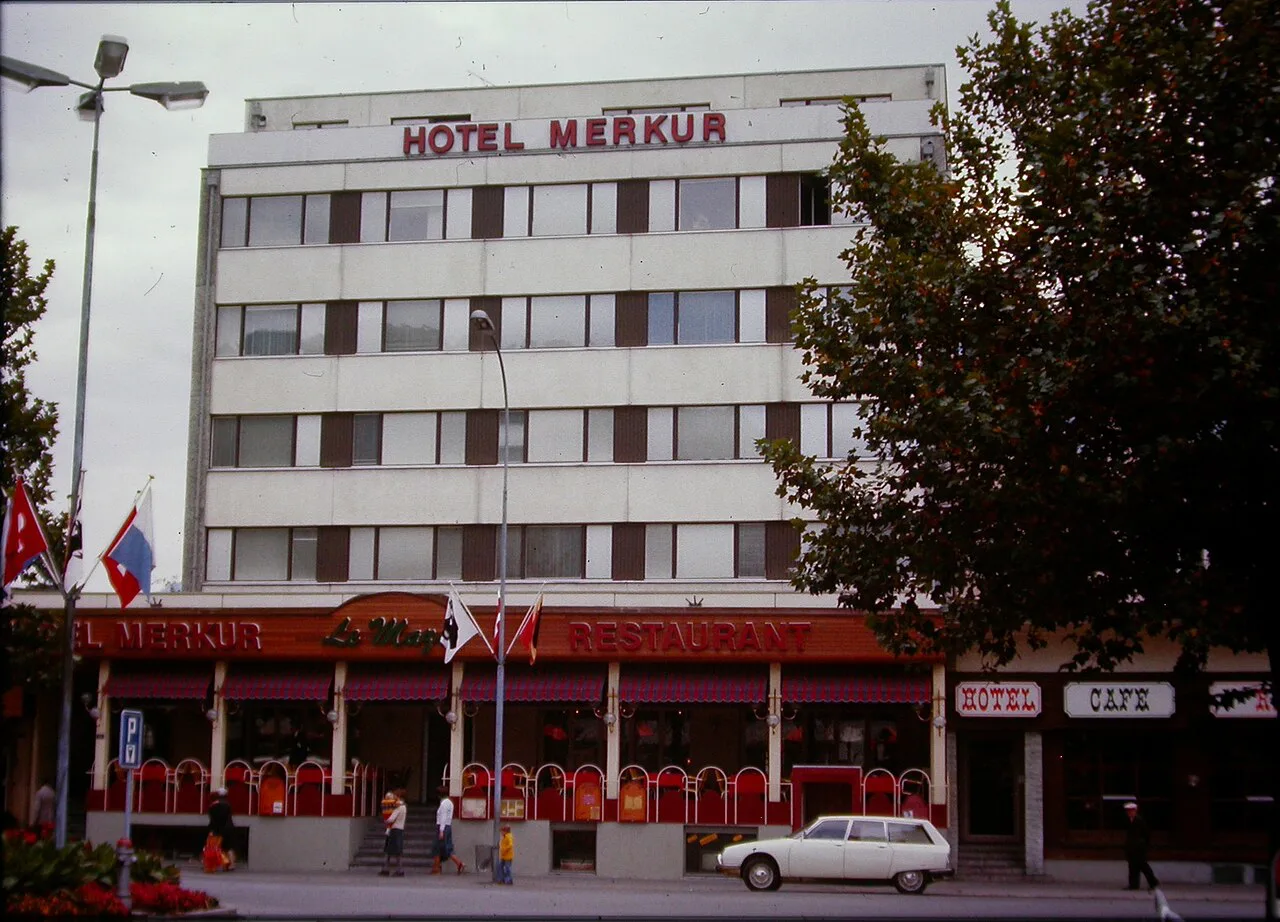
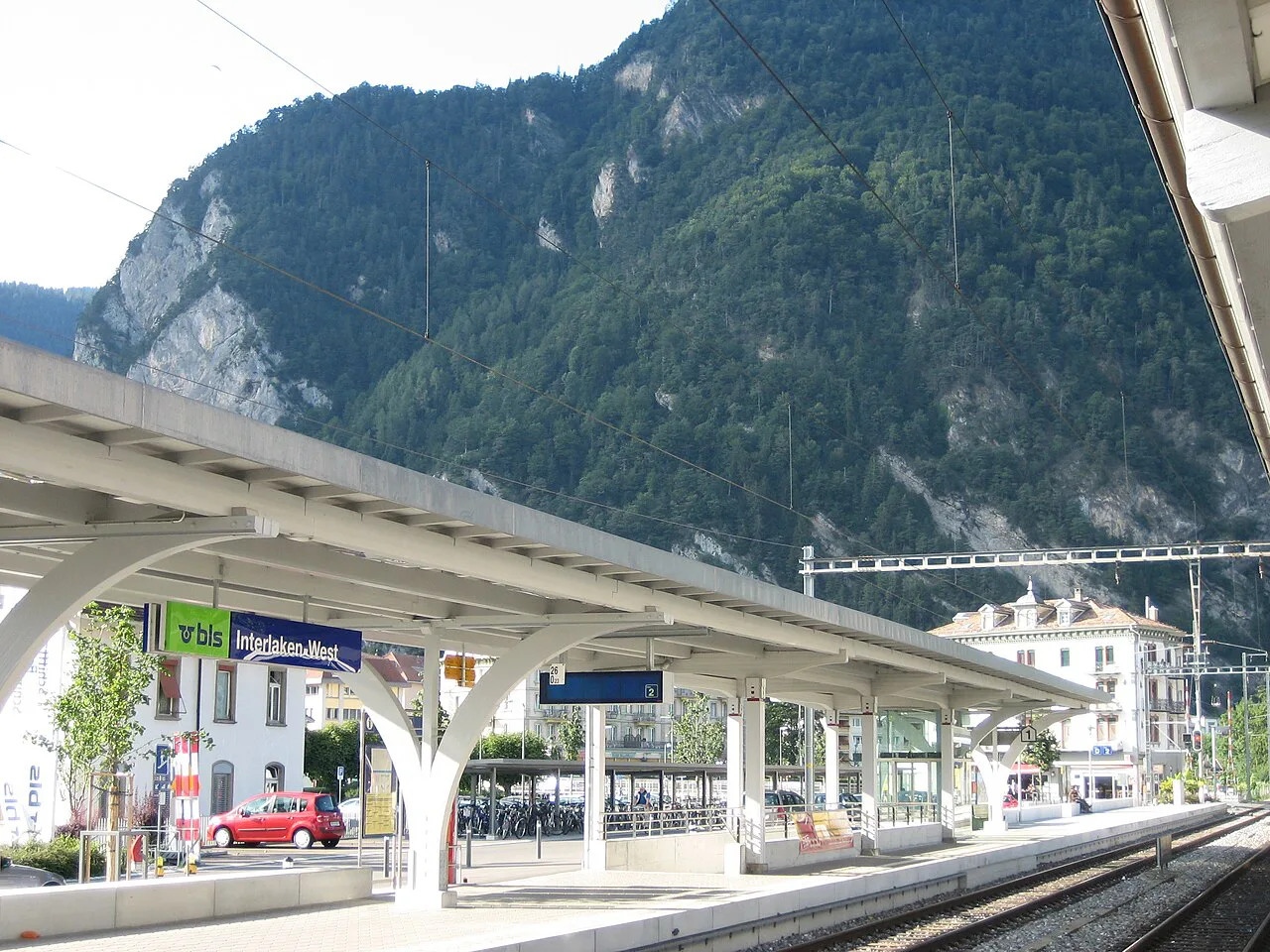
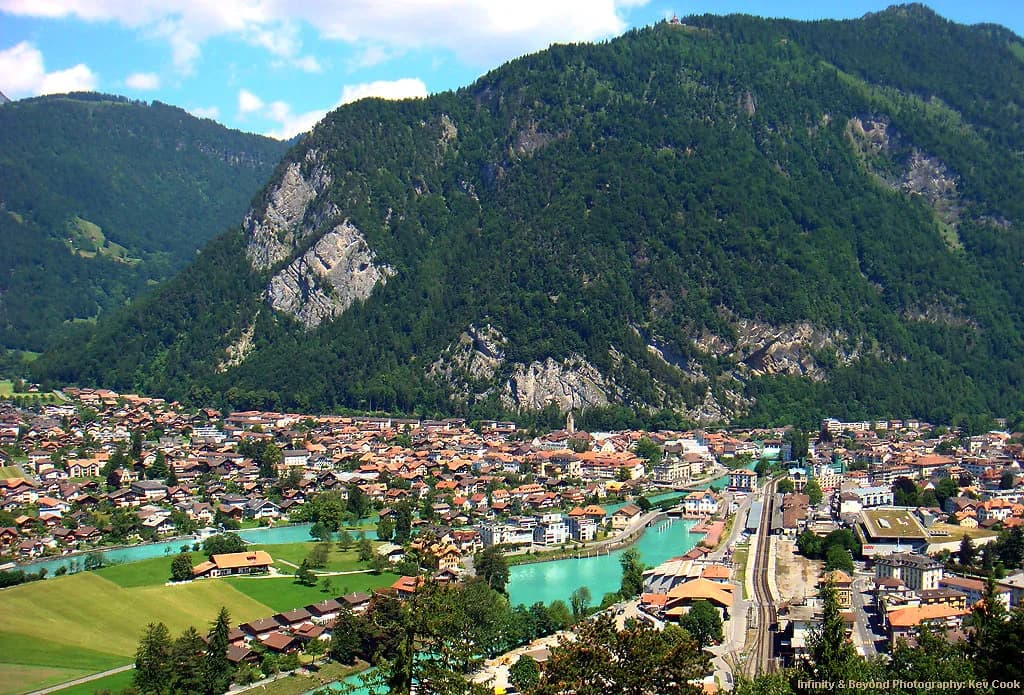
The town sits on a narrow shelf of land between Lake Thun and Lake Brienz, with the Höheweg, its long promenade, running between Interlaken West and Interlaken Ost stations. Nearly every August day will start or end at one of those two stations, because the Jungfrau valleys, the lakes and the surrounding peaks are all reached by train or cable car from there.
How August Weather Feels in Interlaken and the Jungfrau Valleys
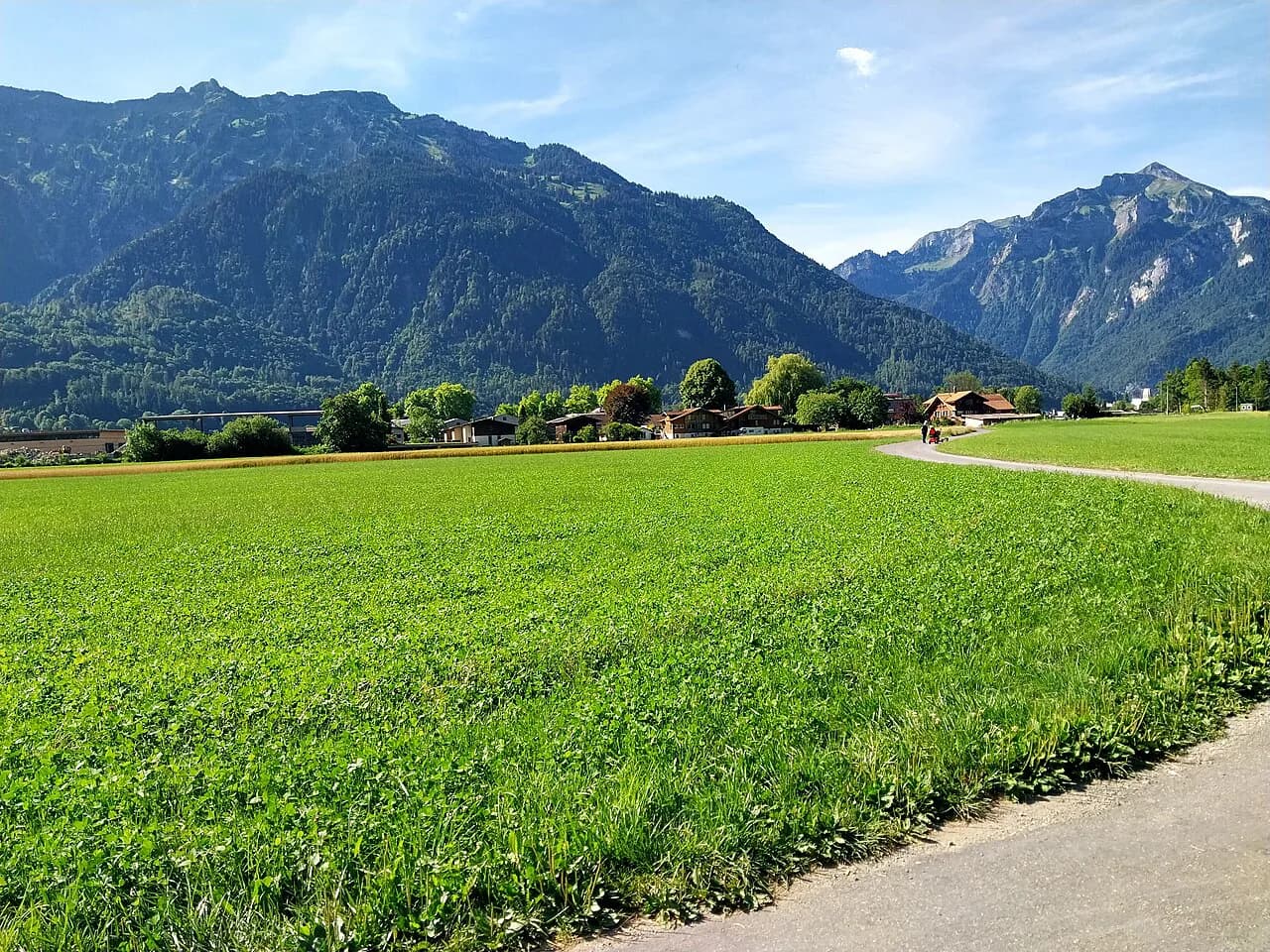
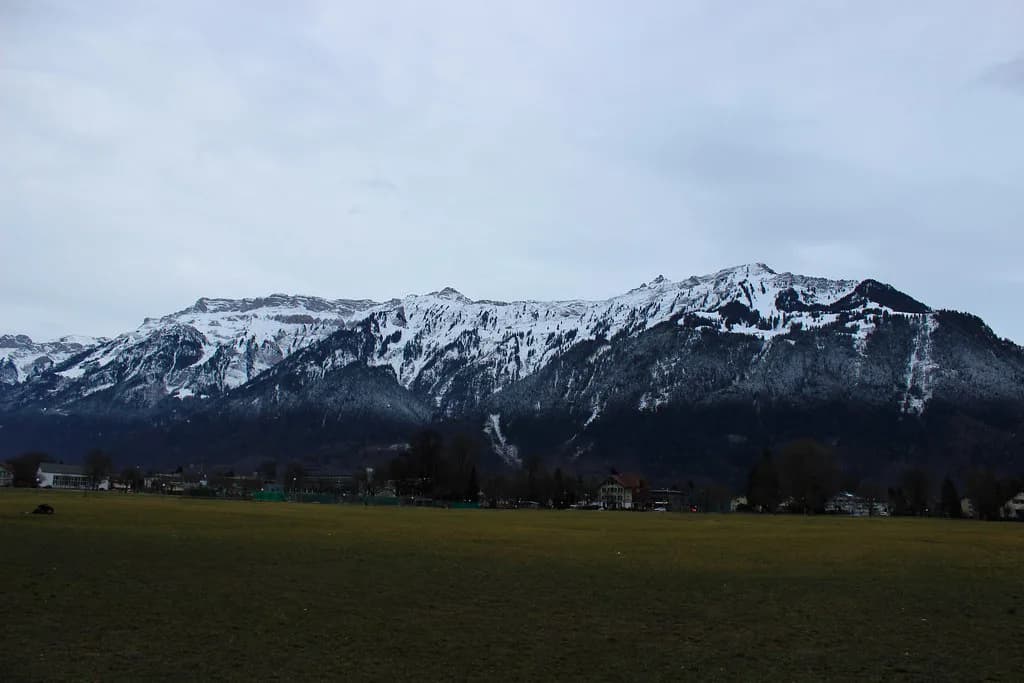
August is high summer in Interlaken: warm valley days with genuinely long daylight, so you can walk in the evening and still see where you are going. The town itself sits low, but the Jungfrau valleys climb fast, and a warm morning in Interlaken can feel very different a few hundred meters higher, where wind and cloud move in quickly.
Treat any August conditions as typical seasonal averages rather than a forecast, and check a current mountain forecast for the specific valley or summit you plan to visit on the day. The practical rule is layering: a T-shirt for the Höheweg, a warm mid-layer and a shell for anything above the valley floor, plus sunglasses and sun protection for snowfields and high viewpoints.
Afternoon cloud build-up over the peaks is the pattern that most often derails a summit plan, so put the big mountain excursion in the morning and keep the afternoon for the lakes, the town or a museum. If the peaks are hidden when you wake up, flip the day rather than spend it in a cloud bank.
How Busy August Gets and How to Time Your Days Around the Crowds
August is prime holiday season in the Interlaken and Jungfrau area, and the month is usually quite busy and among the most crowded stretches of the year. Expect the crush at the stations, on the Jungfrau region trains and at the best-known viewpoints, not on the quieter stretches of the Höheweg.
Start early. The first departures toward the valleys carry day-trippers from outside the region as well as overnight guests, and the difference between a 7am and a 10am start is often the difference between a view and a queue. Book any signature excursion for a fixed slot in advance and treat it as the anchor of that day.
Keep one flexible day in the plan. When the forecast turns, swap your booked day for the flexible one and keep the commitment intact, rather than dragging a summit plan through rain and paying for a view of cloud.
Where Interlaken Sits and How the Two Stations Shape a Day
Interlaken is a corridor town, not a sprawl: Interlaken West and Interlaken Ost sit at either end of the Höheweg, and the promenade between them is the natural axis for a day. Hotels, cafés and shops line the Höheweg, and the two stations are where you pick up trains to the lakes, the valleys and the mountain railways.
Plan transit as part of the sightseeing. A morning train out of Interlaken Ost toward the Jungfrau valleys, a lake boat in the afternoon and a short walk along the Höheweg back to Interlaken West strings together a full day without repeating a route.
What to Do in and Around Interlaken in August: Viewpoints, Lakes and the Jungfrau Region
The Höheweg is the free, no-booking part of any August day: a flat promenade with the classic view toward the mountains, and a good place to be in the softer light before dinner. Use it as the bookend on days when the big excursion is elsewhere, and you stop paying for transport.
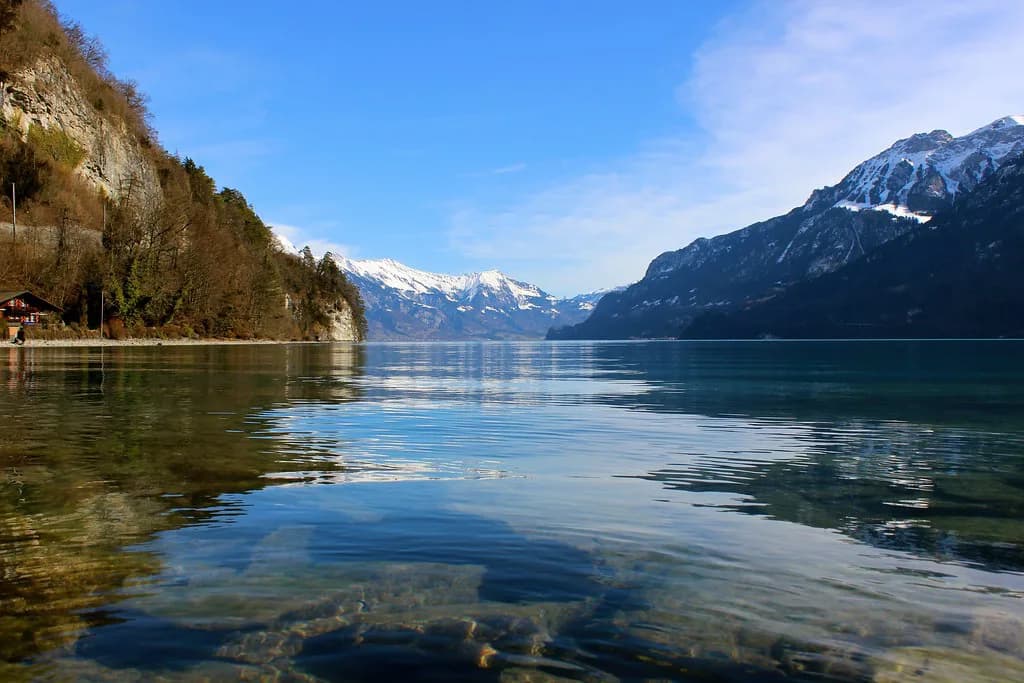
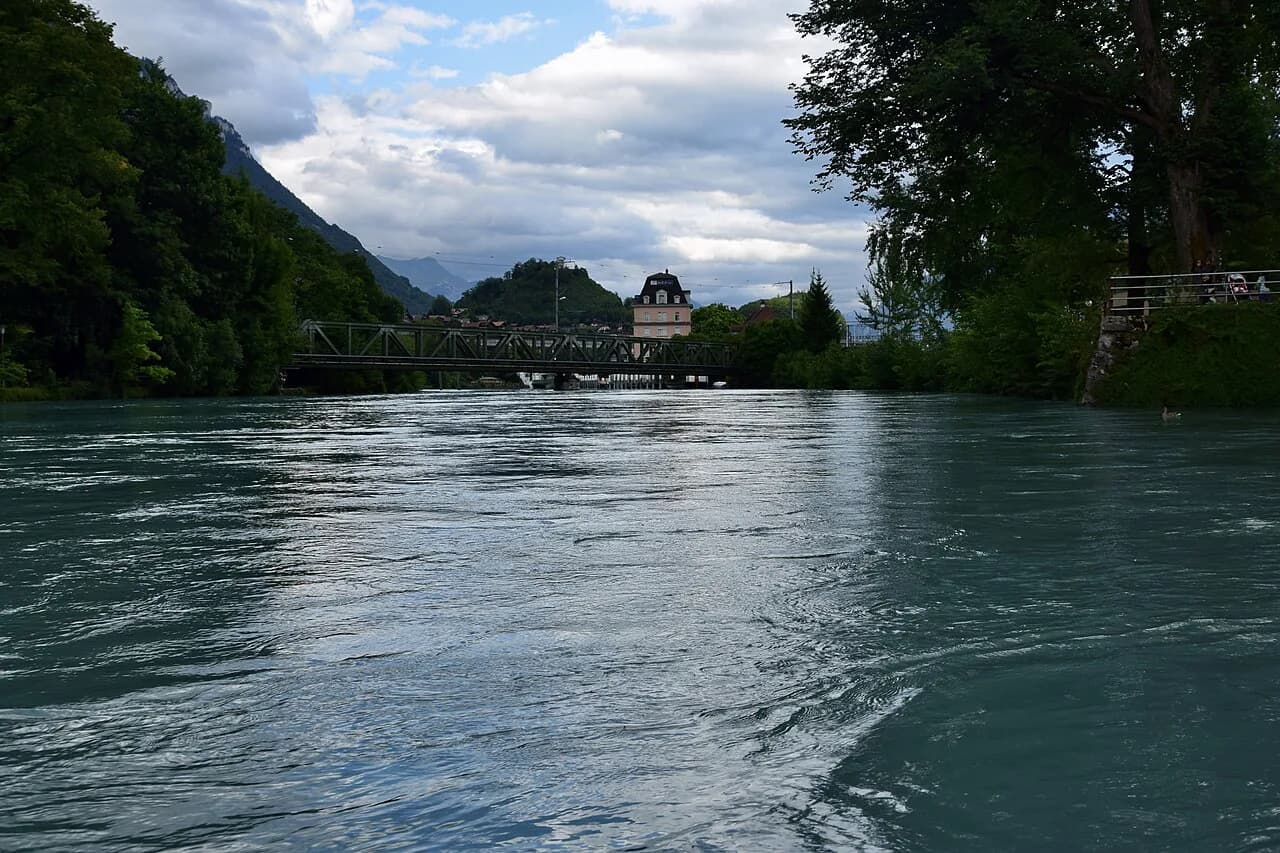
The two lakes on either side of town, Lake Thun and Lake Brienz, are the sensible August pairing: boat schedules fill the same afternoons the mountains cloud over, and a cruise needs no summit visibility to be worth it. Check the current sailing times and fares with the boat company before you build your day around them.
For the Jungfrau region itself, decide in advance which peak or valley you are committing to, then compare that against the day's mountain forecast and against how much you are willing to spend on a view. Fares to the high tops are the largest line in an Interlaken budget; check the current price for the specific excursion you are considering rather than budgeting from memory.
How Many Days Interlaken Needs in August
Three full days is a comfortable minimum for August: one for a big mountain excursion, one for the lakes, and one for the town and the Höheweg at an unhurried pace. Two days works if you drop one of those three and accept that a washed-out mountain day would leave the trip with little to show.
Interlaken itself is compact enough to cross on foot in a morning, so the day count really means how many excursions you want around it. If you are considering a different season, May and early summer bring smaller crowds but less reliable weather, which changes the arithmetic; see the best time to visit Interlaken for that trade-off.
Opening Days in August: Plan Around Sundays
August brings Swiss public holidays, and Sundays always thin out the shops, so check each venue's own website for holiday and Sunday hours before you build a day around it. The one detail worth confirming for every museum you plan to visit is its weekly closing day, then slot that venue into a day when it is open.
Keep a weather-proof indoor option on the list for every day, not just one. In a month of afternoon cloud, a museum slot can rescue a day that started with a mountain plan, provided you already know it is open.
What August Costs in Swiss Francs and Where Passes Help
Switzerland is expensive and August is peak season, so budget in Swiss francs and keep some slack. The big-ticket items are mountain fares and lake cruises; town-level costs such as the Höheweg walk cost nothing at all. Check the current price with each lift, railway or boat company before booking, because fares change and package offers vary by season.
Before you buy a Swiss Travel Pass or Half Fare Card, price out your actual itinerary against the current pass terms: the saving depends on how many paid mountain and boat trips you really take, not on how long you stay. Check whether your accommodation provides a guest card and what it covers, since coverage differs by town and by year.
Early or Late August: Choosing Your Window
Early August sits in the middle of the European holiday peak, when the classic excursions are fullest; late August is still warm and bright but noticeably calmer as families head home. If your dates are flexible and you want the summer alpine weather, late August is the better bet for the same scenery with shorter queues.
If you are weighing another city into the same trip, note that August programming differs by place; Basel in August follows its own calendar of events and opening patterns, so build that leg separately instead of carrying Interlaken's rhythm over to it.
Packing and Practical Notes for Warm August Days
Pack for two climates: light layers, sun protection and a refillable bottle for the valley, plus a warm mid-layer, rain shell and proper shoes for anything above it. The Höheweg is flat and easy, but the mountain railways and viewpoints are not, and a single pair of sandals will limit your day.
Build your August day around the first train out and an early dinner, and you will see the region at its quietest. Book signature excursions in advance, leave one day flexible for weather, and look up current schedules and prices on each lift company or railway's own website the week you travel.
Plan Your August Days in Interlaken
August in Interlaken rewards an early start and a flexible plan more than it rewards a long list of sights. Pick one mountain excursion and one lake day, keep one day free, and put the Höheweg at the beginning or end rather than the middle.
Compare the season you are considering against the alternatives before committing: a shoulder-month date trades some warmth for calmer stations and easier bookings. Check current fares and opening days directly with the lift companies and museums as your dates approach.
Explore more Interlaken guides
Frequently Asked Questions
Is August a good month to visit Interlaken?
August is warm, bright and fully open, but it is prime holiday season and usually one of the busiest stretches of the year. It suits travelers who want reliable summer walking weather and accept queues at stations and viewpoints, less so anyone hoping for quiet.
How crowded is Interlaken in August?
Interlaken and the Jungfrau valleys are at their busiest in August, when the classic excursions fill up and the stations are crowded. Starting with the first departures and pre-booking signature trips keeps the worst of the crush out of your day.
How many days do I need in Interlaken in August?
Plan on three full days to cover one mountain excursion, one lake day and the town itself without rushing. Two days is workable if you cut one of those and accept the risk of losing a mountain day to cloud.
What should I pack for Interlaken in August?
Light layers and sun protection for the valley, plus a warm mid-layer, rain shell and sturdy shoes for higher ground. Conditions change with altitude, so dress in layers rather than committing to a single outfit.
Does it snow in Interlaken in August?
Snow is not part of a typical August day at valley level in Interlaken. Higher terrain behaves differently, so check the mountain forecast for the specific summit or pass you plan to visit.
How much does a visit to Interlaken cost in August?
Switzerland is expensive and August is peak season, with mountain fares and lake cruises as the biggest items. Check current prices directly with each lift, railway and boat company, and price any pass against your actual itinerary.
Sources
Notes for your Swiss city break
Optional updates to our Swiss city guides.
You might also like
Continue reading
More guides you'll find useful