Interlaken in July: Weather, Crowds and How to Plan the Days
Interlaken in July brings warm valley days near 24°C, long daylight and peak-season crowds. Here is what July is like and how to fill the days.
On this page
July is Interlaken's peak month, and the trade-off is simple: you get the warmest, longest days of the year in the Bernese Oberland, and you share them with everyone else. Typical July conditions in the valley run from a low near 14°C to a high near 24°C, which is walking and lake weather rather than heat-wave weather. The planning question in July is not whether the weather cooperates but how you sequence the days so the crowds cost you as little as possible.
July in Interlaken at a Glance
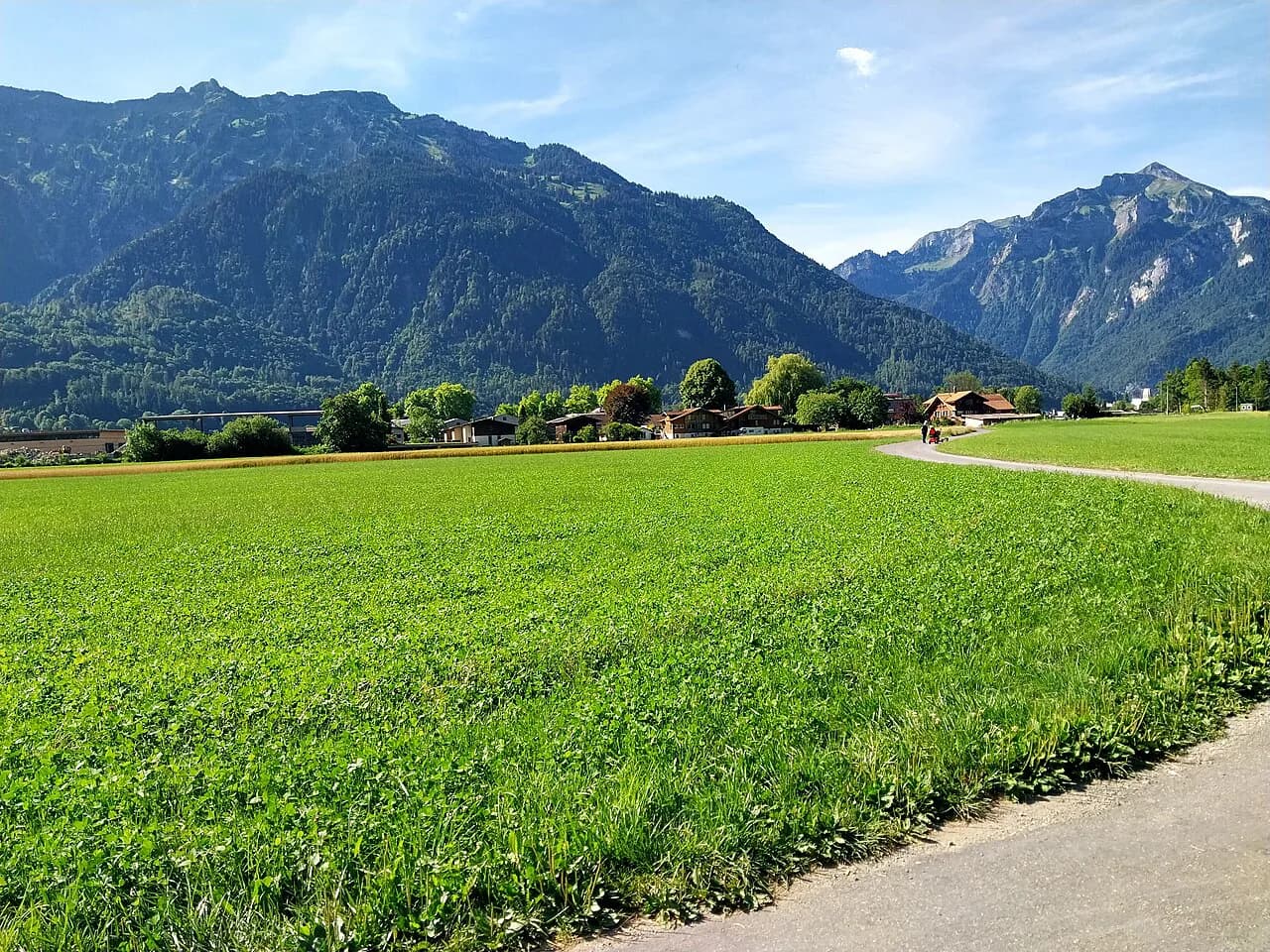
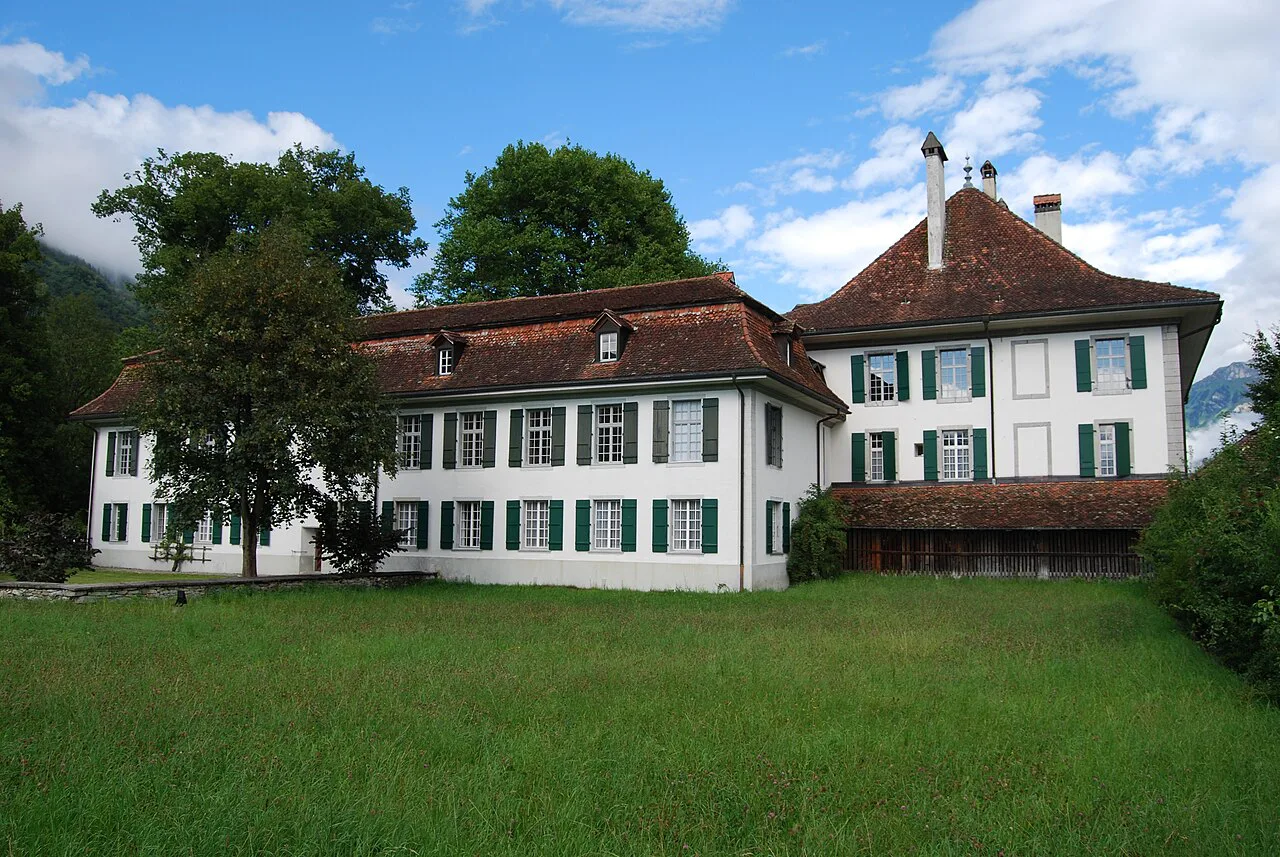
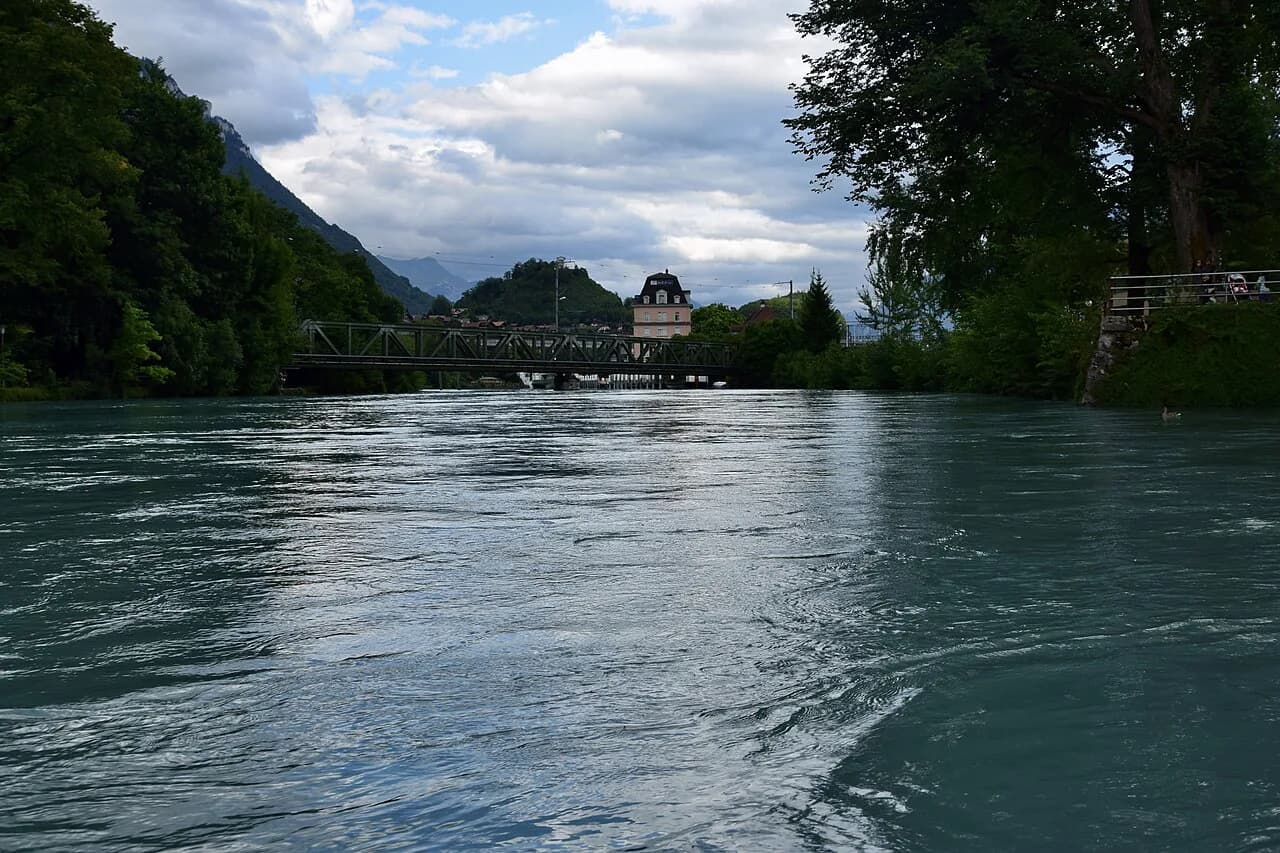
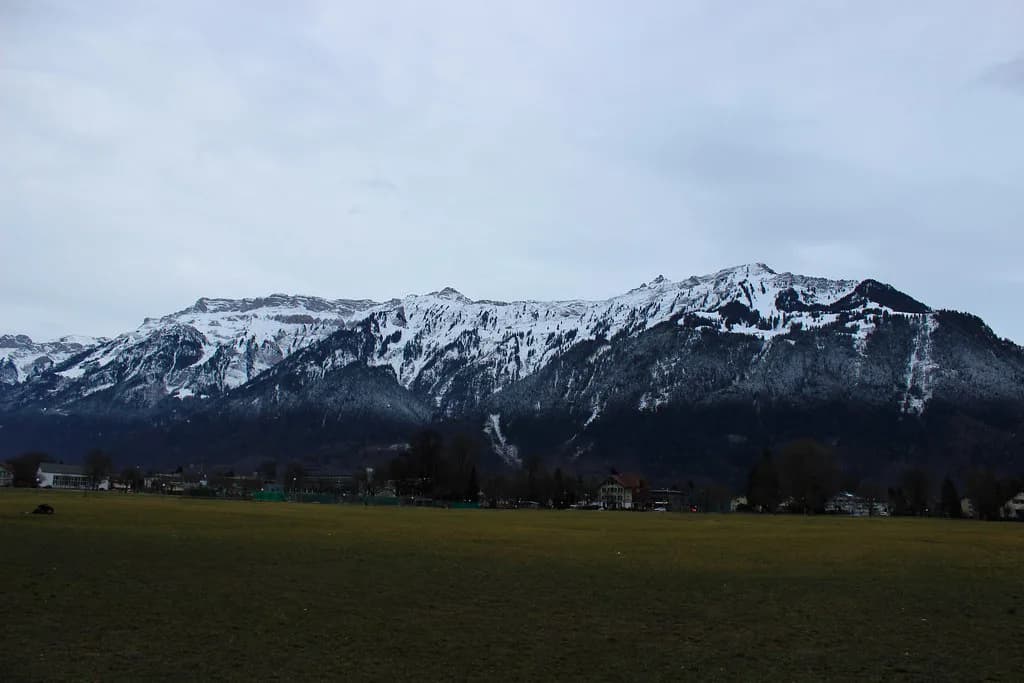
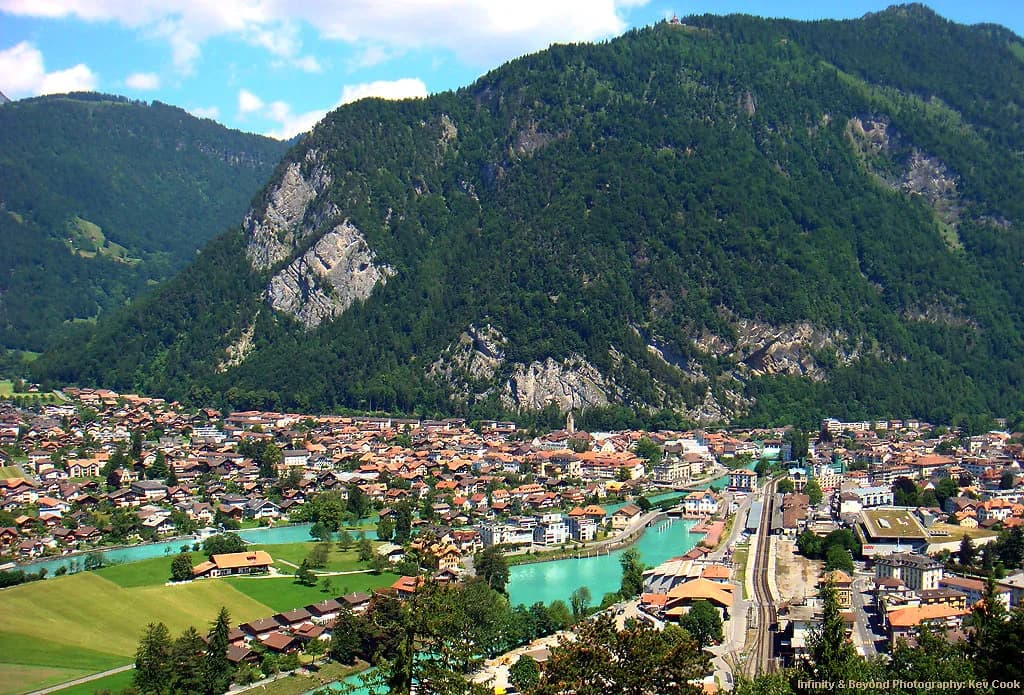
Interlaken sits on the flat valley floor between Lake Thun to the west and Lake Brienz to the east, with the Aare running through the middle and the peaks of the Bernese Oberland rising on both sides. That geography is why July works so well here: two lakes for water days, a compact town center you can cross on foot, and mountain railways leaving from the valley. It is also why the town fills up, because almost every visitor uses it as a starting point for something higher up.
Think of July as three parallel experiences rather than one destination. There is the town itself, with its cafés and riverbanks; the lakes, which are at their most inviting in midsummer; and the mountain excursions above Grindelwald, Lauterbrunnen and the Jungfrau massif. Decide which of the three gets your best weather day, because a clear July morning is worth more than a packed afternoon.
Typical July Weather in the Valley
July temperatures in Interlaken typically range from about 14°C overnight to about 24°C in the afternoon, and the local skydiving and adventure operators describe June to September as the main outdoor season. Read those numbers as climate averages, not a forecast: they describe what a July day usually feels like, not what any given Tuesday will bring. The practical consequence is layering, a light waterproof and an early start rather than heavy hot-weather gear.
Altitude changes the picture quickly. The valley floor can feel comfortably warm while the higher stations above Lauterbrunnen and Grindelwald stay cool and breezy, so a layer you shed at midday in town goes back on at the top. Afternoon buildups are part of summer in the Alps, which is the strongest argument for putting mountain excursions and anything airborne in the morning window.
Why July Is the Busiest Month, and How to Work Around It
July is when the valley's outdoor season is in full swing, and the agencies that run canyoning, rafting, kayaking and skydiving are busiest. That means the headline slots on the best weather days go first, and flexible operators fill up around clear mornings. Book the activities that define your trip before you arrive, then build the rest of the day around the time you are given.
Crowds concentrate in predictable places and at predictable hours. The town center and the lakeside spots are busiest from late morning, while early risers get calmer platforms and quieter paths. If you have flexibility, put the most popular excursion on a weekday and keep a lake or town day ready to swap in when the mountain tops are in cloud.
Lakes and Water: Lake Brienz and Lake Thun
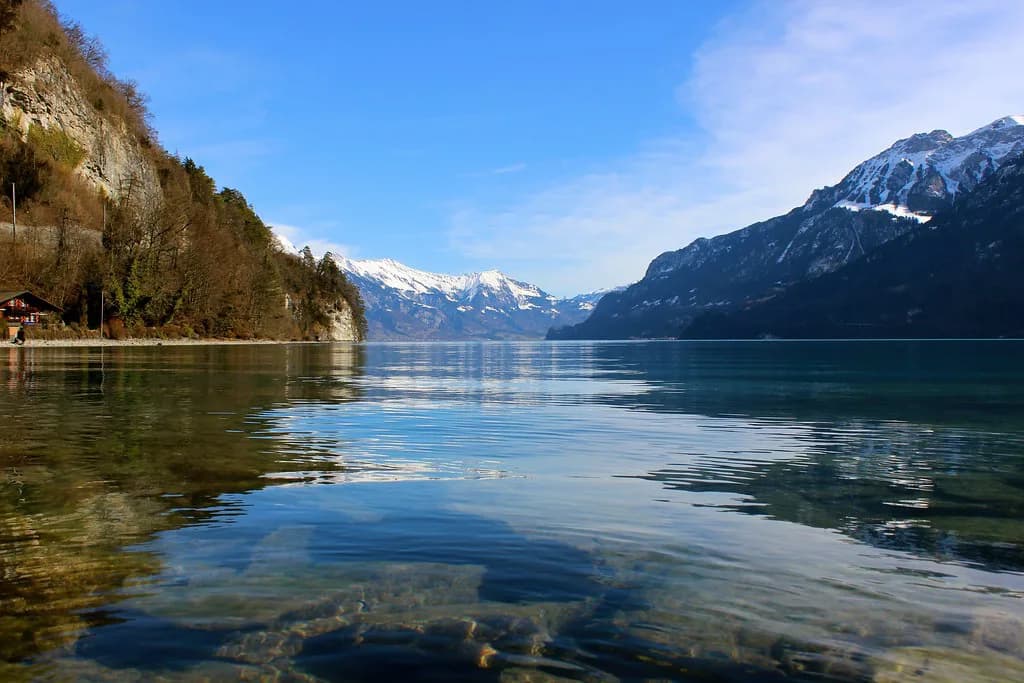
The two lakes give July its easiest win. Lake Brienz, east of town, is the one kayakers favor, with calm water and steep wooded slopes dropping straight into it; Lake Thun, to the west, opens out toward the Stockhorn ridge. Both are large enough that a few hundred other visitors disappear once you are on the water.
On land, the lake shores offer swimming spots, boat departures and level promenades that need no planning at all, which makes them a good recovery day after a big mountain push. Water-based adventures are a July specialty, so expect the popular guided trips to fill on weekends. Book departure points and inclusions directly with the guiding company when you reserve, and you avoid surprises on the day.
Mountain Viewpoints by Train and Cable Car
The classic July excursion is the rail ascent toward the Jungfrau, the highest station of its kind in Europe, where panoramic restaurants, shops and exhibitions sit at the top. You leave Interlaken by train and climb through the Bernese Oberland scenery that defines the region. The round trip consumes most of a day, so give it your clearest forecast and start early.
Closer alternatives matter when the summits are socked in. The Harder Railway funicular climbs directly from Interlaken to the Harder Kulm viewpoint above town in minutes, which makes it the smart pick on a half-clear day. Fares, seasonal timetables and last-ascent times change, so confirm them at the station before you commit.
Lauterbrunnen and Grindelwald work as day targets from the valley, each reached by train and each with its own cable cars and viewpoints. Treat published timetables as the source of truth rather than assuming a connection, and buy mountain tickets where you board. A single well-chosen high viewpoint usually beats three rushed ones.
Adventure Options That Peak in July
July is high season for adrenaline in the valley. Canyoning routes around Grimsel, Chli Schliere and Zulg run from beginner to advanced and combine rappels, jumps, slides and swimming; river rafting on the region's white water has family trips from age eight alongside harder options; and Stockhorn Bungy lifts jumpers 134 meters up by gondola above Lake Stockensee. These are half-day commitments, so one per day is realistic.
Skydiving is the headline act, with helicopter jumps that fly over the two lakes with the Eiger, Mönch and Jungfrau as a backdrop. Published rates are CHF 490.00 for the Helicopter Skydive Interlaken, CHF 690.00 for the Eiger Jump at Grindelwald and CHF 2,990 for the High Altitude jump, and jumps leave from around 14,000 feet with roughly 45 seconds of freefall. Book the jump that fits your budget before you travel, because July weather days are when demand spikes.
Interlaken as a Base vs. Grindelwald or Lauterbrunnen
Interlaken's advantage in July is logistics: it is a genuine hub with rail connections in several directions and a flat, walkable center. Travelers who have passed through sometimes find it short on charm compared with the villages up the valleys, and that critique has a kernel of truth if what you want is an alpine village atmosphere at breakfast. If your priority is lots of excursions with minimum transfer time, the hub works better than its reputation suggests.
Grindelwald and Lauterbrunnen put you closer to the high ground and cut morning travel time, at the cost of fewer connections and a thinner choice of services when plans change. For a short July break built around one or two big mountain days, staying up-valley can be worth it; for a mixed week, the hub usually wins on flexibility. Compare the two on how you actually want to spend your mornings rather than on scenery alone.
How Many Days Does July in Interlaken Need
Three full days is a comfortable minimum for July: one for a mountain excursion, one for the lakes, and one for the town plus a shorter viewpoint such as the Harder Kulm. Four or five days lets you absorb a lost weather day without dropping anything, which matters more in a peak month than in quieter ones. Two days is workable if you commit to a single big excursion and accept that the rest is a sampler.
If your dates are not fixed, compare July with the shoulder months before you commit. Interlaken in June brings similar daylight with fewer people, and Interlaken in August keeps the warmth but shifts the crowd patterns. Those comparisons are worth twenty minutes of planning before you lock in flights. The same seasonal judgment applies if you are weighing Switzerland in July more broadly.
A Sample Two-Day July Plan
Day one: take the first available departure toward the Jungfrau on the clearest morning of your stay, and keep the afternoon free for the riverbanks and town center once you are back down. Book nothing else that day, because mountain rail days run long and the evening light in July is generous. If the summits are clouded, swap in the Harder Kulm instead and hold the big ascent for day two.
Day two: start with water, either a kayak or a guided trip on Lake Brienz or a slower morning on Lake Thun, then use the afternoon for a canyoning or rafting session if you want one big thrill. Finish with a walk along the Aare through town. Keeping one day mountain-heavy and one day water-heavy leaves room to reshuffle without losing the trip.
Money and What to Reserve Ahead in Peak Season
Set a budget in Swiss francs before you leave, because July prices are full-season prices. Adventure slots are the biggest single outlay, with skydives running from CHF 490.00 to CHF 2,990 depending on the jump; mountain rail tickets and lake trips add up quickly on top. Book the highest-cost, weather-dependent items for early in the trip so a lost day can still be rescheduled.
In practical terms, reserve in this order: skydiving or helicopter flights, guided canyoning or rafting, then mountain rail days, then everything else. Anything airborne or guided depends on conditions, so confirm the meeting point, what gear is supplied and the cancellation terms when you book. Fares and inclusions are set by each company and change, so read the current terms on the operator's own site rather than relying on an old quote.
Practical July Etiquette: Sun, Altitude and Afternoon Weather
July sun at altitude is stronger than the valley temperature suggests, so sunscreen and water belong in the day pack even on a 24°C afternoon. On the water and at the viewpoints there is little shade, and the gap between the warm valley floor and the cool upper stations catches people out. Dress in layers you can carry rather than one heavy item.
Plan the day around the morning window and keep the late afternoon flexible. Guides and operators adjust schedules for conditions, and a July itinerary that assumes a fixed slot every day will feel rigid the first time weather intervenes. Two well-paced days beat four overbooked ones.
Plan Your July Trip
July rewards the planner: warm valley days, long evenings, and the fullest choice of things to do on and above the water. It punishes the improviser, because the best weather days fill the best slots. Treat Interlaken as your hub, book the big-ticket adventure first, and hold one day in reserve.
Explore more Interlaken guides
Frequently Asked Questions
What is Interlaken like in July?
July is the busiest month in the valley, with typical daytime temperatures near 24°C and long daylight. The town center, lakes and mountain railways are all at peak use, so plan around crowds rather than cold. Mornings are calmer and clearer than afternoons.
How warm is Interlaken in July?
Typical July conditions in the valley run from a low near 14°C to a high near 24°C. Those are climate averages rather than a forecast, and the higher stations above the valley are noticeably cooler and breezier, so carry a layer.
Is July a good time to visit Interlaken?
Yes, if you want the full range of summer activities: lake days, mountain rail excursions, and guided canyoning, rafting and skydiving. The cost is peak-season pricing and heavier crowds. If you would rather avoid both, compare June and September before booking.
How many days in Interlaken is enough in July?
Three full days covers a mountain excursion, a lake day and the town with a short viewpoint. Four or five days gives you room to absorb a poor-weather day without dropping anything, which is worth having in a peak month.
Is Interlaken or Grindelwald better in July?
Interlaken is the better hub if you want multiple excursions with easy rail connections and a flat, walkable center. Grindelwald and Lauterbrunnen put you closer to the high ground and cut morning travel time, but offer fewer connections when plans change.
What should I book ahead for July in Interlaken?
Reserve skydives, helicopter flights and guided canyoning or rafting first, then mountain rail days, then the rest. These depend on weather, so confirm meeting points and cancellation terms when you book.
Are there afternoon storms in Interlaken in July?
Summer afternoons in the Alps often build cloud, which is why mountain excursions and anything airborne are best scheduled for the morning. Keep the late afternoon flexible and be ready to swap a viewpoint day for a lake or town day.
Sources
Notes for your Swiss city break
Optional updates to our Swiss city guides.
You might also like
Continue reading
More guides you'll find useful