Interlaken in June: Weather, Crowds, and What to Do
Interlaken in June brings long daylight hours, mountain funiculars running and busy viewpoints. Plan your days, book ahead and know what June costs.
On this page
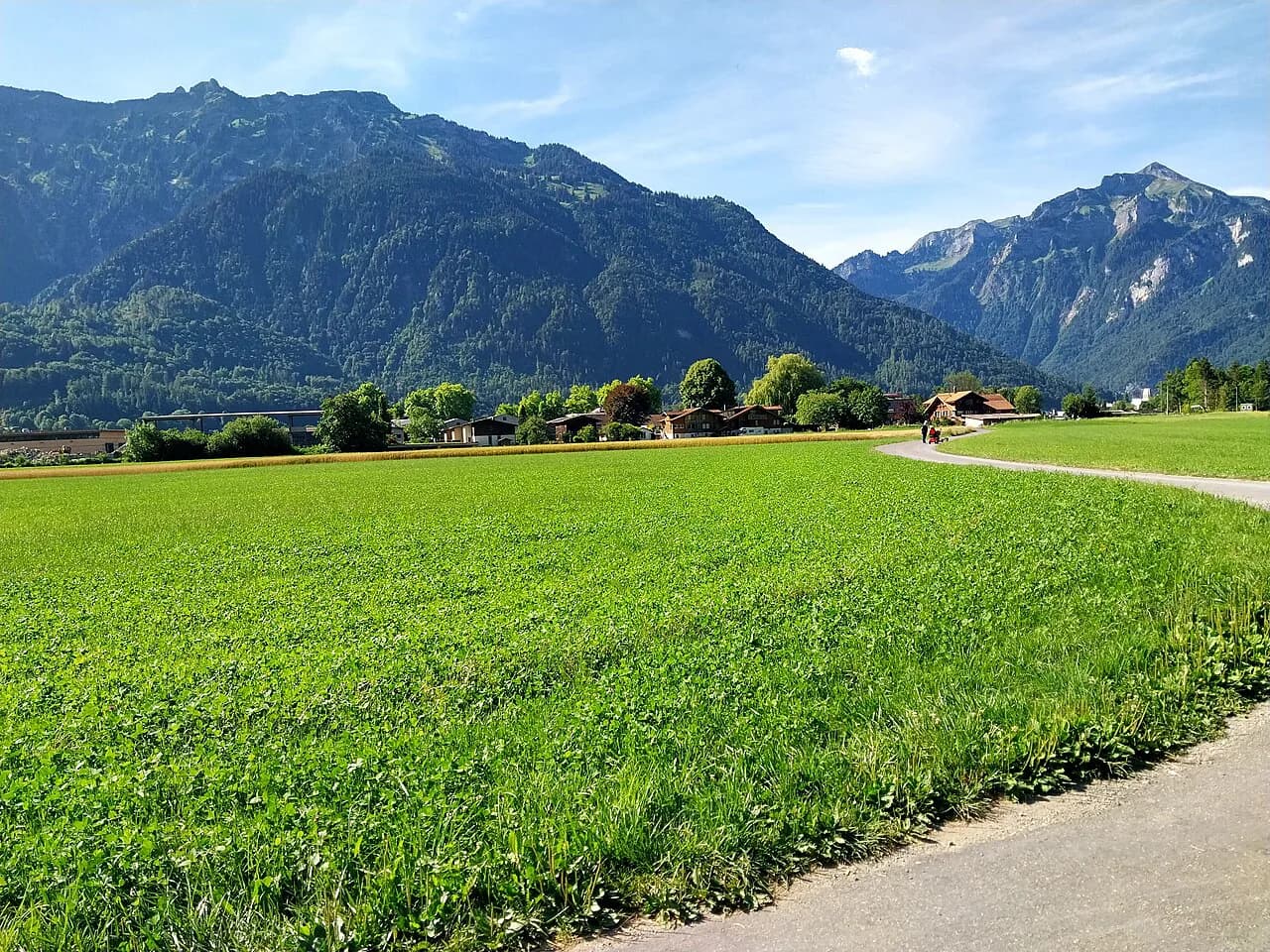
June in Interlaken pairs the longest evenings of the year with mountain railways that are running and valley walks that are finally green. The town sits between Lake Thun and Lake Brienz at around 570 meters, and the Harder Kulm funicular lifts you to 1,322 meters in about ten minutes, which makes a short June evening feel like a full excursion. Two days cover the classics; three let you add a second summit and slow down for the weather.
What June Is Like in Interlaken
June sits at the heart of the summer season in the Bernese Oberland. Funiculars, cable cars and high viewpoints are in operation, and the difference between a valley afternoon and a mountain evening is a matter of minutes. If you are weighing the year as a whole, the best time to visit interlaken page lays out the trade-offs by season, while June's own argument is daylight.
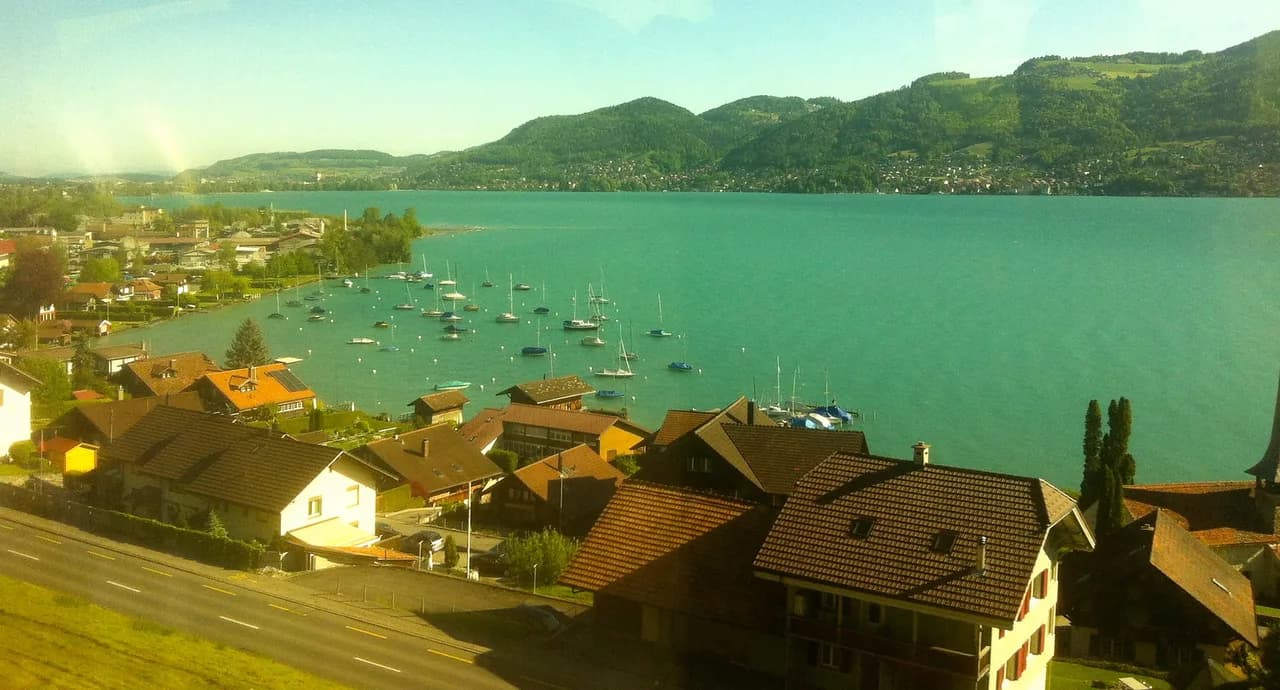
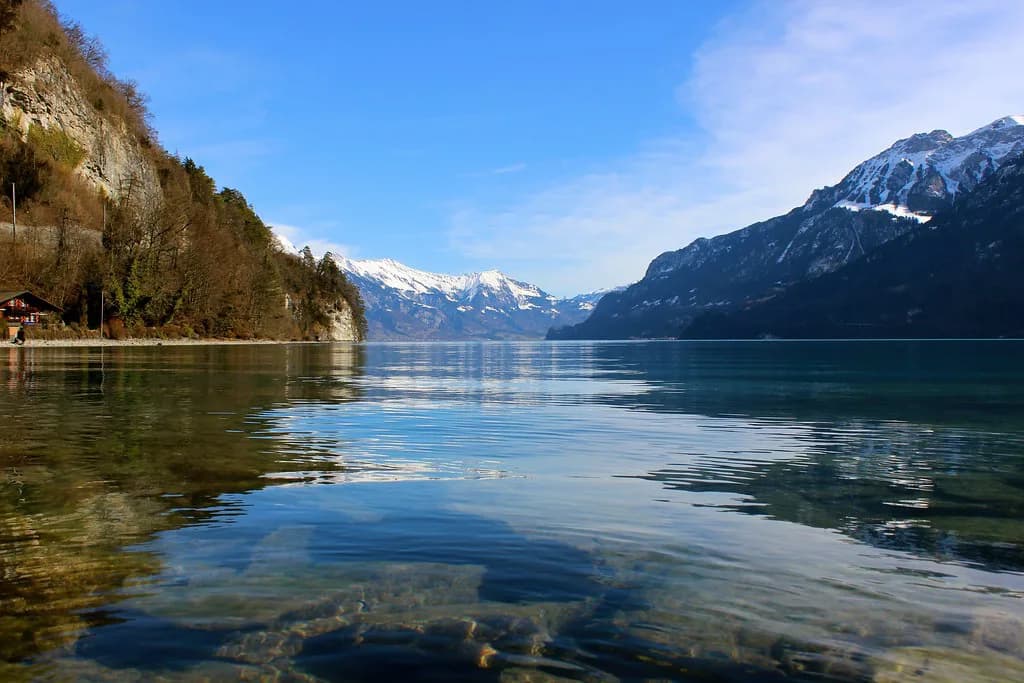
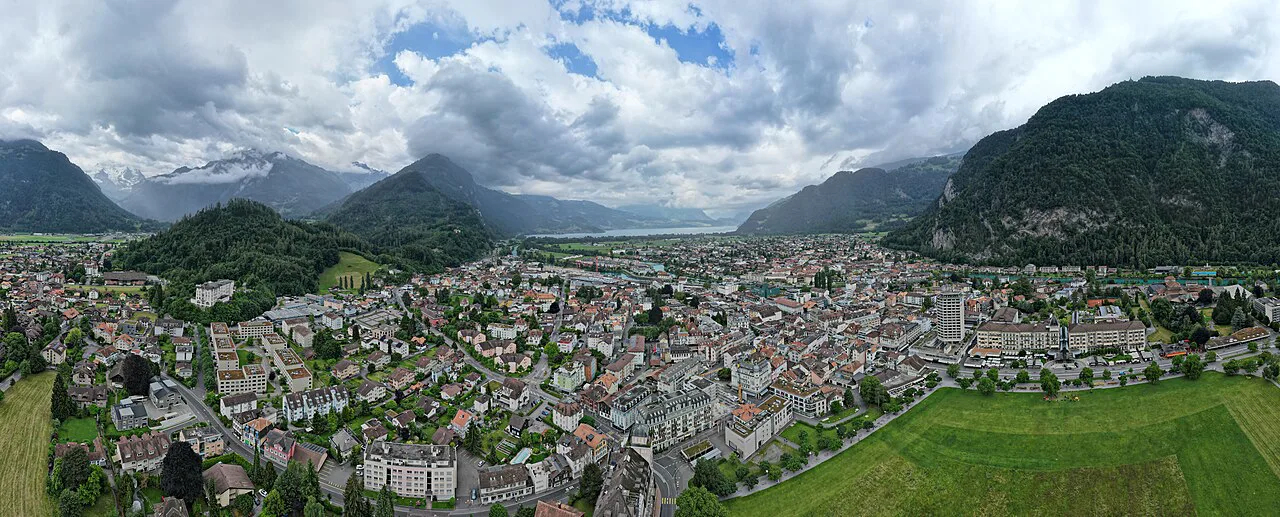
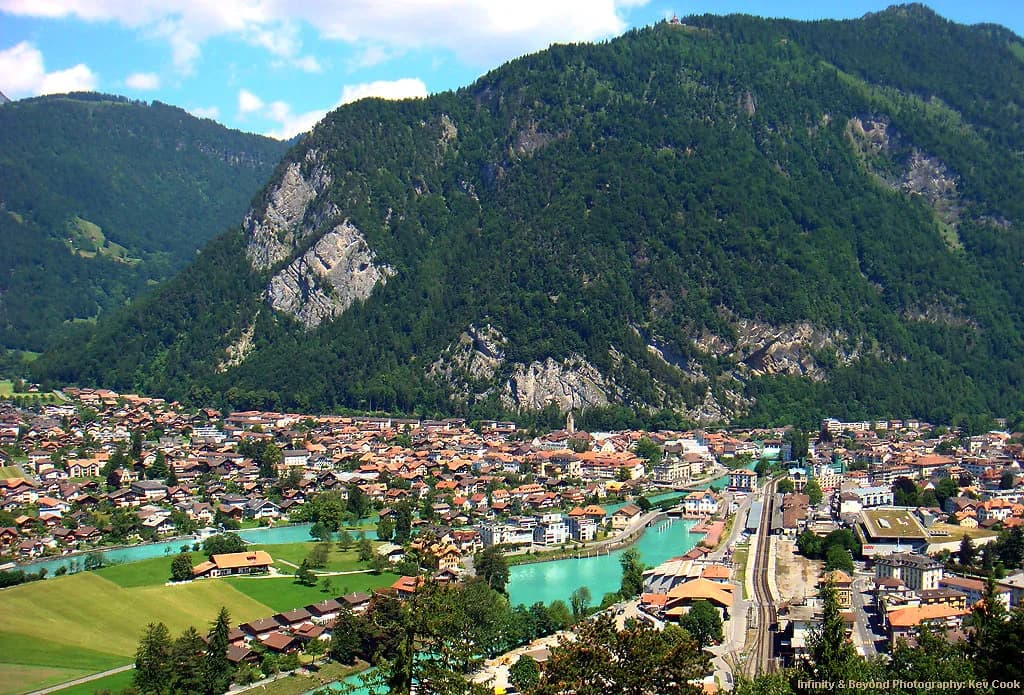
The town spreads between Interlaken Ost and Interlaken West, with the Höhematte meadow in the middle and a clear view of the Jungfrau on sunny days. Boats on Lake Brienz and Lake Thun connect the two stations, so a June afternoon can combine a water crossing with an evening up the mountain. Accept that many other people have the same idea and build the day around two anchors rather than six.
June Temperatures and Rain: What Climate Averages Mean for Packing
Treat June weather as averages, not promises. The pattern to plan for is mild valley afternoons and noticeably cooler air at altitude, with the chance of a wet spell on any given day. Pack a waterproof shell, a warm mid-layer for viewpoint platforms and shoes that grip on damp gravel.
Layering matters more than any single jacket because the temperature swing between Interlaken and a 1,900-meter platform is large. On a rainy June day the regional tourism board points to gorges, which stay sheltered and look more dramatic with more water in the streams, plus museums and indoor sport. Slip a small dry bag for phones and passes into your daypack rather than deciding at the last minute.
How Busy Interlaken Gets in June and When to Go Up
June brings summer-level visitor numbers to Interlaken, and the Harder Kulm platform is at its most crowded around sunset. The practical answer is to invert the usual plan: ride up earlier in the day for the panorama, or wait until the evening crowds thin. Sunset trips make the mountain a real evening outing rather than a rushed photo stop.
Aim for a morning Harder Kulm ride if you want quiet photos of the Two-Lakes Lookout Point. Late afternoon suits the circular panoramic trail through shaded forest, which Jungfrau Railways lists at roughly one hour on a wide path. Save the platform for when the light softens, and expect to share it.
Harder Kulm in June: Funicular, Lookout, Sunset and Alphorn
The Harder Railway valley station is a short walk from Interlaken Ost, and the funicular takes about ten minutes to reach the top. The Two-Lakes Lookout Point puts Lake Thun and Lake Brienz below you with the Eiger, Mönch and Jungfrau ahead. The Harder Railway Ticket is published from CHF 19, while the Harder Lunchtime Ticket, which pairs the ride with a scenic lunch, starts at CHF 39.
June evenings bring the alphorn to the Panorama Restaurant, with concerts daily from 18:30 against the mountain backdrop. Families get a playground and viewpoint with a slide and balancing path while the adults keep the panorama. If the sunset ride is full, the morning platform gives you the same view for less pushing and shoving.
Schynige Platte in June: Nostalgic Railway, Skywalk and Alpine Garden
Schynige Platte is the June alternative when the low viewpoints feel packed. A nostalgic railway climbs to 1,967 meters, where the Schynige Platte Skywalk gives you a short walk across a vantage platform and a panorama that runs from flowering meadows to Lake Thun far below. Tickets are published from CHF 34.
The Alpine Botanical Garden on the plateau holds around 800 plant species, and alphorn sounds belong to the traditional set-up here too. Because the railway is slower and the altitude higher, budget a half day rather than an hour. Dress a layer warmer than you would for Harder Kulm and keep the afternoon flexible.
Rainy-Day June Plan in the Jungfrau Region
When June rain settles in, the Jungfrau Region's rainy-day programme lists three reliable directions: museums on local history and wildlife, gorges with more water in the streams, and indoor sport. The Sherlock Holmes connection in the region gives a literary stop to museums in the area. Pick one and commit rather than mobile-hopping between webcams.
Gorges make the strongest wet-weather outing because shelter and spectacle come together. Indoor sport and pools cover the wetter afternoon, and a museum keeps you dry without wasting the day. Keep a dry layer in the bag and leave the mountain for the next morning if the webcam is grey.
How Many Days June Needs: A Two-Day and a Three-Day Skeleton
Two days work if you treat Interlaken as a base with one mountain each day. Day one: Harder Kulm in the morning, the Höhematte meadow and town center in the afternoon, then the sunset trip or the 18:30 alphorn at the Panorama Restaurant. Day two: the nostalgic train to Schynige Platte, the Skywalk and the botanical garden, then a slow evening in town.
Three days add a buffer for rain and a second look at the lakes. Slot the rainy-day list into day three and move a summit if the forecast turns. If you are deciding between months, interlaken in july carries the same long days with warmer valley afternoons, and interlaken in april shows how much changes in the low season.
What June Costs on the Mountain
The headline prices from Jungfrau Railways are the Harder Railway Ticket from CHF 19, the Harder Lunchtime Ticket from CHF 39 and Schynige Platte from CHF 34, all published on the official pages. A Jungfrau Travel Pass for 3 to 8 days is published from CHF 165 and includes boats, which suits travelers planning several mountain days in one trip.
If a single ride is the plan, the point-to-point ticket is usually the cheaper route; if you will be up and down every day, the pass earns its keep. The end-of-season Harder Kulm offer bundles the return trip with a dining voucher at the Panorama Restaurant, which can suit a slower day. Compare the pass price against the rides you actually intend to take, not the ones that sound tempting.
Early June Versus Late June
Early June tends to bring fewer people and a higher chance of unsettled weather, while late June arrives with the crowd levels and settled evenings most people picture. Snow lingers on the high peaks well into June, but the lower viewpoints and town walks are clear. Build the early-June trip around flexibility and the late-June trip around reservations.
Book the mountain rail you care most about ahead of time, and keep a backup date in the plan. If it is a two-summit trip, put the more important one first so a wet day does not erase it. If your dates slip into july, the town only gets busier.
Practical June Logistics for US, UK and Canadian Travelers
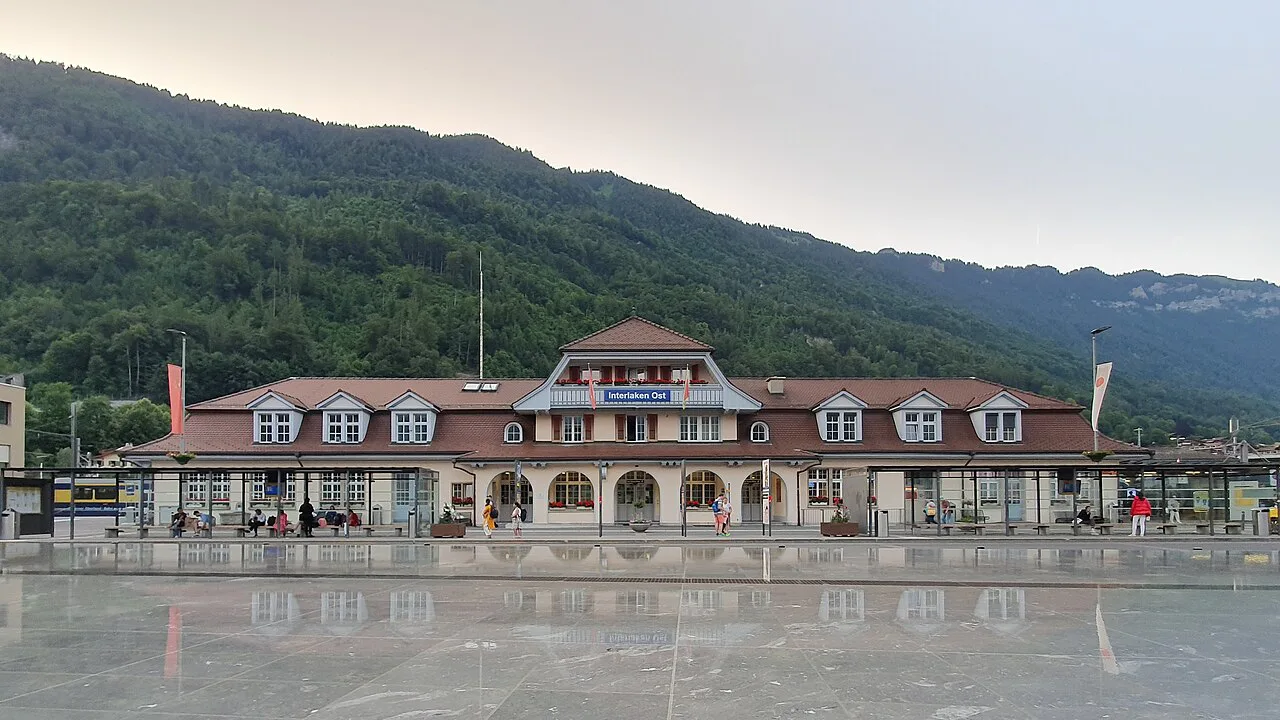
Interlaken Ost and Interlaken West sit on the main rail line, and the Harder Railway valley station is a short walk from Ost. Swiss francs are the currency, cards are widely accepted, and a small cash reserve covers kiosks and mountain huts. Keep tickets on your phone where the signal allows and download them beforehand.
June's long daylight means late dinners are realistic, and the evening sunset trips leave time for a proper meal afterwards. Pack for both a warm valley afternoon and a cold platform, and check the webcams before committing to a summit morning. The region's summer rhythm rewards early starts and flexible afternoons.
Plan Your June Days Around the Weather
June in Interlaken gives you the year's longest evenings, working mountain railways and a valley that is finally green. Build the trip around two anchors a day, put Harder Kulm or Schynige Platte first, and keep a wet-weather list ready. Check the Jungfrau Railways page for current prices, and treat the long daylight as your main planning tool.
Explore more Interlaken guides
Frequently Asked Questions
What is the weather like in Interlaken in June?
June typically brings mild valley afternoons and cooler air at altitude, with a real chance of rain on any day. Treat the figures as climate averages, not a forecast, and pack a waterproof shell plus a warm mid-layer for viewpoint platforms.
Is June a good time to visit Interlaken?
Yes, if you want long daylight, running mountain railways and green valleys below the Eiger, Mönch and Jungfrau. The trade-off is summer-level crowds at the popular viewpoints and sunset spots, so plan around early mornings or late evenings.
How many days do you need in Interlaken in June?
Two days cover Harder Kulm and Schynige Platte with time for the town center and an evening on the mountain. Three days add a buffer for rain and a slower look at Lake Thun and Lake Brienz.
Is there snow in Interlaken in June?
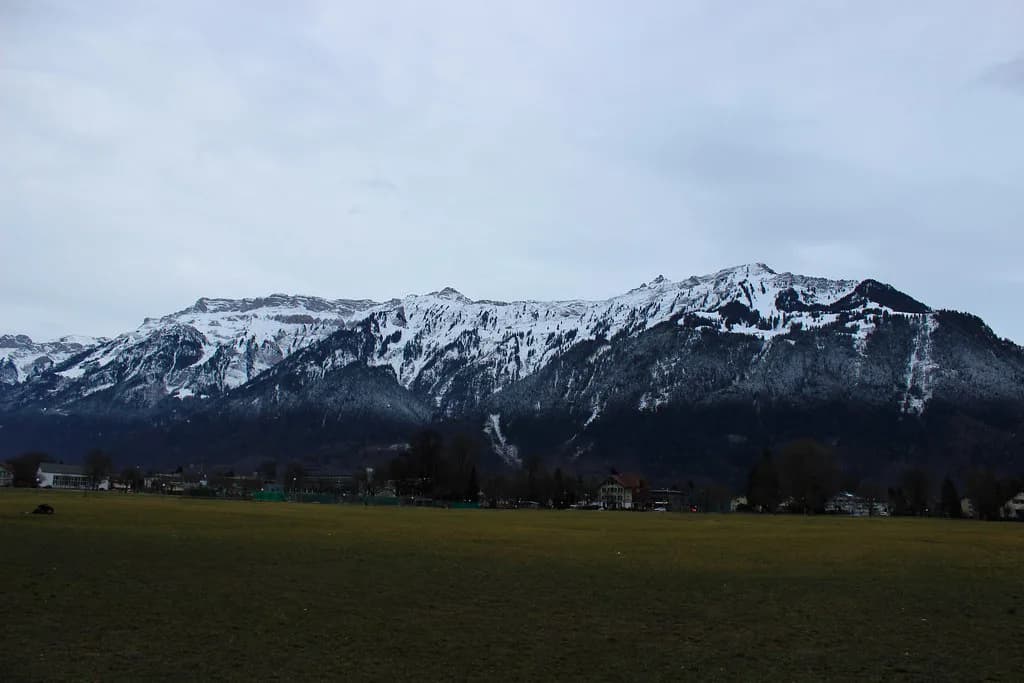
Snow lingers on the high peaks well into June, while the town and lower walks are clear. Higher plateaus feel noticeably colder than the valley, so bring a warm layer even on sunny days.
How much does Harder Kulm cost?
The operator publishes the Harder Railway Ticket starting at a set price, with a lunchtime ticket and a multi-day pass costing more. Check the current prices on the operator's page before you buy, as offers change with the season.
What can you do in Interlaken in June if it rains?
The region's rainy-day list points to gorges, which look more dramatic with more water, along with museums on local history and wildlife and indoor sport. Pick one direction and commit rather than chasing webcams.
Sources
Notes for your Swiss city break
Optional updates to our Swiss city guides.
You might also like
Continue reading
More guides you'll find useful