Is Locarno Expensive? Real Prices for Sights and Days Out
Locarno is expensive, but several of its best sights cost nothing or a flat CHF 15. Here are the real ticket prices and how to keep a day in Locarno cheap.
On this page
Yes, Locarno is expensive by most travelers' standards, but the city's sights are not the reason. Several of its best experiences are free, and the museums that do charge sit at CHF 15 for adults, with a combined ticket for three museums priced at CHF 20 at Museo Casorella and CHF 18 at Museo Casa Rusca.
The bigger cost is the everyday Swiss baseline — meals, transport, accommodation — which the city's official tourism pages do not publish in usable form. What they do publish, in detail, is what each sight charges and which discount cards it honors, and that is enough to plan a realistic budget for the sightseeing side of a Locarno break.
Is Locarno expensive? The short answer
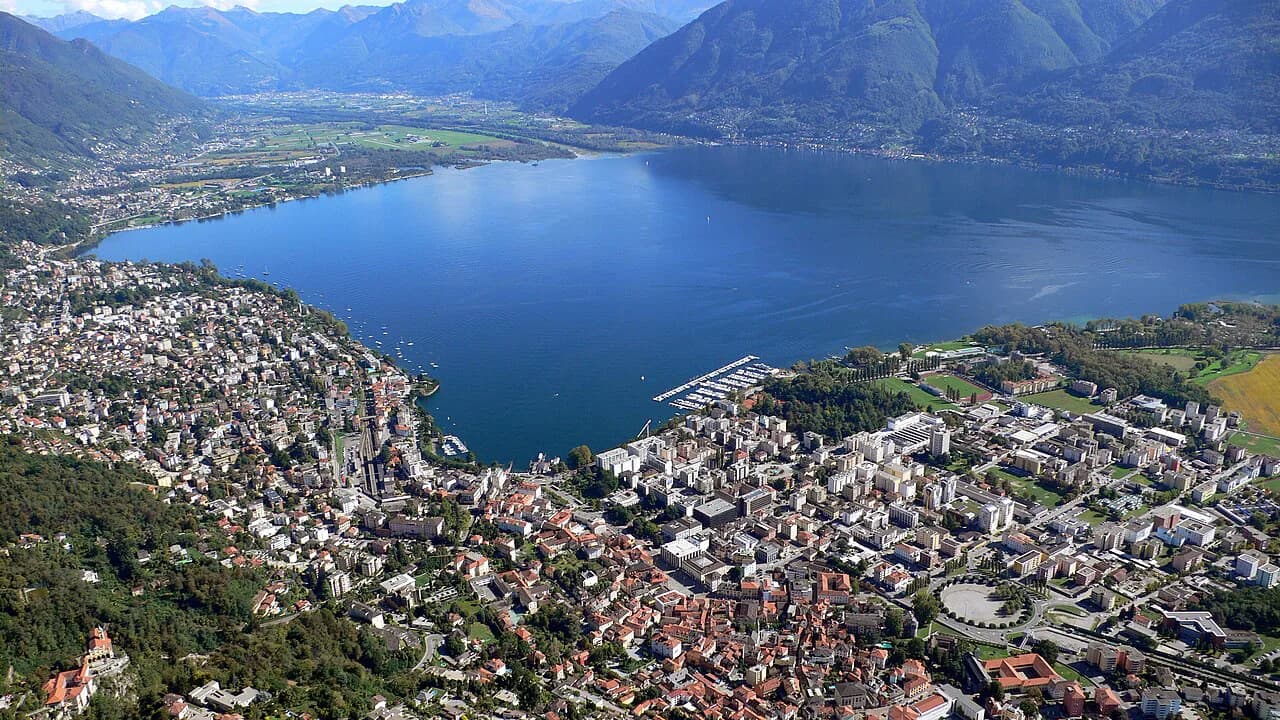
Locarno is a small Swiss city on Lake Maggiore, and it carries the cost structure of Switzerland rather than of neighboring Italy. The good news for a short break is that the entry prices published for its main cultural sights are modest: CHF 15 for an adult at Museo Casorella or Museo Casa Rusca, and nothing at all for the Parco delle Camelie or the terrace of the Madonna del Sasso sanctuary above town.
Where Locarno gets expensive is outside the ticket desk. Train travel, meals and accommodation in Switzerland are priced at Swiss levels, so a budget built on Italian prices will not hold. If you want the broader national picture before committing, the guide to whether Switzerland is expensive lays out the Swiss cost structure in CHF, and Locarno behaves like the rest of the country on that front.
Compared with Zürich, Locarno's sightseeing costs are lower, simply because its major cultural attractions are small municipal museums rather than national institutions. The same logic that applies to a Zürich city break budget applies here, just on a smaller scale.
What costs nothing in Locarno
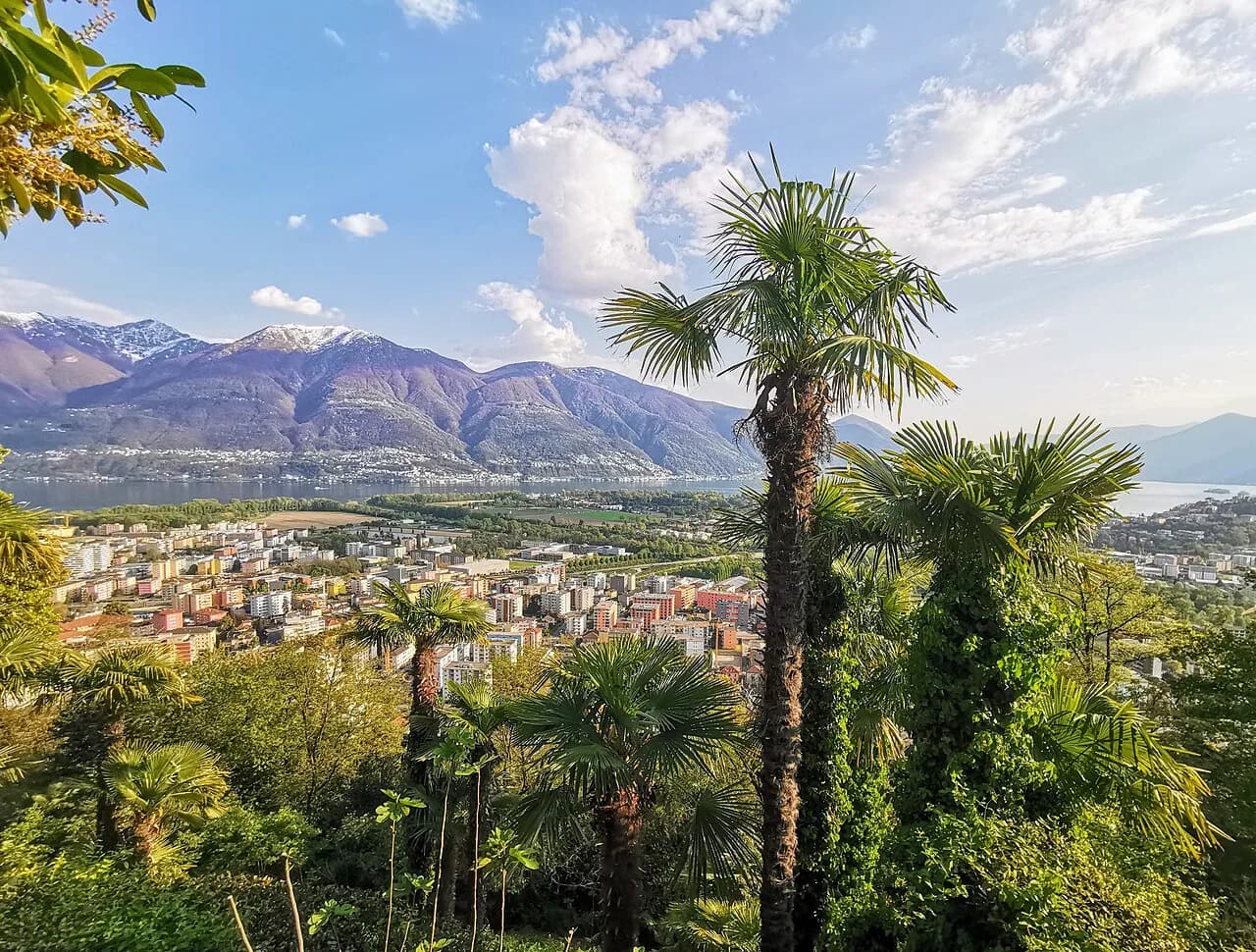
The single best free experience in Locarno is the view from the Madonna del Sasso sanctuary at Orselina. The basilica sits at the top of the Sacro Monte, at the end of a large piazza with what the regional tourism board describes as a spectacular outlook over the city, the valley and Lake Maggiore. The complex includes the church of the Annunciation, the convent, the Via Crucis with its cast-iron relief stations and a terracotta Last Supper scene, plus a museum opened in 2016 in the oldest part of the monastery.
The Parco delle Camelie is the other free anchor of a cheap day. Locarno's camellia park was inaugurated in 2005 for the International Camellia Society World Congress and now holds 1,100 catalogued camellia varieties, including about forty species and ten perfumed hybrids, laid out along a labyrinthine trail near the lake. Entry is free, which makes it one of the best-value hours in the city.
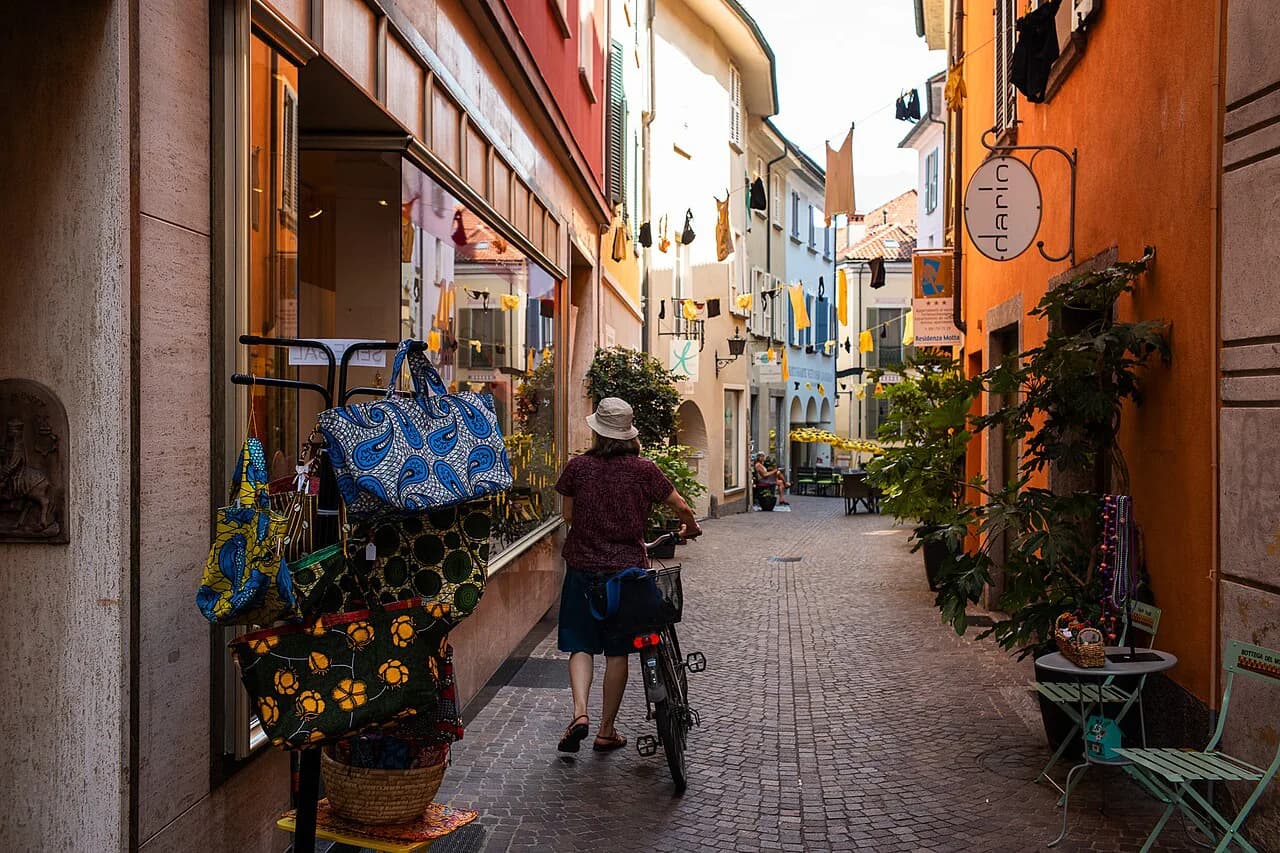
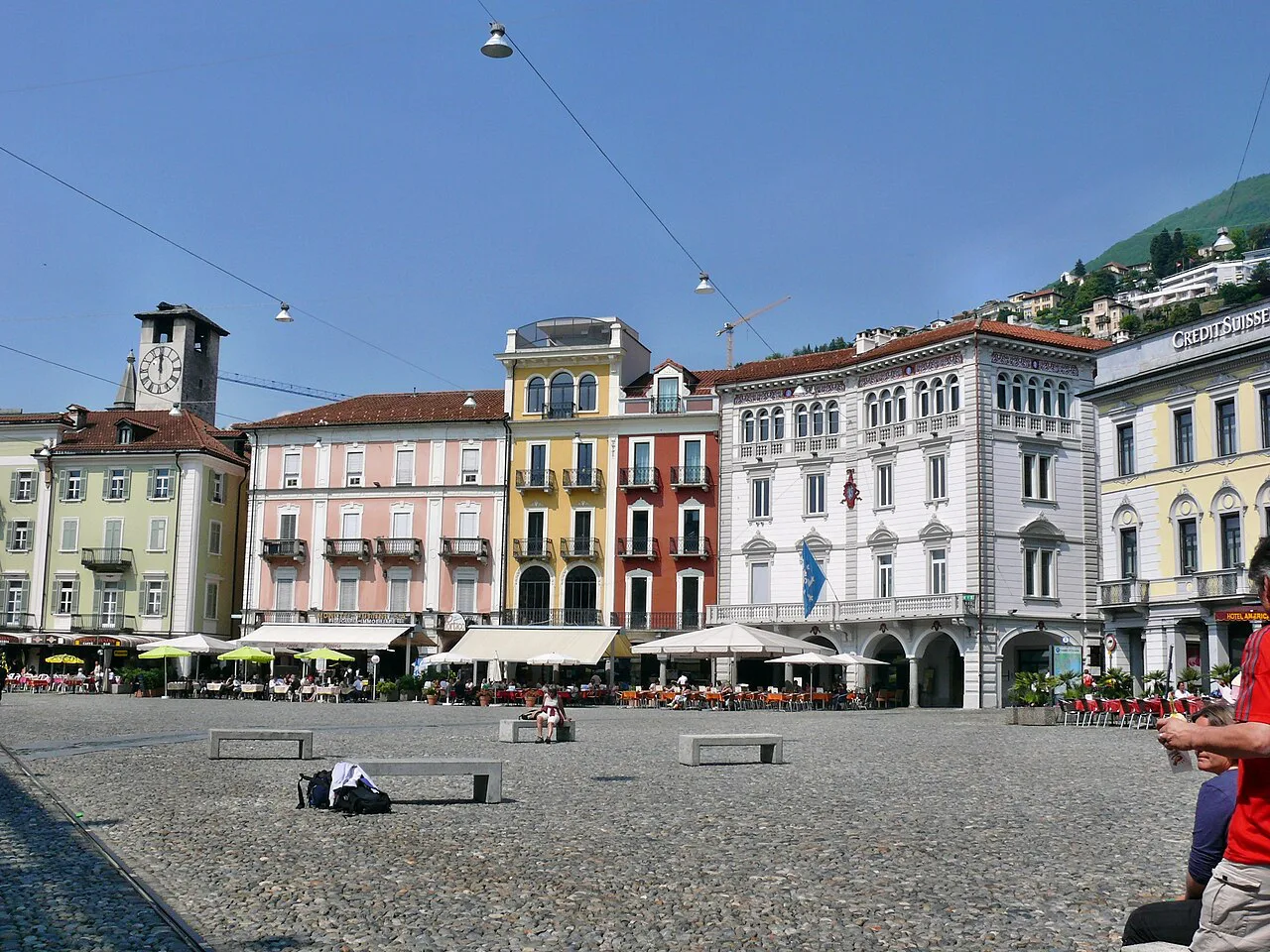
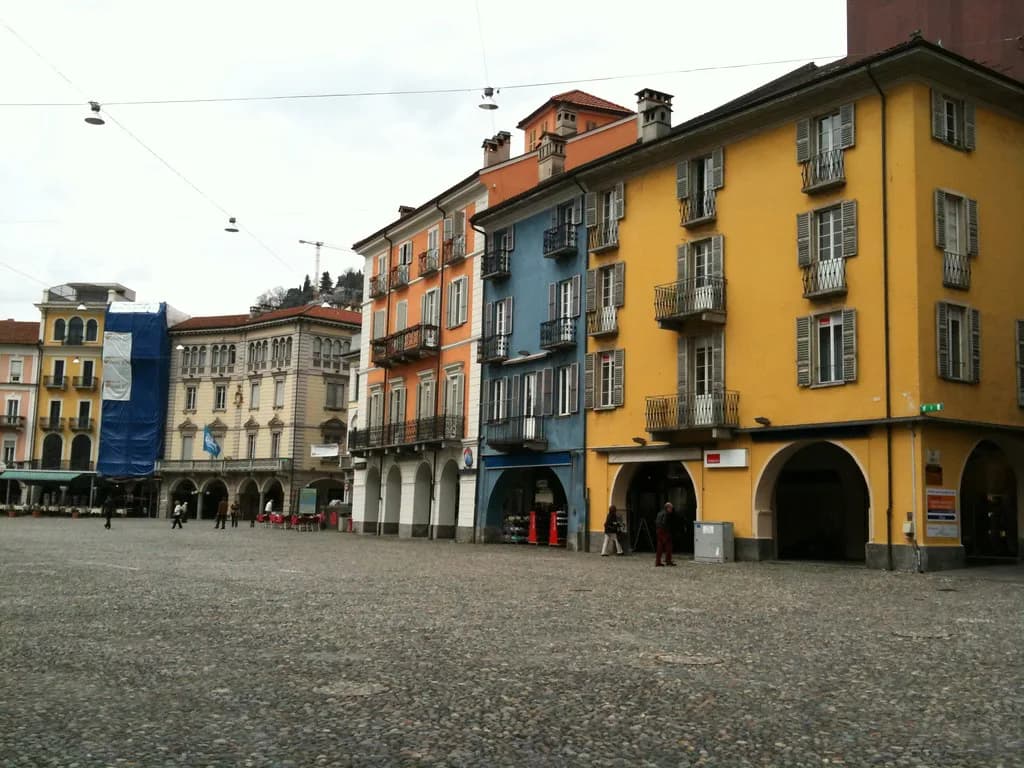
Wandering the streets of the old town costs nothing either, and it is where most of a short Locarno visit actually happens. The Piazza Grande, the arcaded lanes and the lakefront promenade fill an afternoon without a single ticket, and you can read a full route through them in the Locarno old town guide.
Museums and what they charge in CHF
Museo Casorella, a 16th-century mansion on Via B. Rusca near the castle, holds the city of Locarno's permanent collections, including the Galassia Arp and Giardino Max Bill rooms and works by Filippo Franzoni. Adult admission is CHF 15, students over 18 pay CHF 8, and entry is free for children up to 18, schools, Museum Pass holders, Raiffeisen card holders and ICOM/AMS members.
Both Casorella and Museo Casa Rusca open Tuesday to Sunday and public holidays from 10:00 to 16:30, and both close on Mondays. That single fact shapes a Locarno itinerary more than any price: if your only full day is a Monday, the museums are out and you build the day around the lake, the old town and the sanctuary instead.
Museo Casa Rusca, on Piazza S. Antonio, opened in 1987 in a restored 18th-century townhouse and stages rotating exhibitions of Swiss and international artists, with a reopening set for Saturday, 14 March 2026 at 17:00 for a Daniele Buzzi exhibition. Adult admission is CHF 15, AHV recipients and Locarno residents pay CHF 10, students over 18 and groups pay CHF 8, and entry is free for schools, students up to 16, Museum Pass, Raiffeisen and ICOM/AMS holders.
A combined ticket covers Casorella, the Castello Visconteo and Casa Rusca for CHF 20 for adults as published by Museo Casorella and CHF 18 as published by Museo Casa Rusca, with reduced rates of CHF 14 to CHF 15. If you plan to see all three, the combination is clearly the better deal; if you only want one, pay the single CHF 15 and skip the rest.
Casa Rusca has one quirk worth knowing in advance: when no exhibition is on, its pinacoteca is closed to the public. That means a museum day in Locarno can shift at short notice, so check the museum's own site before you build a day around it.
The Madonna del Sasso: funicular versus the 20-30 minute climb
Getting up to the sanctuary from the Città Vecchia is a straight trade of time against money. Two walking routes leave from the foot of the hill: the strada delle cappelle, which passes the church of the Annunciata and the remains of several chapels, and the Via Crucis, whose stations are decorated with cast-iron bas-reliefs of the Passion. Either climb takes roughly 20 to 30 minutes.
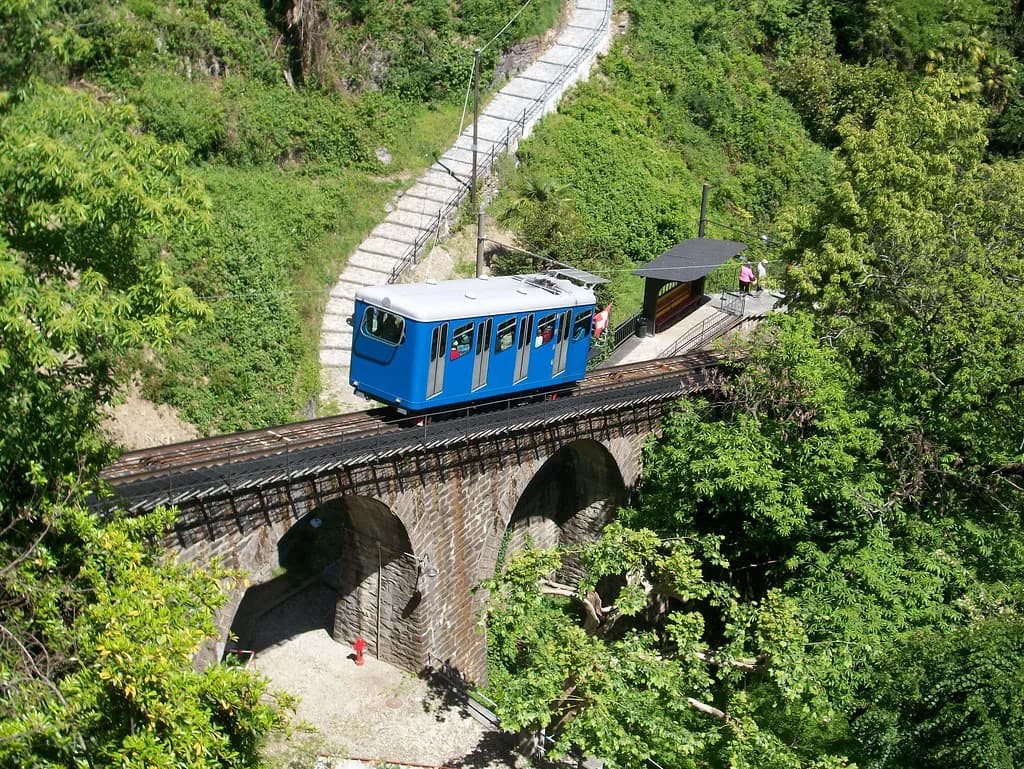
The alternative is the Locarno-Orselina funicular, which departs near the railway station and saves the climb entirely. The regional tourism board covers the funicular as the easy way up but does not list a fare for it, so check the current price at the station before deciding whether the saving in time is worth the cost. The wider network of lifts and railways in and around the city is covered in the Locarno cable car and funiculars guide.
The sanctuary was founded in 1487 by the Franciscan friar Bartolomeo Piatti of Ivrea, after an apparition reported on the site in 1480, and it remains one of Ticino's most important religious sites. Inside, look for the Madonna del Sasso statue on the piazza, the Bramantino painting of the Flight into Egypt and Ciseri's Transport of Christ to the Tomb. All of it, including the terrace, is free to visit.
The Parco delle Camelie and a free hour by the lake
The camellia park has set seasonal hours: 09:00 to 18:00 from 1 March to 30 September, and 09:00 to 16:45 from 1 October to 28 February. Entry is free outside the exhibition period. The park has been awarded the International Camellia Society's Gardens of Excellence designation and is part of the Gardens of Switzerland network.
The park is laid out as a series of beds forming a labyrinthine trail near the lake, with the largest flowerbed dedicated to perfumed camellias beside an amphitheatre that sits at the most panoramic point. A small stream runs down to a pond reflecting an elegant pavilion that houses information panels on the flower. Allow an hour and you have seen it properly without spending anything.
The camellia exhibition, one of Ticino's signature spring events, took place in its 27th edition from 18 to 22 March 2026 at the park, with more than 200 varieties on show and paid entry; opening hours that week ran 9:30 to 17:30. If you are planning around a future edition, the dates and ticket price are announced each year by the Parco delle Camelie in Locarno.
For a broader sense of how these free stops fit with the paid ones, the Locarno Attractions hub collects the individual sight guides in one place. It is the quickest way to see which tickets you actually need before you commit a day.
Where the money goes: the pattern behind Swiss prices
Locarno's own published prices show the pattern clearly. The sights are cheap or free, and it is the surrounding spending — transport, food, lodging — that drives the total. That is typical of Switzerland, and it means a budget for Locarno should be built around daily living costs rather than ticket prices.
For US, UK and Canadian travelers, the practical consequence is that a short Locarno break is not a budget destination but it is an affordable sightseeing destination. Keep the sightseeing cheap by favoring the free options, and let the food and lodging take the bulk of the budget.
If you are weighing Locarno against a different Swiss city, remember that the big cost gap is usually in accommodation and transport, not in entry fees. The Lugano vs Locarno comparison sets out the other useful distinction: which lake city suits your priorities, not which one has the cheaper museum.
Ways to spend less that Locarno actually offers
Locarno honors a specific set of discount cards, and knowing which ones matters. The Ticino Ticket, issued by participating hotels, campsites and hostels, gives a reduction at both Casorella and Casa Rusca, and at the Parco delle Camelie too. Ask for it at check-in rather than assuming it is automatic.
The Museum Pass, Raiffeisen card and ICOM/AMS membership give free entry at both museums, and the Cultural Pass Ascona-Locarno and the Ascona-Locarno App give discounts at Casorella. At Casa Rusca there is also a Cultural Pass Locarno that bundles Casa Rusca with the Ghisla Art Collection, plus a 20 percent My Club reduction.
Guided tours at both museums must be booked in advance for a group of at least 10, and the published structure is a flat CHF 150 group tour fee plus per-person admission (CHF 10 per person at Casorella and CHF 6 at Casa Rusca). For a couple or small family, that is poor value; for a group of ten, it is a reasonable add-on.
Shopping and souvenirs are where the budget quietly drains, especially with Swiss price levels. Set a limit before you browse, and if you want specific ideas for where to spend it, the shopping in locarno guide covers what the city offers.
Two days in Locarno on a modest budget
A cheap two-day pattern works if you build around the free sights and add one museum. On day one, walk the Città Vecchia and Piazza Grande, then take the Parco delle Camelie in the late morning and the lakefront in the afternoon. On day two, climb to the Madonna del Sasso, see the sanctuary and terrace, and add either Casorella or Casa Rusca if it is open.
The order matters less than the Monday rule: if day two falls on a Monday, both museums are closed and you redirect the afternoon to the lake or the old town. That change alone will not blow the budget, but it does change what you see.
If you want a detailed plan with timings, the things to do in Locarno overview is the place to start. It keeps the sightseeing sequence in one place so you can plug in the free and paid options without rearranging the trip.
Who should skip Locarno if price matters
Travelers who want a budget-first European break will find Locarno costly, because the cost of the city is the cost of Switzerland rather than of its sights. If a long list of cheap museums and inexpensive meals is the priority, a different destination serves better. If you accept that food, lodging and transport are Swiss-priced and you plan around the free sights, Locarno delivers a lot for the money.
Families, students and anyone with a Ticino Ticket or Museum Pass will find the museum side of Locarno close to free, and the two free attractions are the highest-value hours in the city regardless of budget. Travelers paying full price for a single museum visit will find the cost modest but not negligible — CHF 15 for an adult is a real line item in a tight budget.
Plan Your Visit
Locarno is expensive as a Swiss city, but a day of seeing it does not have to be. The Madonna del Sasso terrace, the Parco delle Camelie and the old town streets are all free, and the two city museums charge CHF 15 for adults, less with a Ticino Ticket, Museum Pass or Cultural Pass.
Build the day around the free sights first, add one museum if it is open, and check the funicular fare at the station rather than guessing. The result is a Locarno trip that is realistic about Swiss prices without wasting money on what you can see for nothing.
Explore more Locarno guides
Frequently Asked Questions
Is Locarno expensive compared with the rest of Switzerland?
Locarno carries Swiss costs for food, transport and lodging, but its published sightseeing prices are modest: adult admission to Museo Casorella and Museo Casa Rusca is CHF 15 each, and the Parco delle Camelie and the Madonna del Sasso sanctuary terrace are free. The city behaves like the rest of Switzerland on daily spending rather than on tickets.
What is free to do in Locarno?
The Madonna del Sasso sanctuary at Orselina, including its terrace over Lake Maggiore, costs nothing to visit. The Parco delle Camelie is free outside its exhibition period, and the old town streets around the Piazza Grande and the lakefront need no ticket at all.
How much are Locarno's museums?
Museo Casorella and Museo Casa Rusca each charge CHF 15 for adults, with cheaper rates for students and free entry for children at Casorella and several cardholders at both. A combined ticket covering Casorella, the Castello Visconteo and Casa Rusca is published at CHF 18 to CHF 20 for adults depending on which listing you read.
Does the Ticino Ticket work at Locarno museums?
Yes. The Ticino Ticket, issued by participating hotels, campsites and hostels, gives a reduction at Museo Casorella, Museo Casa Rusca and the Parco delle Camelie. Ask for it at check-in.
Is the Madonna del Sasso funicular worth the money?
It depends on your time and fitness. Two signed walking routes climb to the sanctuary in roughly 20 to 30 minutes, while the Locarno-Orselina funicular starts near the railway station and skips the climb. No fare is published on the tourism board page, so confirm the current price before you decide.
How much should I budget for a day in Locarno?
Base the budget on the free sights and add one museum ticket at CHF 15 if it is open. Meals, transport and lodging are Swiss-priced and are not published as Locarno-specific figures, so plan those from your own booking quotes rather than from attraction prices.
When are Locarno's museums closed?
Museo Casorella and Museo Casa Rusca both close on Mondays and open Tuesday to Sunday and public holidays from 10:00 to 16:30. Note that Casa Rusca's pinacoteca is closed to the public between exhibitions, so a museum day can change at short notice.
Sources
Notes for your Swiss city break
Optional updates to our Swiss city guides.
You might also like
Continue reading
More guides you'll find useful