Things to Do in Lucerne When It Rains: Covered Sights
Rainy days in Lucerne belong to the museums: the Swiss Museum of Transport, Rosengart, Glacier Garden and Bourbaki Panorama, plus covered old-town lanes.
On this page
When rain settles over Lucerne, head indoors to the museums first: the Löwenplatz cluster puts the Glacier Garden, the Bourbaki Panorama and the Rosengart Collection within a couple of minutes of each other, and the Swiss Museum of Transport on Haldenstrasse is the city's biggest single wet-weather draw. The old town's arcaded lanes and the covered Kapellbrücke give you shelter between stops, so a wet day here costs you very little walking in the open.
Plan the day by geography rather than by must-see lists. A morning at the Swiss Museum of Transport and an afternoon around Löwenplatz keeps you off the lakefront in the worst of the weather, and swapping the order costs you nothing because both areas sit on the same side of the river.
Why Lucerne Works in the Rain
Lucerne is compact. The old town sits on the north bank of the Reuss where it leaves Lake Lucerne, the museum cluster around Löwenplatz and Pilatusstrasse is a short walk west of the center, and Haldenstrasse runs along the lake toward the Swiss Museum of Transport. That geometry means a rainy day is a series of short hops rather than a single long trek.
The city's indoor options are unusually dense for its size. In a single afternoon you can move from the Glacier Garden to the Bourbaki Panorama and on to the Rosengart Collection without needing an umbrella between them, which makes Lucerne a better rain plan than most Swiss cities of comparable scale.
The Lucerne region's own tourism board groups museums, factory tours and indoor sport under a single wet-weather page, which is a useful cross-check when you want something beyond the classic sights.
The Museum Cluster Around Löwenplatz
Three of Lucerne's most visitable indoor sights sit within a few minutes of Löwenplatz. The Glacier Garden is at Denkmalstrasse 4, the Bourbaki Panorama is at Löwenplatz 11, and the Rosengart Collection is on Pilatusstrasse. Start at the Glacier Garden when it opens, then pick whichever of the other two fits your remaining time.
The Rosengart Collection is the strongest pick for anyone who wants a compact, high-quality art stop rather than a full afternoon. It sits close enough to the Glacier Garden that you can do both in one wet morning without getting soaked in between.
The Bourbaki Panorama is the cluster's oddity: a huge circular painting of a nineteenth-century army crossing into Switzerland, viewed from the middle of the room. It takes well under an hour, which makes it a good filler between longer museum visits.
Glacier Garden: What Is Indoors and What Is Not
The Glacier Garden is a hybrid, and that matters on a wet day. Its name promises ice-age rock formations, which are outdoor exhibits, so plan on some time in the rain. The indoor side includes the mirror maze and the museum displays, and the on-site ticket is bookable online from CHF 24.00 per person.
The practical trade-off is straightforward. In steady drizzle the outdoor rock formations are still viewable and the garden works well; in a downpour, treat the visit as an indoor stop and skip straight to the covered exhibits. Buy the ticket online before you go if you want to avoid standing at the counter.
Because the outdoor section is the reason the site exists, a torrential day is arguably the wrong day to spend a full ticket here. If the forecast is truly grim, move the Glacier Garden to a drier slot and give the wet hours to a fully indoor museum instead.
Swiss Museum of Transport on Haldenstrasse
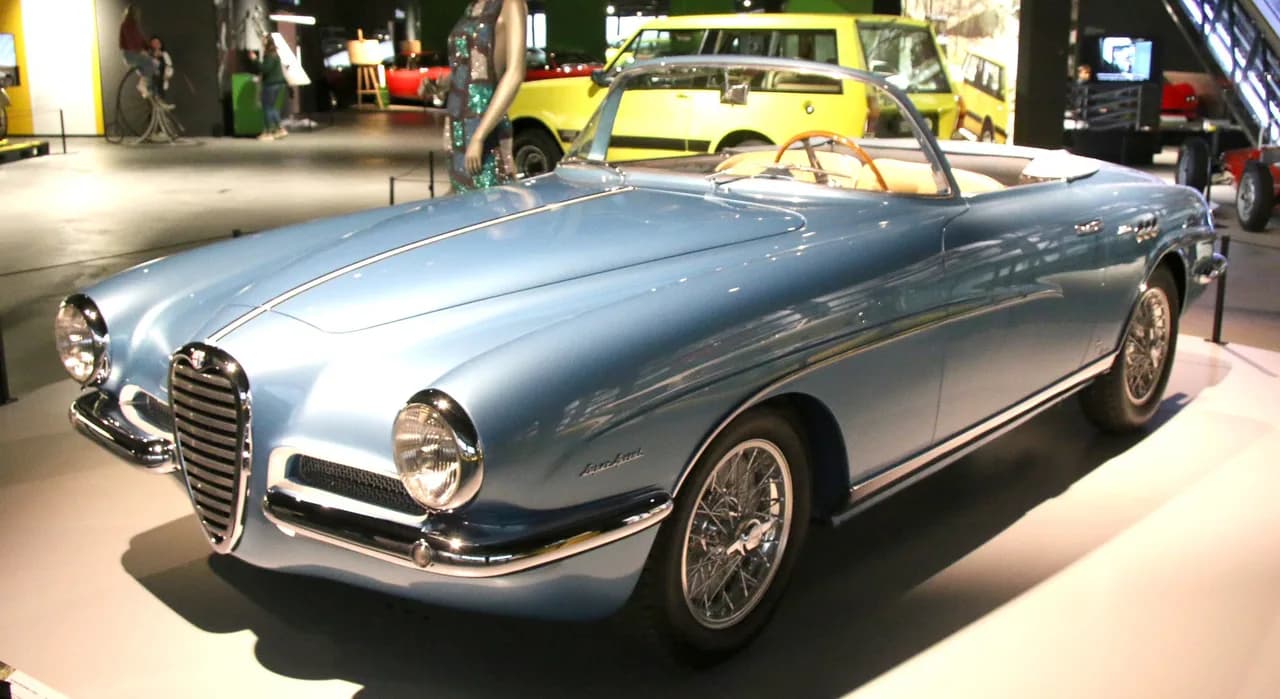
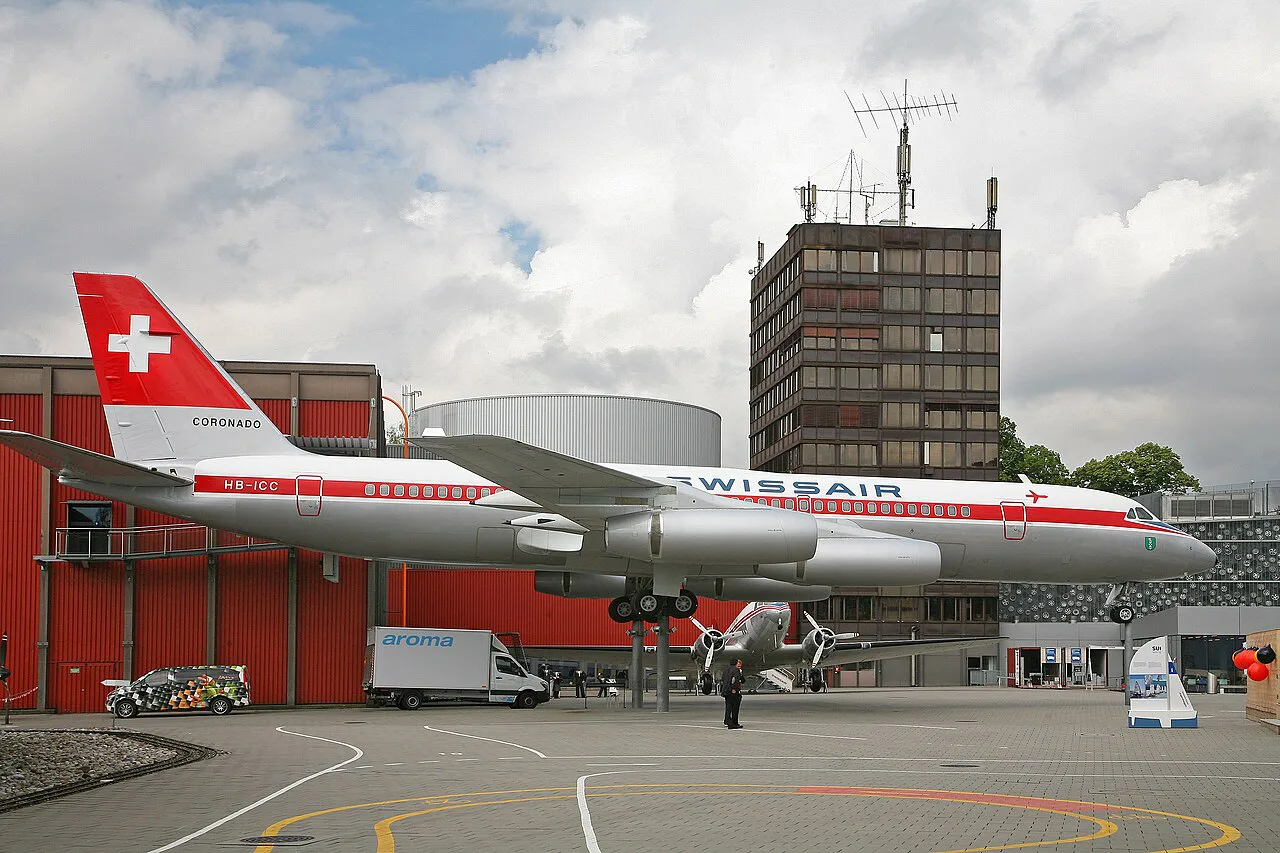
The Swiss Museum of Transport is the biggest wet-weather option in Lucerne and the one that can absorb a whole rainy day. It occupies a large site on Haldenstrasse 44 with rail, road, air and water transport exhibits, plus the Swiss Chocolate Adventure and a planetarium under the same umbrella of buildings and halls.
The chocolate attraction is a separate experience inside the complex: a tour that walks you through the journey from rainforest to praline. If you are traveling with children or want one clearly bounded activity, pairing the transport halls with the chocolate tour fills an afternoon without any exposure to the weather.
Buy your tickets online in advance and treat the transport museum as the anchor of the day rather than an add-on. Ticket prices, combined tickets and planetarium show times are published on the museum's own site, so confirm the current figures there before you commit to a package.
Art and History Museums
Beyond the Löwenplatz cluster, Lucerne's art and history museums spread across the city. The Museum of Art Lucerne sits at Europaplatz 1 near the station, the Museum Luzern is on Kasernenplatz, and the Hans Erni Museum and the Richard Wagner Museum sit out toward the lake at Haldenstrasse 44 and Richard Wagner Weg 27 respectively.
The Richard Wagner Museum is the one to choose if you want a quieter, more domestic stop: it occupies the composer's former lakeside residence and pairs naturally with the Haldenstrasse museums. The Hans Erni Museum shares the Haldenstrasse address with the transport complex, so it slots neatly into the same visit.
Group the station-side museum with your arrival or departure and keep the lakeside ones for a single afternoon. Walking between the Museum of Art at Europaplatz and the Löwenplatz cluster is a few minutes through the center, which keeps the rain exposure short.
Small and Unusual Indoor Stops
Lucerne's smaller museums suit an hour of rain rather than a whole day. The Gübelin Gem Museum at Schwanenplatz 7, the Gameorama at Hirschengraben 49 and the Swiss Bottle Museum out in Willisau all appear on the regional indoor list, and each offers a sharply defined visit rather than an open-ended wander.
The Gübelin Gem Museum is the most central of these, a short walk from the lakefront and easy to combine with the covered old town. The Bourbaki Panorama, covered above, belongs in the same category: a single big object that rewards forty minutes rather than a half day.
Treat these stops as rain-fillers between bigger bookings. Their advantage is that you can enter, see the collection and leave without feeling you have wasted a full admission when the clouds break.
The Old Town Under Cover
Lucerne's old town is genuinely usable in the rain because so much of it runs under arcades. The lanes and squares of the Old Town Lucerne have overhanging upper floors on many buildings, so you can walk a fair distance with only brief exposure at street crossings.
The payoff of staying under the arcades is that you see the city at pedestrian level: painted facades, shop windows and square after square, rather than a checklist of monuments. The shopping streets are part of that fabric, and a wet afternoon is a reasonable time to browse them.
If you want structure rather than aimless wandering, follow a Lucerne Self-Guided Walking Tour that keeps the stops close together. The format suits rain because you can cut it short at any square and duck into the nearest museum.
Covered Bridges as Shelter
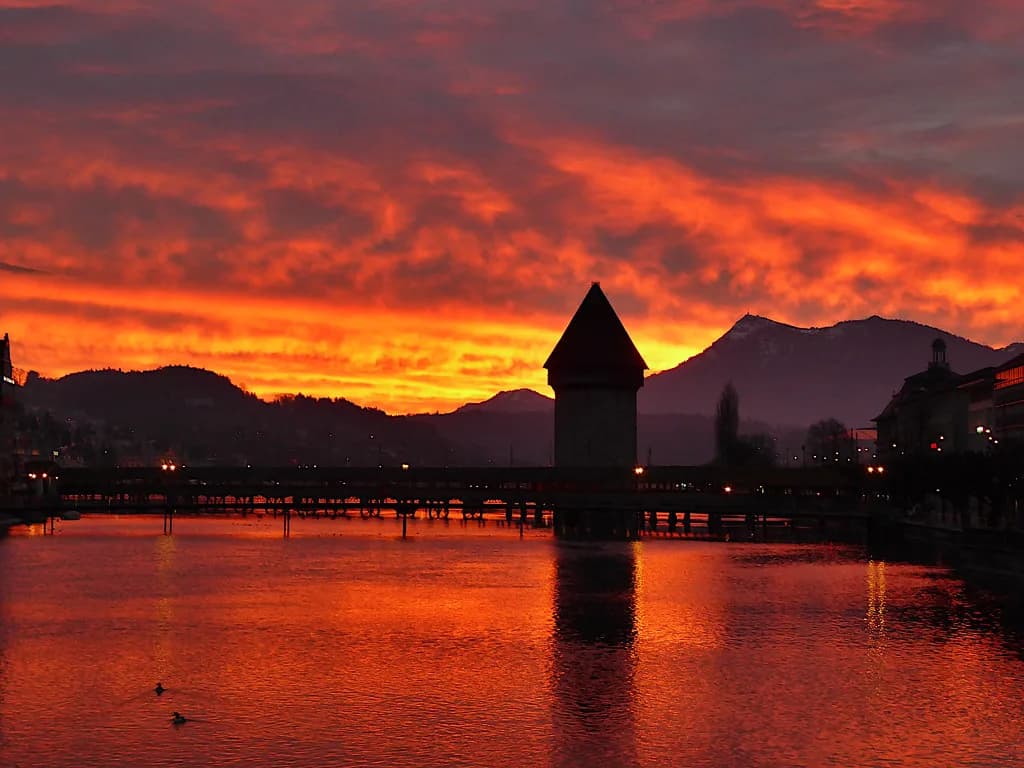
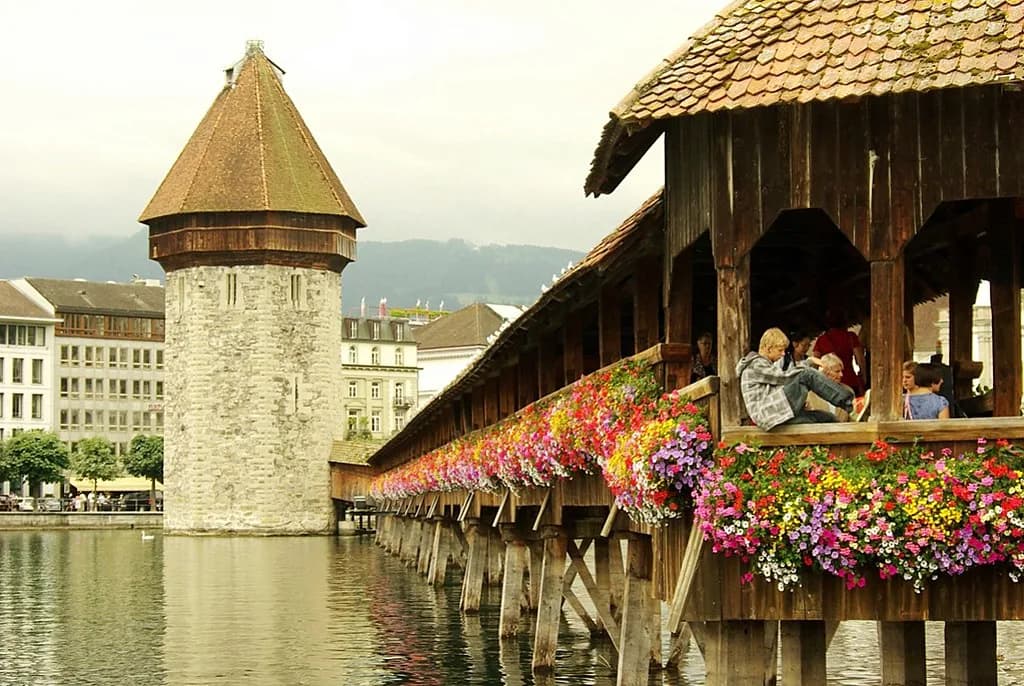
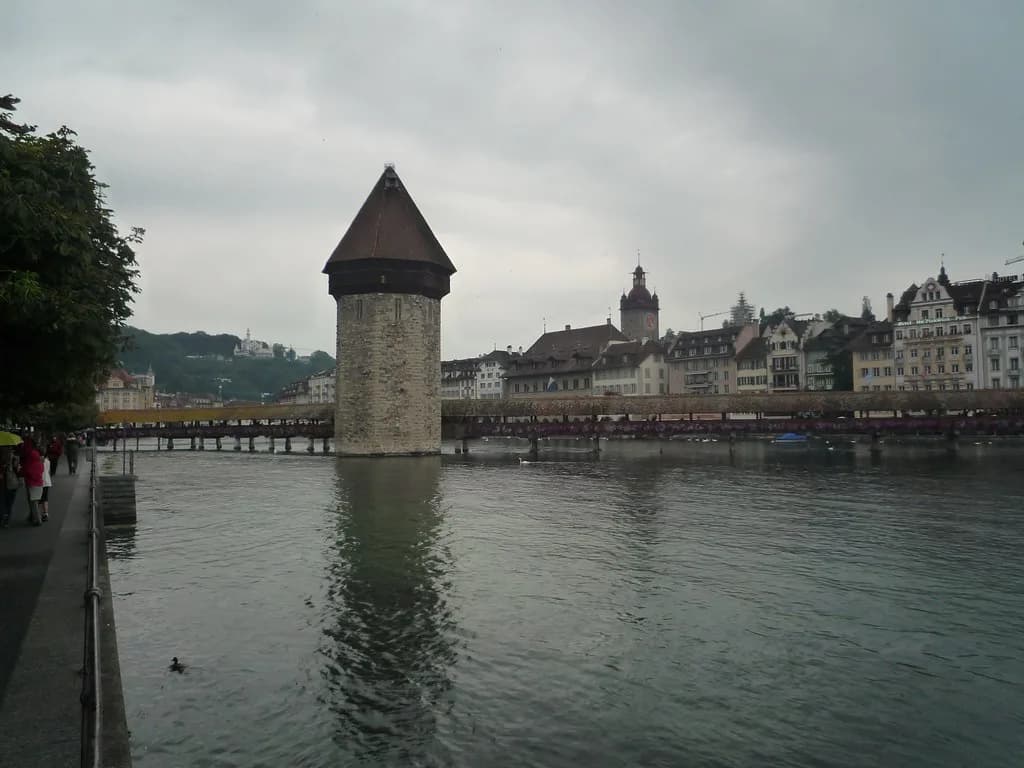
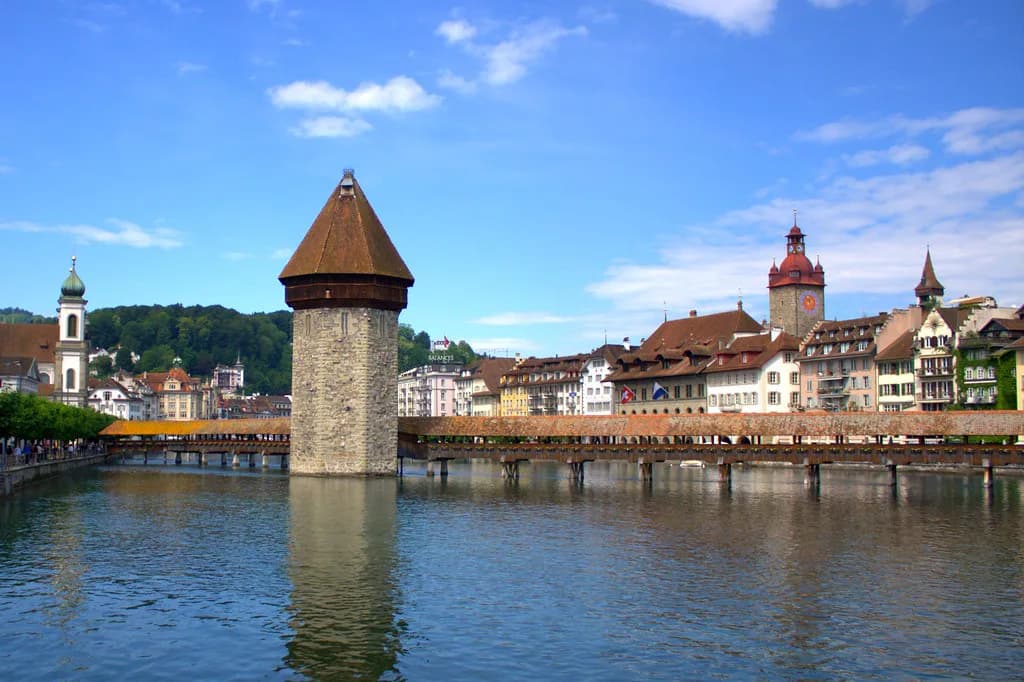
The Kapellbrücke and the Spreuer Bridge are both roofed, which makes them the rare Lucerne sights that improve slightly in bad weather: fewer people on the walkway and a dry route across the Reuss. The Kapellbrücke connects the old town with the right bank, and the Spreuer Bridge crosses further downstream.
Use the bridges as connectors rather than destinations. Walking across the Kapellbrücke takes minutes and puts you close to Schwanenplatz and the Gübelin Gem Museum, so it works as a sheltered link in a loop rather than a stop in itself.
The Spreuer Bridge draws fewer visitors, and its painted panels are easier to study when the rain keeps the crowds away. Pair it with the Museum Luzern on Kasernenplatz, which is a short walk from the bridge's north end.
Factory and Production Tours in the Region
When you have a full wet day rather than a wet afternoon, the Lucerne region's factory and show-dairy tours are the practical answer. Glasi Hergiswil, Switzerland's oldest glassworks, offers a museum on Seestrasse 12 in Hergiswil NW, and the Milchmanufaktur Einsiedeln show dairy at Alpstrasse 6 lets you watch cheese being made.
The Willisauer Ringli factory tour runs from CHF 19.00 per person, and the Napf cheese dairy in Luthern starts at CHF 6.00 per person, so a rainy excursion can cost less than a city museum ticket.
There is a spectacle option too: a footplate ride on the Lucerne–Interlaken Express is bookable online from CHF 490.00 per person, which is a splurge best saved for a day when the scenery is at least partly visible. For most travelers, the glassworks and the show dairy are the better rain-day value.
Money-Saving Moves on a Wet Day
The single clearest saving on a rainy day is to buy museum tickets online before you leave, since several Lucerne listings quote bookable online prices. The Glacier Garden's online rate starts at CHF 24.00 per person, and the indoor sports venues in the region publish comparable group rates.
Check whether any guest card or rail pass covers your chosen museum before you buy a separate ticket. The Lucerne tourist office publishes its Visitor Card information on luzern.com, which lists current inclusions so you can see what a given pass covers before paying at the desk.
If the rain is light enough for a covered walk, a bridge circuit and the arcaded old town cost nothing at all, which leaves your budget for one good museum rather than three mediocre ones.
How to Sequence a Rainy Day
Start at the Swiss Museum of Transport when it opens, since it has the most to see and the longest walk from the center. Take the lakefront path or a short bus ride to Haldenstrasse, spend the morning in the transport halls or the chocolate attraction, then return to the center for lunch and an afternoon around Löwenplatz.
The afternoon block is Glacier Garden first, then the Bourbaki Panorama, then the Rosengart Collection if you still have energy. The three are minutes apart, so the only rain exposure is the walk between doorways, and you can drop whichever one no longer fits the time.
Finish with the covered bridges and the arcaded old town rather than a longer excursion. Walking from the Rosengart Collection to the Kapellbrücke is short, and the bridge delivers you back into the shopping lanes under cover.
Rain-Day Trade-Offs to Know
Opening days vary by venue, so check each museum's own site for the day you plan to visit rather than assuming a citywide pattern. The regional indoor listing on luzern.com gives addresses and links for each museum, which makes it easy to verify before you walk across town.
The biggest judgment call is how much outdoor sightseeing to keep. The Glacier Garden and the lakefront viewpoints reward clear weather, so when the clouds lift, swap a second museum for a walk along the water rather than sticking to a fixed indoor plan.
If the weather turns genuinely foul and you want to leave the city, Interlaken is the nearest alternative rain plan on this route, and its indoor options mirror Lucerne's mix of museums and covered transport; for that option in detail, see these things to do in interlaken when it rains. Keep it as a single line in your thinking rather than a separate trip.
Plan Your Rainy Day
Lucerne's rain plan writes itself once you sort the city by walking distance: the transport museum on Haldenstrasse for a long morning, the Löwenplatz cluster for the afternoon, and the covered bridges and arcades for the gaps between. Book the Glacier Garden and the transport museum online before you travel and you will spend your wet hours inside rather than in a queue.
Leave one booking loose. If the rain eases, trade a museum for the lakefront and the bridges; if it sets in, the factory tours outside the city turn a washout into a proper day out.
Frequently Asked Questions
What can you do in Lucerne when it rains?
Head for the museums first. The Swiss Museum of Transport on Haldenstrasse is the largest indoor option and can fill a whole day, while the Glacier Garden, the Bourbaki Panorama and the Rosengart Collection sit within a few minutes of each other around Löwenplatz. Between stops, the arcaded lanes of the old town and the roofed Kapellbrücke and Spreuer Bridge keep you out of the weather.
Which Lucerne museums are best for a rainy day?
The Swiss Museum of Transport is the strongest single choice because it covers rail, road, air and water exhibits plus the Swiss Chocolate Adventure and a planetarium under one complex. For a shorter stop, the Rosengart Collection and the Bourbaki Panorama are compact and close together near Löwenplatz.
Is the Glacier Garden worth visiting in the rain?
It is a partial outdoor visit: the ice-age rock formations are outside, while the mirror maze and museum displays are indoors. In drizzle it works well; in a downpour, treat it as an indoor stop or move it to a drier day and give the wet hours to a fully indoor museum instead.
How much do Lucerne museums cost in Swiss francs?
Prices vary by venue, and the Glacier Garden is bookable online from CHF 24.00 per person. The Swiss Museum of Transport publishes its own ticket and combined prices, so check its site for the current figures before you buy.
Are Lucerne museums open on Mondays?
Opening days differ from one venue to the next, so check the individual museum's own site for the day you plan to visit. The Lucerne tourist office's indoor listing gives each museum's address and a link for confirming its hours.
Can you stay dry walking through Lucerne's old town?
Largely, yes. Many old-town buildings have overhanging upper floors that form arcades over the street, so you can walk a good distance under cover with brief exposure at crossings. The Kapellbrücke and the Spreuer Bridge are both roofed, which makes them dry routes across the Reuss as well as sights.
What is there to do in Lucerne for a day when the weather is bad?
Spend the morning at the Swiss Museum of Transport on Haldenstrasse, then return to the center for the Glacier Garden, the Bourbaki Panorama and the Rosengart Collection in the afternoon. Finish with a walk across the covered bridges and through the arcaded old town, which needs no ticket.
Is a lake cruise still an option in the rain?
A cruise keeps you under cover for much of the trip but still puts you on open decks for views, so it suits drizzle better than a downpour. On a heavy-rain day, the transport museum and the Löwenplatz museums are the more reliable choice.
Sources
Notes for your Swiss city break
Optional updates to our Swiss city guides.
You might also like
Continue reading
More guides you'll find useful