Museums in Lucerne: Which Ones Are Worth Your Time
A practical guide to museums in Lucerne: the Rosengart Collection's Picassos, the transport museum, and how to choose what fits your days and budget.
On this page
Lucerne's museums fall into three practical groups. The Rosengart Collection is the modern-art stop, packed with Picasso and Klee and set on Pilatusstrasse 10 within a couple of minutes of Lucerne railway station. The Swiss Museum of Transport is the big, hands-on family draw. Everything else is a specialist house or small gallery, and two or three museums is a realistic count for a short break.
The choice is less about ticking off a list than about matching one museum to your interests and the weather. A rainy afternoon fits one substantial collection plus a short walk; a full day lets you add a second, smaller stop in the morning. Build the rest of the day around the old town rather than around museum queues.
The Rosengart Collection: Picasso, Klee and 25 Other Artists
The Rosengart Collection holds works by Pablo Picasso, Paul Klee and roughly 25 other artists spanning Impressionism and Classic Modernism, shown in a personal, house-style setting rather than a vast national gallery. It sits at Pilatusstrasse 10, very close to Lucerne railway station, and the museum is fully wheelchair accessible. That location makes it the easiest museum to slot into an arrival or departure day.
Allow something like 90 minutes if you read the labels and linger over the Picassos, or a focused hour if you move briskly. It is a single-building collection rather than a sprawling complex, so it rarely swallows a whole afternoon. Visitors who want a broad survey of Swiss art history should look at the Kunstmuseum instead.
The museum publishes a Sunday public guided tour in English with a price of CHF 8 plus admission, and tours can be booked by email at info@rosengart.ch. Treat that as a scheduled event rather than a fixed weekly guarantee, and confirm the next English date directly with the museum before you plan a Sunday around it.
There is also a children's program for ages 7 to 11 at CHF 5 per child, but it runs in German only, so it is not an English-language option for most international families. If you are traveling with kids who do not speak German, plan the adult visit around them instead.
The Swiss Museum of Transport: The Big Family Stop
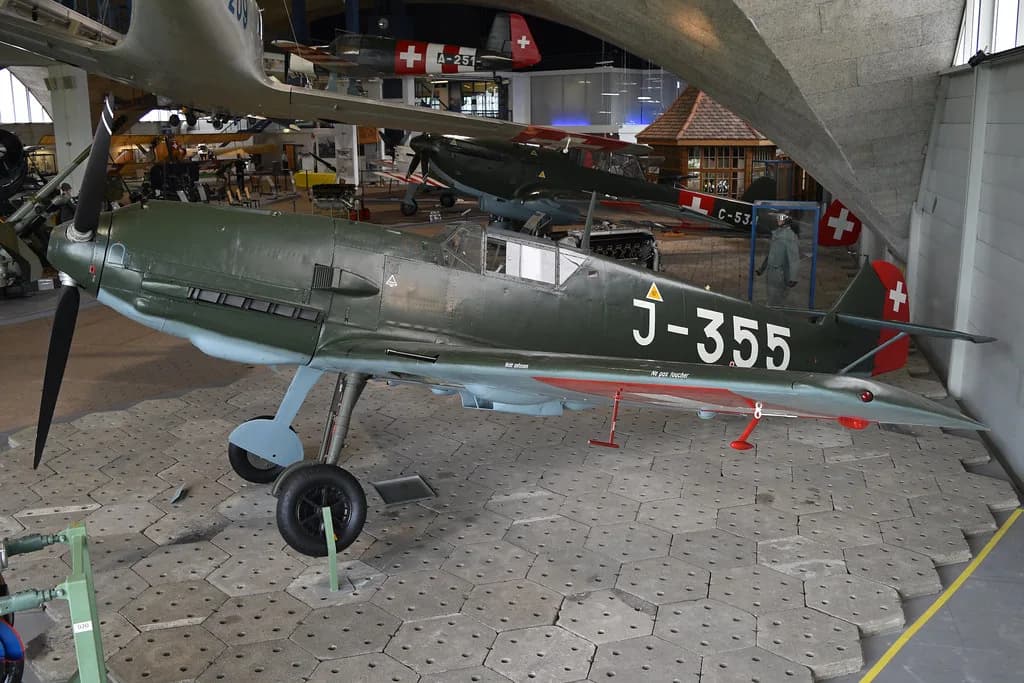
The Swiss Museum of Transport is the city's largest museum and the one that pulls in families and engineering-minded visitors. It covers rail, road, air and water transport across a big site with hands-on exhibits, so it behaves like a half-day rather than a quick stop. If you have children in tow and only one museum slot, this is the one to pick.
The trade-off is time and focus. A transport museum rewards people who like engines, simulators and technical detail, and it can feel thin to travelers who came for old-town streets and lake views. Set aside at least half a day, and skip it if your priority is art or local history.
Check the museum's own website for current prices and family tickets before you commit a morning. Booking ahead online is a sensible way to be prepared for your visit.
Smaller and Specialist Museums: What Each One Is For
Around the two headliners sit a set of smaller museums, each suited to a specific interest rather than a general visit. The Kunstmuseum Luzern covers art with a changing program, Kunsthalle Luzern focuses on contemporary exhibitions, and the Hans Erni Museum is built around one Swiss artist's body of work. The Richard Wagner Museum occupies the composer's former lakeside home and appeals to music lovers. If you are weighing a specialist house here against a single-artist museum elsewhere, the museums in basel offer a useful comparison.
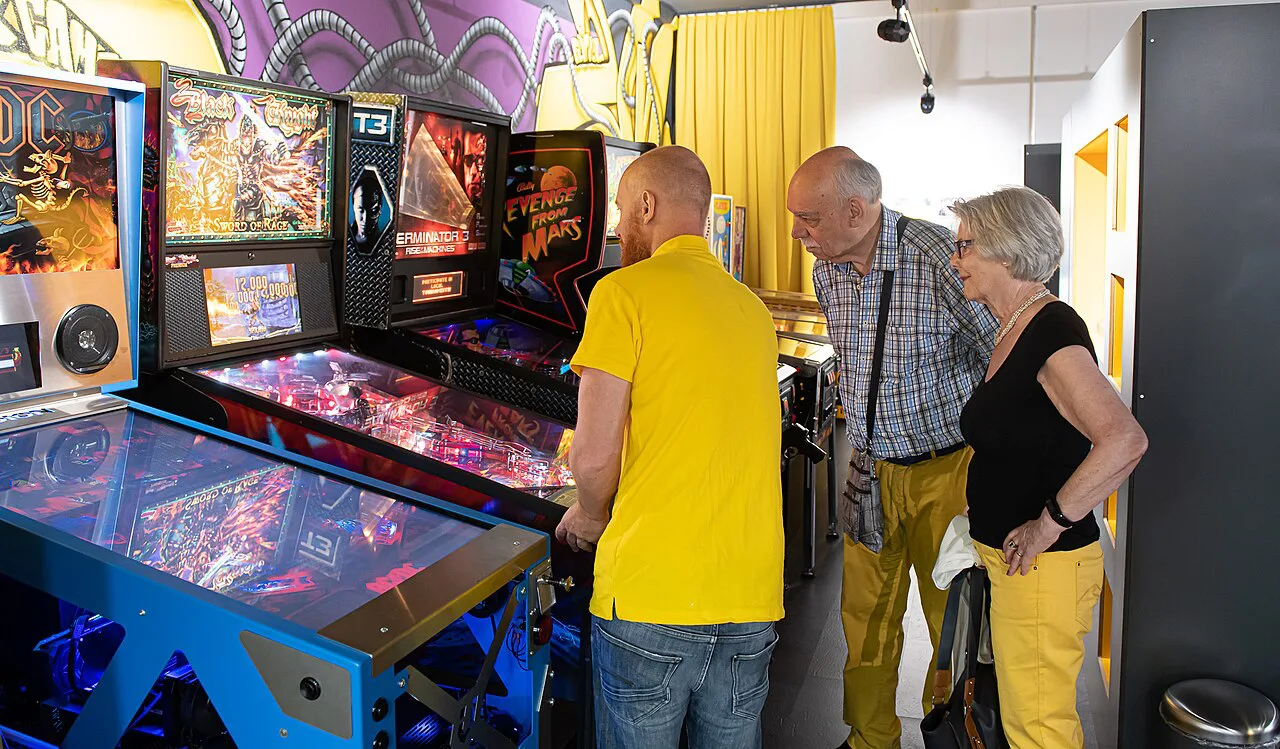
Two of the smaller names work well for mixed groups. The Glacier Garden combines geological remains with a mirror maze and suits families who want something shorter than the transport museum. Gameorama is built around games and play, which makes it an easy rainy-day alternative for teenagers.
None of these is a substitute for the Rosengart if modern art is your reason for visiting, and none needs more than an hour. Use them to fill a morning before an afternoon in the old town, not as the anchor of your day.
How Many Museums Fit in a Lucerne City Break
One big museum plus one small one per day is the rule that keeps a short break from collapsing under too many stops. Pair the transport museum with nothing else, or pair the Rosengart with a single small house such as the Wagner Museum. Two major collections back-to-back usually produces museum fatigue by mid-afternoon.
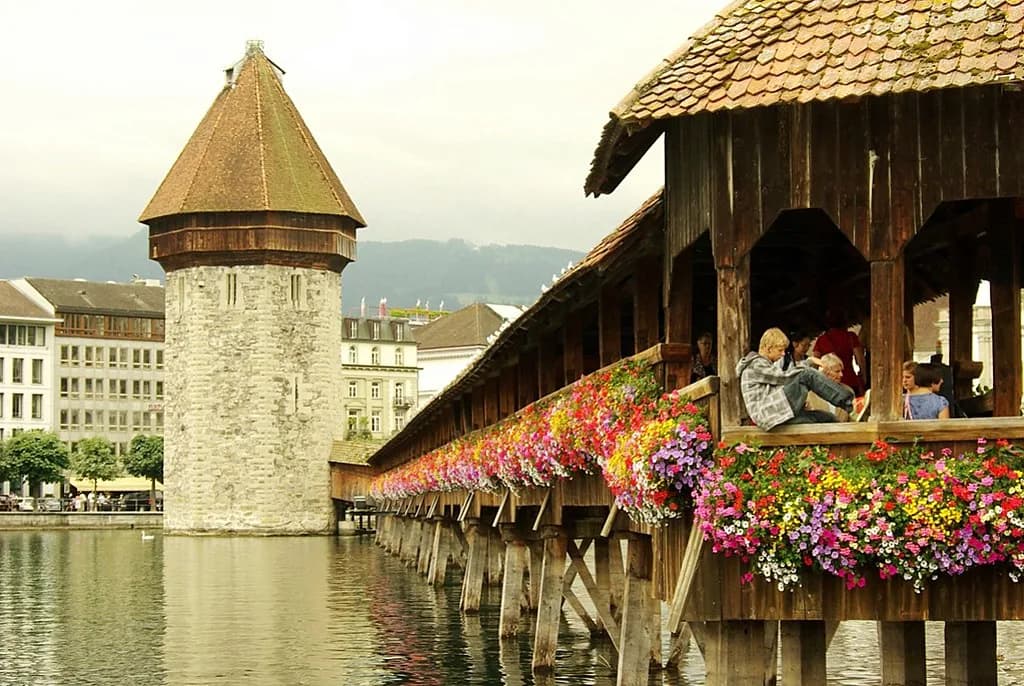
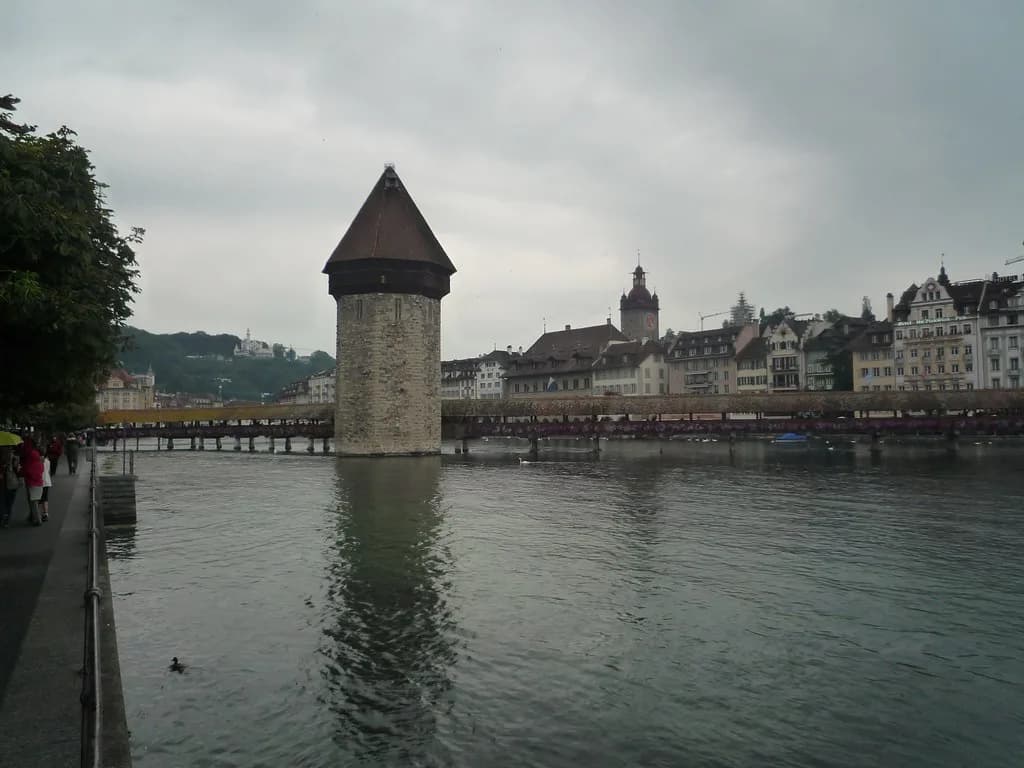
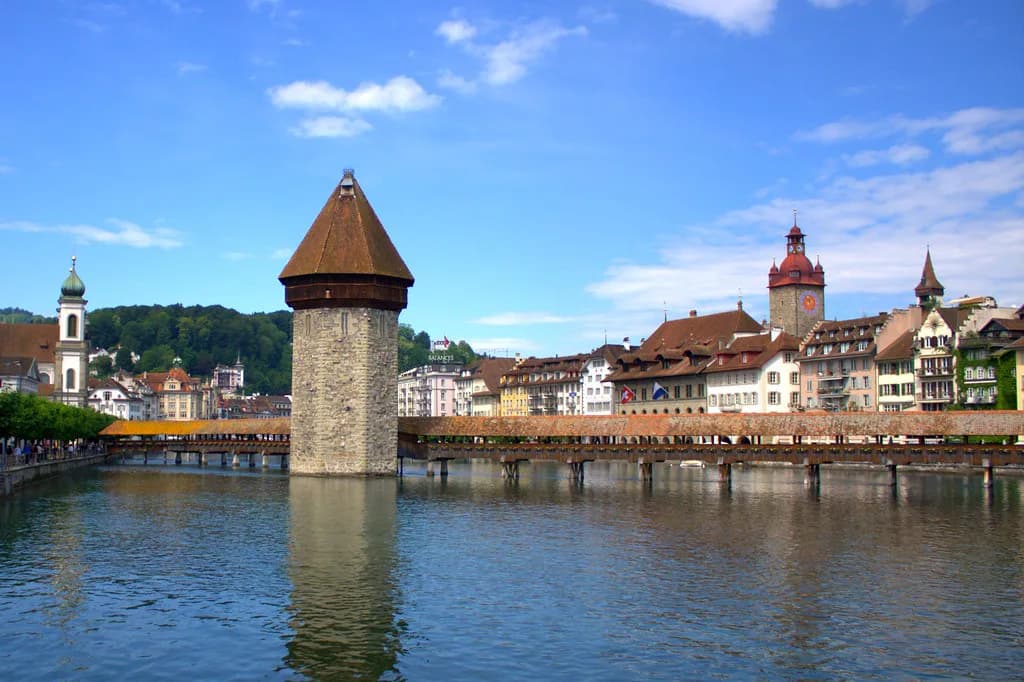
Leave the rest of the day for the streets. The Kapellbrücke, the old-town squares and the lakefront are the reason most people come, and they cost nothing. A self guided walking tour is a good way to balance a museum morning with an afternoon outdoors.
If you only have one rainy afternoon, choose the Rosengart for art or the transport museum for families, then walk the covered old-town lanes when the rain eases. That combination fills an afternoon without turning the trip into a museum marathon.
Opening Days and Planning Around Closures
Weekly closing days vary between Lucerne's museums, and the reliable approach is to check the individual museum's visitor-information page for the days you plan to visit. The Rosengart lists office hours on weekdays and handles tour bookings by email, which is a fast way to confirm a specific date. Some smaller houses keep limited weekly hours, so do not assume a museum is open just because it appears in a directory.
Book guided tours, including the English Sunday tour at the Rosengart, ahead by email rather than turning up and hoping for a place. The museum's contact address is the same channel for group and school visits.
Costs in Swiss Francs and Keeping the Bill Down
Museum admission in Lucerne is charged in Swiss francs, and the only guided-tour prices stated in the museum's own visitor information are the Rosengart's English tour at CHF 8 plus admission and the German-language children's tour at CHF 5 per child. For other museums, check the ticket page on the day you book, because prices change and family rates are common.
The cheapest museum day mixes one paid collection with free time along the lake and through the old town. If you plan to visit two paid museums, compare the combined total with what the museums themselves offer before assuming a pass saves money.
Budget the small extras too: a guided-tour surcharge, a locker, or a coffee between stops adds up quickly in Switzerland. Carrying a refillable bottle and eating outside the museum cafés keeps the day's spend closer to the ticket price.
Layout and Walking Logistics
The Rosengart is the easiest museum to reach on foot because it sits a couple of minutes from Lucerne railway station on Pilatusstrasse. That makes it the natural first or last stop of a day, whether you arrive by train or leave in the evening.
Other museums sit on different sides of the Reuss and the lake, so group them by side of the river rather than zigzagging across the bridges. Plan the transport museum as its own trip, and keep the old-town and station-side stops on the same day. A Lucerne cable car or funicular ride can round off a museum morning if the weather holds.
Honest Trade-Offs: Modern Art, Transport or Local History
Pick by interest rather than by checklist. If you want to see Picassos in a small, personal collection, the Rosengart wins. If you are traveling with children who need to touch things, the transport museum wins. If you want to understand the city itself, the smaller history and art houses plus a walk through the old town tell you more than any single gallery.
The honest downside of the compact art collection is its size: it is a focused visit, not a full day. The transport museum's downside is the opposite: it can eat a whole day you might have spent on the lakefront. Decide which of those two regrets you would rather have.
Which Two Museums to Choose for One Rainy Afternoon
With one rainy afternoon, take the Rosengart Collection first because it sits by the station and gives you Picasso, Klee and the Impressionists in about 90 minutes. Add the Glacier Garden or a single small museum if you have a second hour, and finish under the arcades of the old town.
Traveling with children, swap the order: give the afternoon to the Swiss Museum of Transport and keep the art for another trip. Confirm the day's opening hours and prices on each museum's own website before you set out, then build the rest of the day around the lake and the covered lanes.
Explore more Lucerne guides
Frequently Asked Questions
Is there a Picasso museum in Lucerne?
Lucerne has no museum devoted only to Picasso, but the Rosengart Collection on Pilatusstrasse 10 holds a large group of Picasso works alongside Paul Klee and about 25 other artists from Impressionism and Classic Modernism. It is the closest thing to a Picasso museum in the city and sits a couple of minutes from the railway station.
What is the name of the art museum in Lucerne?
The main art museum is the Kunstmuseum Luzern, which runs a changing program. The best-known private collection is the Rosengart Collection, and Kunsthalle Luzern focuses on contemporary exhibitions. Each has its own visitor information and opening days, so check the one you plan to visit.
How many museums can you visit in a day in Lucerne?
Two is a sensible maximum: one large museum such as the Swiss Museum of Transport or the Rosengart Collection, plus one small house. Trying for three usually means rushing the last one. Leave part of the day for the old town and the lakefront, which cost nothing and are the reason many people come.
Which Lucerne museums are best for families?
The Swiss Museum of Transport is the obvious family pick, with hands-on exhibits across a large site. The Glacier Garden and Gameorama work well for shorter visits, and the Rosengart runs a children's tour in German for ages 7 to 11. Families who do not speak German should plan the adult visit around the kids.
Does the Rosengart Collection offer tours in English?
The museum publishes a Sunday public guided tour in English priced at CHF 8 plus admission, and tours can be requested by email. Because that listing reflects one scheduled event rather than a weekly guarantee, confirm the next English date directly with the museum before planning a Sunday around it.
Do I need to book Lucerne museum tickets in advance?
For the Rosengart, guided tours are booked by email, and the museum's office answers weekday queries. For the Swiss Museum of Transport and the smaller houses, check each museum's own website for online tickets and current opening days. Booking ahead is most useful for tours and for family groups.
Sources
Notes for your Swiss city break
Optional updates to our Swiss city guides.
You might also like
Continue reading
More guides you'll find useful