Best Time to Visit Lucerne: Season-by-Season Guide
The best time to visit Lucerne is April to October for mild weather and outdoor days. Compare spring, summer, autumn and winter by crowds and rain.
On this page
April to October suits most visitors to Lucerne, when days are mild and the lakefront and Old Town are at their most usable. Late spring and early autumn give the best balance: comfortable temperatures, manageable crowds and a city that feels unhurried. Summer is warmer and livelier but busier and wetter, while winter trades daylight for quiet streets and the lowest seasonal demand.
How Lucerne's Seasons Work
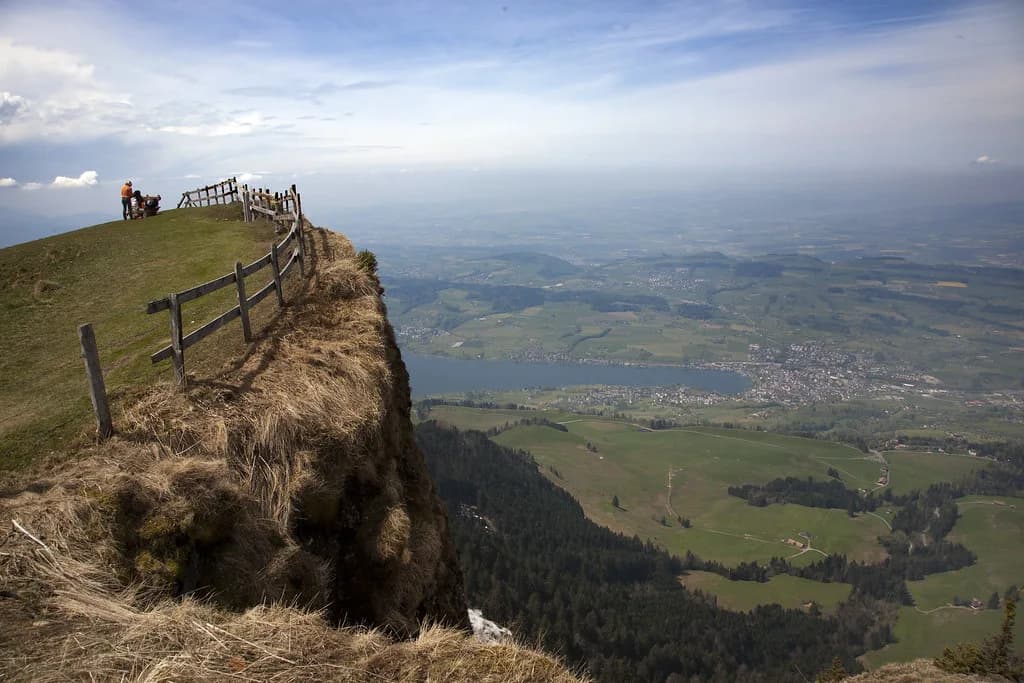
Lucerne sits in Central Switzerland at the outfall of Lake Lucerne, with mountain peaks rising behind the city. That geography splits the year into two calendars: the lowland city and the summits above it do not share the same weather. A mild, sunny day on the lakefront does not mean clear peaks, and a cool city morning can sit under cloud that lifts by noon on the water.
Build your itinerary around that gap. Keep one flexible day for a mountain excursion and place city sights, museum time and covered walks on the days you stay low. The climate figures below are typical seasonal averages rather than a forecast, so treat them as a planning baseline.
Spring (March to May): Warming Days and Rising Crowds
Spring is a gradual climb, with average daytime temperatures around 16°C and nights falling to roughly 2°C depending on the month, March being the coldest and May the warmest. Rain odds sit at roughly 20 to 30 percent during these months, so spare layers and a compact umbrella earn their place in your bag. Spring is also when the city's event calendar wakes up, which pulls in visitors earlier than the weather alone would suggest.
May is the busiest month of the year in tourism terms, so book accommodation early if you want that window. The trade-off is real: you get the greenest landscapes and the fullest event program, but you share the waterfront with more people. Fumetto – International Comix Festival falls in springtime, while the Zaubersee Festival and the Lucerne Regatta both take place in May.
For a first visit, late April is the sweet spot: the worst of the cold has passed, the crowds have not yet peaked, and the Old Town is pleasant to wander without a coat. If your priority is events over elbow room, aim for May and accept the trade-off.
Summer (June to August): Warmest Days, Longest Light, Most People
Summer averages around 20°C with lows near 13°C, and rain chances climb rather than fall, though sunny days are still common. The long daylight is the real gift: evenings stay usable, so you can split the day between the city and the water without rushing. It is also peak season, with tourists arriving in numbers through these months.
July brings the Athletics Meeting Lucerne and the Blue Balls Festival, while the Lucerne Festival in Summer runs across August and September. Summer is the season to plan outdoor days around the lake and to keep an indoor backup for the wettest afternoons.
Long, warm days make summer the easiest season for a first-time visit with children or a relaxed pace. The cost is company: expect the busiest waterfront and the tightest accommodation supply. Reserve the popular dates well ahead and treat rain as a normal part of the plan rather than a disruption.
Autumn (September to November): The Quiet Sweet Spot
Autumn averages around 14°C with lows near 7°C, dropping toward 2°C by November, and rain arrives on roughly six to eight days a month. By mid-October it turns quite cold and the crowds thin out, which makes early autumn the most comfortable compromise of the year. Foliage, softer light and shorter queues all favor a September or early-October trip.
The calendar stays busy: the SwissCity Marathon takes place every October, and November brings the Blues Festival and the Piano Festival, alongside a World Band Festival in the autumn months. If you want a lively city without summer density, this is your window. Pack warmer layers for the back half of the season.
Winter (December to February): Short Days, Low Demand
Winter averages about 4°C by day, frequently falling to zero or below at night, with rain or snow on six to nine days a month. Daylight shrinks to roughly eight or nine hours, and tourism is slow, so the city feels like itself rather than a visitor hub. The Lilu Lights Festival Lucerne-Lilu is held in January, giving the season a reason beyond the cold.
Winter works best for travelers who prize quiet streets and short lines over long outdoor days, not for anyone hoping to spend hours on the water. Compress outdoor time into the middle of the day and leave evenings for indoor plans.
Month-by-Month Cheat Sheet
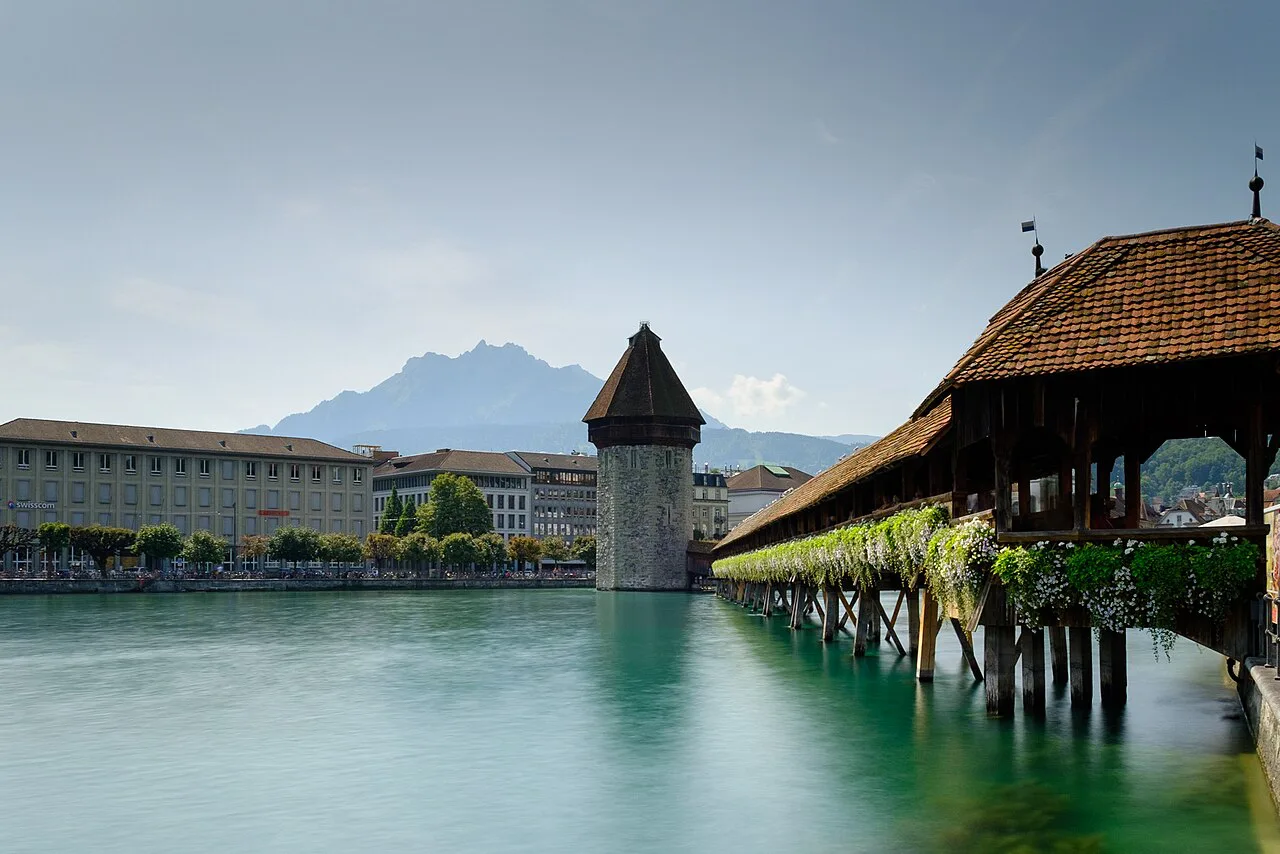
January: cold and quiet, with the Lilu lights festival as the highlight. February: similar temperatures, slowly lengthening days. March: still cold, with spring beginning to show. April: the first genuinely mild month and a strong choice for a calm city break. May: warm, green and the busiest spring month. June: long days and rising crowds, with summer events starting.
July: the warmest month, with the Athletics Meeting and Blue Balls Festival. August: warm and full, with the Lucerne Festival in Summer underway. September: warm days easing into quieter streets, still festival season. October: cooler and calmer, with the SwissCity Marathon. November: cold and quiet, with the Blues and Piano festivals. December: short days, with festive atmosphere and low demand.
Rain: Planning Around Wet Days
Wet-day counts vary less than most travelers expect: spring runs 20 to 30 percent odds, summer is wetter than its reputation suggests, autumn sees six to eight rainy days a month, and winter mixes rain and snow on six to nine days. There is no dry season to schedule around, so build flexibility into the plan.
The practical move is to hold one indoor day in reserve and swap it in when the forecast turns. Keep mountain excursions movable, since a wet city day often means a clouded summit. Two days of slack in a five-day trip covers most of what a Swiss week can throw at you.
Crowds and Cost: When Lucerne Is Busiest
May is the busiest month of the year, and summer draws steady crowds as visitors arrive expecting warm weather. Peak demand tightens accommodation and pushes prices up, so early booking matters more than any other single decision in high season.
Shoulder months ease the pressure: spring is a good time for Switzerland's grand cities including Lucerne, with more favorable prices and fewer tourists, and autumn brings thinning crowds from mid-October. Winter is slow, which usually means the softest rates of the year.
Set your dates by priority rather than by a single best month. If you want the cheapest bed and the emptiest streets, January and February are your months; if you want warmth and a full events calendar, accept July or August prices.
Best Time for the Classic Lucerne Sights
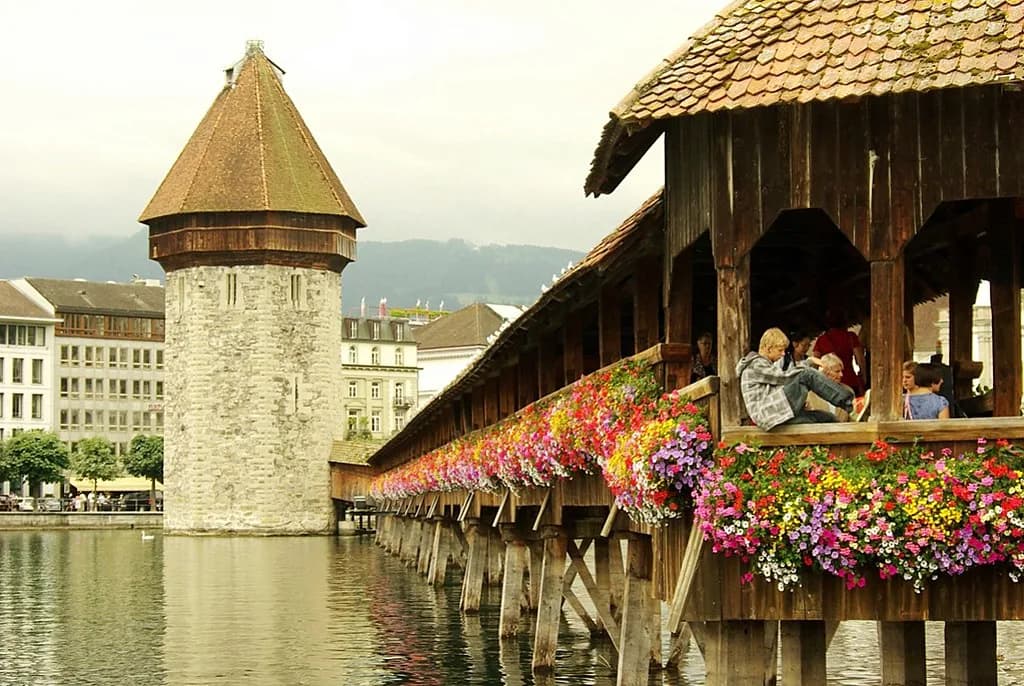
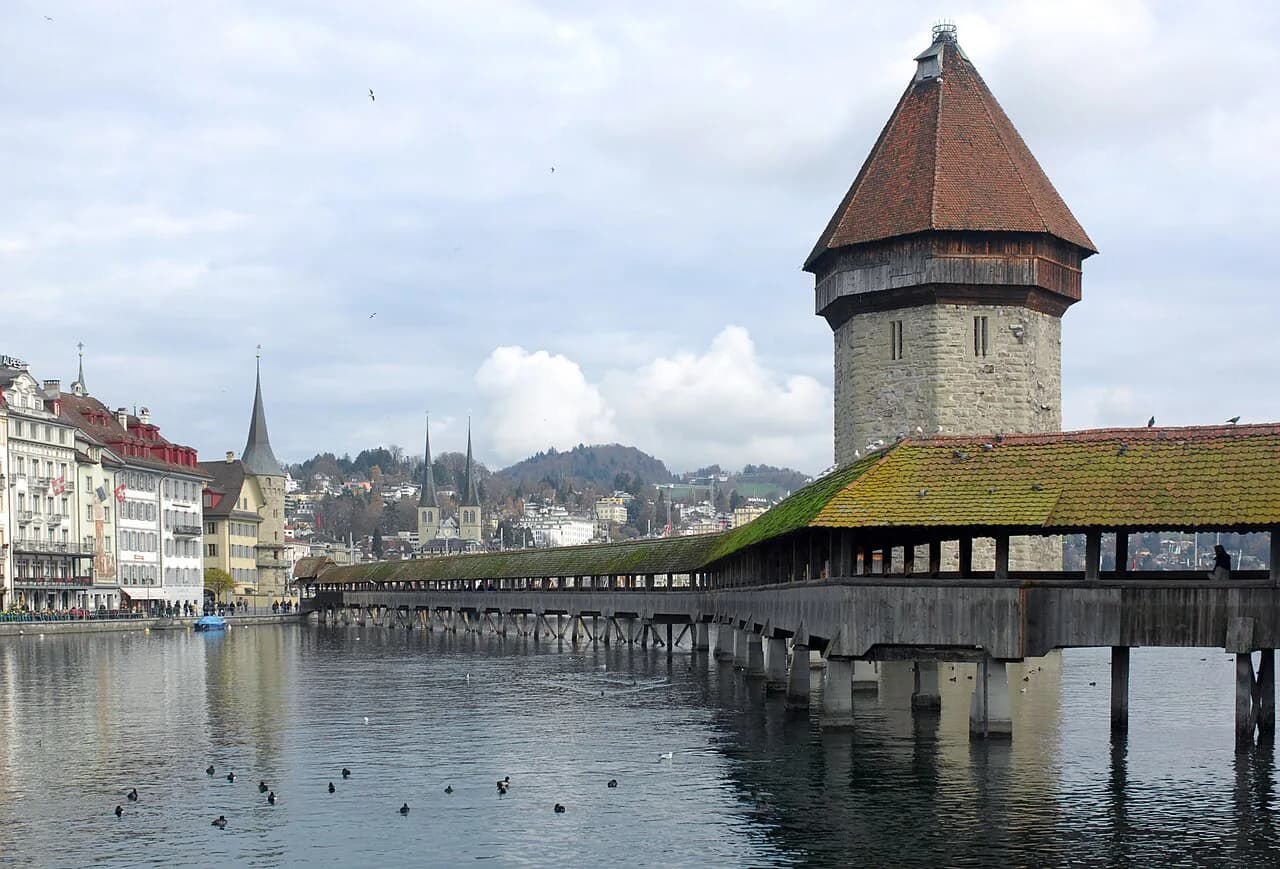
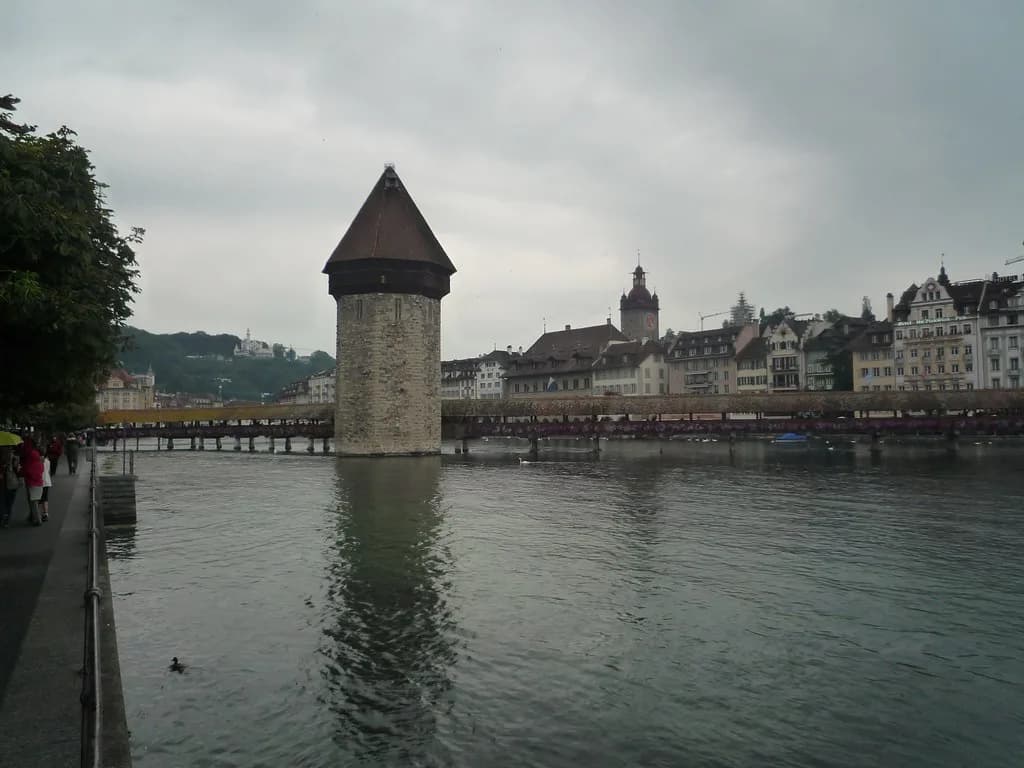
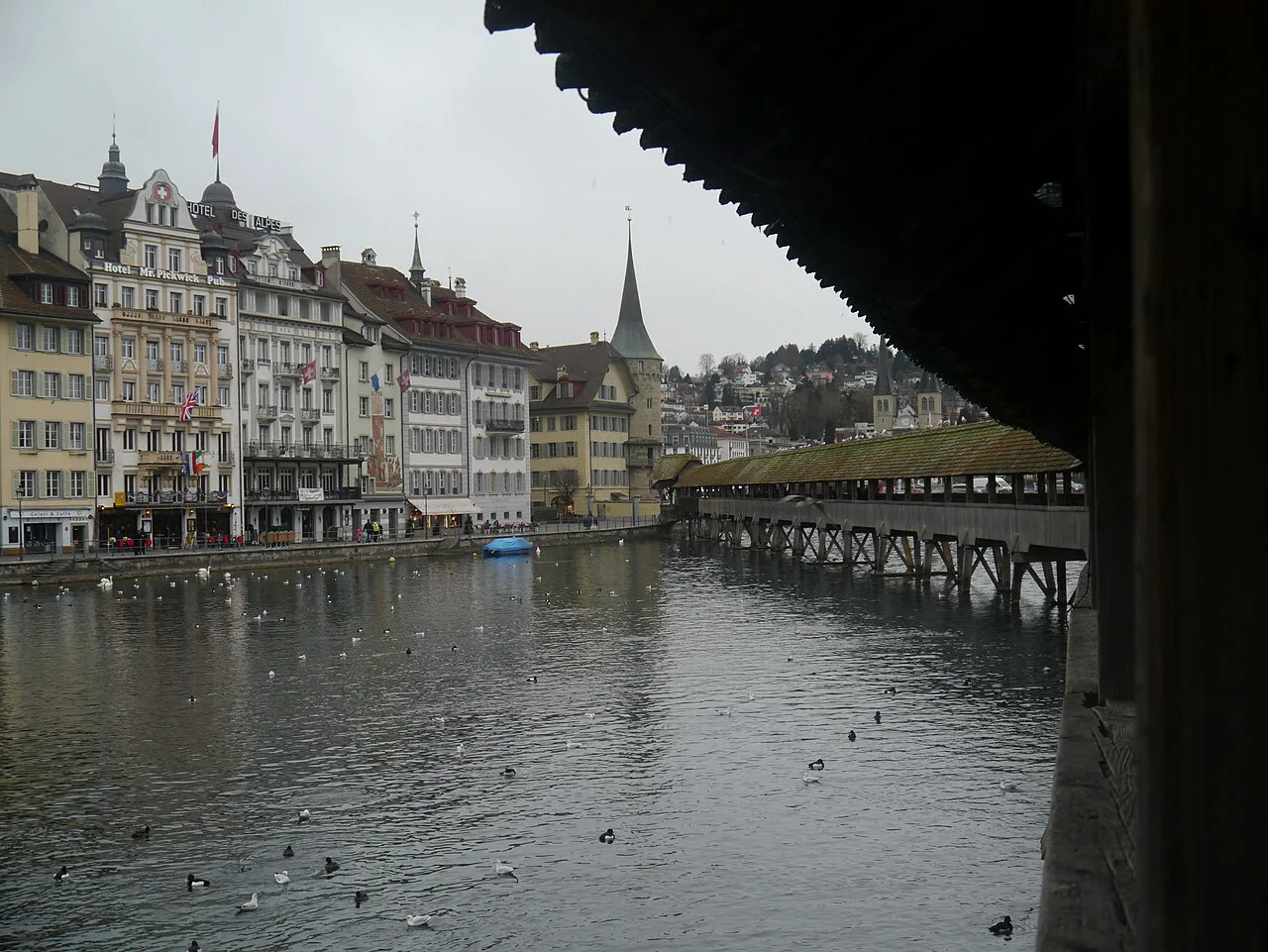
The compact center makes most of the classic stops walkable in a single day, and mild spring and autumn weather is the most comfortable setting for that circuit. Start with the waterfront, cross the Kapellbrücke, and climb to the old walls for the view back over the rooftops. The full set of named sights, with their own guides, is collected in Lucerne Attractions: 8 Visitor Guides.
Summer gives you the longest daylight for the same walk, but the bridges and squares are at their most crowded. Autumn is the better compromise: the light stays good through September and early October, and you can take your time.
Best Time for Outdoor Days by the Lake
Outdoor time on the lakefront belongs to April through October, when temperatures support long hours outside. Summer is the warmest stretch and the easiest for unhurried lakeside afternoons, with the longest evenings of the year.
Spring and autumn are better for travelers who prefer walking to lingering, with cooler air and far thinner paths. May and the summer months carry the heaviest rain risk, so a flexible schedule matters more than the exact date you pick.
Best Time for Budget Travelers
Winter is the cheapest season to be in Lucerne, with slow tourism and lower daylight hours that naturally shorten your spending day. November sits in a similar pocket: cold but quiet, with festivals to fill the evenings.
If you would rather have usable weather at a moderate cost, aim for late April or late September. Both sit outside the peak, and spring's more favorable prices in Swiss cities support the case.
A Short City Break in Each Season
In spring, split two days between the Old Town and the waterfront, and keep a third for whichever mountain excursion looks clearest. Summer rewards an early start on the bridges and squares before crowds build, with a long evening by the lake afterward.
Autumn suits a slower version of the same trip, with fewer people on the classic circuit and better odds of a calm photograph. Winter works best as a two-day visit built around short daylight walks and indoor time, with the lights festival as an evening anchor.
If your plans stretch to other Swiss cities, the same seasonal logic applies: the best time to visit Bern and the best time to visit Basel follow the same divide between warm, crowded months and cooler, quieter ones.
Verdict: Pick Your Month
April through October is the right window for most Lucerne trips, with late April and September standing out as the best all-round months. May and the summer months promise the fullest calendar and the warmest weather at the cost of crowds and higher prices. Winter is quiet and cheap, but short days limit what you can do outside.
Match the month to the trip you actually want: warm and lively, or mild and calm. Once dates are set, book accommodation early and keep one day movable for weather.
Explore more Lucerne guides
Frequently Asked Questions
What is the best month to visit Lucerne?
Late April and September give the best balance for most trips. April is the first genuinely mild month and sits ahead of the May peak, while September keeps warm days with thinner crowds than midsummer. If you want the fullest event calendar, May and the summer months deliver it, at the cost of company and higher demand for rooms.
Which months are wettest in Lucerne?
There is no dry season to schedule around. Spring carries roughly a 20 to 30 percent chance of rain, summer is wetter than its warm reputation suggests, autumn sees rain on about six to eight days a month, and winter mixes rain and snow on six to nine days. Build one movable indoor day into any trip.
Is Lucerne worth visiting in winter?
Yes, if you want quiet streets and short lines rather than long outdoor days. Daytime temperatures average around 4°C and daylight runs only about eight to nine hours, so plan outdoor time for the middle of the day. The Lilu Lights Festival Lucerne-Lilu is held in January and gives evenings a focus.
When is Lucerne least crowded?
Winter and November are the quietest stretches, with slow tourism and thinning crowds from mid-October. May is the busiest month of the year, and summer draws steady numbers. If you want usable weather without summer density, late April and late September are the picks.
How warm does Lucerne get in summer?
Summer averages around 20°C with lows near 13°C, and the long daylight is the bigger advantage. Rain chances rise in these months even though sunny days remain common, so plan outdoor time with a backup. Evenings stay usable, which lets you split the day between the city and the lake.
Should I visit Lucerne or Zürich?
Both work as city breaks, and the seasonal logic is similar: warm months bring the most life and the most people, while spring and autumn trade a little warmth for calmer streets. Choose by what you want from the days themselves, then set dates by the crowd and rain trade-offs rather than by city rivalry.
Sources
Notes for your Swiss city break
Optional updates to our Swiss city guides.
You might also like
Continue reading
More guides you'll find useful