
Swiss Museum of Transport in Lucerne: A Visitor's Guide
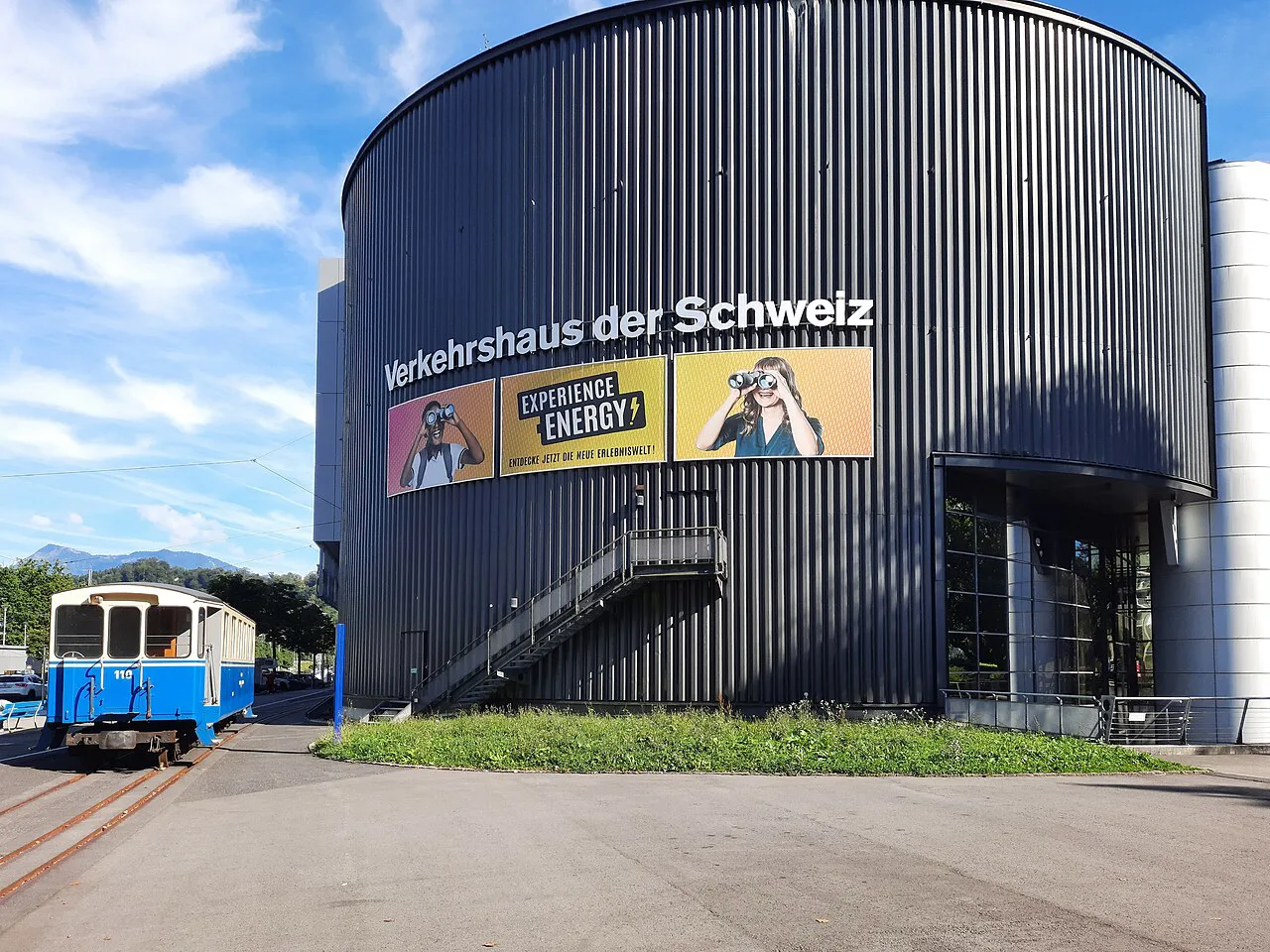
The Swiss Museum of Transport, or Verkehrshaus der Schweiz, is Lucerne's big family museum: more than 3,000 objects, simulators and interactive exhibits spread over roughly 20,000 m², covering road, rail, water, air and space travel. It sits on Haldenstrasse 44 on the eastern edge of the city, and it is the most-visited museum in Switzerland.
Plan for a half day at minimum, and a full day if you add the Swiss Chocolate Adventure, the Planetarium or a film in the cinema. Travelers with a single day in Lucerne often choose between this museum and the old town around the Chapel Bridge, so decide before you buy, and our lucerne itinerary shows how others slot the museum into a two- or three-day trip.
What the Swiss Museum of Transport is
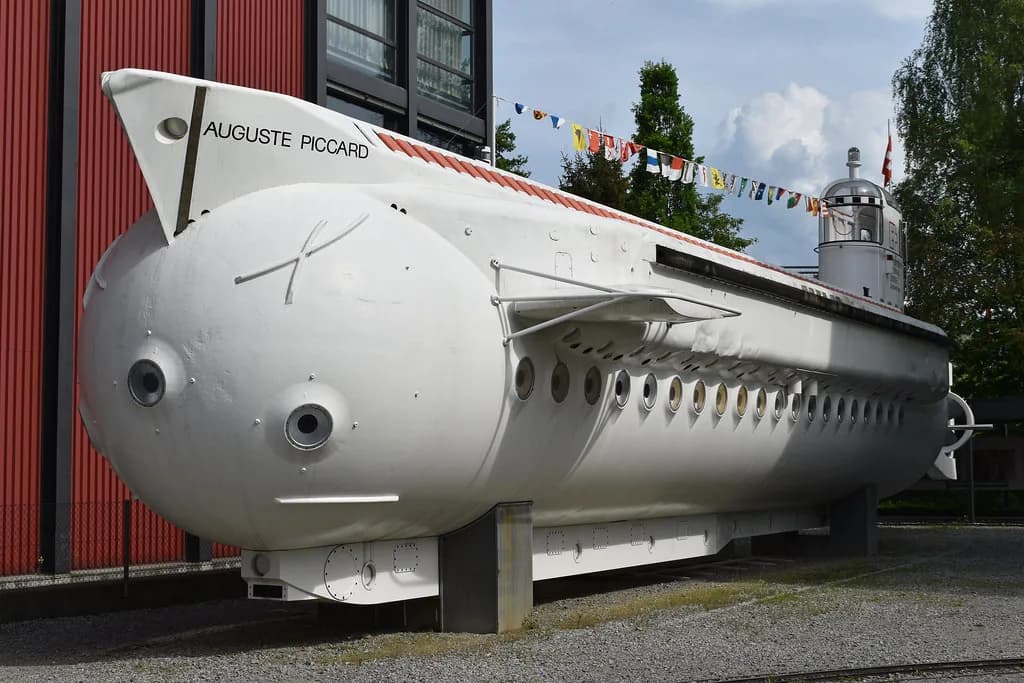
The museum opened in 1959 and now holds over 3,000 objects, simulators and multimedia shows across some 20,000 m². Many of the cars, boats, trains and aircraft can be boarded, which is why it works so well for families with children.
It is not a single hall but a campus: permanent collections sit alongside a film theatre, a planetarium, the Swiss Chocolate Adventure and the Hans Erni Museum. That layout is the main planning issue, because each add-on takes its own slot in your day.
Where it is and how to get there
The address is Haldenstrasse 44, 6006 Luzern, on the north bank of Lake Lucerne within the city, close enough to the center to reach on foot or by public transport. The museum is wheelchair accessible and easy to combine with a walk along the lakefront.
To reach it by car or public transport, use the museum's own directions page rather than guessing at bus or boat connections; it publishes the current access options. If you are coming from the old town, allow more time than a map suggests once you factor in the lakeside stretch.
Opening hours: summer versus winter
The museum and special exhibitions open daily from 10 am, and it operates 365 days a year. Closing time shifts with the season: 6 pm in summer and 5 pm in winter, so an afternoon arrival in winter leaves noticeably less time.
Check the exact dates of the summer and winter schedules on the museum's own site before you fix a late-afternoon plan, because a winter close at 5 pm rules out starting the collections after 3 pm. Aim to enter in the morning if you want the Planetarium or a film as well.
Tickets: museum entry and the Day Pass
Standard admission is CHF 62 for adults and CHF 29 for children, with further ticket information on the museum's website. You need a ticket to enter; this is not a free city museum.
The Day Pass starts from CHF 29 and bundles Planetarium daytime shows, Planetarium evening shows, museum entry, the Swiss Chocolate Adventure and the Hans Erni Museum. For a family or anyone wanting two or three of those, compare the pass against buying each separately before committing.
Swiss Chocolate Adventure: cost, timing and languages
The Swiss Chocolate Adventure is a 20-minute themed tour through the discovery, origin, production and transport of chocolate, experienced through sight, sound, smell and taste. Expect virtual protagonists, sensory stations and a small chocolate at the end rather than a working factory floor.
Separate tickets cost CHF 18 for adults, CHF 14 for students and trainees, CHF 10 for children and CHF 10 for toddlers. It runs all year, with the first ride daily at 11 am and the last ride 40 minutes before the museum closes, so 4:20 pm in winter and 5:20 pm in summer.
Shows are offered in German, French, Italian, English, Spanish, Korean, Chinese and Brazilian Portuguese, so most international visitors can follow it in their own language. The experience is aimed at families, with a recommended age of six and over, and children must be able to sit independently for safety reasons.

The collections: rail, road, aviation and space
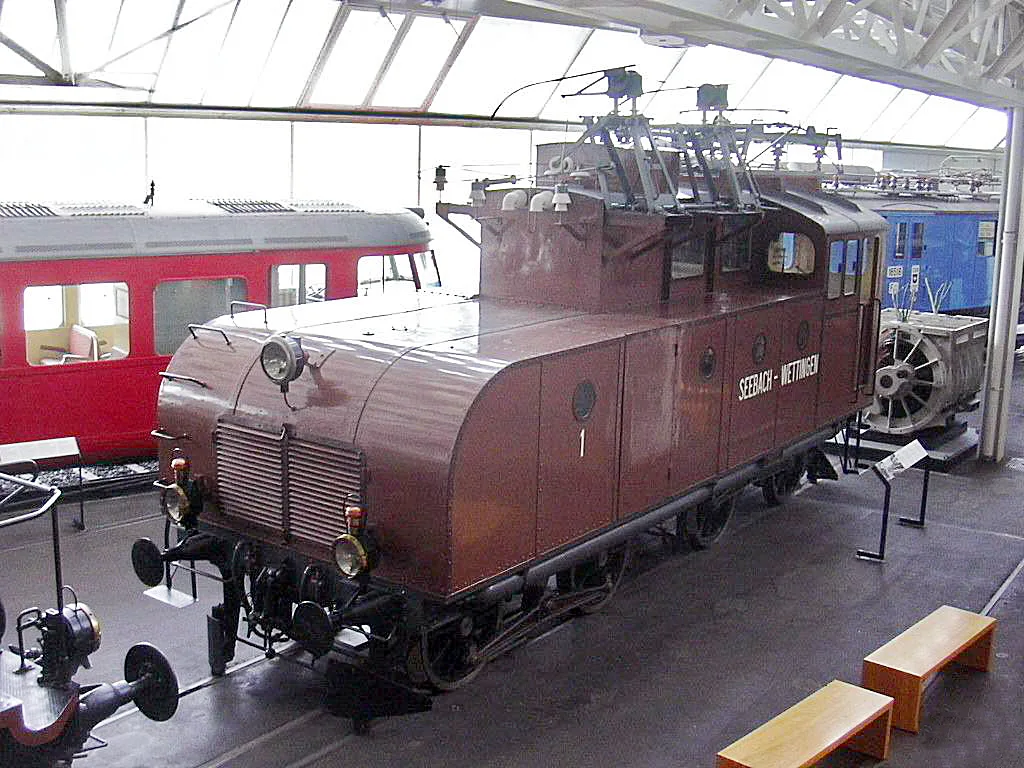
The permanent displays run through rail transport, road transport, aviation and space travel, navigation, cableways and tourism, and energy. Aviation and space is the section that draws the most attention, with aircraft and spacecraft hardware on show, while the rail hall covers the country's train history.
An outdoor area extends the exhibits beyond the buildings, and the garden railway is a separate draw for children. If your group splits between plane enthusiasts and younger children, the outdoor space and the play areas give you a natural meeting point.
Media World, Filmtheatre and Planetarium
Media World lets visitors step into a television production and try broadcasting for themselves, which adds a hands-on stop to the technical collections. The film theatre shows films on what the museum describes as Switzerland's largest cinema screen.
The Planetarium seats visitors under an 18-metre dome for virtual space walks and commentary on astronomy, and its shows are split into daytime and evening programmes. Both the cinema and the planetarium are separate experiences that can fill an extra hour or two, so pick one rather than trying to fit everything in.
Hans Erni Museum and the Lindt Boutique
The Hans Erni Museum is part of the same complex and is included in the Day Pass alongside museum entry and the Planetarium shows. It gives the site an art stop, useful if part of your group wants a break from engines and simulators.
A Lindt boutique and shop sit on site, so you can buy chocolate without booking the Chocolate Adventure. Both are on the museum's own visit pages if you want to check what is currently open.
How long to allow
Half a day covers the core collections at a brisk pace, but the site is large and spread out, so a full day is more realistic if you want the aviation hall, the rail hall and the outdoor area without rushing. Adding the Swiss Chocolate Adventure costs 20 minutes plus queueing, and the Planetarium or a film adds more.
Families with children aged six and up tend to need the longest, because the interactive exhibits and playgrounds slow the pace considerably. Travelers with only one day in Lucerne and a wish list that includes the old town, the Chapel Bridge and a lake boat should treat the museum as an alternative rather than an addition. If the season affects your plan for the old town and lake, our guide to the best time to visit lucerne covers what to expect month by month.

Family practicalities
The museum provides indoor and outdoor playgrounds, lockers, toilets, a diaper-changing room and wheelchair-accessible facilities including accessible toilets. Those details matter on a wet day, when the indoor play space absorbs energy between exhibits.
It is designed for individual visitors, groups, families and teenagers, and it is accessible by public transport within the city. Bring layers rather than planning around the weather, since much of the visit happens indoors.
Money-saving options
The Lucerne Museum Pass covers ten museums over two consecutive days for CHF 39, which undercuts a single adult ticket to the Transport Museum. If you are staying two days and want the Glacier Garden, the Bourbaki Panorama or the Kunstmuseum as well, the pass is the cheaper route.
Check what the pass covers before buying, since the Transport Museum's own add-ons such as the Swiss Chocolate Adventure and the Planetarium may need separate tickets. For a single museum visit, standard admission is simpler than a two-day pass you will not use.
Nearby: Bourbaki Panorama, Glacier Garden and Gameorama
The Bourbaki Panorama, the Glacier Garden and Gameorama are all within reach of the museum and easy to pair with it. The Glacier Garden and the Bourbaki Panorama are both on the Lucerne Museum Pass, which makes a two-attraction day practical.
If your trip continues beyond the city, mountain excursions such as Mount Pilatus and Mount Rigi fill the other days. Keep the museum and a mountain trip on separate days; both are full-day commitments.
Plan Your Visit
Buy a standard ticket if you want the collections only, and price the Day Pass if the Planetarium, Swiss Chocolate Adventure or Hans Erni Museum are on your list. Arrive in the morning, especially in winter when the doors close at 5 pm.
Build the rest of your Lucerne days around what the museum leaves out: the old town, the lakefront and a mountain. Our Lucerne guide maps the alternatives if you are still deciding, and our lucerne itinerary sets them into a realistic 2- to 3-day plan.
Explore more Lucerne guides
Frequently Asked Questions
How much does the Swiss Museum of Transport cost?
Standard admission is CHF 62 for adults and CHF 29 for children. A Day Pass that bundles the Planetarium shows, museum entry, the Swiss Chocolate Adventure and the Hans Erni Museum starts from a lower headline figure, so compare the two against what you actually plan to see on the museum's ticket page.
Do you need a ticket for the Transport Museum?
Yes. Entry to the collections requires a paid ticket, and the Swiss Chocolate Adventure, the Planetarium and the film theatre are priced or ticketed separately from standard admission. The Day Pass is the option that folds several of these into one purchase.
What is the Swiss Chocolate Adventure?
It is a 20-minute themed tour inside the museum covering how chocolate is discovered, produced and transported, using sensory stations and virtual guides, with a small chocolate at the end. It runs daily from 11 am, with the last ride 40 minutes before closing, and shows are offered in eight languages including English.
How long does it take to visit the Swiss Museum of Transport?
Half a day is the realistic minimum for the main collections, and a full day is better if you add the Chocolate Adventure, the Planetarium or a film. Families with children generally need the longest because of the interactive exhibits and playgrounds.
Is the Swiss Museum of Transport worth it?
It rewards anyone interested in trains, aircraft, space travel or hands-on engineering, and it is one of the best family stops in Lucerne. Travelers with a single day in the city who want the old town and the Chapel Bridge should treat it as an alternative, not an addition.
Are there family facilities at the Swiss Museum of Transport?
Yes. The site has indoor and outdoor playgrounds, lockers, a diaper-changing room and wheelchair-accessible facilities including accessible toilets. It is aimed at families, groups and teenagers as well as individual visitors.