Switzerland in July: Where to Go and How to Plan
July is Switzerland's warmest, busiest month. Here is the typical weather, what to do in the cities, and how to fill long summer days well.
On this page
July is Switzerland's warmest and busiest month, with long daylight hours that stretch a city break further than at any other time of year. Expect peak-season prices and full old towns, but also the widest choice of open museums, lakefront terraces and long evening walks. Plan around the heat and the crowds rather than against them, and July rewards you with days that run from early morning to late evening.
What July in Switzerland Is Actually Like
Summer in Switzerland runs from June to August, and temperatures vary with altitude, typically landing between roughly 64°F and 82°F (18°C to 28°C). Treat those as climate averages rather than a forecast: a city afternoon can feel considerably hotter than a lakeside village at higher elevation. The practical consequence is that your base matters, since a low-lying city and a mountain village can feel like different seasons on the same day.
What is the weather like in Switzerland in July? July falls in the June-to-August summer window, when temperatures typically range from about 64°F to 82°F (18°C to 28°C) depending on altitude. Lower cities feel hotter in the afternoon, while higher villages stay cooler.
Is July a good time to visit Switzerland? Yes, if you want the warmest weather and the longest days, and you accept peak-season crowds and higher demand. It suits city breaks because long evenings let you spread sightseeing across the day.
How many days do you need in Switzerland in July? Three days cover one city plus a lake outing. Five days add a second city and a mountain day.
Days are long in July, which is the single biggest planning advantage of the month. You can walk an old town in the morning, retreat indoors during the hottest afternoon hours, and still have daylight left for a lakefront promenade after dinner. If you are weighing months, the best time to visit switzerland depends heavily on whether you want maximum daylight or lighter crowds.
July is also the peak of the outdoor season, when Swiss lakes and mountain areas fill with walkers, cyclists and paddleboarders. That energy is part of the appeal, but it means popular viewpoints and boat docks are busiest at midday. Build your day so the famous sights happen early and the quieter corners fill the middle.
City Heat Versus Mountain Cool
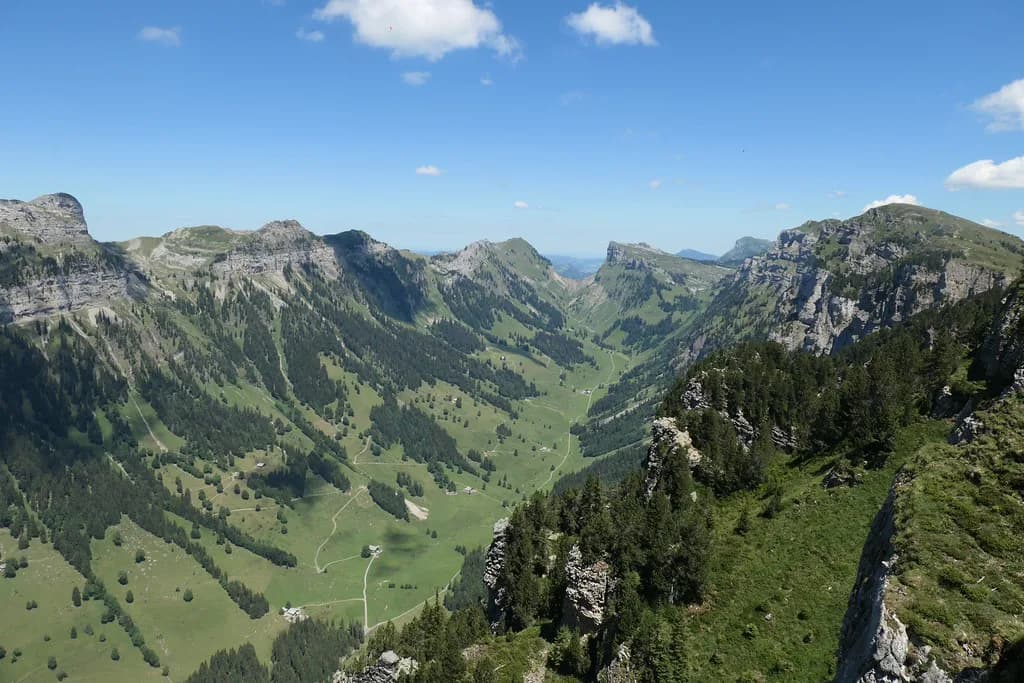
The temperature range above is wide because altitude drives it: the higher you go, the cooler the same July day feels. In practice, a city such as Zürich or Lucerne can be genuinely hot in the afternoon, while an alpine village at elevation stays comfortable. Pack layers rather than one heavy jacket, and plan city sightseeing for mornings and evenings.
Summer heat is regional rather than uniform, so a hot spell tends to affect most of the country at once rather than isolating a single cool city. That makes a flexible plan more useful than a fixed one: keep one indoor option per day and swap it in when the afternoon gets uncomfortable.
If heat is a dealbreaker, look at shoulder months instead. Switzerland in june is cooler and slightly less crowded, and Switzerland in may is cooler again, though both come with more changeable weather. July trades that uncertainty for warmth and reliable daylight.
April sits at the other end of the spectrum, with snow still melting off the lowlands and trails only just opening up. The trade-off is real: an april trip means fewer crowds and softer light, but you give up the long evenings that make July so easy to fill.
Why July Suits City Breaks
A city break in July works because Swiss cities are compact and walkable, and the long days let you cover an old town, a museum and a waterfront in one unhurried loop. Zürich, Lucerne and Geneva are all named as strong city choices in spring, and the same compact geography serves July well — you simply start earlier and rest in the middle.
Museums are the natural midday refuge, and July is when you will be glad of them. Check each museum's own website for the days it opens before you build a schedule around it, since opening days vary by institution. A morning of walking plus an afternoon indoors is the pattern that makes a hot July city day work.
Zürich in July
Zürich pairs a walkable old town with a lakefront that comes into its own in warm weather, and the lake is one of the stretches of water that Swiss summer life revolves around. Start in the old town lanes on the east bank, cross to the lakefront promenade, and let the afternoon heat push you toward a shaded café or a museum. For a closer look at dates, crowds and what to plan, see our Zürich city guide.
Two full days cover Zürich comfortably: one for the old town and lakefront, one for museums and a slower wander. A third day is worth it if you want to use the city as a base for a lake steamer or a nearby town. Keep the itinerary loose in the middle of the day rather than stacking three sights back to back.
If you are comparing Swiss cities for a July trip, Basel is a strong alternative with its own old town and riverside character, covered in the guide to basel in july. It suits travelers who want a smaller, flatter city where the river replaces the lake as the center of summer life.
Lucerne in July
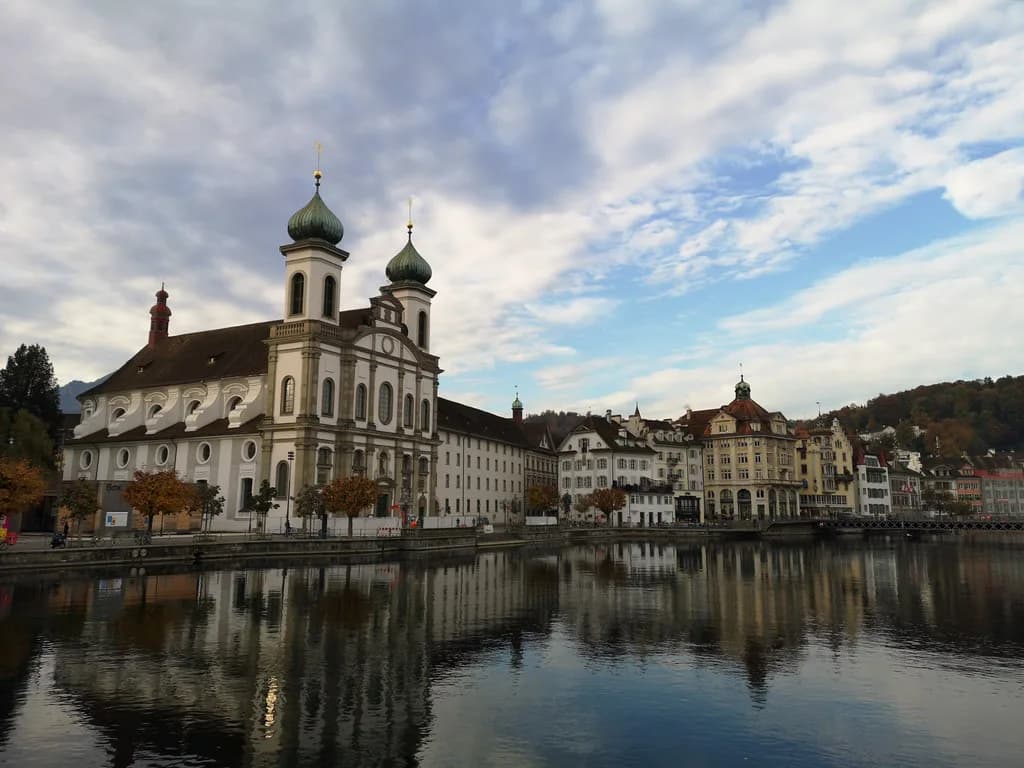
Lucerne's Kapellbrücke and its old town sit right on Lake Lucerne, which makes the city unusually easy to explore on foot in warm weather. Walk the bridge early, before the tour groups thicken, then follow the waterfront and the old town walls at a slower pace. The lake itself is the reason to linger rather than rush through.
Lucerne needs about a day and a half for the core sights, or two days if you add a boat trip on the lake. July's long evenings mean you can save the waterfront for after dinner, when the light softens and the crowds thin out. That sequencing matters more here than in Zürich, because the station-side waterfront gets busy fast.
Travelers arriving in early summer often pair Lucerne with a wider loop; switzerland in june covers the same ground with cooler temperatures and thinner crowds. If your dates are fixed in July, keep the same route but shift walking to the morning and evening.
Bern in July
Bern's old town is a UNESCO-listed loop of arcaded streets, and those arcades are a genuine advantage in July because they shade the sidewalks while you walk. The Zytglogge clock tower anchors the main street, and the whole center is short enough to cover on foot in an afternoon. Arcades plus fountains make Bern one of the most comfortable Swiss cities in hot weather.
Give Bern a full day: the old town loop, the Zytglogge, and time on the terraces above the river. It works well as a stop between Zürich and Lake Geneva rather than as a base for a whole week. Because the center is small, it is also the easiest of the three cities to see without a fixed schedule.
Small Towns and Lakeside Stops
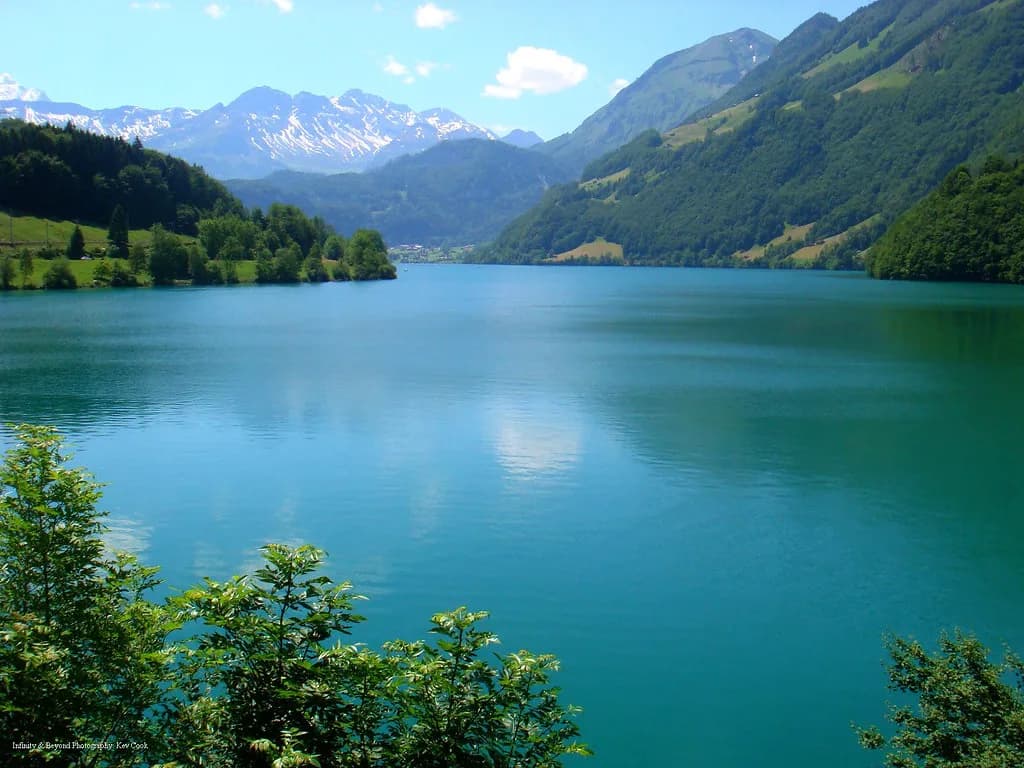
Lakeside towns are where July pays off most, since the water moderates the heat and the promenades stay pleasant into the evening. Montreux and the Lavaux vineyards, with terraced vines running down to Lake Geneva, are a natural pairing. The Lavaux region is a UNESCO World Heritage site, which makes it worth more than a quick photo stop.
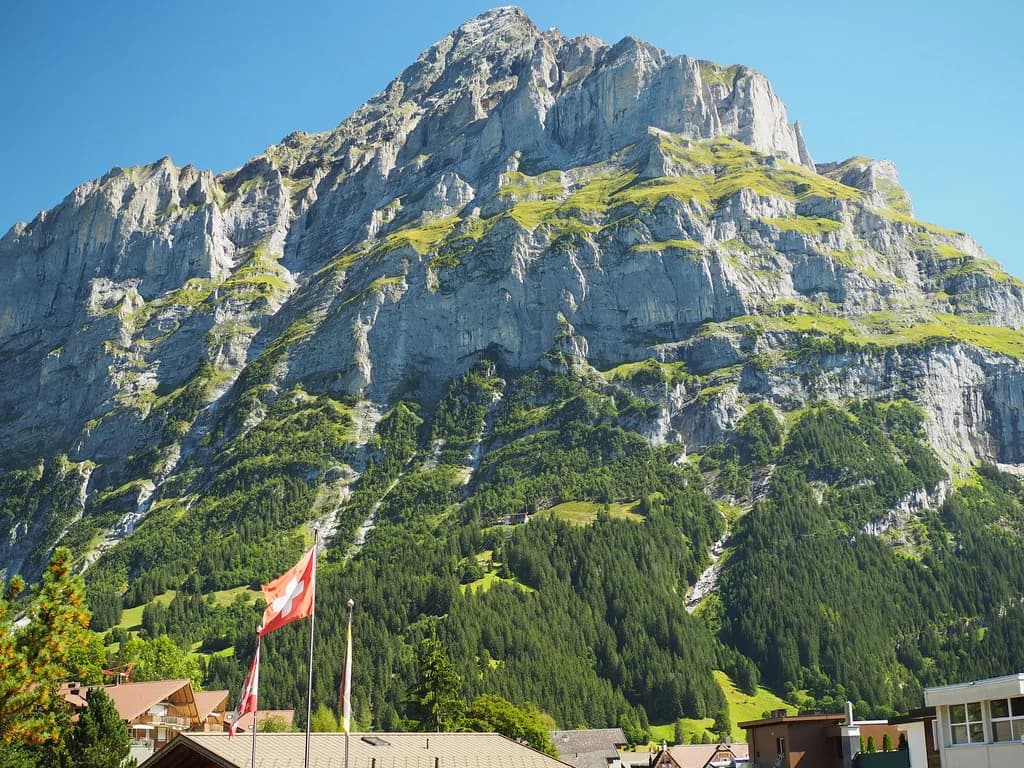
For a mountain base rather than a lakeside one, grindelwald in july puts you in the bernese oberland with access to high viewpoints and cooler air. It suits travelers who want a village base with city-day options rather than a full alpine itinerary. Keep a mountain day flexible, since afternoon cloud can build quickly at elevation.
Pair a Lucerne stay with a short lake crossing, or a Zürich stay with a lakeside town on the same water. One day trip is enough for a July city break; stacking two or three turns the trip into a transport exercise. Choose the lake closest to your base and spend the saved hours on the waterfront instead.
July Events Worth Planning Around
Two fixed points anchor a July trip. The Montreux Jazz Festival takes place in July, and Swiss National Day falls on August 1, just past the end of a July visit. If either matters to you, set your dates first and build the rest of the itinerary around them.
Autumn brings its own calendar, including the Grape Harvest Festival in Neuchâtel, so travelers weighing July against September should factor in which kind of event they prefer. July gives you music and long days; autumn gives you harvest traditions and thinner crowds.
Festival programs and national-day arrangements change year to year, so confirm the current schedule on the organizer's own site before booking around a specific date. Treat any event as a fixed anchor, not as the reason to choose the month.
Costs, Crowds and Money-Saving Options
July is peak season, and both accommodation and demand run higher than in spring or autumn. Swiss cities are described as more favorably priced in spring, with fewer tourists, which is the trade-off you accept by traveling in July. If your dates are flexible, early July tends to be slightly calmer than the second half of the month.
Rail passes are the main lever for controlling cost, since a Swiss Travel Pass or Half Fare Card can cut the price of the many train and boat legs a Swiss trip involves. Whether a pass pays off depends on how much you move, so add up your planned journeys before buying. Check current pass prices and included routes on the official Swiss rail site rather than relying on older figures.
Budget for the extras that July encourages: lake boats, a cable car up to a viewpoint, and café stops to escape the afternoon heat. These small purchases add up faster than the headline transport costs. Pick one paid mountain or lake experience per trip and treat the rest as walking days.
Crowds and What to Skip
The trade-off with July is straightforward: you get the best weather and the longest days, but you share them with everyone else. Popular old towns, boat docks and viewpoints are busiest from late morning to mid-afternoon. Shift your walking to early morning and evening, and use the middle of the day for museums or a long lunch. If your route leans toward the lake region, the same crowding logic and day-planning advice apply to Lugano in July: Weather, Crowds and How to Plan Your Days.
What to skip in July is less about places than about sequencing. Skip the plan that puts three headline sights back to back on the same hot afternoon, and skip the assumption that you can decide on the day. Book the fixed elements — a festival ticket, a specific train, a museum slot where required — and leave everything else flexible.
Sample Three-Day and Five-Day July Plans
A three-day July trip fits one city plus one lake. Day one: arrive, walk the old town in the late afternoon, and eat by the water. Day two: museums and indoor sights in the hot hours, waterfront in the evening. Day three: a lake boat or a short rail hop to a smaller town before you leave.
A five-day trip adds a second city and one mountain day. Days one and two in Zürich, day three in Lucerne with the Kapellbrücke early, day four in Bern's arcades, day five on the water or at a higher, cooler viewpoint. The pattern is one city per day with a slow middle, not three sights per day.
Both plans assume you are based in cities and move by train, which is how the Swiss network is built. One seven-to-ten-day trip is often recommended for covering Zürich, Lucerne, Geneva and an alpine area, so a five-day version should stay deliberately narrower.
If you are building a longer trip and want to compare months, an april or may version of the same route shows how much the season changes the pace. July simply gives you the most hours to spend, at the highest price and with the most company.
Plan Your July Trip
July gives you Switzerland at its warmest and most active, with long days that forgive a slow start and an early evening. Choose one or two city bases, keep the hot hours for museums and shade, and book the fixed pieces before you go. Build in one paid mountain or lake experience and let the rest of the trip be walking.
If you want fewer crowds and lower demand, compare the shoulder months before committing. Otherwise, plan around the heat rather than against it, and July delivers the most usable daylight of any Swiss month.
Frequently Asked Questions
What is the weather like in Switzerland in July?
July falls in the June-to-August summer window, when temperatures typically range from about 64°F to 82°F (18°C to 28°C) depending on altitude. Lower cities feel hotter in the afternoon, while higher villages stay cooler. Treat these as typical climate averages rather than a forecast for your dates.
Is July a good time to visit Switzerland?
Yes, if you want the warmest weather and the longest days, and you accept peak-season crowds and higher demand. It suits city breaks because long evenings let you spread sightseeing across the day. If lighter crowds matter more, spring and autumn are the better trade.
How many days do you need in Switzerland in July?
Three days cover one city plus a lake outing. Five days add a second city and a mountain day. Longer trips of seven to ten days are the usual recommendation for covering Zürich, Lucerne, Geneva and an alpine area, so keep a short July trip deliberately narrow.
What should I do in Zürich or Lucerne in July?
In Zürich, walk the old town early, use the afternoon for a museum and return to the lakefront in the evening. In Lucerne, see the Kapellbrücke first thing, then follow the waterfront and old town at a slower pace. In both cities, shift walking away from the hottest midday hours.
Is July expensive in Switzerland?
July is peak season, so demand and accommodation costs run higher than in spring, when Swiss cities are described as more favorably priced with fewer tourists. Rail passes such as the Swiss Travel Pass or Half Fare Card are the main lever for controlling transport costs. Check current pass prices on the official rail site.
Are there events in Switzerland in July?
The Montreux Jazz Festival takes place in July. Swiss National Day falls on August 1, just after a July trip ends. Check current programs and arrangements on the organizers' own sites, since schedules change year to year.
Sources
Notes for your Swiss city break
Optional updates to our Swiss city guides.
You might also like
Continue reading
More guides you'll find useful