Lugano Old Town Guide: What to See on a Historic Center Walk
Walk Lugano's old town past Piazza della Riforma, the lakeside streets and Santa Maria degli Angeli's frescoes. What to see, in what order and where it starts.
On this page
Lugano's old town is a compact grid of Italianate lanes and small squares pressed between Lake Lugano and the wooded hills above the city, and you can walk its core in about two hours without paying an entry fee. It sits in Ticino, the Italian-speaking canton of Switzerland, so the street signs, café menus and church inscriptions around you will be in Italian even though you are firmly north of the border. The walking order below starts at the main square and ends at the water, which keeps the uphill stretches short and leaves the lakefront for the moment you are ready to sit down.
Where the Old Town Sits Between the Lake and the Hills
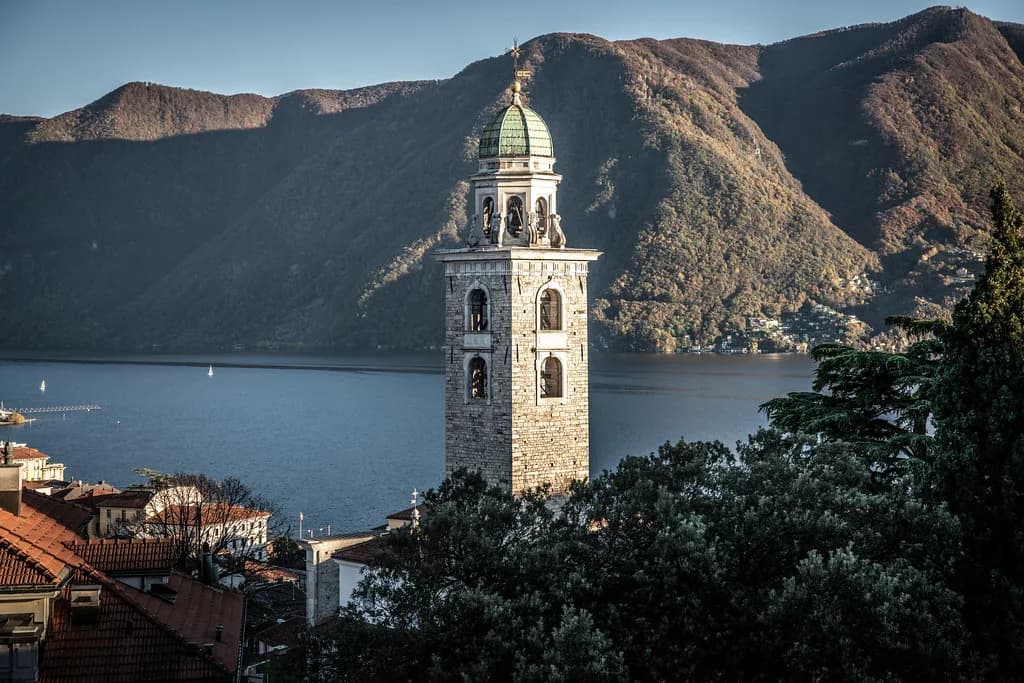
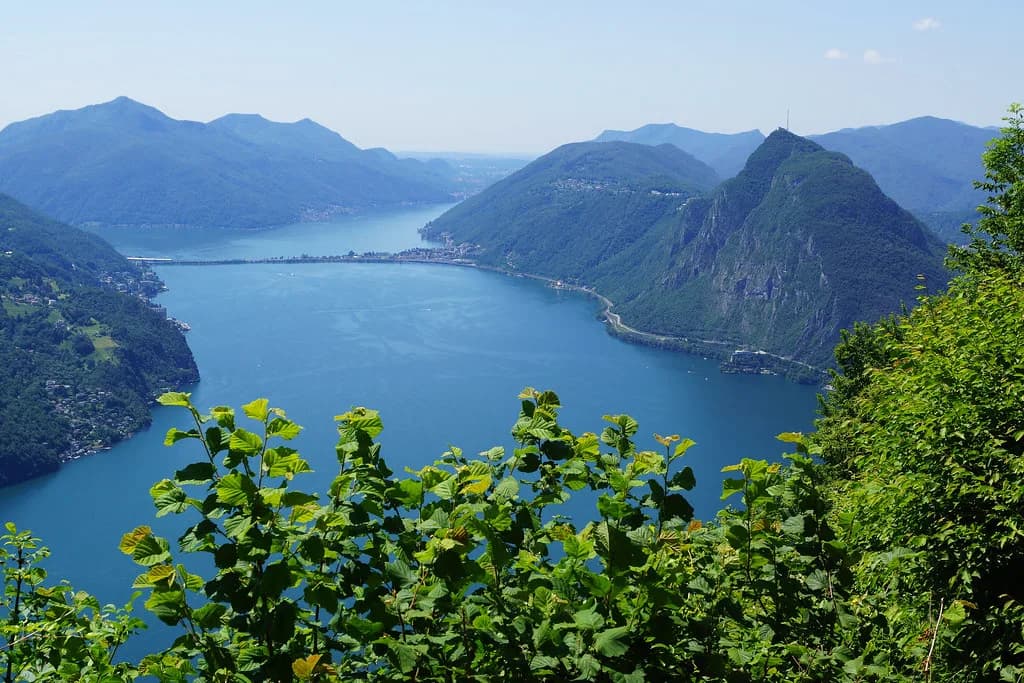
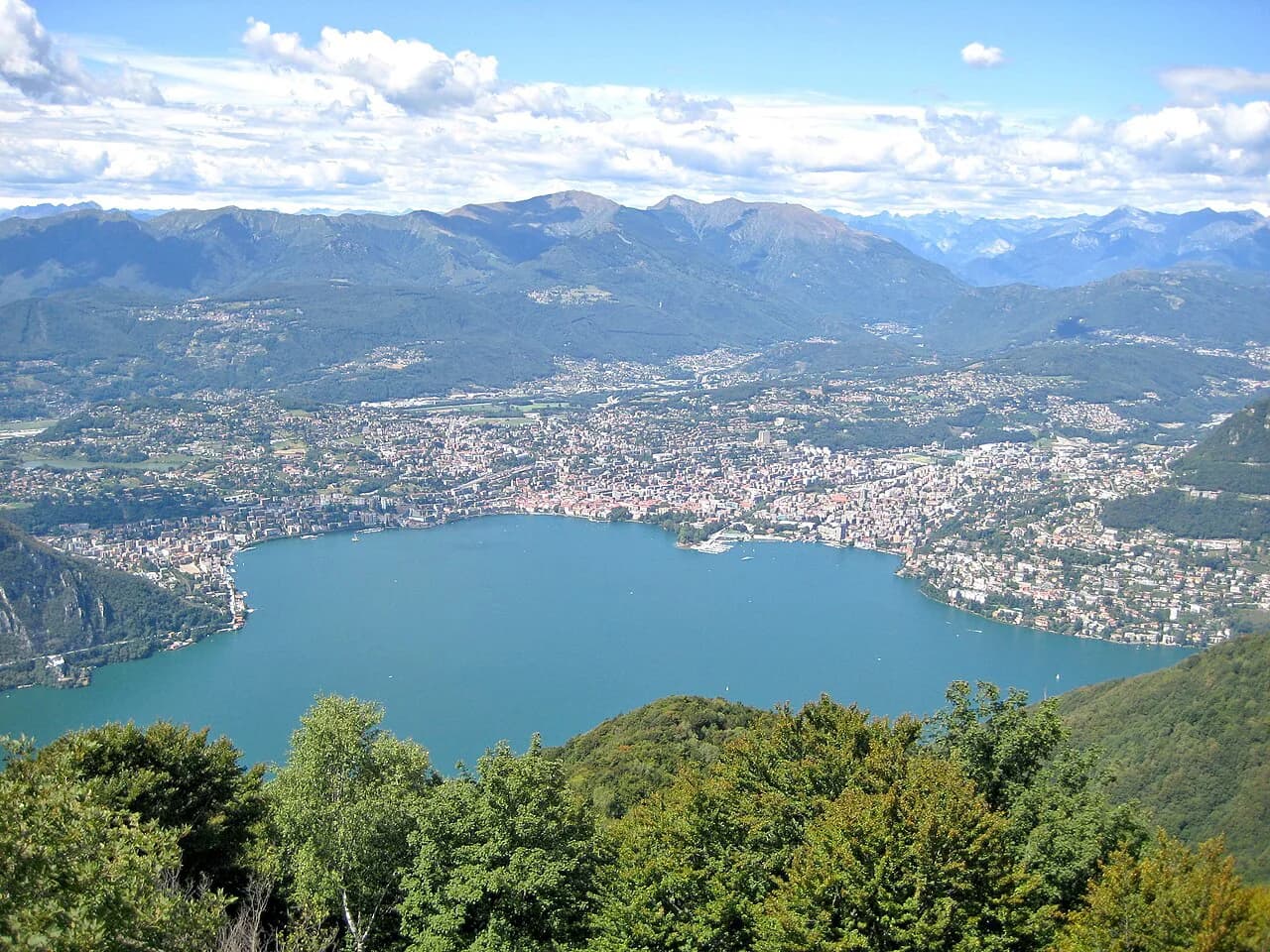
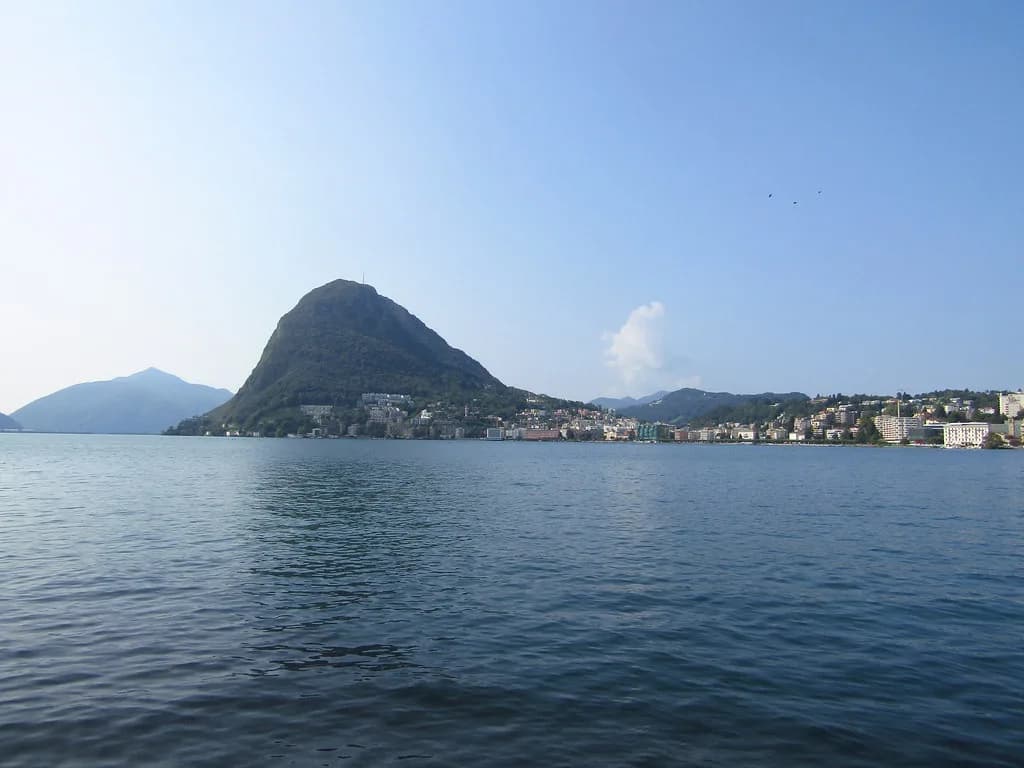
The historic center occupies the flat shelf just back from the Ceresio, the arm of Lake Lugano the city faces, with the slopes of Monte Brè and Monte San Salvatore rising on either side of the bay. That geography explains the shape of a visit: the squares and shopping lanes are level and easy, while anything heading away from the water gains height quickly. Treat the lake as your baseline and you will always know which way is downhill.
This is a city center rather than a walled museum piece, so the old town is where people shop, bank and meet. The reward for wandering without a fixed plan is the detail at street level: arcades, stone portals and the occasional courtyard opening off a lane. The Swiss side of the story is worth holding in mind as well, because Lugano shares a lake and a dialect landscape with northern Italy but its institutions, currency and transport are Swiss.
Start at Piazza della Riforma
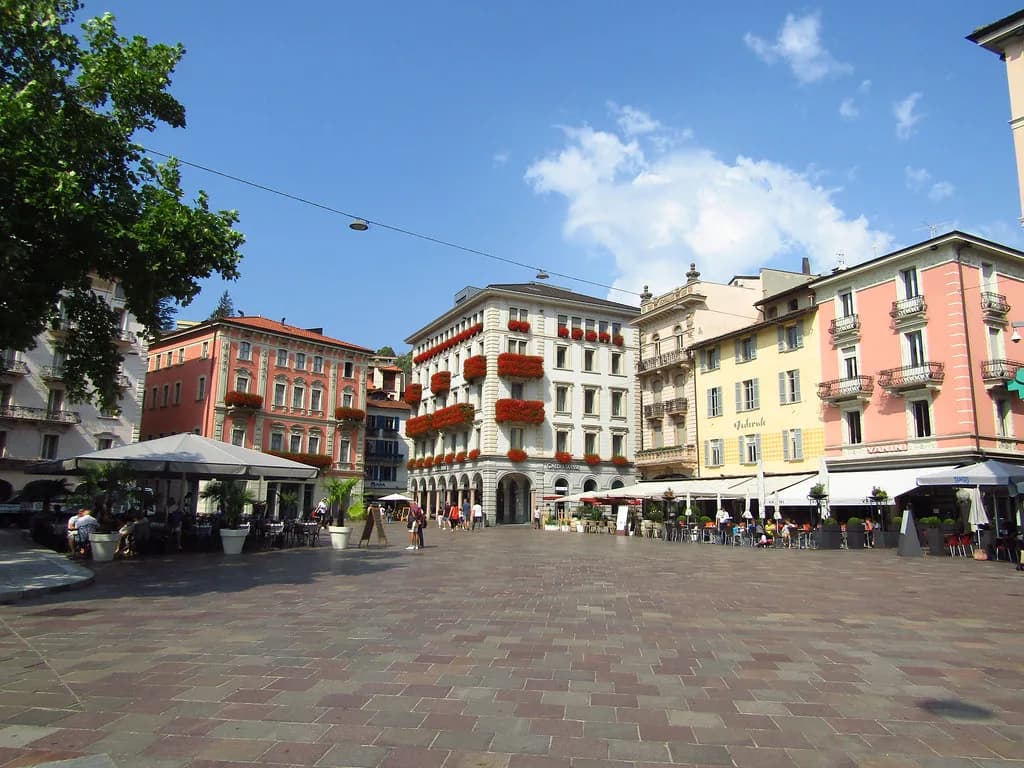
Piazza della Riforma is the natural starting point: the open, café-lined square at the heart of the center, ringed by historic buildings and used for markets and public events. Arrive here first, get your bearings over a coffee and use the square as the hinge for the rest of the walk. It is also the best single orientation point for the wider trip if you are still deciding how to fill your days.
From the square, walk a loop through the surrounding lanes rather than striking out in one direction, because the old town is small enough that a loop brings you back without retracing much. Keep the lake to one side as a rough compass and allow yourself to drift into side streets when something catches your eye. This is the part of the walk that costs nothing and takes the least planning.
The Lanes Around the Square: Deli Shops, Craft Stores and Boutiques
The streets immediately around the piazza carry the city's densest concentration of small retail: local deli shops, independent craft and design stores, and international luxury boutiques sitting side by side. Lugano Region describes the old town as the place to stroll between exactly that mix, which makes the lanes a destination in themselves rather than just a route between monuments. Window-shopping here needs no ticket and no booking.
If retail is a priority rather than a pleasant backdrop, plan the old town lanes and the main shopping street as one outing and leave the museums for another part of the day. Otherwise, treat the shops as punctuation: walk the lanes, look at the food counters and the craft displays, and keep moving toward the churches and the water.
Churches and Frescoes: Santa Maria degli Angeli and Luini's Cycle
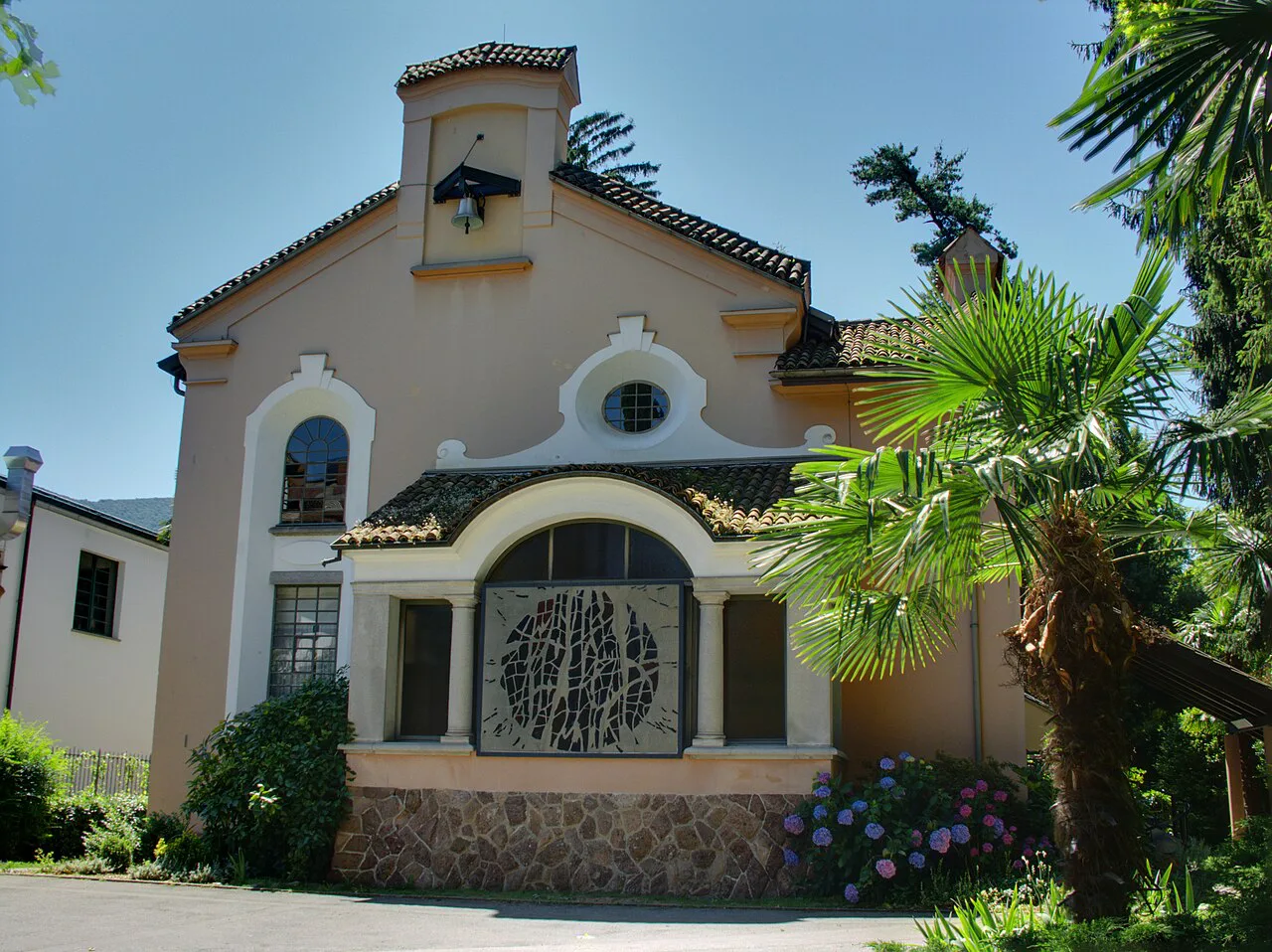
The standout interior in the old town is Santa Maria degli Angeli, whose walls carry a monumental fresco cycle by Bernardino Luini. Lugano Region singles out these frescoes as the reason to step inside, noting that the church holds one of Mario Botta's most famous sacred works in the region, and knowing that before you open the door changes what you look at: the whole room is the artwork, not a single framed panel. Set aside a proper pause here rather than a glance from the doorway.
Pair the church with the city's museums if you want an art-focused half day, since MASI, MUSEC and LAC Lugano all sit within the same cultural landscape and reward a slower pace. The frescoes are the free-standing highlight of a walk, while the museums are the part of the day you plan around. Our guide to the museums in Lugano sets out what each collection covers so you can choose rather than queue-hop.
Architecture on Foot: Italianate Streets and Lombard Detail
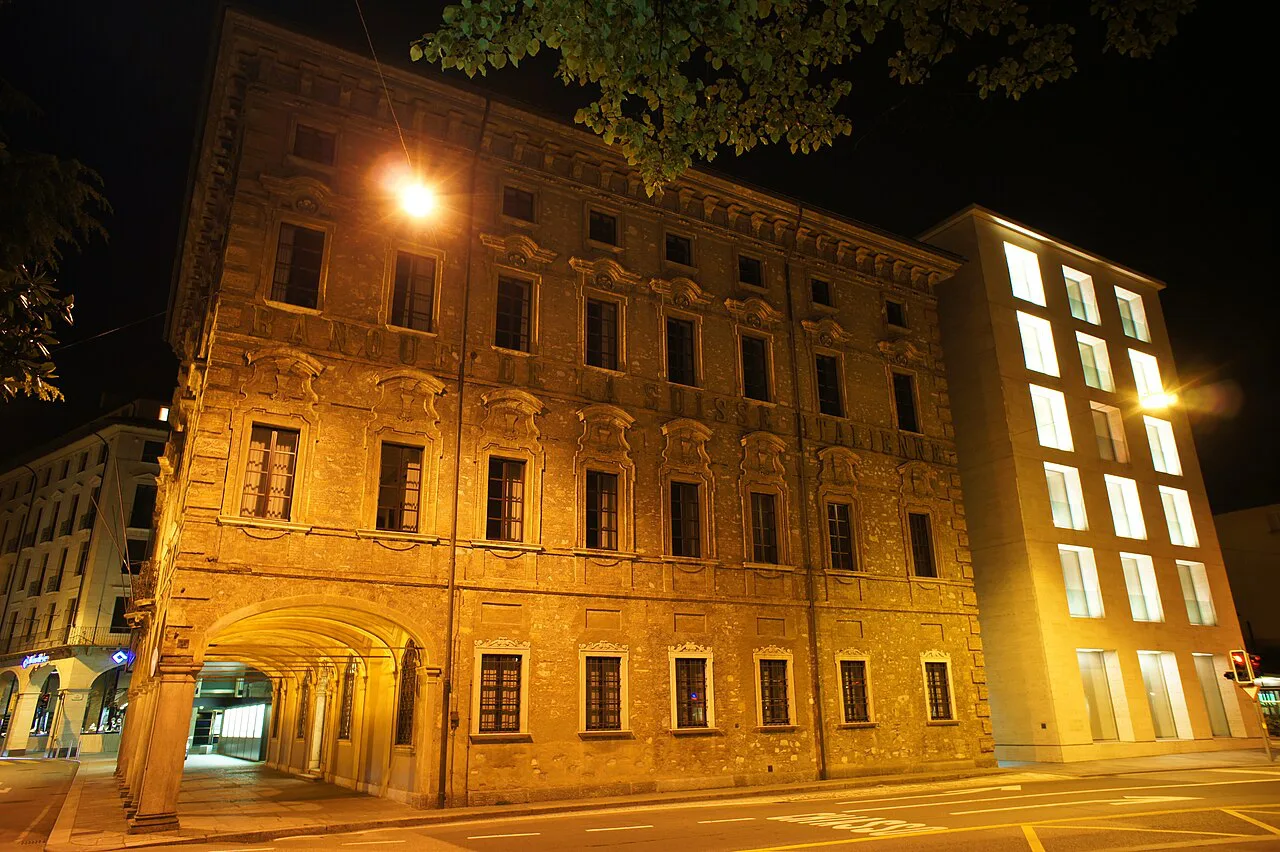
Walking the center is itself the architecture tour: arcaded ground floors, shuttered upper stories and stone details in a Lombard idiom that reads as northern Italian even though the city is Swiss. Look up above the shop signs, where the older building fabric survives above the modern retail frontage. This is the part of the old town that rewards no planning at all, only a slower pace and a habit of raising your eyes.
If architectural comparison appeals, Switzerland offers a sharp contrast: the medieval sandstone arcades of Bern's Old City and Basel's Rhine-side old town are both walkable in the same spirit but in a completely different register. Reading Lugano against them makes the Italianate character of Ticino clearer than any single building does.
The Lake Edge and the Waterfront Stroll
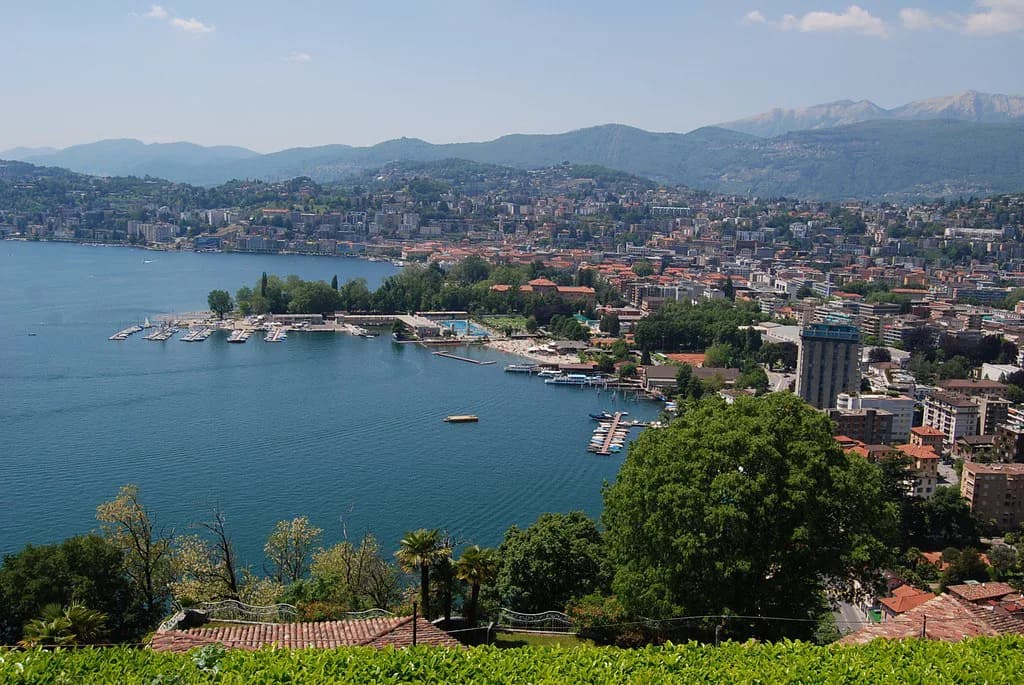
Finish at the water, where the lakefront promenade opens up the view across the Ceresio toward Monte San Salvatore and the opposite shore. This is the natural end of a walking loop: level ground, benches, boat moorings and the option of continuing along the shore or taking a lake boat later. The waterfront also gives you the best free view of the city's setting without climbing anything.
Walk the shore in whichever direction suits the light and your remaining energy, then decide whether to add a viewpoint above the city or a boat trip. If you want the whole city rather than just the center, our roundup of things to do in Lugano covers the sights beyond the historic core in one place.
A Suggested Half-Day Route, in Walking Order
Begin at Piazza della Riforma, loop through the surrounding retail lanes, step into Santa Maria degli Angeli for the Luini frescoes, continue through the older streets toward the water and end on the lakefront promenade. That order keeps the uphill work scattered rather than stacked and puts the seated part of the day last. Allow roughly two hours for the walk itself and more if you add a museum or a long lunch.
If you have a full day, the old town pairs naturally with one museum in the morning and a viewpoint or lake boat in the afternoon, since the center alone does not fill a day for most visitors. Adding MASI or LAC Lugano is the simplest way to extend a half day without leaving the city. Beyond the center, Monte Brè, Monte San Salvatore, Morcote, Gandria and Montagnola are the obvious extensions if you have a second day.
How Long the Old Town Needs
Two hours covers the squares, the lanes, the principal church and the waterfront at a steady pace without rushing. Half a day lets you add a museum, a proper coffee stop and a slower look at the architecture, and is the realistic minimum if art is the reason you came. A full day in the old town alone is more than most travelers need; spend the surplus on the mountains, the lake or a nearby village instead.
When to Go: Season and Time of Day for Quieter Lanes
The old town is busiest in the middle of the day and in high summer, when the squares fill and the shaded arcades become the most comfortable place to walk. Early morning and late afternoon give you emptier lanes and better light on the facades, and the compact size of the center means a short window is genuinely enough. Spring and autumn bring fewer crowds to the same streets, and the seasonal shift shows in the region's markets and events rather than in any change to the walk itself.
Rain changes the experience more than temperature does: the arcades and shopfronts are pleasant in wet weather, but the lakefront loses its appeal. Check the day's Swiss weather before you commit to the waterfront finish, and if it turns, swap the promenade for a museum.
What It Costs: Free Streets, Paid Interiors
The walk itself is free: the squares, lanes and waterfront are public space, and Piazza della Riforma, the shop-lined streets and the lake edge cost nothing to wander. Many consider the colorful square one of the city's signature sights, and it is open to anyone passing through. Budget nothing for the route and everything for what you choose to enter.
Tickets apply at the museums, and Lugano Region sells a Culture Pass that bundles access to the region's cultural sites, which is worth pricing against the number of museums you actually plan to visit. Ticket prices and pass conditions change by season and by exhibition, so compare the pass with single admissions for an art-heavy day instead of assuming one is cheaper.
Practical Points: Slopes, Cobblestones and Comfortable Shoes
The core lanes are largely level, but the moment you head away from the lake toward the hills you meet steps and gradients, so wear shoes that handle cobblestones and pack light. Distances are short, which makes the center forgiving, but the stone surfaces punish thin soles over a few hours. If anyone in your group tires easily, keep to the piazza, the arcades and the waterfront and skip the upper lanes.
For the climbs above the city, cable cars and funiculars do the vertical work, leaving you to walk the old town on flat ground and ride up for the view. That split is the practical way to combine the historic center with a panorama without turning a city walk into a hike.
Plan Your Visit
Lugano's old town works because it asks little of you: start at Piazza della Riforma, wander the retail lanes, pause at Santa Maria degli Angeli for the Luini frescoes and end at the lake. Two hours does it justice, half a day does it comfortably, and the only costs are the ones you choose when you step inside a museum.
Build the rest of the trip around that core: one museum, one viewpoint by cable car or funicular, and one day on the lake or in a village such as Morcote or Gandria. Confirm current museum hours and ticket conditions before you set out, then let the walk itself stay as unplanned as the lanes allow.
Frequently Asked Questions
What is there to see in Lugano's old town?
The core sights are Piazza della Riforma, the surrounding lanes of deli shops, craft stores and boutiques, the fresco cycle by Bernardino Luini in Santa Maria degli Angeli, and the lakefront promenade. The city's museums, including MASI, MUSEC and LAC Lugano, sit in the same compact area if you want to add an interior.
How long does it take to walk Lugano old town?
About two hours covers the main square, the shopping lanes, the principal church and the waterfront at a steady pace. Half a day is realistic if you add a museum or a long stop, and a full day in the old town alone is more than most visitors need.
Is Lugano old town free to visit?
Walking the squares, lanes and waterfront costs nothing because they are public space. Tickets apply at the museums and cultural sites, and Lugano Region's Culture Pass bundles access to several of them, so compare the pass with single admissions before you buy.
Is Lugano in Switzerland or Italy?
Lugano is in Switzerland, in the canton of Ticino, the country's Italian-speaking region. It shares Lake Lugano with Italy and the architecture and language feel northern Italian, but the currency, transport and public institutions are Swiss.
Where does the old town walk start in Lugano?
Start at Piazza della Riforma, the open café-lined square at the heart of the historic center. Loop through the surrounding lanes, visit Santa Maria degli Angeli, then continue to the lakefront promenade, which makes a natural finish.
Sources
Notes for your Swiss city break
Optional updates to our Swiss city guides.
You might also like
Continue reading
More guides you'll find useful