Neuchâtel Funicular Guide: Which Routes to Ride
Neuchâtel's funiculars climb from lakeside streets to viewpoints above town. Here is how the Chaumont line works and what you see at the top.
On this page
Ride the Chaumont funicular if you want a viewpoint above Lake Neuchâtel without the climb. It runs from La Coudre, a suburb on the edge of town, up to the Chaumont crest at 1,160 meters, gaining 570 meters of height over 2,097 meters of track. The trip is short and steep rather than scenic in the postcard sense; the reward is the panorama once you step out at the top.
Neuchâtel also has two short funiculars inside the city, Fun'ambule and Ecluse, but they solve a transport problem, not a sightseeing one. If you have time for one ride, take the Chaumont line; if you are moving between the station and the lower town, the city lines are the practical choice. The wider set of sights along the lakefront is covered in our guide to things to do in neuchatel.
What a Neuchâtel Funicular Ride Gives You
The appeal is vertical gain with little effort. Chaumont is a crest that dominates Neuchâtel at 1,151 meters, and the funicular replaces a long uphill walk with a few minutes on rails. You trade the exercise for the view, and you keep the rest of the day free for the old town and the lakefront.
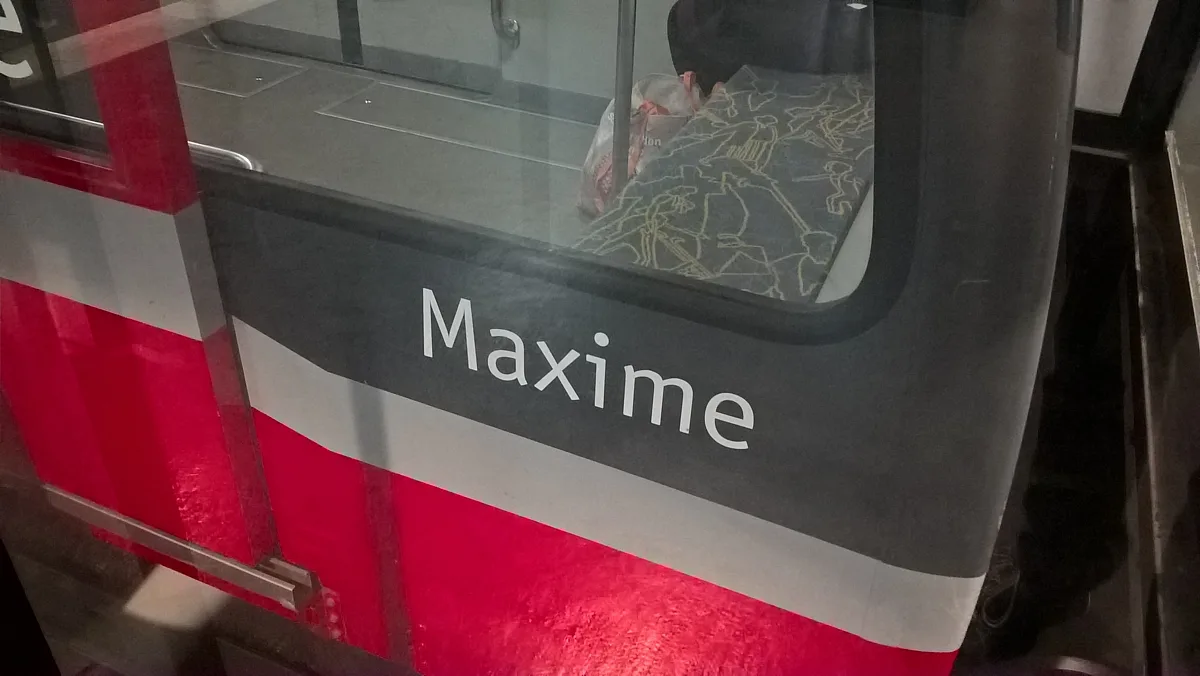
This is not a gondola floating over a valley. The Chaumont funicular is a classic counterbalanced line with two multicolored carriages, mostly yellow and blue on one side and mostly red and blue on the other. The track reaches a maximum gradient of 46 percent, steep enough that the slope is part of the experience rather than just a way to get somewhere.
Chaumont: The Panoramic Funicular From La Coudre
The line links La Coudre at 590 meters with Chaumont at 1,160 meters, according to the funicular's technical record. It opened on 17 September 1910, and a tower was built at the top station at the same time. Carriages were replaced in 1995 but stayed multicolored, so the two-tone cars you see today are a deliberate nod to the line's look.
The equipment comes from Von Roll, and the line is operated within the Neuchâtel regional transport network. Its length of 2,097 meters and level difference of 570 meters make it a proper mountain ascent rather than a city connector. If you have ridden the Harder Kulm funicular above Interlaken, expect a similar idea on a smaller scale: a straight climb to a crest with a view.
Riding the Chaumont Line: Stations and Height Gained
You board at the bottom station in La Coudre and step out at the top station on the Chaumont crest. The gauge is one meter and the line runs at a speed of 3 meters per second. Treat the ride as short and plan around the view at the top rather than the minutes on board.
The height gain matters for what you pack. At 1,160 meters the crest is noticeably cooler and breezier than the lakeside streets, even on a mild day, so a light layer is worth carrying. The top station sits at the foot of the tower, which is the first thing to look for when you arrive.
What You See at the Top: Lake and Jura
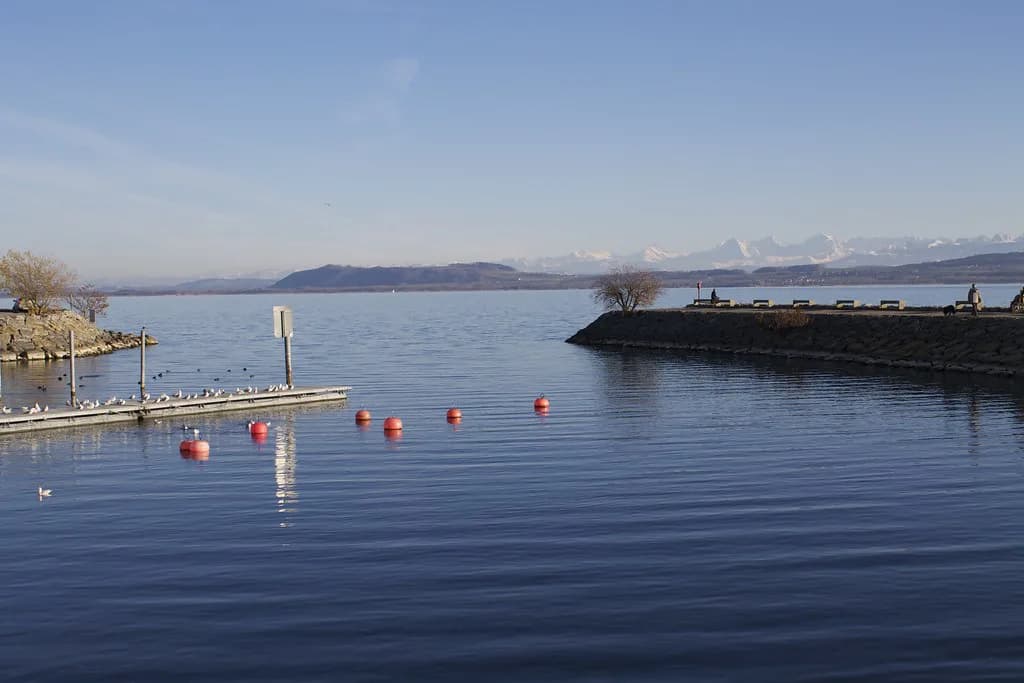
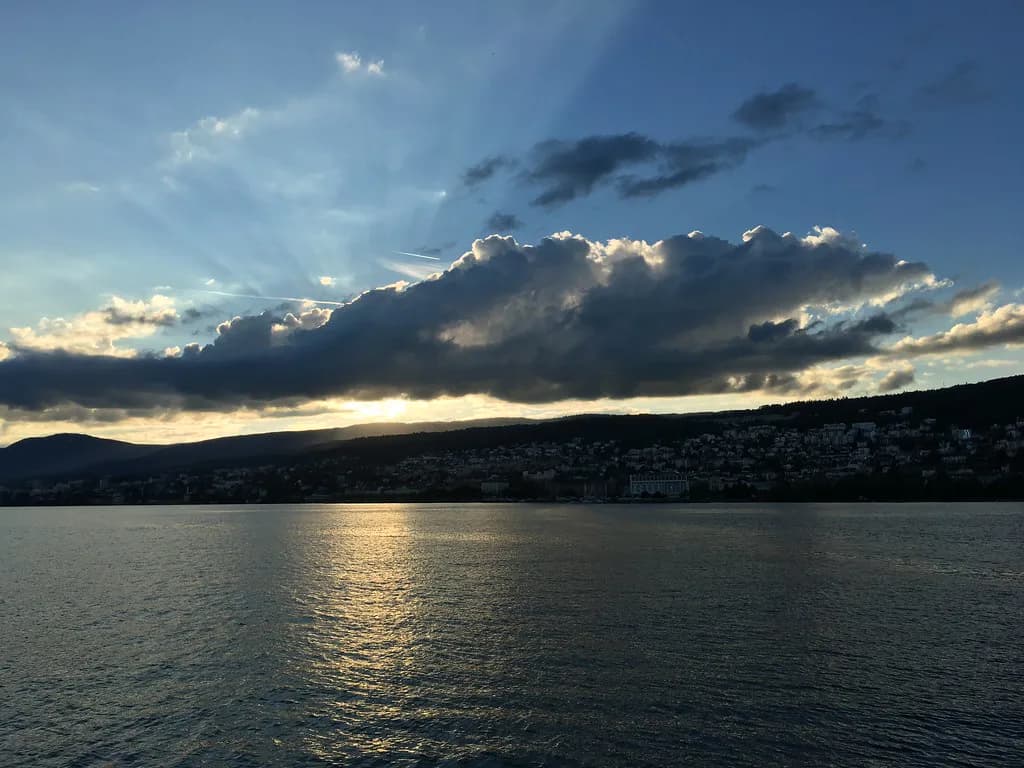
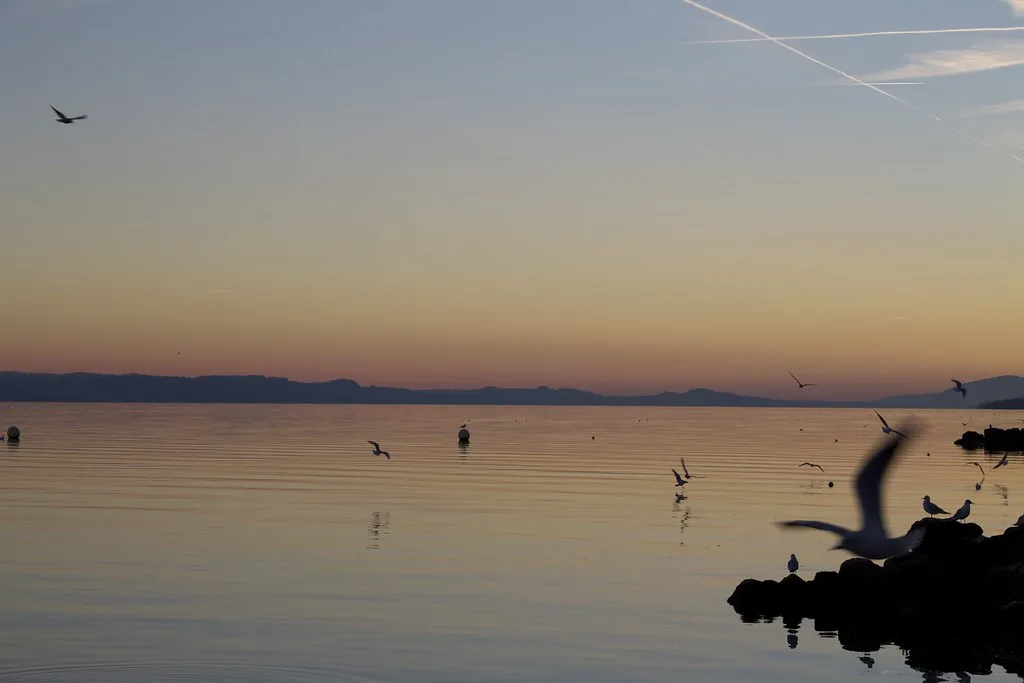
From the crest you get a view over the whole of Lake Neuchâtel and the surrounding Jura landscape. The position also puts you at the edge of a network of paths across the Jura, though the funicular is the point of this outing rather than the start of a long walk. On a clear day the lake stretches out below in a way that the lower town cannot show you.
The view is the reason to come, so choose your day accordingly. Cloud sitting on the crest flattens the panorama, while a clear morning gives the sharpest line between lake and ridges. The rest of the city's sights, including the old town and the lakeshore, are set out in our Neuchâtel Attractions guides if you want to pair the ride with a walking day.
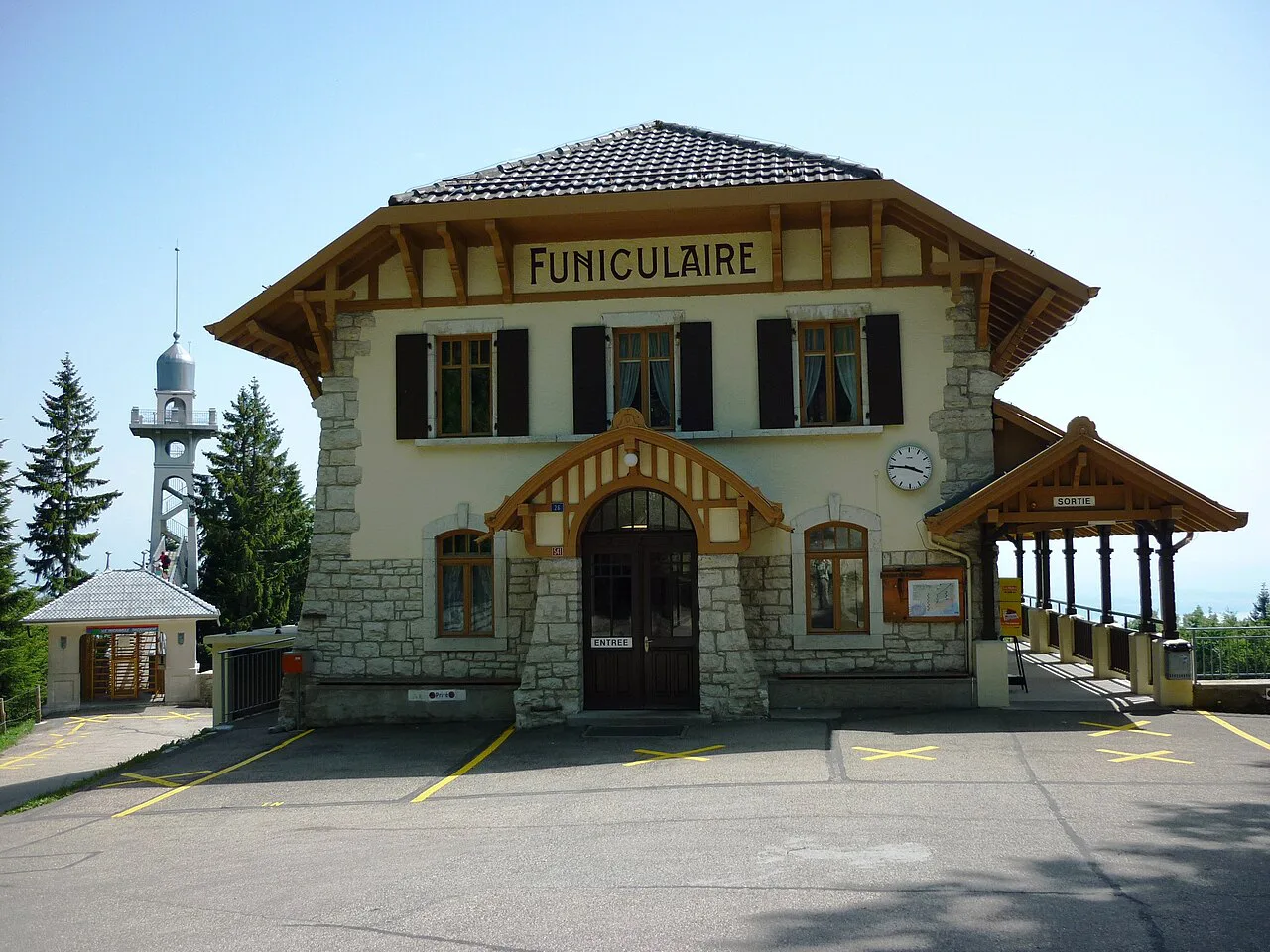
The Tower at the Chaumont Top Station
A tower was built at the top station when the funicular opened in 1910, and its upper section once carried a searchlight. The searchlight is no longer in use, so the tower is now a landmark to spot rather than a working beacon. Look for it as you leave the carriage; it anchors the top station and makes the arrival point easy to identify.
Getting to La Coudre Without a Car
The bottom station at La Coudre is reachable by trolleybus on the Neuchâtel to Hauterive route, so a car is not needed for the trip. That makes the funicular a straightforward add-on to a city break: ride public transport to the suburb, transfer to the funicular, and ride up. Check the current trolleybus line and stop with the regional operator before you set out, since routes can change.
The Other Funiculars: Fun'ambule and Ecluse
Fun'ambule and Ecluse are the city's two short transit funiculars, and they differ from Chaumont in purpose rather than style. They move people between levels of Neuchâtel as part of the public transport network, which makes them useful when you are crossing town rather than sightseeing. Neither offers the panoramic climb to a Jura crest.
The practical split is simple. Use Fun'ambule or Ecluse to save your legs on a transit leg, and use Chaumont for the viewpoint. If you enjoy this kind of transport, our guide to the Zurich cable car and funicular network shows how other Swiss cities use similar lines.
Fitting a Funicular Ride Into a City Break
Give the Chaumont ride a half-day rather than an hour. The trolleybus transfer to La Coudre, the ascent, time at the crest, and the return add up, and the view deserves more than a quick photo. A morning slot leaves the afternoon for the Neuchâtel Old Town and the Place des Halles, where the city's compact center is easy to cover on foot.
Weather decides the day, not the clock. Keep the funicular flexible and move it to the clearest morning of your stay, since the panorama is the whole point. If the crest is in cloud, spend that time in the old town or along the lake and try the funicular another day.
What to Check Before You Go
Fares and any pass discounts for the Chaumont funicular are set by the regional transport operator rather than fixed here. Check the current fare and whether your Swiss Travel Pass or Half Fare card applies with Transports Publics du Littoral Neuchâtelois before you travel. Seasonal operation and any maintenance closures are published in the notices of Transports Publics du Littoral Neuchâtelois.
Plan Your Visit
The Chaumont funicular is the one ride to build into a Neuchâtel city break: a steep, short climb from La Coudre to a Jura crest with the whole lake below. Ride it on a clear morning, carry a layer for the cooler height, and leave time at the top rather than treating it as a quick transfer.
The city's Fun'ambule and Ecluse lines remain useful for getting around, but they are not the viewpoint outing. If you are still deciding how to shape the trip, our honest answer on is neuchatel worth visiting pairs well with this ride.
Explore more Neuchâtel guides
Frequently Asked Questions
How do you get to the Chaumont funicular from central Neuchâtel?
Take the trolleybus toward Hauterive to La Coudre, where the funicular's bottom station sits at 590 meters. From there the line climbs to the Chaumont crest at 1,160 meters. Check the current trolleybus route with the regional operator before you go.
How high is Chaumont above Neuchâtel?
The top station is at 1,160 meters, and the line gains 570 meters of height from La Coudre at 590 meters. The crest itself is described as dominating the city at 1,151 meters.
How steep is the Chaumont funicular?
The line reaches a maximum gradient of 46 percent. That makes the climb steep enough that the slope is part of the experience, not just a way to reach the top.
Are there other funiculars in Neuchâtel besides Chaumont?
Yes. Fun'ambule and Ecluse are short transit funiculars within the city network. They move people between levels of town and do not offer the panoramic climb to the Jura crest.
What can you see from the top of the Chaumont funicular?
The crest gives a view over the whole of Lake Neuchâtel and the surrounding Jura landscape. A tower built when the line opened in 1910 stands at the top station and is easy to spot on arrival.
When did the Chaumont funicular open?
It opened on 17 September 1910, and a tower was built at the top station at the same time. The carriages were replaced in 1995 but kept their multicolored look.
Sources
Notes for your Swiss city break
Optional updates to our Swiss city guides.
You might also like
Continue reading
More guides you'll find useful