Neuchâtel Old Town: What to See and How to Walk It
Walk Neuchâtel's old town from Place des Halles to the castle and Collegiate Church, with the sandstone lanes, lake views and stops worth your time.
On this page
Neuchâtel's old town is a compact half day on foot: a grid of warm yellow limestone lanes that rises gently from the lake toward a 12th-century castle and its Collegiate Church. The reward for the climb is a wide view over the lake and rooftops, and the whole historic center is small enough to cut short whenever you like.
Plan the walk around one simple spine rather than a checklist: start low near the water at Place des Halles, climb through the facades and courtyards, then finish at the castle esplanade before dropping back to the Quai Ostervald. That way the uphill work comes early and the return is all downhill.
Why the Old Town Deserves Half a Day
What makes this center worth your time is the combination: medieval streets built from warm-toned sandstone, a castle that still houses law courts, and a lakeside setting that opens up at every turn. It is a place for slow strolling rather than ticking off sights, and an afternoon is enough to see it properly.
Neuchâtel is also known for its watchmaking heritage and for cultural stops like the Laténium archaeological museum, though those sit outside the old town proper and need separate time. Treat the historic center as its own self-contained walk and slot the rest of the city around it.
How the Old Town Is Laid Out
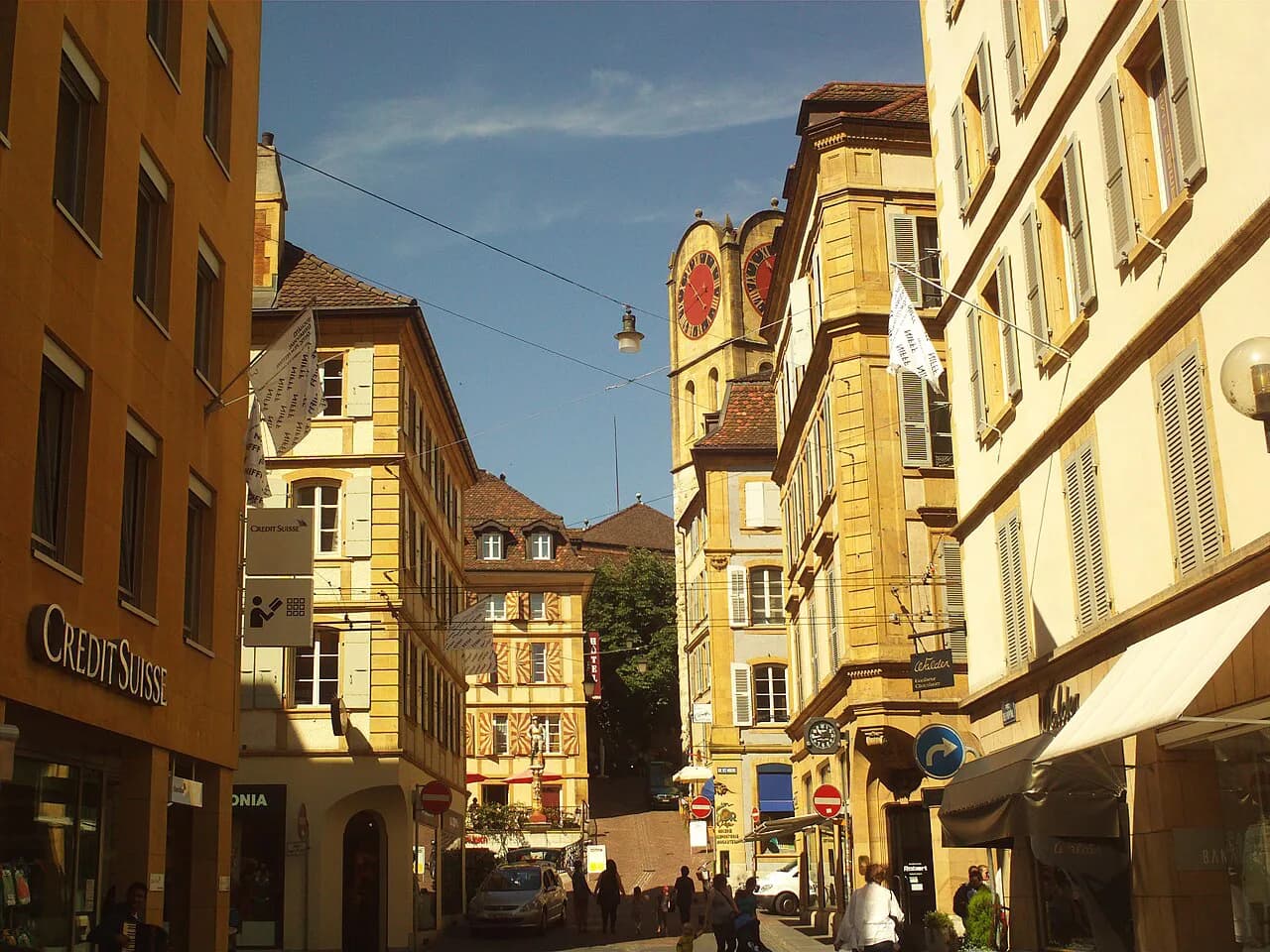
The layout is easy to hold in your head: the lower streets sit near the lakefront, and the old town rises gently from there toward the castle and collegiate church on the ridge above. Buildings along the way are cut from warm yellow limestone, which gives the whole quarter its honey-colored look in daylight.
Because everything stacks upward from the water, your route is essentially a single climb with a choice of lanes, and each parallel alley tends to be quieter than the last. Decide before you set off whether you want the full pull to the top or a shorter loop that stays low.
Start at Place des Halles
Begin at Place des Halles, the square that works as a natural front door to the old town and a good spot for a first photo. Maison des Halles sits on the square if you want a quick dose of local history before walking on, and cafés nearby make an easy coffee stop.
The area around the square is compact and easy to cover on foot, with small boutiques and quiet courtyards that reward wandering rather than rushing. If you are browsing rather than sightseeing, that is reason enough to slow down here.
The Climb Through the Old Town
Above the square the walk becomes the point: golden stone facades, narrow alleyways and small courtyards follow one another as the street tilts upward. The neighborhood is full of character and low-key, so the best approach is to pick a lane and let it carry you toward the castle rather than following a fixed line.
This is where you feel the trade-off between the flat lower streets and the climb. Anyone with limited time or tired legs can stop partway, browse the boutiques, and still get a genuine sense of the old town without reaching the top.
Neuchâtel Castle and the Collegiate Church
At the top sits Neuchâtel Castle, a 12th-century building that still houses law courts, so expect a working civic landmark rather than a museum interior. Next door, the Collegiate Church brings Swiss Gothic flair, and its peaceful cloister is a calm place for a breather after the climb.
The reason to make the effort is the view: from up here the lake and rooftops of the old town spread out below in one sweep. Come for the history, then stay a while for that vantage point before heading back down.
Old-Town-Adjacent Stops: Musée d'Art et d'Histoire and the Botanical Garden
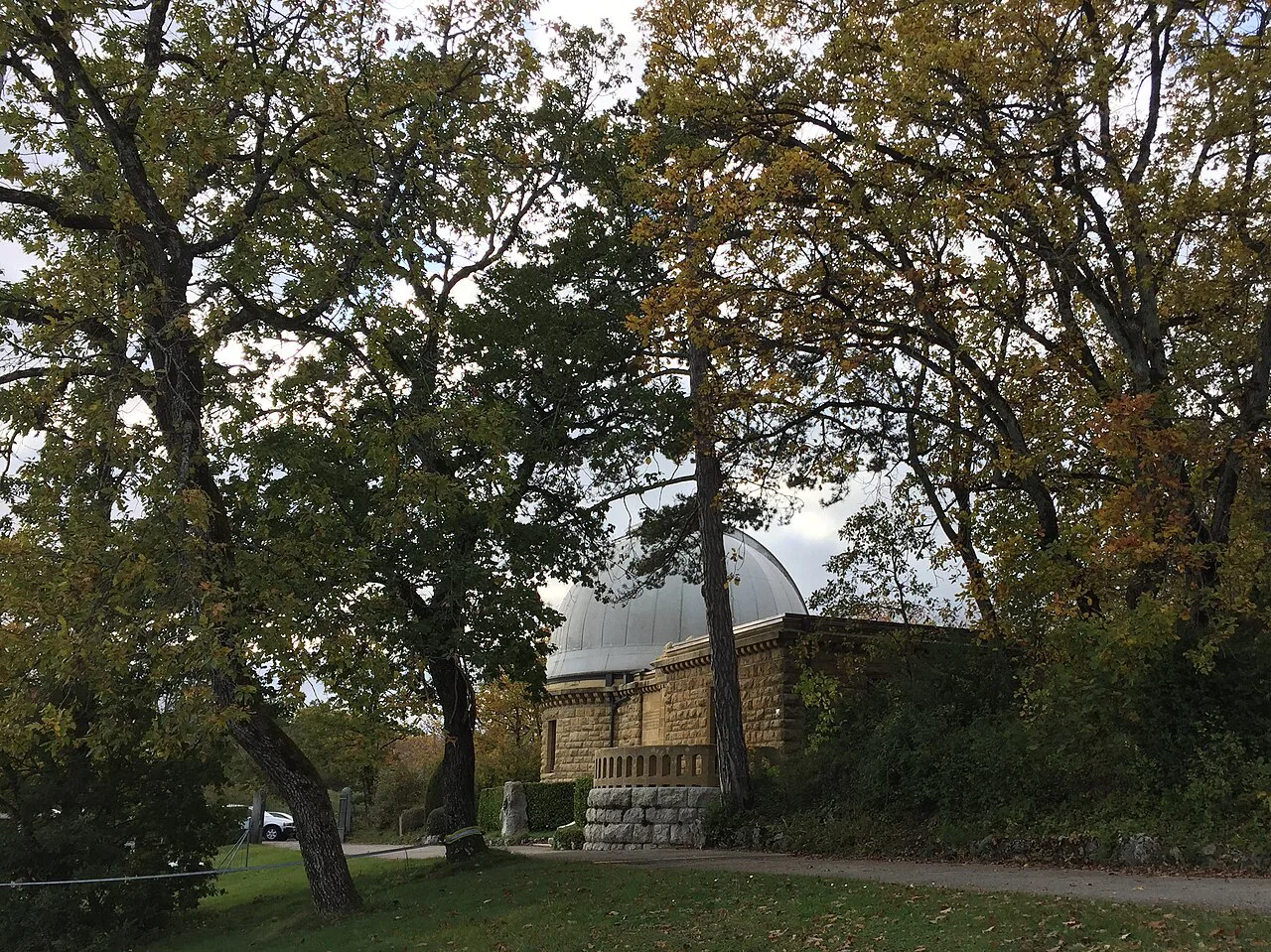
Two stops sit close enough to the historic center to fold into the same outing. The Musée d'Art et d'Histoire and the Botanical Garden round out a day in the old town without pulling you far from the lanes and squares, so they work well as a rainy-hour or late-afternoon option.
Treat both as additions rather than the reason for the walk. The old town itself is the main event, and these stops are best chosen depending on how much time you have left and how energetic you feel after the climb.
The Lakefront Finish: Quai Ostervald
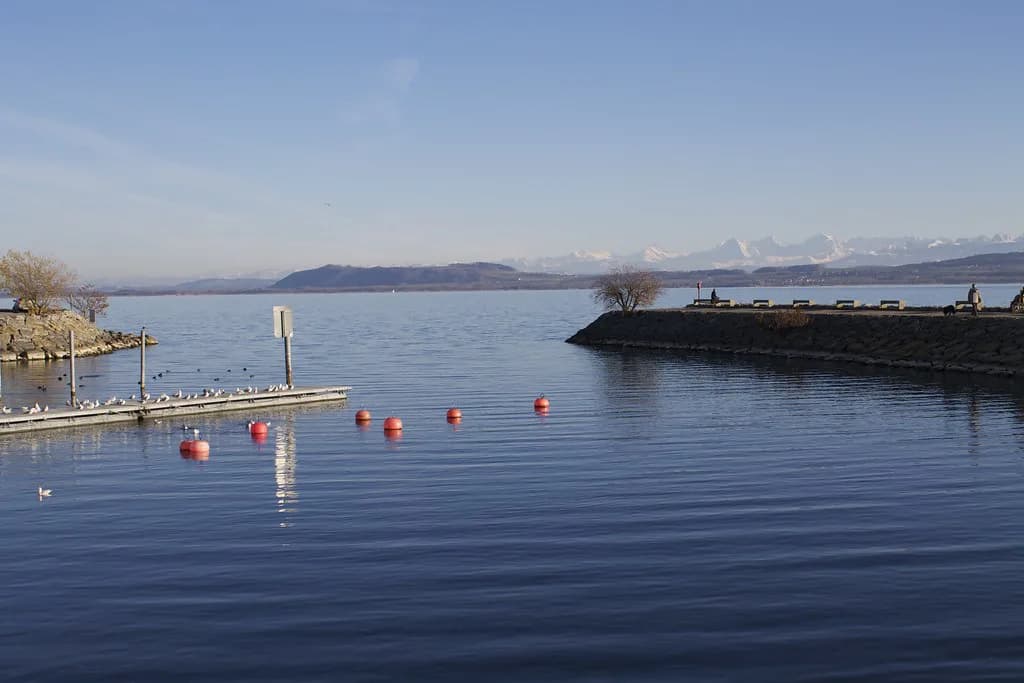
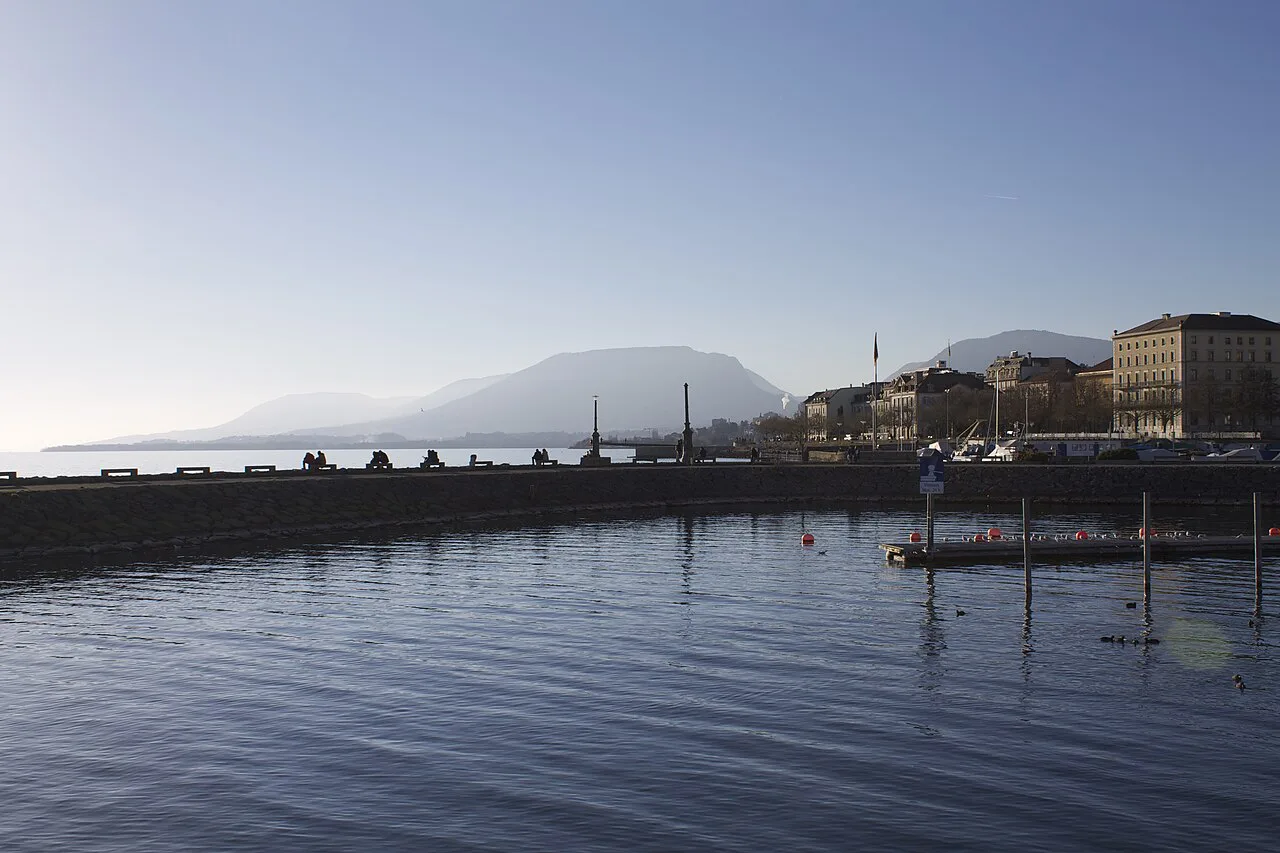
Finish by dropping back to the water and walking the Quai Ostervald, where you get the lake views the city is known for and a look back up at the old town from below. After the enclosed lanes, the open waterfront is a refreshing change of scale.
This final stretch is flat and easy, which makes it a sensible place to end the outing rather than start it. Save the promenade for when your legs are done with the hill and simply enjoy the panorama.
How Long the Walk Takes and How to Pace It
The old town is compact and entirely walkable on foot, so the walk fits comfortably into a half day including stops. The one variable is the uphill stretch to the castle, which takes longer than the flat lower streets and is best done early while you are fresh.
To pace it well, go up first and come down slowly: reach the castle, take in the view, then spend your remaining energy on the shops, cafés and courtyards on the descent. If you would rather not climb at all, the lakeside and Place des Halles still give you the flavor of the place.
When to Go
Pick your time of day around the climb: cooler mornings suit the ascent, and the light on the limestone facades is one of the reasons the streets look so good. Season and weather matter more here than for a flat city walk, because the reward at the top is a view, and cloud or rain dulls it.
There is an honest trade-off either way: a gentle mid-afternoon wander with a café stop leaves less time at the top, while a focused morning gets you the view before the day warms up. Decide what you value more and build the rest of the day around it.
Practical Notes Before You Set Off
Neuchâtel sits in French-speaking Switzerland, so signs and menus are in French, but many locals speak English and German too, especially in tourist-friendly areas. You can plan confidently in English and switch to French for a greeting without any trouble.
Before you rely on a museum or a shop being open, check the individual venue's site for the day you plan to visit, since opening days vary. The old-town streets themselves are the main attraction and can be walked at any time of day, so a closed door never ruins the outing.
Where the Old Town Fits With the Rest of Neuchâtel
Keep the old town separate from Neuchâtel's outlying draws: the Laténium lakeshore museum, the funicular ride up to Chaumont, and the vineyards around Boudry each need their own time and a trip out of the center. Plan them as separate outings rather than squeezing them into the walking route.
The good news is that the rest of the city is easy to slot around the old town. Give the historic center its own half day, then pick one outlying draw for another half day rather than trying to do everything in one loop.
Plan Your Visit
The best plan for Neuchâtel's old town is a single unhurried half day: start at Place des Halles, climb through the sandstone lanes to the castle and Collegiate Church, then finish on the Quai Ostervald with the old town rising behind you. Do the climb first and leave the browsing, boutiques and courtyards for the way down.
If you have another half day, spend it outside the center on one of the city's other draws rather than adding more to the walk. The old town rewards depth over speed, and a slow, focused visit leaves the best impression of the place.
Explore more Neuchâtel guides
Frequently Asked Questions
What is there to see in Neuchâtel's old town?
The core is Place des Halles with Maison des Halles, the sandstone lanes climbing to Neuchâtel Castle and the Collegiate Church with its cloister, and the lakefront at Quai Ostervald. The Musée d'Art et d'Histoire and the Botanical Garden sit close enough to add on. The castle still houses law courts, so treat it as a working civic landmark seen from outside.
How long does it take to walk Neuchâtel old town?
Plan a half day. The historic center is compact and entirely walkable on foot, and the only slow part is the uphill stretch from the lower streets to the castle and church. Going up first and coming down slowly leaves time for the boutiques, courtyards and cafés on the descent.
Is Neuchâtel old town hilly?
Yes, it climbs. The lower streets sit near the lakefront and the old town rises gently from there toward the castle and collegiate church above. Anyone with limited time or tired legs can stop partway and still see plenty, but the wide lake-and-rooftop view is the reward at the top.
Is Neuchâtel French or German?
Neuchâtel is in French-speaking Switzerland, so signs and menus are in French. Many locals also speak English and German, especially in tourist-friendly areas, so planning and asking directions in English works well.
Is Neuchâtel worth visiting?
Yes, if you want a lakeside city with medieval streets, a castle and church on the ridge above, and a slower pace than the headline Swiss destinations. Give the old town its own half day, then use another half day for the Laténium, the Chaumont funicular or the vineyards around Boudry.
Should I check opening days before visiting?
Check the individual venue's website for the day you plan to visit, since opening days vary between sights. The old-town streets and squares can be walked at any time of day, so the walk itself never depends on a door being open.
Sources
Notes for your Swiss city break
Optional updates to our Swiss city guides.
You might also like

Continue reading
More guides you'll find useful