Is Neuchâtel Worth Visiting? An Honest Answer
Yes, Neuchâtel suits travelers who want a lakeside old town, a hilltop castle, two strong museums and thin crowds. Here is who it fits and what it costs in time.
On this page
Yes, Neuchâtel is worth visiting if you want a low-key French-speaking city where the old town, the castle terrace and the lakefront sit within a short walk of each other. The city sits on the northern shore of Lake Neuchâtel, below the Jura Mountains, and its compact core rewards a slow day rather than a checklist dash. It is not Zürich or Lucerne, and that is the point: you get sandstone lanes, a hilltop castle and a pair of museums without the coach-tour crowds. Plan it as a stop on a western Switzerland route, not as a standalone long trip.
The honest trade-off is scale. Neuchâtel is a university city of quiet courtyards and lakeside paths, not a headline destination with a must-see monument on every corner. If you want big-name sights packed into 48 hours, you will run out of them here; if you want a place where a morning walk, a museum and a funicular ride fill a day comfortably, it delivers. The city's own tourism material presents it as a blend of nature, history and culture — accurate, but read that as a place to slow down, not a place to tick off.
What Kind of City Neuchâtel Is
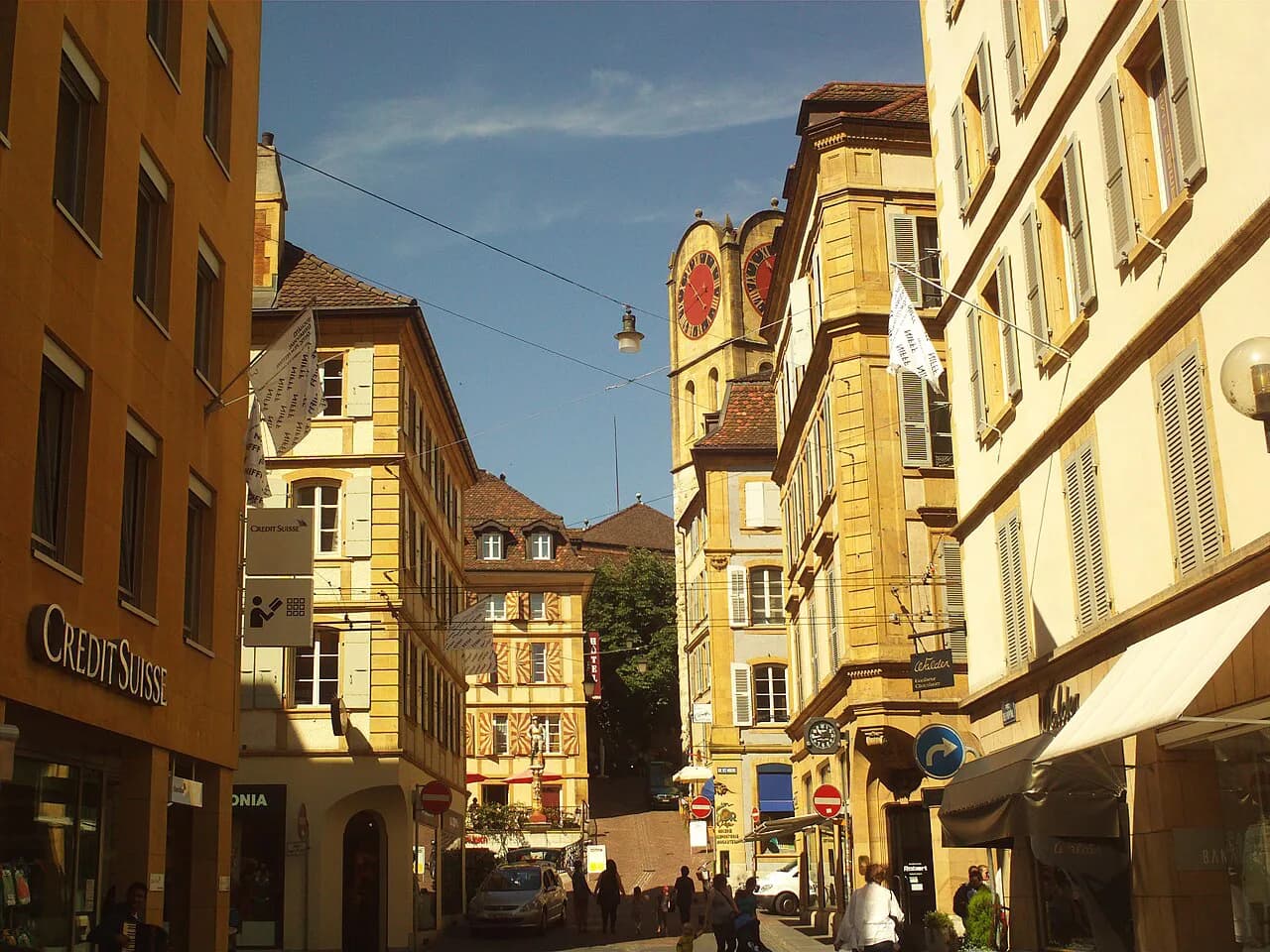
Neuchâtel is the capital of the canton of the same name, in the western French-speaking part of Switzerland. French is the everyday language, and the city's signage, cafés and museum labels follow suit; English is common in visitor-facing places, but a few words of French go a long way in smaller shops. The old town rises in terraces above the lake, which means the core is walkable but not flat — expect short, steep lanes between the waterfront and the castle.
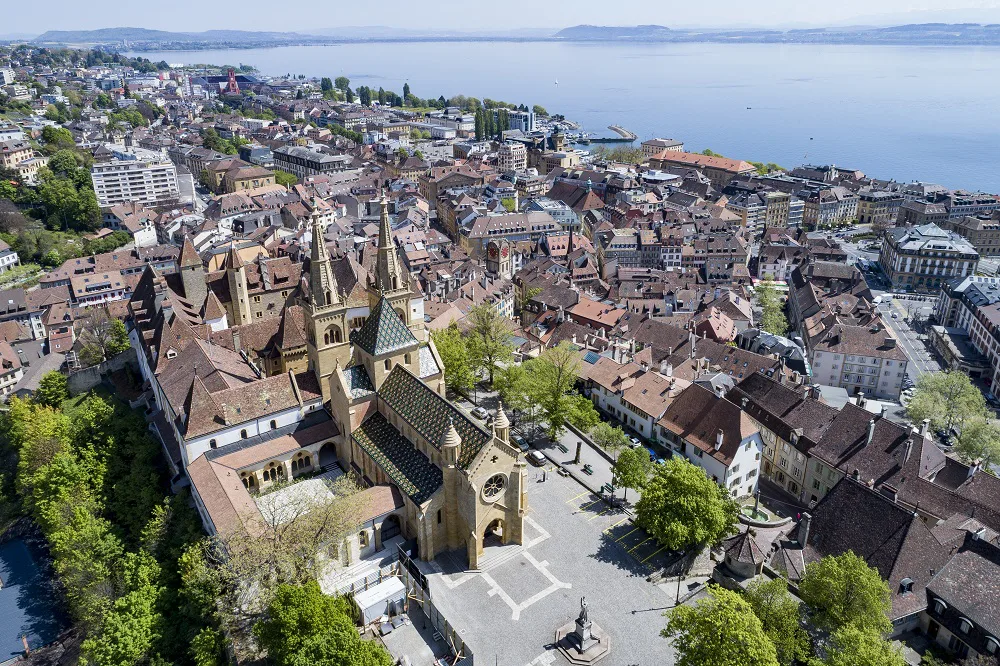
The layout is easy to hold in your head: the lakefront and Esplanade du Mont Blanc at the bottom, the old town and Place des Halles in the middle, and the castle and Collegiate Church on the ridge above. That geography lets you build a day around one loop rather than crisscrossing the city. For a fuller list of named sights and quarters, work through the things to do in neuchatel guide before you fix a plan.
The Short Answer: Three Reasons to Go and One Trade-Off
First, the setting: a lake on one side, the Jura Mountains on the other, and a waterfront esplanade that gives you the city from the water's edge. Second, the historic core: well-preserved old-town architecture that reflects a heritage dating back to the 12th century, with the castle and church as its high point. Third, the museums — the Art and History Museum and the Natural History Museum in the center, plus the Laténium archaeology museum outside it — give a rainy morning a real answer.
The trade-off is that Neuchâtel does not hand you a postcard moment on arrival. Its pleasures are cumulative: a lane of golden sandstone, a cloister, a view from a ridge. Travelers who need a single iconic sight to justify the trip should put their days elsewhere in Switzerland and treat Neuchâtel as a bonus stop if the route allows.
The Old Town on Foot: Sandstone Lanes and Place des Halles
The old town is the first thing to walk, and it needs no ticket. Warm-toned sandstone buildings, narrow alleys and small courtyards make it a place to wander rather than navigate; Place des Halles is the natural pause for a photo and a look at the Maison des Halles, the historic hall building on the square. The area is compact, so an hour of aimless walking covers a lot of it. Our Neuchâtel Old Town guide breaks the lanes into a sensible loop if you prefer a route to improvisation.
Small boutiques and quiet courtyards sit off the main lanes, and the old town is where you will spend the least money in Neuchâtel simply by walking. Keep the waterfront for later in the day, when the light on the lake is best and the climb back up to the castle feels worth it.
Neuchâtel Castle and the Collegiate Church
The 12th-century castle overlooks the city, and the terrace beside it gives uninterrupted views over the lake and rooftops. The castle still houses law courts, so treat it as a building to see from the outside and around rather than a furnished palace museum. Next door, the Collegiate Church is a striking example of Gothic architecture, with a peaceful cloister that makes a good breather between climbs.
This pair is the single best reason to climb the hill, and it takes under an hour unless you linger. Visitor access to the church interior and any castle spaces changes with services and court use, so check the door notices on the day rather than planning around a fixed entry time.
The Museums: Art and History, and Natural History
Two central museums carry the city's indoor weight. The Musée d'Art et d'Histoire covers art and regional history, while the Natural History Museum, known as MHNN, suits anyone traveling with children or a taste for cabinets of specimens. Both sit in the city center, so they slot into the same day as the old town without a bus ride. Ticket prices and opening days are not fixed here, so confirm them at the museum desk or on the city's museum pages before you build a Monday around them.
If you only have one wet-weather slot, choose the Art and History Museum for breadth and the Natural History Museum for a lighter, faster visit. Neither is a blockbuster, and that is fine: they are the kind of regional museums that make a small city worth a second day.
Laténium: Archaeology on the Lakeshore
The Laténium Park and Museum of Archaeology is the city's strongest single attraction for anyone interested in prehistory, and it sits on the lakeshore outside the center — roughly a short drive from town. Inside, exhibits trace Switzerland's prehistoric past; outside, an open-air archaeological park lets you walk among reconstructions. Budget half a day if you want both, and check the museum's own site for the day's opening hours and admission before you go.
It is the one sight here that justifies a car or a deliberate bus ride, so pair it with the Chaumont funicular rather than trying to squeeze it between old-town stops. Families tend to get more out of the outdoor park than the indoor cases, so leave time to be outside.
Chaumont: The Funicular and the Three Lakes View
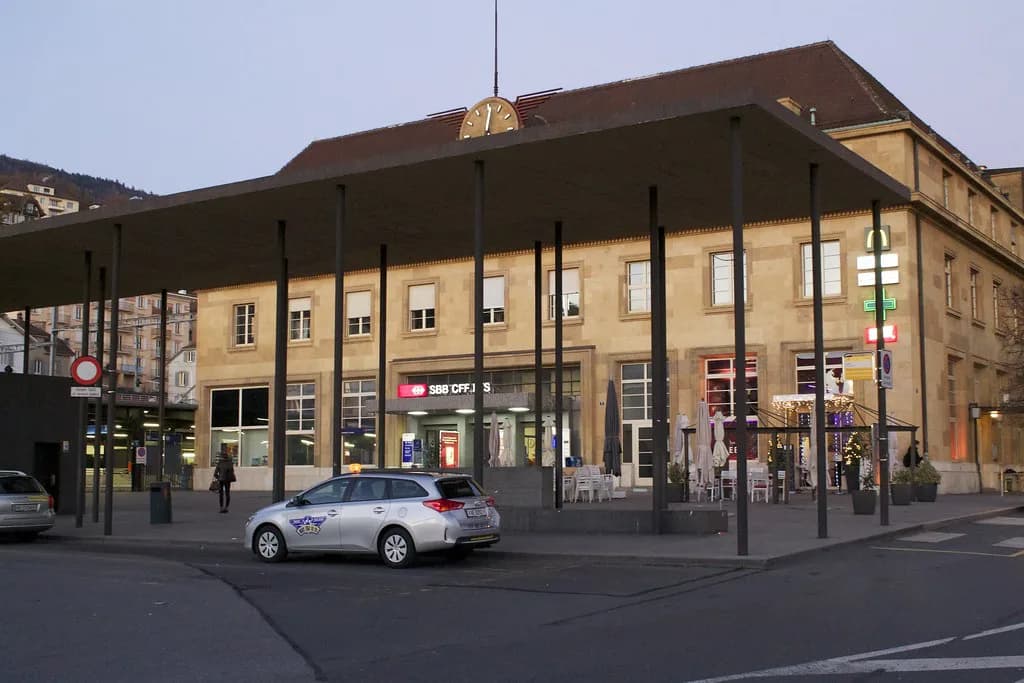
The Chaumont funicular climbs from near the main station to a ridge above the city, where the view opens over the Three Lakes Region and the Jura. From the top, a short walk reaches a panoramic tower and an esplanade that make the trip worthwhile even without hiking further. Ride it on a clear day; the point is the view, not the transport.
Schedules and seasonal operation vary, so check the funicular's published timetable on the day you plan to ride. Our Neuchâtel Funiculars guide explains how the Chaumont line fits with the city's other lifts if you want to compare options.
Esplanade du Mont Blanc and the Waterfront
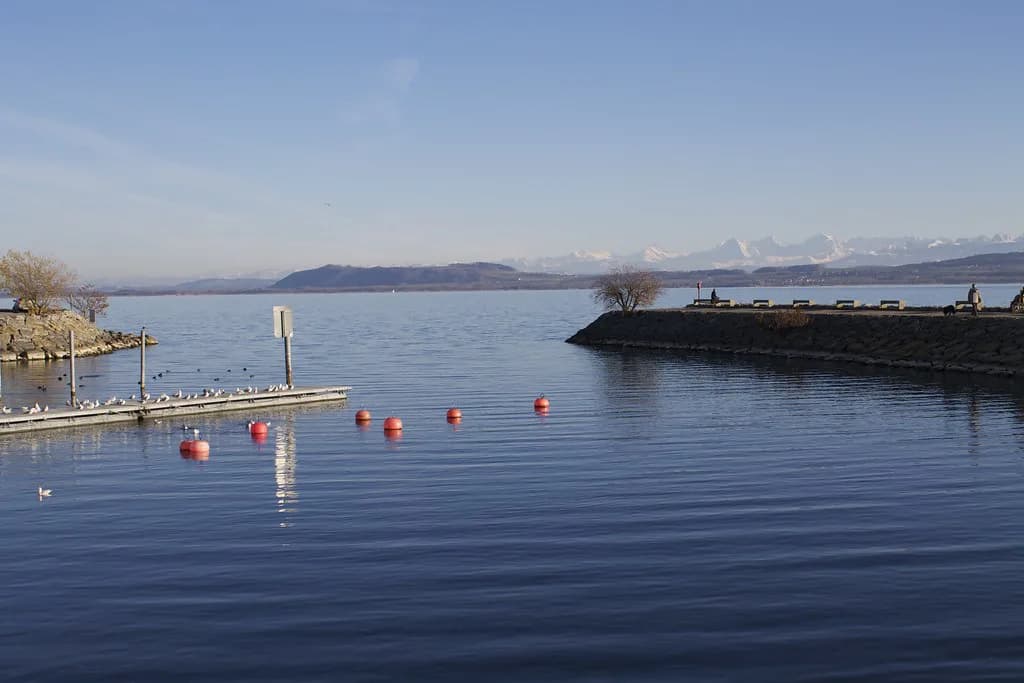
The Esplanade du Mont Blanc is the city's front porch: a waterfront stretch where you see Neuchâtel from the lake side and get the clearest sense of the Jura backdrop. A stroll along the Quai Ostervald continues the same idea with more lake views. This is free, flat and easy to fold into an evening after the old town.
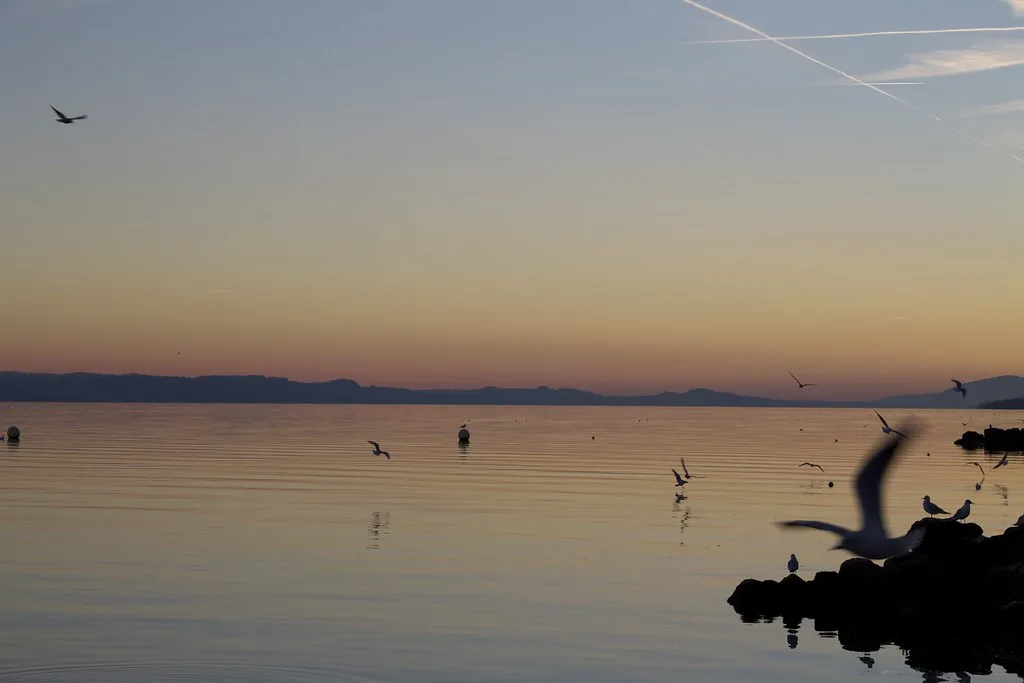
Treat the waterfront as your rest day within the trip: sit, walk, watch the light change, and skip the temptation to fill every hour. It is also the best place to appreciate why the city's tourism material leads with its lakeside location.
Smaller Details Worth Ten Minutes
Two quick stops round out the walk. The Fontaine du Bannere is a photo stop in the old town, and the Passerelle de l'Utopie — a footbridge — gives a different angle on the city and the water. Neither needs planning; fold them into the old-town loop and move on.
If shopping is part of your city-break routine, note that Neuchâtel's retail is concentrated in the old town and around the station rather than in a single mall; our shopping in neuchatel guide covers where the streets lead. Just do not expect Sunday hours to match a US or UK schedule — Swiss shop opening is its own rhythm, and it is worth checking before you set aside an afternoon.
How Many Days Neuchâtel Needs
One full day covers the old town, Place des Halles, the castle and church, one museum and the waterfront at an unhurried pace. A second day is the honest answer if you want both the Laténium and the Chaumont funicular, since they sit in opposite directions from the center and each deserves real time. Three days is generous and suits travelers who want a slow base rather than a sightseeing sprint.
Build the first day around the hill and the lake, the second around the two outlying draws, and keep an evening free for the esplanade. That structure avoids the common mistake of trying to see Laténium and Chaumont between museum visits, which turns a relaxed city into a logistics exercise.
Who Will Love Neuchâtel and Who Should Skip It
Neuchâtel suits travelers who like small cities, museums with regional character, lakeside walks and a French-speaking atmosphere without the crowds of the big Swiss names. It also works well for a mixed-age group, because the flat waterfront balances the climb to the castle and the museums give a bad-weather backup. If you are building a western Switzerland route, it is a natural stop between the Jura and the Three Lakes wine country.
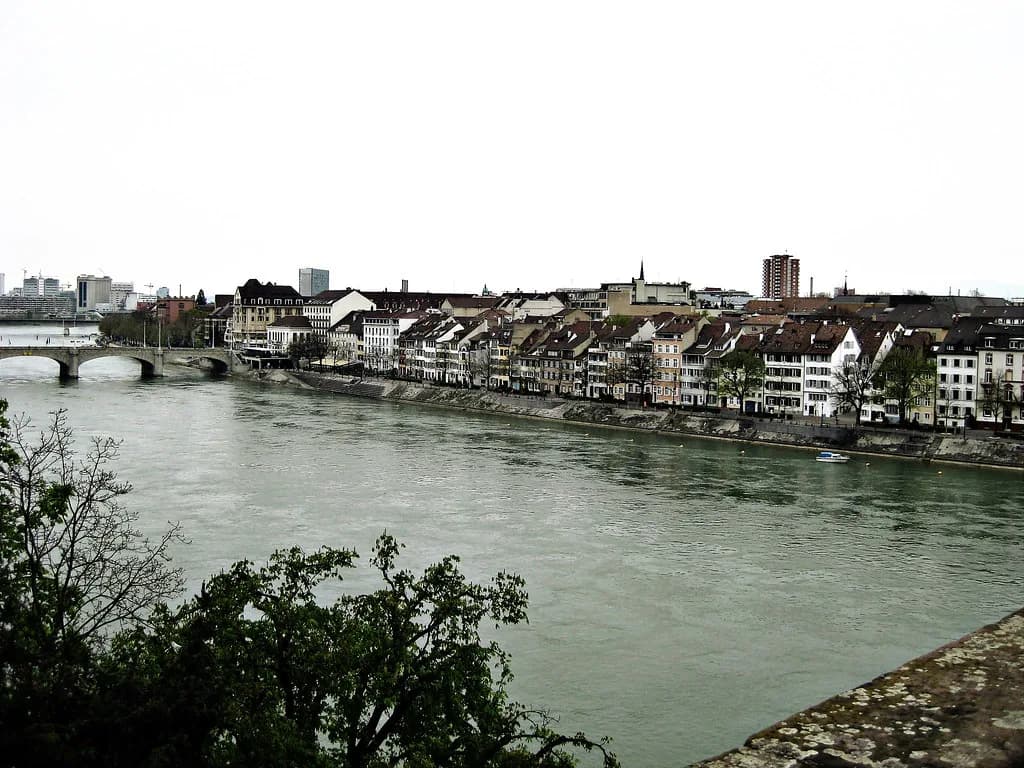
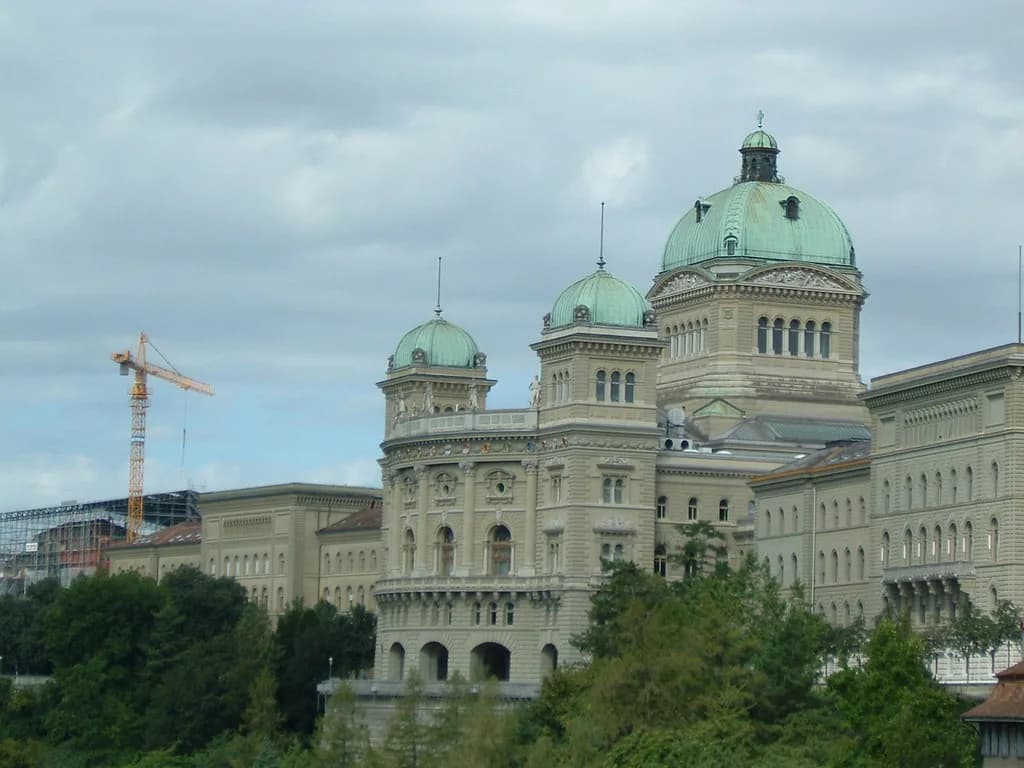
Skip it if you want a highlight reel of Alpine scenery and famous monuments, or if you only have one spare day in Switzerland and have not yet seen the classic stops. Travelers comparing quiet Swiss cities may also want to read is bern worth visiting and is basel worth visiting to see how Neuchâtel's scale and mood differ before committing days.
Language and Money: What to Expect
This is French-speaking Switzerland, so prices are in Swiss francs and menus, signs and museum labels are in French. Expect Swiss-city costs for cafés and museum tickets; budget in francs rather than converting every coffee in your head. Carry a card, keep some coins for small purchases, and check each museum's admission on its own page before you go.
The good news is that much of the best of Neuchâtel is free: the old-town walk, the castle terrace, the church exterior, the esplanade and the waterfront. A day here can cost very little beyond food and one museum ticket, which makes it a sensible counterweight to pricier stops on the same trip.
Verdict: Book It as a Stop, Not a Standalone Trip
Neuchâtel earns its place on a western Switzerland itinerary as a two-day stop with a lake, a hilltop castle, two central museums and an archaeology museum worth the trip out. It does not earn a week on its own, and it does not try to. The city's appeal is exactly its low-key French-speaking character, and travelers who accept that will enjoy it more than those hunting for the next Lucerne.
Book two nights, plan one loop through the old town and one out toward the Laténium and Chaumont, and leave the rest of the time for the waterfront. For the full set of visitor guides, start with Neuchatel Attractions and build the days from there.
Plan Your Visit
Give Neuchâtel two nights if you want both the Laténium and the Chaumont funicular without rushing, and one full day if the old town and a single museum are enough. Stay near the center so the hill, the lakefront and the station are all walkable, and keep one evening unscheduled for the esplanade.
Before you go, confirm the day's opening hours for the museums and the funicular's timetable, since those are the two details most likely to reshape a plan. Everything else — the lanes, the castle terrace, the church, the waterfront — fits around whatever the clock allows.
Explore more Neuchâtel guides
Frequently Asked Questions
Is Neuchâtel worth visiting?
Yes, if you want a compact French-speaking city with a sandstone old town, a 12th-century castle and church above the rooftops, two central museums and a lakeside esplanade. It is a quiet university city rather than a headline Swiss destination, so it suits travelers who prefer slow days and thin crowds over a checklist of famous monuments.
How many days do you need in Neuchâtel?
One full day covers the old town, Place des Halles, the castle and Collegiate Church, one museum and the waterfront. Add a second day for the Laténium archaeology museum and the Chaumont funicular, which sit in different directions from the center and each deserve real time.
What is Neuchâtel famous for?
Its lakeside setting on Lake Neuchâtel below the Jura Mountains, its well-preserved old town, the 12th-century castle and Gothic Collegiate Church, and the Laténium archaeology museum. The city is also the capital of its canton and has a long watchmaking heritage.
Is Neuchâtel French or German?
Neuchâtel is in the French-speaking part of western Switzerland, and French is the everyday language for signs, menus and museum labels. English is common in visitor-facing places, and some German is understood, but a few words of French help in smaller shops.
What are the top things to do in Neuchâtel?
Walk the old town and Place des Halles, climb to the castle terrace and the Collegiate Church, visit the Musée d'Art et d'Histoire or the Natural History Museum, ride the Chaumont funicular for the Three Lakes view, and spend half a day at the Laténium. Finish with the Esplanade du Mont Blanc and the waterfront.
Do you need a car to see Laténium and Chaumont?
No. The Chaumont funicular starts near the main station, and the Laténium is a short trip from the center. A car makes the Laténium simpler, but it is not required for either sight; check the funicular timetable and museum hours on the day.
Sources
Notes for your Swiss city break
Optional updates to our Swiss city guides.
You might also like
Continue reading
More guides you'll find useful