Is Zermatt Expensive? What Your CHF Budget Decides
Yes, Zermatt is expensive, but lift passes, on-mountain lunches and a week on the slopes come in below Aspen or Vail. Here are the CHF figures behind that.
On this page
Yes, Zermatt is expensive, and the honest answer is that it costs roughly 1,900 to 2,400 CHF per person for a comfortable week excluding flights, based on a published breakdown of lift passes, half-board rooms and mountain meals. That figure puts it firmly in the upper tier of Alpine resorts, but well below what a comparable week at Aspen or Vail tends to run. The trick is knowing which line items you can bend and which you cannot, which is what the walk-through below sets out to show.
Three costs dominate: the lift pass, the bed, and lunch on the mountain. Everything else, from a beer in town to a coffee, is small change by comparison. Plan those three deliberately and the total lands where you expect it to.
What a Week in Zermatt Costs Per Person
For a comfortable week without flights, budget 1,900 to 2,400 CHF per person. That estimate assumes a mid-range hotel on half board at 250 to 350 CHF per room per night, a six-day international pass at roughly 565 CHF, lunches on the mountain, and a beer or two. It is a planning figure rather than a quoted rate, and the pass portion moves with the season and how far ahead you book.
Two people sharing a half-board room split the bed cost, which is where most of the savings sit. Solo travelers feel the room rate far more sharply than the lift pass, so a shared room changes the arithmetic more than any other single decision.
A shorter trip does not scale down neatly, because the fixed costs of getting there and settling in stay the same. A two- or three-day stay concentrates the spend on passes and meals, and the per-day total can end up higher than on a full week. For a close look at how to spend a short trip well, the guide to 2 days in zermatt shows what fits into a tight schedule.
Lift Passes: Zermatt-Only Versus the International Pass
Zermatt prices lift passes dynamically, so the rate depends on the season and how early you commit. At the levels the resort published, a one-day Zermatt-only pass is 88 CHF and a two-day is 145 CHF, while a three-in-five-day pass is 251 CHF and a four-in-six-day pass is 334 CHF. All of these are CHF figures for the Zermatt area alone.
The international pass, which adds Cervinia and Valtournenche in Italy, costs 103 CHF for one day, 158 CHF for two, 290 CHF for three in five, and 387 CHF for four in six. The jump from Zermatt-only is modest: 15 CHF on a single day and 13 CHF on two. If you plan to cross the border even once, the international version usually pays for itself, and the Italian side is often sunnier and less windy.
Buying early is the single most controllable lever on pass cost, because dynamic pricing rewards advance purchase. Treat the numbers above as reference levels rather than fixed rates and buy through the official Matterhorn Paradise sales channel once your dates are set.
What Lunch on the Mountain and a Beer Actually Cost
A mountain lunch runs 25 to 35 CHF, and a beer costs about 7 CHF on the slopes or 6 CHF in the village. With more than 40 on-mountain restaurants to choose from, the spread between a quick bowl of soup and a full sit-down meal is wide. Packing a picnic for one or two days is a real, if unglamorous, way to trim 50 to 70 CHF off a week.
Children's portions and simpler dishes at altitude usually sit at the low end of that range. Self-catering apartments are another option worth noting for families, though the savings depend entirely on the room you book.
How Zermatt Compares With Aspen and Vail
Zermatt's reputation as Europe's priciest resort sits oddly next to the comparison that matters most to American visitors. On a like-for-like week of flights, passes, beds and meals, a Zermatt trip works out noticeably less than a comparable week at Aspen or Vail, even though the lift pass headline number looks high.
Part of the gap comes from food and accommodation rather than the pass itself. Dining and lodging in the Valais tend to cost less than their Colorado equivalents, which is why the total week, not the ticket, is the fair measure.
If the comparison you have in mind is another Swiss resort rather than a US one, the picture shifts. Zermatt is one of the more expensive Swiss options, and the trade-off against a cheaper base is distance to the high-altitude terrain rather than any discount on the pass; zermatt vs grindelwald is the pairing most travelers weigh first.
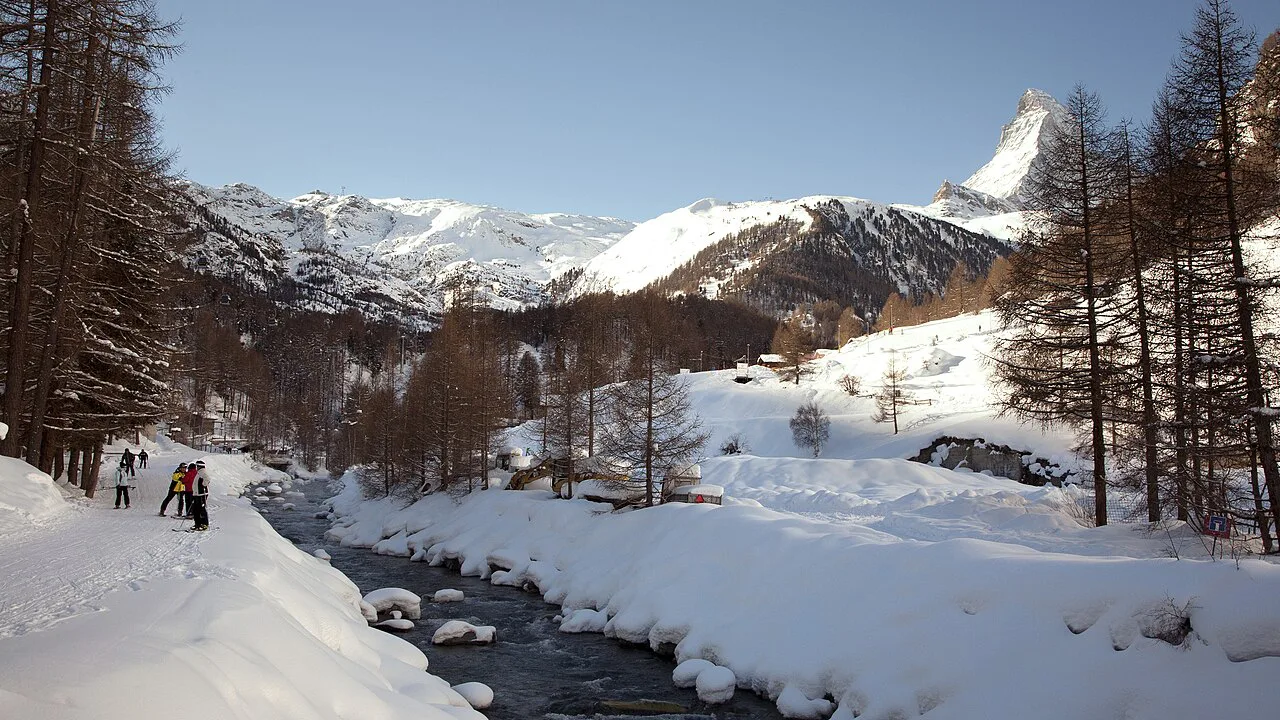
Where the Money Actually Goes
Rank the week's costs and the pass, the bed and the meals account for nearly all of it, with everything else marginal. That is useful, because it means tinkering with coffee and souvenirs will not move the total, while changing the pass or cutting a night will.
Ways to Cut the Bill: Pass Reductions for Younger Skiers
Ski passes are free for children under nine and reduced by 50 percent for children under 16, with 15 percent off for anyone under 20. These are the resort's stated reductions and they apply to the pass itself, not to accommodation or meals. For a family with younger children, the pass line item shrinks dramatically while the room rate does not.
Beyond the age reductions, the standard levers are fewer ski days, a self-catered base, and booking lifts well before arrival. A dedicated plan for zermatt on a budget sets out how those choices stack up against each other.
Non-Skiers: The Pedestrian and Hiker Pass
Non-skiers do not need a ski pass. A pedestrian and hiker pass gives access to mountain restaurants and viewpoints without paying for terrain you will not use, which makes Zermatt markedly cheaper for partners and friends who are not skiing. It also lets you ride up to meet your group for lunch, so you are not stuck in the village.
Beyond the pass, the village itself is free to walk and the mountain railways carry you to altitude without skis. A mixed group pays one ski pass and one pedestrian pass, and the total is well below two full passes.
When to Go to Get More for Your Money
Timing changes both pass pricing and what you get for it. January and February usually bring the most reliable snow, March offers longer days and more sun without giving up much coverage, and April still works on the glacier and in Cervinia. Early December carries more risk, because lower terrain opens only intermittently.
For a confident skier, a late-season trip often feels like better value: more daylight, better weather, and a wide open upper mountain. The trade-off is that lower runs may already be closing, so check what is open before you commit.
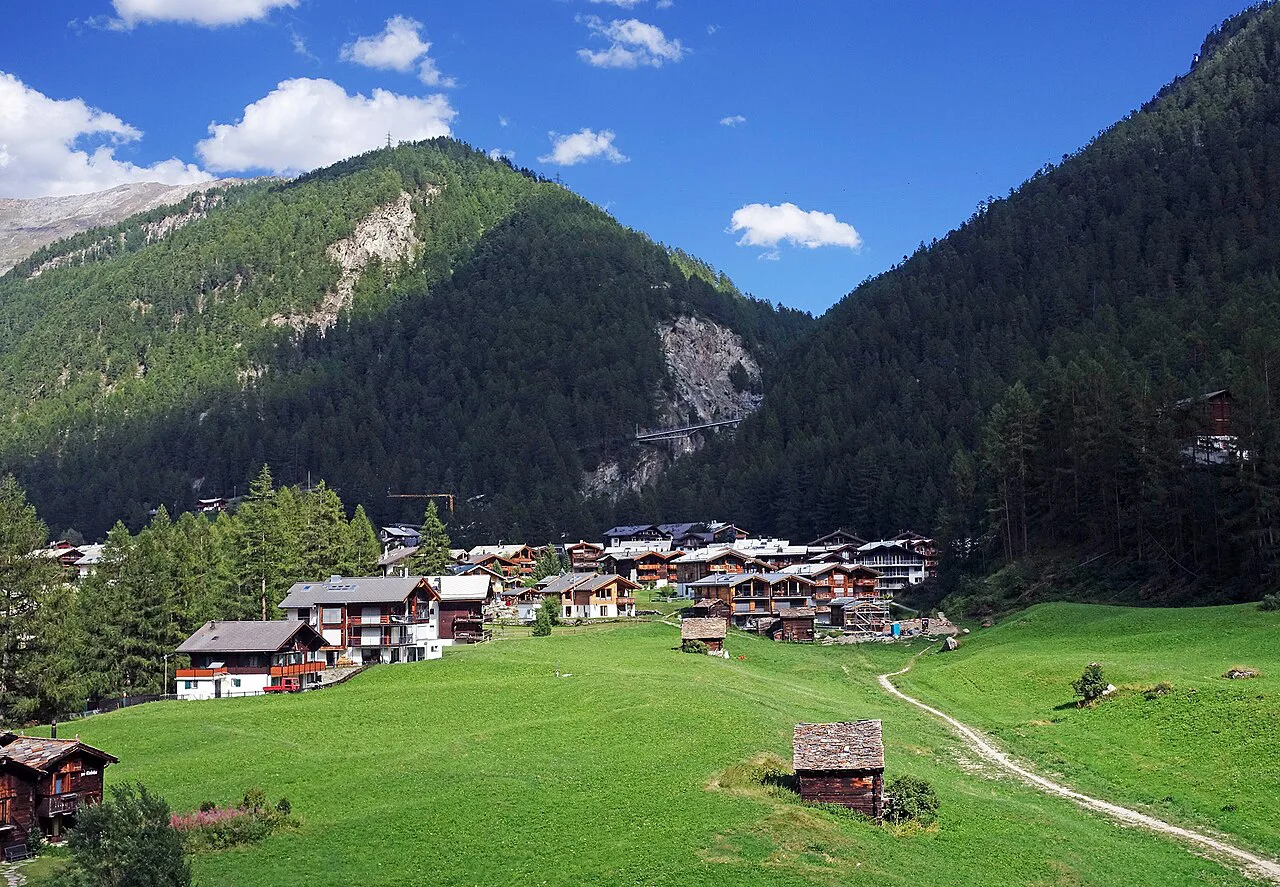
Is Zermatt Good Value for Families?
Families do best when the children already ski, because the beginner-friendly terrain around Sunnegga sits close to the village and keeps the day short. The resort is well set up for mixed-ability families, but it is not the cheapest place to introduce a child to skiing for the first time.
With free passes under nine and half price under 16, the lift cost for young families is modest relative to the room. The budget pressure sits in accommodation and meals, which is where families should negotiate hardest.
Honest Trade-Offs: What You Pay For and What You Don't
What you pay for is terrain and access: more than 50 lifts, a vast linked area that includes Italy, and a car-free village with the Matterhorn in view. What you do not get for the money is a cheap bed or a cheap lunch, and no pass option changes that. If you are still deciding whether the outlay is worth it, is zermatt worth visiting weighs the experience against the bill.
The comparison to other Swiss cities is instructive: a Zermatt week costs more than a Zürich or Basel city break, but it buys something those trips cannot, namely high-altitude skiing. If you are pricing both, Is Zürich Expensive? What a City Break Really Costs in CHF and Is Basel Expensive? A Basel City Break Actually Costs give the city-side numbers; if skiing is the point of the trip, the premium is easier to justify.
If you are weighing a short trip rather than a full week, the money goes furthest with two or three days of skiing paired with a couple of days off the slopes. The per-day rate can be higher, but the total outlay is far more controlled, and how many days in zermatt helps you settle the length in advance.
Bottom Line on Zermatt Costs
Zermatt is expensive, but the cost is predictable and largely controllable. A comfortable week sits at roughly 1,900 to 2,400 CHF per person excluding flights, and the biggest savings come from the pass you choose, the room you share, and the number of lunches you buy on the mountain.
If the comparison is Aspen or Vail, the numbers favor Zermatt. If it is a cheap Alpine village, they do not. Decide which comparison matters to you before you book, because that determines whether the trip feels like good value or an extravagance.
To turn these figures into a working plan, start with the zermatt itinerary, which sequences the days and shows where the Klein Matterhorn cable car fits alongside the cheaper village-level options. Comparing total spend against a two- or three-day version is the quickest way to see where the money actually lands.
Explore more Zermatt guides
Frequently Asked Questions
Is Zermatt expensive to visit?
Yes. A comfortable week without flights comes to roughly 1,900 to 2,400 CHF per person when you add a six-day international pass, a mid-range half-board room, mountain lunches and a few beers. It costs less than a comparable week at Aspen or Vail, but more than most Swiss resorts.
How much does a Zermatt lift pass cost?
Zermatt uses dynamic pricing, so the rate depends on the season and how far ahead you book. At published reference levels, a one-day Zermatt-only pass is 88 CHF, two days is 145 CHF, and a four-in-six-day pass is 334 CHF. The international version that adds Cervinia and Valtournenche costs 103 CHF for one day and 387 CHF for four in six. Check the official sales channel for your dates.
How much does a week of skiing in Zermatt cost?
Budget roughly 1,900 to 2,400 CHF per person for a comfortable week excluding flights. That covers a six-day international pass, a mid-range half-board room, mountain lunches in the mid-twenties to mid-thirties per meal, and beer. Sharing a room brings the total down sharply.
Is Zermatt more expensive than Aspen or Vail?
No. Once flights, passes, beds and meals are totaled, a Zermatt week comes in below a comparable week at Aspen or Vail. The lift pass looks expensive on its own, but food and accommodation in the Valais are cheaper than their US equivalents.
Is Zermatt expensive for non-skiers?
Non-skiers avoid the ski pass entirely. A pedestrian and hiker pass gives access to mountain restaurants and viewpoints without paying for terrain, and the village is free to walk. A mixed group pays one ski pass and one pedestrian pass rather than two full passes.
How much is lunch on the mountain in Zermatt?
Expect 25 to 35 CHF for lunch at one of the on-mountain restaurants, with a beer at about 7 CHF on the slopes or 6 CHF in the village. Packing a picnic for a day or two can save 50 to 70 CHF across a week.
Is Zermatt good value for families?
It can be, because ski passes are free for children under nine, half price under 16, and 15 percent off for anyone under 20. The trade-off is that accommodation and meals stay expensive, so sharing a room and choosing a family-friendly half-board option makes the biggest difference.
Sources
Notes for your Swiss city break
Optional updates to our Swiss city guides.
You might also like
Continue reading
More guides you'll find useful