Is Zermatt Worth Visiting? An Honest Answer for First-Timers
Zermatt is worth it for Matterhorn views, the Gornergrat railway and car-free lanes. Here is what it asks in time and money, and who should skip it instead.
On this page
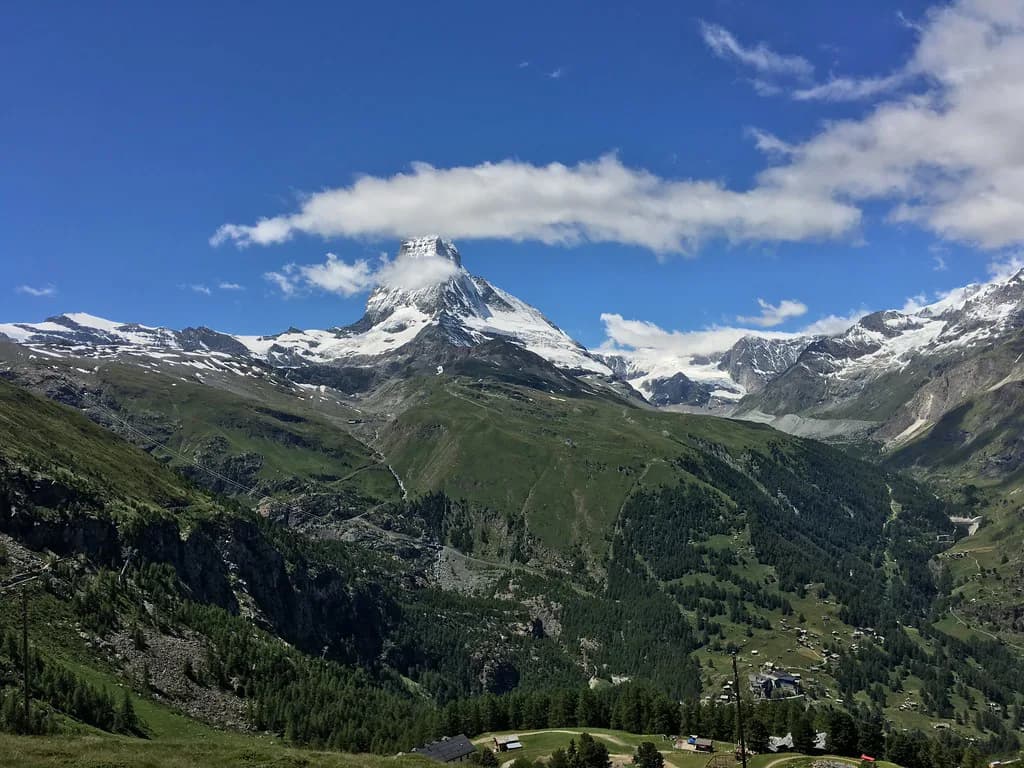
Yes, Zermatt is worth visiting if you want the Matterhorn close up and will pay for at least one mountain railway. The village sits at the foot of the peak, the Gornergrat train climbs to a 360-degree viewpoint in 33 minutes, and the streets are compact enough to cover on foot. The trade-off is cost and weather: this is a high-altitude resort town, and a cloudy day can hide the very thing you came for.
Travelers who treat Zermatt as a base for one big ascent plus a slow afternoon in the village get the most from it. Travelers who want cheap days, flat city sightseeing or guaranteed sunshine should look at a lower-altitude Swiss town instead. The sections below sort out which paid rides earn their ticket, what a non-skier does all day, and how many nights the place actually needs.
What Makes Zermatt Different from Other Swiss Towns
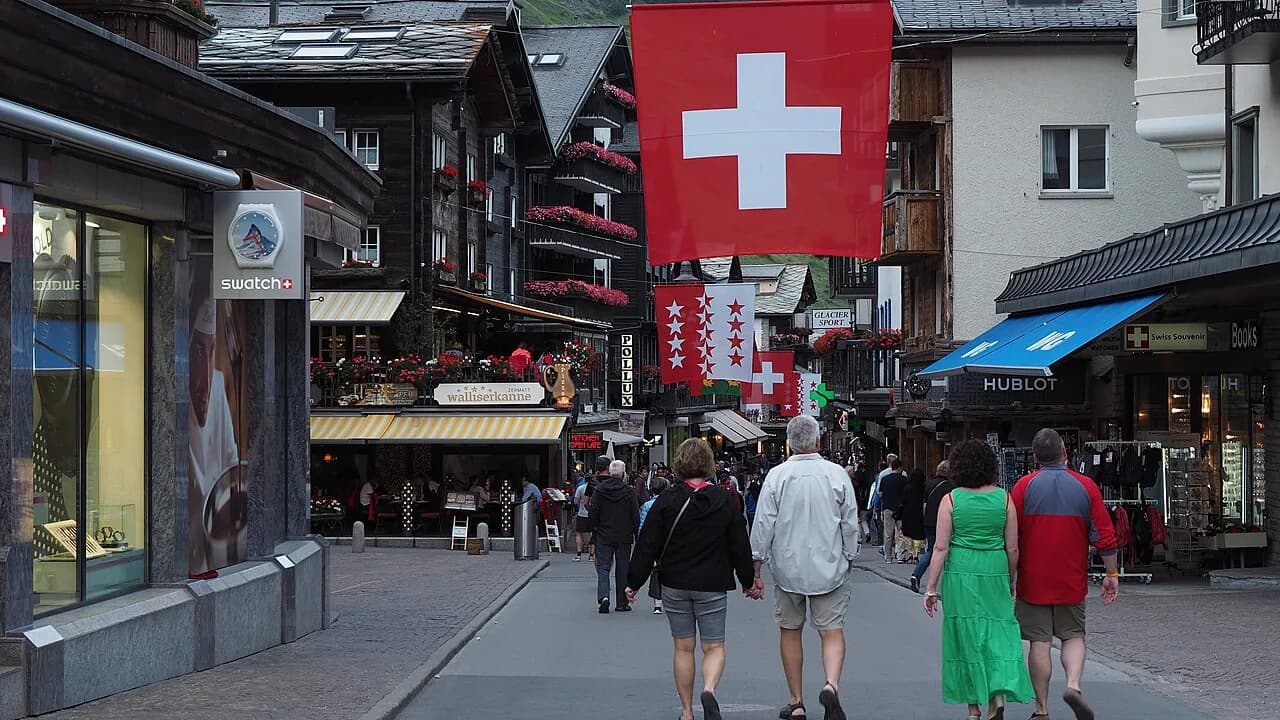
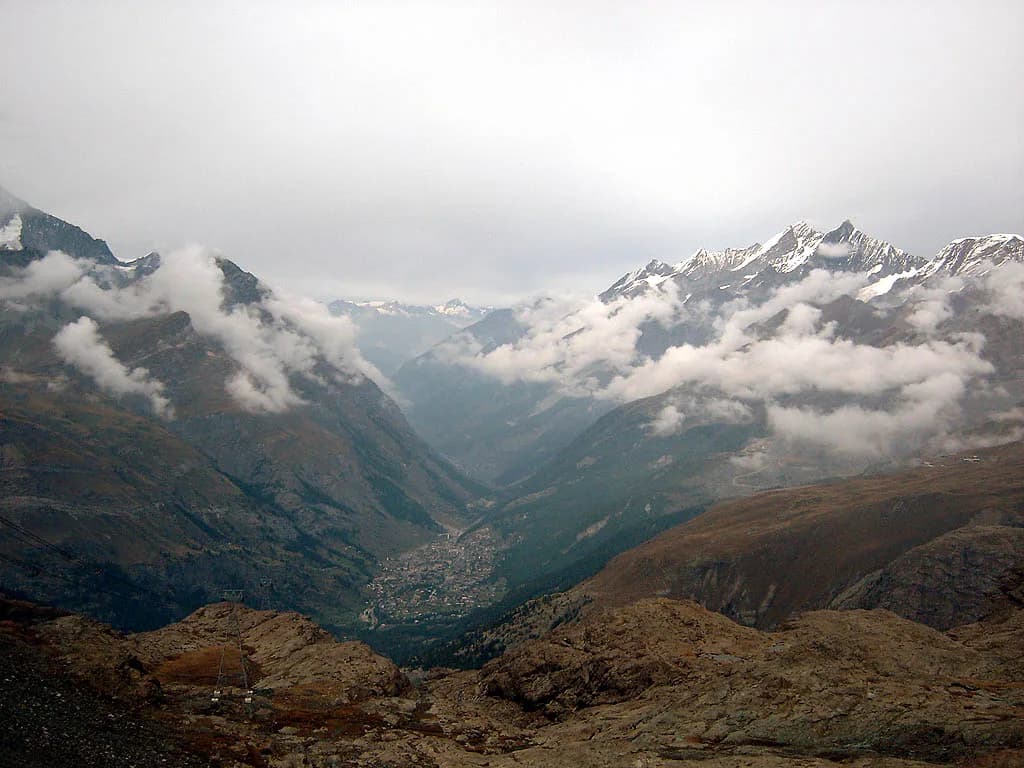
Zermatt is reached by rail, and the village core is small, walkable and stacked with chalets, hotels and mountain-view terraces. What separates it from Lucerne or Bern is altitude and focus: nearly everything here points at the Matterhorn, and the town empties upward each morning as people ride cable cars and trains to the surrounding ridges.
That single-mindedness is the appeal. You can watch the peak from the village, from a lake, from a ridge and from a glacier station within a few days, and each view is a different shape of the same mountain. If you have already seen the classic Swiss lake-and-old-town combination elsewhere, Zermatt delivers something those towns cannot.
The Matterhorn Views: Where They Actually Come From
On a clear day the Matterhorn is visible from all over the village, which means you do not need a ticket to see it. The better photographs come from water: Stellisee, Grindjisee and Leisee sit on the 5 Lakes Trail, Riffelsee lies just below Gornergrat, and the Theodulgletschersee appears along the Matterhorn Glacier Trail between Trockener Steg and Schwarzsee. Several of these are a short walk from a station rather than a full hike, and calm mornings give the best chance of a reflection.
If you only have limited time, pick one lake and one high viewpoint rather than chasing all five. Riffelsee pairs naturally with the Gornergrat train because it sits on the way up, and Stellisee is the classic reflection shot on the Sunnegga side. Both depend on wind and cloud, so build in a second morning if the mountain is wearing a cap.
Gornergrat: The One Ride to Budget For
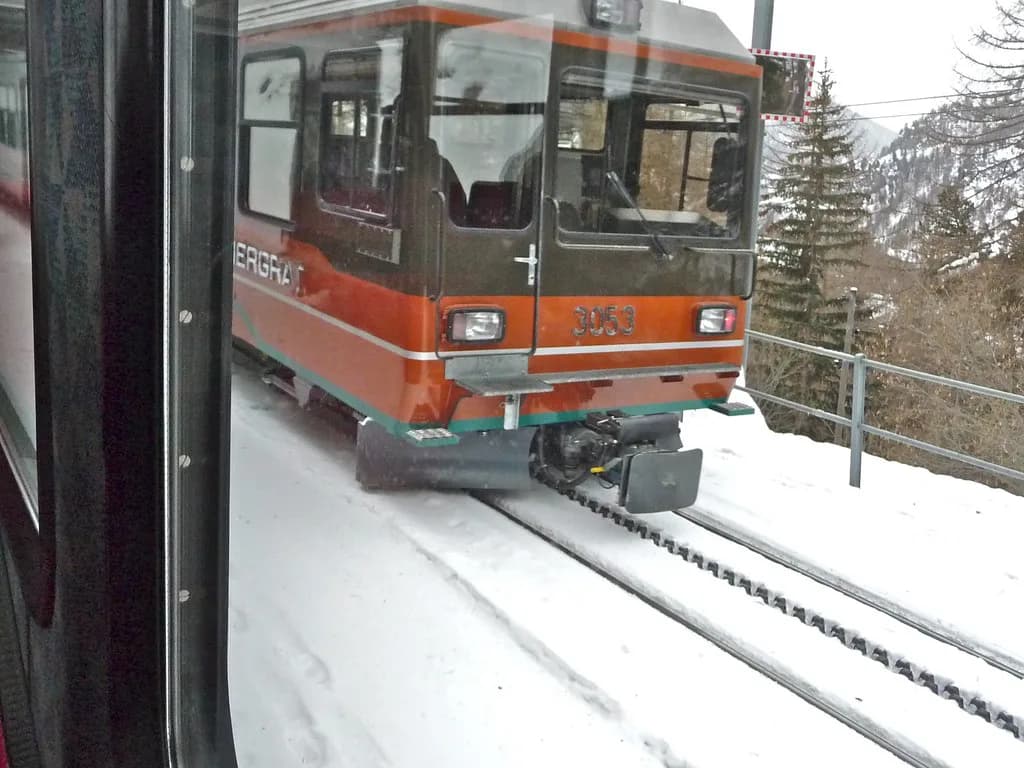
If you pay for exactly one ascent, make it Gornergrat. The train ride runs 33 minutes of continuous scenery, and the top gives a 360-degree panorama with 13 glaciers and Switzerland's highest peak in view, which is why it ranks first among the things to do in Zermatt covered by Aplins in the Alps. A short panoramic walk behind the hotel at the station adds the full sweep without any climbing.
The ticket also lets you use the intermediate stops, which is how you combine the ride with Riffelsee and, in summer, the blacknose sheep that graze between Gornergrat and Riffelberg. Plan the ride for a morning with a clear forecast, because a summit ticket bought in cloud buys you a station building. Check current fares on the Gornergrat Bahn's site before you commit.
Matterhorn Glacier Paradise and the Glacier Cable Car
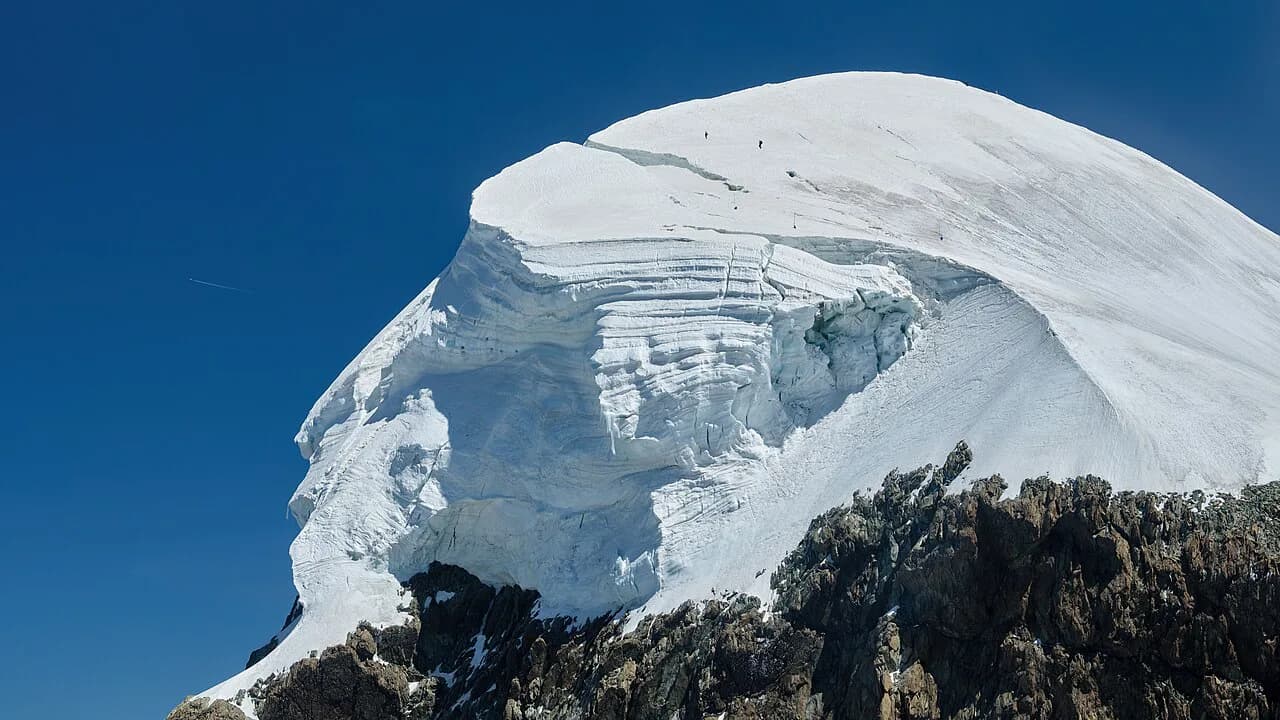
The other headline ascent is Matterhorn Glacier Paradise, reached by the Matterhorn Glacier Ride between Trockener Steg and the top station. It is the highest 3S cableway in the world and delivers you to the highest cable car station in Europe in about nine minutes, directly over the glaciers. The optional Crystal Ride cabins have Swarovski crystals outside and glass floors, and they cost extra on top of the standard fare.
Treat this one as a splurge rather than the default. It is genuinely expensive, and the view from Gornergrat is arguably the more breathtaking of the two, so travelers with one clear day should ride the train. Riders who go up anyway should note the altitude and dress for cold at the top even in midsummer.
The Village Itself: Museum, Cemetery and Car-Free Streets
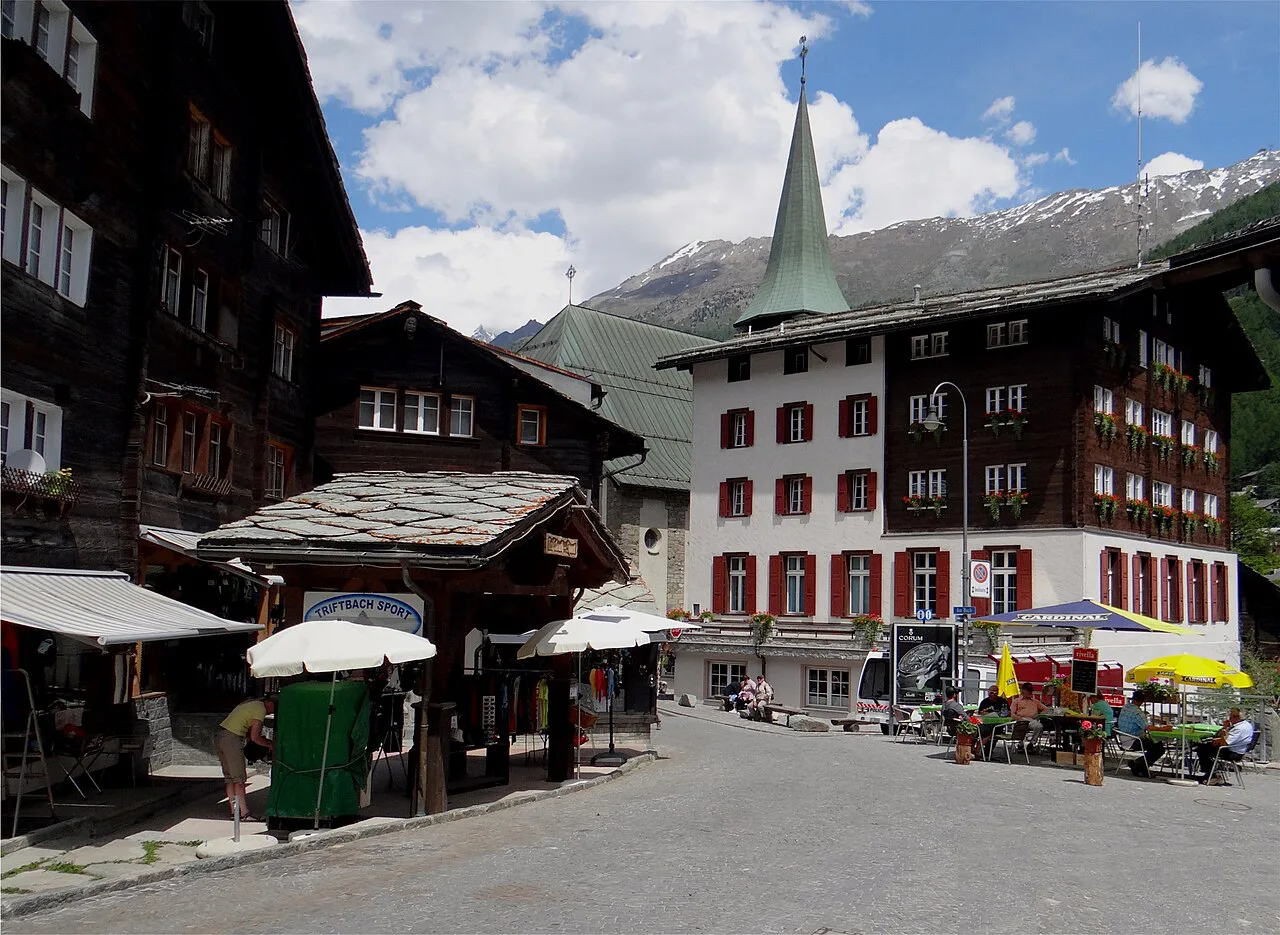
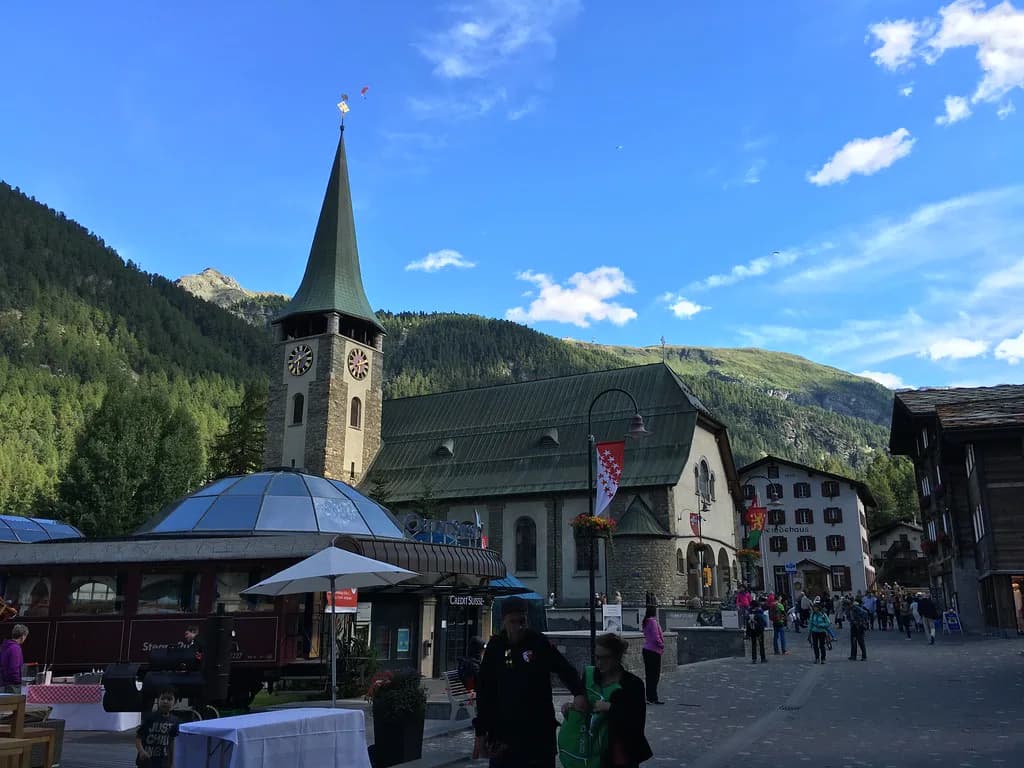
Zermatt's village layer deserves a half-day of its own. The Matterhorn Museum covers the history of mountaineering on the peak, and the climber's cemetery behind the church is a sobering companion piece. Both sit in the compact center, so you can pair them with a slow walk through the lanes.
In summer the village adds street-level traditions: alphorn, accordion and yodel concerts in the square, and blackneck goats parading through the streets each afternoon, both of which the Aplins in the Alps guide describes as summer village happenings. These are seasonal occurrences rather than events you book.
Summer in Zermatt: Ridges and the Blacknose Sheep
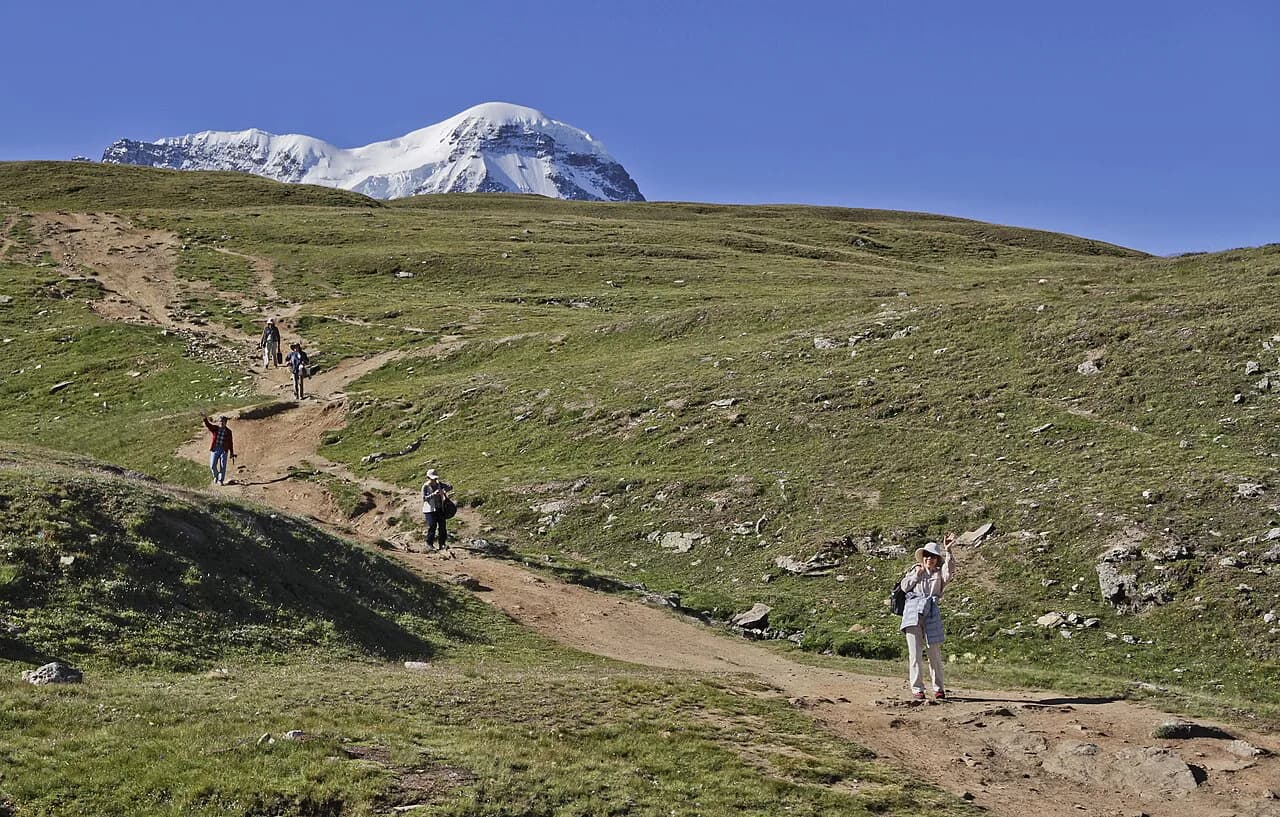
Summer turns Zermatt into a ridge-walking town. The Ritzengrat Ridge hike from Rothorn down toward Blauherd runs about 3.7 kilometers and roughly an hour and a quarter, with Matterhorn views most of the way and far fewer people than the 5 Lakes Trail. Mountain carts also run between Blauherd and Sunnegga for a faster, dustier descent.
The blacknose sheep graze between Gornergrat and Riffelberg in the summer months, and their location can be tracked on a live map published by the local tourism office. Gorner Gorge, a short walk from the end of town, works well on a cloudy day, with walkways over green rock and blue water. Fill your days with one ridge and one gorge rather than three, because weather decides which is worth doing.
A summer visit is also the reason many travelers come without skis at all. In a 2026 guide, the verdict on the village is straightforward: scenic railways, marked trails and Matterhorn views make Zermatt worthwhile year-round, not just in winter.
Zermatt Without Skiing: What a Non-Skier Does All Day
A non-skier's day in Zermatt looks like this: a morning mountain railway or cable car, an easy walk to a lake or viewpoint, a late lunch in the village, and the museum or cemetery in the afternoon. Add Gorner Gorge on a grey day and the week fills without ever putting on boots. Findeln, a hamlet reachable only on foot or by bike, is the splurge lunch with the Matterhorn as a backdrop.
Travelers comparing Zermatt with a lower-altitude base should weigh this honestly: the village rewards people who ride lifts and ride trains. If a two-hour mountain railway sounds like a chore, the trip loses its centerpiece, and a town like Bern or Basel will give you more for the same money. Those weighing a swap can read is bern worth visiting and is basel worth visiting side by side.
Is Zermatt Worth It in Bad Weather?
Cloud happens, and the Matterhorn does not always appear. Build a flexible plan: keep the big ascent for the clearest morning of your stay, and hold the museum, Gorner Gorge, the village walk and the spa afternoon for the wet day. Hotel spas in Zermatt often sell day or half-day access to non-guests, which is a sensible use of a rained-off afternoon.
If your whole trip is two nights and both are cloudy, accept that you have bought a village break rather than a mountain one. That is still a pleasant stay, but it is not the trip you pictured, and travelers with fixed dates should price that risk into the decision. Travelers trading notes on the same question tend to put the useful minimum at three nights, enough for two full days.
How Many Days Zermatt Needs
Three nights, or two full days, is the practical minimum for a first visit. That gives you one clear morning for Gornergrat, one for a lake or ridge walk, and an afternoon for the village, with slack for a weather day. A single day only works if the forecast is solid and you pick one ascent.
Four or five nights suits travelers who want both the Gornergrat train and the glacier cable car, plus a lazy Findeln lunch and a gorge. Longer than that and you are paying resort prices for repetition unless you are here to walk seriously. The full zermatt itinerary maps a three-day version day by day.
What Zermatt Costs and Where the Money Goes
The money goes to transport and altitude. Mountain railways, cable cars and the Crystal Ride upgrade are the big line items, followed by accommodation and meals at resort prices. Travelers watching costs should check how a Swiss Travel Pass or Half Fare card applies to the lifts before booking.
The village itself is not where the budget breaks; it is the sum of two or three paid ascents in a short stay. Cut one ascent, walk instead of riding a second lift, and eat lunch in the village rather than at a mountain restaurant. On a tight budget, Zermatt on a budget shows which corners can be cut without missing the point.
Who Will Love Zermatt and Who Should Skip It
Zermatt suits travelers who want one dramatic mountain, will pay for a railway to reach it, and can give the trip three nights. It also suits summer visitors who enjoy ridge walks and lakes more than ski runs, because the village works as a walking base from June onward. If that is you, the answer to is zermatt expensive is yes, but worth it once.
Skip Zermatt if your budget is tight, if you have no interest in mountain railways, or if you only have one day and cannot accept a cloudy outcome. Skiers who want a big resort and travelers who want city sightseeing are also better served elsewhere in Switzerland. Comparing Zermatt vs Grindelwald helps travelers deciding between two alpine bases with very different views.
Verdict: Book It
Book Zermatt for three nights, budget for the Gornergrat train and one more lift, and hold one morning free for whichever day looks clearest. That plan delivers the Matterhorn, a ridge or lake walk, the museum and the village without wasting money on a summit ticket bought in cloud.
Travelers on a tight budget, or those who would rather spend the money on city days, should put the nights elsewhere and keep Zermatt for a future trip with more time. Everyone else: the village is expensive, small and spectacular, and the trade-off is worth making once. Fares sit on the official operator sites.
Explore more Zermatt guides
Frequently Asked Questions
Is Zermatt worth visiting if you don't ski?
Yes, as long as you ride at least one mountain railway or cable car. The Gornergrat train, the Matterhorn Glacier Ride, the lake viewpoints a short walk from the stations and the Gorner Gorge walk fill two or three days without skis, and summer adds ridge walks and the blacknose sheep.
How many days do you need in Zermatt?
Three nights suits most first visits: one clear morning for Gornergrat, one for a lake or ridge walk, and an afternoon for the village and museum. One day only works with a solid forecast and a single ascent; four or five nights suit travelers who want both big rides and slower days.
Where is the best viewpoint for the Matterhorn in Zermatt?
Gornergrat gives the widest panorama, with 13 glaciers and Switzerland's highest peak in view after a 33-minute train ride. For the reflection shot, Riffelsee sits just below Gornergrat, while Stellisee, Grindjisee and Leisee lie on the 5 Lakes Trail; calm, clear mornings give the best chance.
Is Zermatt expensive to visit?
The costly part is the mountain transport, with cable cars, the Crystal Ride upgrade and the Gornergrat train adding up over a short stay. You can trim the total by paying for one ascent rather than three, spending an afternoon in the village on foot, and checking whether a travel pass covers any lift.
Is Zermatt worth visiting in summer?
Summer is when the village works best without snow: marked trails, lake reflections, the Ritzengrat Ridge walk, mountain carts between Blauherd and Sunnegga and the blacknose sheep between Gornergrat and Riffelberg. Gorner Gorge is the fallback when cloud covers the peak.
What can I do in Zermatt in 3 days?
Day one covers the village, the Matterhorn Museum and the climber's cemetery. Day two takes the Gornergrat train with a stop at Riffelsee, and day three heads to Sunnegga for a lake or ridge walk, with Gorner Gorge saved for the greyest afternoon.
Sources
Notes for your Swiss city break
Optional updates to our Swiss city guides.
You might also like
Continue reading
More guides you'll find useful