Zermatt Old Town: What to See in the Historic Village Center
Zermatt's old town is the historic core around Kirchplatz, with old wooden houses and the Matterhorn Museum. Here's what to see and how to plan your walk.
On this page
Zermatt's old town is the historic village core around Kirchplatz and Hinterdorfstrasse, where weathered timber houses and barns date from roughly the 1600s to the 1800s. It is small, flat and quick to walk, and the single biggest sight inside it is the underground Matterhorn Museum – Zermatlantis. Two or three hours covers the streets and the museum without rushing.
The village is car-free, so the old town is explored entirely on foot, and the historic lanes sit a few minutes from the station end of town. Think of it as a short, dense walk rather than a district you need a map for: the old barns are clustered together, and the museum entrance is right on Kirchplatz.
What Zermatt Old Town Is
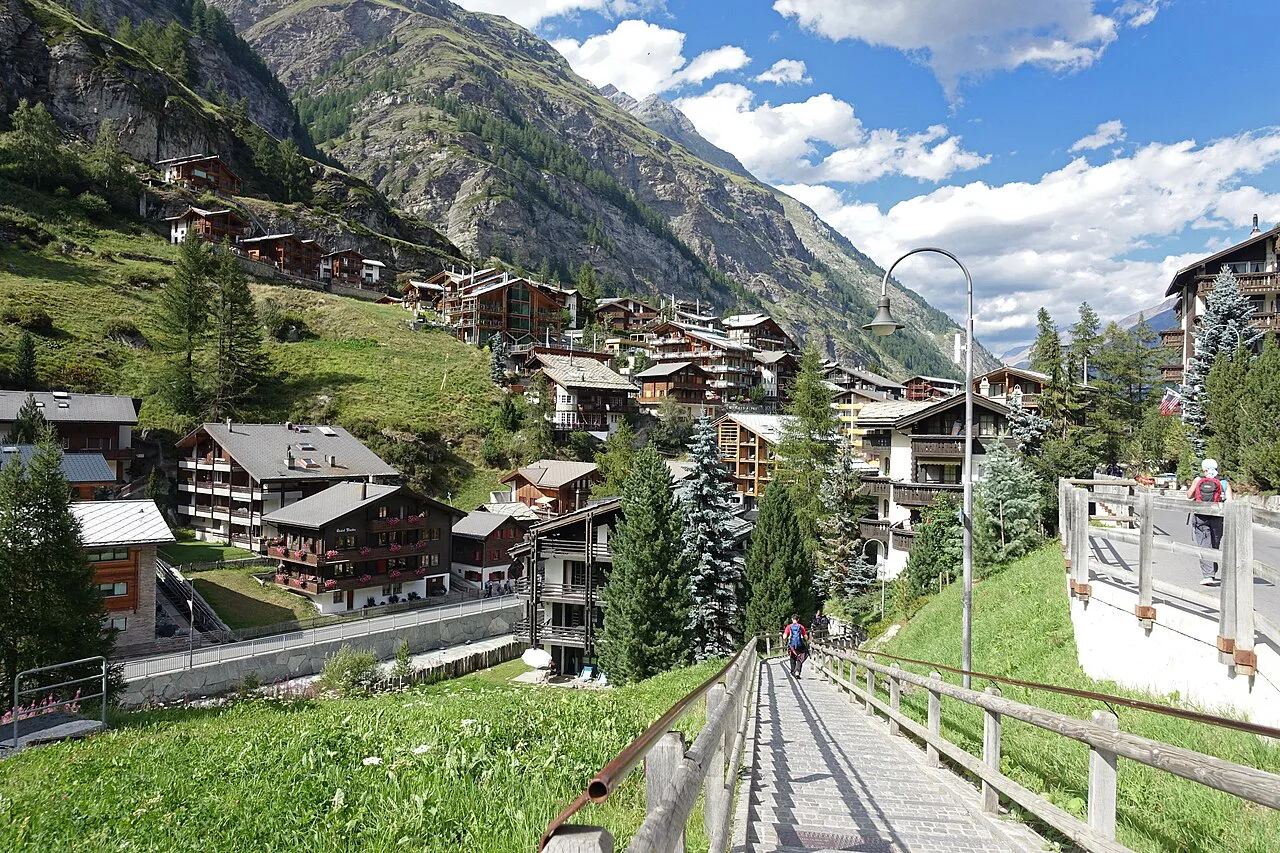
The old town is the historic heart of Zermatt, a tight group of ancient barns, homes and sheds that date back to between 1600 and the 1800s along Hinterdorfstrasse. The buildings are the point: dark, sun-burned larch wood, small windows and raised granaries on stone slabs, crowded close together in a way that shows how a farming village fitted onto a narrow alpine shelf.
This is the old village, not a reconstructed set. The same lanes that now carry visitors were the working core of a mountain farming community before Zermatt became an alpine destination, and the Matterhorn Museum traces that shift from farming village to world-famous resort. If you want the broader picture of what the resort offers today, the wider guide to things to do in zermatt puts the old town alongside the mountain excursions.
How the Old Town Is Laid Out
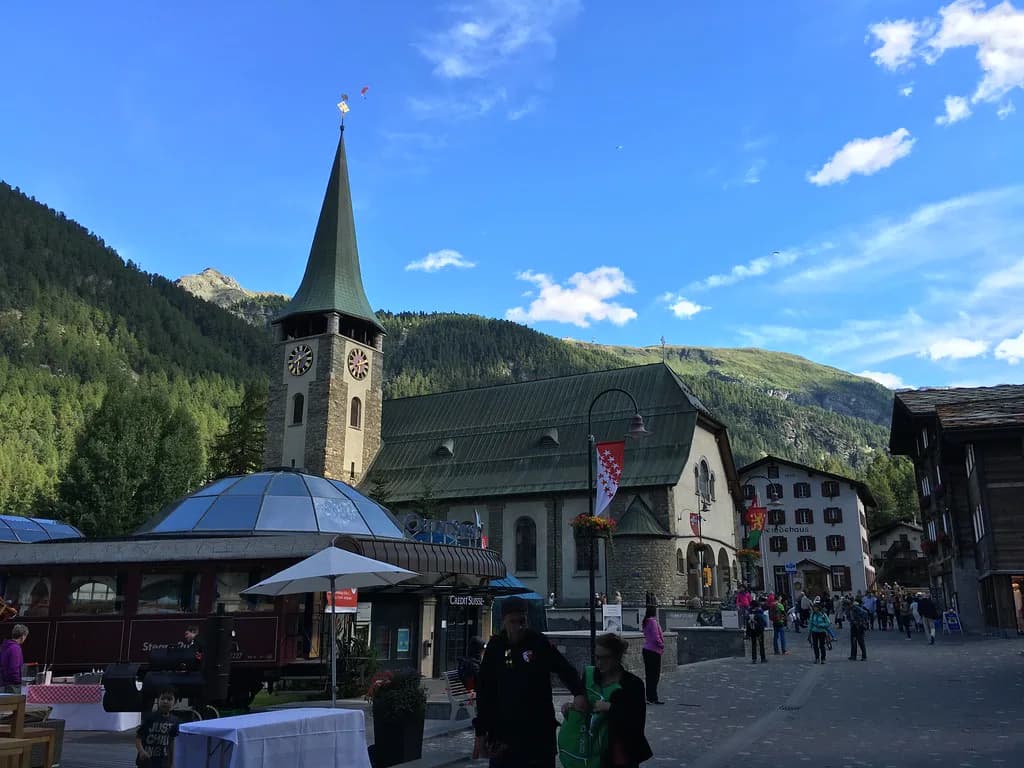
Two names do most of the work. Kirchplatz is the small square that anchors the historic center, with the church setting beside it and the Matterhorn Museum entrance on the square. Hinterdorfstrasse is the lane of old barns and houses that most visitors picture when they imagine Zermatt's old town.
Because Zermatt has no cars in the village, you move between the two on foot, sharing narrow lanes with pedestrians and the occasional horse-drawn carriage. That changes the pace: there is no traffic to dodge, but there is also no loop road to follow, so you wander the lanes and let the barns pull you along rather than following a set circuit.
Orientation is simple once you fix Kirchplatz as your reference point. Everything in the historic core is within a few minutes of it, and the station area, shops and cable car access lie just outside the old lanes. Treat the square as the start and end of the walk.
Start at Kirchplatz
Kirchplatz is the natural place to begin because it holds the museum and sits at the edge of the old lanes. The church setting gives the square its quiet, village-center feel, and the low surrounding buildings keep the scale intimate rather than grand.
Arriving here first also lets you fix the museum's timing before you wander. The museum publishes daily hours of 15:00 to 18:00, so if you plan to go inside, either build the walk around an afternoon slot or see the lanes first and finish at the museum.
Matterhorn Museum – Zermatlantis
The Matterhorn Museum is built underground at Kirchplatz, and the descent is part of the experience: you drop below the village into a staged world of original houses, recreated scenes of villagers and early alpine explorers, and a multimedia room. The museum opened in 2006 and welcomes around 40,000 visitors a year, which tells you it is a compact, popular stop rather than a sprawling national collection.
The centerpiece is the story of the first ascent of the Matterhorn on 14 July 1865, told through the original torn rope from the climb and effects of the climbers who died on the descent. Four of the seven climbers lost their lives that day, and the museum presents both the triumph and the tragedy rather than smoothing over the cost.
Other highlights include a Neolithic stone axe from the third to fifth millennium BC and the remains and belongings of the so-called mercenary, a sixteenth-century figure who failed to cross the Theodul Pass. A relief model of the Matterhorn lights up the climbing routes, and a multi-vision room shows excerpts from Luis Trenker's 1937–38 film The Mountain Calls, shot in Zermatt.
Matterhorn Museum Practicalities
Tickets cost CHF 12 for adults, CHF 10 for seniors aged 64 and over and for groups of at least eight people, CHF 8 for students, and CHF 7 for youths aged 10 to 16. Children up to 9 enter free when accompanied by an adult, and school classes pay CHF 5 per child with up to 25 pupils, with the teacher free.
The museum accepts the Museumspass, the Swiss Travel Pass, the Swiss Flexi Pass and the Swiss Youth Pass, as well as Raiffeisen cards carrying the Maestro, VISA or MasterCard logo. If you already hold one of those passes, the museum visit is effectively covered, which makes it the best-value indoor stop in the old town. The published hours list all seven days open from 15:00 to 18:00.
Hours shift by season, so check the schedule for your dates rather than assuming the daily pattern holds. The museum publishes a closed period from 1 to 19 November 2026, and from 20 November to 17 December 2026 it opens only Friday, Saturday and Sunday, from 15:00 to 18:00.
Inside, an audio guide is available in German, English, French and Japanese, and the museum is wheelchair accessible and suitable for families. Dogs are not allowed, and the museum shop sells books and souvenirs.
Hinterdorfstrasse and the Old Barns
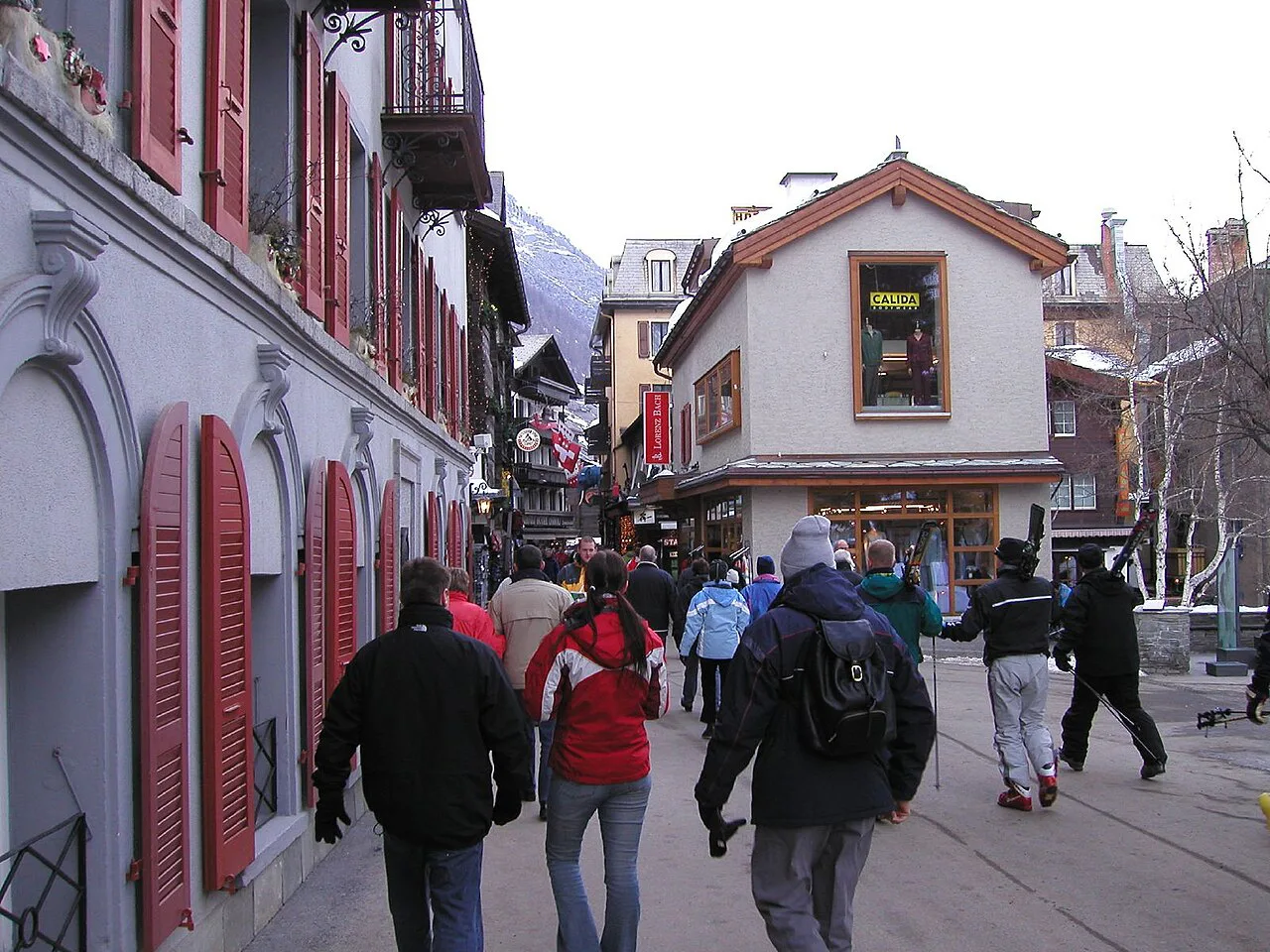
Hinterdorfstrasse is the lane to slow down on. The old barns, homes and sheds are packed shoulder to shoulder, their timber dark and their stone base slabs visible under the raised granaries. It is the most photographed stretch of the historic core, and the reason the old town is on most first-time visitors' lists.
Treat the lane as a residential street first and a sight second. The buildings are old wooden structures, so keep to the path, don't lean on or climb the timber, and keep voices low near doorways. A respectful pass takes ten minutes; lingering to look at the joins and carvings takes longer.
A Short Walking Route
Begin at Kirchplatz, look at the church setting and the square, then walk the Hinterdorfstrasse lanes and return to the museum for an afternoon slot. On foot, the whole historic core is a short stroll rather than a hike, and the museum needs roughly an hour on its own. Budget about two hours total, or three if you read every panel inside.
If the museum's 15:00 opening leaves a morning free, use it for the lanes and the square without the crowds, then come back. The published hours also mean the old town walk fits neatly before or after a mountain excursion, since the cable car access sits outside the historic lanes.
When to Go
The old town is small enough that the season matters mainly for the museum's timetable and for how pleasant the lanes feel. In summer and early autumn the lanes are at their busiest, so early morning is the calmest window before the day-trippers arrive from the mountain lifts.
The museum's published schedule shows the seasonal pattern clearly: full daily opening for most of the year, a Friday-to-Sunday pattern from 20 November to 17 December 2026, and full closure from 1 to 19 November 2026. Match your old-town day to a period when the museum is open if the 1865 story is the reason you are coming.
Costs and Money-Saving
The old town walk itself is free: the lanes and Kirchplatz cost nothing, and the only ticket you need is for the museum. At CHF 12 for an adult and nothing for children up to 9, a family with two adults and two young children pays CHF 24 for the whole indoor visit.
Money-saving hinges on passes. Museumspass, Swiss Travel Pass, Swiss Flexi Pass and Swiss Youth Pass are all accepted for entry, and students and seniors pay less than the standard adult rate. Check whether your pass covers the museum before buying a separate ticket at the desk.
If you want a contrast to Zermatt's timber lanes, other Swiss old towns make an interesting comparison, from the sandstone lanes of basel old town to the arcaded length of bern old town. Both reward a similar half-day of walking and are far larger than Zermatt's compact core.
Trade-offs: What the Old Town Is Not
The old town is a small historic core, not a walled medieval quarter you can lose yourself in. There are no long shopping streets or grand squares here; the appeal is the density of the old timber buildings and the museum beneath Kirchplatz. If you come expecting hours of wandering, you will run out of lanes quickly.
Its real strength is as a compact, low-cost counterpoint to the mountain days. Pair it with the museum and a slow coffee, and it fills an afternoon well. For a wider menu of Zermatt attractions to build the rest of your trip around, the Zermatt Attractions: 8 Visitor Guides collection covers the alternatives.
Practical Notes
Zermatt's village is car-free, so you arrive and move around on foot, by electric taxi or by the mountain railway and cable cars. The old town lanes are pedestrian and step-free in the core, which makes the walk manageable for most visitors.
The museum is wheelchair accessible and offers audio guides in German, English, French and Japanese. Dogs are not allowed inside the museum, so plan for one person to wait with the dog while the others visit.
Plan Your Visit
Zermatt's old town rewards a short, focused visit: begin at Kirchplatz, walk the Hinterdorfstrasse barns, and give the underground Matterhorn Museum a full hour. The lanes are free, the museum is modestly priced, and the whole historic core fits into an afternoon without competing with your mountain days.
Check the museum's seasonal hours and any closed period for your dates before you set out, then build the walk around its afternoon opening. With the layout fixed in your mind, the old town is one of the easiest and cheapest parts of a Zermatt trip to plan.
Explore more Zermatt guides
Frequently Asked Questions
What is there to see in Zermatt's old town?
The historic core is built around Kirchplatz and Hinterdorfstrasse, where old timber barns, homes and sheds date from roughly the 1600s to the 1800s. The main sight is the underground Matterhorn Museum – Zermatlantis, which tells the story of the village and the first ascent of the Matterhorn in 1865.
How old is the town of Zermatt?
The surviving historic buildings along Hinterdorfstrasse date back to between 1600 and the 1800s. The Matterhorn Museum traces the village's longer story, from a mountain farming community to an alpine destination, including finds such as a Neolithic stone axe.
Is the Matterhorn Museum worth visiting?
Yes, if you want context for the Matterhorn. The museum is staged underground with original houses and recreated village scenes, and it holds the original torn rope from the 1865 first ascent alongside effects of the climbers who died. It opened in 2006 and draws around 40,000 visitors a year.
How much does the Matterhorn Museum cost?
Adults pay CHF 12, seniors and groups CHF 10, students CHF 8 and youths aged 10 to 16 CHF 7. Children up to 9 enter free with an adult, and the Museumspass and Swiss Travel Pass are accepted for entry.
How long does it take to walk Zermatt's old town?
The historic lanes are compact, so the walk itself takes well under an hour. Allow about two hours in total if you include the museum, or three if you read the exhibits in detail.
When is the Matterhorn Museum closed?
The museum publishes a closure from 1 to 19 November 2026, and a reduced Friday-to-Sunday schedule from 20 November to 17 December 2026. The rest of the time it lists daily opening from 15:00 to 18:00, but confirm the schedule for your dates.
Sources
Notes for your Swiss city break
Optional updates to our Swiss city guides.
You might also like
Continue reading
More guides you'll find useful